 Much retirement and estate planning assumes you have children who will someday inherit your money and step in when you can no longer manage your own affairs. But if you don’t have children, choosing who you want to make decisions for you in your later years will take more effort.
I helped a client with this process several years ago. She was single and had been diagnosed with a progressive disease that would soon leave her unable to fully care for herself. She had children, but none lived nearby, and she had no one locally she could turn to as an advocate. We found a local elder advocacy firm that could oversee her bill-paying and attend medical appointments with her. It could also hold her health care power of attorney and serve as her guardian if she ever needed one.
Demographic Trends & the Planning Gap
Situations like hers may become more common, as more younger adults without children say they are unlikely ever to have them. According to a July 2024 report by the Pew Research Center, that share rose from 37% in 2018 to 47% in 2023 among adults under 50.
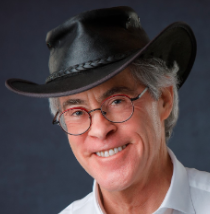
This is why I was intrigued by the work of Jay Zigmont, a Certified Financial Planner who founded Childfree Wealth, a planning firm for people without children.
One of his concerns is that, without children, there is often no obvious person to serve as your financial power of attorney, health care power of attorney, executor, or trustee. He says many people without an obvious choice put off planning altogether.
That planning gap shows up in a 2025 survey of more than 600 adults without children, conducted by a company Zigmont founded. Only 19.9% of respondents had a will, compared with 24% of U.S. adults in a 2025 survey by Caring.com. Fewer than 13% of childless adults had long-term care insurance.
For those with no one to name, Zigmont’s answer is a professional fiduciary. This is a person or company paid to serve as power of attorney, executor, and trustee, either as the first choice or as a backup to friends and family. Yet in his company’s survey, 47% of respondents would consider appointing a professional and 51% said they don’t trust professional fiduciaries.
