The financial industry is being pulled between two powerful forces: bottom-up financial technology is enabling seamless integration, while top-down geoeconomic statecraft is promoting fragmentation. So much for the conventional wisdom that finance will simply become smoother, cheaper, and more globalized over time.
The bond market has become the central story for investors. The remarkable development over the past several weeks is not rising inflation expectations but rising real interest rates. Real rates have increased roughly 40 basis points in just three weeks, one of the sharpest moves I can remember over such a short period. Meanwhile, longer-term inflation expectations have actually edged slightly lower.
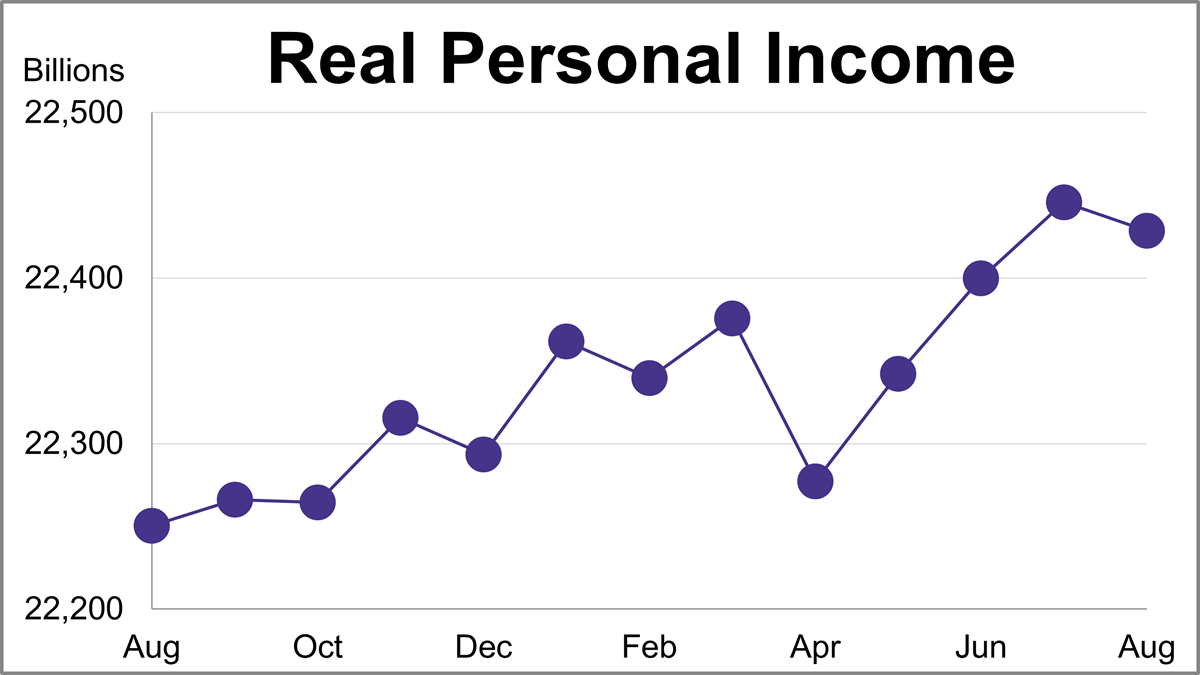
Personal income (excluding transfer receipts) was up 0.23% in August and was up 4.25% year-over-year. However, when adjusted for inflation using the BEA's PCE Price Index, real personal income (excluding transfer receipts) was down 0.08% month-over-month and up 0.80% year-over-year.
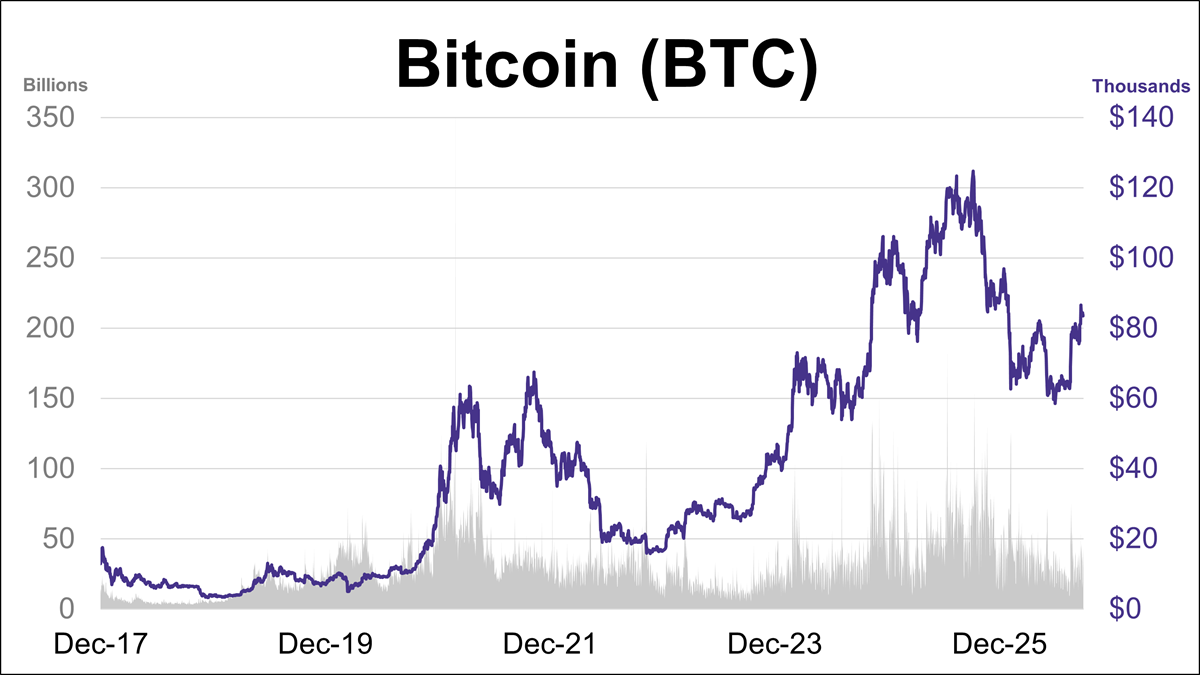
Bitcoin's closing price was down 3.0% this week. BTC is currently down approximately 4% year-to-date and sits about 33% below its October 2025 record high.
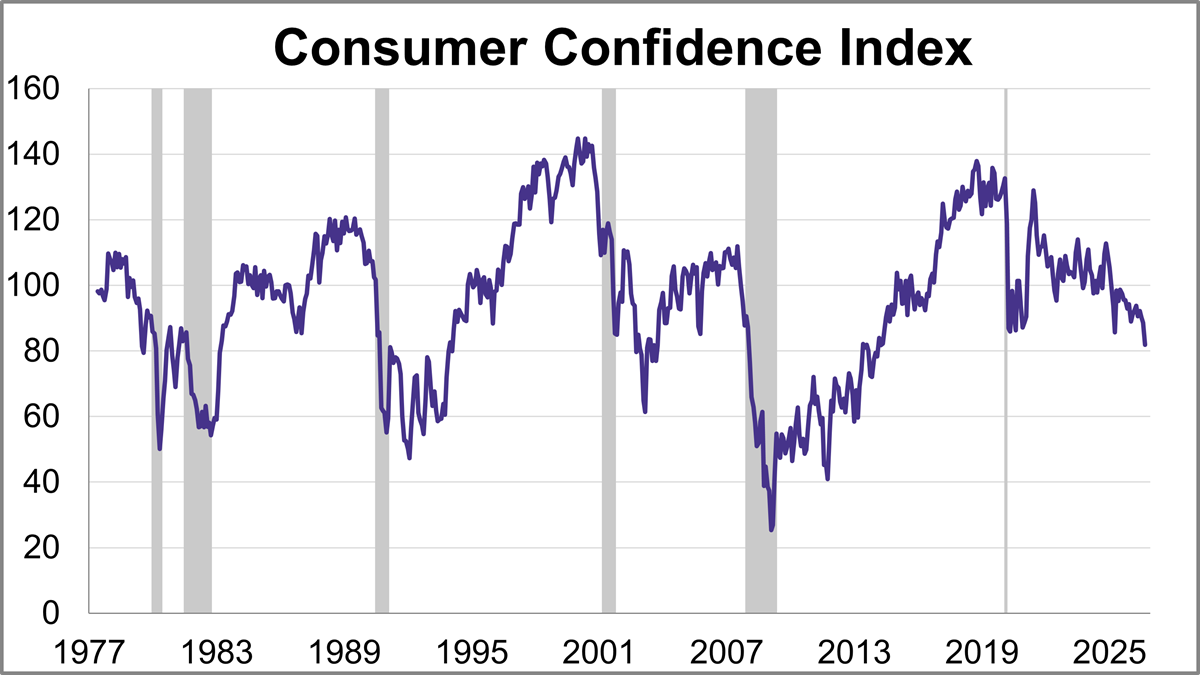
The Conference Board's Consumer Confidence Index® fell significantly more than expected in September, falling 6.7 points to 81.9. The index was far below the forecast of 89.2.
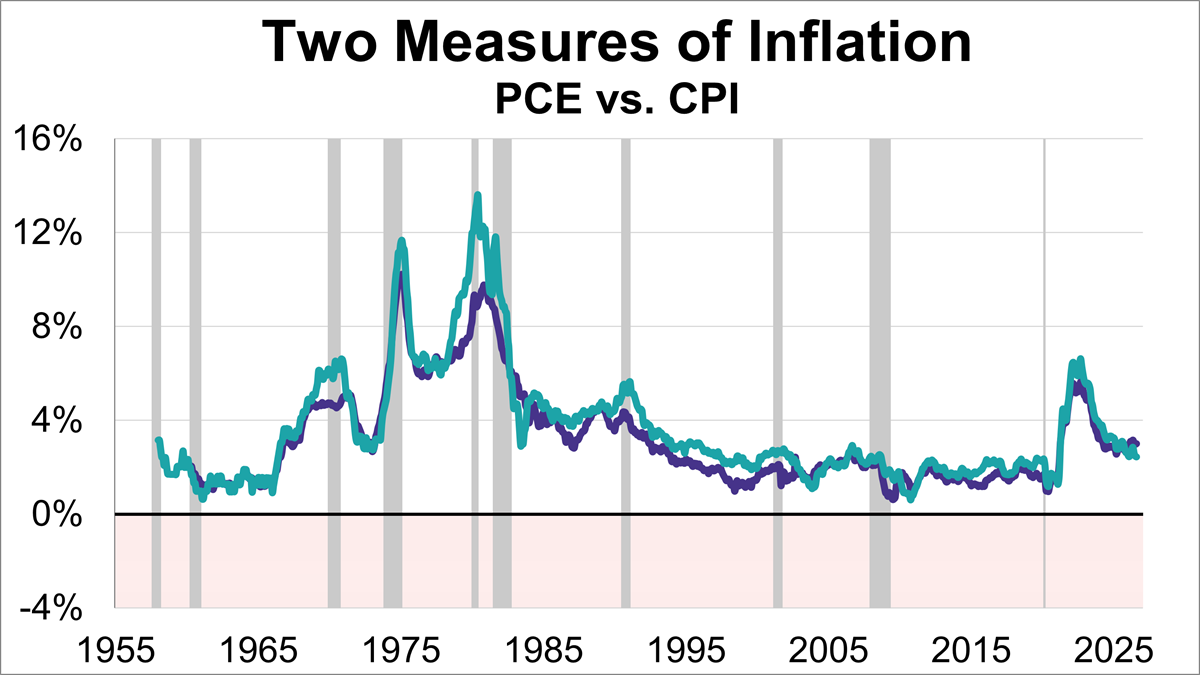
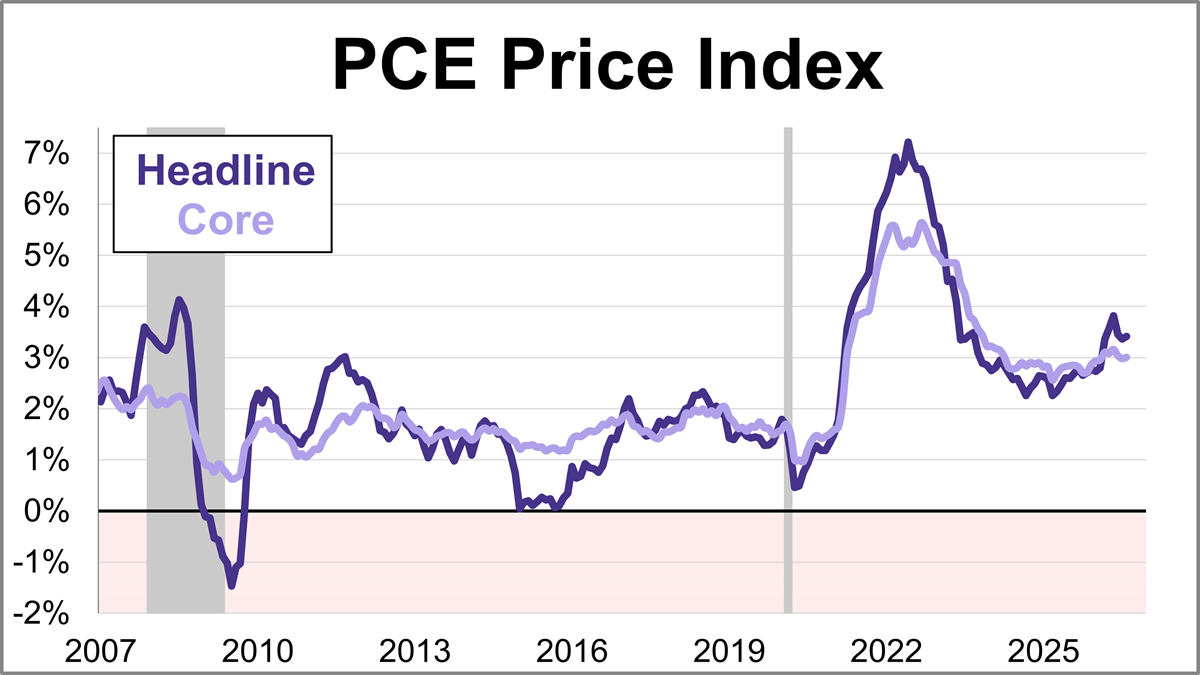
Inflation remains a hot topic, directly impacting everything from your grocery bill to interest rates. As of the latest data, two key inflation gauges — the Personal Consumption Expenditures (PCE) Price Index and the Consumer Price Index (CPI) — show that prices are still above the Federal Reserve's 2% target, with the core PCE at 3% and core CPI at 2.5%.
The Federal Reserve’s preferred inflation gauge, the core PCE price index, climbed 3% year-over-year in August. This marks no change from July's reading. On a monthly basis, core prices rose 0.2%.
Valid until the market close on October 31, 2026
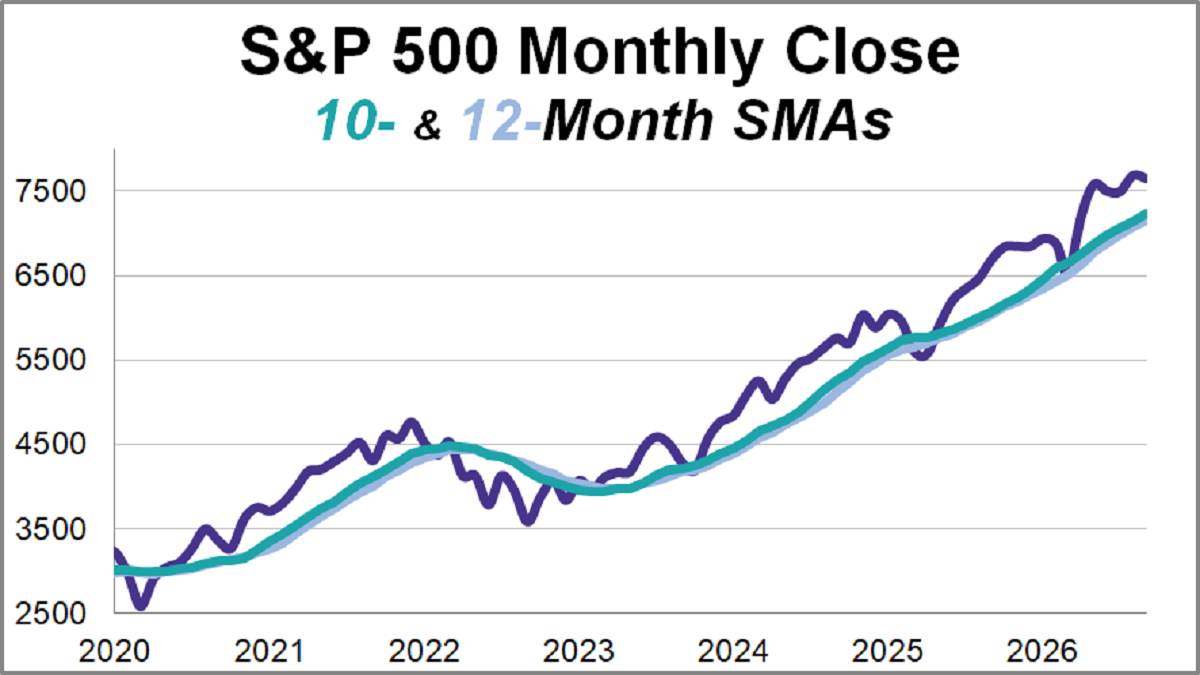
This article provides an update on the monthly moving averages we track for the S&P 500 and the Ivy Portfolio after the close of the last business day of the month.
With more than 100,000 advisors planning to retire in the next 10 years and an overwhelming majority of independent RIAs facing major challenges in succession planning, making your firm as attractive as possible, whether you’re looking to acquire or to be acquired, is quickly becoming much more than a good idea; it may soon be a survival tactic.
With a process and an approach in place, you should move toward a final solution more easily. All you can do is set it up to be as open and fair as possible, with someone holding the absolute final say once the decision is made.
Finance leaders can use agentic AI to boost budget visibility, develop more accurate forecasts efficiently, and find insights in data that would typically require extensive manual effort. With the right platform and a careful approach to governance, finance functions can start reaping the benefits of augmentation within months.
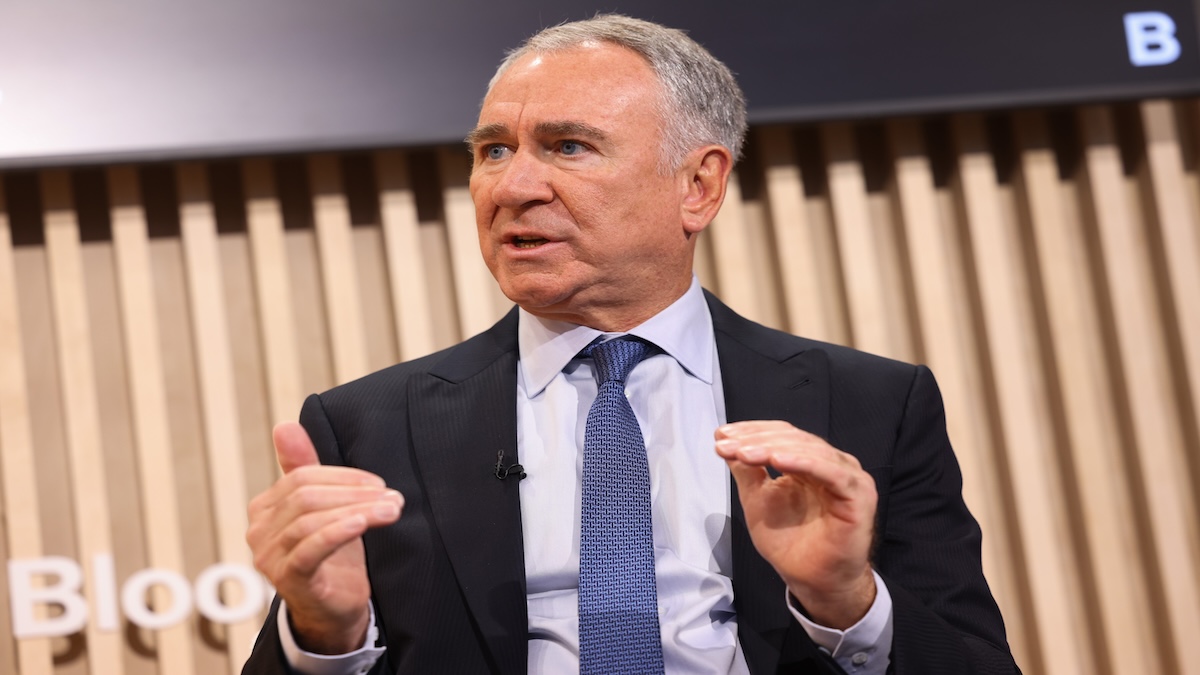
Ken Griffin is donating $3 billion to Carnegie Mellon University, most of it to establish a new campus in Miami, in the largest single gift committed to a US university.
Stock-market risks are everywhere. But you’d be hard pressed to tell anything was wrong by looking at the surface of major US equity gauges.
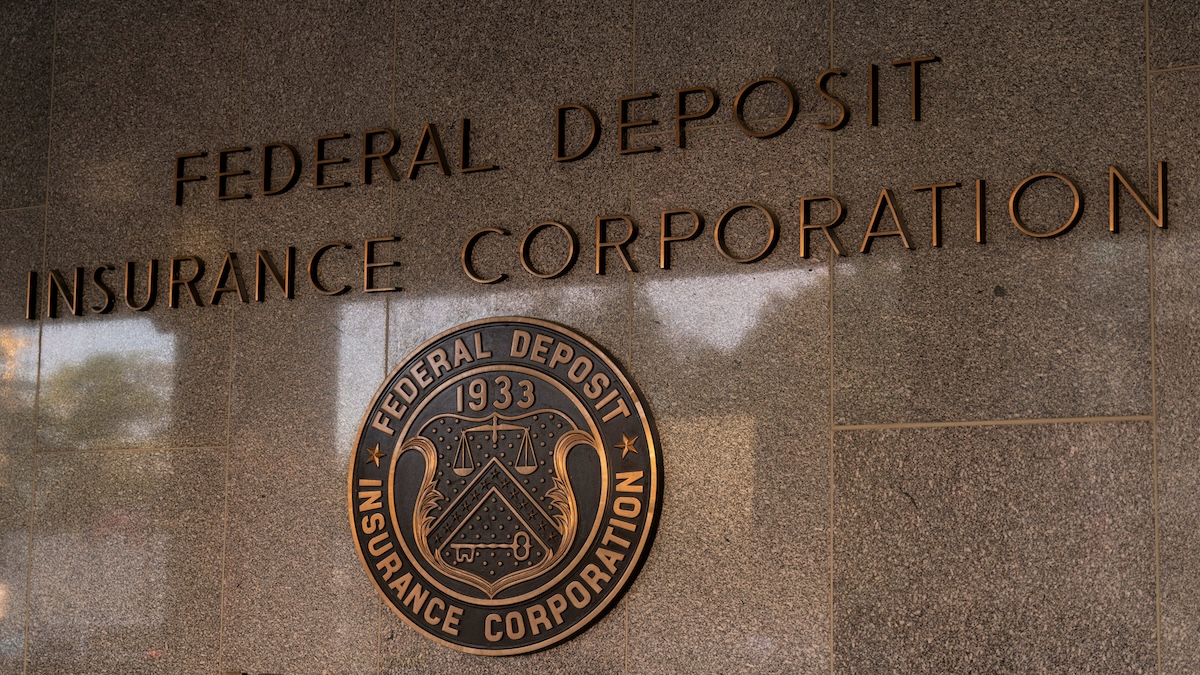
Banks in the US have plenty to celebrate these days, from record profits and higher stock prices to a strong economy and easier regulation. One thing they don’t need is an added discount on their deposit insurance — a crucial buffer that should be reinforced when times are good.
Has the stock market bubble quietly burst already? Even though the S&P 500 Index has mostly treaded water for the past four months, Wall Street analysts have continued to boost their earnings estimates.
Abdul El-Sayed, the Democratic candidate for Senate in Michigan, has a simple pitch to voters. Imagine, he says, a health-insurance plan with “no premium, no copay, no deductible — just healthcare when you need it.” El-Sayed and other proponents call the idea Medicare for All.
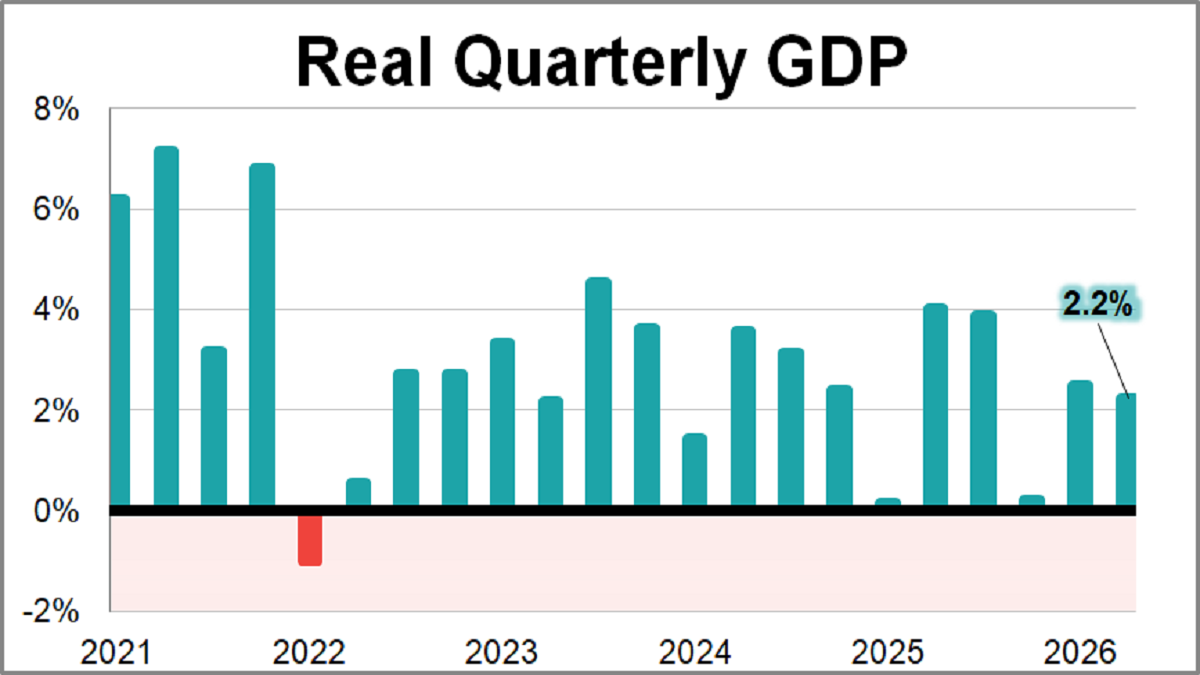
Real GDP rose 2.2% in Q2 for the third estimate from the U.S. Bureau of Economic Analysis, which was a 0.7% increase from the previous Q2 advance and second estimates.
Bond markets continue to adjust to a more hawkish policy environment following the Federal Reserve’s recent 25-basis-point rate hike.
Financial markets continue to grapple with a fundamental question: If inflation remains above target after years of restrictive monetary policy, is interest-rate policy still aimed at the right problem?
In this video The Most Powerful Growth Stock, Chuck Carnevale, co-founder of FAST Graphs and known as “Mr. Valuation,” examines NVIDIA through the lens of growth, valuation, financial strength, and long-term return potential. He explains why growth investing is still value investing when a company’s future earnings justify the price being paid.
There is more than one reason the 10-year Treasury yield is 5.23% today. Most importantly, the Fed has stopped anchoring interest rates at artificially low levels. Fear of inflation is likely another. However, both of those are related to the massive government debt the US has created.
I’m writing this week from London, the start of a four-country tour of Europe to see clients. I typically don’t have a lot of free time while on these journeys, but I did sneak away on the weekend for an economics field trip.
AI-related borrowers have accounted for nearly a quarter of nonfinancial U.S. dollar (USD) supply year-to-date, yet spreads for non-AI issuers have not widened meaningfully. Instead, hyperscaler spreads have widened, suggesting the market is absorbing the AI supply shock at its source.
On September 23, Invesco launched the Invesco Nasdaq International Innovators 100 ETF (QQI), a fund that seeks to track the performance of the Nasdaq International Innovators 100 Index.
Retail investors buy corporate bond ETFs expecting steady coupons and ballast against stock market volatility. Traditionally, fixed-income portfolios were anchored by defensive issuers like banks, industrials and utilities.
A recent VettaFi webcast explored advice on navigating retirees' behavioral tendencies in decumulating assets in retirement.
In his latest insight, Richard Bernstein, Global Head of Macro & Customized Investing, examines why the Fed’s actions tend to lag the economic cycle, how deglobalization may limit its flexibility, and what a potentially longer period of tighter monetary policy could mean for investors.
For three years, clients have been asking me when the economy will get back to normal. I have started answering that this current flat economy may be the newest redefinition of normal, one of many I’ve seen in 40-plus years of writing about money.
When during the calendar year should retirees take their required minimum distributions (RMDs)? Take the RMDs early and eliminate the chore? Wait until December to maximize tax-deferred compounding? Or spread the distributions throughout the year? Advisors often start with too narrow a view of what clients are trying to optimize.
Only 30% of Americans believe they’ll be able to retire comfortably — an amount retirement plan participants now estimate is $1.2 million, a recent survey by Schroders found. 33% of plan participants said that their credit card debt was higher than their retirement savings.
The confusion surrounding a proposed civil nuclear deal with Saudi Arabia hasn’t exactly disappeared: The White House is still claiming it depends on the country normalizing relations with Israel, even if that’s not part of the written agreement.
Morgan Stanley has set up a Digital Asset Lab to test technologies including stablecoins, tokenization and decentralized finance applications as the Wall Street bank explores how blockchain-based systems could be used across its business.
Starting Tuesday, OpenAI will convene its annual developer conference. The timing isn’t ideal.
Oil fell as top exporter Saudi Arabia boosted flows through a key pipeline, overshadowing concerns over a US-Iran stalemate.
As bond yields have risen, mortgage rates are again facing upward pressure, extending the U.S. housing market's post-pandemic affordability challenges. Beyond mortgage rates, trends in wage growth, taxes, and insurance costs also continue to shape the affordability outlook.
Chris Galipeau discusses high-conviction insights that go beyond media headlines.
In the first quarter of this year, as the Strait of Hormuz closed and oil prices exploded, Berkshire Hathaway made a couple of moves that might have flown under people’s radars.It cut its stake in Chevron by roughly a third. Then it bought an airline.
Understanding why investor optimism wins over a full market cycle is one of the most underrated edges an investor can own, and it has almost nothing to do with waving pom-poms.
The financial markets are navigating a storm. The Treasury yield sell-off intensified this week, pushing the 10-year Treasury yield up to an intraday high of 5.20%, its highest level since 2007.
Decided to go independent? Here's how to design your RIA's client model, exit plan, technology, and compliance foundation before you file paperwork or sign a custodian agreement.
I’m talking about the cash I have sitting here that I desperately want to get into the market. Earlier this year, I got a chunk of money from selling a house. I have no desire to own another home (that’s a story for another time.) Instead, I used some of the money to pay off some debt. The rest is just sitting in my savings account earning absolutely nothing.
Before evaluating whether a long-short strategy belongs in a portfolio, we think it helps to understand what's actually happening under the hood. Let's start at the beginning.
A snowball effect of asset values can similarly empower wealth effects: the tendency for consumers to spend more as the value of their investments rises. Wealth effects are surprising at first glance: household investments may be illiquid and tend not to produce substantial cash flow. However, a rising net worth builds a consumer’s confidence in their ability to afford purchases.
The BlackRock Model Portfolio Solutions team made significant allocation shifts during the week ended September 24, 2026. The team recently managed over $300 billion and often causes shockwaves in the ETF industry.
"Funflation" is on the rise, and it could bode quite well for the retail sector if the trend remains persistent.
Northern Trust Asset Management will move six mutual funds with $33 billion in assets into ETFs in early 2027, its first such conversions.
Brendan Greeley’s “The Almighty Dollar” is unlike any other book on the U.S. dollar ever written. If you want to take a really deep dive into financial history and — more specifically — the history of currency, this is the book for you.
I propose that the question of whether now is an especially auspicious time to buy in general — or more incisively, whether properly allocated investors should have more, less, or the same TIPS exposure when rates are relatively high — is more nuanced.
Japan can thank its high debt loads and aging demographics for the inflation restraint. But the cost paid in stagnant growth and diminished prosperity for its citizens has been dear. We do not fear an inflationary spike in the U.S.; instead, we are concerned that the economic doldrum that has infected Japan for over 25 years will slowly work its way here.
Nvidia Corp., the chip developer at the heart of the artificial intelligence boom, increased the size of its share buyback plan by a record $150 billion, reflecting Chief Executive Officer Jensen Huang’s confidence in its continued growth.