For much of the past several years, investors have been captivated by the extraordinary potential of artificial intelligence. Semiconductor companies, infrastructure providers and other beneficiaries of the AI revolution have attracted enormous amounts of capital, driven by expectations of a technological transformation that could reshape the global economy.
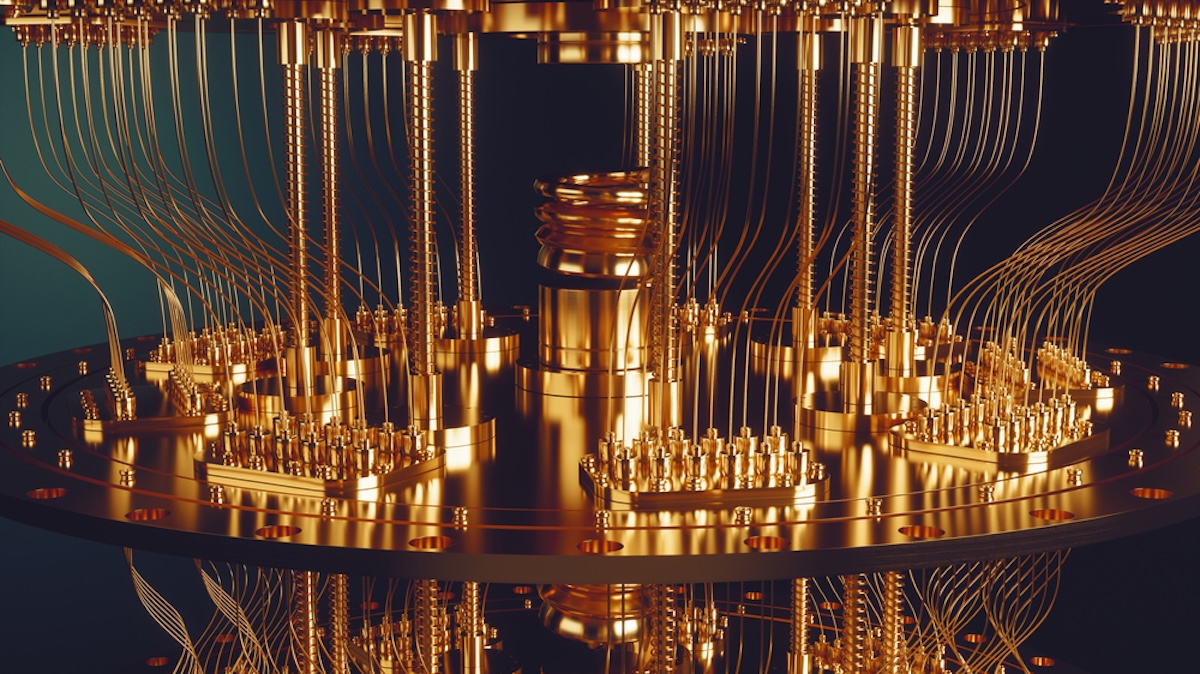
Quantum computing and strategic metals may look like separate investment themes. One centers on machines that could tackle problems beyond the practical reach of conventional computers. The other concerns the physical materials and processing capabilities needed to build advanced technologies.
For over a decade, the narrative surrounding emerging market (EM) debt has been dominated by a single, overpowering force: the United States Dollar. As the greenback surged from the mid-2010s through the early 2020s, investors seeking yield in emerging markets largely sought shelter in "hard currency" debt—bonds issued by emerging nations but denominated in U.S. dollars.