How do you go from the theoretical to the practical? What AI tools can you use that will streamline and improve your processes?
JPMorgan has unseated itself for the title of largest actively managed exchange-traded fund in the $7 trillion arena.
The startup world has had a tough year — plagued by mass layoffs, plummeting venture capital investment and the chaotic collapse of Silicon Valley Bank. But many in tech believe that the worst is yet to come.
Alphabet Inc.’s Google has consolidated its artificial intelligence research groups into one unit, the company’s latest move to keep from falling behind in the AI race.
VettaFi’s Tom Lydon discusses recent advisor polling data on everything from 60/40 portfolio returns to active ETFs. Sprott’s John Ciampaglia spotlights their lineup of energy transition ETFs, including the first-ever nickel miners ETF. Horizon’s Scott Ladner explains the process behind their ETF-centric, goals-based model portfolios.
How can advisors ensure that clients will keep their assets with you?
As Microsoft Corp., Alphabet Inc., and — now — Amazon.com Inc. blaze ahead in the race to deploy advanced chatbots like ChatGPT, one rival remains nowhere to be seen. Apple Inc. may be biding its time for the technology to mature...
If the US ceases to be the world’s economic leader, it can only blame itself.
In spite of weakness in some economic data, problems in the banking sector, and much higher interest rates, real GDP in the first quarter will almost certainly show moderate growth.
Pricing power and profit margins showed signs of stabilizing in the first quarter. But a survey of Loomis Sayles’ credit analysts leads us to believe the bottom in corporate fundamentals is yet to come.
Investors are losing their ability to resist a stock rally that much of Wall Street is convinced is doomed.
Sometimes when volatility jolts financial markets, the safest trades can quickly morph into dangerous bets.
Back before clocks went digital, you could say “a stopped clock is right twice a day” and even youngsters would know what you meant. A mechanism could be nonfunctional but occasionally correct.
Chinese economic data blew expectations out of the water this week, reflecting a strong comeback for the Asian giant as it finally emerges from the world’s most restrictive pandemic-era lockdown.
China’s economy has turned the corner, and is on a path towards a gradual, domestic demand-driven recovery. Andy Rothman outlines the reasons why China’s recovery is likely to be sustainable.
ChatGPT is the fastest growing app of all time, gaining more than 100 million users just two months after its launch in November. It allows users to have human-like conversations that include reasonable-sounding and often correct answers to all sorts of questions. Like humans, it can ask for more information and explain reasoning.
Big Tech earnings next week will offer investors a dose of reality following this year’s impressive gains in the sector that were powered by hype over artificial intelligence.
Corporate bond investors may be wondering if banking sector turmoil will affect financial institution bond issuers. Here's what to know now.
Many investors, including my clients, have been worried about their Schwab account safety. Are they right to be worried?
Bitcoin’s dominant showing in 2023 is leaving exchange-traded fund investors divided on what’s next for the world’s biggest cryptocurrency.
Despite continued geopolitical events and a potential banking crisis, markets remained focused on the economy and central banks’ attempts to control inflation.
Consisting of 60% stocks/40% bonds, this classic investment portfolio has historically been a trusted way to generate returns and diversify investor portfolios. However, we believe the 60/40 allocation may now be working against investors.
This week as regional banks start reporting earnings we will get a better look at the lasting effects of the bank crisis kicked off by the failure of Silicon Valley Bank last month. Looking at recent earnings forecast revisions, regional banks appear particularly exposed to short- and longer-term headwinds.
Homebuilders continue to finish homes faster than they’re starting new ones. Improved supply chains are allowing them to work through backlogs built up during the pandemic when they couldn’t keep up with demand.
The value style is in the early stages of what Mutual Series believes could be a multi-year outperformance relative to growth.
My guest today, Harin de Silva, is one of the leaders of the quantitative investing community and the winner of several Graham Dodd Awards for institutional research. He is a member of the Q Group and a pioneer in factor investing.
Start me up! This iconic Rolling Stones song keeps racing through our minds as we glance across the investing landscape. Why? Because it feels like the drivers of this turbulent market – Federal Reserve (Fed) tightening, inflation, recession worries, geopolitical fears – will never stop.
Many advisors want to write or have an idea for a book stuck between their ears. They’re waiting for the time and inspiration to get it down on paper. So let me tell you a secret.
We are at the start of the period when companies release their results for the first quarter of 2023, known as earnings season. With everything going on—inflation, rate hikes, a labor shortage, the weakness of the dollar, a pending recession, the list goes on and on...
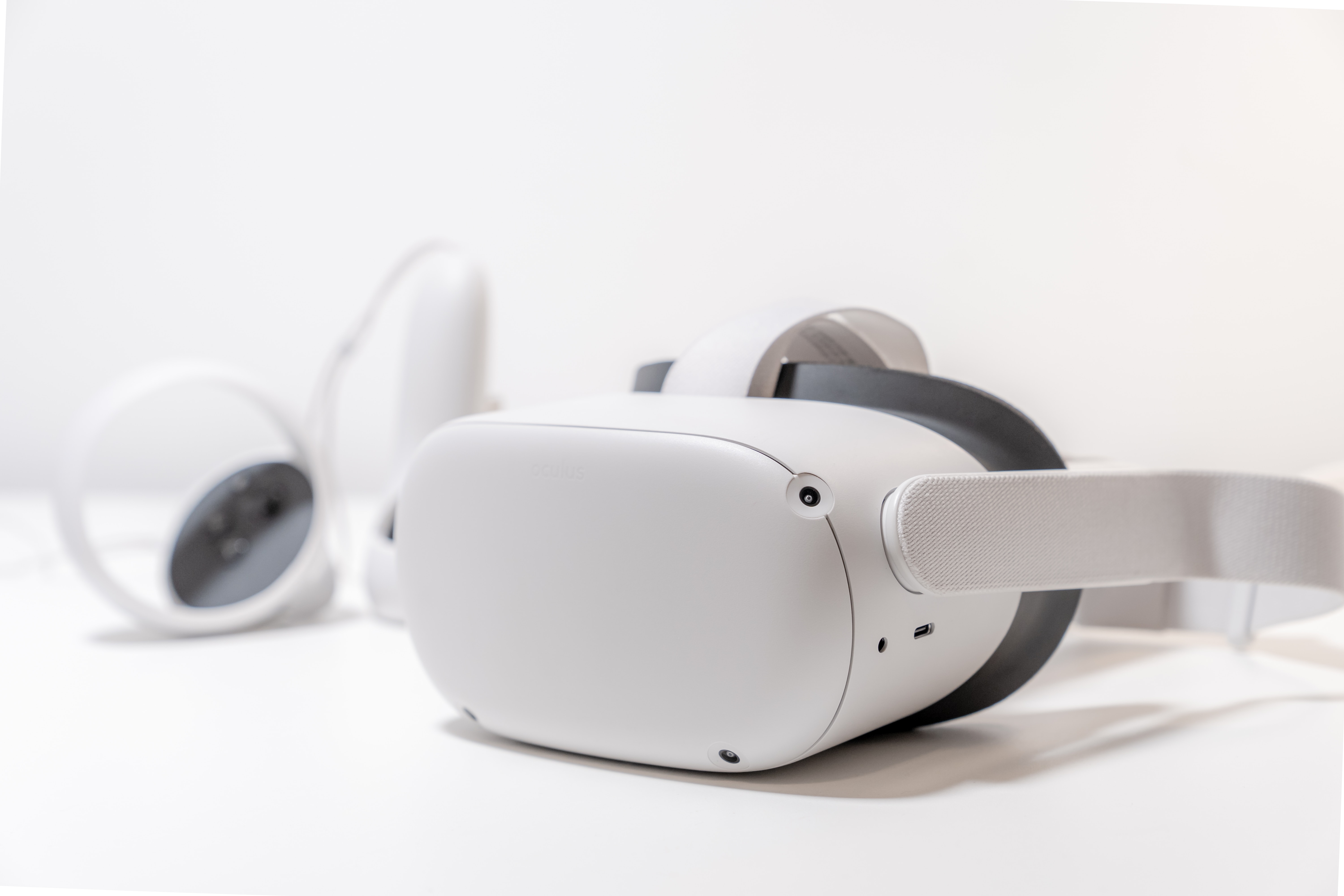
Apple Inc. is racing to build a trove of software and services for its upcoming mixed-reality headset, seeking to win over potentially wary consumers with apps that use the device’s novel 3D interface.
There was a time when investors would send money into Cathie Wood’s funds even when they were struggling. This year, even as ARK Investment Management roars back, the flows are notable by their absence.
The first wave of academic research applying ChatGPT to the world of finance is arriving — and judging by early results, the hype of the past few months is justified.
Nexus or Icebreaker? Two competing ideas are jostling for attention, each promising to reshape the inefficiency-ridden landscape of moving money from one country to another. Instead of trying to choose between them, central banks ought to give both a shot.
Chat UX creates a natural-language interface to help us use software.
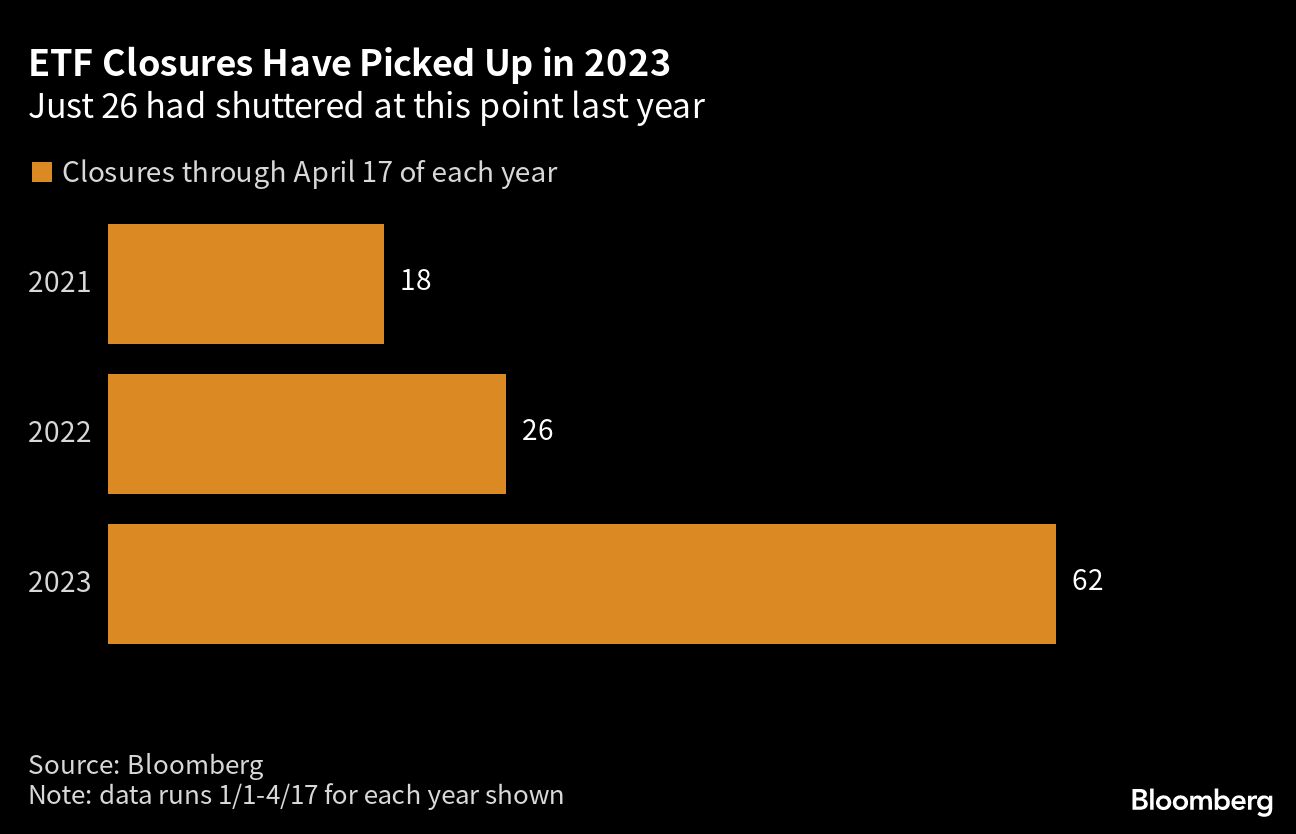
The pace of failures has more than doubled in the $7 trillion exchange-traded fund industry so far this year, as volatile markets and fierce competition put pressure on issuers.
Two brutal weeks for banks have mostly scuttled hopes in markets that a US recession can be avoided. But a close read of the cross-asset landscape still finds investors unconvinced the stress portends a genuine financial crisis.
At the end of 2021, the Dow Jones Industrial Average closed at 36,338, and the career scoring total of LeBron James stood about 60 points lower…
Technology enhancements have increased the speed of panic.
The Digital Assets Council of Financial Professionals (DACFP) gives financial professionals the ability to establish expertise in blockchain technology and digital assets through its online self-study program, the Certificate in Blockchain and Digital Assets®, webinars and conferences, video interviews with leaders in the field, the DACFP Yellow Pages and unmatched consulting services.
VettaFi’s Roxanna Islam discusses the evolving Communication Services sector, along with ETFs covering the space. Hashdex’s Marcelo Sampaio explains the first 1933 Act bitcoin futures ETF (DEFI) and offers perspective on the future of crypto. Amplify ETFs’ Christian Magoon spotlights several ETFs including the Amplify CWP Enhanced Dividend Income ETF (DIVO).
In his latest memo, Howard Marks discusses the significance of the Silicon Valley Bank collapse. He argues that it likely doesn’t portend a wave of banking failures but may amplify preexisting wariness among investors and lenders, leading to further credit tightening and additional pain across a range of industries and sectors.
We announced our Venerated Voices awards for commentaries published in Q1 2023.
Markets have been very positive this week on better-than-expected inflation numbers. The Consumer Price Index (CPI) printed a better than expected 0.1% in March with the year-over-year rate declining to 5.0% compared to a 6.0% year-over-year rate reported in February of this year.
Spotting trend changes is the key to economic forecasting. They don’t happen often. Most of the time, this year will be similar to last year. The pace varies but the overall trend continues… until it doesn’t.
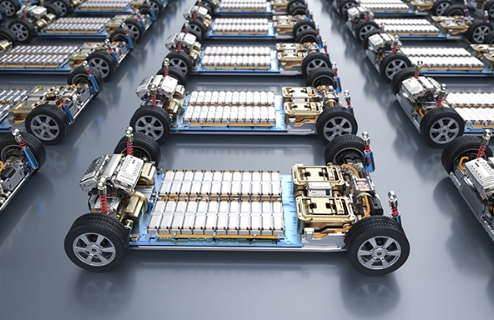
It’s believed that to meet this goal, two out of every three passenger vehicles manufactured in the U.S. would need to be electric models.
There was a downer vibe at the IMF/World Bank meetings this week. The World Bank Group told the international community to brace for low growth and the possibility of a lost decade. The International Monetary Fund warned of low growth and considerable downside financial risks on top of it.
After the market selloff in 2022—a period that was particularly hard on growth stocks—we think our companies are attractively priced for the next five years, which is our baseline investment horizon.
Despite recent headwinds, structural drivers underpinning China’s growth remain intact. Sectors that will benefit from the structural trends include healthcare, industrial automation, and domestic brands targeting increased spending by Chinese consumers.
Amazon.com Inc. is joining Microsoft Corp. and Google in the generative artificial intelligence race, announcing technology aimed at its cloud customers as well as a marketplace for AI tools from other companies.
Apple Inc. assembled more than $7 billion of iPhones in India last fiscal year, tripling production in the world’s fastest-growing smartphone arena after accelerating a move beyond China.