When Microsoft Corp. launched its $1 billion Climate Innovation Fund three years ago, it was the lone tech giant pledging serious money to tackle rising temperatures. The dangers facing the planet have since become more acute, and the fund has about $400 million left.
Alibaba Group Holding Ltd. and JD.com Inc. have begun preparations for a trio of the year’s biggest Chinese debuts, heralding a wave of initial public offerings that promise to breathe new life into the struggling technology industry and Hong Kong’s stock market.
Stocks built on overnight gains and Treasury yields inched lower following today's relatively benign February PCE inflation data.
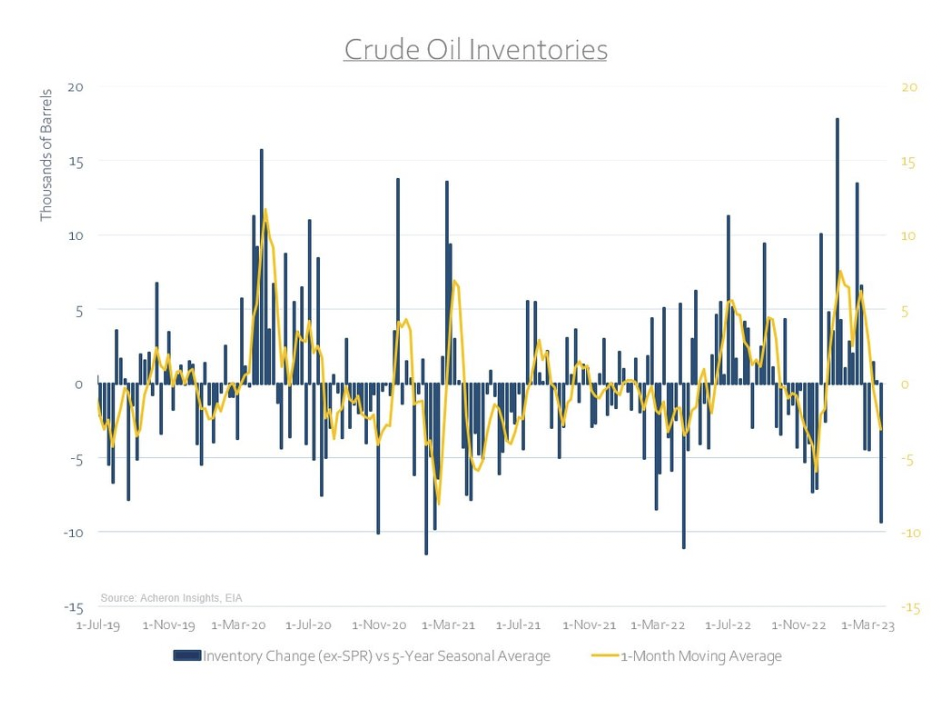
Up until recently, crude oil inventories saw continued build after build, suggesting the real time supply and demand dynamics in the market have been tilted toward the bearish side of the ledger.
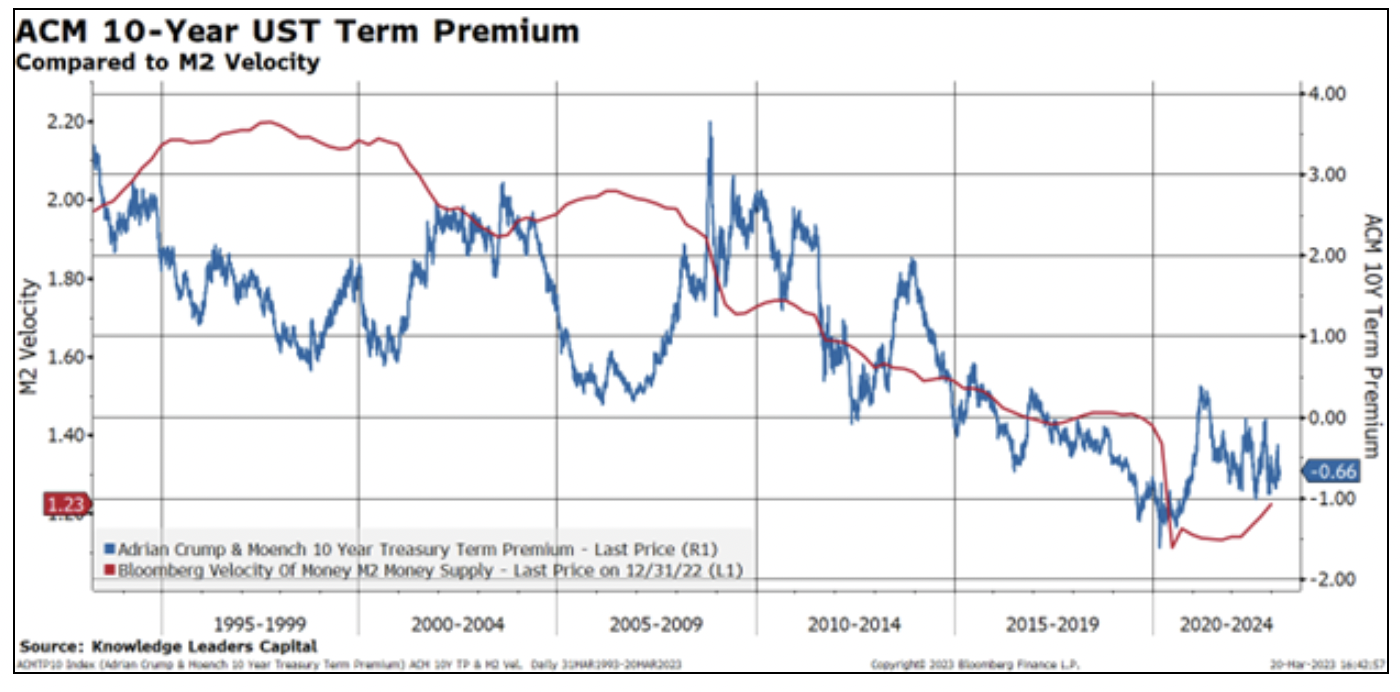
It’s been—to put it mildly—an interesting time in the US Treasury market.
The investment landscape is pockmarked by intractable statistics that continue to impose strategic and psychological barriers to the short term potential of portfolio alpha.
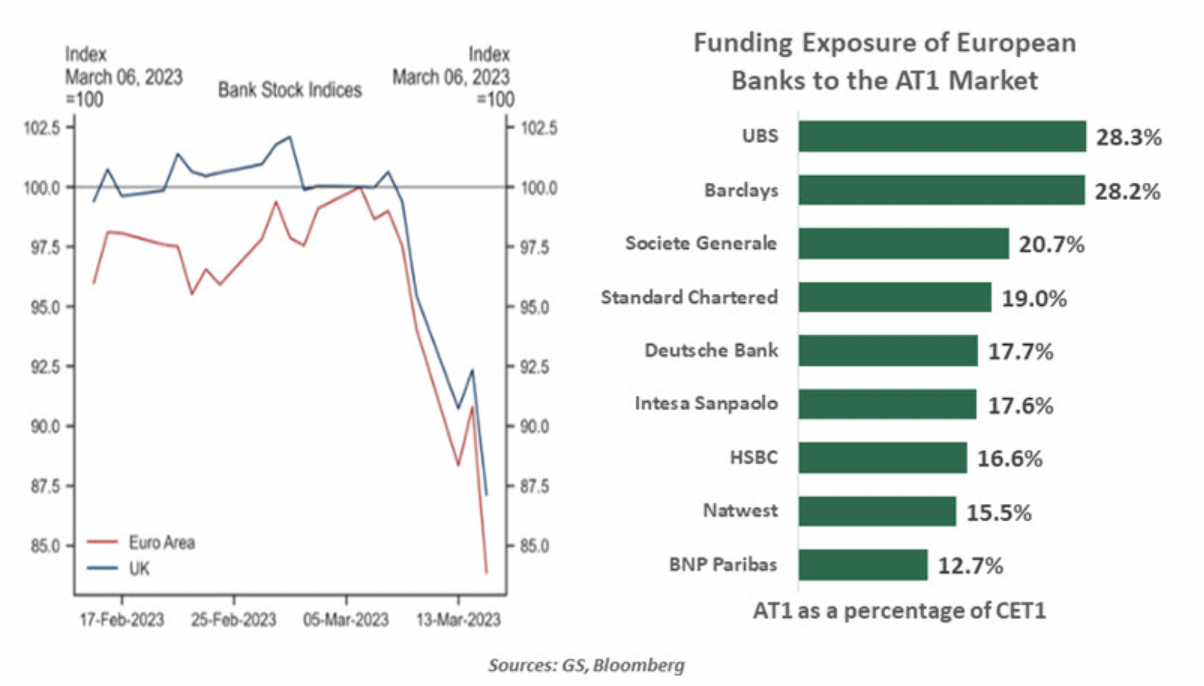
What are the implications of the ongoing volatility in the banking sector, and what does it mean for markets in Europe and globally?
Elon Musk and an array of public figures have signed their names to an open letter that went viral this week, calling for a six-month pause on training language models more powerful than GPT-4, the technology underpinning ChatGPT.
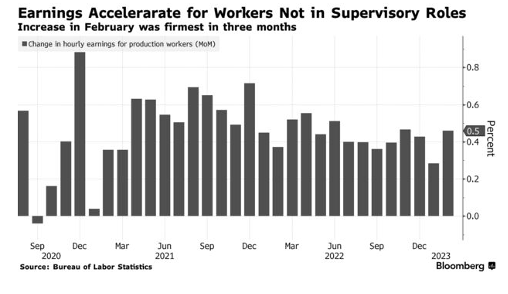
We’ve been watching slumps ripple through various parts of the economy over the past 18 months: technology startups and stocks, regional banks and growing concern about commercial real estate. Yet we’re still waiting for the wider labor market to feel the downturn.
As it turns out, culture has a lot to do with how we operate. But how difficult is it to measure? In this episode of The Active Share, Hugo sits down with Dr. Tom Reader, an associate professor of organizational psychology at the London School of Economics, to discuss the broad role culture plays in all kinds of organizations; why great cultures are the defining feature of good companies; and how engaging with diverse perspectives can help foster meaningful cultural growth and innovation.
Here is what sets rockstars apart from the average advisor.
From the perspective of the U.S. stock market, 2022 was a miserable year (with the S&P 500 declining 19.4%), but until recently, 2023 was shaping up to be a stronger year.
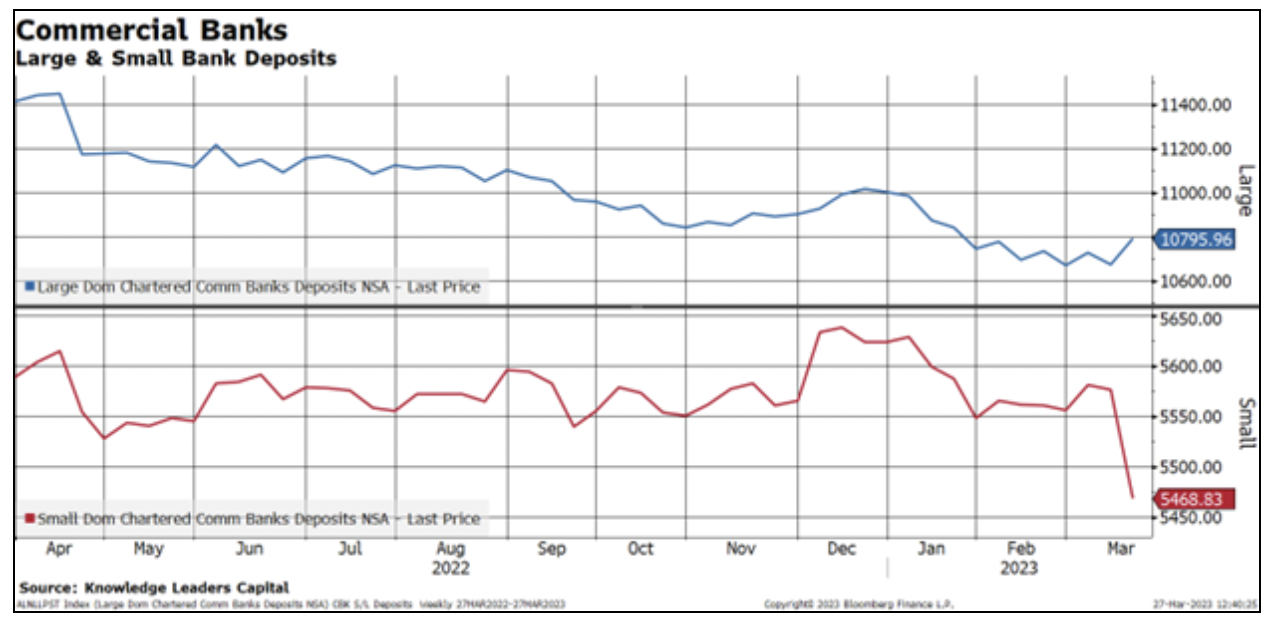
The failures of Silvergate Bank, Silicon Valley Bank, Signature Bank, and the current struggles of First Republic and Pacific Western Bank have seen bank deposits flee to the perceived safety of large banks.
In hindsight, it was obvious it wouldn’t last. Low interest rates — the result of shifts in the global economy, economic stability, low inflation and monetary policy — couldn’t stay at zero forever.
The demise of a major bank illustrates the global tensions in the financial sector.
Ignore short-term market moves and volatility. The biggest investment returns are driven by a handful of outliers in the long run. Growth investing is for patient capital seeking long runways for companies that will ultimately generate outsized returns for investors. Baillie Gifford is uniquely positioned as a global asset manager that is entirely owned by a private partnership. My guest today, Stuart Dunbar, has identified a few technologies that will be important in driving growth in sectors where we will see transformation in the years to come.
VettaFi’s Dave Nadig talks Credit Suisse ETNs, the recent banking crisis, crypto regulation, and more. State Street’s Matt Bartolini goes in-depth on first quarter ETF flows and performance.
The economic signals and a host of geopolitical risks confronting investors suggest that 2023 could be as challenging as 20022 for both stocks and bonds.
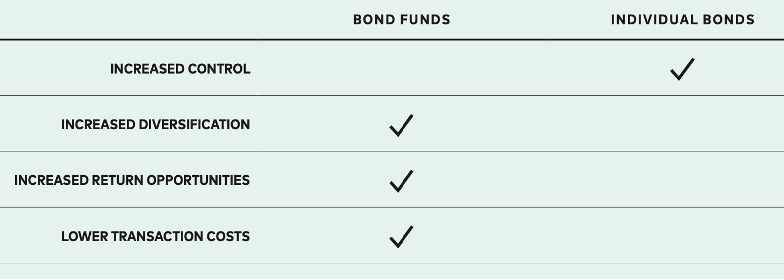
Should investors build their own portfolios of bonds, or buy shares of bond funds? Is there an economic difference or just one of appearance? Are directly held bonds safer because they mature, and you get your money back? How should one decide?
Of all the questions that ChatGPT has raised about the future of artificial intelligence, one still reverberates through Silicon Valley: Why couldn’t the industry’s largest technology firms breed an innovative service with a similar kind of impact, especially after amassing some of the world’s largest AI teams?
The pitch for an actively managed bond exchange-traded fund can be compelling, especially when there’s market turmoil and uncertainty
It’s rarely mentioned, but it’s stunning how often the financial planning profession has foreshadowed the evolution of our social environment.
Recently I saw someone share a clip from their weather app. It said, “Rain expected at 3 pm,” right above a little graphic showing a 30% chance of rain at 3 pm. What’s wrong with that picture?
The U.S. dollar remains the world’s top reserve currency for now, though its share of global central banks’ official holdings has slipped in the past 20 years. By contrast, the yuan’s share of official holdings has more than doubled since 2016.
China’s economy is in the early stages of a gradual, consumer-led recovery. In this issue of Sinology, Andy Rothman outlines why China’s opportunities outweigh risks.
Following recent efforts by central banks and regulators to alleviate the banking crisis, Franklin Templeton Institute’s Stephen Dover and Lukasz Kalwak discuss their thoughts on the implications and outlook for the banking industries in the United States and Europe.
To help understand the current market volatility arising from the collapse of banks in the United States and Europe, Head of Franklin Templeton Institute Stephen Dover provides his answers to three crucial questions.
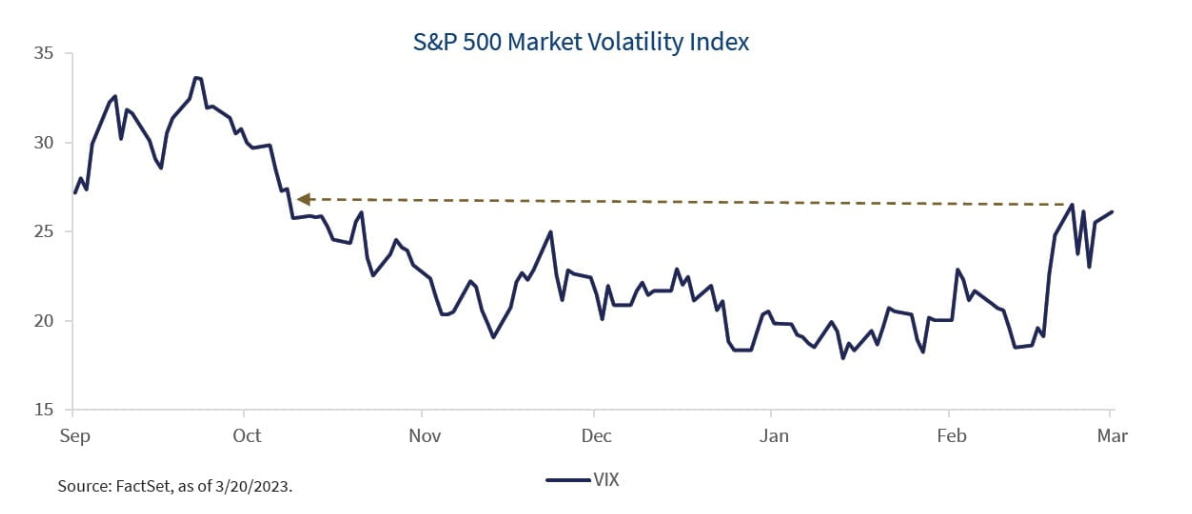
Stocks fell and volatility rose this morning as banking sector worries persist.
Yesterday, the Fed completed its regular meeting and announced that it would increase interest rates by 25 bps, or a quarter percentage point.
Read our latest insight where Dan Suzuki explains what investors need to know about the Silicon Valley Bank collapse.
Income-seeking investors are accustomed to casting wide nets after years of low yields.
To shore up Silicon Valley Bank and the other failed banks, the Federal Reserve extended an open-ended line of credit via its Bank Term Funding Program (BTFP) and discount window borrowings.
There are five reasons why prospects decide to choose someone else.
Do advisors need to accept that technology will forever be a drag, or can the right approach lead to personal happiness and a more productive practice?
A Singapore-based fintech investment firm is close to raising $100 million to back finance and blockchain startups in China and Southeast Asia.
A question has arisen amid all the bank failures. How, with the bond market enduring its worst spasm of volatility in almost four decades, have benchmark-level stocks managed to glide along, oases of calm?
Banking turmoil continues to rattle the global markets and investor confidence.
CIO Larry Adam outlines the positive events that are outweighing negative developments and looks at dynamics to focus on in the week ahead.
VettaFi’s Todd Rosenbluth highlights the three biggest ETF research trends on their platform. Tuttle Capital’s Matt Tuttle goes in-depth on the Long Cramer Tracker ETF (LJIM) and the Inverse Cramer Tracker ETF (SJIM). Bitwise’s Matt Hougan explains the recently launched Bitwise Bitcoin Strategy Optimum Roll ETF (BITC) and offers perspective on bitcoin in a portfolio.
Portfolio Manager Andy Acker explains why the healthcare sector could offer an attractive combination of defense and growth in today’s market.
UBS Group AG agreed to buy Credit Suisse Group AG in a historic, government-brokered deal aimed at containing a crisis of confidence that had started to spread across global financial markets.
Robust risk management is essential for fixed income investors. In his latest commentary, Marcus Moore explains why our sustainable investing team considers ESG factors as material business risks, similar to the traditional risks they also analyze.
The strongest force standing in the way of nuclear energy is the antiquated, irrational fear of it.
New research confirms the valuable role that short sellers play in correcting the valuations of overpriced stocks.
A TIPS is risky in the short term and riskless in the long run, which is precisely the opposite of, and complementary to, a T-bill, which is riskless in the short term but, because of reinvestment rate volatility, risky in the long run.
Sixty-six million Americans currently receive monthly benefits from Social Security, which, if nothing changes, is expected to be insolvent by 2035 at the latest. It’s time for Americans to take a greater role in their own retirement planning.
My “five-step investment process” provides an ongoing systematic framework for making portfolio decisions, and further incorporating financial planning and tax considerations into overall portfolio construction.
Just over a year before Silicon Valley Bank’s collapse threatened a generation of technology startups and their backers, the Federal Reserve Bank of San Francisco appointed a more senior team of examiners to assess the firm. They started calling out problem after problem.
Implications of SVB and Credit Suisse on the European banking sector—check out highlights from our recent panel discussion with Kim Catechis, Investment Strategist with the Franklin Templeton Institute.
Is upheaval in the banking sector the prelude to a financial crisis, or just the biggest bump yet on the road to restoring order to the economy? Stock investors clinging to hopes this too shall pass are having their tolerance for pain severely tested.