Inflationary pressures from the COVID-19 crisis have been compounded by the surge in commodities prices sparked by the Russia-Ukraine war. In the US, the Consumer Price Index hit 9.1% year over year in June—its highest since 1982. In fact, most major economies are dealing with inflation highs not seen in decades.
Infrastructure has recently seen increased attention as broad equities have been weaker in 2022 due to inflation, rising interest rates, global supply chain disruptions from COVID-19 and the war in Ukraine.
In a world of sputtering growth for technology companies, some investors are gravitating toward Microsoft Corp. as the closest thing to a safe bet.
Investors may finally have a way to capture Tesla Inc.’s gains while avoiding the stomach-churning swings the electronic-vehicle stock is known for.
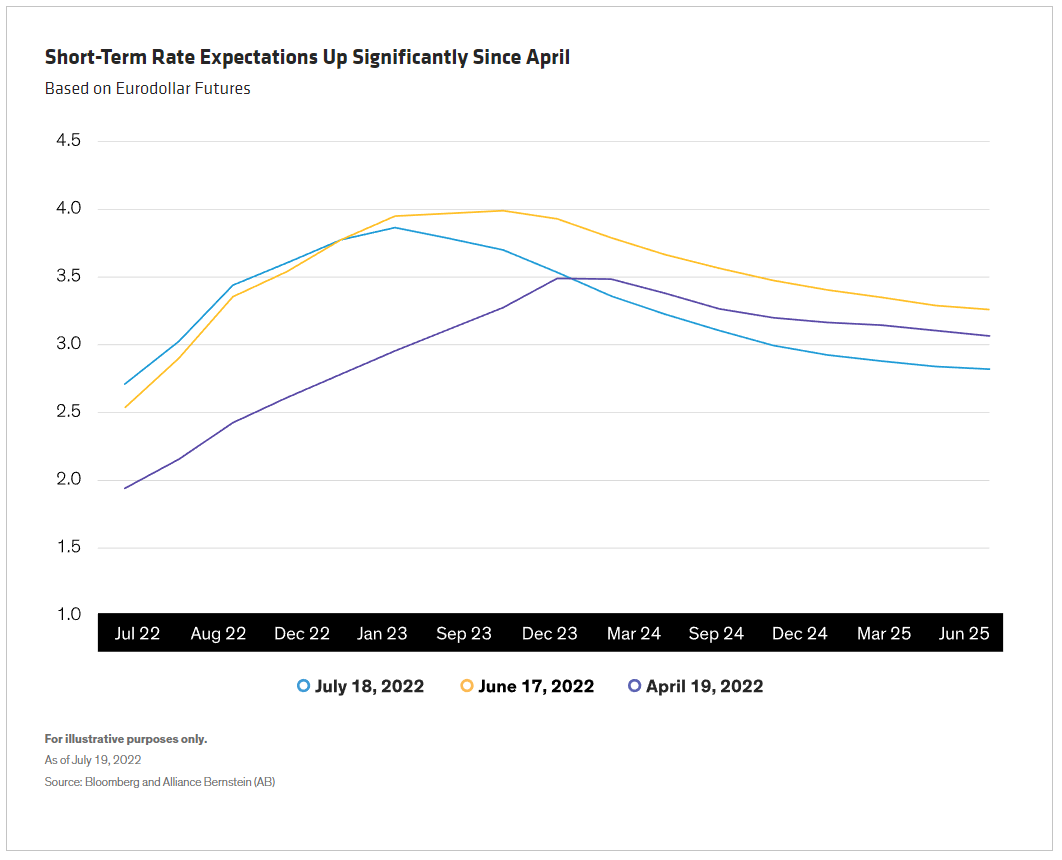
The Federal Reserve will probably have to inflict much more pain on the economy to get inflation under control.
President Joe Biden’s administration is downplaying data due this week that could show the US economy contracted for a second straight quarter -- a development that would match one standard definition of a recession.
Will artificial general intelligence (AGI) transform the experience of being human, opening up possibilities of knowledge, achievement, and prosperity that we can now barely conceive? Or is AGI an existential threat to humanity, something to be feared and restrictively confined?
Those trying to get their tech stack to be the best that it can must recognize where their blind spots are and learn the lingo of consultants.
The so-called crypto winter hasn’t phased Moelis. Companies including Celsius Network have filed for bankruptcy, while several large investors are mulling acquisitions.
India’s tech industry is ruling out a US recession.
At a time when the US and China are divided on everything from economics to human rights, artificial intelligence is still a point of particular friction.
Like it or not, we live in a globalized economy.
Our last two quarterly letters conveyed a cautious attitude regarding both the economy and financial markets. The cautious season persists this quarter.
In our last Advisor Perspectives article we discussed the possibility of a market rally and suggested our favorite way to trade it was Biotech, likely IBB (iShares® NASDAQ Biotech ETF).
What would be the impact on your business if $34 trillion in wealth assets were destroyed over the next several months?
At this point, where do we honestly see ourselves on the journey to more and better energy storage solutions?
Battered in the June selloff that sent American equities into a bear market, chipmaker stocks are staging a stunning rebound this month.
Indonesia’s central bank is on track to issue its own digital currency for banks to use, while considering ways to ensure it would be exchangeable across borders.
The Fed’s most pressing concerns are to not only reverse its monetary excess and misjudgment of inflation, but also to instill confidence that they will follow important provisions of the Federal Reserve Acts.
The purpose of this article is to teach you how I think, not what I think.
Born in the 1980s, special purpose acquisition companies (SPACs) are growing up. A surge in SPAC activity that started in 2019 only grew in 2020, bolstered by the market volatility brought on by the pandemic – but also by an influx of more serious investors in a previously niche space. By the end of 2021, SPACs had raised $160 billion on U.S. exchanges – a new record that nearly doubled the level of the previous year.
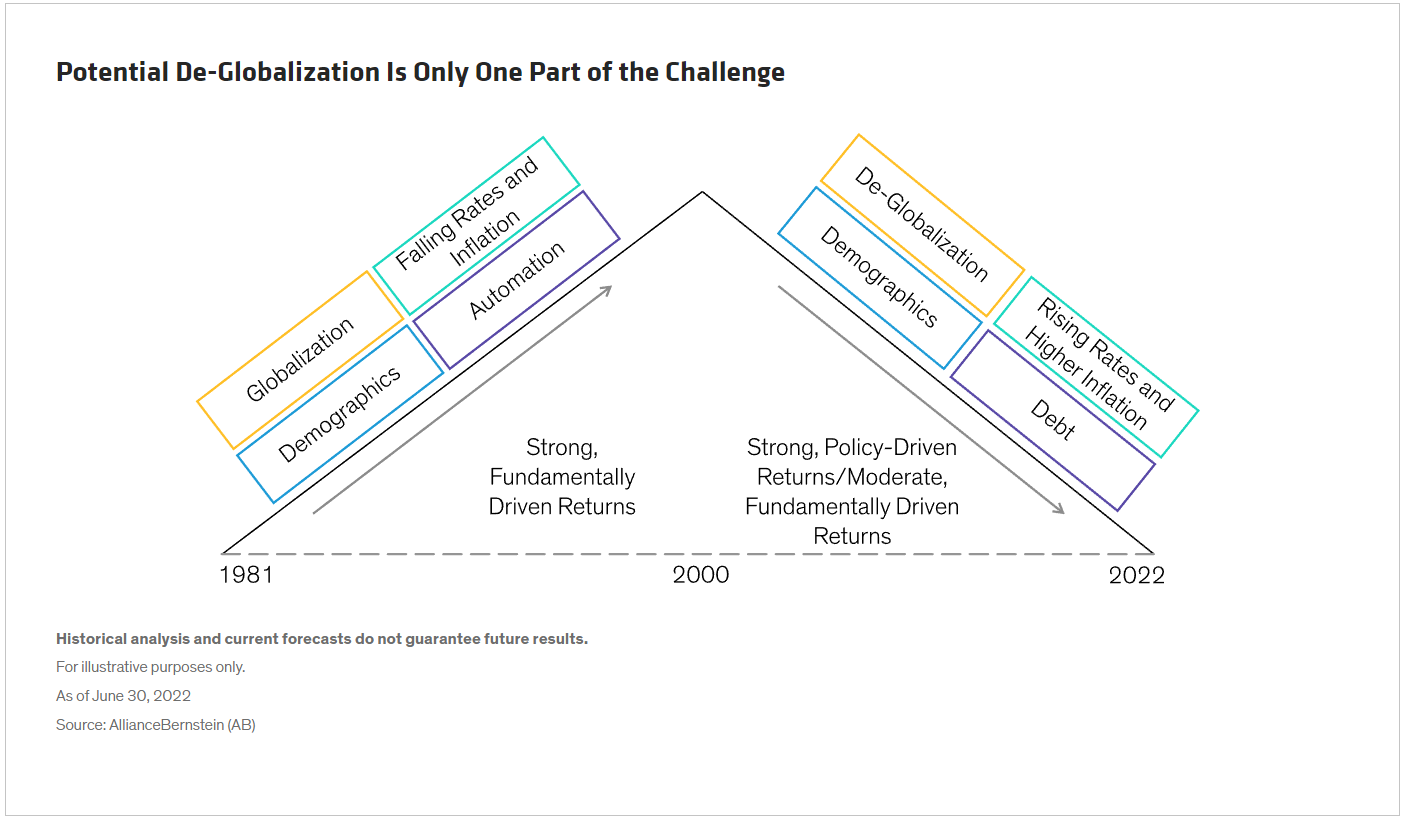
For decades, globalization has been on an inexorable rise, a key pillar fueling economic growth, driving inflation and yields down, bolstering corporate profit margins and supporting an upward climb in market valuations. Over the past few years, though, cracks have started to develop in globalization, as populism has seen a resurgence and trade wars have erupted.
Ford Motor Co. says it has secured enough battery supply to build more than half a million electric vehicles annually by late next year, a quantum leap above the 27,140 battery-powered cars it sold in the US last year.
Blackstone Inc., the world’s largest alternative-asset manager, cashed out of big deals in the second quarter, mitigating the sting from writedowns on investments and the tumult rippling through markets.
Funds controlled by Cathie Wood have been selling shares of Komatsu Ltd. this week ahead of the Japanese machinery maker’s earnings report.
We all know that the world as a whole suffered from a pandemic, and is now suffering inflation in its aftermath. But the ECB has to deal with three pressures that don’t affect the Federal Reserve.
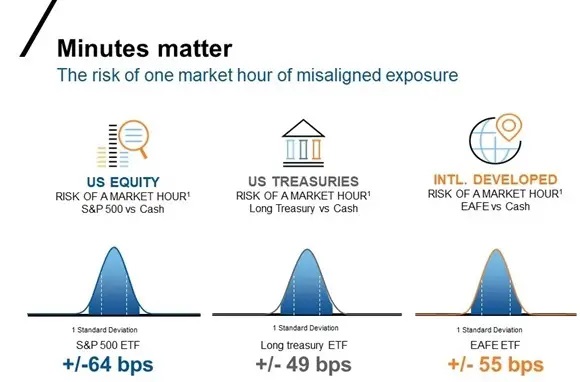
As institutional investors, we most often represent risk as annual standard deviation or tracking error. But when we implement changes in our portfolios, the real-time risk happens much faster.
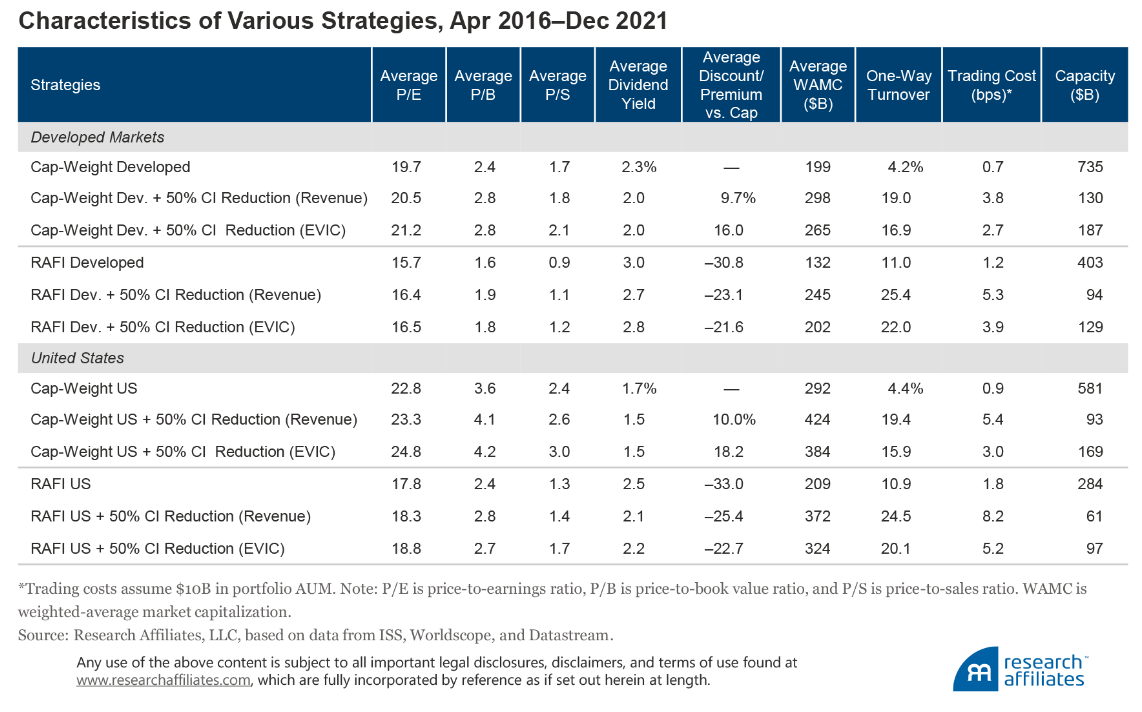
Investors can choose one of two popular scaling methods for carbon emissions comparisons across companies. Our analysis guides investors in making this important decision.
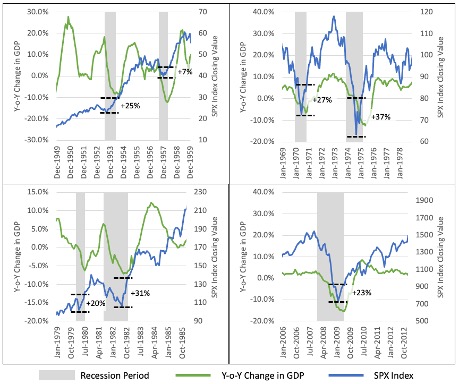
Bad news dominates the headlines. The question for investors is when to become optimistic on markets. Since nobody rings a bell to signify that the market has hit bottom, this commentary looks back at previous recessions to see what history reveals.
With central banks tightening aggressively to beat down inflation, growth is beginning to slow—and the risk of recession is ticking higher. Historically, creditworthiness has soured when growth slows. But instead of bracing for a wave of downgrades and defaults, we think income-seeking investors should embrace the high-yield corporate bond sector.
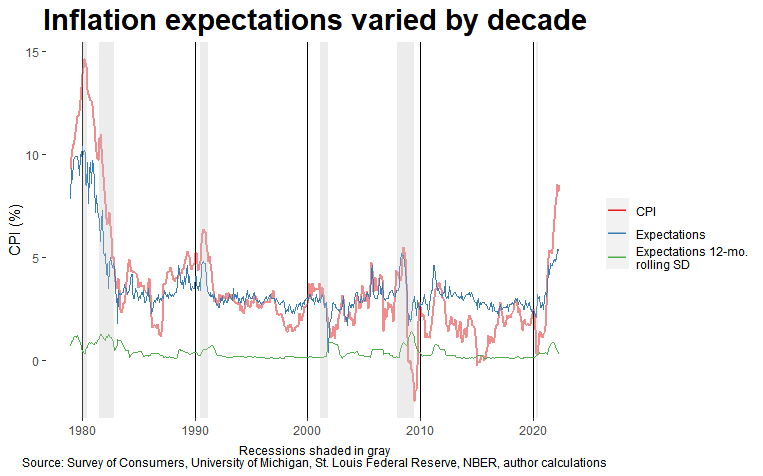
How inflation expectations are formed determines how firmly the Fed must react. If expectations respond to current inflation, they’re possibly “unanchored”—and this makes the Fed’s job harder. Unfortunately, we can’t yet say that expectations haven’t changed for the worse.
Twitter Inc. can fast-track its lawsuit against billionaire Elon Musk over his canceled $44 billion buyout of the social media platform.
Netflix Inc.’s stock has looked cheap for months and yet buyers discovered to their dismay that it just kept getting cheaper.
Working-from-home is so well established that it has its own acronym (WFH) and, presumably, its own syndrome. But what happens if you can’t abide the idea of even two days a week in the office?
There’s no doubt what Monday’s biggest market news was in New York.
The U.S. dollar has appreciated against every Group of 10 currency this year.
Most advisory firms that specialize in wealth management use three technology platforms: financial planning software, portfolio accounting software, and a CRM software. Let's take a closer look at the functionalities and costs of each.
As we’ve hit the halftime mark for the investment year 2022, we are faced with a daunting two-headed monster.
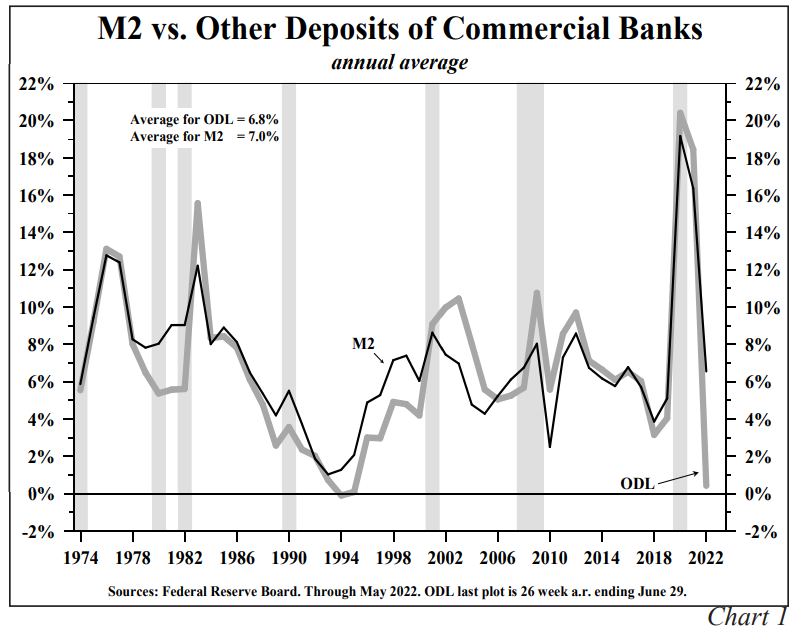
Reducing the money supply will help to curtail inflation.
Despite the Fed’s aggressive tightening policy, we think inflation still has a ways to run, though we remain cautiously optimistic about the economy.
We woke the beast, and now we may have to learn to live with it.
It’s been an expensive summer with the cost of travel, and just about everything else, going through the roof. Now consumers are cutting back on their flights.
US economic productivity during the pandemic was driven entirely by firms with remote work capacity, according to a new study co-authored by Robert Gordon of Northwestern University.
None of us can control markets, but it’s critical that our clients know how they have performed relative to appropriate benchmarks.
New research measures of how market participants perceive a company’s exposures to climate change, based on earnings calls.
Wall Street and European investment banks have an acute sense of buyer’s remorse.
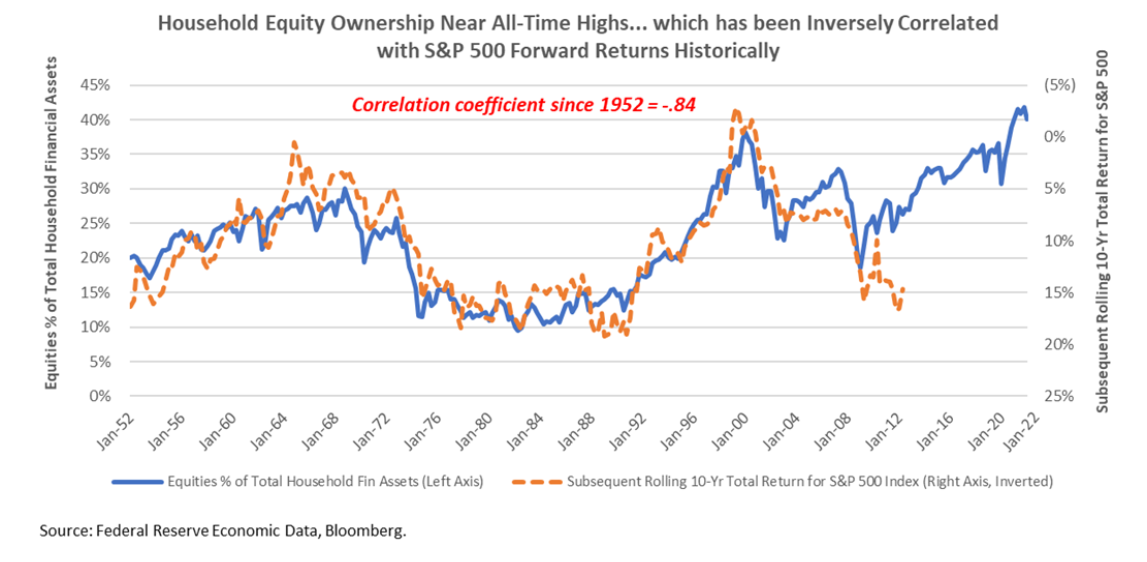
A vicious six-month repricing has rattled investor nerves but has done little to make the US stock market cheap.
US retail sales were stronger than expected in June, but after several economists adjusted the data for inflation, they still point to a leveling off in spending.
Advisors have been conditioned to believe that their prospects must like them before they’re willing to become a paying client.
Inflation will prove annoyingly persistent at levels far above the desired 2%.