Gold is heading for its fifth weekly loss, the longest streak of such declines in almost four years, with haven credentials sidelined by investors becoming super-bullish on the US dollar.
If you were considering taking the family on a European vacation, now may be a good time, as the U.S. dollar and euro achieved parity this week for the first time in 20 years.
These people, whose very job is to know the lessons of the past, either forgot them or chose to ignore them. Today we’ll look at how this manifested in the 2008 crisis period—and set up the conditions we face today.
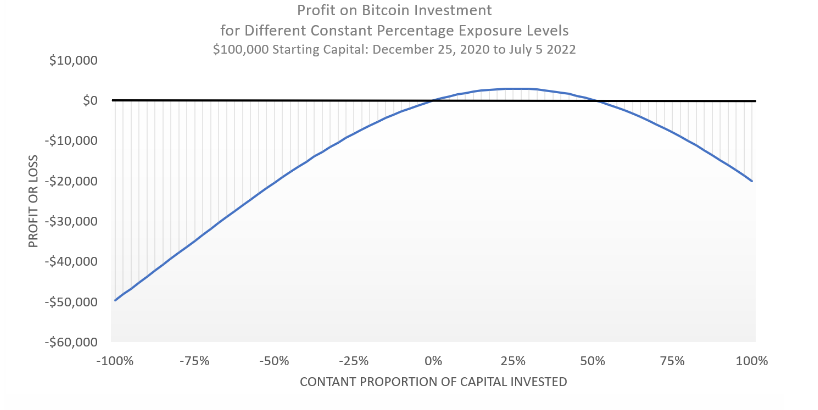
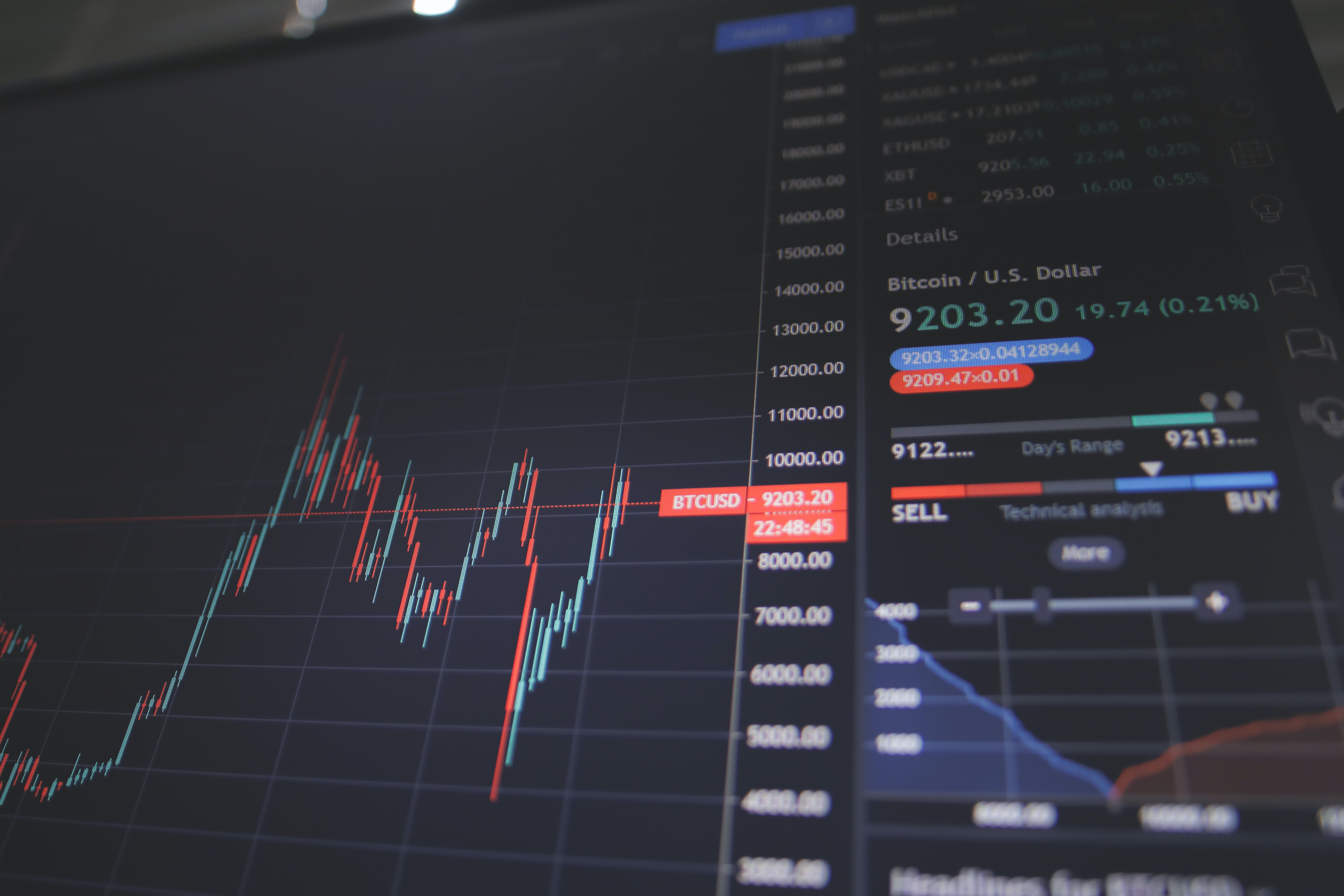
If you put $100,000 of your savings into Bitcoin at the end of 2020 and are still holding those coins today, you’d be down 20% on your investment. But, if you'd used that $100,000 to short Bitcoin, you’d have suffered a loss too. How is this possible?
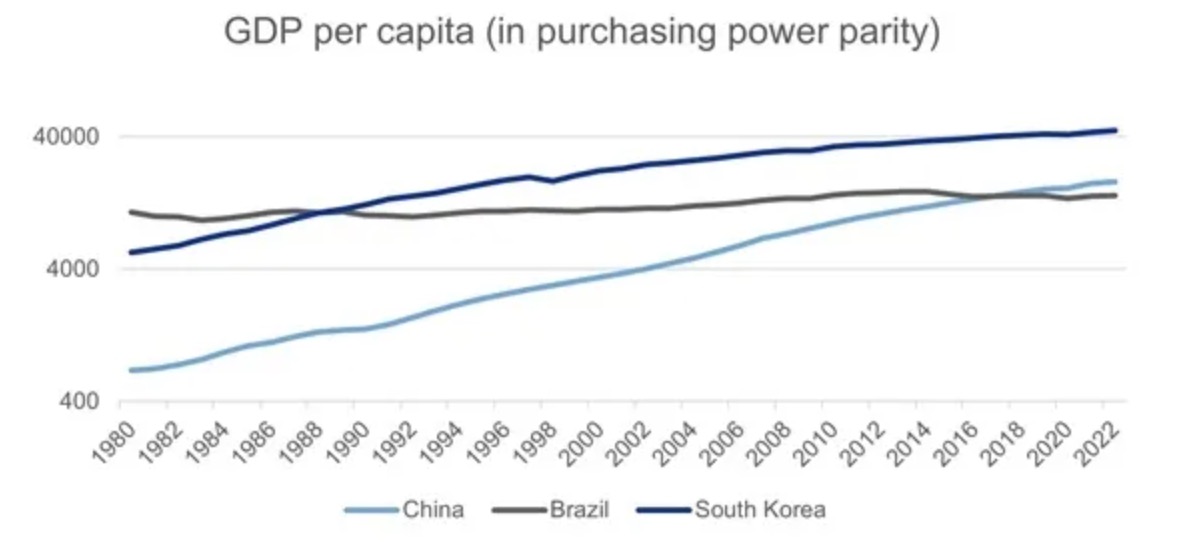
One of the vexing questions for China watchers has been the lack of stimulus delivered, despite the maintenance of the government’s 5.5% GDP target for 2022 (although there is skepticism around the ability to reach that 5.5%).
As Robert Shiller has written, market participants are always in search of an explanatory narrative. J
The summer of 2022 has not been a stable season for global energy.
America’s first leveraged single-stock ETFs will debut Thursday, launching into a miserable year for US equities and accompanied by a barrage of regulator warnings over their potential risks.
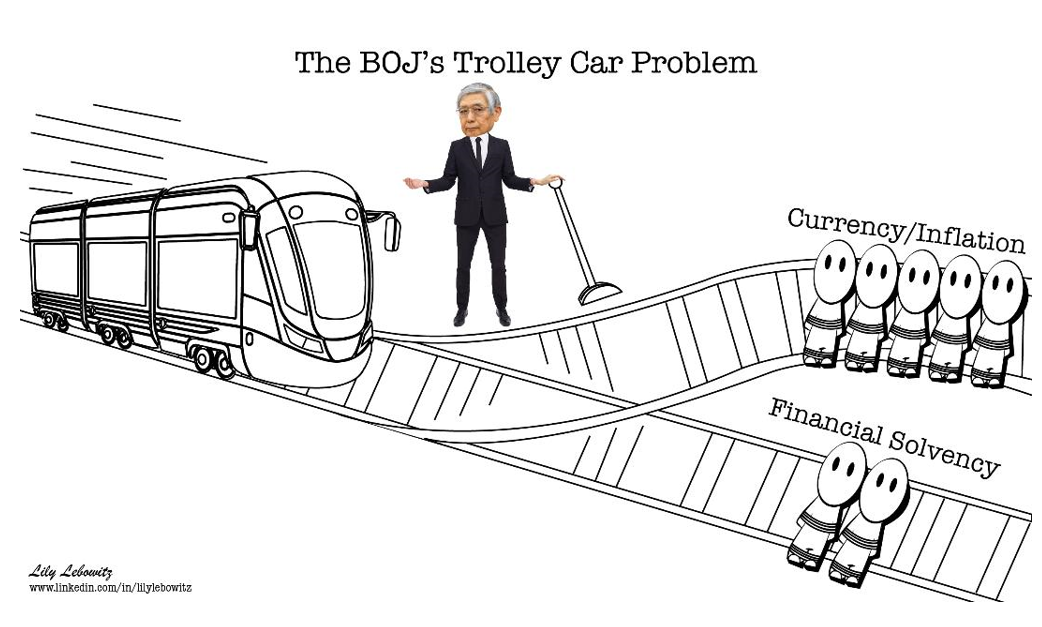
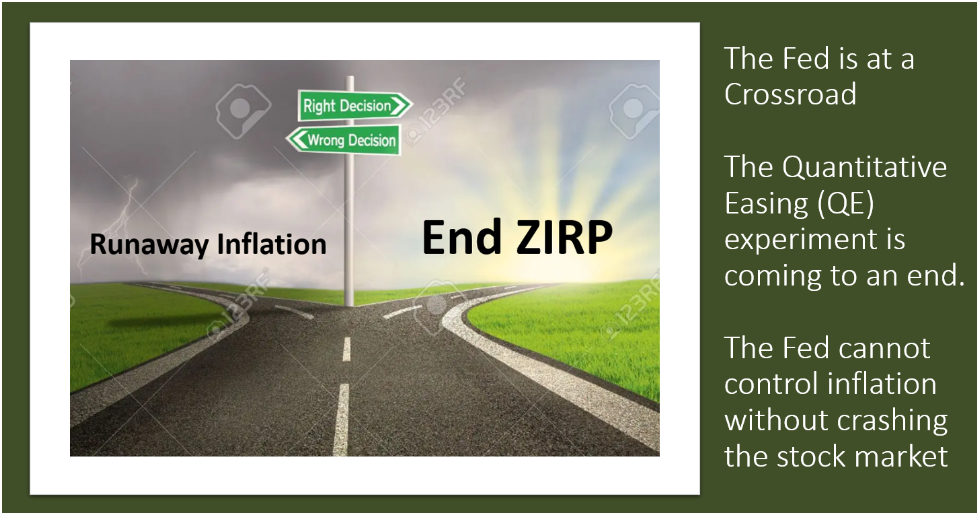
While the situations in the U.S., Europe, and Japan are different, all three are paying the price for years of fiscal and monetary tomfoolery. Using monetary policy to ensure low-interest rates encouraged unproductive debt growth. As liabilities grew faster than GDP, their ability to service debt became harder without continually having to administer lower interest rates and more QE.
Stocks tumbled on Wednesday after inflation accelerated in June more than expected, putting pressure on the Federal Reserve to remain aggressive in its fight against price increases.
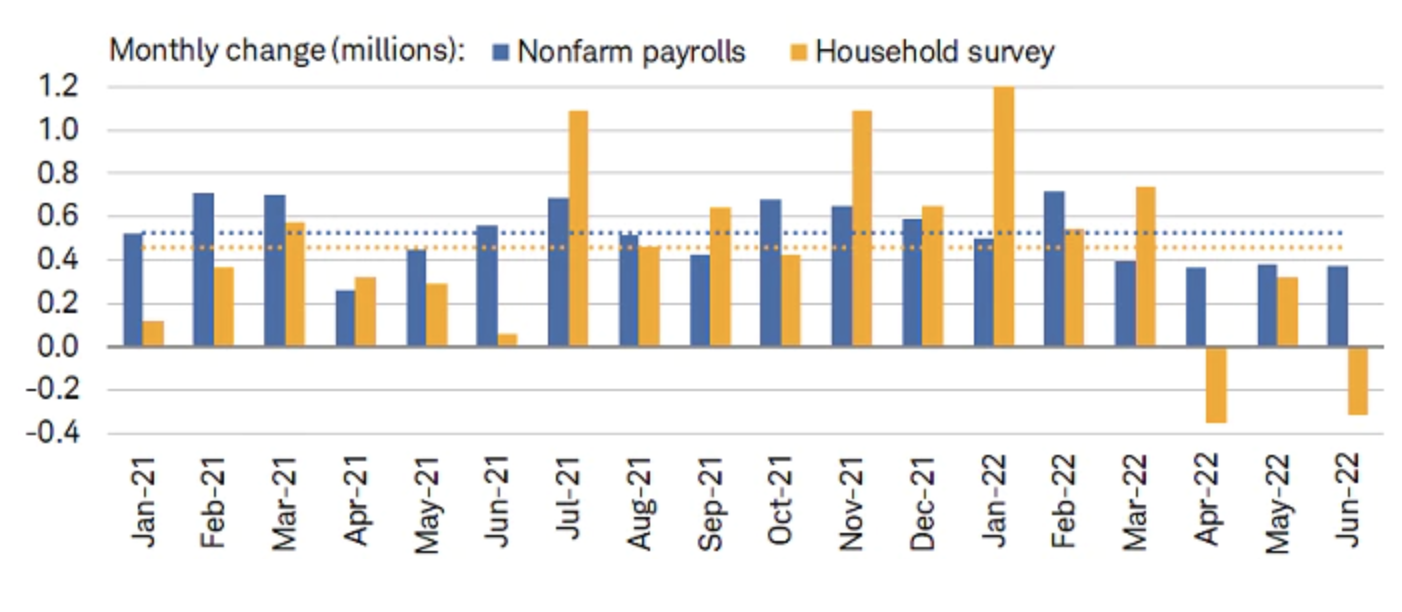
The June jobs report was cheered by economic bulls given its strength in level terms, but rates of change among leading indicators don't favor a soft-landing outcome for the economy.
Many RIAs fall short of the obligations of a fiduciary, particularly with respect to how their fees are paid. A day of reckoning (lawsuits) is only a matter of time.
Commodities can make for great trades, but they are often lousy investments.
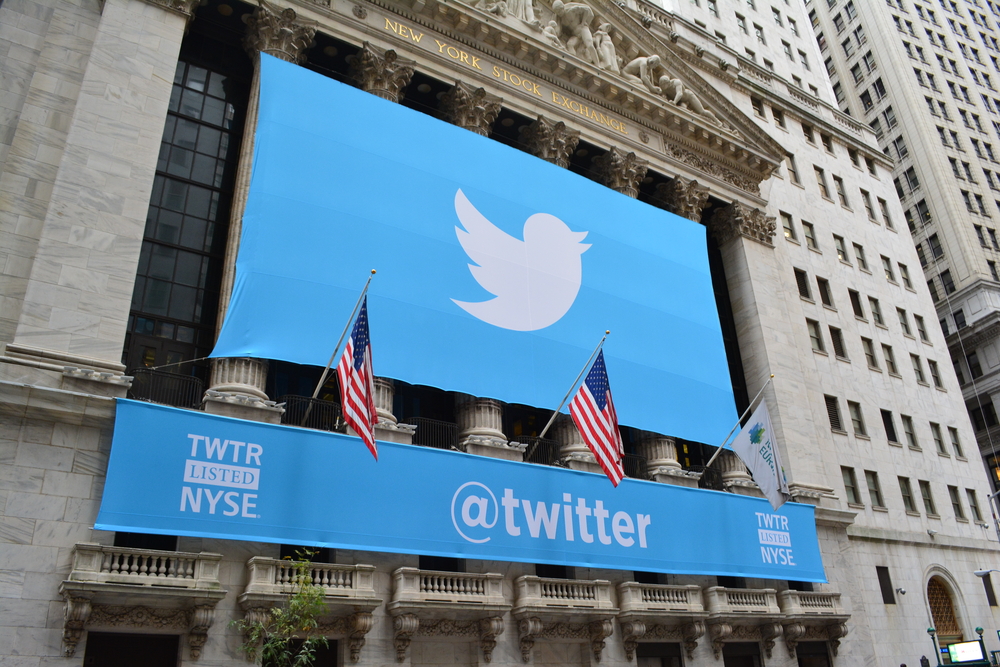
Twitter Inc. sued Elon Musk over his abandoned $44 billion takeover bid, accusing the billionaire of having buyer’s remorse after his fortune declined.
I have a vision of a profession where the most straightforward advisors, not the coolest ones with the best spiel, rise to the top. To achieve that ideal, here are 17 ways that acting more honestly than the competition will win more clients.
We have a terrible time with internal meetings. They don’t happen. They happen but there is no agenda.
Equity investors are anxious about the future after sharp market declines in the first half of 2022.
Headquartered in Brookfield, Connecticut, Photronics is a world leader in the critical photomasks used to manufacture semiconductor wafers.
In the first of a two-part series on the communications services sector, Mandana Hormozi of Franklin Mutual Series breaks down the streaming wars and uncovers hidden opportunities she sees within the rubble.
Does the third quarter mean a new start to the year?
There’s more pain ahead for still-frothy tech stocks…
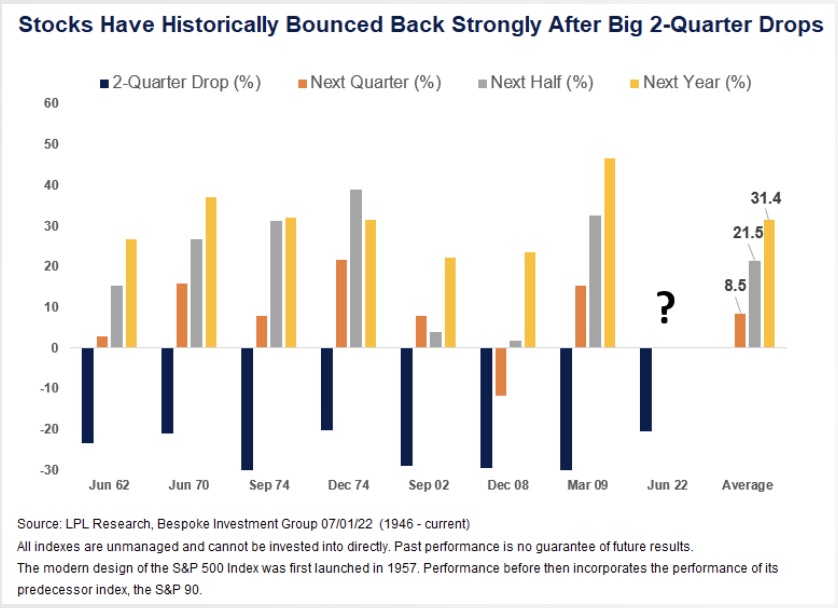
At -20%, the first half of this year officially went down as the worst 6-month period to start the year for the stock market (as measured by the S&P 500) since 1962 when it returned -22%.
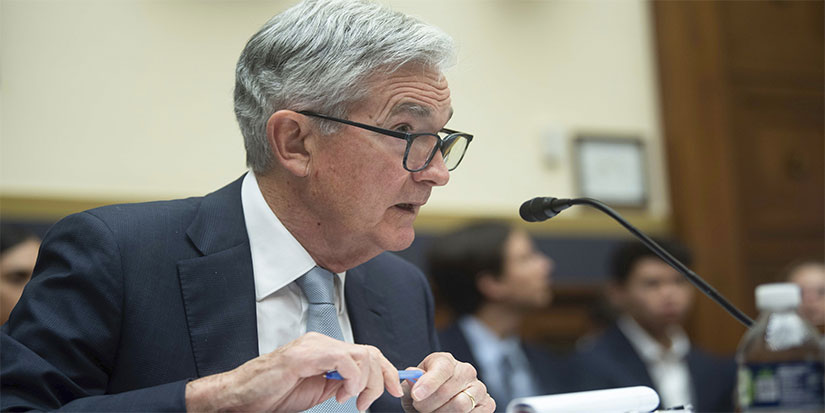
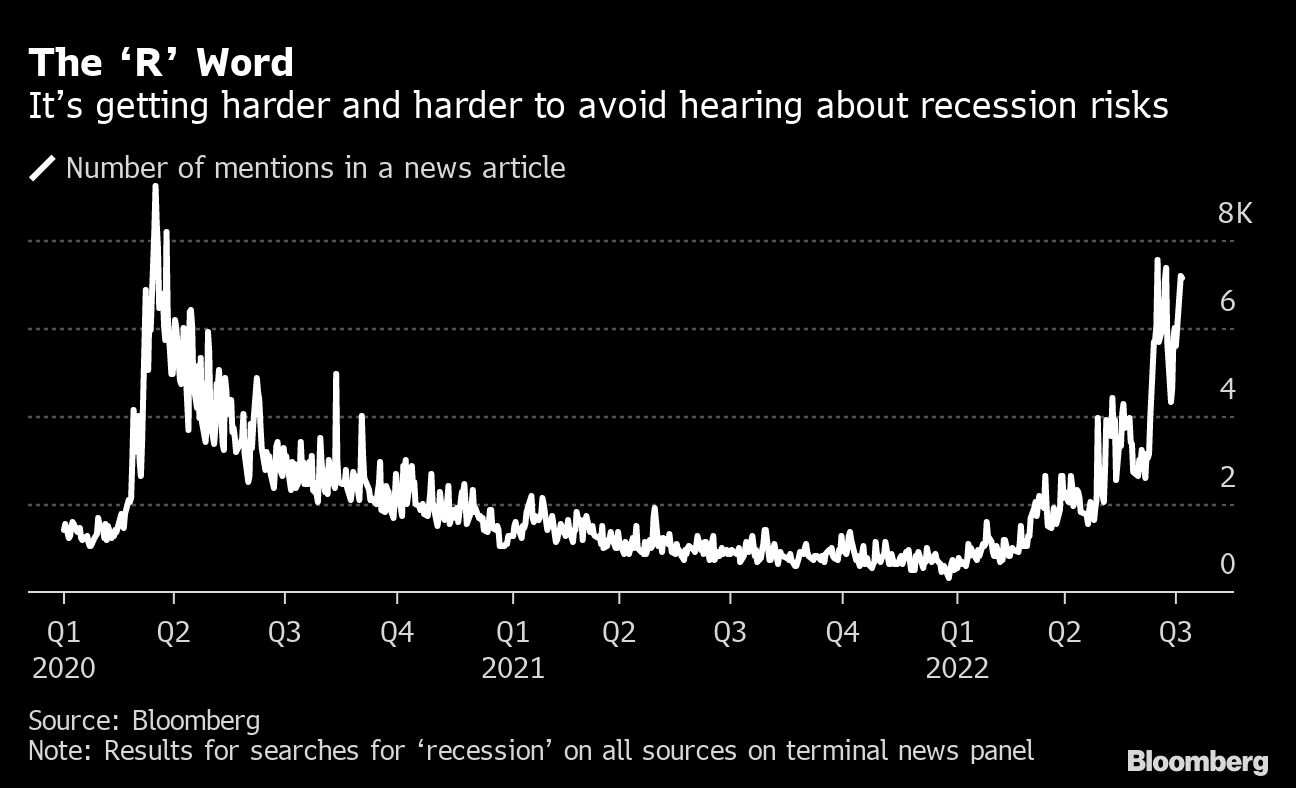
Wall Street and Washington are loudly debating whether the US economy can escape a recession -- but that monumental judgment will be made by eight eminent economists meeting quietly and far from public view.
If your digital currency is sitting on an exchange, is it really yours?
The decision to annuitize at age 65 may be optimal in instances of extreme longevity (age 90-95+) or if there is a prolonged environment for stocks and bonds that is as bad or worse than any conditions experienced in the historical record.
The path to lower inflation without causing a recession—the so-called “soft landing” —has been made significantly more challenging by the events of the last few months.
We believe index funds have immensely contributed to investors by permitting them to capture beta inexpensively.
Investors piled back into stocks tied to former President Donald Trump after Elon Musk abandoned his planned purchase of Twitter Inc.
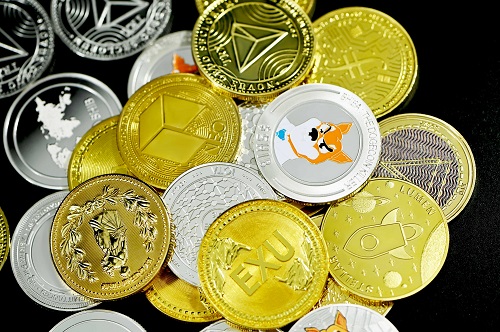
The price of bitcoin, along with other cryptocurrencies, has crashed. New legislation seeks to better inform consumers about the risks in digital assets and minimize the potential for losses by establishing a clearer regulatory framework.
Richard Branson made a fortune selling records. But one of Wall Street’s hottest pandemic plays is driving the billionaire’s wealth now, even as his and many other blank-check firms are slumping.
Buying individual bonds takes more work but is usually worth it in the long run.
What is the state-of-the-art for consolidating a tech stack and protecting client data?
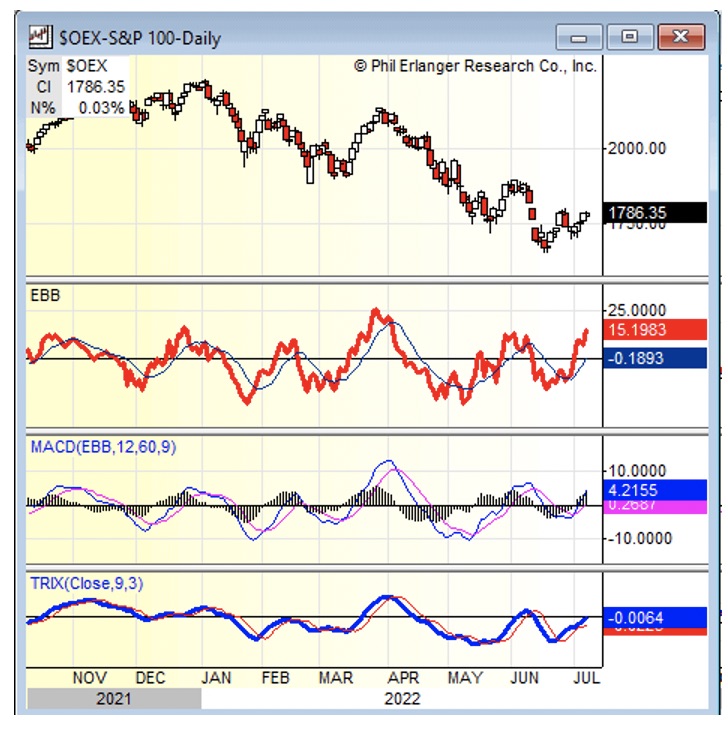
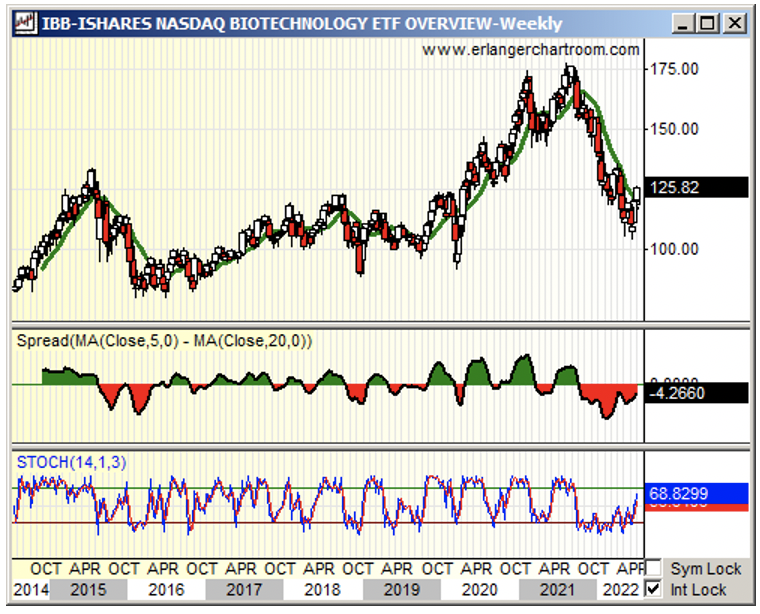
As Technical Research Analysts, we monitor indicators of internal stock market momentum, sentiment, and the like rather than studying individual company fundamentals.
For the better part of the last decade, interest rates have been near zero and leverage has driven asset prices higher.
It’s a bull market for pessimism right now.
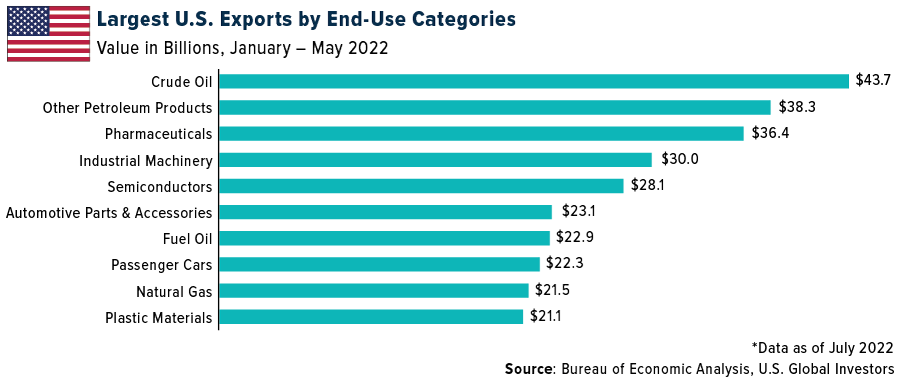
Gasoline consumers around the world, from families to businesses, have had to deal with record prices at the pump for months...
Investors are losing one of their few places of refuge in this year’s stock market plunge, as the selloff in energy shares that started last month is leaving them with nowhere to hide.
Elon Musk is trying to end an agreement to buy Twitter Inc. for $44 billion and take it private, alleging that the company misrepresented user data and setting the stage for an arduous court brawl.
Revenue above expectations, pandemic federal aid and reserves have strengthened states' financial outlook. But states will need to prepare as pandemic aid winds down and the economy slows.
Rough water is ahead, but equity markets may sail higher over the next 12 months...
A rally in risk assets this week is sending traders to some of the most speculative corners of the technology sector, where gains in beleaguered stocks are more than double those of Nasdaq 100’s advance.
Spiking inflation, rising interest rates and growing fears of a US recession dominated global equity markets in the second quarter. While the outlook is very cloudy, it’s important to evaluate what types of strategies can help investors in an economic downturn.
While a direct indexing strategy is a great addition to an investor’s portfolio, you’ll want to ensure your clients are properly diversified and also poised to reap the benefits of active management, while recognizing that active management doesn’t generate as many tax losses as tracking the index does.
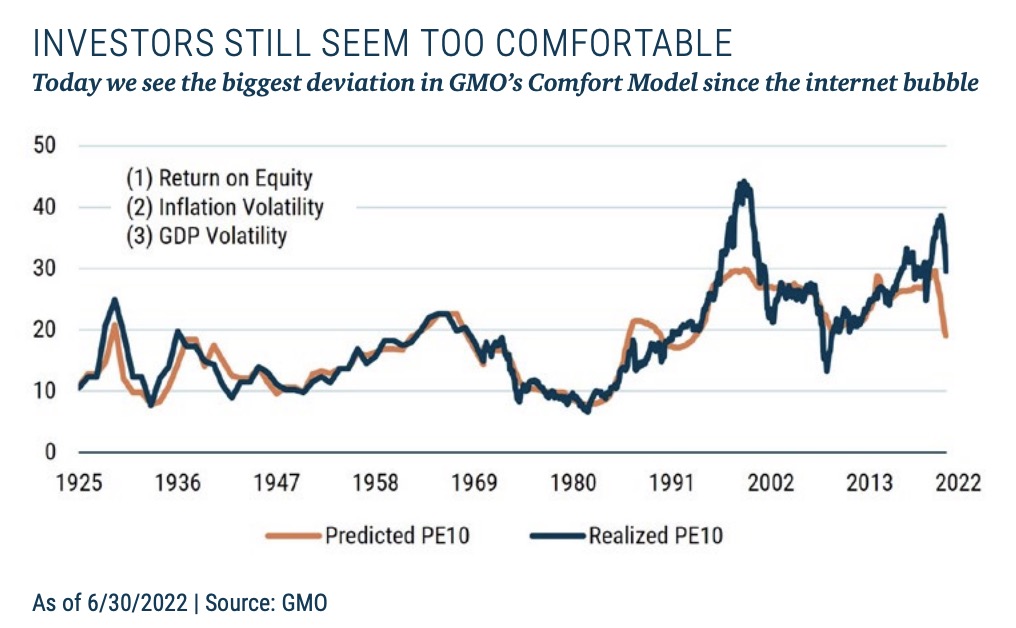
It’s a bull market for pessimism right now. We know the list of concerns is long and includes an aggressive Federal Reserve with a spotty (and that’s putting it kindly) track record of navigating a soft landing, stagflation, ongoing China lockdowns, disrupted supply chains, overly optimistic earnings estimates, the ongoing Russia-Ukraine war, and the latest—failing crypto firms.
The Supreme Court’s decisions on abortion and gun safety reinforced how ideology polarizes politics and prevents civil discussion and progress. Market ideology has also polarized discussion and harmed advice standards.
Markets were exceptionally volatile during the first half of 2022, foreboding poor capital market returns. Here is a quick review of nine areas of heightened risks.
BlackRock Inc.’s greenest exchanged-traded funds have seen a 30% increase in inflows as investors seek out the most credible ESG products amid a wider cooling toward the industry.
It’s getting complicated for investors in semiconductor stocks, with last year’s big chip shortage morphing into an inventory glut for some companies, and others getting caught up in geopolitics.
Why did the bond market make its latest swerve? In the current febrile environment, data that are generally regarded as distinctly second-tier can have a big impact.
Depending on risk and diversification, 401(k) plans have lost between 4% and 20% so far this year. Unlike most other periods when stocks lost money, bonds have not defended well this time.