Oil Set for Quarterly Drop as Morgan Stanley Warns of Glut Risks
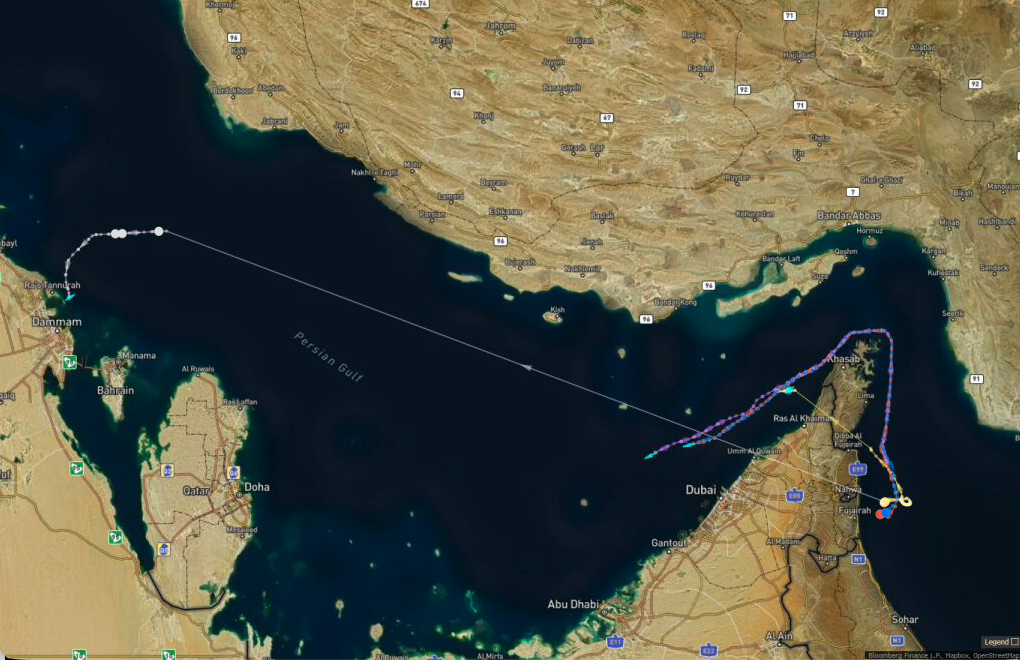
Oil headed for the biggest quarterly decline since the pandemic as flows through the Strait of Hormuz accelerated following progress on a peace deal, with Morgan Stanley warning of a potential glut ahead.
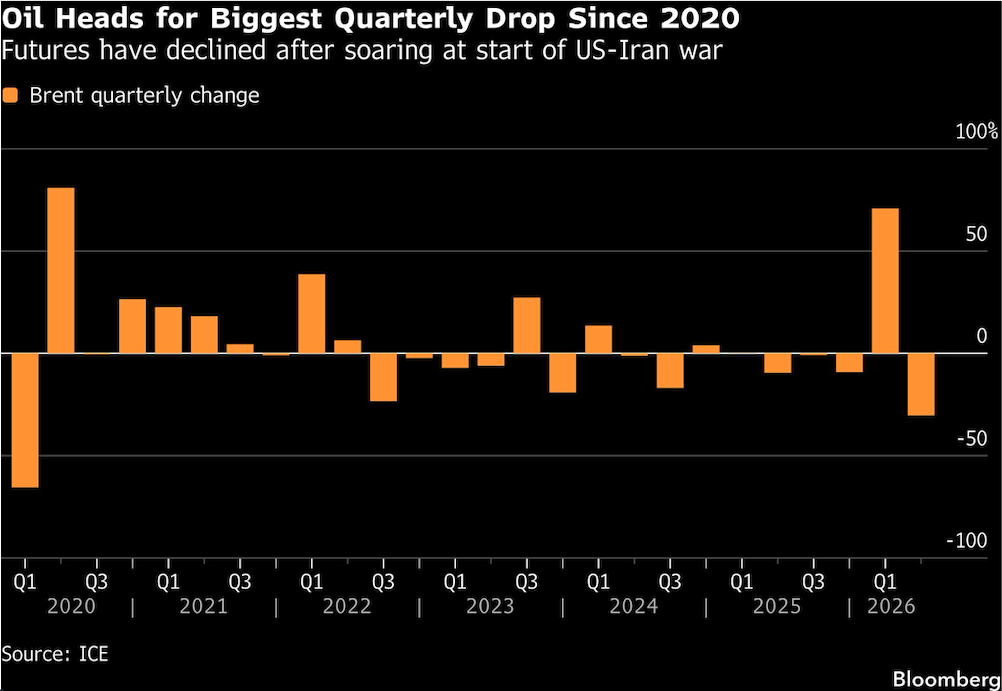
Brent’s more-active September contact traded near $74 a barrel, with front-month futures down almost a third this quarter — the biggest decline since 2020. West Texas Intermediate was near $70. Iran reiterated its determination to control maritime traffic through Hormuz, but flows showed signs of picking up for the first time since recent attacks in the waterway.
As traffic escapes Hormuz, barrels are being pushed further afield, with the market trying to absorb the additional volumes at the same time that major workarounds are in place. In a sign of weakness, oil was offered in the North Sea at its biggest discount in years on Monday and the Dated Brent physical benchmark has tumbled.
Crude has plunged since the reopening of Hormuz as supplies that were trapped inside the Persian Gulf make their way out, while Iran also received sanction waivers from the US to sell its oil. Prices managed to avoid the worst-case scenarios at the peak of the crisis thanks to a combination of record emergency stockpile releases, a plunge in Chinese crude imports and higher US overseas shipments than ever before.
“The Strait is reopening faster than expected, yet the ‘twin solvers’ of high US exports and low Chinese imports remain in place,” Morgan Stanley analysts including Martijn Rats and Charlotte Firkins wrote in a note. “The result is a physical glut.”