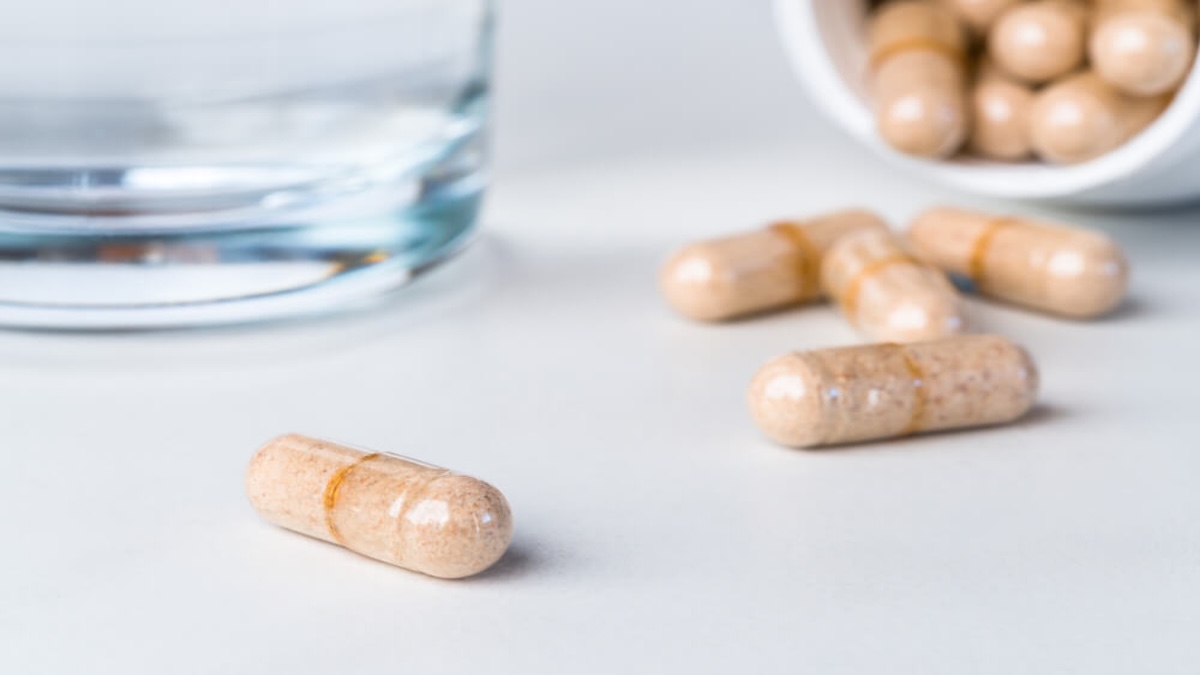
A new peptide ETF launched today, holding the drugmakers behind GLP-1 weight-loss treatments along with the companies that make and deliver them.
Key Takeaways:
- REX’s new fund follows 36 peptide-linked companies, ranging from GLP-1 drugmakers to device and supplement makers.
- Eli Lilly, Novo Nordisk, and Ascendis Pharma each carry index weights near or above 10%.
- Oral GLP-1 pills are drawing new patients, with most Wegovy pill prescriptions going to first-time users.
The REX Peptide ETF (PEPT) will trade on Nasdaq and tracks the VettaFi Peptide Index (VFPEP), according to its prospectus. Peptides are short chains of amino acids, the building blocks of proteins, used in medicines, supplements, and skincare.
See more: Investing in the Peptide Boom: REX Files for New Peptide ETF
The launch comes as spending on GLP-1s, one type of peptide drug, keeps climbing. The global GLP-1 market is projected to grow from $58.05 billion in 2026 to $132.79 billion by 2035, according to Towards Healthcare. That works out to average yearly growth of 9.63%.
Type 2 diabetes was the largest use for the drugs in 2025, with a 58% share. However, the report expects obesity treatment to grow the fastest.
Pills are also gaining ground on shots, the report noted. Novo Nordisk A/S (NVO) exceeded 3 million U.S. prescriptions for its Wegovy pill in just over five months. More than 80% of new prescriptions went to people who had never used a GLP-1 before.
Drugmakers are only part of the story, though. VettaFi’s methodology sorts companies into four groups: therapeutics, manufacturing and medical devices, supplements, and skincare. The manufacturing group includes contract manufacturers and makers of auto-injectors.
That supply chain is also drawing new money. Eli Lilly and Co. (LLY) has committed more than $8 billion to plants in Pennsylvania and Indiana, according to Towards Healthcare.
Companies land in the index’s “Core” group if at least half of their revenue, clinical pipeline, or research budget is tied to peptides, the methodology states. Those with less exposure go into a “Diversified” group capped at 20% of the index.
Inside the Peptide Index’s Top Holdings
Eli Lilly led the index’s 36 holdings with an 11.86% weight as of Oct. 12, according to VettaFi. Novo Nordisk followed at 9.88%, while fellow Danish company Ascendis Pharma A/S (ASND) came in at 9.79%.
Insulin pump maker Insulet Corp. (PODD) and Protagonist Therapeutics, Inc. (PTGX) round out the top five at 7.76% and 7.13%, respectively, VettaFi data shows.
Healthcare makes up 95.29% of the index, the index provider reports. By country, U.S. companies hold 53.35% of the weight, while Denmark represents 22.81%.
The fund is nondiversified, meaning it can hold larger stakes in fewer companies, according to the prospectus. It charges a 0.65% annual fee.
The index’s largest holding already has its next obesity treatment in the pipeline. Lilly has finished its late-stage clinical program for retatrutide, an experimental drug that acts on three hormones, according to Towards Healthcare. The company plans to file for regulatory approval in 2027.
For more news, information, and analysis visit the Thematic Investing Content Hub.
VettaFi LLC (“VettaFi”) is the index provider for PEPT, for which it receives an index licensing fee. However, PEPT is/are not issued, sponsored, endorsed, or sold by VettaFi, and VettaFi has no obligation or liability in connection with the issuance, administration, marketing, or trading of PEPT.
Originally posted on ETF Trends
A message from Advisor Perspectives and VettaFi: Discover something new! Click here to register for our upcoming webcasts.
Read more commentaries by VettaFi