Evaluating your tech stack and contract pricing must be on your agenda as your wealth management firm starts the new year.
To build the level of trust required for your prospect to select you as their advisor, especially when they’re meeting with other advisors, you must override your logic-based mindset.
Let’s look at each DiSC style and how you can adapt to make them more comfortable with you.
Capital One has grown into the ninth-biggest US bank by assets through the relentless promotion of its credit cards, which provide two-thirds of its revenue.
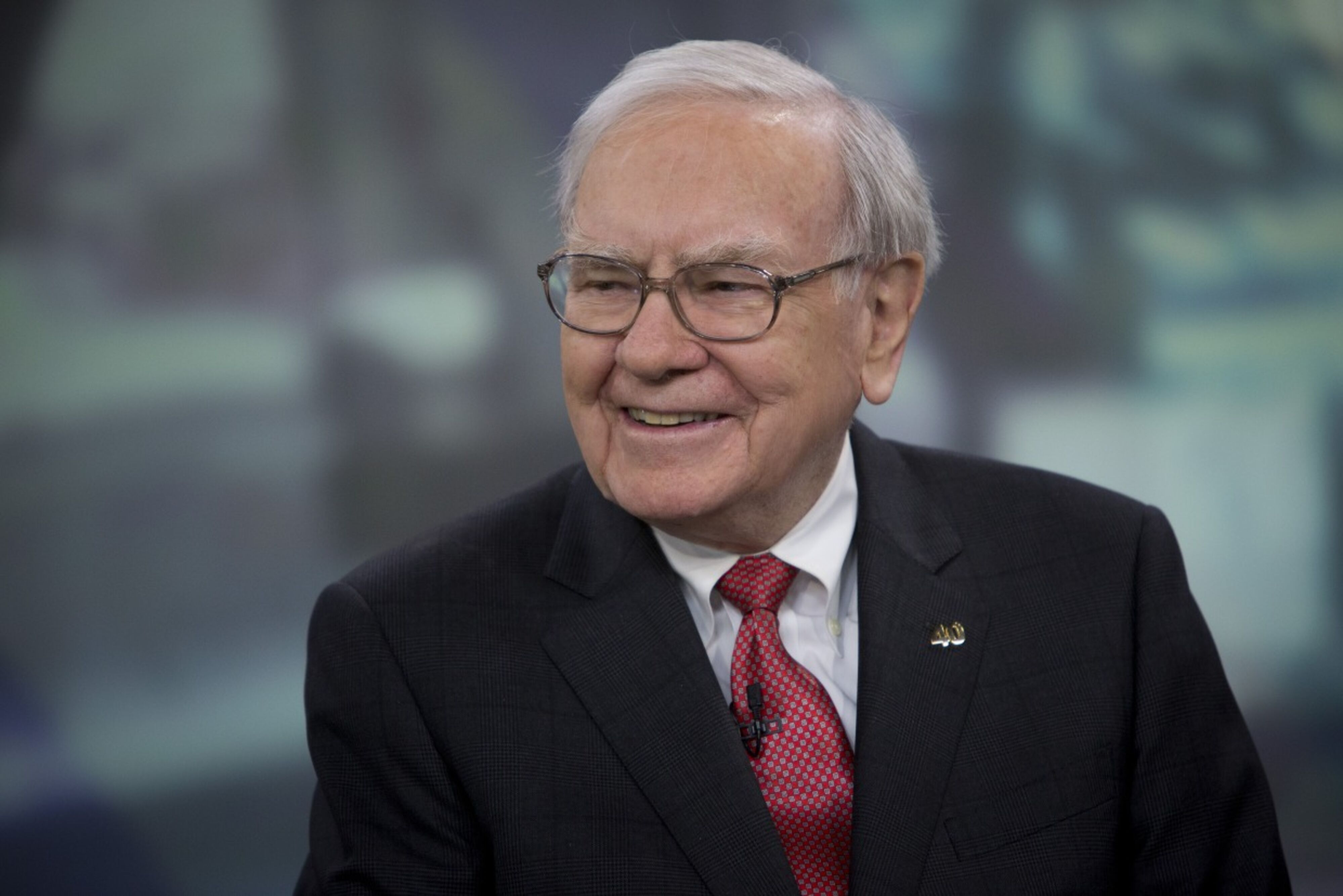
Not to say Warren Buffett’s folksy observation this weekend on the US oil business is incorrect, but it gets something awfully incorrect...
US federal debt will reach a record 116% of gross domestic product by 2034, up from 93% today. That’s according to the Congressional Budget Office.
As the best hedge fund strategy of 2023 becomes a magnet for mainstream investors, the risk models it relies on are getting a lot tougher to crack.
The world’s biggest Bitcoin ETF has reached an inauspicious milestone: an entire month of consecutive outflows.
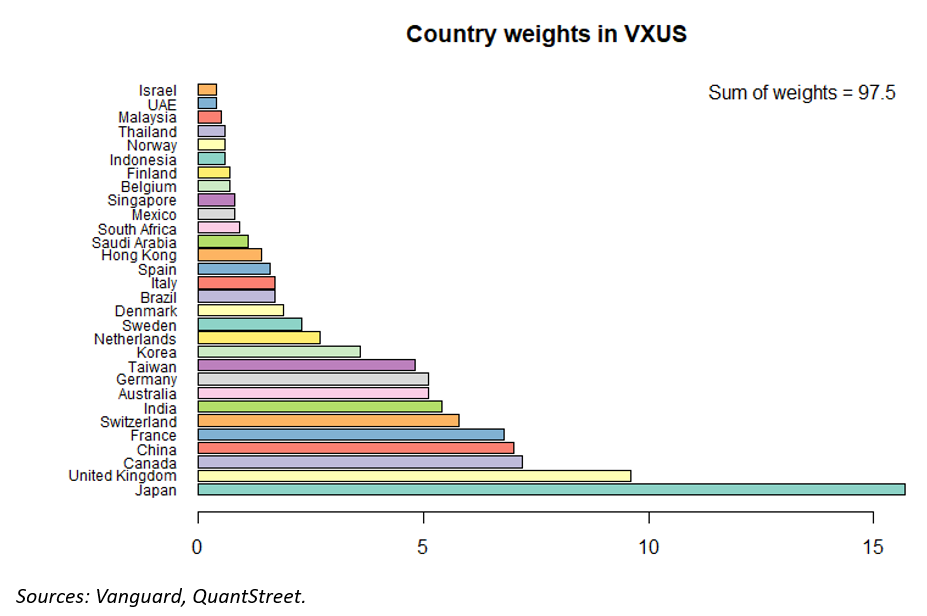
Academic work shows that openness, rule of law, and legal protections are associated with investor inflows to global stock markets. Based on such considerations, non-U.S. stocks don't look very good.
Investors in US Treasury debt are bracing for another auction, after sales of two- and five-year notes drew only middling demand — despite yields near the highest levels of the year.
When it comes to differentiating your message, here are some tips we offer our clients.
BlackRock Inc., which capitalized on a decade-long boom in index investing, said investors should rely more heavily on actively managed strategies.
There is power and freedom in acknowledging our financial mistakes rather than shaming ourselves for them.
In the first installment of this series, I pledged to unveil a retirement strategy with such merit that it warrants widespread adoption by the investment advisor community. Let's delve into the compelling case for this approach.
Open-source software may well be the greatest “public good” the market economy has ever produced. What it shows is the power of voluntary social cooperation.
There are lies, damned lies and statistics – and then there’s IRR. The internal rate of return metric used by private-capital managers has long had critics in finance and academia because it is easily manipulated and hard to compare with the transparent returns of, say, stocks and bonds.
The Warren Buffett philosophy was never an immutable doctrine frozen in time. In his first shareholder letter after the death of his late, great partner Charlie Munger last November, the Oracle of Omaha reminded investors how important it is to change with the circumstances.
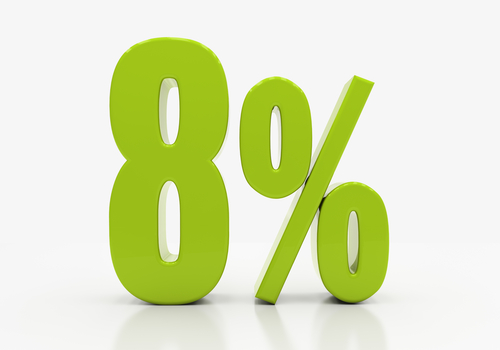
For high income earners, a 4.5% after-tax return is equivalent to an 8%+ pre-tax return. Whole-life insurance can provide the same after-tax return of an investment with a higher pre-tax return – but without the higher investment risk.
Hedge funds piled into tech stocks in the weeks before Nvidia Corp. earnings. Now, they’re cashing out and selling at the fastest pace in seven months.
For a lesson in the perils of being a skeptic on Wall Street when everyone else is a buyer, consider Rob Arnott, who made a sensible case five months ago that Nvidia Corp. had become a bubble.
Berkshire Hathaway Inc. shares rose as much as 5.5% in premarket trading on Monday, set to push the market value of Warren Buffett’s conglomerate even closer to $1 trillion.
What caused the system’s funded status to deteriorate from 100% to 79.3% over the past 40 years? And more importantly, what actions will Congress take to reform the system?
The US and China are discussing new measures to prevent a wave of emerging market sovereign defaults, according to people familiar with the situation, one of the most significant attempts in years at economic cooperation between the rival superpowers.
A Fidelity International money manager has sold the vast majority of US Treasuries from funds he oversees on expectations the world’s biggest economy still has room to expand.
How many Wall Street buzzwords can you fit into one security? The limit is being tested by a new breed of options-fueled exchange-traded funds making inroads with the retail crowd.
Asset manager VanEck’s Bitcoin ETF is listed under the ticker ‘HODL,’ highlighting a dilemma facing buyers of the popular investment vehicles.
After several decades of transformative tech wealth, the AI boom is ushering in another. Not only has Nvidia Corp.’s soaring valuation made co-founder Jensen Huang an extremely wealthy man, but his distant cousin Lisa Su, head of Advanced Micro Devices Inc., is now worth $1.2 billion.
Three consecutive quarters of strong growth have put productivity either back on trend or well above it, depending on which recent trend line you’re following. Productivity’s sharp rise and fall from 2020 to 2022 was apparently just another one of those weird pandemic phenomena, now disappearing in the rearview mirror.
Slower inflation was supposed to be a sign that the economy was cooling, all part of the Federal Reserve’s plan for higher interest rates to restore balance to the economy. For a while, things looked on track.
Cathie Wood made a wild prediction almost two years ago: Annual economic growth could accelerate to as much as 50%, thanks to breakthroughs in the world of artificial intelligence.
Cash may still be king for the moment, but after more than $1 trillion flowed into money-market funds last year as short-term rates rose, investors are trying to figure out where it goes next.
All three major American stock indexes stormed to fresh all-time highs Thursday as Nvidia Corp.’s results rekindled faith that breakthroughs in artificial intelligence will boost profits and give stock prices further room to run.
With US valuations ostensibly high compared to global peers, many investors are asking themselves if now is the time to dip their toes into international equities. They’re asking the wrong question.
They call them the Seven Samurai. Analysts from Goldman Sachs Group Inc. caused a stir in Tokyo this week with a well-timed report highlighting a group of stocks that could serve as Japan’s equivalent of the Magnificent Seven that have come to dominate US equities.
Outside the Fontainebleau Hotel in Miami, Florida last week, dozens of drones moved slowly through the night sky, projecting the Bitcoin symbol far and wide above one of the largest ETF gatherings of the year.
To the casual observer, the backdrop to this year’s record-breaking stock rally has been one of epic calm in markets. To Wall Street’s math wizards, it’s been anything but.
Minutes from the Federal Reserve’s latest gathering show most officials remained more worried about the risk of cutting interest rates too soon than keeping them high for too long and damaging the economy.
Your choice is stark: Adapt to engage this emerging demographic or risk obsolescence.
Among the critical yet often overlooked aspects in planning are healthcare expenses. How are families addressing this, and what expertise do wealth advisors bring to the table?
Marketing is about people, and there are three categories of people that you are likely pushing away on a professional basis due to lack of perceived prospect value.
The world’s biggest miner BHP Group Ltd. grew powerful by building dominant positions in producing the minerals of the future. That makes the challenges it’s facing with two key clean-tech ingredients a sobering lesson for the energy transition.
“Sometimes I don’t even know why I am invited to the meeting, and even after it ends I don’t know why I was there!”
Capital One Financial Corp.’s $35 billion deal for rival credit card provider Discover Financial Services is more than an opportunistic move on a rival that had a lamentable 2023. The takeover reinforces the impression that corporate leaders are willing to take risks on big M&A again.
The $1.4 trillion US junk-bond market is getting junkier, as more debt gets either downgraded or elevated out of the high-yield universe altogether, leaving greater potential risks for investors.
Nvidia Corp.’s market-leading advance has left even the bulls questioning if an earnings beat will be enough to propel the AI chipmaker’s shares higher.
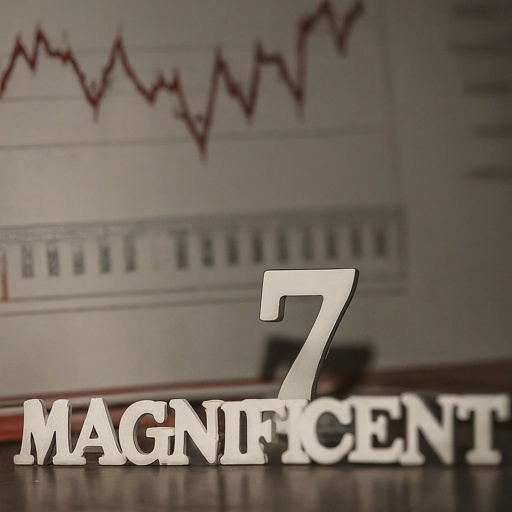
None of the Magnificent Seven companies existed in the heyday of the Nifty Fifty, but a unique valuation and narrative thread aligns the companies.
It’s been blamed for fueling stock volatility and dismissed as the latest case of market speculation gone too far.
The first step to finding high-quality prospects for your advisory practice, consistently and affordably, is not to go where everyone else is.
Your clients have their own sub language. The more you use their words, the more trust and rapport you will have.
Millions of people in the U.S. have a great offense when it comes to earning money that could provide them financial security. Yet it does not, because their defense in protecting and creating that security is gravely underperforming.