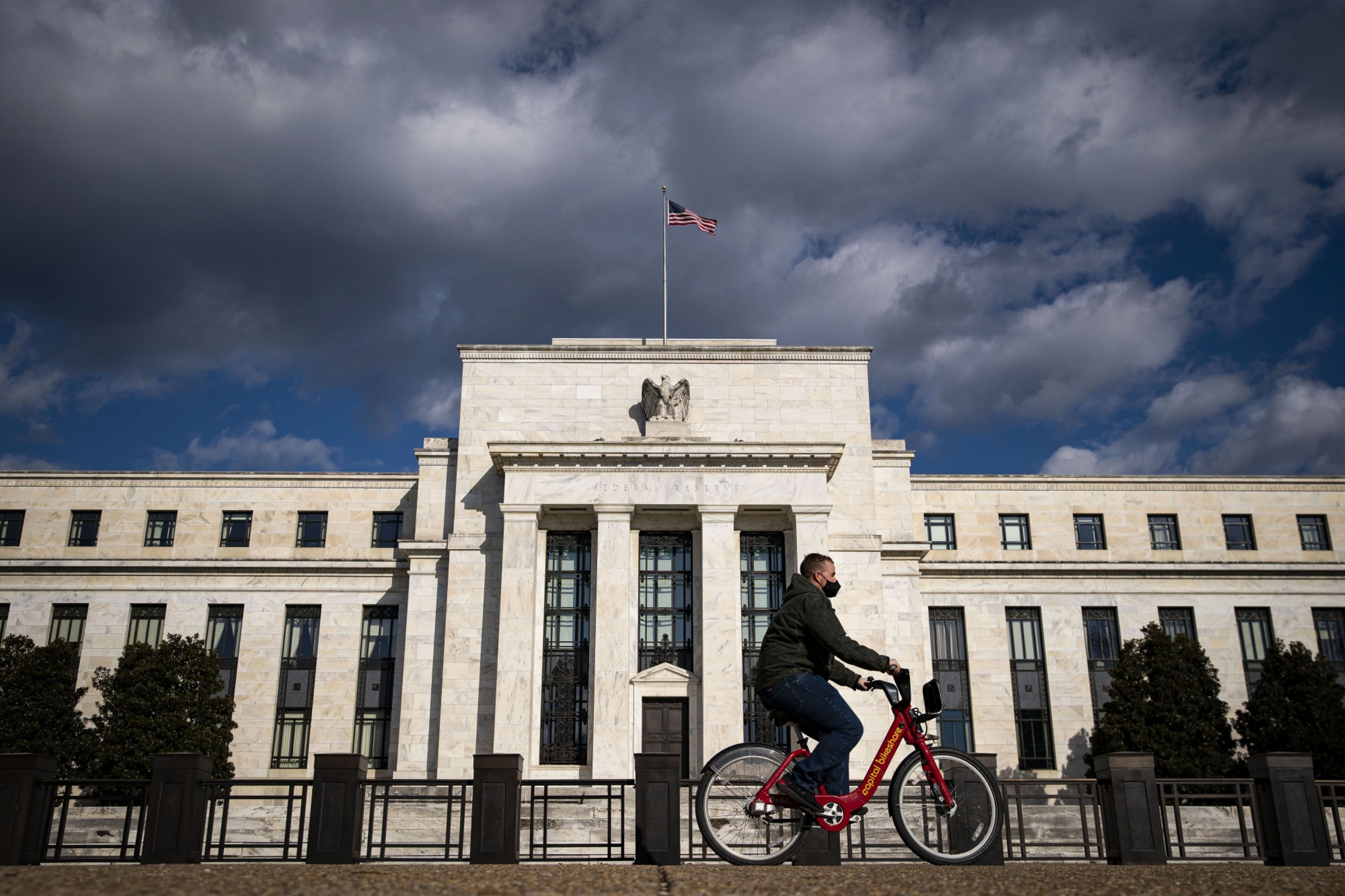
Financial markets have lately been intensely focused on the US Federal Reserve’s next moves: How soon will it start cutting interest rates, and how low will it take them this year?
Being bombarded by notifications interferes with your productivity. Here are the alerts you should skip and those notifications you can’t live without.
If you are among the 56% of US workers with a retirement plan, I have some bad news for you: Your 401(k) will be gone in 10 years, tops. Not the money, thank goodness — Americans have trillions of dollars in these accounts, and there is an entire industry built around them — but the plans themselves.
Investment banks including Goldman Sachs Group Inc. and Barclays Plc are striving to get a lucrative fee-making machine back in action.
Just months after setting a 2024 target for the S&P 500 Index, Goldman Sachs Group Inc. strategists have boosted their forecast for a second time, reflecting Wall Street’s optimistic outlook for earnings.
Going forward, we will increasingly hear the term “shared-service provider.”
Investors are beginning to war-game how the Federal Reserve can manage a US economy that just won’t land, with some even debating whether interest-rate hikes will be needed only weeks after a steady run of reductions appeared all but certain.
US new-home construction fell in January, indicating the recovery in the housing market will be gradual as many buyers await a further decline in mortgage rates.
The Federal Reserve will test banks’ abilities to withstand a broader array of hypothetical shocks this year after the collapse of multiple regional lenders.
US retail sales broadly declined in January, indicating consumers took a breather after a strong holiday shopping season.
In the wreckage of China’s stock market meltdown, some traders are making long-shot bets that officials in Beijing can stoke a recovery.
It’s tempting to dismiss the response to Tuesday’s inflation data as an outsized reaction to a slight miss in numbers that are particularly vulnerable to seasonal noise. Yet the development is also indicative of deeper issues whose influence may well be with us for the next few months and quarters.
Tesla Inc. is a car manufacturer that pitches itself, very successfully, as a technology hothouse. So perhaps it will take the most tech-like step possible in 2024: Announce a big stock buyback.
More hedge funds are agreeing to conditions on their performance fees, reflecting a tougher environment for attracting investors to riskier strategies.
US banks are starting to ramp up purchases of everything from mortgage-backed securities to collateralized loan obligations after nearly two years of cutting back, adding fuel to a multi-month rally across credit markets.
Here are the three quantitative metrics that I focus on when evaluating an investment offering.
Bond traders are turning their attention to the latest reading on inflationary pressures in the US economy as concern mounts the recent selloff has further to run.
Beginning this year, the SECURE Act 2.0 allows owners of 529 plans to convert unused 529 funds to the beneficiary’s Roth IRA.
A new life insurance strategy, one that is funded by index-universal life, offers investors so many advantages it deserves to be enthusiastically embraced by the RIA community.
A 529 plan offers higher contribution limits as well as more flexibility when it comes transferability and your range of investment choices.
There are only two certainties in this world, so the saying goes — death and taxes. The macroeconomist might add recessions to that list. All three of them may well be inevitable, but maybe we can make each of them just a bit less bad.
As New York Community Bancorp Inc. scrambles to shore up its capital to deal with potential loan losses, analysts are watching to see if depositors pull their money.
Global money managers, desperate to avoid exposure to sliding Chinese markets, have fresh investing tools at their disposal as pessimism toward the world’s second-largest economy snowballs.
A slate of US economic data is about to put the loftiest Treasury yields this year to the test.
Nvidia Corp. co-founder Jensen Huang’s wealth has surged as a blistering rally in AI-related stocks pushed the chipmaker’s market value above Amazon.com Inc.’s for the first time.
I want to hear from you whether it is wrong to believe that numbers matter most and not everyone should try to be a psychologist with their clients.
Just know that involving money in the hunt for love limits your options and might eliminate potential partners who in many other ways could provide you with a meaningful and fulfilling relationship.
Very few advisors can comfortably recite their distinguishing characteristics and, of course, their clients can't either.
The latest consumer price index reading indicated that core prices — excluding volatile food and energy — rose 0.4% in January from a month earlier, exceeding the median economist forecast.
Warnings that the tech-fueled stock rally had gone too far had been ringing out for weeks. And for weeks, equity bulls pushed the likes of Nvidia Corp. higher, confident that artificial intelligence growth and an on-hold Federal Reserve would help justify nosebleed valuations.
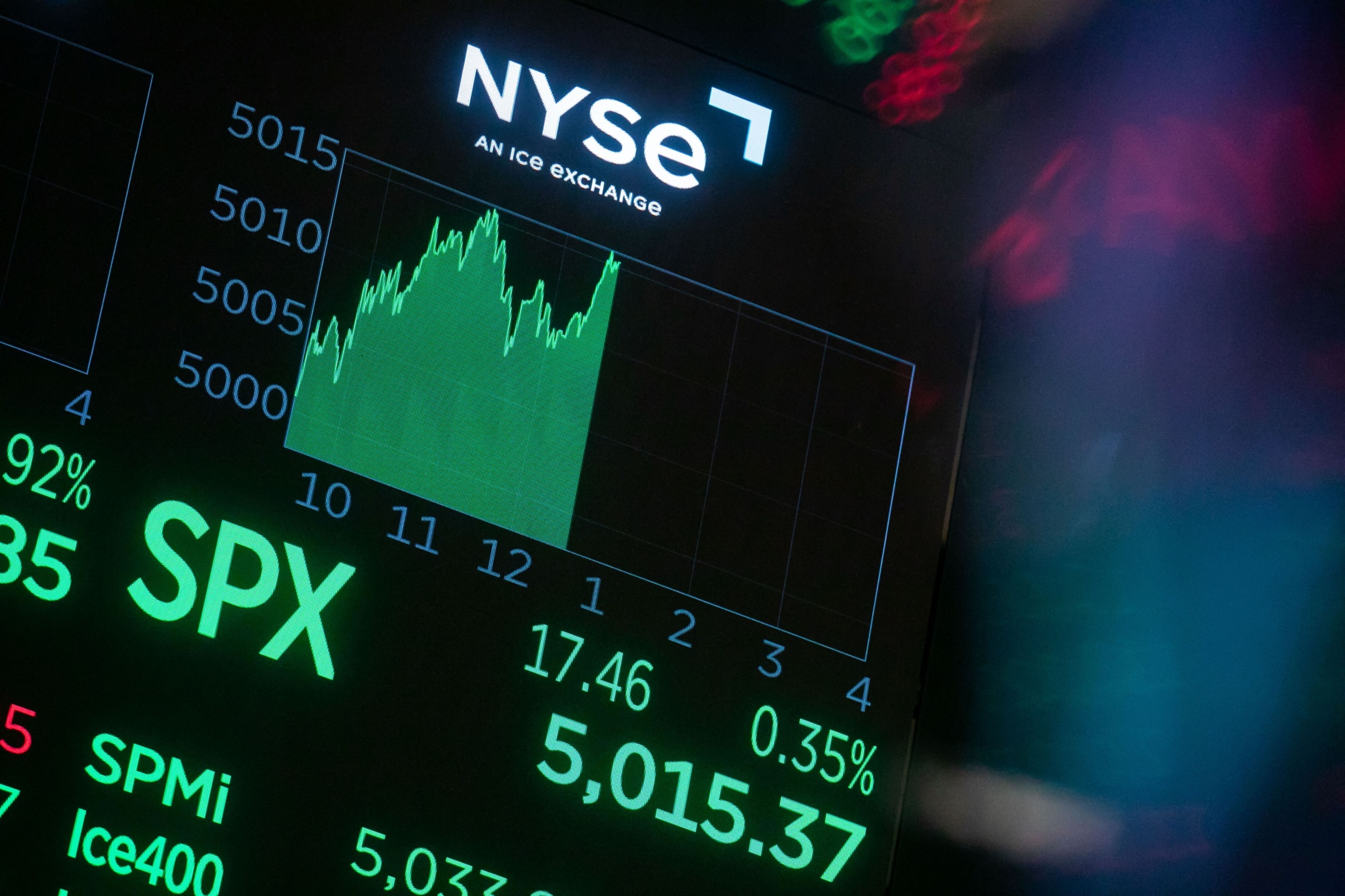
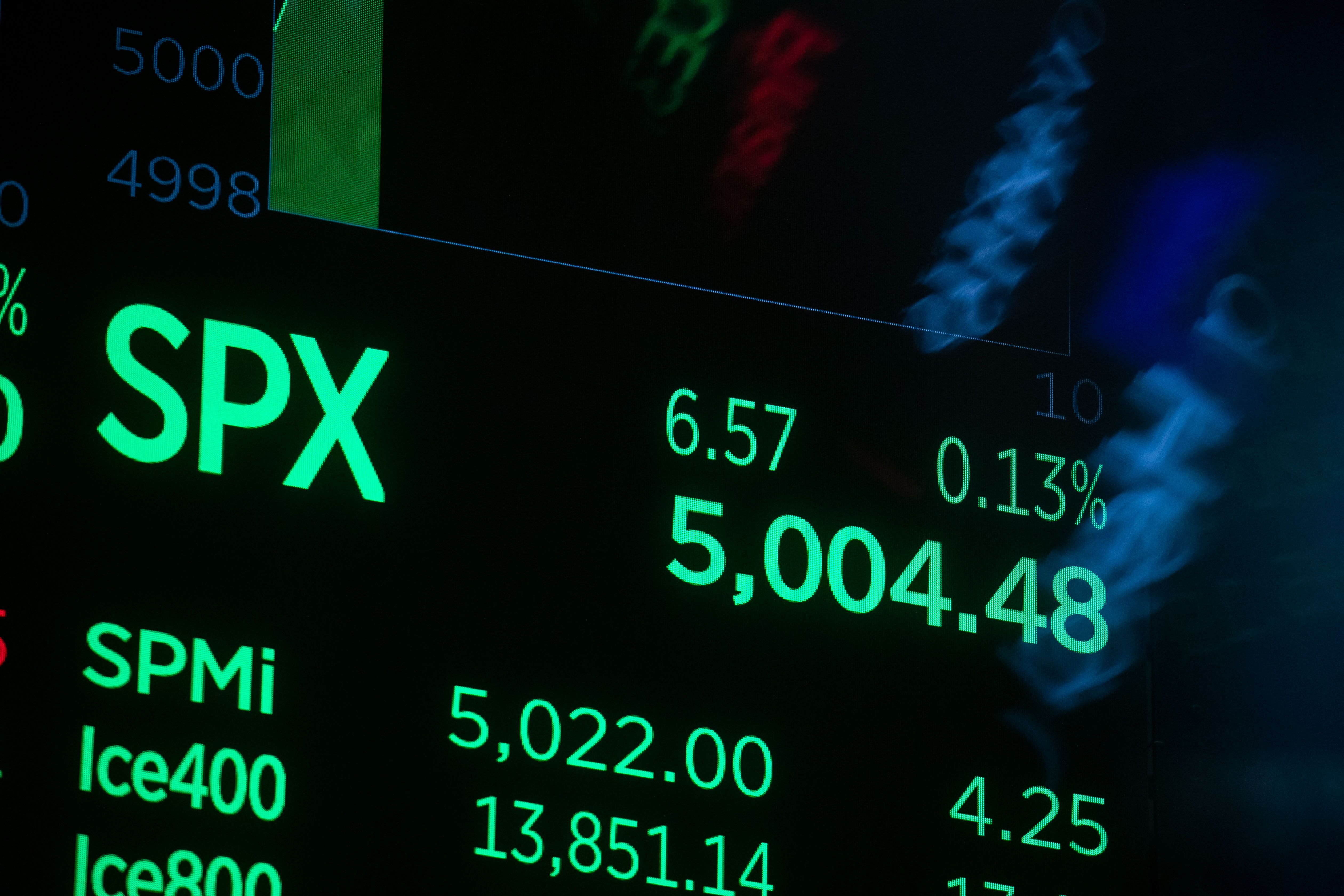
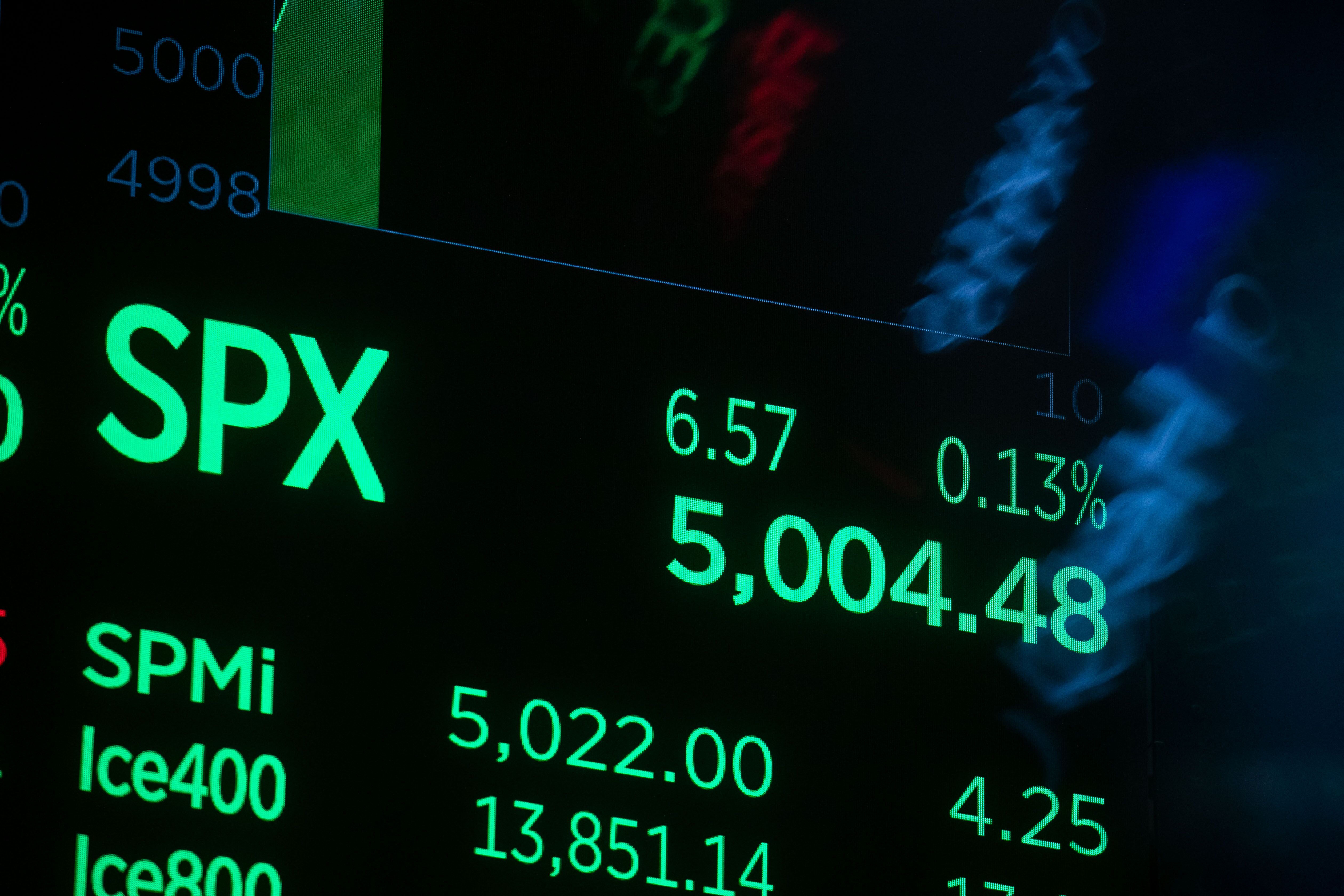
The S&P 500 Index blew past a series of troubling markers in its relentless rally to 5,000. Now, after Tuesday’s rout, investors are staring at a potentially long way down before they find support.
Traders ratcheted down their expectations for a Federal Reserve’s interest-rate cut before July, and Treasury yields soared, after a report showed that inflation remains sticky in the US.
Could Toyota, not Tesla, be at the forefront of a significant technological advance for automobiles?
Here’s how your clients’ birthdays trigger marketing moments that matter.
While it may seem natural to entrust family members or close friends with an end-of-life choice, there are valid concerns about the emotional bias loved ones bring to decision-making.
Lead-generation services present a paradox for the advisory profession: Many advisors have no luck with those services, but others use them to cost-effectively generate revenue. My research untangled that paradox.
May 17, 1995, a Wednesday, was a historic day for energy stocks. Not that they acted that way: Like the oil price — about $20 a barrel — they were flat. The action was elsewhere: Technology stocks overtook the energy sector’s weighting in the S&P 500 for the first time that day.
Some Americans like to mock France and Sweden for their high taxes. Yet California — whose economy is bigger than that of both countries — has comparable tax rates, when federal and state tolls are combined, and a new study suggests that they are causing some top earners to leave the state entirely.
Referrals may have gotten you here, but they won’t take you where you need to go.
Digital currencies are back, at least if you ask the crypto faithful. The US Securities and Exchange Commission has at last approved Bitcoin exchange-traded funds— begrudgingly, with a hard nudge from the courts. Renewed investor enthusiasm in risky assets such as technology stocks seems to have rubbed off on tokens, too.
There’s one topic dominating the agenda as FX traders descend on Miami this week: how the currency market can adjust to a fast-approaching change to US stock settlements that stands to shake-up their industry.
There is a five-step process to turn someone into a COI.
Investors are going “all in” on US technology stocks as they turn the most optimistic about global growth in two years, according to a survey by Bank of America Corp.
Bond traders have come more in line with the Federal Reserve’s trajectory for the upcoming easing cycle. Strategists at Citigroup Inc. say what’s missing now is traders hedging the risk of a very brief easing cycle followed by rate increases shortly thereafter.
Financial advisors can get swept up in the whirlwind of big marketing initiatives. But routine, everyday tactics are vital. Here are nine routines to embrace.
Let’s look at some of the important financial professional designations. I’m informally putting them into three categories based on the level of training and time commitment they require.
Without education on how to implement an allocation to private markets investments, many advisors are waiting on the sidelines despite the clear benefits of allocating.
Everyone knows you’re not supposed to bet on a bubble, but what about a potential bubble?
The other day I did something I haven’t done for years. I browsed Facebook. By which I mean: I really took a look around. Good grief, what a mess! It’s like walking round an abandoned amusement park of badly executed ideas.
There are three pitfalls that I most commonly see income investors fall victim to. I hope illustrating them will help you avoid their damaging effects on your investment portfolio.