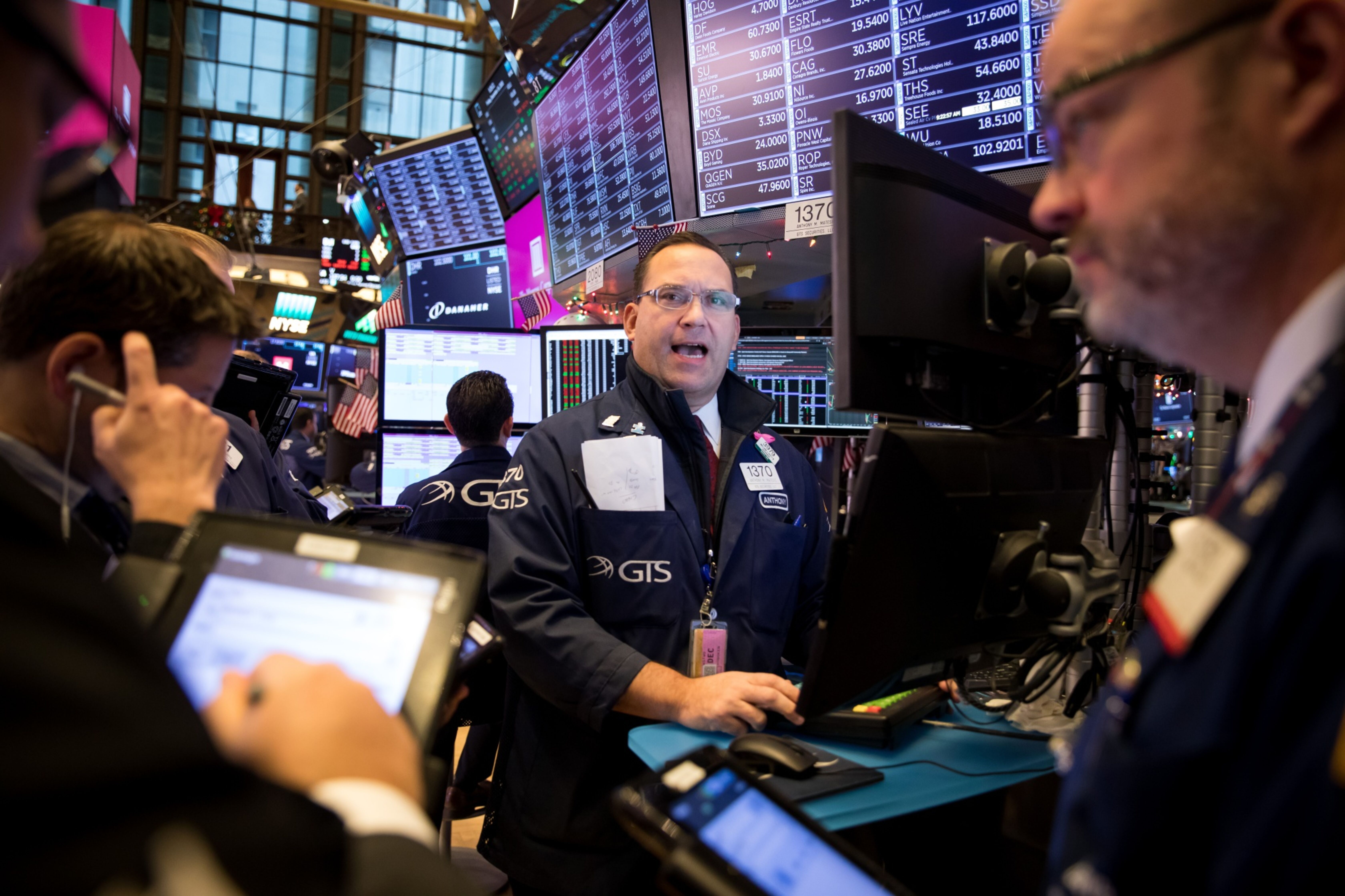
The private equity industry has rediscovered its mojo. The latest updates from the publicly traded firms specializing in the asset class satisfied investors’ appetite for bullish vibes from the leadership teams. As shares in alternative investment managers build on an already strong recovery, the risks of disappointment can only mount.
This article identifies 10 real-world considerations in tax efficient distribution planning from the perspectives of an academic (Wade Pfau, PhD), a practitioner (Joe Elsasser, CFP), and a CPA (Steven Jarvis).
Bitcoin is flirting with a winning run last seen a year ago, aided by the record-breaking debut of US exchange-traded funds for the token.
US companies are discussing cost control on earnings calls at a record rate, amid a push to reallocate funds and invest in new technologies, according to an analysis by Morgan Stanley strategists.
Six years after a famous blowup in the volatility market shattered a lengthy calm in US stocks, the latest Bloomberg Markets Live Pulse survey reveals growing Wall Street concern over a new boom in trades that bet against equity turbulence.
Bond traders are finally heeding one of the market’s oldest lessons: Don’t fight the Fed.
Mortgage rates in the US inched higher amid signals that the Federal Reserve is likely to keep its policy steady for some time.
United Parcel Service Inc.’s largest layoffs in its 116-year history were made possible, in part, by new technologies including artificial intelligence, CEO Carol Tomé said last week. Citing one example, she said that machine learning allows salespeople to put together proposals without having to ask pricing experts for guidance.
Stronger than expected earnings are leading companies on both sides of the Atlantic to announce share buybacks at a blistering pace as 2024 gets going — a potentially crucial pillar of support for global stock markets already trading at all-time highs.
The Bitcoin exchange-traded funds started by BlackRock Inc. and Fidelity Investments are gaining a liquidity edge over a larger rival from Grayscale Investments LLC, according to JPMorgan Chase & Co. strategists.
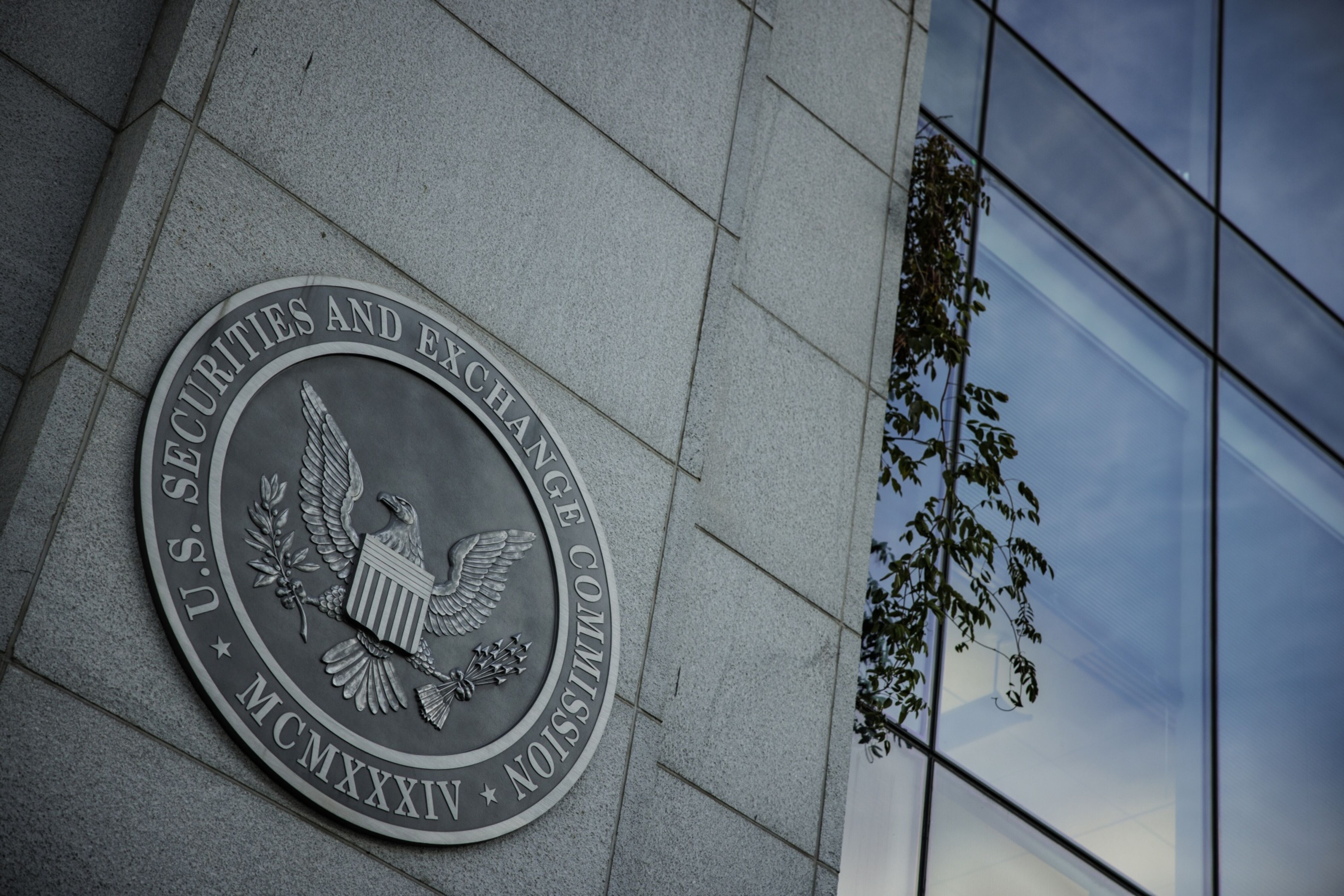
Special purpose acquisition companies have for too long existed in a regulatory gray area. With new rules approved last month, the Securities and Exchange Commission has provided needed clarity for these entities and their investors.
The SEC is using its authority over dealers to sneak in the back doors of these entities, which will inevitably create new or modified entities to reduce the cost of regulation.
TikTok stands accused of poisoning the minds of Gen Z, making them hate America and giving them a distorted view of history. Without getting into all that, I will say this: TikTok is not the worst place to learn about personal finance.
Treasury yields rose further — with some reaching year-to-date highs — ahead of inflation data comprising the market’s next test after a string of Treasury auctions went off without a hitch.
Nvidia Corp.’s stock has rallied so much this year that it’s now threatening to overtake Amazon.com Inc. to become the fourth most valuable US company.
Hedge funds are paid big bucks for making smart market bets. Yet these days, a simple feature of the financial plumbing — largely overlooked on Wall Street during the low interest-rate era — is helping juice industry returns.
The US government sold $25 billion of 30-year bonds at a lower-than-anticipated yield, soothing investor nerves about demand for longer-dated debt.
Doom spending is “spending money despite concerns about the economy and foreign affairs to cope with stress,” says the credit-tracking company, and about 27% of Americans say they’re doing it.
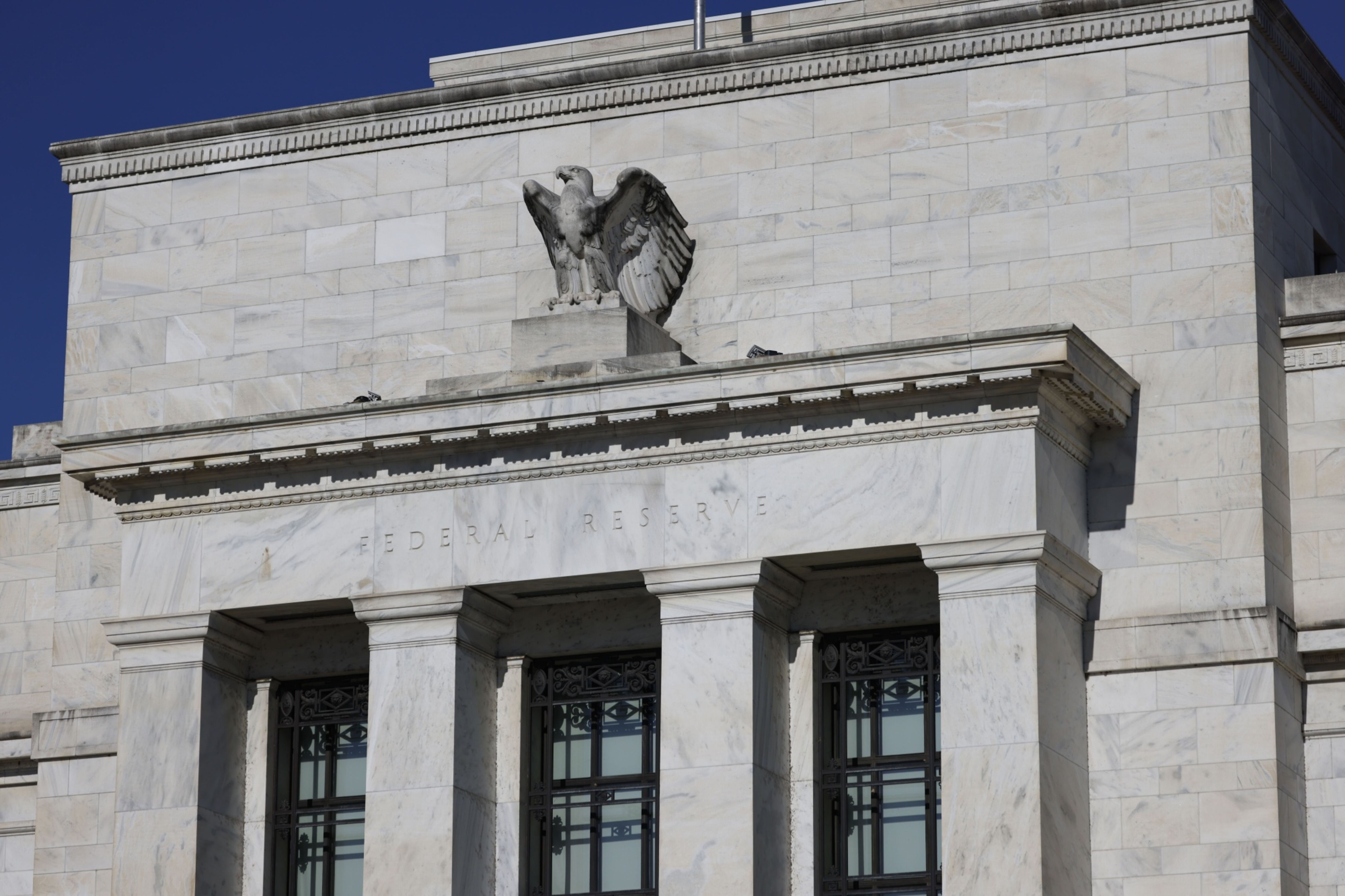
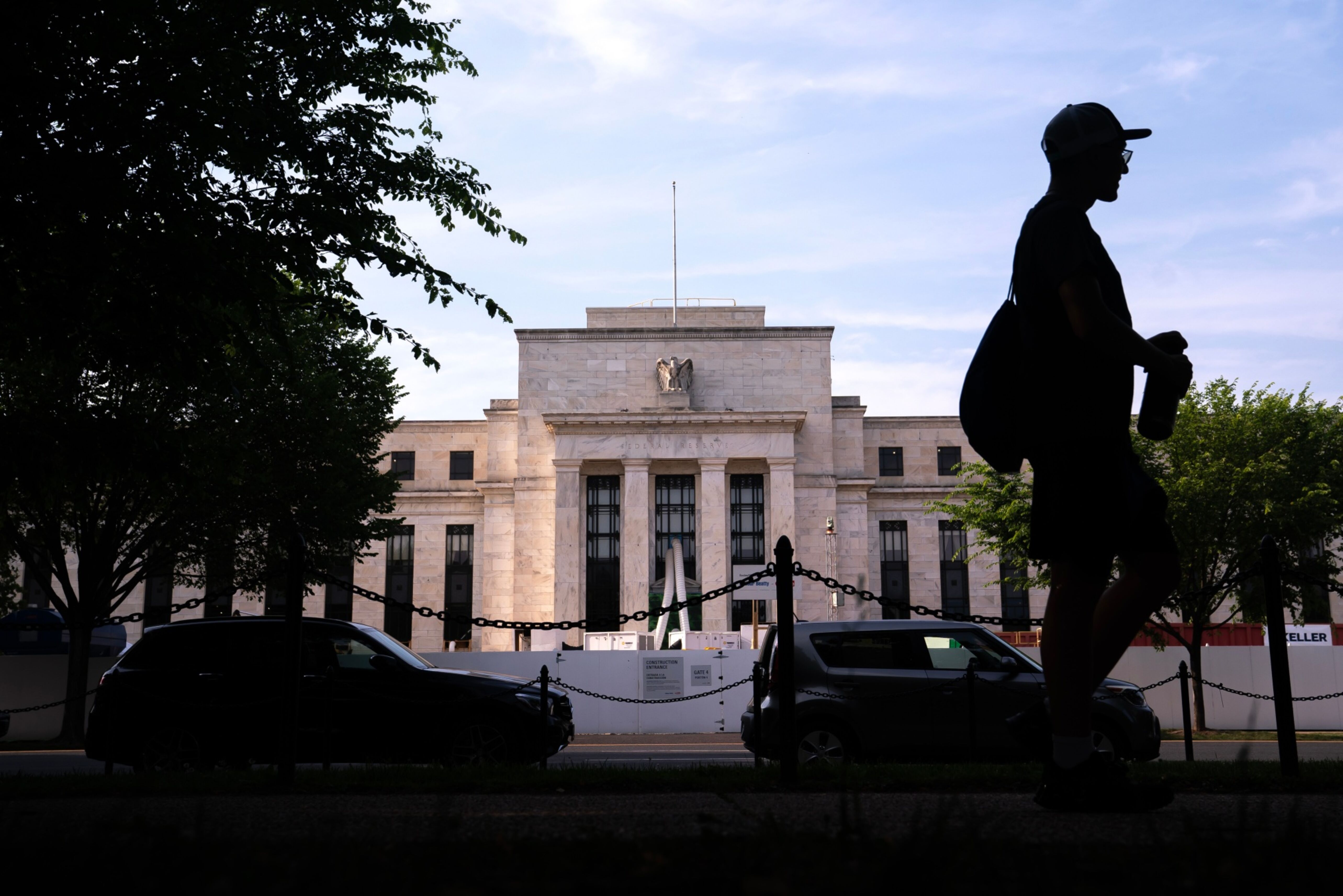
In an interview with 60 Minutes that aired Sunday, Federal Reserve Chair Jerome Powell was asked “To what degree does politics determine your timing” of when to reduce interest rates? Powell firmly replied that “We do not consider politics in our decisions. We never do. And we never will.”
The top US artificial intelligence companies will participate in a government-led effort intended to craft federal standards on the technology to ensure that it’s deployed safely and responsibly, the Commerce Department said Thursday.
This year’s turmoil in China has sparked a stock meltdown, blown up structured financial products, led to public disgruntlement, and now President Xi Jinping has put a new market regulator in control.
Bitcoin approached $45,000 for the first time in almost a month with the US exchange-traded funds holding the digital currency seeing a steady inflow of cash from investors and risk appetite rising across financial markets.
A roughly $61 trillion global benchmark of developed-market equities rose to an all-time high on Wednesday, with Wall Street’s technology behemoths leading the way.
The US government sold a record $42 billion of 10-year notes Wednesday at a lower-than-anticipated yield, soothing investor nerves after a recent rout and indicating confidence that the Federal Reserve will eventually cut interest rates.
At its core, inflation is too much money chasing too few goods. That was the case in 2020 through 2022. This is not the case anymore.
Stocks and bonds rallied at the end of last year on the hope of a seemingly improbable combination of dynamics playing out to support financial assets in 2024 — cooling inflation, solid economic growth, a resilient labor market, and as much as 150 basis points of interest-rate cuts.
While the ability of humans to demonstrate empathy is invaluable, few appreciate the impact of “artificial empathy,” which is incorporated into AI and is likely to become more sophisticated.
To successfully navigate the minefield of acquisitions and consolidations, advisory clients should consider the cultural integration of an acquired firm and pay meticulous attention to the motives of the acquiring organization.
Natural gas used to sell itself. Emitting less nasties than coal, including carbon dioxide, plus being cheap and homegrown, it was once hailed by former President Barack Obama as a “bridge fuel.”
Spotting a recession in real-time, instead of months after the fact, is among the holy grails of forecasting. Two economists at Amazon.com Inc. say they’ve figured out a new way to do it.
Bond investors, still reeling from Treasuries’ worst two days in more than a year, are preparing for a new test on Wednesday when the government holds its biggest-ever sale of 10-year debt.
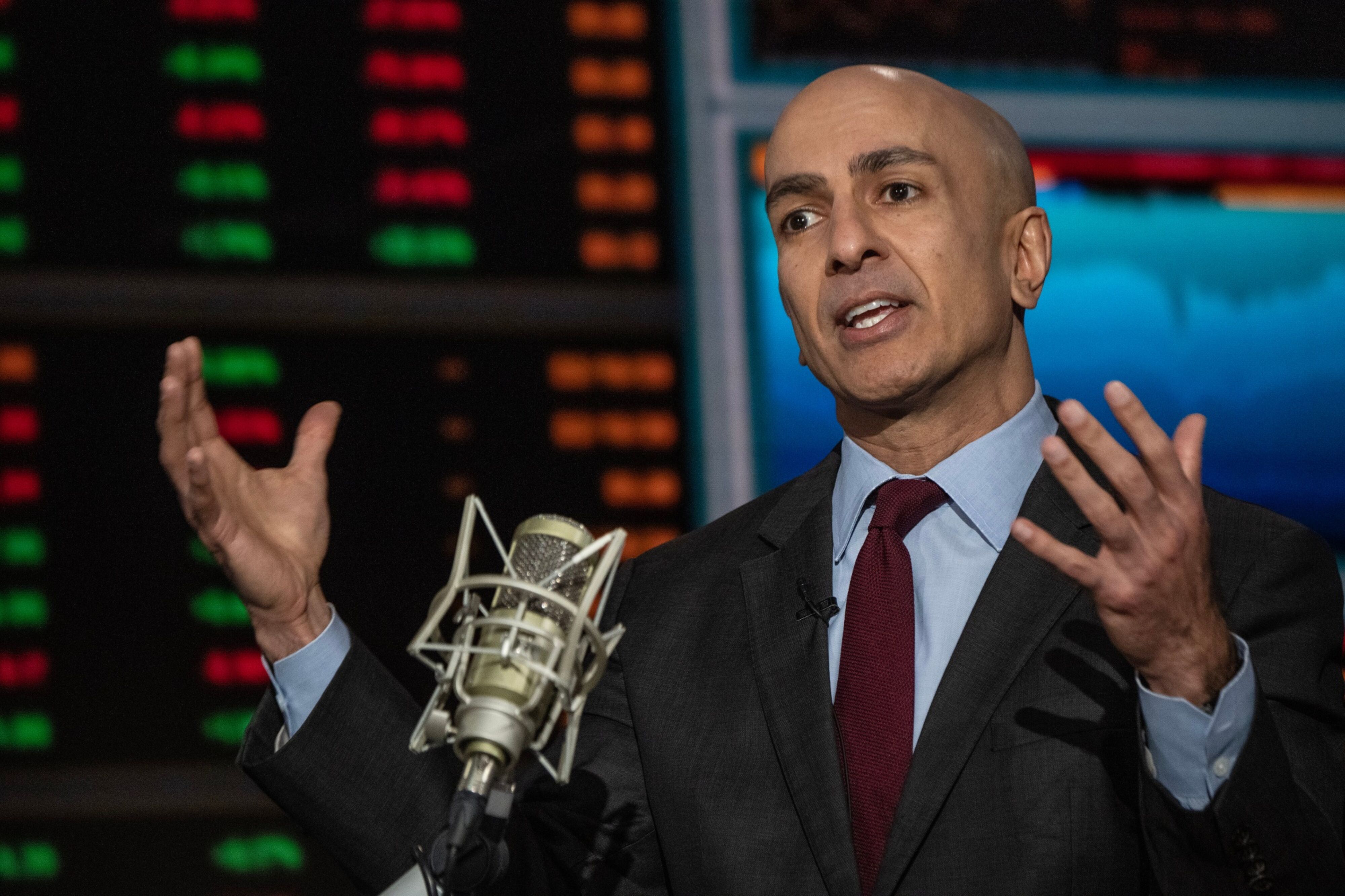
Federal Reserve Bank of Minneapolis President Neel Kashkari said officials need to see “a few more months” of inflation data before cutting interest rates, adding that he thinks two to three cuts will likely be appropriate for 2024.
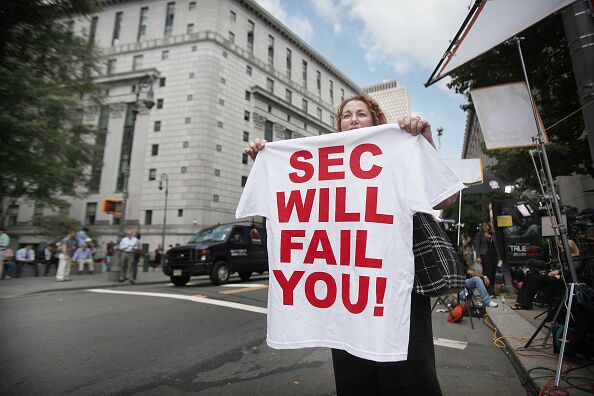
Hedge funds and proprietary trading firms that regularly trade US Treasuries are set to be labeled as dealers by the Securities and Exchange Commission — a tag that brings greater compliance costs and scrutiny.
Here are seven ways to be great at sales for those who don’t consider themselves “salesy.”
Here are some of my favorite digital tools that can help make running a growing financial advisory business easier.
Prospects are bombarded with so much information about investing and working with advisors that they’ve become skeptical of advisors themselves.
For many people, Facebook is the internet, and the number of its users is still growing, according to Meta Platforms Inc.’s latest financial results. But Mark Zuckerberg isn’t just celebrating that continuing growth.
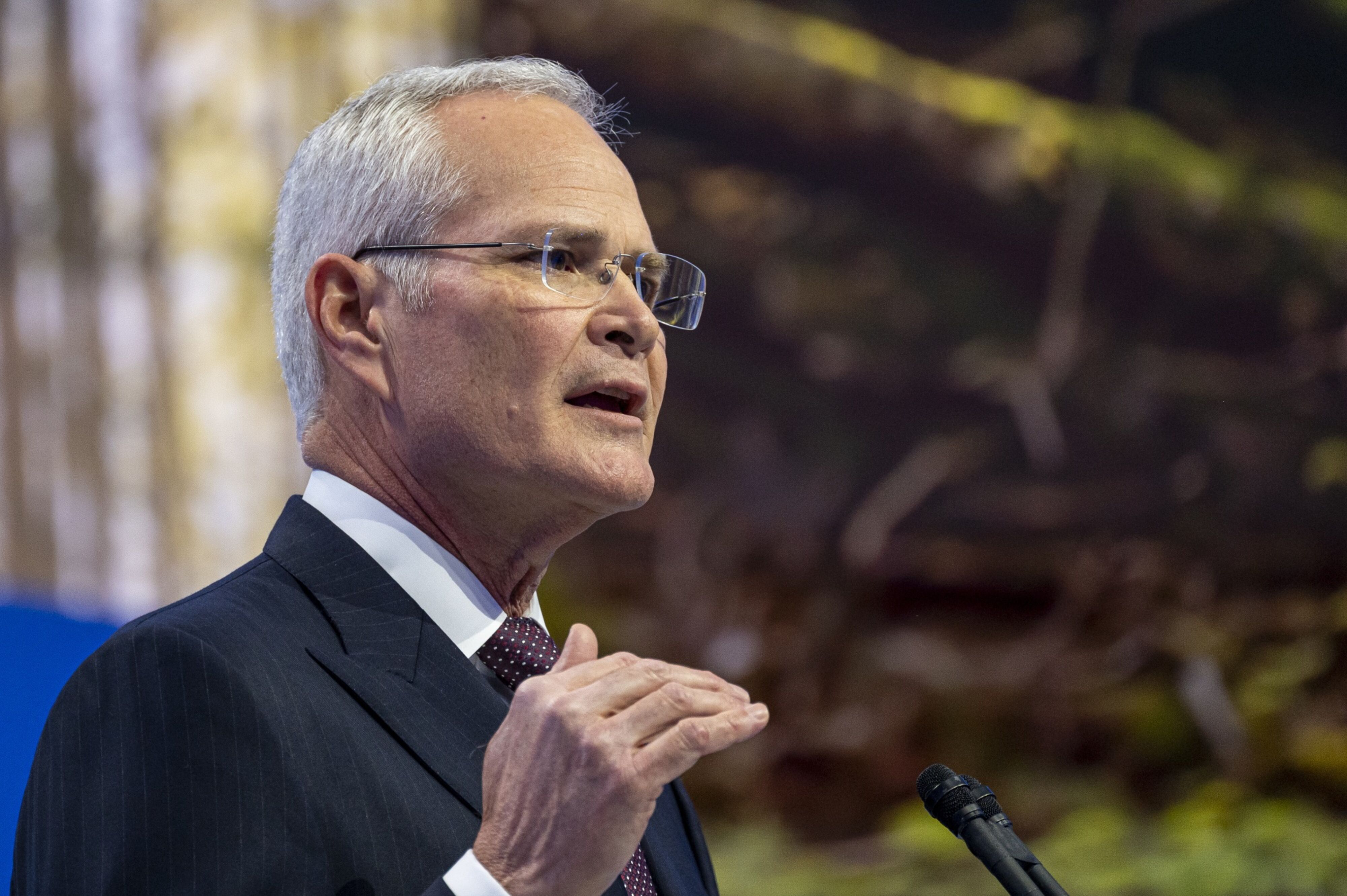
Big Oil has delivered a set of remarkable earnings. Without fanfare, ExxonMobil Corp., Chevron Corp. and Shell Plc all did in the fourth quarter what they’d promised: Start new oil and gas projects; cut costs; return lots of money to shareholders. It’s a model for the notoriously boom-and-bust industry.
Here are seven uncommon marketing tactics that were hyper-successful for the firms that used them.
Investor worries about market concentration aren’t going away, and it’s easy to understand why: the so-called Magnificent Seven mega-cap growth stocks now constitute about 29% of the S&P 500 Index by market weighting, eliciting ominous comparisons to the peak of the dot-com bubble.
It’s up to advisors to deploy technology without losing sight of what clients want. Consider these examples.
Never hesitant to rebrand an existing phenomenon, millennials and their Gen Z frenemies are admitting to having “money dysmorphia” — a feeling of insecurity around their financial situation even when the true picture reveals little cause for concern.
Tesla Inc.’s slide to the lowest level since May attracted a wave of bullish option buying not in the stock itself, but with an exchange traded fund that offers more leverage.
Reliable sources of liquidity are at the top of traders’ minds as they brace for another year of turbulence, according to a JPMorgan Chase & Co. electronic trading survey.
The Magnificent Seven group of megacap tech stocks need to deliver stellar earnings to keep outperforming the broader market, according to a growing consensus on Wall Street.
I highlight six important ways advisors can best prepare to sell their RIA to an external third party.
Treasuries are headed for their biggest two-day loss in months as strong economic data reinforced the message of Federal Reserve officials including Chair Jerome Powell that interest-rate cuts are unlikely to begin before May.
Calling bitcoin an investment is like calling a lottery ticket a financial strategy.
I'm going to predict the future. Not the coming year. Not the markets. But the trends that will emerge in 2024 and will shape the future, which advisory firms can prepare for now so that the strong, gusty winds of change will howl at their backs instead of in their faces.
Clients want help with tax and estate planning, healthcare planning, and much more. Technology-based solutions make it possible to offer this.