Investors seeking liquidity are set to exit their stakes in private credit funds at a record pace this year, according to JPMorgan Asset Management.
When it comes to Bitcoin exchange-traded funds, many investors are discovering that approved does not mean available.
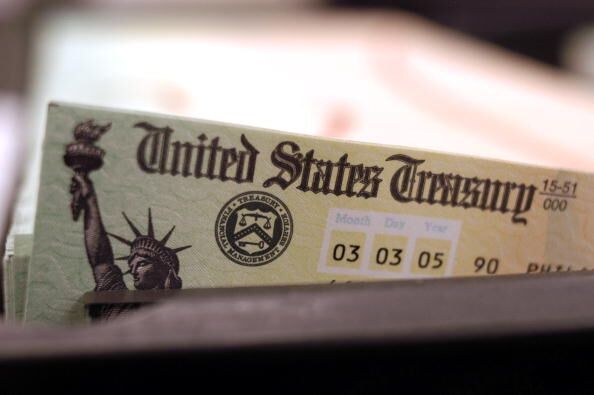
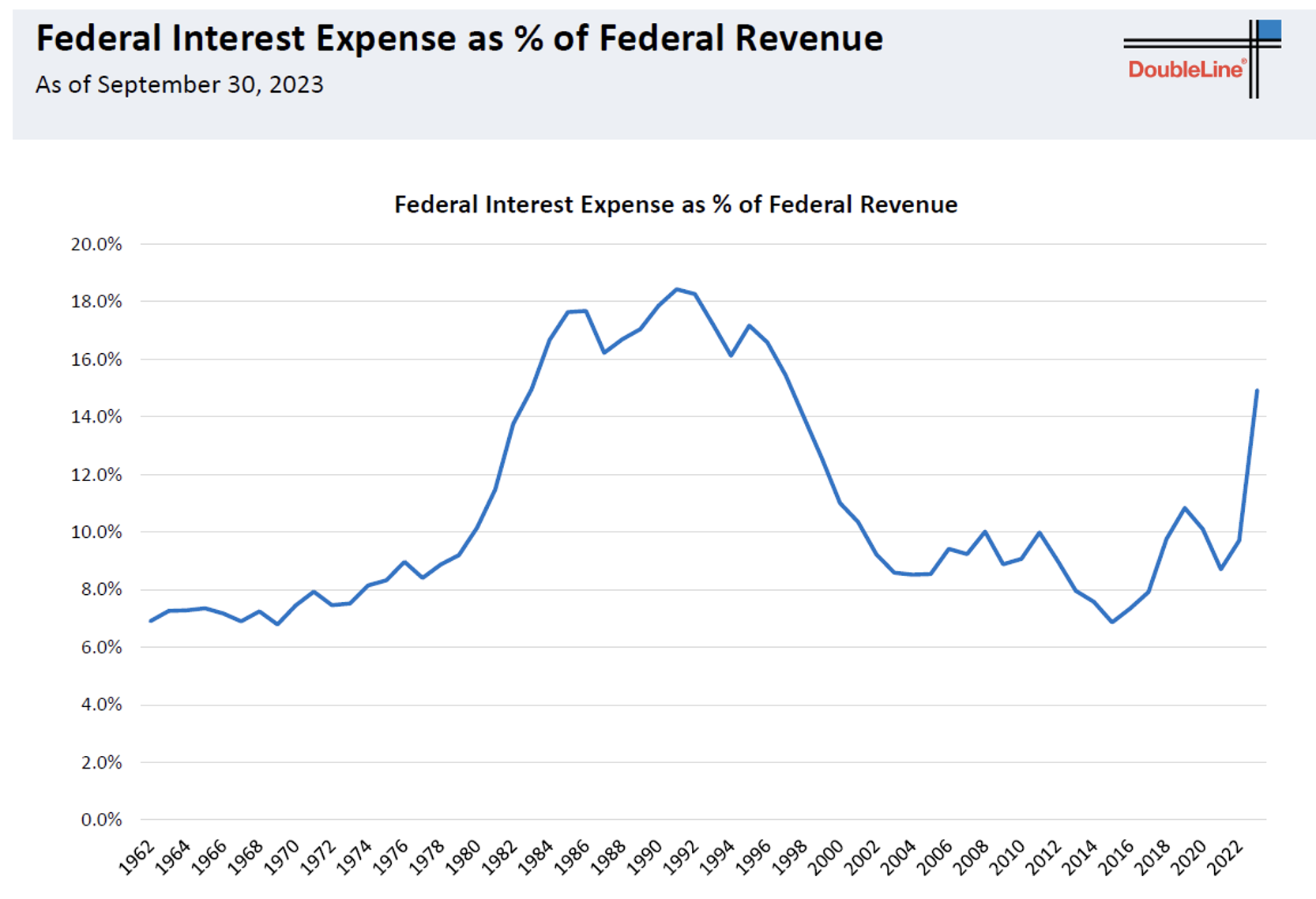
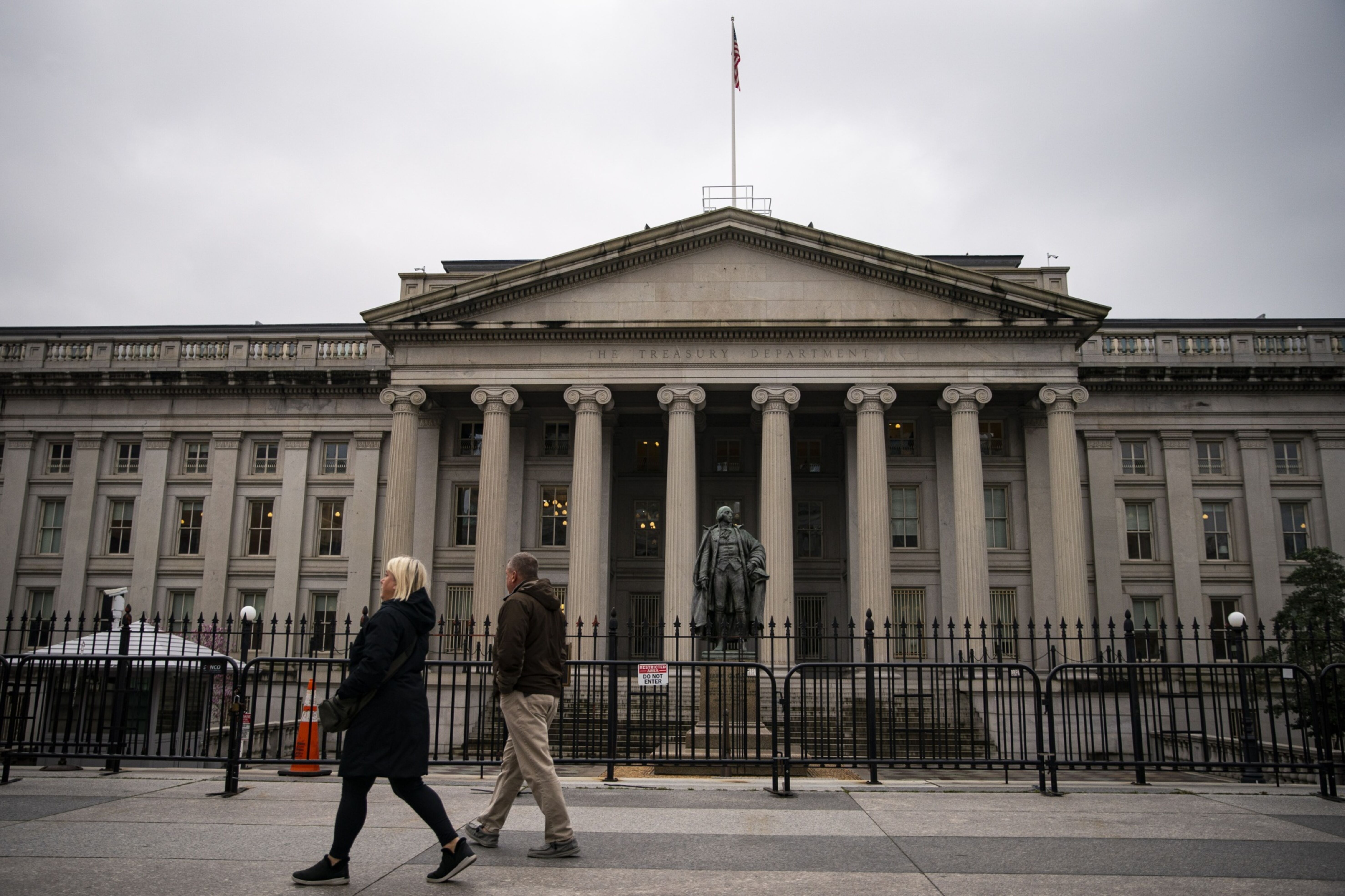
US federal government debt ended 2023 at a record $34 trillion. The worries are bipartisan, with both Republicans and Democrats hearing about out-of-control borrowing from their constituents.
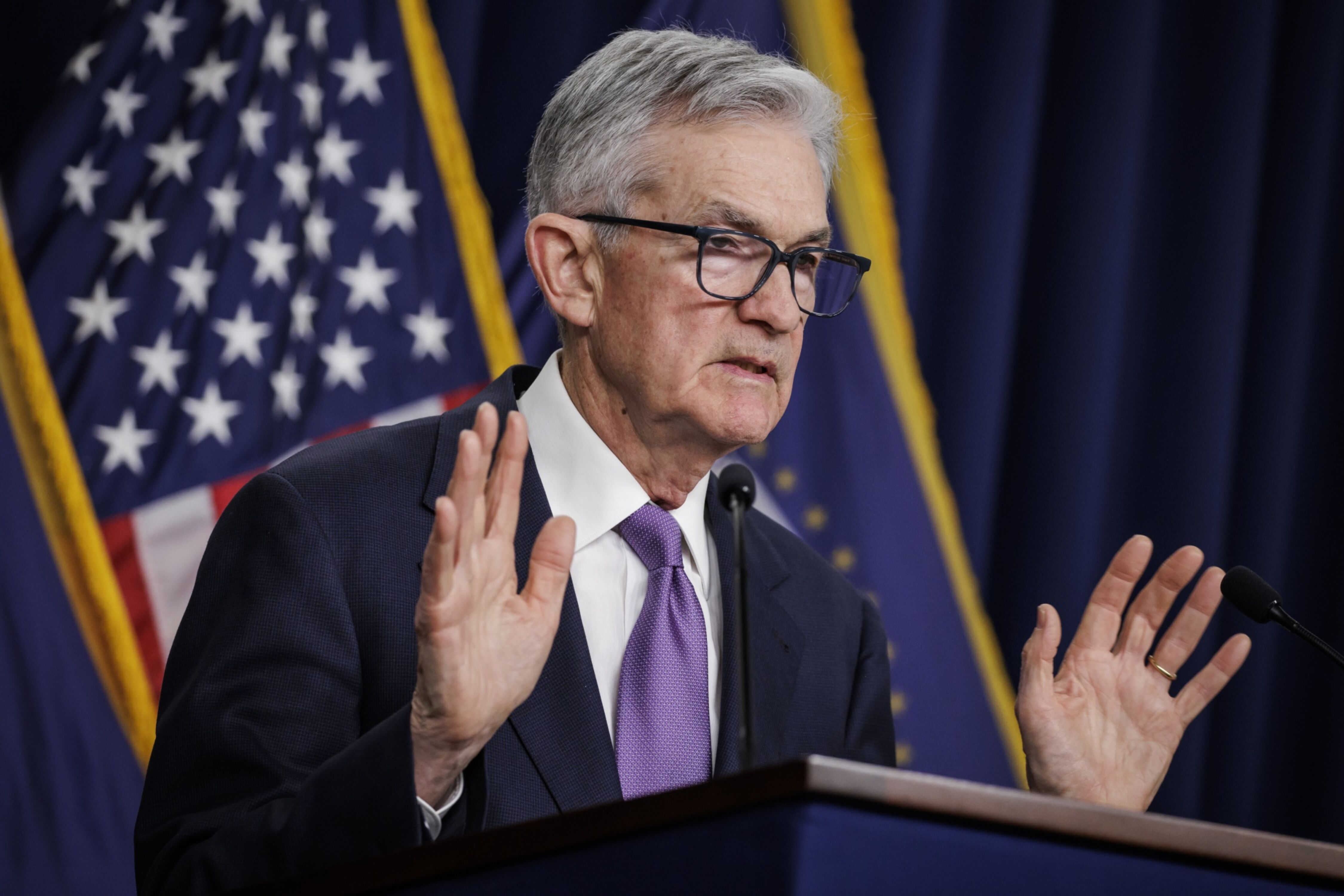
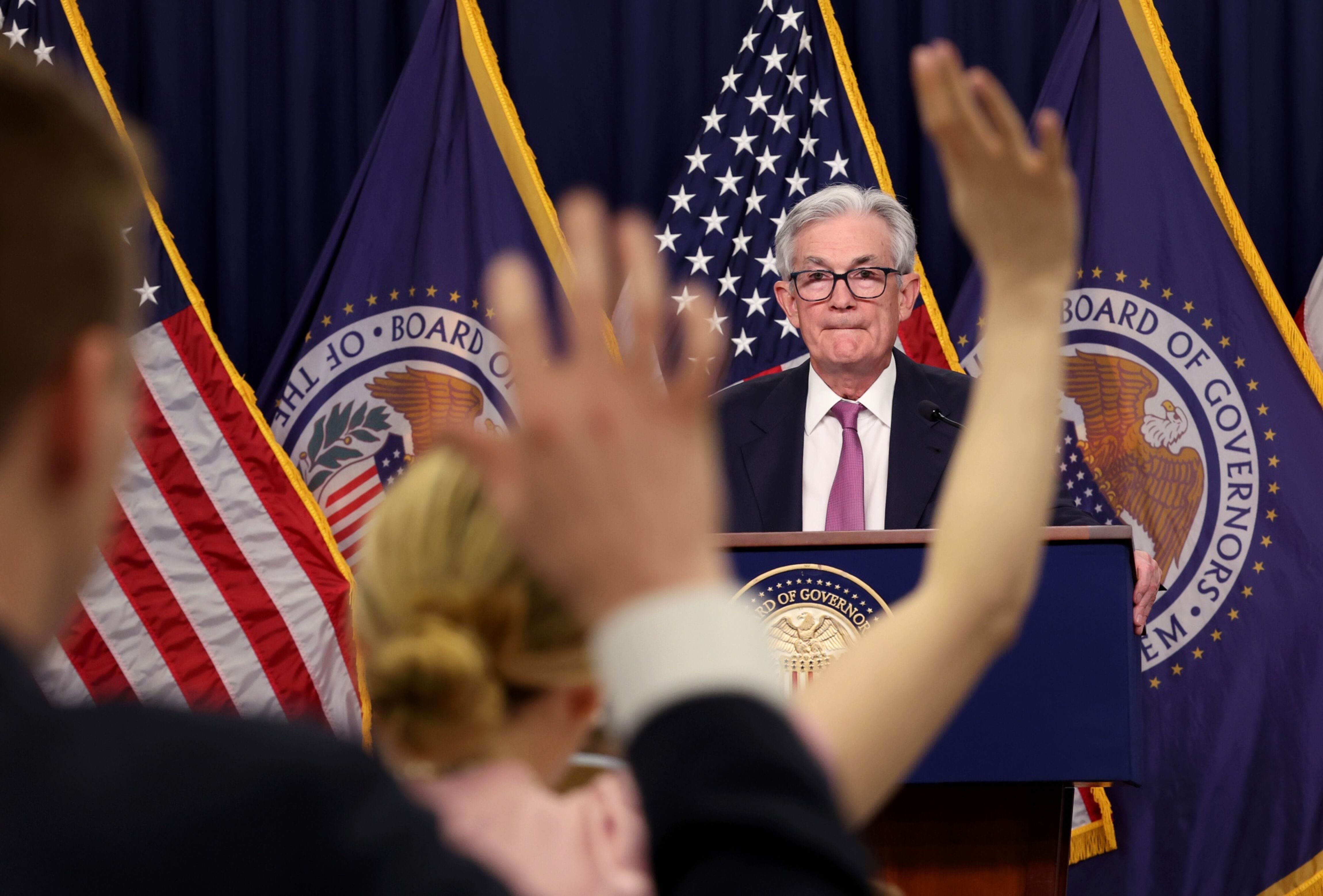
The Federal Reserve is likely to cut policy rates this year less than the market expects, and the latest inflation report shows why.
If 2023 was all about the Magnificent Seven on Wall Street, this year is poised to usher in a broader array of winners.
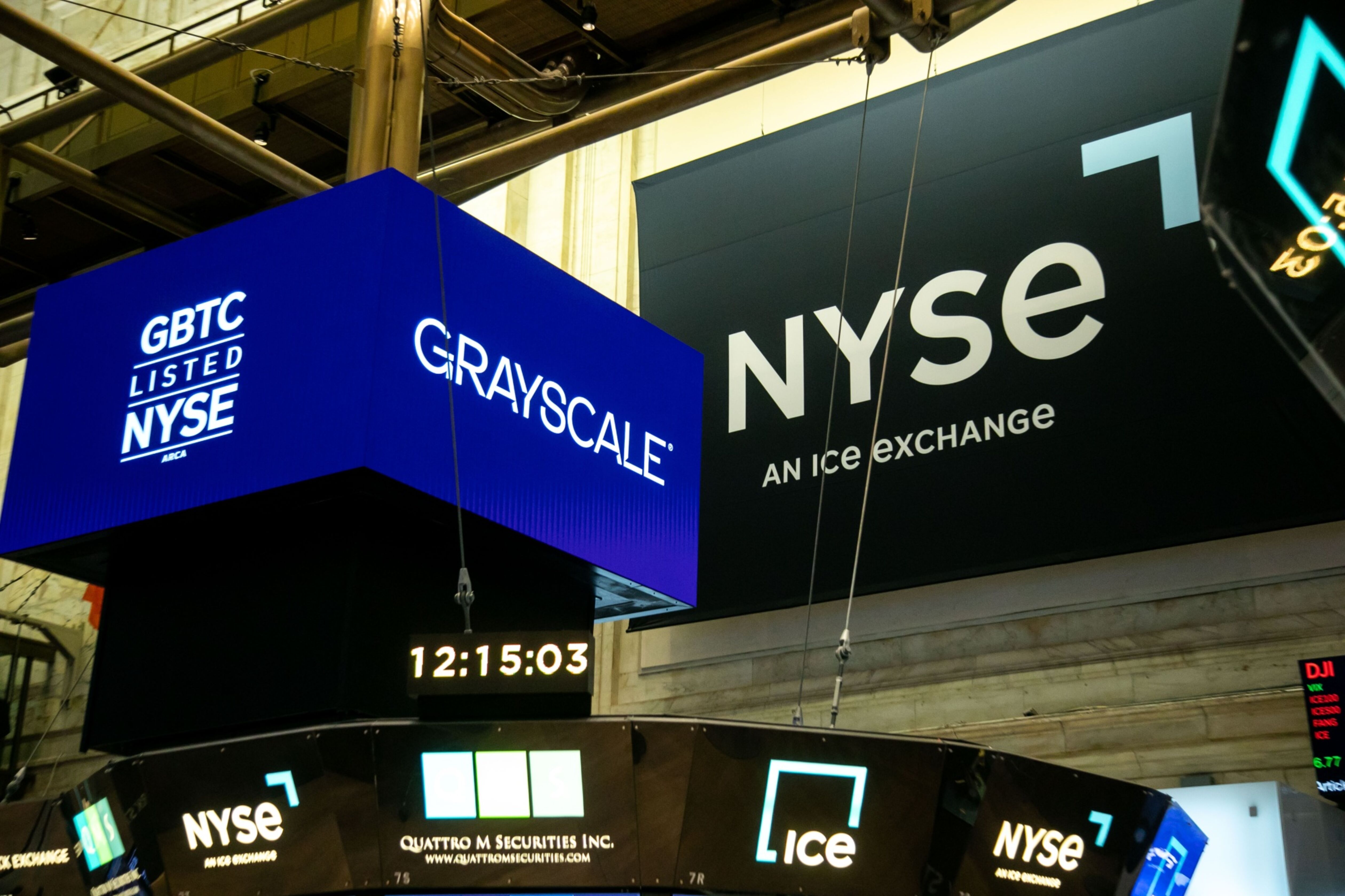
The first US ETFs that directly hold Bitcoin got off to a strong start, with billions of dollars changing hands in a historical first day of trading for the long-sought investment vehicles.
Bond traders shrugged off higher-than-anticipated inflation readings for December, pricing in a larger total amount of Federal Reserve interest-rate cuts this year beginning in May.
The Federal Reserve won’t want a repeat of 2023 where 10-year Treasury yields soared from a low of 3.3% in April to peak at 5% in October — only to plummet back to 3.8% by year-end.
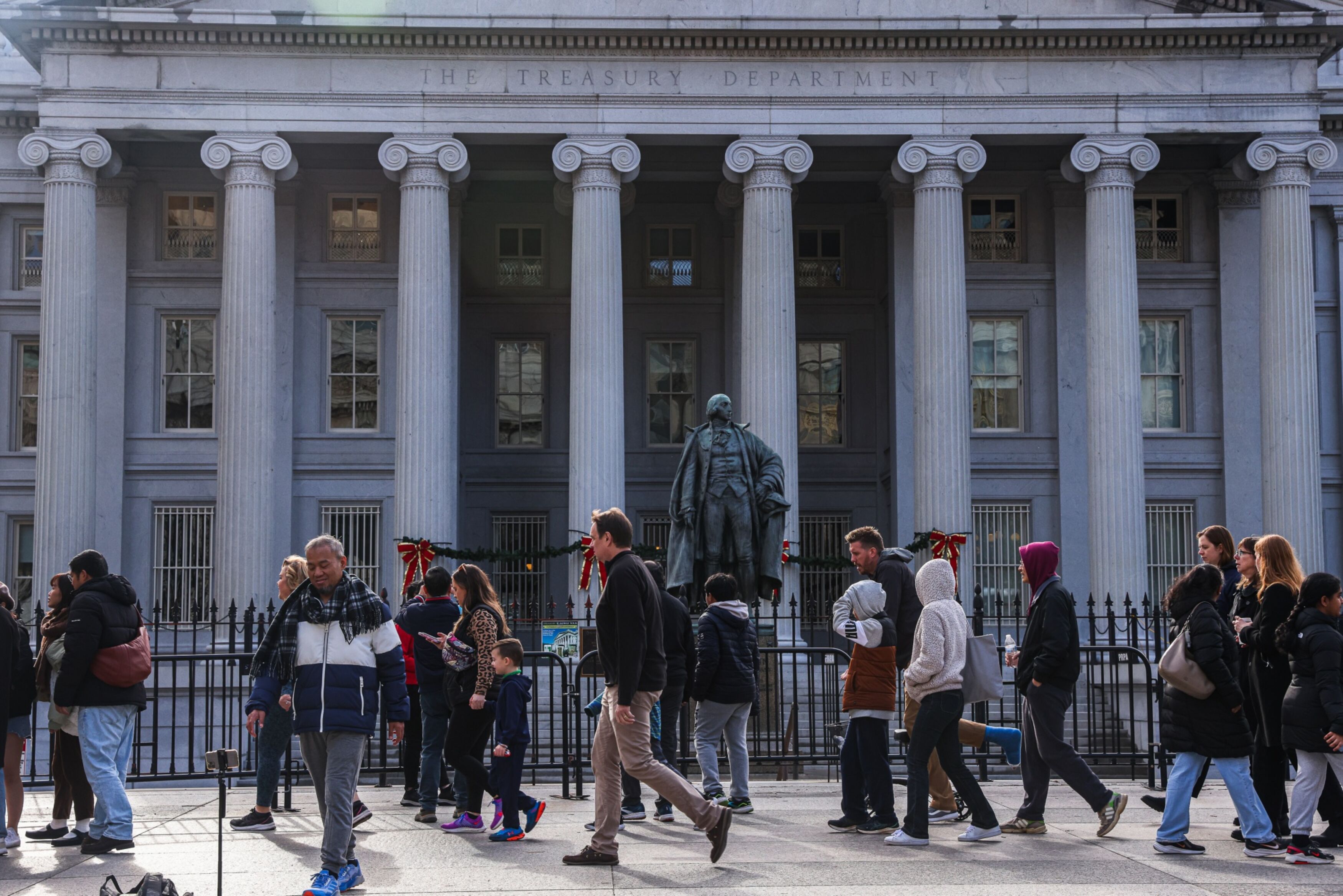
Let’s assume the US economy has achieved a rare soft landing, as Treasury Secretary Janet Yellen recently declared. The pandemic-driven disruption is over, jobs recovered, inflation contained.
The hype around US spot Bitcoin ETFs has reached meme levels akin to pandemic-era laser eyes: Crypto prices are soaring, hackers are mobilizing and Redditors are pumping. But the promise of game-changing, gold-like adoption looks like a meme too far.
China’s exchange-traded funds attracted record inflows in last year’s equity rout just as actively-managed products fell out of favor, a sign that investor preference is shifting.
As the financial industry grapples with the shift to shorter settlement times, banks and broker-dealers will soon have a new artificial intelligence tool to fix and prevent trades that go awry during the settlement process.
US inflation accelerated in December as Americans paid more for housing and driving, challenging investor bets that the Federal Reserve will cut interest rates soon.
Roaring inflation and rapid rate hikes have brought a welcome return of the kind of big swings and dislocations beloved by investing’s smart set, but it hasn’t been a blessing for every breed of quant.
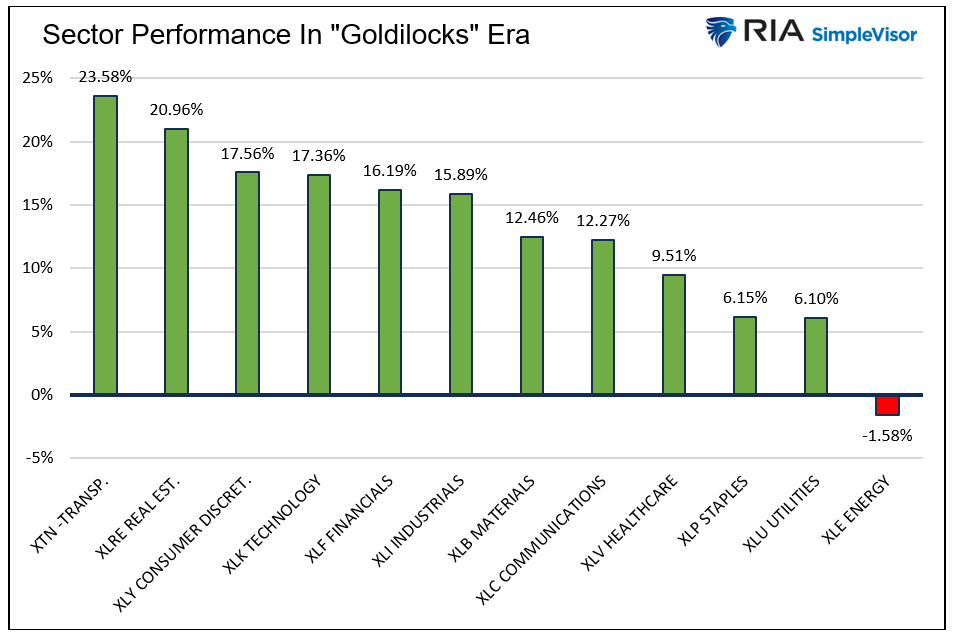
Today's popular narrative is a growing consensus for the Fed to engineer a soft landing and a “Goldilocks” economy.
Take this little “acid” test, and you will know if a subscription model could work for your practice.
What if I like running my practice the way we are right now?
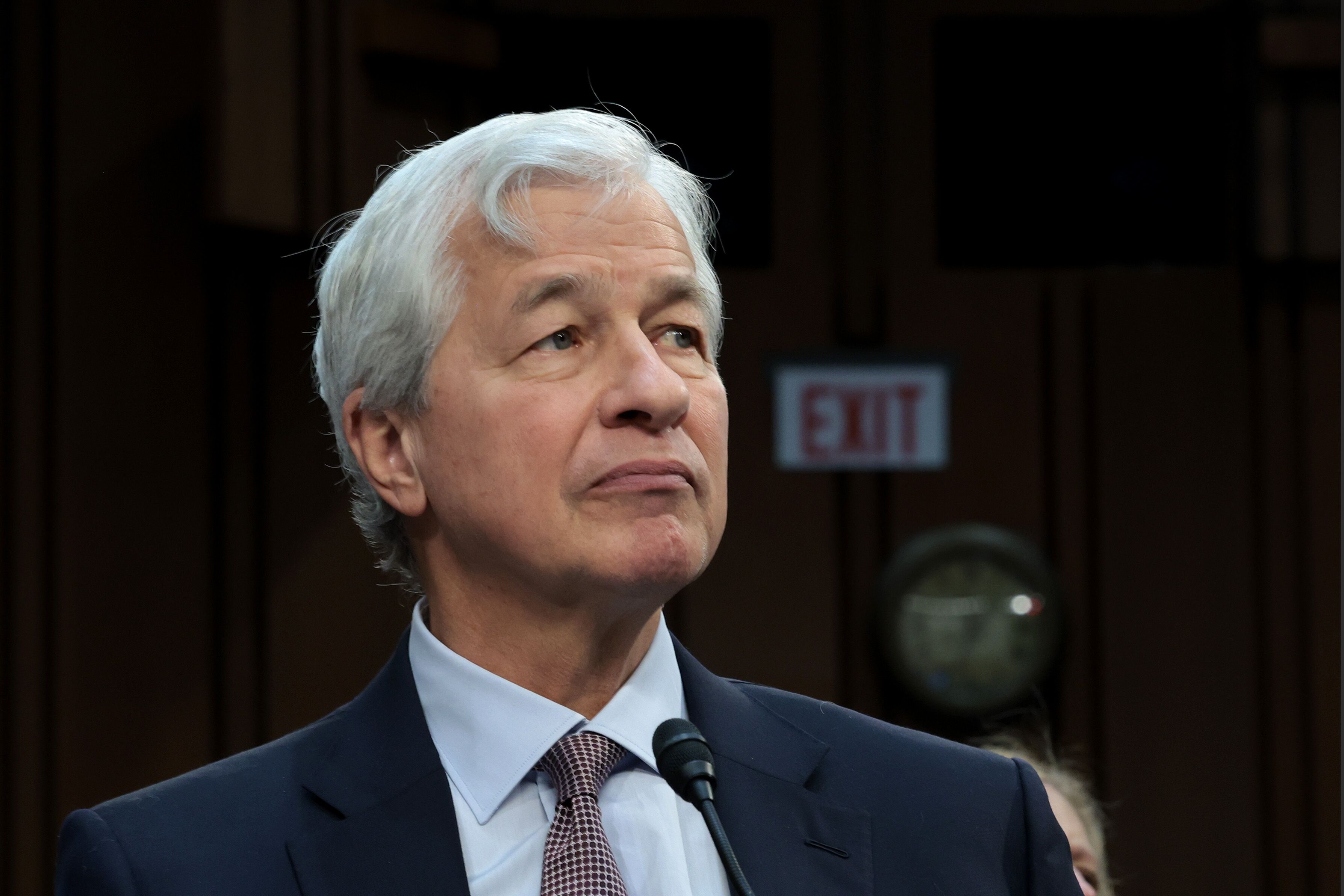
JPMorgan Chase & Co. reports earnings on Friday, and Chairman and Chief Executive Officer Jamie Dimon is bound to have some choice words about the state of his industry when he sits on a call with investors at 8:30 a.m.
How do you make your marketing, something that’s blasted out to the public, feel personal enough to entice individual leads based on their specific needs?
Blackstone Inc.’s private equity fund for wealthy individuals is a harbinger of two trends that many expect will transform investment management in the next decade.
Competition among prospective Bitcoin exchange-traded fund issuers intensified, as companies further slashed fees in a bid to make products more attractive to investors ahead of a regulator’s decision on their future.
Advisor Perspectives has announced its Venerated Voices™ awards for commentaries published in 2023.
Just 10 days into the new year and a familiar stock is back near the top of the leaderboard: Nvidia Corp.
Geopolitical risk lashes the Magnificent Seven. The IPO machine roars back. Japan emerges as the world’s best developed market.
Rates are heading down, volatility will increase and there is a 75% chance of a recession in 2024, according to Jeffrey Gundlach.
In the quest for happiness for ourselves and our clients, we pursue self-improvement, personal achievements, and the accumulation of material possessions. But what if this emphasis impairs our ability to find it?
Right around the start of November, two words suddenly disappeared from the chatter in the bond market: debt supply.
This week we’ll look at five Ps that define wellbeing, along with their negative counterparts.
The idea that you need multiple meetings to build trust with a qualified prospect is a myth driven by old-timers who say: “This is how I built my practice. Do as I do.”
If ESG funds are trying to take over the country, they aren’t doing it very well.
FIAs can provide a reliable "retirement paycheck" that can last as long as your clients are retired.
Alphabet Inc.’s self-driving unit Waymo announced on Monday that it plans to unleash its cars onto the freeway in Phoenix “soon.”
The pandemic taught corporate America a valuable lesson: variety is not necessarily a good thing.
Bitcoin traded just below the $47,000 mark on Tuesday, as investors await a decision from regulators on whether to approve the US’s first exchange-traded fund tied directly to the token.
The monster run in equities and other risk assets that shaped the final stretch of 2023 has room to run well into the new year if inflation continues to ebb, according to strategists at BlackRock Inc.’s Investment Institute.
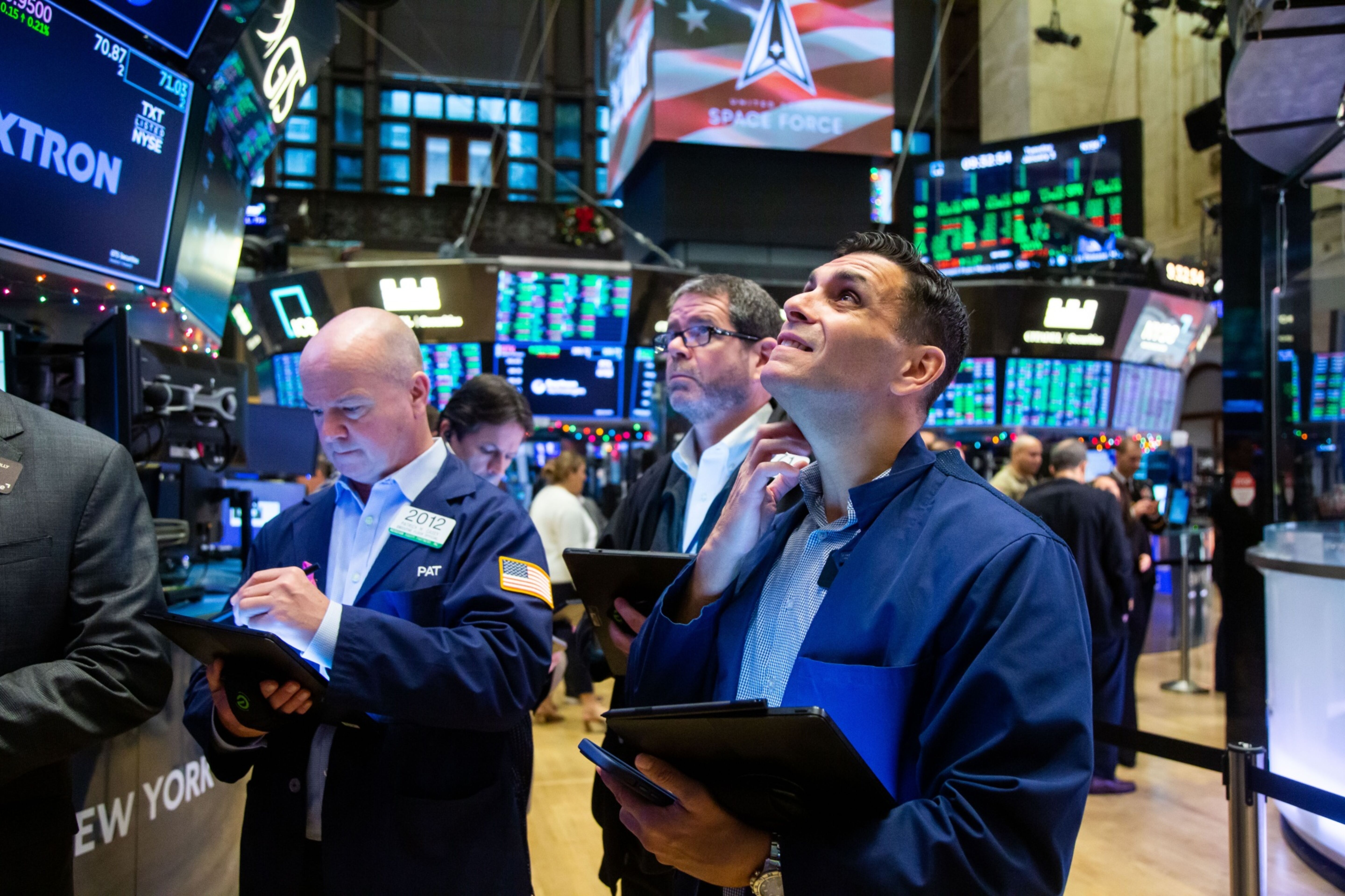
Stocks started 2024 with a limp. But that could change this week as earnings season kicks off and companies start announcing their plans for share repurchases, something investors hope will help the market keep last year’s rally running.
A record amount of zero-coupon bonds were created in December as investors scrambled to lock in US government bond yields that were retreating from multiyear highs.
Here is one of the worst things you can say to a client and what you should say instead to build relationships and foster understanding.
A decade ago, fiduciary opponents sought to weaken fiduciary advice. Today, they have embraced a more ambitious objective – to eliminate fiduciary advice.
It was a heck of a year for stocks. In 2023, tech led the way with a return of over 40%, leading to concerns about overvaluation in the sector. Nonetheless, past sector booms have been associated with volatile, but on average positive, future returns.
The average risk-adjusted excess return across all active portfolios will be less than the risk-adjusted excess return of the market portfolio, before taking account of fees and trading costs.
The conventional wisdom is that lower interest rates stimulate economic activity, and higher rates dampen it. But new research casts doubt on this hypothesis.
Most of us probably spent the 2023 holiday season helping to break a record.
I wrote last week about how interest rate cuts in 2024 should boost cyclical areas of the economy that were already set to rebound, lifting economic growth.
Should retail investors partake of the very attractive yields promised by private credit fund managers?
A series of high-stakes deadlines this week will mark the culmination of a years-long push to launch exchange-traded funds backed by Bitcoin in the US.
Investors anticipating blockbuster profits in 2024 will be disappointed, according to Bloomberg’s latest Markets Live Pulse survey.
Traders betting on a 2024 bond rally are unfazed by the recent pullback, seeing it as a chance to seize on elevated yields before the Federal Reserve starts driving down interest rates.
Bill Harnisch, whose $1.5 billion hedge fund delivered a market-beating 31% gain last year, is betting the recent bout of euphoric stock buying will peter out.
Bitcoin stumbled on Friday as traders braced for an upcoming decision by the US Securities and Exchange Commission on whether to approve an exchange-traded fund tied directly to the world’s largest cryptocurrency.