Spending on essential intangibles that support health, happiness, family connection, and relationships is the wisest way to turn wealth into wellbeing.
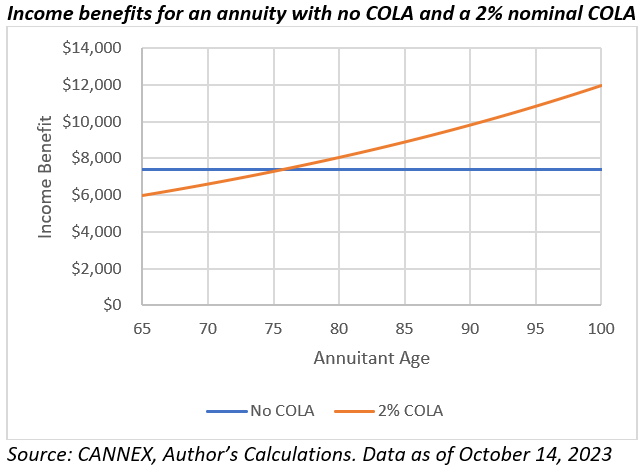
While fixed COLAs with SPIAs may seem like an attractive way to address inflation in retirement, they actually increase inflation risk, not reduce it.
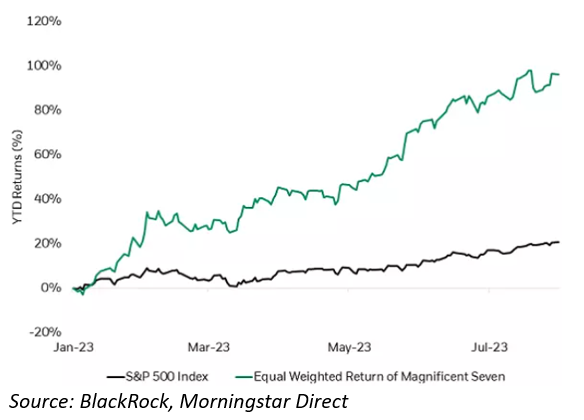
Because of the robust performance of the magnificent seven, portfolios are overweight to large-cap stocks, resulting in an underweight to small- and mid-cap stocks, as well as international equities.
Trying to outperform the market by timing exits (just before the bear awakens from its hibernation) and entries (as the bull enters the arena) is a fool’s errand.
Sometimes the real action is in the dog that didn’t bark. What is striking about the European Union’s pending regulations on artificial intelligence is what’s missing: There is no ban on open-source AI.
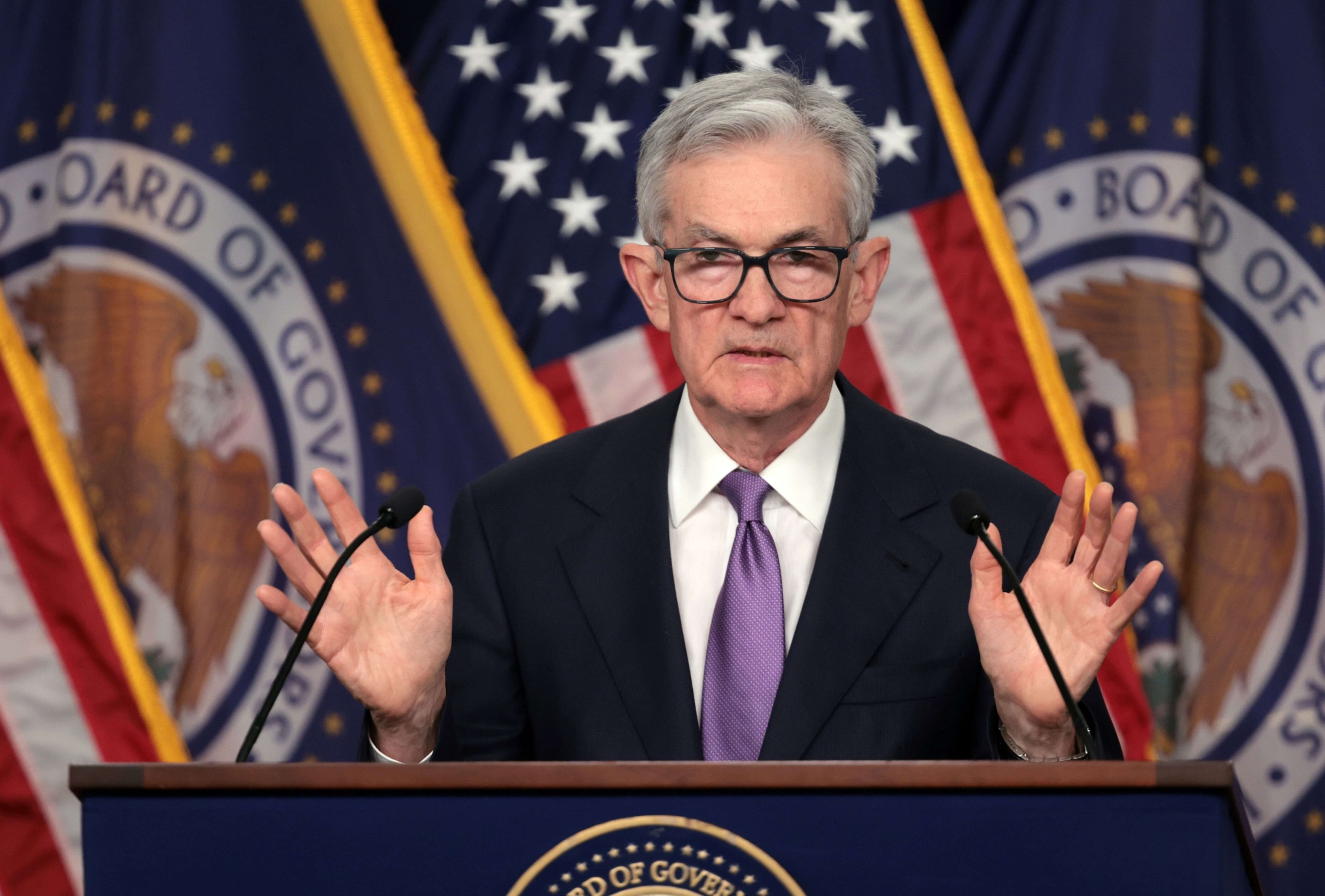
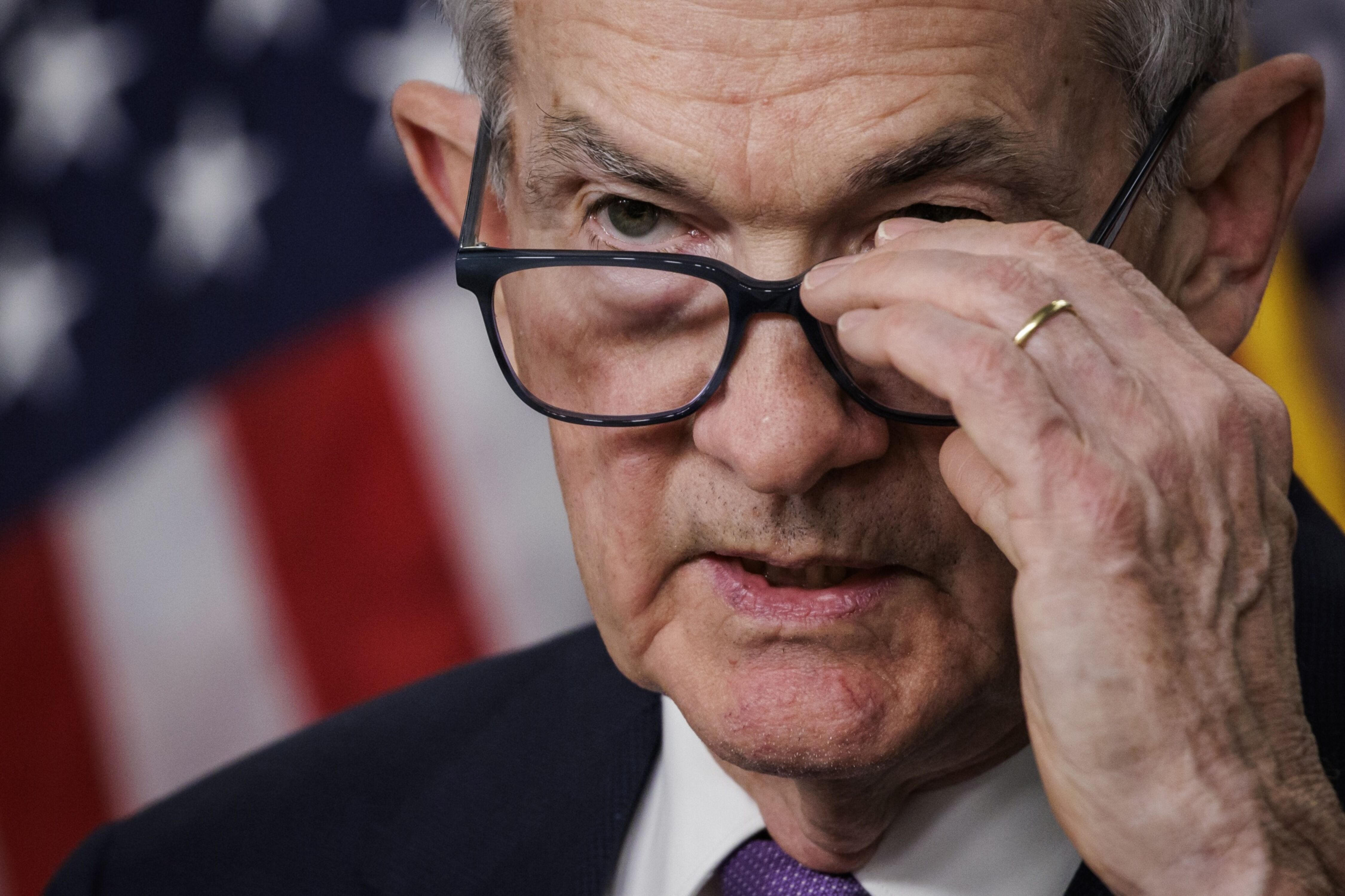
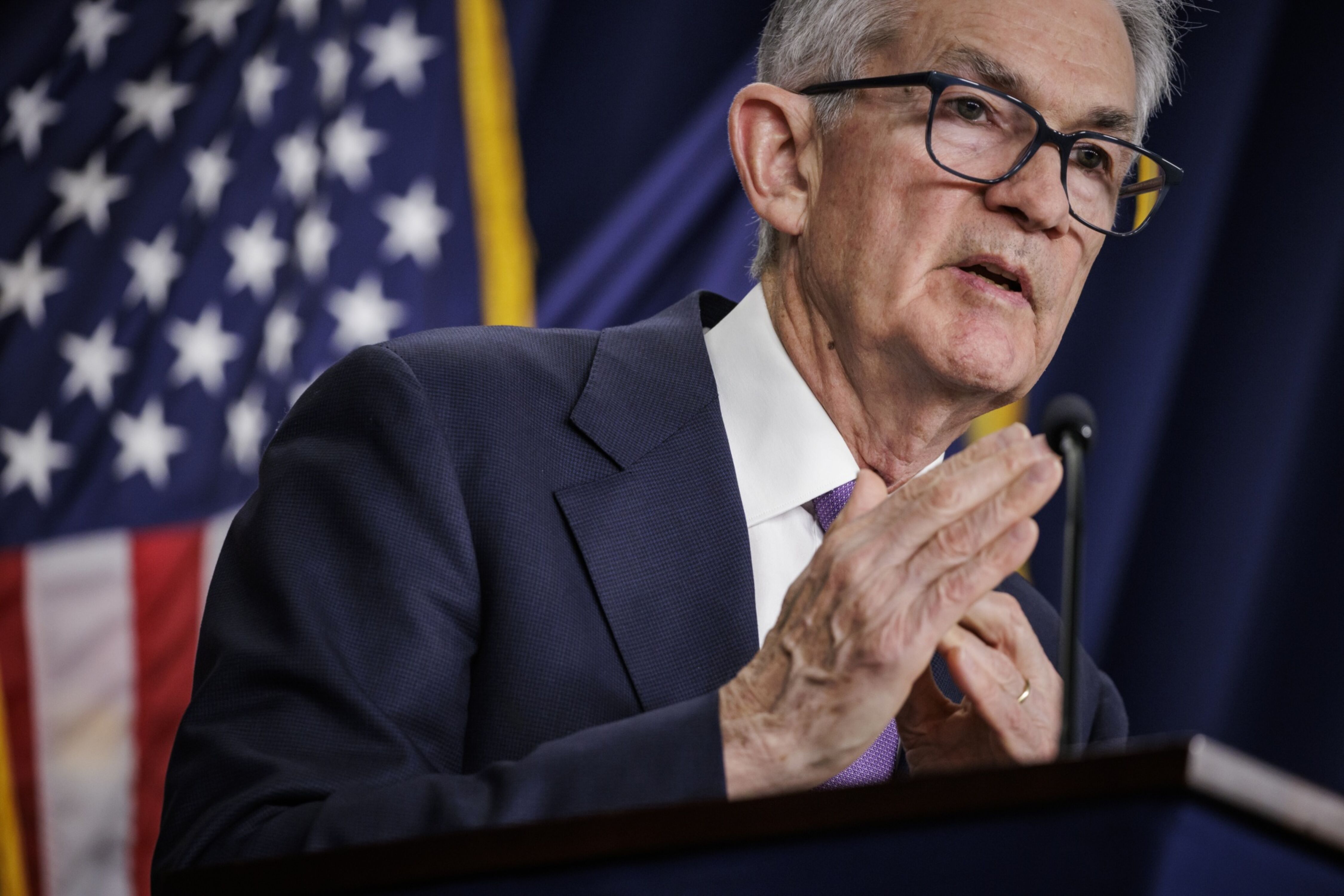
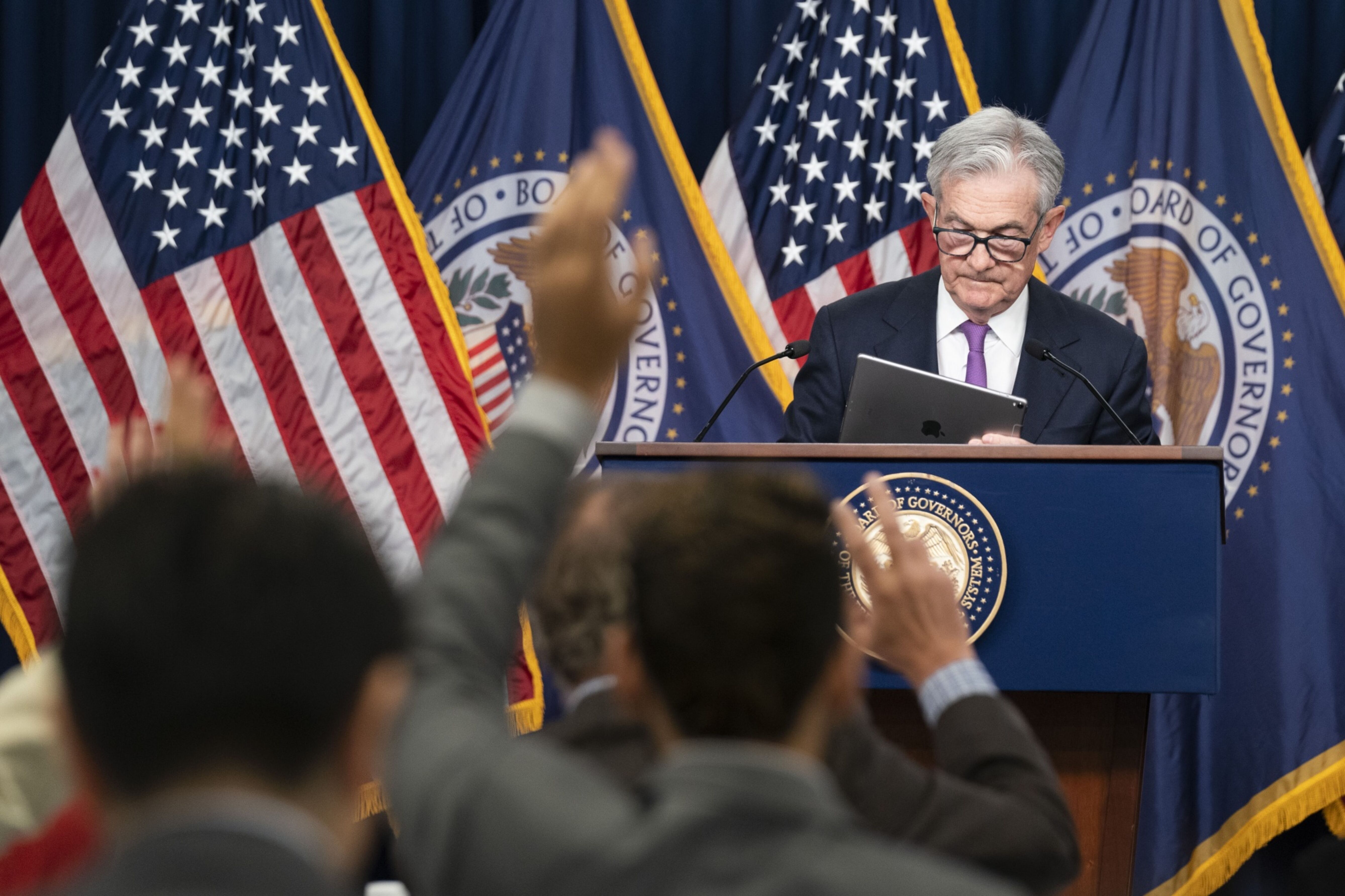
Investors were pleased about the Federal Reserve’s latest policy announcement — perhaps a touch more so than Chair Jerome Powell and his colleagues might wish.
We analyze a case study for a wealthier couple with $5.5 million in investment assets and a larger retirement spending goal.
There are many ways a bank can lose money. Top of the list are credit and financial market losses but beneath, there’s a whole taxonomy of issues that industry insiders brand “operational risk.” These result from bad internal processes, people and systems or from external events.
The financial world is moving fast, as the Federal Reserve prepares to start cutting interest rates and stock indexes are at or near all-time highs.
Just one month after setting a 2024 target for the S&P 500, Goldman Sachs Group Inc. strategists increased their forecast as the year-end rally shows no signs of abating.
A vehicle used to track longer-dated US government bonds surged into a bull market, as investors seek to end three years of pain on the Federal Reserve’s willingness to consider interest-rate cuts.
Jerome Powell didn't exactly say "mission accomplished" last week, but that's largely what the markets heard on Wednesday.
As markets staged a monster rally following the Federal Reserve’s shift toward loosening monetary policy, one corner of the financial system had reason to remain on edge.
A rally in this year’s laggards shows investors are now going “all-in” on expectations of a flurry of central bank rate cuts next year, according to Bank of America Corp.’s Michael Hartnett.
Analysts are growing increasingly doubtful that US consumer spending will hold up into next year, even as American shoppers continue to be surprisingly resilient despite lingering inflation and elevated borrowing costs.
The dollar will surprise by getting stronger next year as the US economy outperforms, according to some of the world’s biggest money managers.
A major change in automobile manufacturing could pave the way for a revolution in how cars are bought, fixed and resold. Gigacasting, which reduces the number of car panels, has the potential to lower prices but can complicate repairs and transfer costs to owners.
Stronger signaling from the Federal Reserve that interest rate cuts are on the menu in 2024 understandably sent both stocks and bonds soaring on Wednesday.
BlackRock Inc. bond chief Rick Rieder is expanding his footprint in the $7.8 trillion ETF industry with the launch of his second fund.
Top US regulators view artificial intelligence as a looming vulnerability for financial stability, underscoring Washington’s mounting concern over systemic dangers posed by the burgeoning technology.
In the past five years, US ETF market assets have more than doubled, over 1,000 new funds launched, and annual trading volumes jumped by around $11 trillion.
The broader industrial economy is set to enter 2024 on shaky footing as an inventory hangover from the supply-chain crisis starts to look more and more like a prelude to underlying demand weakness and the reality of the reshoring boom proves much more nebulous and in flux than the prevailing narrative.
Becoming a financially secure adult is hard. Establishing yourself in your career, securing a home, starting a family … it’s a struggle as old as the modern economy, maybe even civilization itself. As is the lament of every generation that they have it worse than their forebears.
US retail sales unexpectedly picked up in November as lower gasoline prices allowed consumers to spend more to kick off the holiday shopping season.
US stock and bond prices will see modest gains as the Federal Reserve pivots to cutting interest rates next year, though the easing may not be as aggressive as markets are now expecting.
Alphabet Inc. just got a reminder of how important the perception of having a winning AI strategy is for investors.
After clashing in recent years, Wall Street traders and the Federal Reserve are – for once – broadly in sync: The great monetary pivot is near as central bankers engineer a once-unthinkable soft landing in the world’s largest economy.
Stock returns over the next 10 years may likely be lower than bond returns.
When private equity firms push into an industry, you know there are decent returns to be made. Just consider their enthusiasm for the arcane business of insuring corporate pensions.
Experts have been puzzling over a seeming disconnect in America: By most measures the economy is doing well, but it's not giving people much satisfaction or confidence. Could it, they wonder, have something to do with social media, or the human propensity to share bad news first?
Figuring out how to pay for college can be one of your biggest financial challenges, whether you’re a student or a parent who’s preparing to send one of your kids to school.
The stock market is getting ahead of itself on bets the Federal Reserve’s fiscal tightening is over, according to Wells Fargo’s Chris Harvey.
For most of the summer, the chatter in the bond market about swelling US deficits — and the depressing effect it was having on the price of Treasuries — was incessant.
The arrival of a US investment strategy that offers amped-up stock leverage is putting a spotlight on an industry popular with retail traders, but prone to extreme volatility and frequent blow-ups.
Even a slight pushback from the Federal Reserve on interest-rate cuts could unravel the relentless stock rally since late October.
Low productivity. Skill or capacity gaps. Burnout. Does this sound like your team?
The bond market’s bold bet on US interest-rate cuts is set for its biggest test yet.
How do we best go about a celebration and do planning so our team doesn’t think we are all about what’s next?
US consumer prices picked up in November, reinforcing the Federal Reserve’s resolve to keep interest rates elevated in the near term.
You can manage the transition period after someone leaves your team in a way that makes your clients happier than ever and more confident in your firm.
I had a recent experience with an ultra-high net-worth investor that was disturbing.
An uncontrolled popular urge to speculate in financial markets is giving regulators a headache everywhere. It is especially worrying in India, where trading in futures and options is now more than 400 times bigger than the underlying cash-market turnover.
Federal Reserve Chair Jerome Powell faces a communications conundrum at the central bank’s policy meeting this week. Luckily for him, he could just let the Summary of Economic Projections do most of the talking — and avoid unnecessary misunderstandings.
‘Tis the season for headlines about the prices of some very specific items, such as a 16-pound turkey (down from last year) or a Christmas tree (up). None of these prices, however, is a good barometer of the overall cost of living.
To break out of your prospect’s selection process and avoid being commoditized as an advisor, you must shift them out of their shopping-mode mindset.
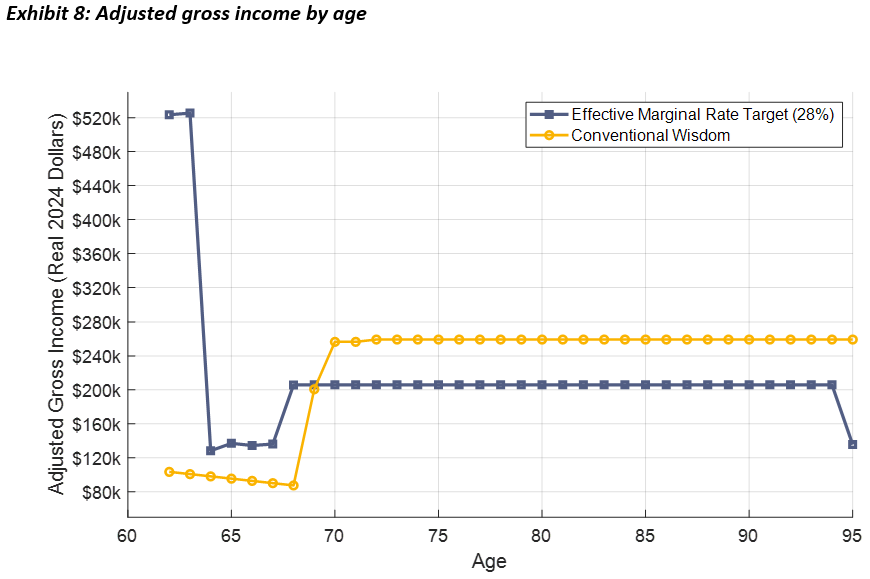
As an advisor specializing in retirement planning, I frequently work with professionals who want to explore early retirement.
Bitcoin traded near $42,000 after a turbulent stretch that lopped almost 8% from the largest digital asset and stirred predictions of more volatility heading into year-end.
Do you use your company email for personal purposes? If so, think twice. Then stop.
Support for ESG has plummeted among Millennial and Gen Z investors, typically the strongest backers of environmental, social and governance-related issues, as a more turbulent financial outlook tempers enthusiasm, according to a survey from Stanford University and the Hoover Institution.
Investors are pouring cash into the world’s largest exchange-traded fund tracking emerging-market debt as confidence mounts that the US Federal Reserve is nearing the end of its aggressive monetary tightening campaign.