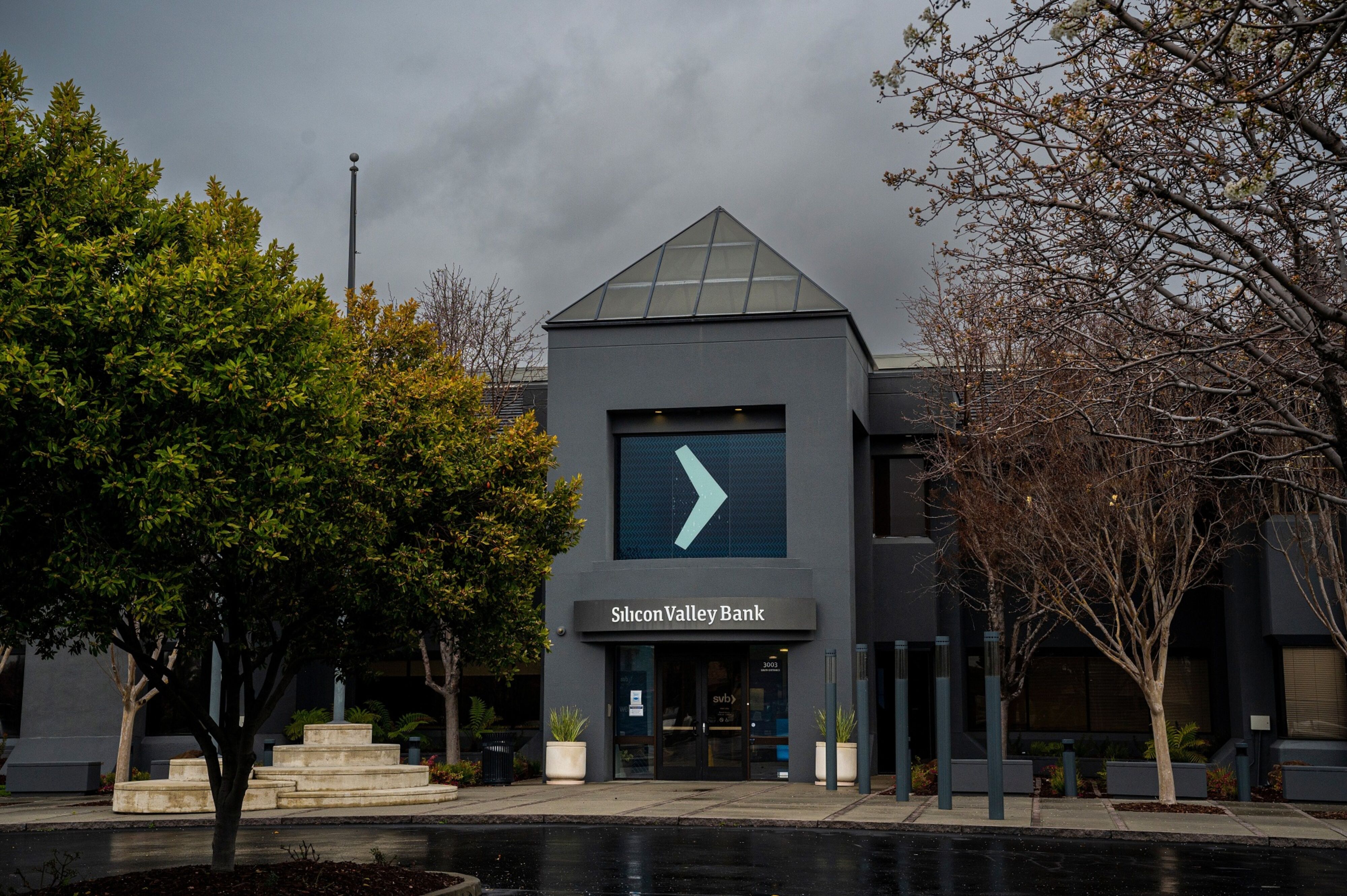
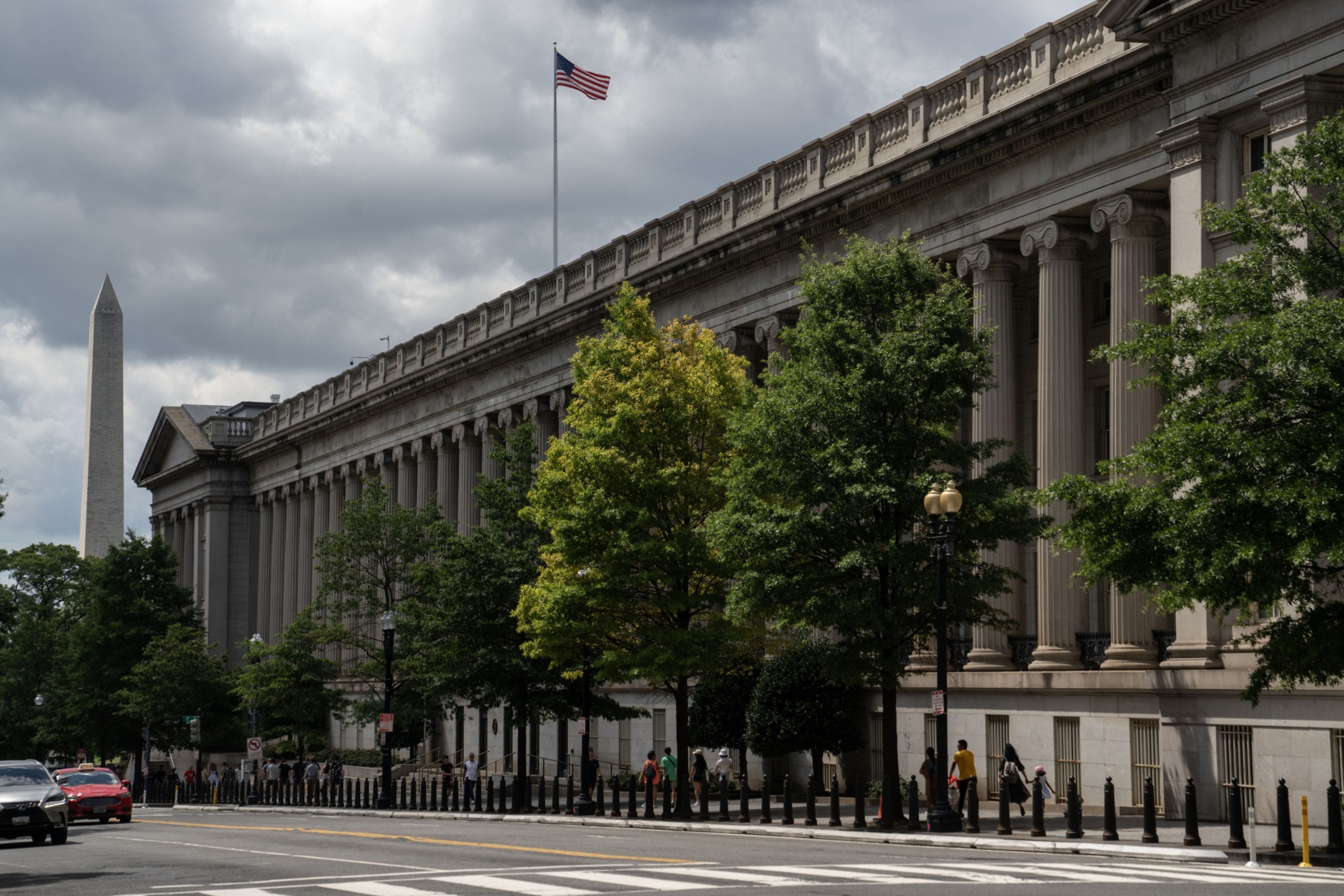
US regulators’ swift action in March to ring-fence the banking sector after the collapse of Silicon Valley Bank might have had an unintended consequence of driving cash out of bond funds, by enhancing the appeal of deposits.
Content creation is a lot like building furniture; you need a plan and the right components.
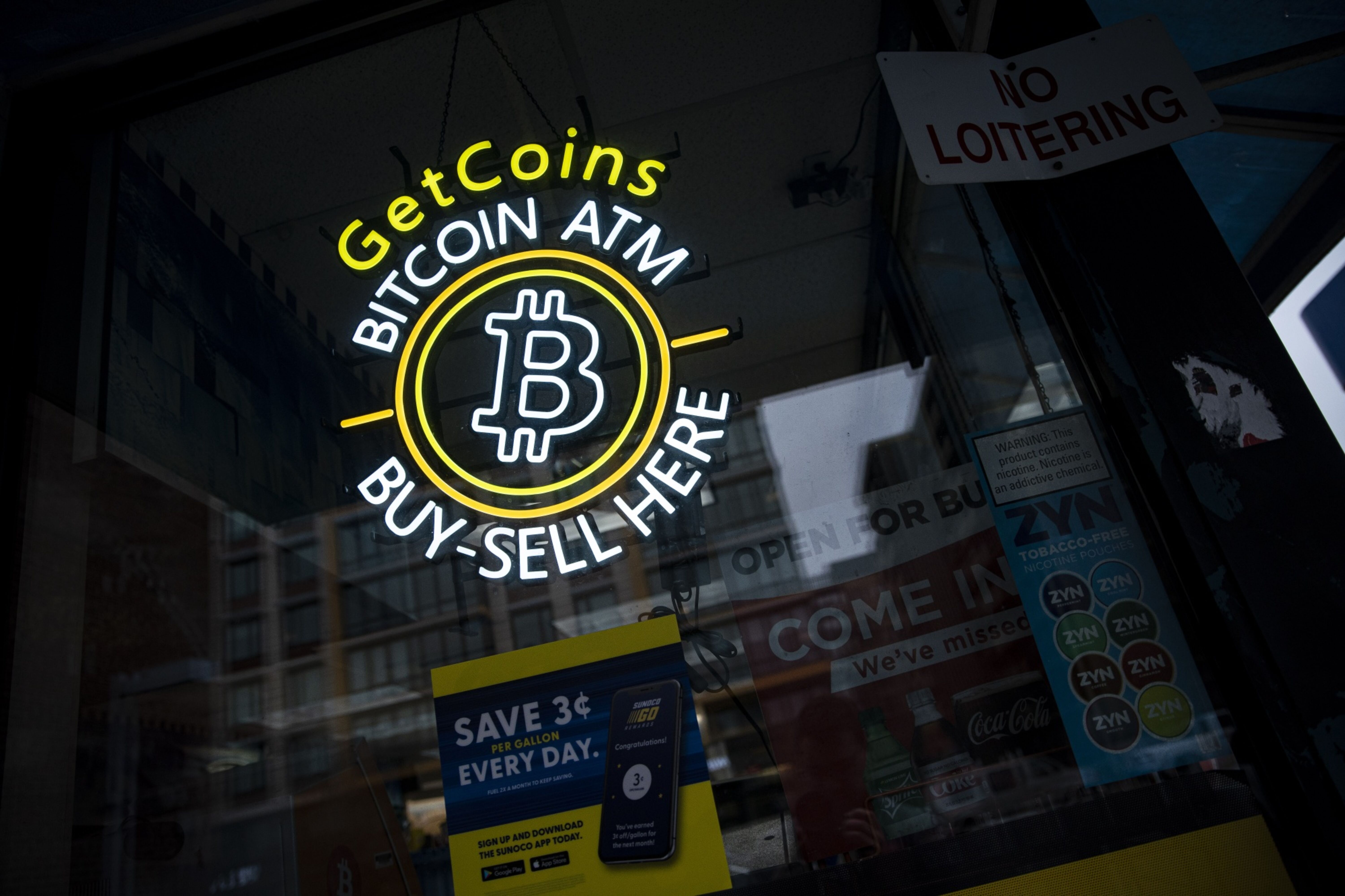
Bitcoin climbed back above $38,000 on Tuesday amid optimism the US central bank may be closer to lowering borrowing costs if inflation continues to decline.
It’s the latest critique of the passive-investing boom: Fresh academic research claims that the relentless flood of index-chasing cash on Wall Street is distorting stock prices and causing extreme market moves.
I enjoy my work under normal circumstances, and I appreciate my clients. But this year faking happiness over material things isn’t in my DNA.
The rebound in Adyen NV and its European fintech peers this month has been notable, but investors should brace for a bumpy road ahead.
BMW AG Chief Executive Officer Oliver Zipse was incredulous when asked this month whether the German premium carmaker would respond to a brutal price war in electric vehicles by cutting production.
Javier Milei was elected president of Argentina on the strength of a radical promise: that he would replace the highly inflationary Argentine peso with the stable US dollar.
Your prospect doesn’t care about you pre-sale... they care about your understanding of them.
At the time of the first major climate change conference, in Rio de Janeiro in 1992, China was one of the least developed nations. Its per capita income was below Haiti, Niger and Pakistan.
The pandemic upended many of the things we thought we knew about the economy. Even now, economists struggle to answer such fundamental questions as whether Americans are better off financially.
When the crypto bubble was on the rise, it prompted governments to step up development of their own form of electronic cash, known as central bank digital currencies. Now that enthusiasm for crypto has waned, will CBDCs fade away, too?
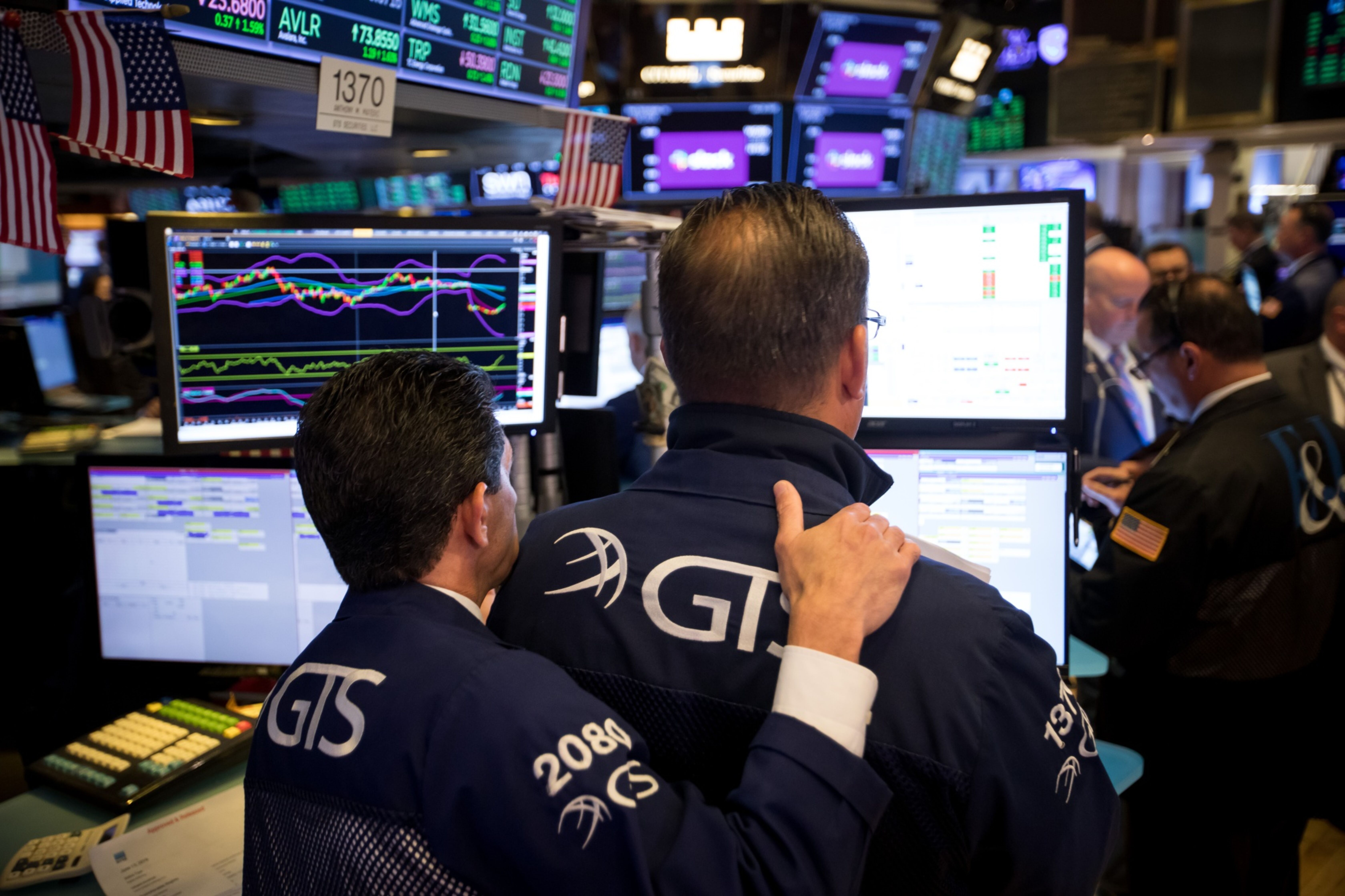
The rally that led the S&P 500 to one of its best November gains in a century is now running out of steam, according to Citigroup Inc. strategists.
Researchers working inside a unit of BlackRock Inc. estimate that a reform of public financial institutions could free up as much as $4 trillion in additional investment to help emerging markets tackle the fallout of climate change.
The recent sharp pullback in volatility as year-end approaches creates hedging opportunities given the cloudy outlook for equities, according to Goldman Sachs Group Inc. strategists.
If investors needed another sign the heyday for meme stocks has passed, an exchange-traded fund designed to ride the pandemic-era rise of retail traders is shuttering after just two years.
Brooks Friederich is a little-known figure in the world of investment advisory, even among the Wall Street cognoscenti. Yet every year, the 39-year-old — and his Berwyn, Pennsylvania-based employer Envestnet — helps steer billions of dollars into tailor-made strategies for financial advisers, part of what’s known as the model-portfolio boom.
Everyone has an opinion on how you should run your practice. Here is how to know which suggestions are worth following.
By separating the rollout of the new practice into V1 and V2, you can better focus on making V1 successful.
The TDF industry is dominated by a few firms that form an oligopoly that is hard to disrupt. It’s no surprise that non-oligarchs are spearheading the movement to personalization.
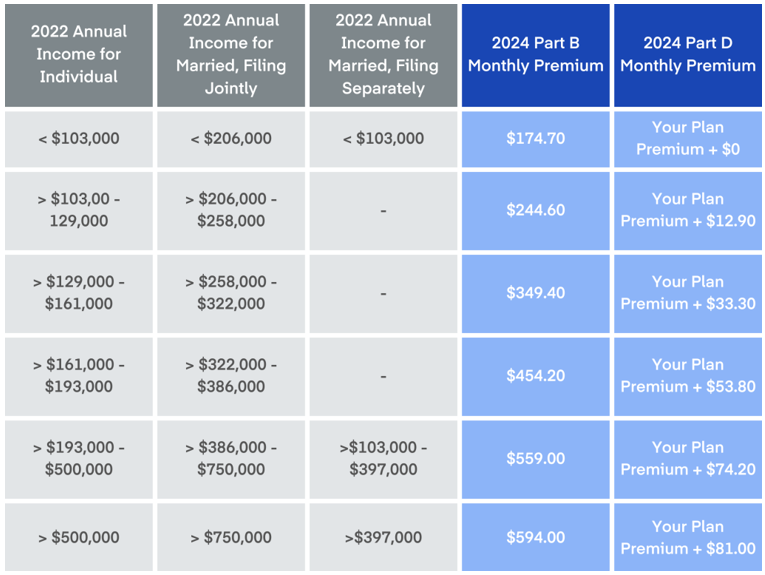
I'll share the impact healthcare costs have on financial plans, the critical healthcare information to include (such as medical tax deductions and IRMAA), how to budget for costs in a world of variables, and tangible strategies to implement during open enrollment and beyond to ensure clients are on the optimal coverage.
How can RIAs avoid missing the mark when it comes to private market investments?
Our immense progress in improving society’s standard of living over the last several centuries was possible because of advances in the discovery and production of energy. To assume that will continue is a grave error.
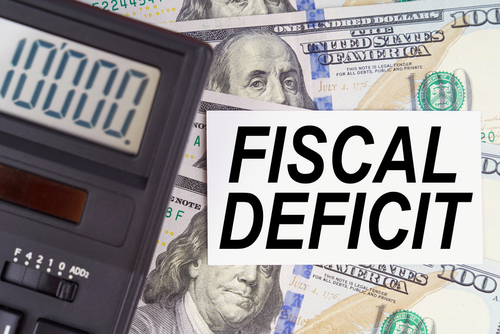
The growth of the federal deficit in the post-COVID era, coupled with the political unwillingness to increase taxes, foretells higher-than-historical inflation rates, according to new research.
It’s finally time to move on from a $2.2 trillion problem by burying Bankhaus Herstatt — a half-century after its collapse.
Is a hedge fund anything without its founder? Another batch of well-known hedge fund managers have sold out or moved to liquidate portfolios this month. Their legacies as entrepreneurs underscore the challenges of building a firm that outgrows the key risk-taker.
Private equity firms that spent hundreds of billions of dollars on acquisitions at the top of the market risk a nasty hangover.
ESG fund managers who turned to big tech as a low-carbon, high-return bet are growing increasingly anxious over the sector’s experimentation with artificial intelligence.
The world’s biggest bond market has clawed its way back after spending chunks of 2023 underwater. Now many US debt watchers see the pathway clearing for a real revival.
Reeling from a bear market last year, beaten-up investors decided to send more than $60 billion to exchange-traded funds focusing on dividends.
Here’s how to infuse your marketing with your personal touch.
It’s the major casualty of November’s sizzling stock rally: Investor caution.
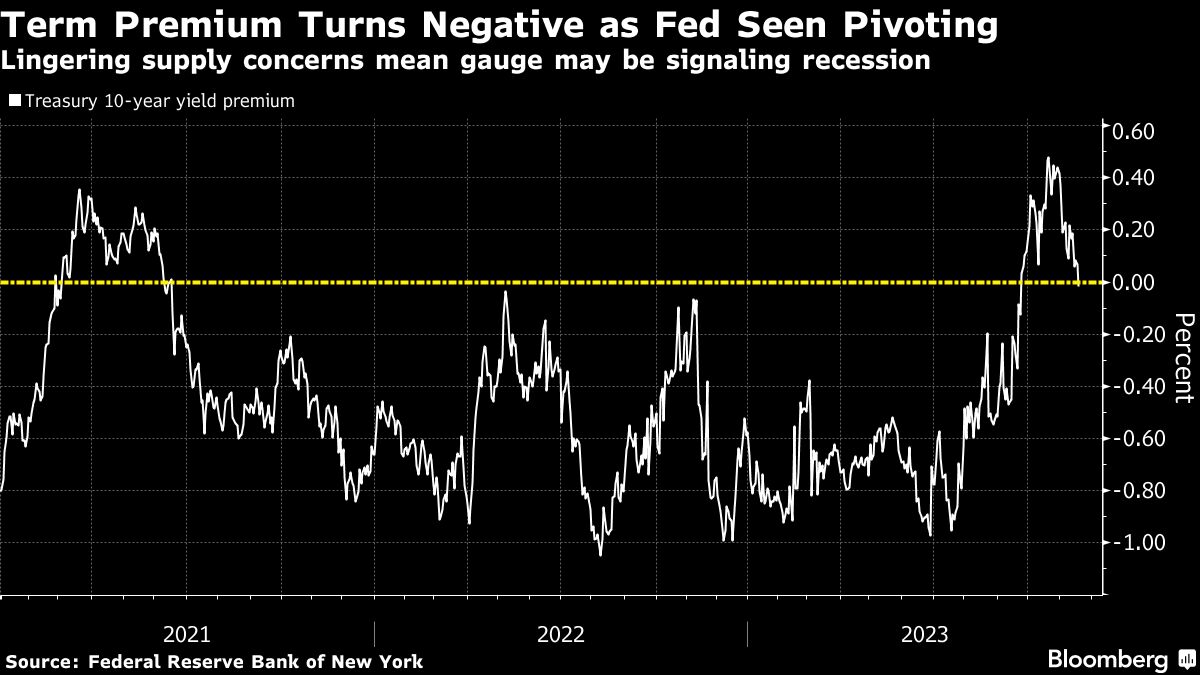
Treasury investors are turning increasingly skeptical the Federal Reserve will deliver a soft landing for the US economy next year, elevating concern of a looming recession over the risks posed by inflation and a swelling budget deficit.
US short-term inflation expectations climbed to a seven-month high in November and longer-run price views remained at levels not seen since 2011.
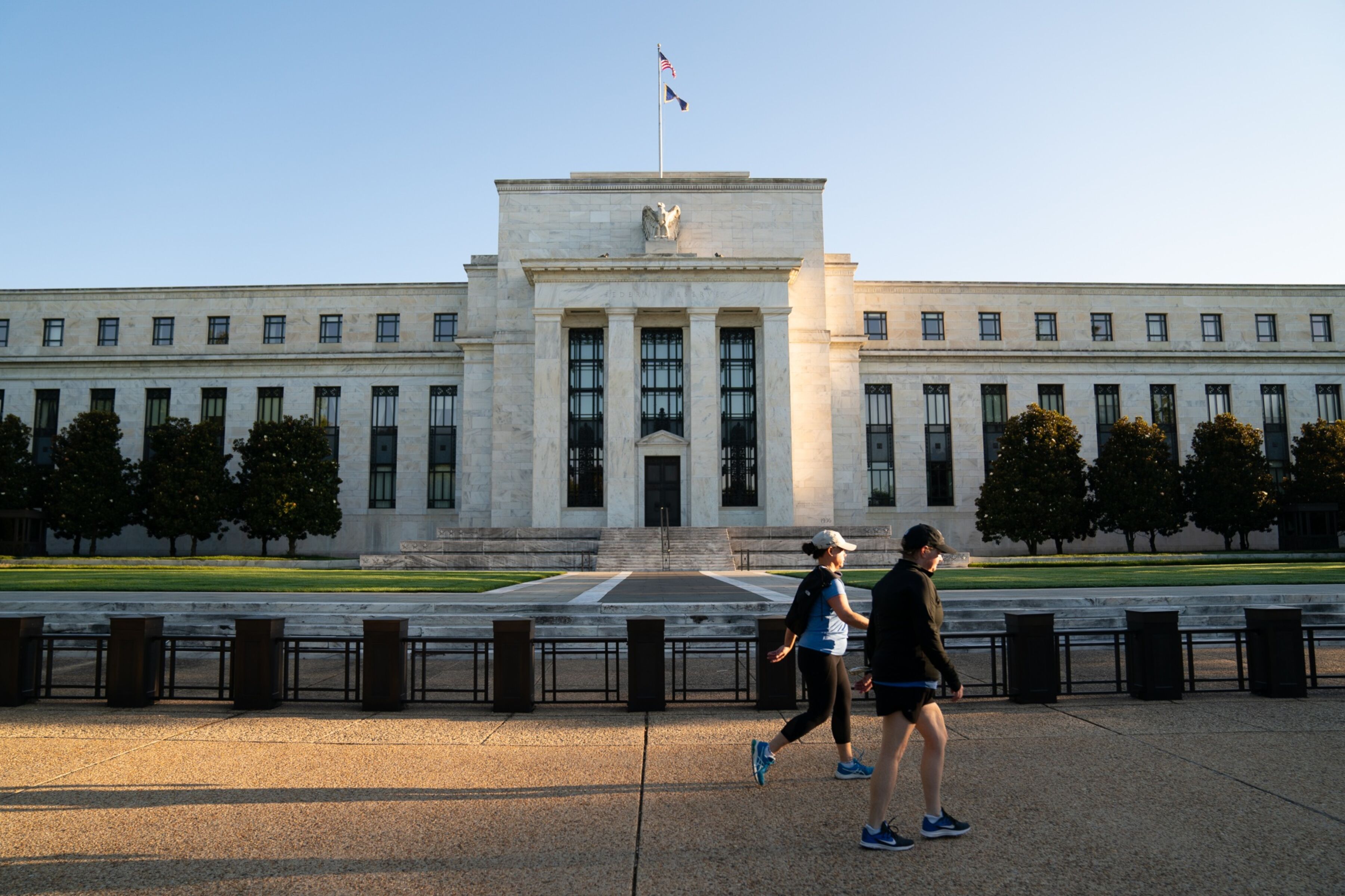
Federal Reserve policymakers at their most recent meeting united around a strategy to “proceed carefully” on future interest-rate moves and base any further tightening on progress toward their inflation goal.
Every time interest rates go up there is a flurry of demand for a product that has been around at least since the Roman Empire — annuities. The insurance industry has already seen rapid growth in annuity sales since 2021 and if rates remain at or move above current levels, demand seems poised to explode.
Two former Goldman Sachs Group Inc. bankers want to take the $1.6 trillion private credit revolution from Wall Street to Main Street.
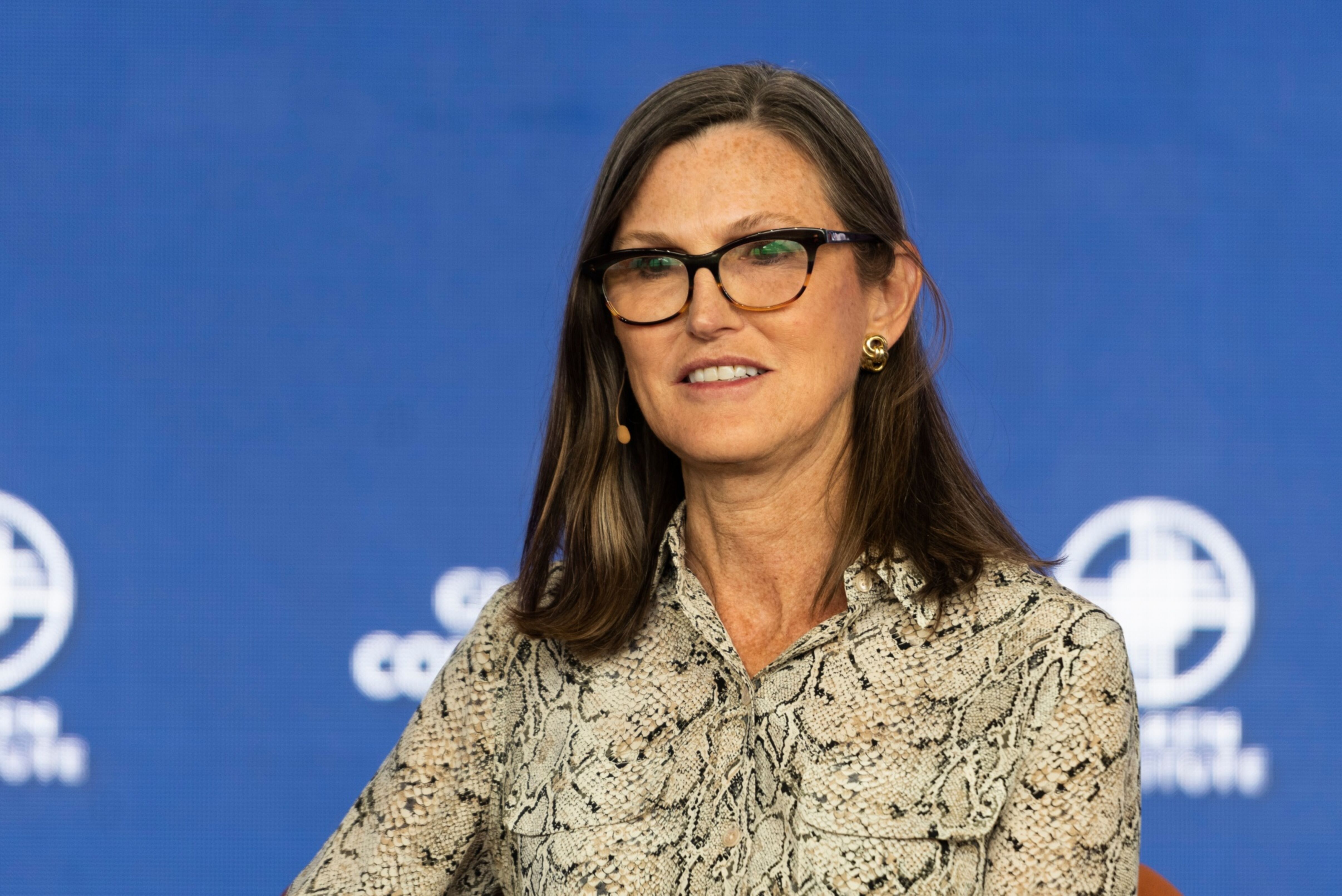
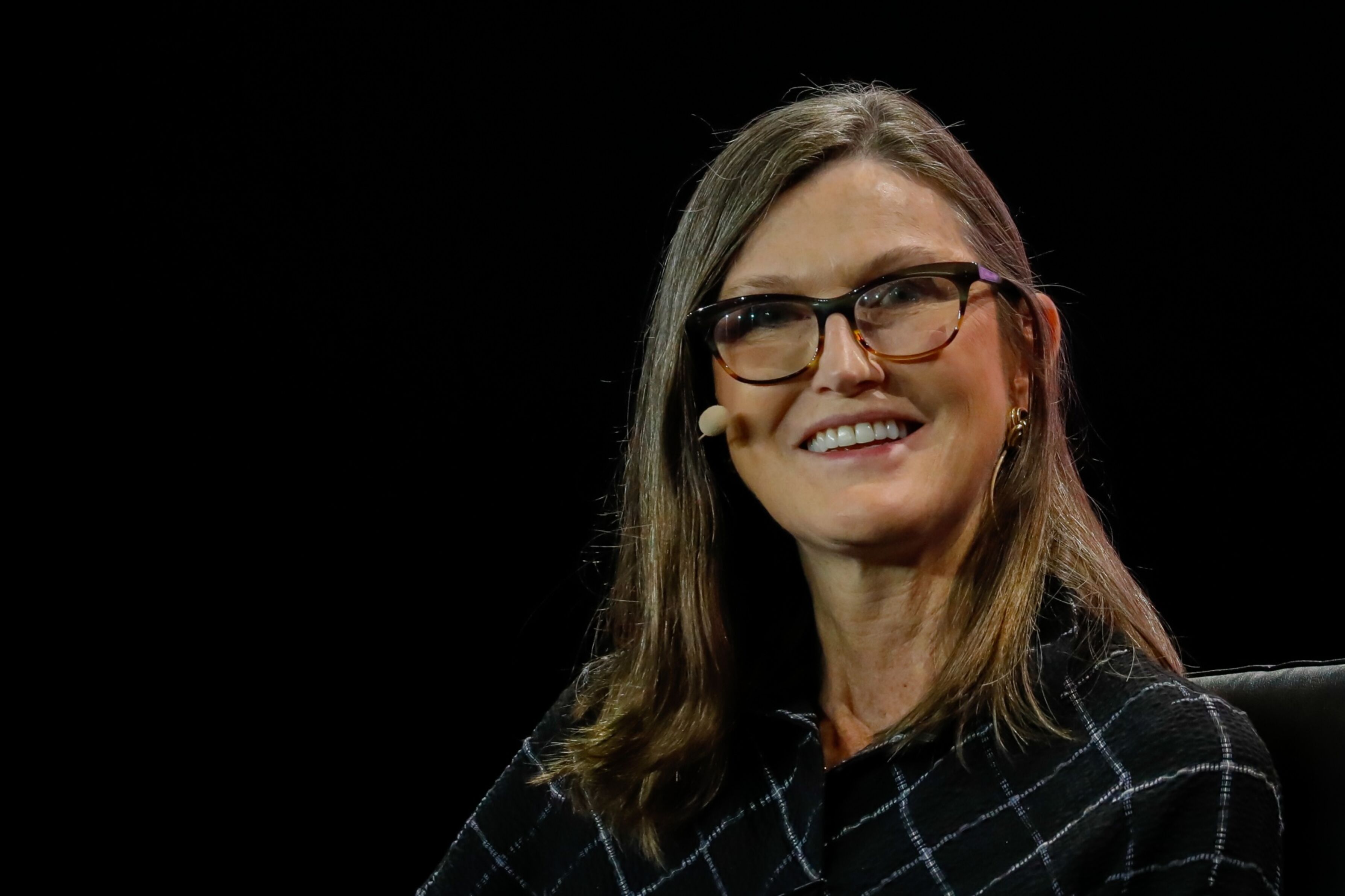
While Cathie Wood has been touting her bullish stance on Bitcoin in recent months, her firm ARK Investment Management actually cut holdings in the Grayscale Bitcoin Trust.
Artificial intelligence is likely to transform our world in many ways, but one that hasn’t received much attention is the technology’s looming impact on real estate. As AI becomes an essential component of both business and daily life, the value of places where those who work on AI want to live will rise, provided these locales have reasonable infrastructure.
Growth prospects for renewable energy will be a central plank of discussions when world leaders start gathering next week in Dubai for COP28.
Former Bridgewater Associates LP executive Bob Elliott’s plan for exchange-traded funds that employ hedge fund strategies has sharpened the debate about whether retail investors should have access to such approaches.
A quirk in retirement fund accounting is making corporate pensions look particularly flush now, giving them more incentive to cut risk by dumping equities and buying bonds.
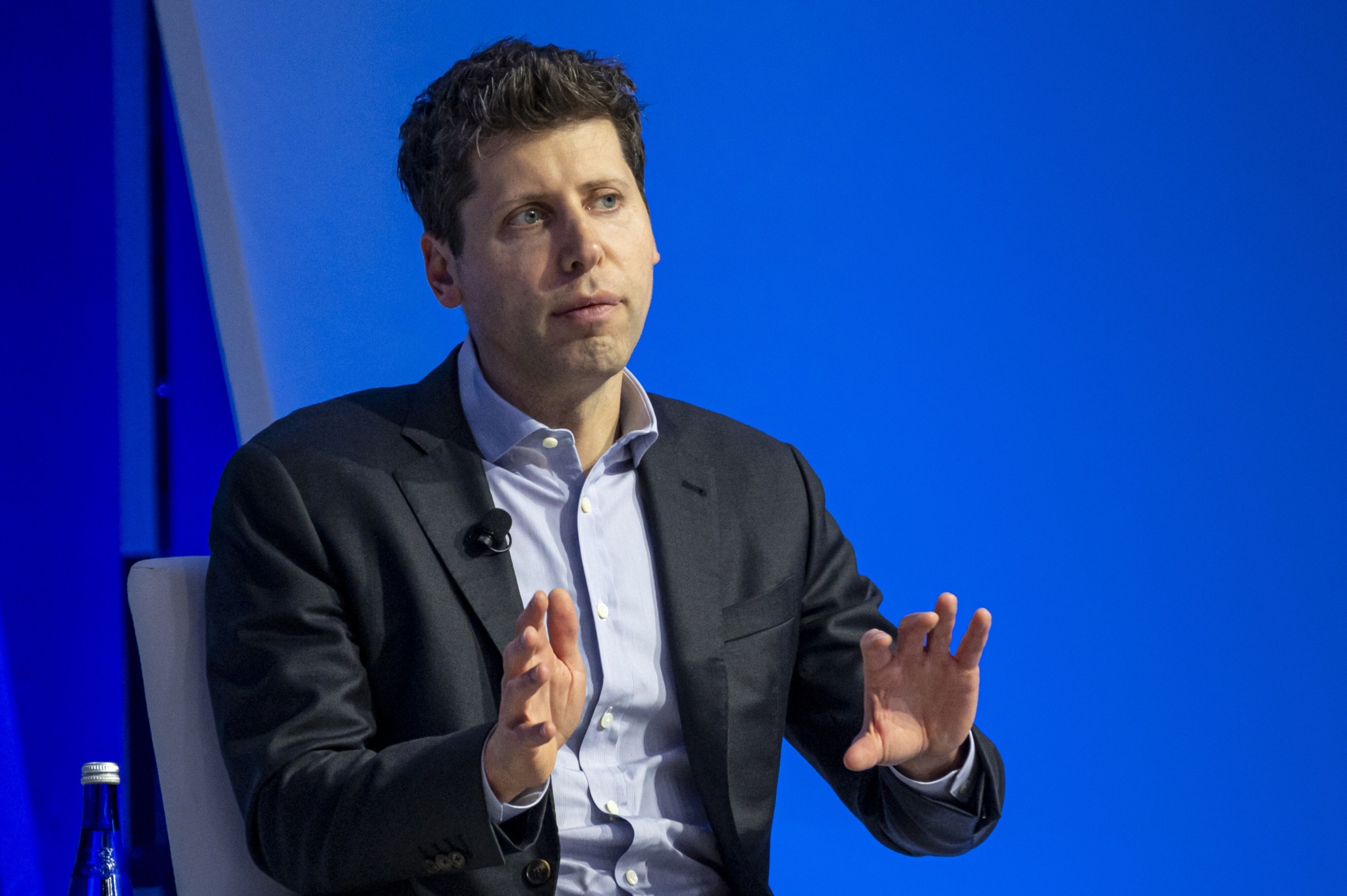
Sam Altman will return to lead OpenAI less than five days after he was pushed out of one of the world’s most valuable startups, setting off a shock back-and-forth drama that transfixed Silicon Valley and the global AI industry.
Nvidia Corp. investors gave a cool reaction to its latest quarterly report, which blew past average analysts’ estimates but failed to satisfy the loftier expectations of shareholders who have bet heavily on an artificial intelligence boom.
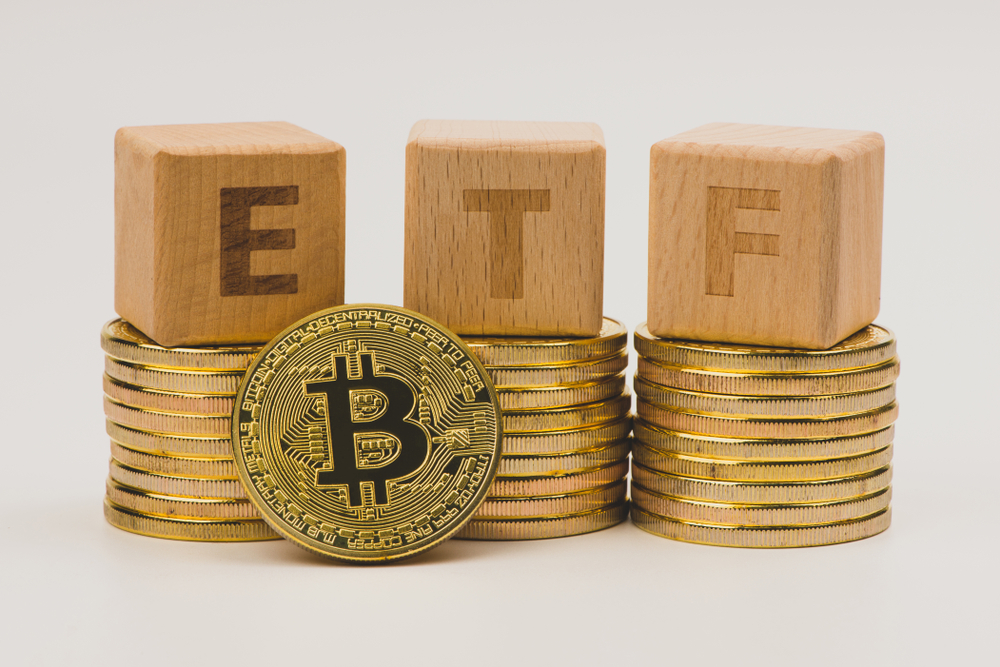
News that a Washington DC Court of Appeals ruled in favor of Grayscale Investments LLC over the Securities and Exchange Commission has ignited hope that a Bitcoin exchange-traded fund will soon be available. Bitcoin prices jumped.
Should the US Securities and Exchange Commission approve an exchange-traded fund focused on the spot market for Bitcoin? The question has yet again gained relevance, thanks to the District of Columbia Court of Appeals, which last week reversed the SEC’s decision to reject a Bitcoin ETF proposed by Grayscale Investments.
The latest inflation report, showing that price increases slowed in October, suggests that the US just might get the “immaculate disinflation” that everyone is hoping for: Inflation will fall to its pre-pandemic levels and remain there, and the US will avoid a recession. Allow me to make the pessimist’s case that we are not out of the woods yet.
Cathie Wood’s ARK Investment Management and digital-asset firm 21Shares just became the first major applicant in the US spot Bitcoin ETF race to list a fee on their planned offering.
For investors stashing record sums in cash, US bond managers overseeing a combined $2.5 trillion have a bit of advice: It’s time to put that money to work.
What are some of the more unique gifts or events advisors are doing for clients?