Well-run advisory practices have job descriptions for key roles, from planners to administrators to client service. But here’s a description that I bet few firms have yet to fill.
Being left solely responsible for wealth through divorce or widowhood later in life comes with its own set of responsibilities, opportunities, and challenges. As with so many financial life events, it is often the emotional challenges that are the hardest.
The so-called dividend aristocrats have an impressive track record. But much of that outperformance can be attributed to its exposure to certain factors.
Sam Bankman-Fried’s widely anticipated guilty verdict has been rendered. But Michael Lewis’ book raises many questions, including the existence and extent of an actual crime.
Michael Lewis’ book on SBF is woefully incomplete, rather like a canvas that Rembrandt inexplicably left half blank, for the book elides three major questions.
One consistent overhang in an otherwise pretty good year for the US economy has been tightening credit standards at banks.
Many commentators are struck by the disconnect between the US economy’s impressive performance of late and the dismal popular view of the very same economy.
What’s the most important price in the global economy? The price of oil? The price of semiconductors? The price of a Big Mac? More important than any of these is the price of money. For more than three decades it was falling.
A prospect that might have seemed unthinkable just a couple short weeks ago is coming into view for bond traders: The potential for US Treasuries to post an annual gain for the first time since 2020.
The S&P 500’s pitch is simple. Own it and get exposure to the biggest of the big among US firms. Lately, it’s gotten harder to maintain that point of distinction.
You have nothing to lose when you increase your fees to match the value you deliver. Advisors chronically undercharge for the value they provide.
A measure of foreign investment into China turned negative for the first time since records began in 1998, highlighting how foreign companies are pulling money out of the country due to geopolitical tensions and higher interest rates elsewhere.
US job growth slowed in October by more than expected and the unemployment rate rose to an almost two-year high of 3.9%, indicating that employers’ strong demand for workers is beginning to cool.
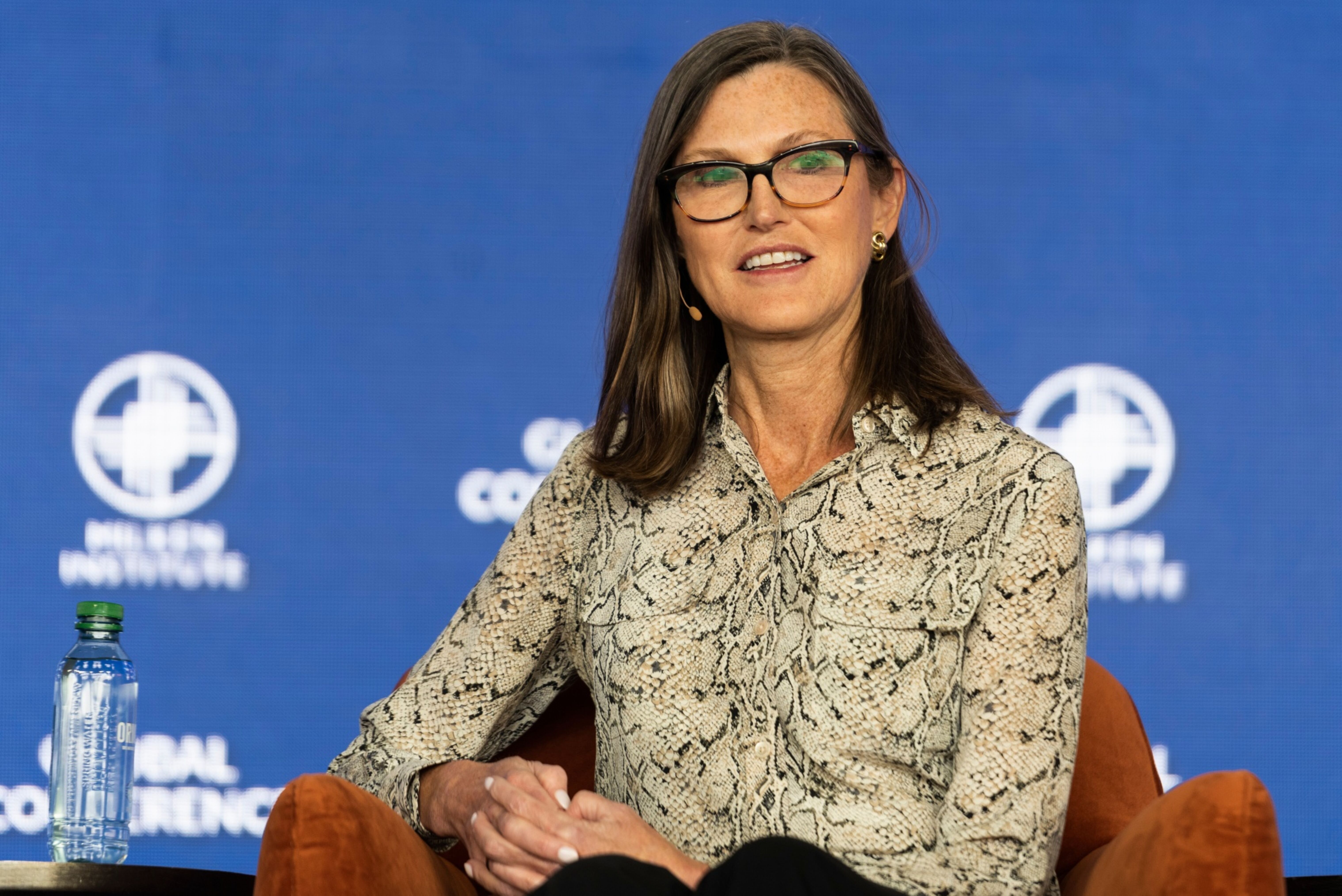
Cathie Wood says she would unambiguously wager on Bitcoin — rather than gold or cash — to safeguard against the possibility of deflation in the coming decade.
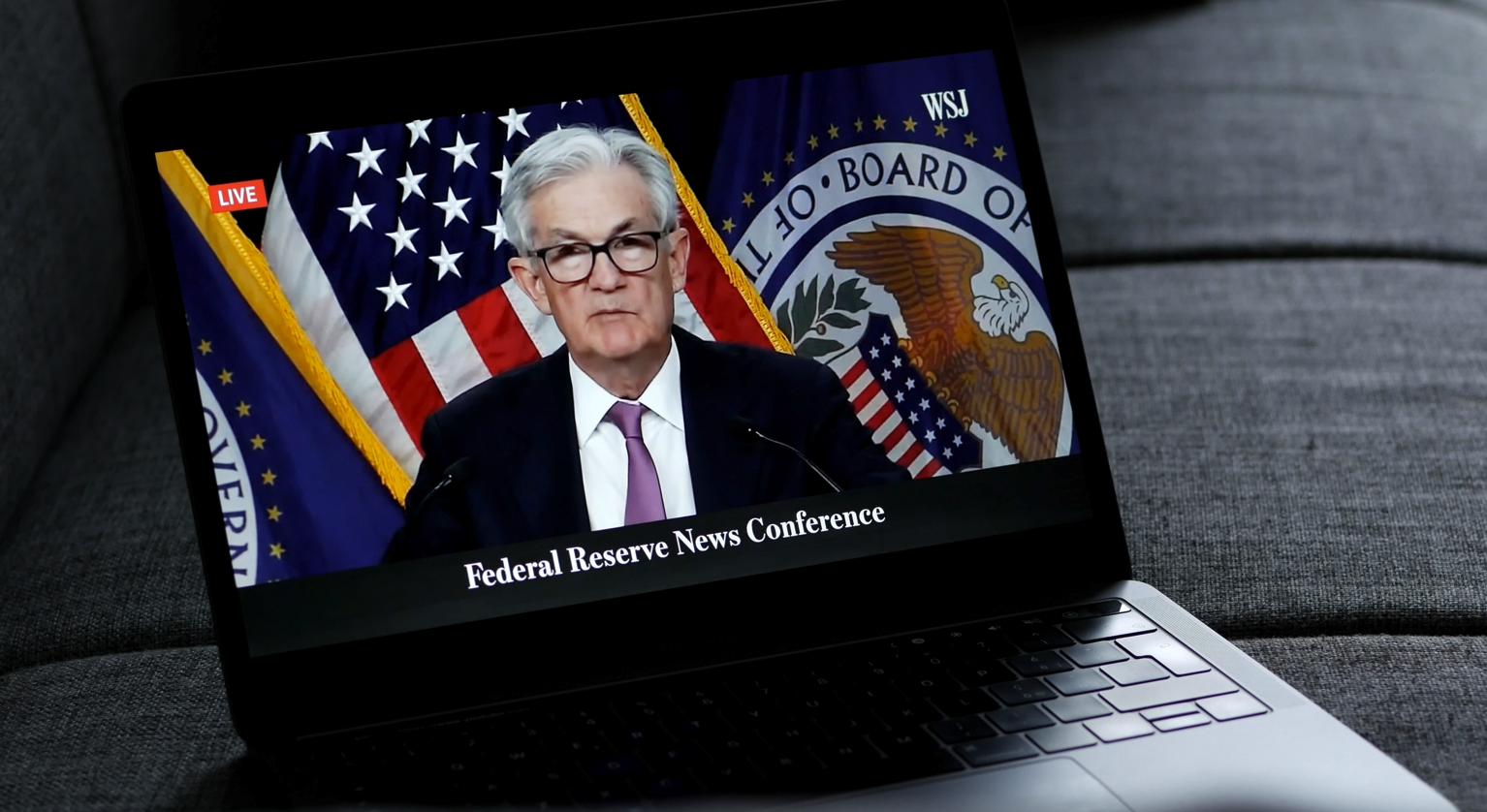
Capital Group is seeing an opportunity for investors to load up on global equities after the Federal Reserve held rates on Wednesday, signaling an end to its aggressive tightening cycle.
I remember the exact moment in 2007 when I knew the financial industry was headed for a reckoning. There was no data point that tipped me off, no great insight about the housing market.
The selloff in US debt appears close to being over as the Federal Reserve nears winding up its most aggressive rate hikes in a generation.
Yields on 10-year Treasury notes plummeted 20 basis points on Wednesday, the most since the banking crisis in March. For all the macroeconomic news of the day, it was hard to pinpoint exactly what changed so meaningfully from one trading session to the next.
Signs of recovery in smartphone and computer demand have yet to provide the next tailwind for chip stocks as they languish below the heights of this year’s artificial intelligence rally.
Companies with healthy balance sheets are some of the best performing stocks this year, and their shares could keep rising, according to Piper Sandler & Co. strategists led by Michael Kantrowitz.
The US economy just enjoyed its strongest quarterly growth outside of the pandemic era since 2014, expanding at a 4.9% annualized rate in the three months ended Sept. 30.
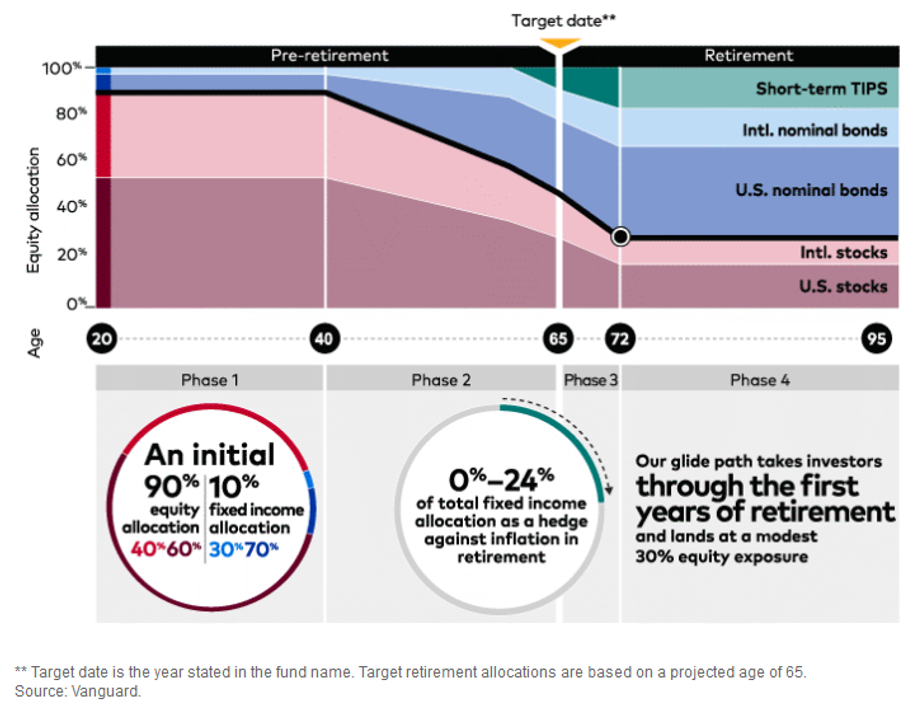
Whether retirement savers in TDFs know it or not, and I presume most don't, they are mindlessly investing their wealth.
Private real estate fundraising plunged in the third quarter as higher interest rates cooled investor appetites for risk.
Less than a third of Gen Z feels financially secure while just more than half feels “very or extremely worried about not having enough money,” according to a recent study by consulting firm EY. “Welcome, the water’s warm!” says every American millennial.
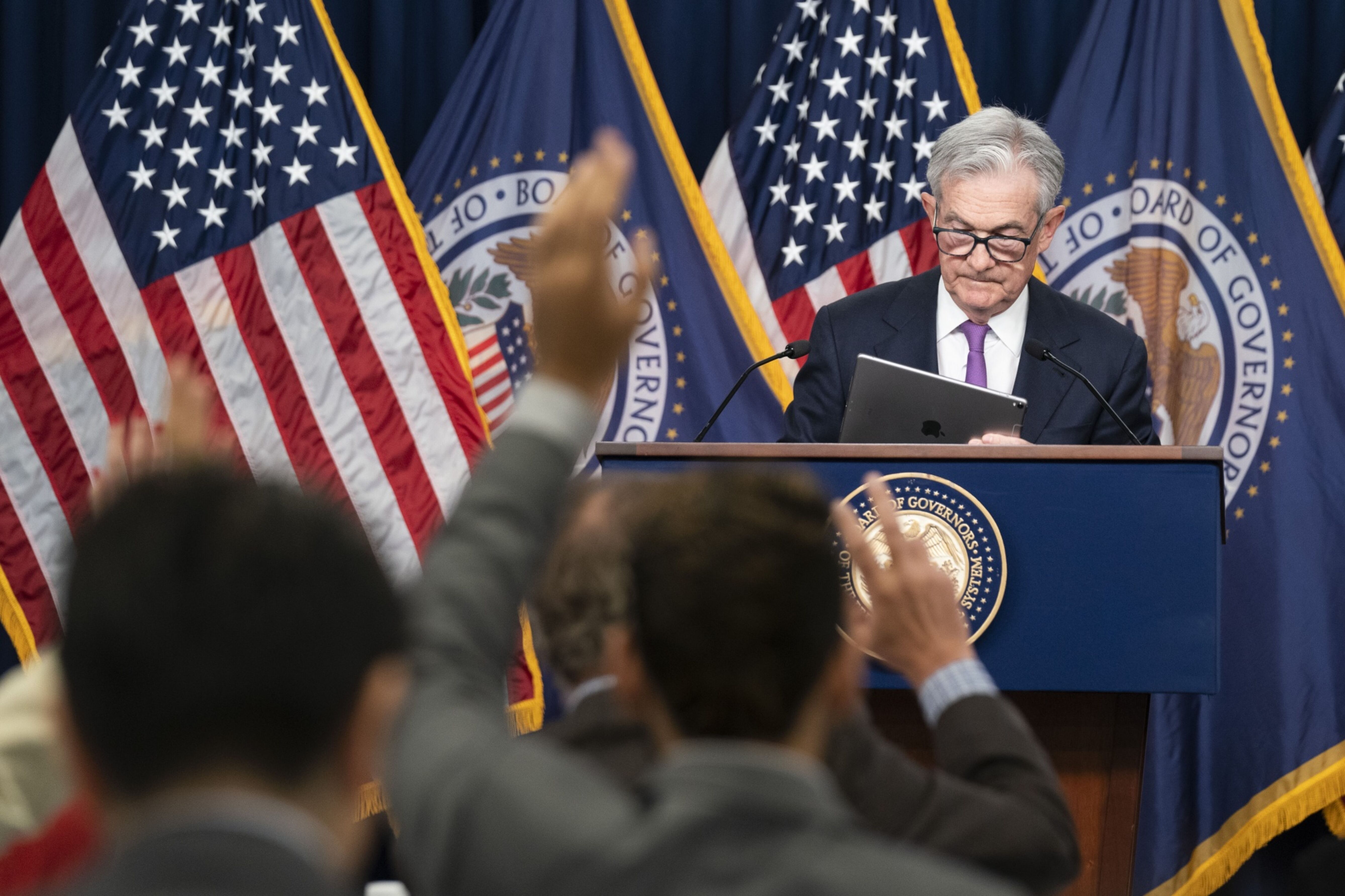
The US Federal Reserve thinks it can take a break. As Fed officials see it, they need only sit back and wait while the monetary tightening they’ve already done gradually takes hold, slowing the economy and pushing inflation back down to the central bank’s 2% target.
Washington seems determined to ignore the country’s rapidly worsening fiscal picture, but sooner or later policymakers will be forced to pay attention. When they do, they’ll find that changes to Social Security are unavoidable.
MicroStrategy Inc. Chairman Michael Saylor’s strategy of buying Bitcoin may be coming into question as the advent of exchange-traded funds holding the largest cryptocurrency appears imminent.
The US Treasury increased its planned sales of longer-term securities by slightly less than most major dealers expected in its quarterly debt-issuance plan, in a move that signals officials may be concerned about the surge in yields over the past several months.
The typical American is a lot richer now than they were just before the pandemic — and this improvement is at least partially due to government support for families and businesses in 2020 and 2021.
The significant outperformance of US stocks over the last decade is unlikely to repeat over the coming 10 years, according to Goldman Sachs Group Inc.’s chief global equity strategist.
Small businesses account for close to half of US private sector employment, so there’s always considerable focus on their prospects, especially during periods of rising interest rates and contracting credit.
US employment costs unexpectedly accelerated in the third quarter, heightening concerns that a strong labor market risks keeping inflation above the Federal Reserve’s target.
Here’s a sobering truth you’re seeing more of every day: Your unique status, as an advisor, is declining at a rapid pace.
Is there a graceful way to explain to clients I’m not the person making these decisions, and that I understand the impact, without betraying my firm and aligning fully with clients?
Harness the power of neuroscience and psychology to help your clients reach their long-term planning goals.
Contrary to popular belief, “women” and “pre-retirees” are not niches. Here are tips for narrowing a niche that is too broadly defined.
Much of our technology is complex and confusing. How can we fix that?
Recently, a newly divorced woman in her 50s asked me if I knew of any good books for middle-aged, single woman of wealth.
To have a shot at taming inflation, the Federal Reserve is intent on tightening financial conditions across the economy. But they haven’t made much of a dent in corporate America yet.
The US Treasury reduced its estimate for federal borrowing for the current quarter thanks to stronger-than-expected revenues, offering some relief for investors concerned about the rapidly widening fiscal deficit.
A Federal Reserve pause, seasonal tailwinds, an earnings-led rally. Many of the reasons that got Wall Street strategists increasingly bullish coming into the end of the year now look like wishful thinking.
The world’s auto industry is accelerating in two directions at once. Unless those contradictions are resolved, carmakers risk running themselves off the road.
All of a sudden there is a flurry of activity around artificial intelligence policy. President Joe Biden is scheduled to issue an executive order on the topic today. An AI safety summit is being held in the UK later this week. And last week, the US Senate held a closed-door forum on research and development in AI.
Like many advisory firms, we work with many multi-generational families and use a team approach that matches our younger advisors with clients in the same demographic to help them prepare to be good stewards of assets they earn and inherit.
Forging connections with beneficiaries sends the message that you not only safeguard the individual's interests but genuinely care about the long-term prosperity of their family. Here’s how this benefits your client and your firm – and how to do it effectively.
The world is a cold, hard, mean place and you are going to suffer if you allow bullying comments from a tough prospect to derail you.
While getting your loans wiped out in one fell swoop can seem like a lifesaver, it may come with some negative financial implications. I cover what you need to know.
US blue-chip companies unleashed a wave of bond sales on Monday as borrowers look to sell new debt in a week jam-packed with bond auctions, central bank meetings and fresh economic data.
The financial world’s computer-loving crowd is preparing for the dawn of a new AI-powered era — but that doesn’t mean they’re ready to fully embrace the technology just yet.
Goldman Sachs Group Inc. lifted its long-term growth estimates for the US and many other major economies as generative artificial intelligence is set to boost productivity over the next decade.