A turf war is breaking out in the vast world of digital payments — and the incumbents are suddenly on defense.
UniCredit SpA will offer its professional clients a structured product tied to BlackRock Inc.’s iShares Bitcoin Trust ETF that features full protection against losses, as European banks seek new ways to tap into appetite for digital assets.
Almost everything said about Tesla Inc. these days ranges from bad to worse.
Just a few decades ago, Europe led the world in adopting nuclear. It relied on the technology for more than 30% of its electricity and accounted for more than 40% of global production.
Stocks are wrapping up a stellar quarter at all-time highs amid signs of progress in US trade talks while hopes the Federal Reserve will resume its rate cuts drove Treasuries toward their biggest first-half stretch in five years. The dollar eyed its longest monthly slide since 2017.
Despite concerns regarding the electrical power grid, there are solutions to meet the surge in AI-driven energy demand. For example, nuclear energy is making a comeback.
One of the enduring challenges of portfolio management is the inability to follow all news flow relevant to portfolio positions. AI and cloud-based workflows are helping us overcome this problem.One of the enduring challenges of portfolio management is the inability to follow all news flow relevant to portfolio positions. AI and cloud-based workflows are helping us overcome this problem.%MCEPASTEBIN%
It’s a widely held belief among economists that President Donald Trump’s tariffs will boost inflation notably over the next few months. But muted price increases so far have called that assumption into question, emboldening the White House and opening up divisions at the Federal Reserve.
Are we experiencing an energy transition? According to geologist and fund manager Jane Woodward, we are — and it’s proceeding more quickly than almost anyone expected.
Treasury Secretary Scott Bessent indicated it wouldn’t make sense for the government to ramp up sales of longer-term securities given where yields are today, though he held out hope that interest rates across maturities will be falling as inflation slows.
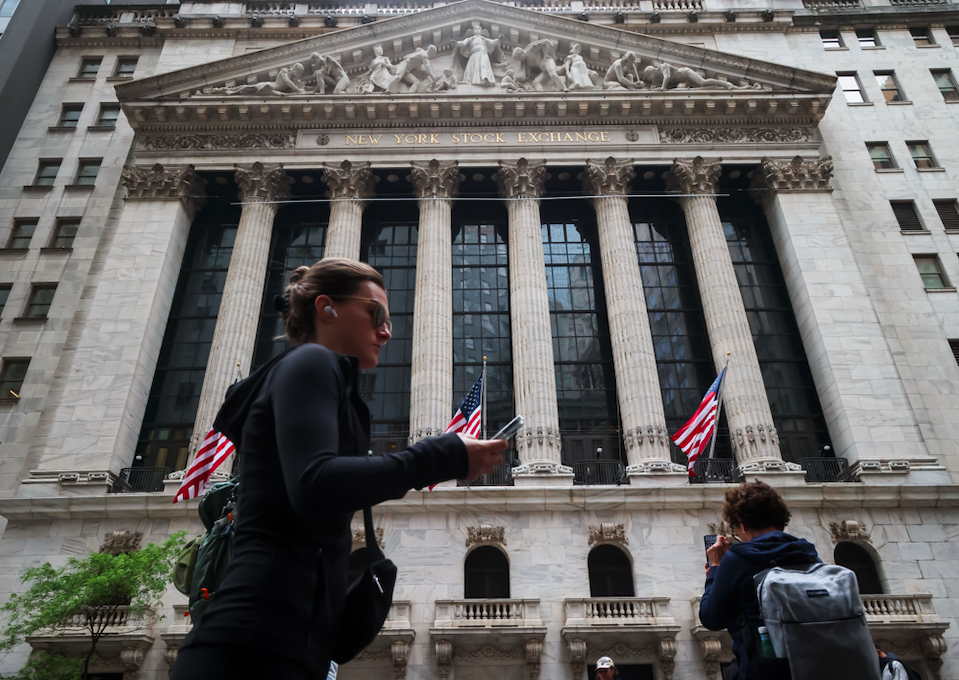
The S&P 500 Index just rallied back to all-time highs, brushing off the April tariff shock, the conflict with Iran and the insidious and persistent increase in US continuing jobless claims.
British oil and gas giant Shell Plc has quashed a rumor: It’s not buying BP Plc. But last week’s forceful denial doesn’t address why the M&A chatter gained so much traction, which has less to do with the parlous state of BP than with Shell itself.
The digital assets platform Republic is touting plans to give retail investors access to the world’s hottest private companies starting with Elon Musk’s SpaceX via mirror tokens.
Alphabet Inc.’s Google has agreed to purchase 200 megawatts of power from Commonwealth Fusion Systems’ planned first commercial plant, which is expected to begin delivering electricity to the grid in the early 2030s.
US consumer sentiment rose sharply in June to a four-month high and inflation expectations improved notably as concerns eased about the economic outlook and personal finances.
It’s a story that has played out many times in the history of China’s tech sector. Notoriously fierce competition means that whenever a new craze comes along, scores of rivals emerge ready to pounce.
Short selling ought to have gotten easier in Europe since Wirecard AG filed for insolvency five years ago this week.
The Federal Reserve is aiming to lessen the costly fluctuations in bank capital demands created by its annual stress tests. But big lenders are pushing for more relief while the central bank is politically weakened and some board members seem keen to please the White House.
Unlike us mere mortals, time is usually on Tesla Inc.’s side. The launch of its robotaxi service this week has inverted that, and at a moment of particular weakness for the company.
The US apartment-building boom that began about a decade ago appears to have ended last year, but it did so with a bang. It was the biggest year for apartment completions since 1986 and the biggest year ever for apartments in large buildings — that is, those with 30 to 49 and 50 or more units.
There’s plenty of talk about how India’s 600-million-strong workforce gives it a unique edge in the US-China spat over trade and technology.
US stocks climbed Thursday, ending the day on the cusp of a record as optimism around potential rate cuts stoked risk-on sentiment across financial markets.
Two years after Nvidia Corp. made history by becoming the first chipmaker to achieve a $1 trillion market capitalization, an even more remarkable milestone is within its grasp: becoming the first company to reach $4 trillion.
First, they came for the currency market. Then, the money market. Now, crypto’s big disruptors are targeting the multi-trillion-dollar heart of global capitalism: the stock market.
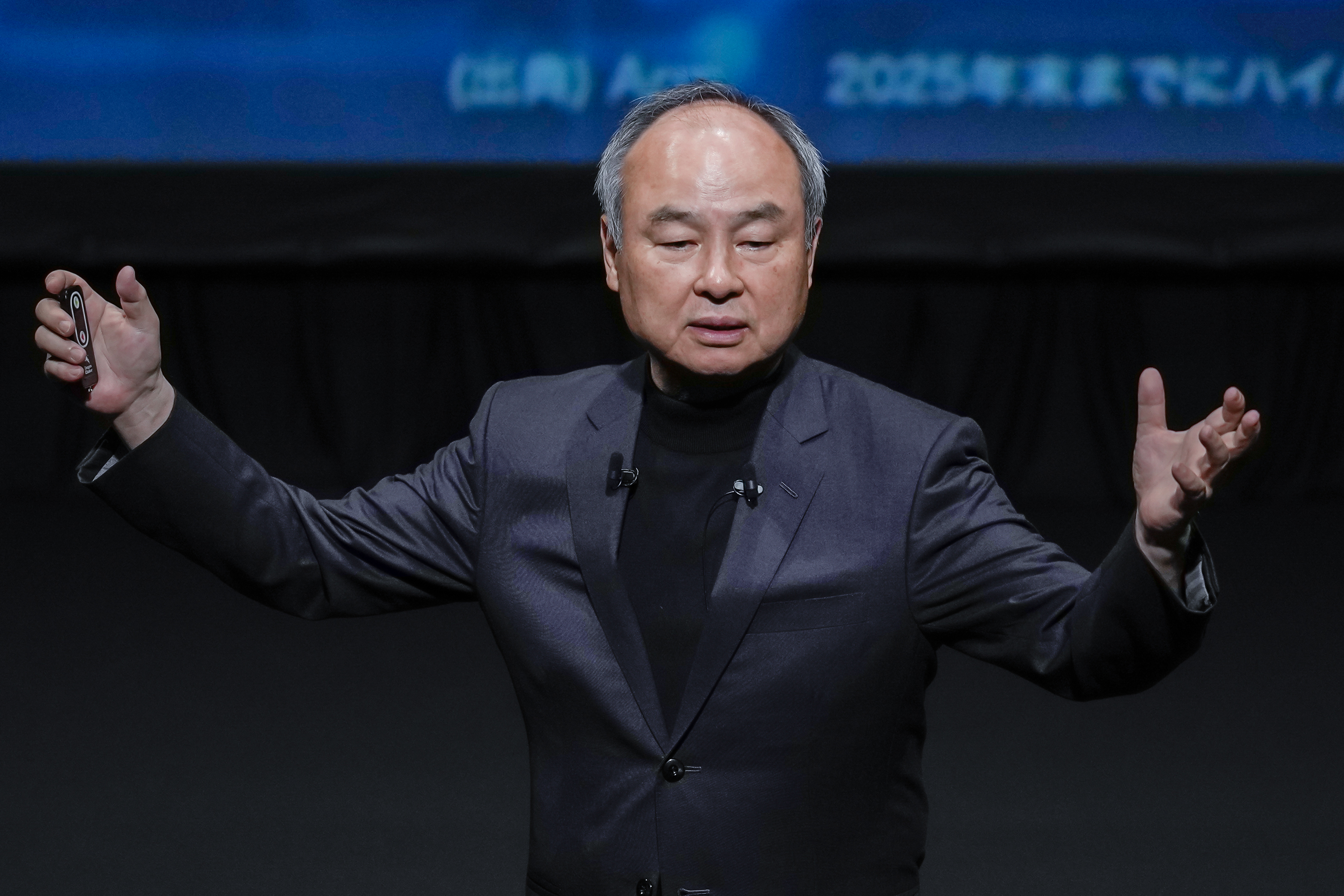
Masayoshi Son acknowledged the outlines of a succession plan at SoftBank Group Corp., addressing what may be investors’ single biggest concern regarding the long-term future of the Japanese company.
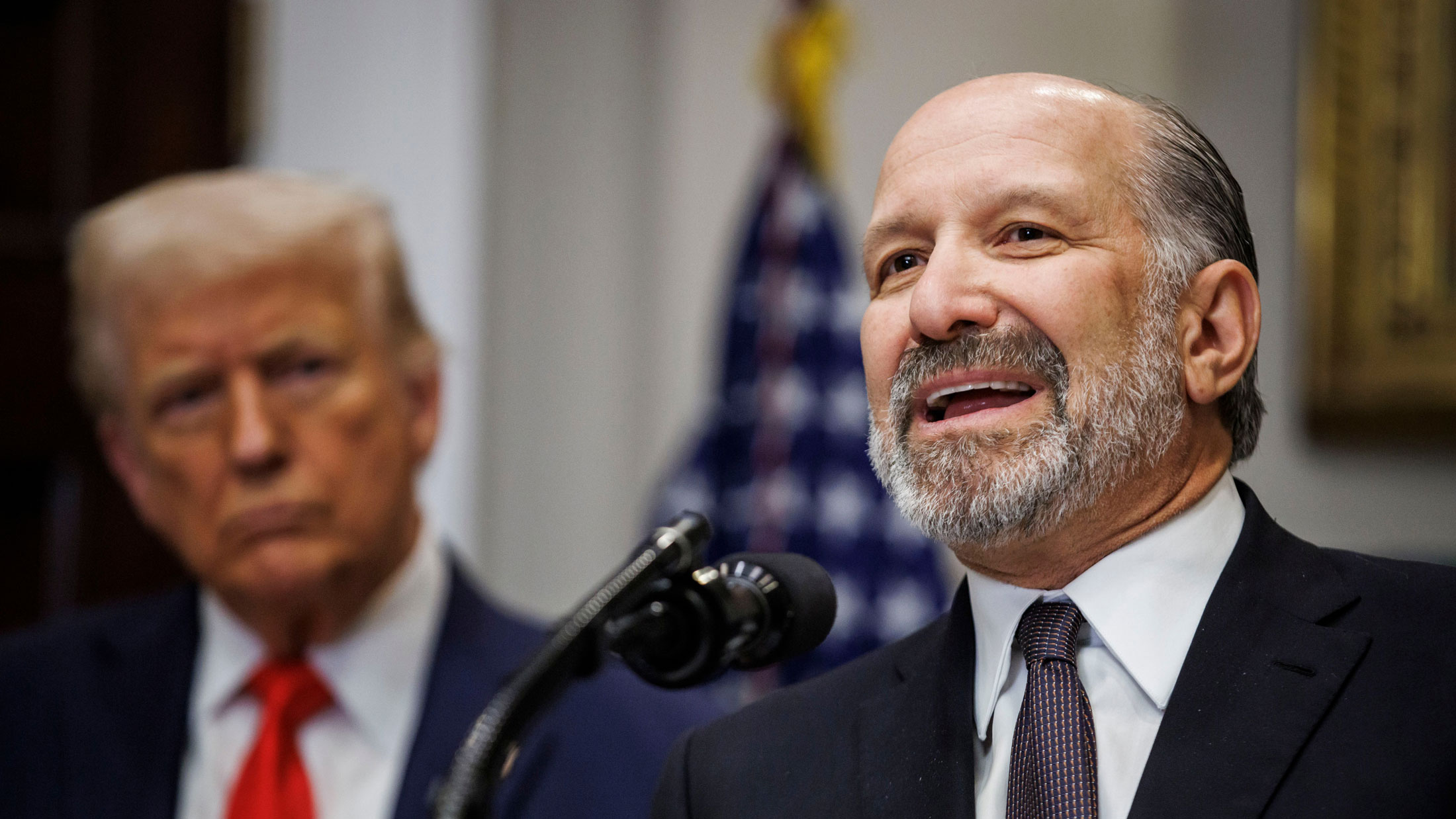
The US and China finalized a trade understanding reached last month in Geneva, US Commerce Secretary Howard Lutnick said, adding that the White House has imminent plans to reach agreements with a set of 10 major trading partners.
The dollar fell and US Treasuries rallied after a report that President Donald Trump is considering naming Federal Reserve Chair Jerome Powell’s successor well before the incumbent’s term is scheduled to end next May.
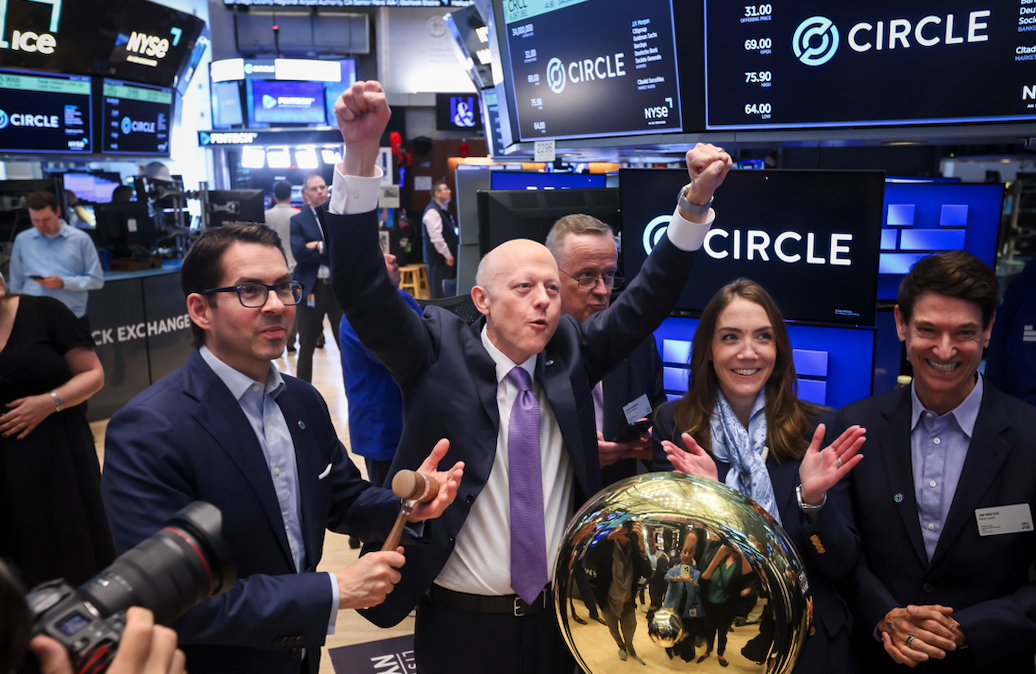
Roaring returns for US IPOs are driving fresh optimism that activity will pick up steam later this year and into 2026, even as worries over geopolitics and President Donald Trump’s tariffs hang over the market.
It's not often that UK stocks are singled out as a "favorite geopolitical hedge," as Citigroup Inc. strategists boldly stated last week. So perhaps the elegant stance would be to simply take the rare praise when it's so kindly offered.
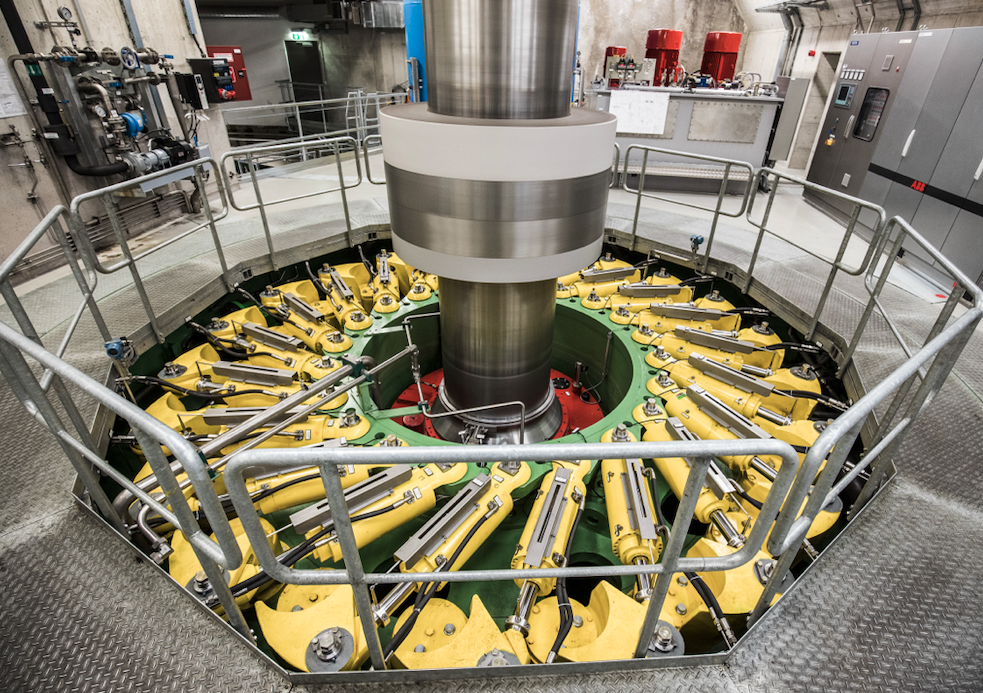
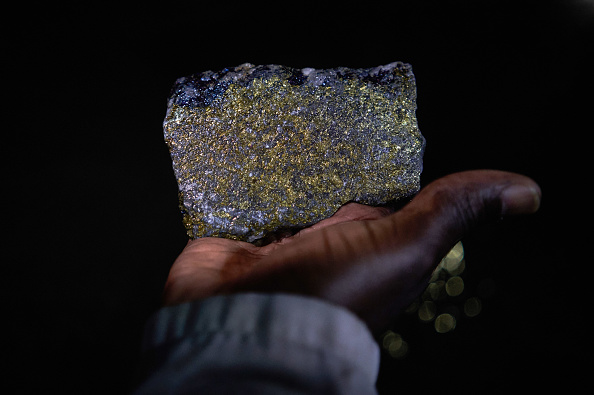
A long-delayed plan to build a hydropower plant on the Ruzizi River between Rwanda and the Democratic Republic of Congo received a boost amid US-backed peace talks between the two countries.
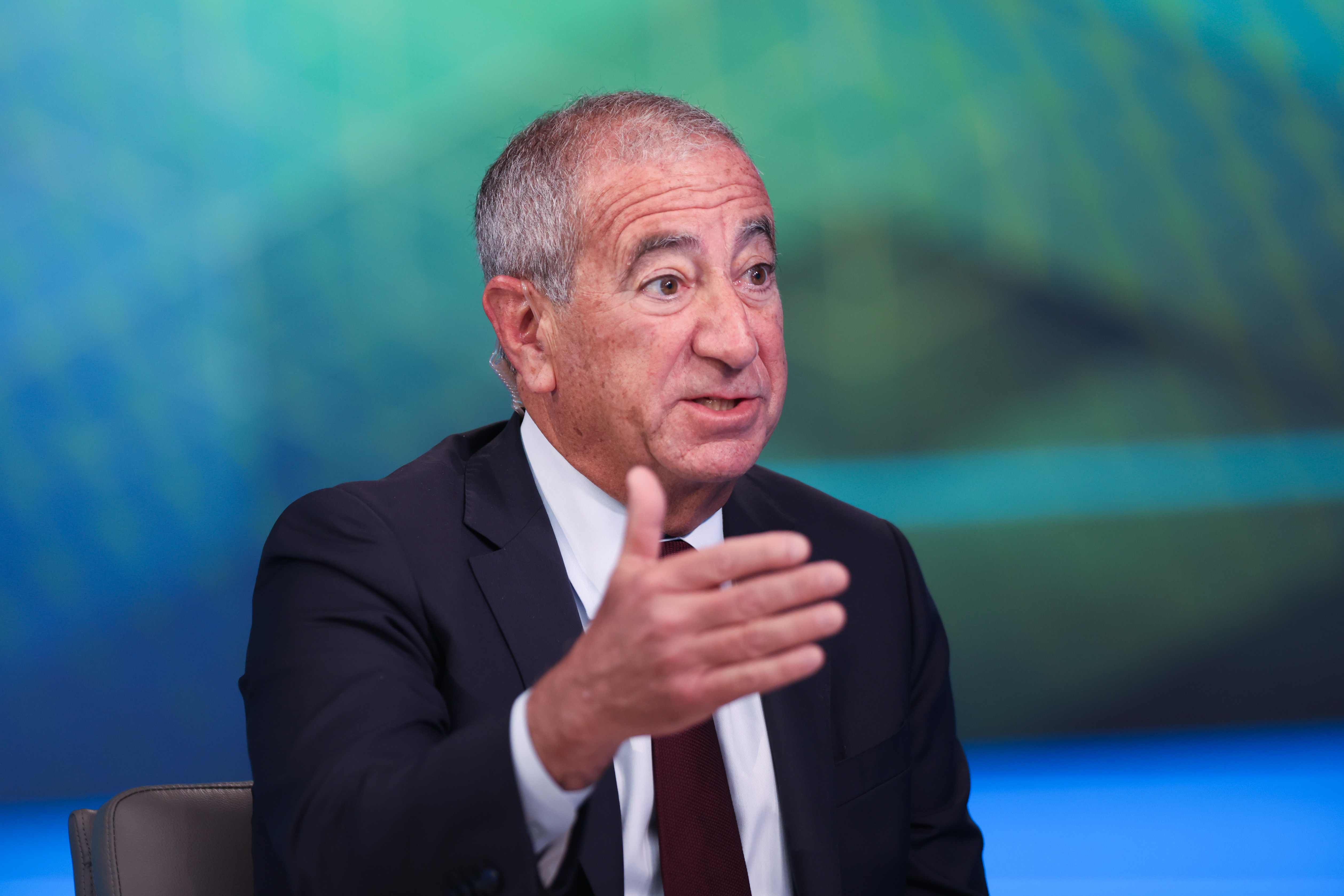
Ken Moelis, the veteran Wall Street dealmaker, predicted a golden era of prosperity across the globe, shrugging off tariff uncertainty and wars in the Middle East.
Following a surge in new listings by special purpose acquisition companies, one can’t help but worry about how astonishingly short Wall Street’s memory is. T
Wealth management firms that embrace AI chatbots and continuously refine their data strategies can stay ahead of the curve and deliver superior value to their clients.
Why are we still making high-stakes economic policy based on lagging surveys and statistical approximations? The answer lies in a system that hasn't kept pace with modern realities.
If you are considering merging or acquiring another practice, consider having each party answer some of the following questions to see where you both stand.
Just when the International Monetary Fund sees slower growth around the globe, the economy the World Bank ranks 112 out of 196 based on gross domestic product is leading everyone – with the opposite outlook.
AQR Capital Management is doubling down on a strategy that seeks to juice returns with leverage for its first new US mutual funds in four years.
One of Europe’s largest pure-play banks, which is controlled by members of Qatar’s ruling family, is expanding a partnership with BlackRock Inc. to bolster its investing services.
Froth in the red-hot private credit marketplace is creating opportunities in the world of public high-yield debt, according to George Gatch, JPMorgan Asset Management’s chief executive officer.
The United Arab Emirates has managed to thrive during global instability, drawing capital during the Arab Spring, opening up quickly during the pandemic and attracting Russian money after Moscow’s invasion of Ukraine.
President Donald Trump’s economic policies will reduce US fiscal deficits by up to $11 trillion over the coming decade, according to the White House’s chief economist — a projection at variance with independent analysis.
While private equity can deliver attractive entry points — particularly in dislocated markets — success hinges on investing with established, top-tier managers and maintaining deliberate vintage diversification.
Whether you’re breaking away from a wirehouse and going independent for the first time or looking for a greater degree of balance, there are opportunities for advisors to truly manage their practice the way they choose.
One serious risk to financial wellbeing in retirement that is difficult to talk about is financial exploitation. Someone whose cognitive abilities are declining is vulnerable to harm from both financial predators and their own financial misjudgments.
CEFs stand out due to their fixed capital structure, allowing portfolio managers to focus on long-term investment strategies without the need to manage daily inflows and outflows.
As tensions in the Middle East mounted to start the week, Wall Street strategists had a message for US equities investors: Stay calm and buy into market declines. The call looked prescient on Tuesday after President Donald Trump announced a ceasefire between Israel and Iran.
If we’ve seen the worst of the oil price shock from the Israel-Iran conflict, then another ostensible impediment to Federal Reserve interest rate cuts may have just disappeared.
Now that the Big Tech conference season is behind us, the smart money in Apple Land is saying that Chief Executive Officer Tim Cook should be preparing to open his checkbook for a huge AI deal, so apparent are the company’s shortcomings.
Investors have been waiting years for the chance to buy a stake in hedge fund Millennium Management.
In a new Siemens AG factory that makes large switchboards for data centers in Fort Worth, Texas, artificial intelligence is doing a lot of work.