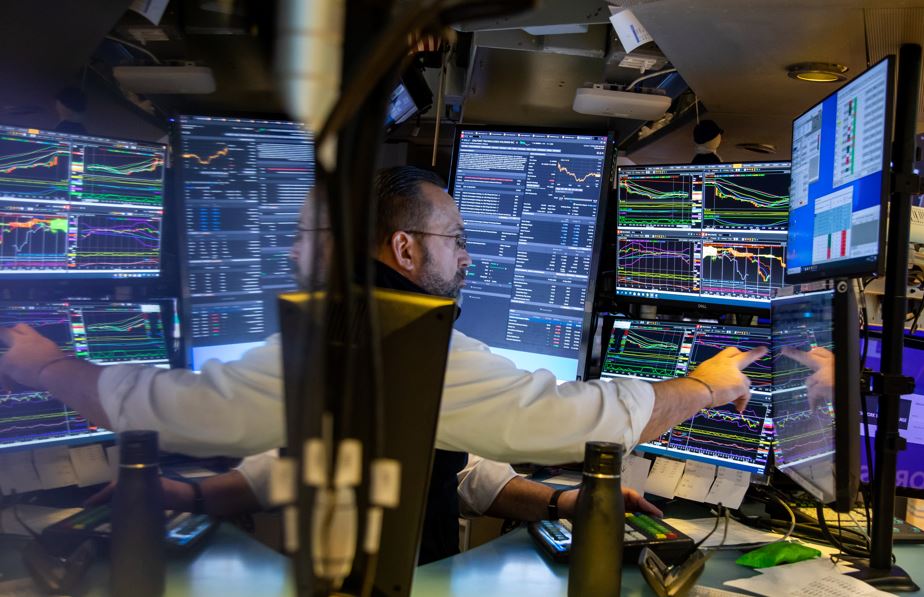
The bond-market selloff unleashed by Donald Trump’s presidential victory last week ended almost as quickly as it began.
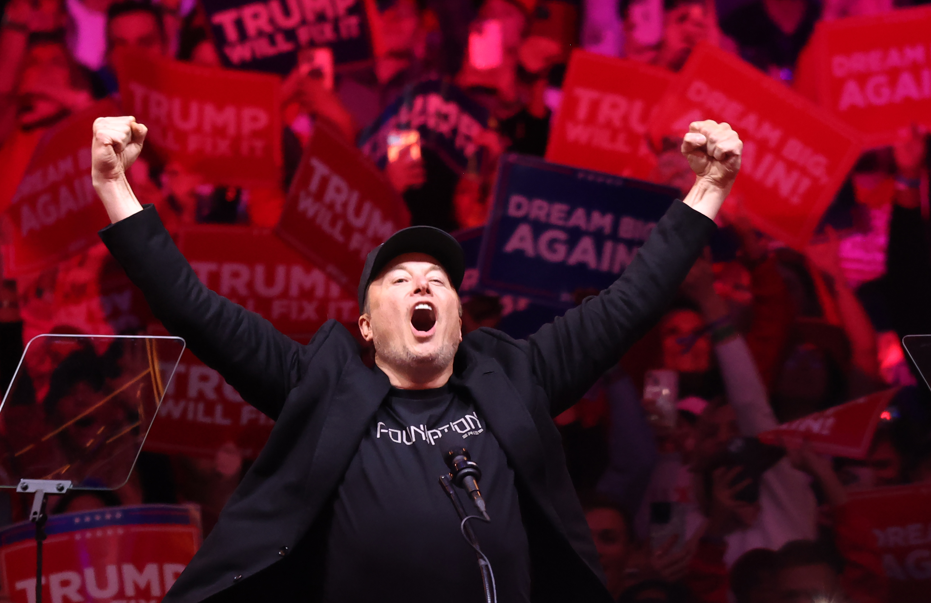
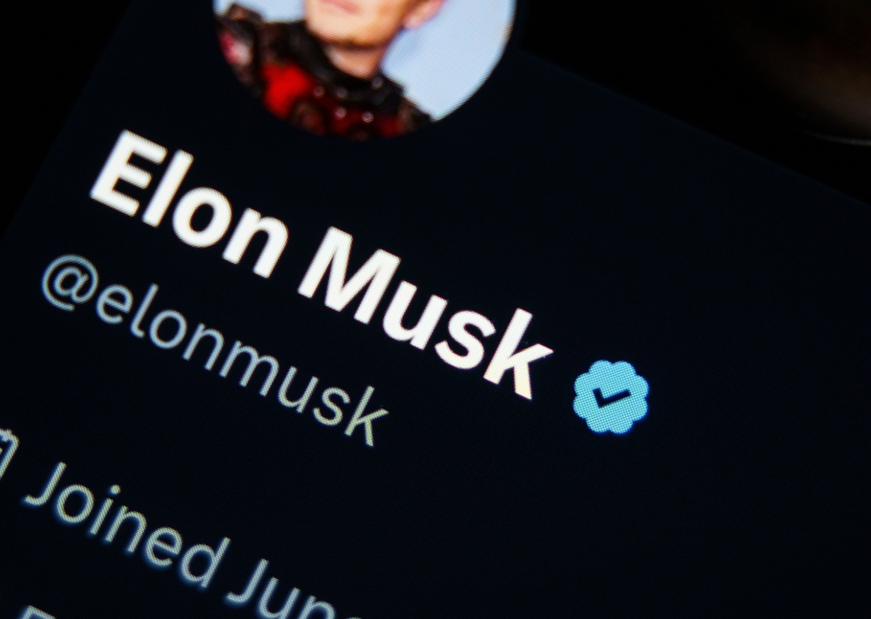
Since Donald Trump’s election win, the hedge funds clinging on to bets against Tesla Inc. have lost billions of dollars, as they feel the fallout of the special relationship between the president-elect and Elon Musk.
In the midst of grieving your loved one’s loss and making funeral arrangements, you may also be responsible for finalizing their estate, which could include inheriting real estate.
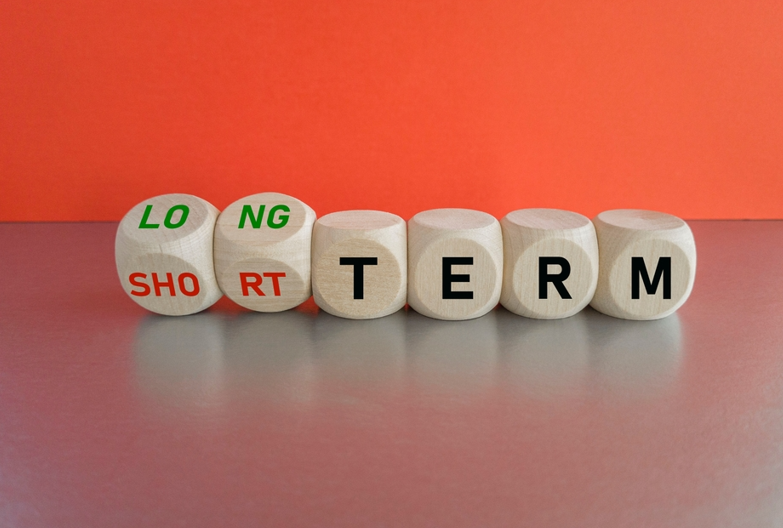
Most of the time the yield on long-term bonds exceeds that on short-term bonds, in order to compensate for the greater risk attached to long-term debt. But until recently the yield curve was inverted, with short-term rates exceeding long-term rates. This happens when investors expect interest rates to decline in the future.
In addition to better appreciating why gold is surging, our analysis will help you recognize that market narratives explaining asset price movements can be wrong, no matter how reasonable they may seem at first blush.
Donald Trump’s return to the White House is already starting to tee up a deluge of bonuses in Wall Street’s corridors of power.
Oil fell after Chinese stimulus measures disappointed speculators, but not enough to jolt prices from the narrowest trading band since July.
US companies are plowing money into building data centers as they race to get ahead in artificial intelligence.
If you’re unfamiliar with synthetic risk transfers, there’s a chance you’ll hear all about them when the next financial crisis hits. They’re the latest way for big banks to game rules designed to safeguard the system, and they’re growing fast. So far, regulators seem all but oblivious.
A few months ago, travel companies were warning that the great post-pandemic boom in consumer travel was losing steam.
Stocks rose at the end of their best week in 2024 after solid consumer sentiment data and bets that newly elected President Donald Trump’s pro-growth agenda will keep fueling Corporate America.
The collapse of Germany’s deeply unloved and dysfunctional three-party coalition offers Europe’s biggest economy an opportunity for political and economic renewal. Two important questions arise: Will Germany put aside political squabbles and grab its golden opportunity.
Here’s something that would have seemed pretty much inconceivable two years ago: According to Zillow, home prices have now risen more in New York City and its environs since the beginning of 2020 than in metropolitan Austin, Texas.
Detroit voted overwhelmingly for Vice President Kamala Harris, but investors in “Detroit” backed President-elect Donald Trump. Shares in General Motors Co. and Ford Motor Co. jumped on news of Trump’s election win, with GM reaching a new high for the year and Ford up by almost 6% on Wednesday, more than double the S&P 500 Index’s gain.
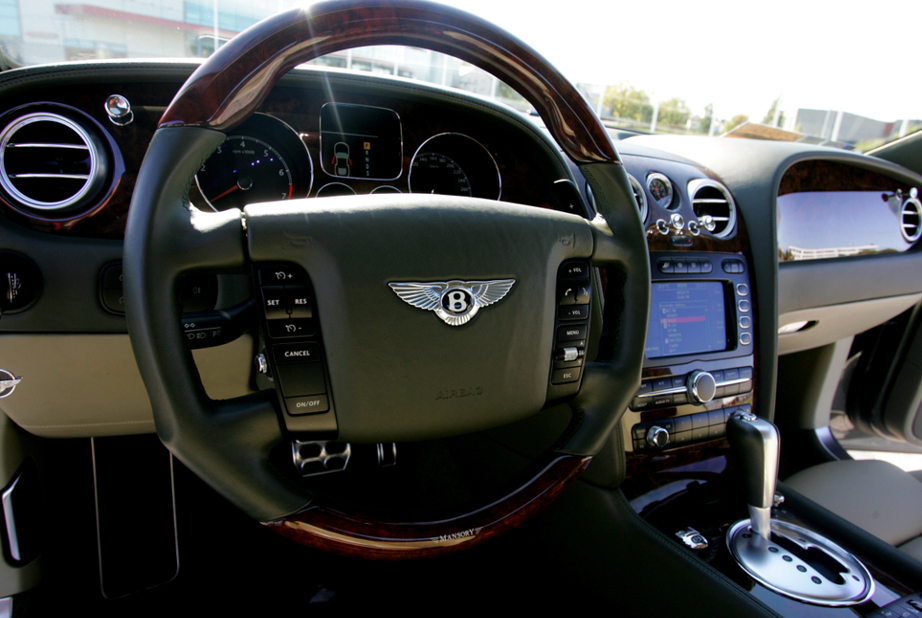
Bentley Motors Ltd. is delaying a plan to offer only fully electric vehicles by 2030 as EV sales continue to disappoint projections across the industry.
Results from tech giants largely underwhelmed this earnings season — but they included plenty of good news for Nvidia Corp.
One of the memorable moments of Nvidia Corp.’s most recent conference for developers came toward the end of the chip giant’s semi-annual event.
Cerebrospinal fluid leaks, caused by tears or holes in the spinal cord, are rare and difficult to identify. Because the symptoms aren’t uncommon — including nausea, neck pain, ringing in the ears and debilitating positional headaches — patients can spend years without a proper diagnosis. Some have been told they have allergies.
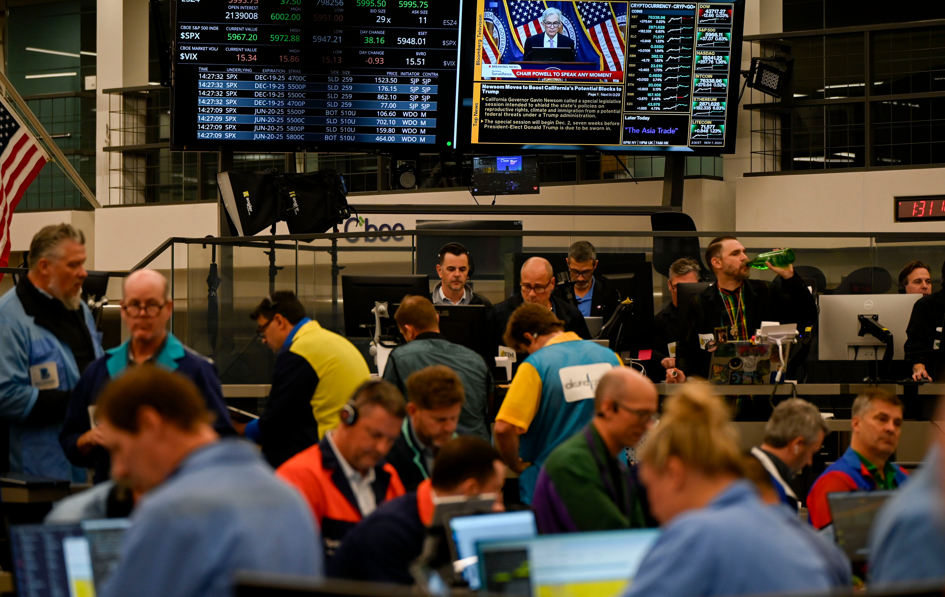
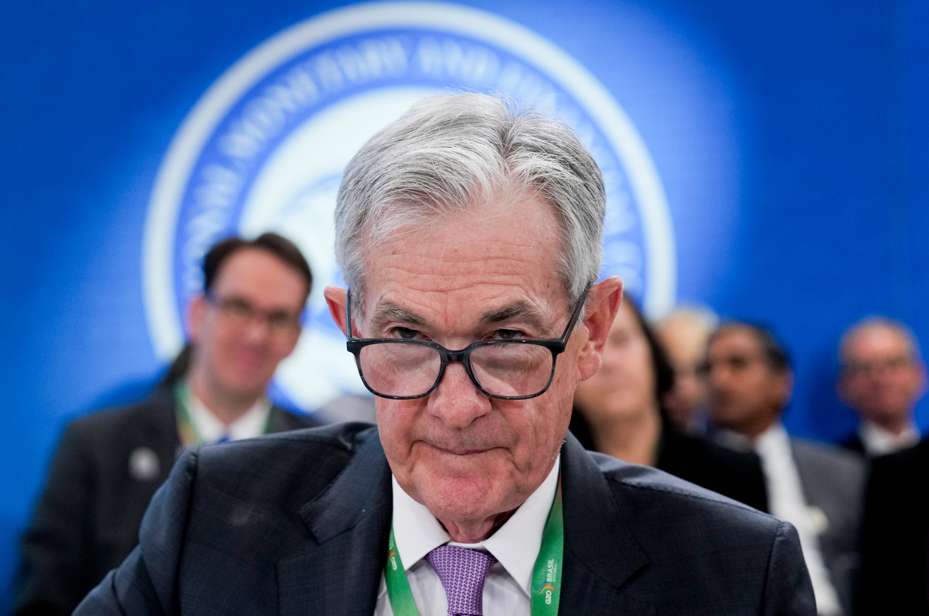
The Federal Reserve is widely expected to lower its benchmark federal funds rate by a quarter of a percentage point on Thursday to a range of 4.5% to 4.75%. The big question is how much lower the Fed might go from there during this rate-cutting cycle. The bond market suggests it won’t be as low as some expect or as low as policymakers signaled less than two months back.
Things are looking up for bonds - learn what makes them a great addition to your portfolio right now.
Humans are wired for "self-focus," but shifting to "other-focus" can help advisors build better relationships with clients.
Members of successful teams generally get along with each other. Bev Flaxington offers some insights on how to cement those relationships.
Commodities broadly declined on prospects that a stronger dollar and potential trade disputes under a Donald Trump presidency will weaken the appeal of raw materials in global markets.
At the height of summer, Europe had hoped that the coming winter would be its last difficult one to secure enough natural gas. By the middle of next year, liquefied natural gas was expected to turn into a buyer’s market, easing the squeeze the region has suffered since Russia invaded Ukraine. No longer.
The idea that money can’t buy you happiness is one of the world’s most persistent tropes. King Midas is granted his wish that everything he touches will turn to gold only to starve to death.
When Covid-19 brought the US economy to a standstill in the spring of 2020, America’s top executives called for a “national conversation” about the need for workers to return to work, warning of an “economic catastrophe” if they didn’t.
Credit risk fell in reaction to Donald Trump’s US presidential win, even though his presidency may be marred by tariffs and possible trade wars.
Tech adoption by advisors can improve client relationships, but they need to find the right tools.
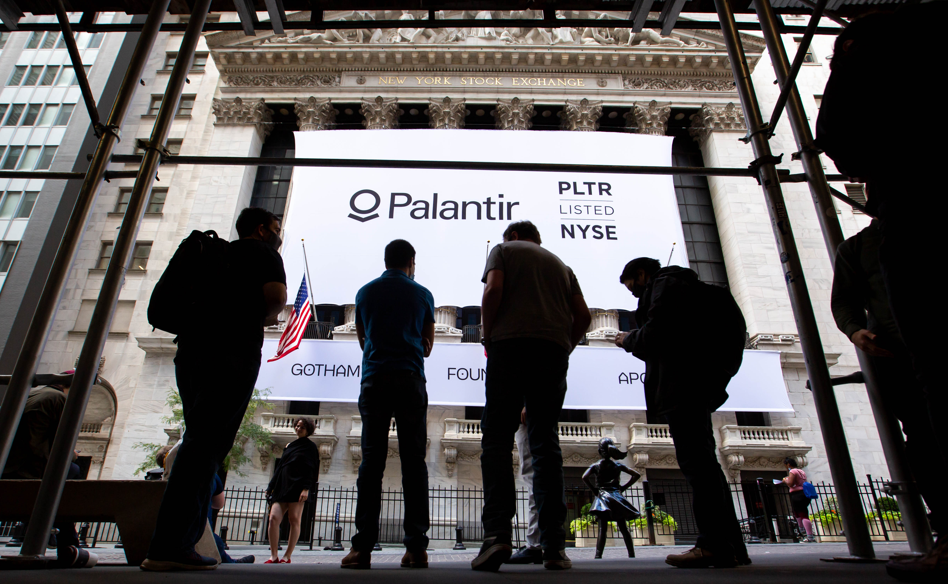
Palantir Technologies Inc.’s premium valuation will be put to the test when the data analysis and software company reports results after the market close on Monday.
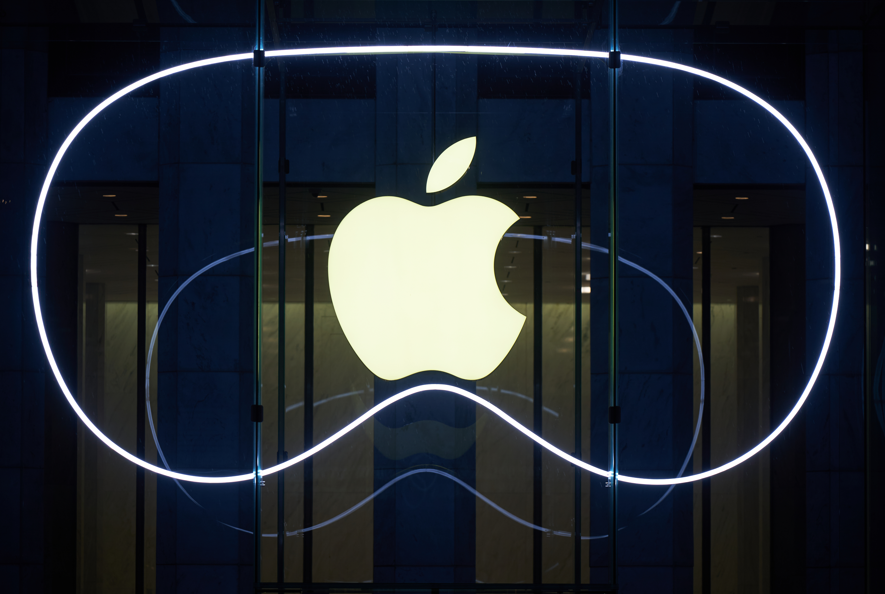
Apple Inc. is exploring a push into smart glasses with an internal study of products currently on the market, setting the stage for the company to follow Meta Platforms Inc. into an increasingly popular category.
Treasuries fell as a strong report on services ahead of Thursday’s Federal Reserve interest-rate decision added to volatility around the US election.
US exchange-traded funds investing in Bitcoin recorded their highest daily net outflow to date as markets brace for Election Day.
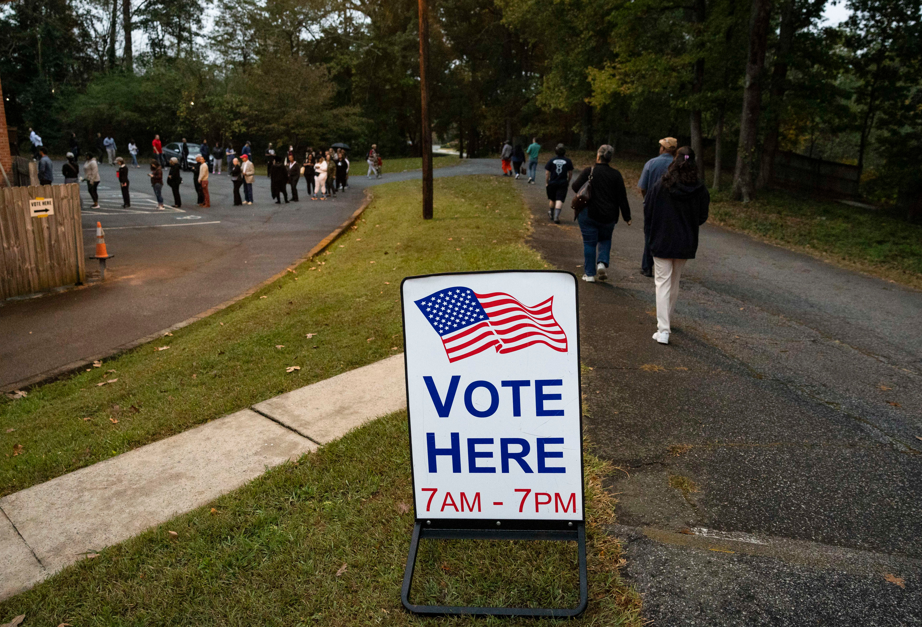
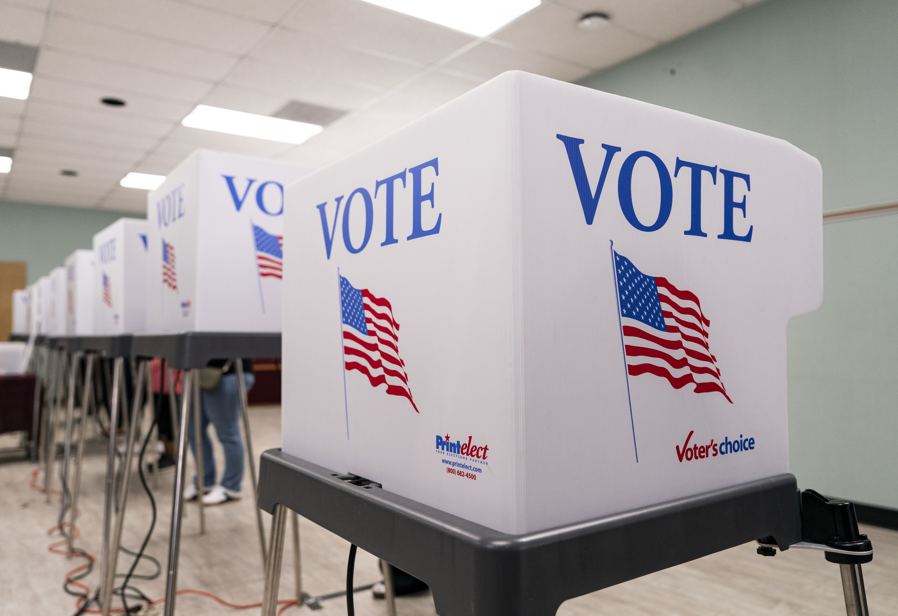
The 2024 presidential campaign was marked by two assassination attempts, a candidate switch, divisive rhetoric and warnings about the fate of democracy. And that may have only been the beginning.
Next-generation investors are looking for more than just traditional portfolio managements, and advisors should look to meet those expectations.
A visit to the annual Bogleheads conference got Elm Wealth's Victor Haghani thinking about static vs. dynamic asset allocation.
Consistent communication through market events is vital for advisors concerned about client retention.
Politicians often promise to cap prices, but success is unlikely and would result in worse outcomes.
After driving Treasury yields higher for weeks, traders are taking chips off the table before the US election, reluctant to take bold bond bets with the presidential race too close to call.
The age of a typical homebuyer jumped to an all-time high of 56 in the US, with many young people locked out of the housing market while older owners tap their accumulated home equity for cash purchases or to make large down payments, according to a report.
Treasury yields fell sharply and the dollar weakened as investors pared bets on Republican Donald Trump prevailing in Tuesday’s US election.
RIAs should consider becoming more like VC firms by adopting the principles that govern them.
Stocks struggled for direction, bonds rose and the dollar fell, with polls continuing to depict a tight race in the US presidential election ahead of the Federal Reserve decision.
Ryanair Holdings Plc cut its passenger growth target for next year because of delivery delays from aircraft supplier Boeing Co.
Protect yourself with Treasury Inflation Protected Securities (TIPS), precious metals, certain real estate like farmland, and other real assets.
Legendary investors Paul Tudor Jones and Stan Druckenmiller are short bonds. You might want to carefully consider the data before you follow their lead.
Bill Bernstein digs into a book that follows the complicated history of Elon Musk's chaotic acquisition of Twitter and its subsequent transformation into X.
Intel Corp. and Samsung Electronics Co. have shed a total of $227 billion in market value this year on their lack of leadership in artificial intelligence.
Amazon.com Inc. reported strong results that showed a company humming on all cylinders, a testament to its efforts to cut and reallocate costs and put the cloud computing and e-commerce giant on sounder footing.
Three months ago, Wall Street punished the world’s largest technology firms for spending enormous amounts to develop artificial intelligence, only to deliver results that failed to justify the costs.
Investors who’ve been hedging against a deeper selloff in US Treasuries are preparing for volatility as Friday’s hurricane- and strike-tinged US employment report offers final clues ahead of next week’s Federal Reserve policy decision.