Today, I’m going to share stories about my best and worst investment decisions. Don’t worry, this isn’t just a brag-and-cringe session about making or losing money. These stories are about the valuable lessons learned, and how these adventures in investing helped shape my current approach.
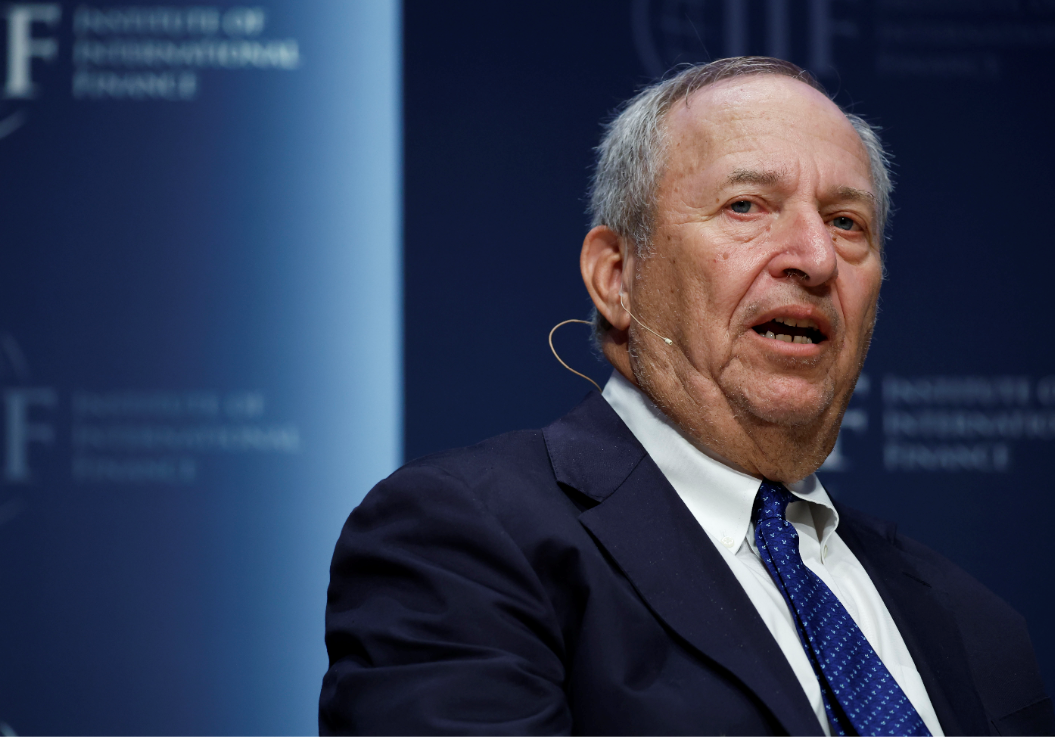
Former Treasury Secretary Lawrence Summers said inflation will probably prevent the Federal Reserve from lowering interest rates as much as expected in coming years.
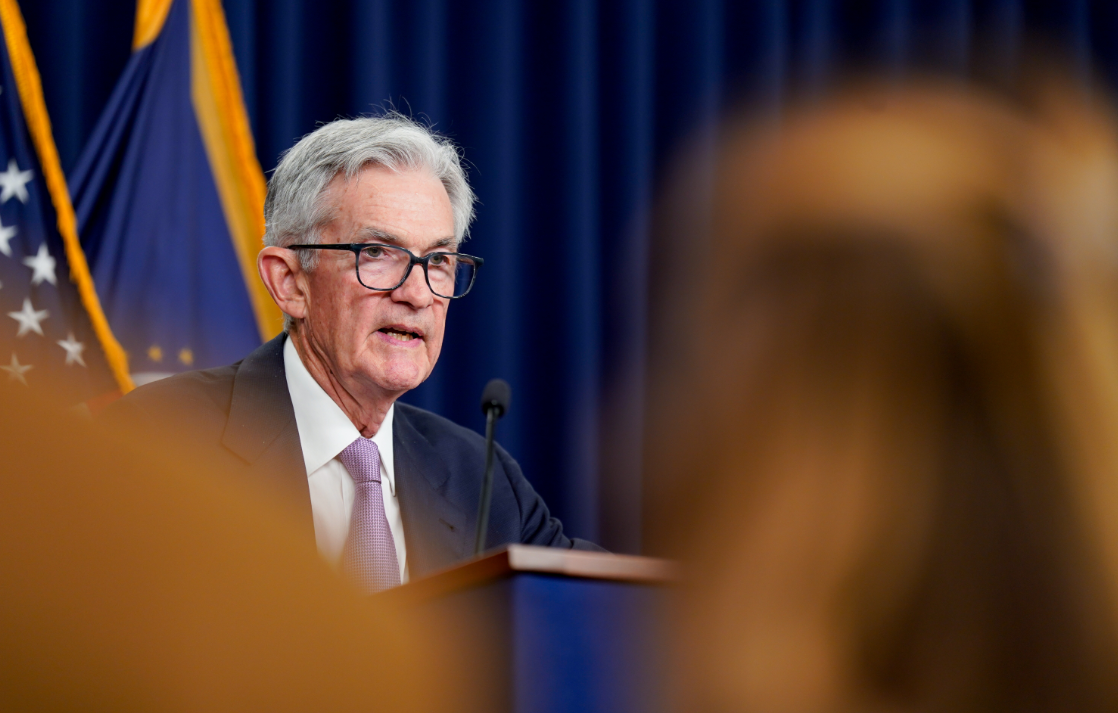
Jay Powell: Federal Reserve Chair, soft-landing pilot … car dealer extraordinaire?
It’s understandable that bank regulators, facing zealous industry opposition, are retreating from their effort to require the biggest lenders to fund their assets with more equity. After all, there hasn’t been a major blowup in 18 months and the banks insist they have more than enough capital.
Earlier this month, OpenAI released its most-advanced models yet, saying they had the ability to “reason” and solve complex math and coding problems. The industry-leading startup, valued at some $150 billion, also acknowledged that they raised the risk artificial intelligence could be misused to create biological weapons.
Americans might be forgiven for basking in self-satisfaction when it comes to the economy. The country’s most prominent CEO, Jamie Dimon, has called the country’s boom “unbelievable,” and its most stimulating magazine, The Atlantic, has dubbed it a “superstar.”
The rise of artificial intelligence has reordered the American stock market, pushing the likes of Nvidia Corp. and other chipmakers into the upper echelons. There’s one storied corner, though, where the changes wrought by AI haven’t shown up: the Dow Jones Industrial Average.
Wall Street’s biggest banks are divided over how fast and deep the Federal Reserve will cut interest rates over the next year, setting the stage for jittery financial markets until the outlook clears.
Millions of Americans are falling behind on student loan payments a year after the pandemic freeze ended – and soon that will start hurting their credit scores.
The owner of the shuttered Three Mile Island nuclear plant in Pennsylvania will invest $1.6 billion to revive it, agreeing to sell all the output to Microsoft Corp. as the tech titan seeks carbon-free electricity for data centers to power the artificial intelligence boom.
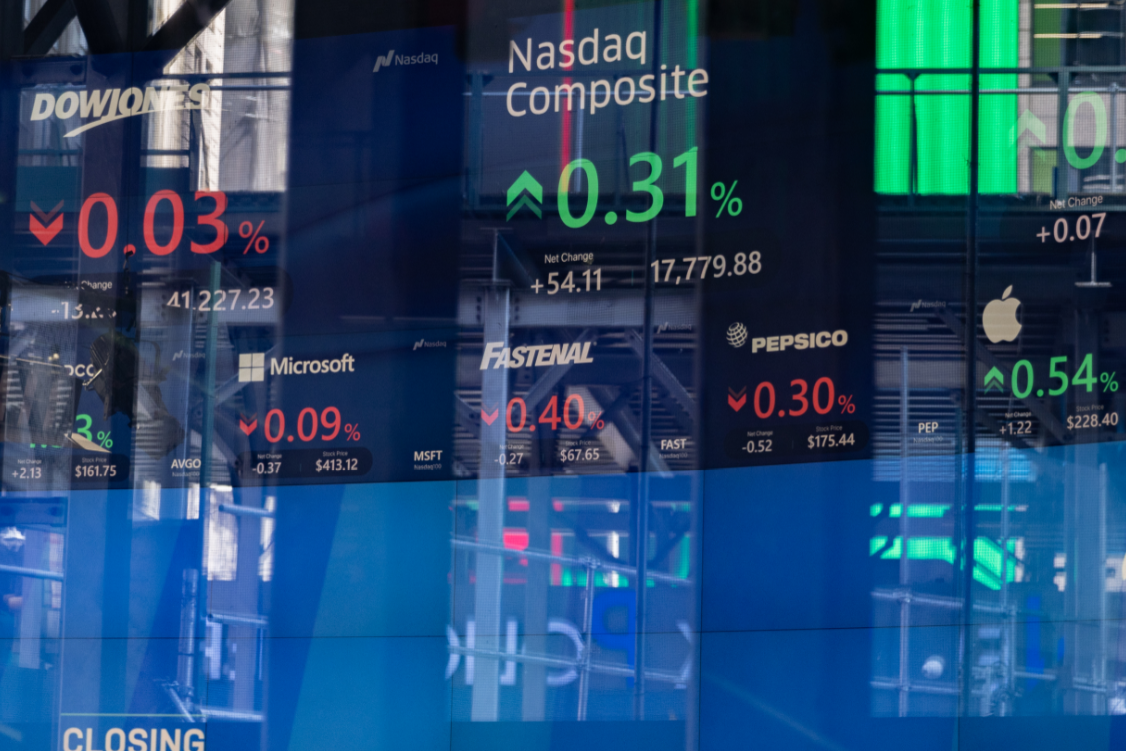
An action-packed week on Wall Street ends with a bang as index-tracking funds are set to reshuffle $250 billion of shares, just as a “triple witching” trading event hits.
An ETF that just last month was dubbed the most volatile to ever hit Wall Street has already been upstaged, after the debut of a competing product that adds even more leverage.
In the long-running popular series about what’s wrong with economics, there is a new entry: Our profession is too insular. “Economists generally agree that competition is good, and that markets with only a few dominant players are inefficient,” writes the economist David Deming in the Atlantic. “We may need to take a hard look in the mirror.”
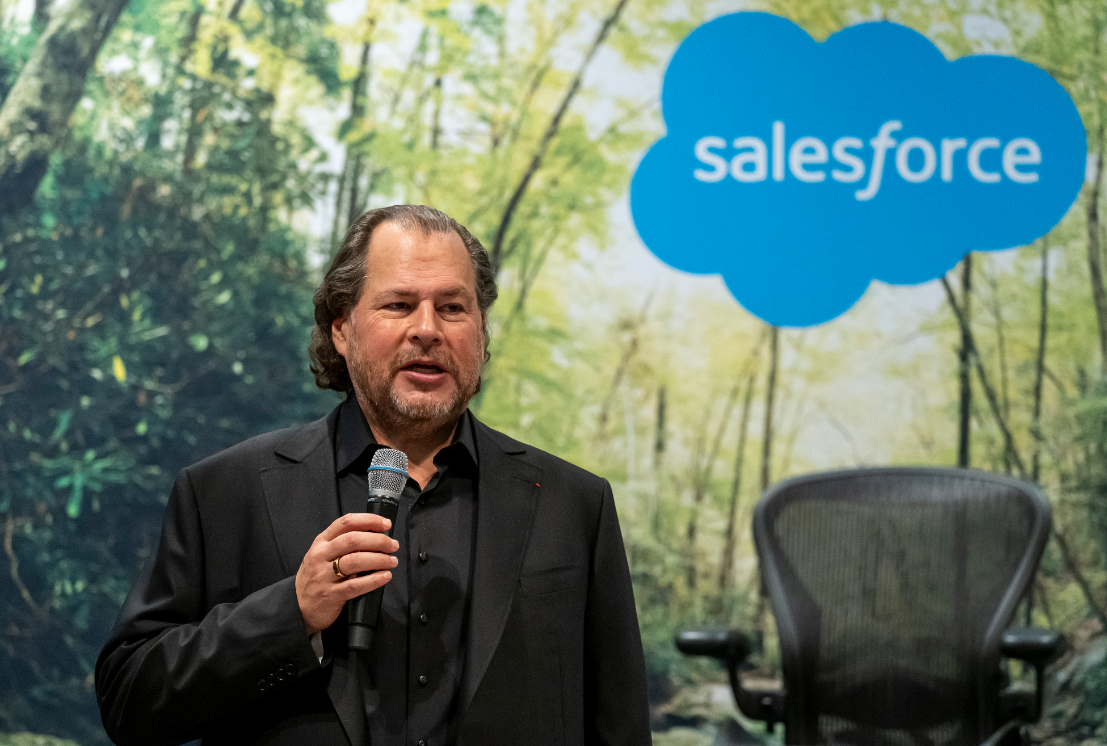
In the frothy business of selling artificial intelligence service, Salesforce Inc. has been punching above its own weight. “Salesforce?” I hear you wonder. The folks in the dull business of selling customer relationship management software?
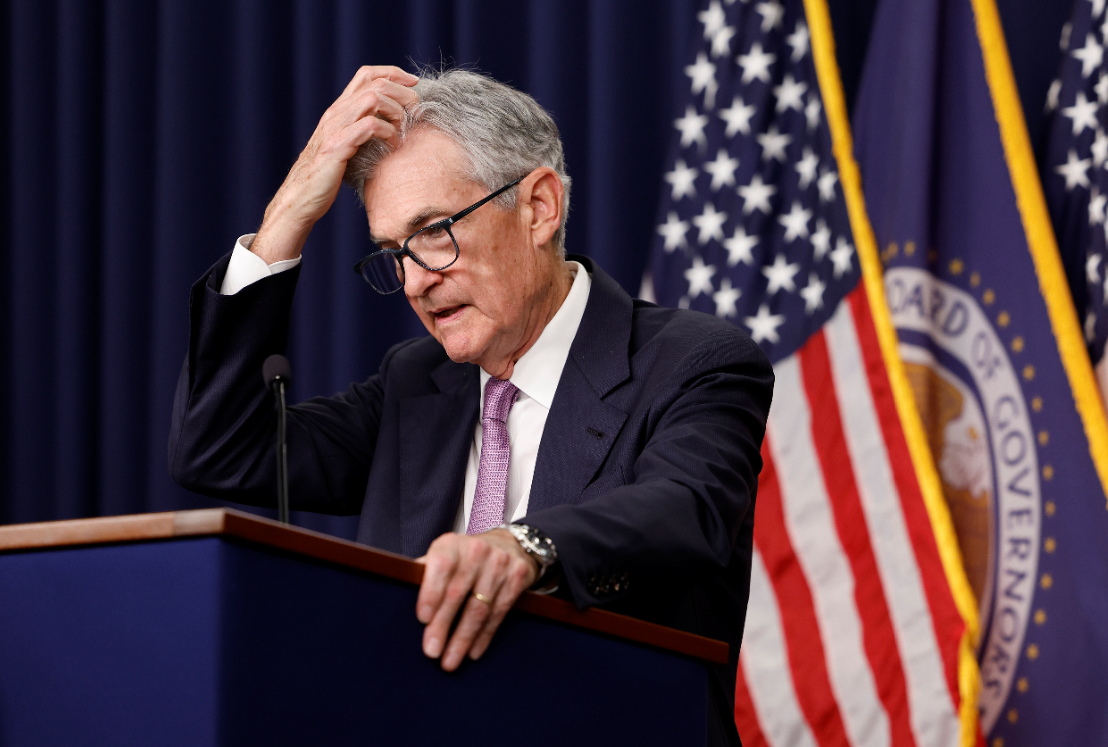
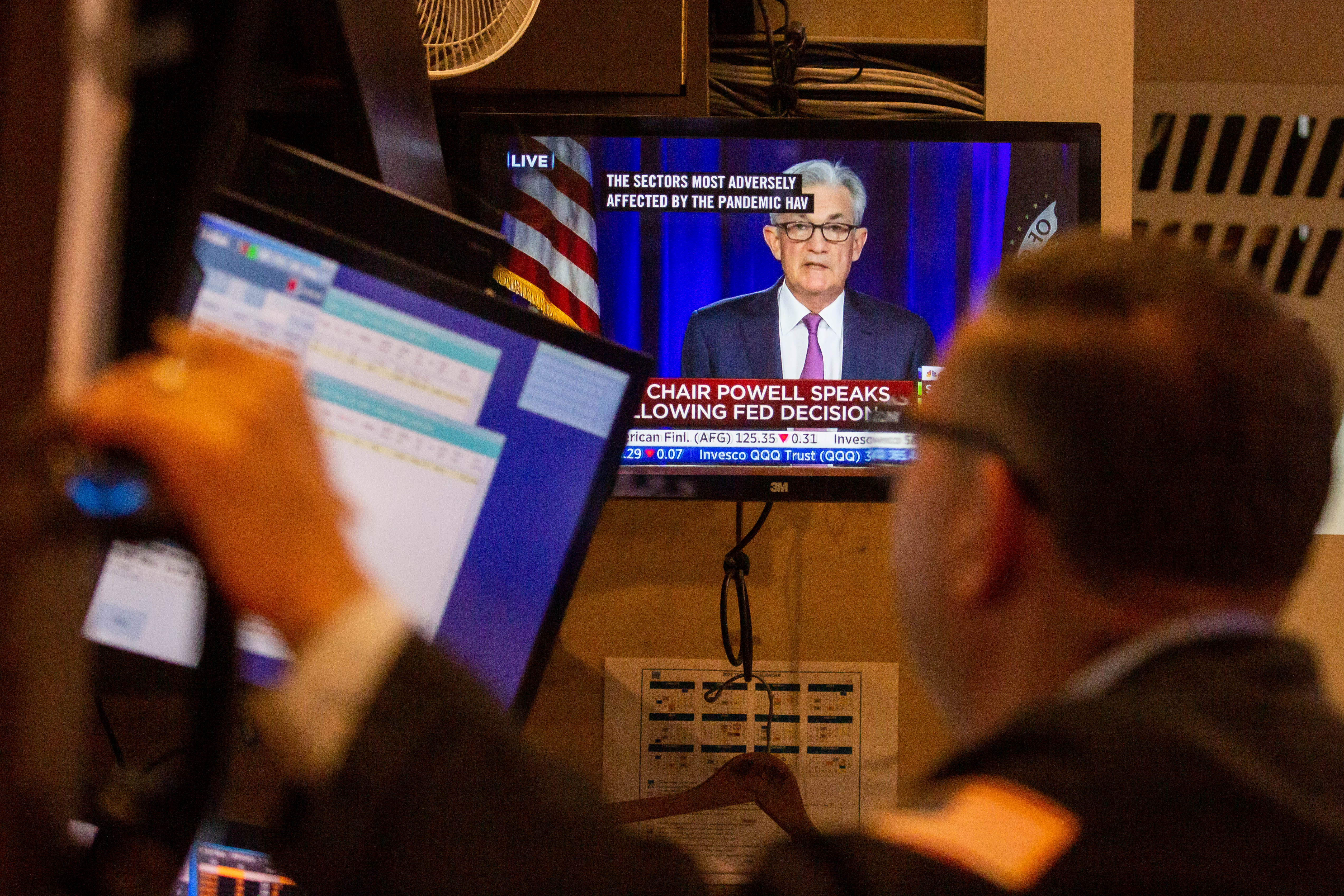
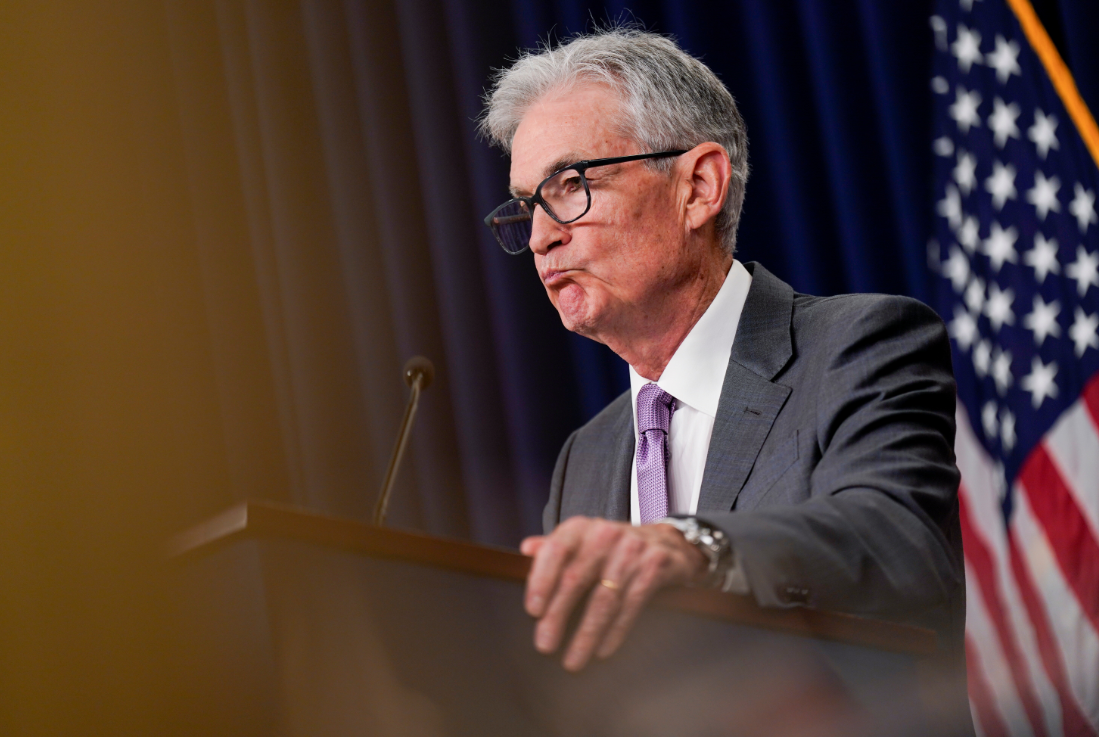
The Federal Reserve on Wednesday began its policy easing with a bang. Much of the focus was on its decision to cut interest rates by half a percentage point from a two-decade high. But the key question for the bond market is where rates will land once all is said and done. Nobody knows for sure, and Chair Jerome Powell injected enough uncertainty to ensure a choppy ride ahead.
Just as Wall Street traders come to grips with the Federal Reserve’s interest-rate cut, Friday’s US options expiration threatens to whipsaw the market some more.
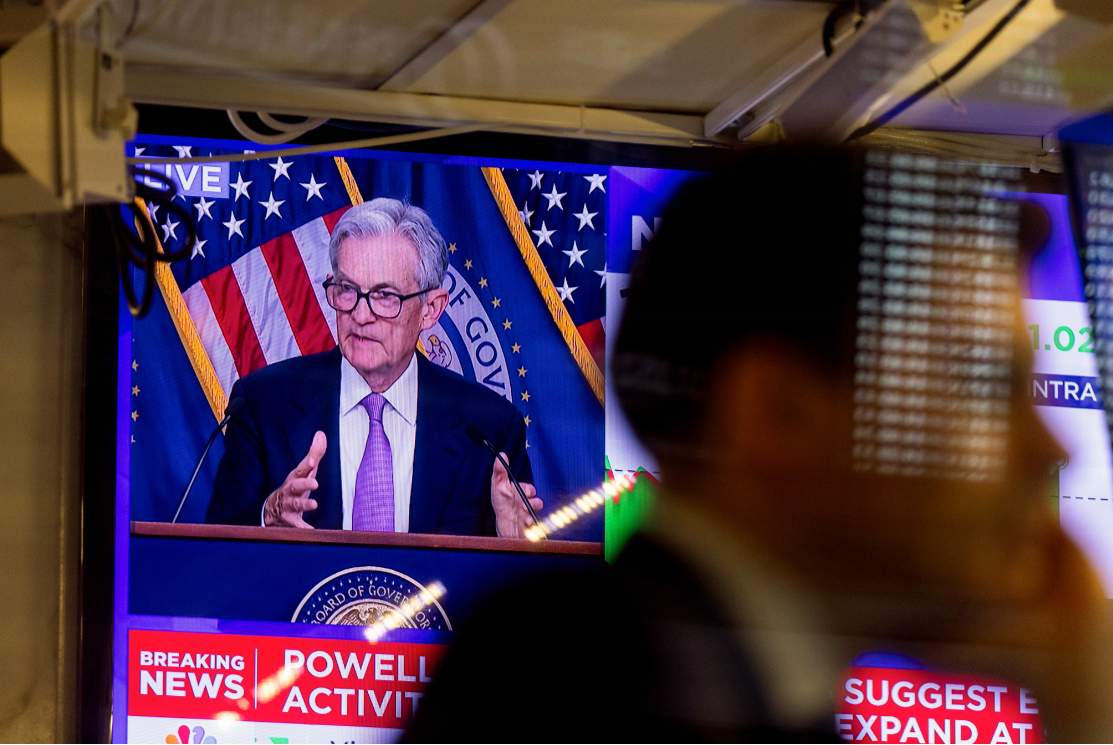
Jerome Powell delivered exactly what traders up and down Wall Street had long hoped for: A big interest-rate cut that would justify this year’s steep rally in stocks and bonds as the era of tight monetary policy finally began to reverse.
It doesn’t take away from one’s success to share things that are troubling in order to deal with them differently and perhaps find another way. While you want to be careful, of course, about to whom you share your secrets or your inner feelings, you don’t want to bottle them up indefinitely.
Aligning a client’s values with their financial decisions is often touted as a best practice for financial advisors. It’s time to reexamine that premise.
Marketing is an ongoing evolution – a living conversation with your ideal clients – so the opportunity to level-up is omnipresent (and part of what I love in my work).
A client recently refused to complete my risk tolerance questionnaire. After looking through our instrument, with its fairly standard hypotheticals about market movements and portfolio returns, they said, “That’s not how I think about risk.”
The size of the Federal Reserve’s interest rate cut this week won’t be a game changer for global investors, though risks from China’s slowdown continue to weigh on their minds, according to participants at a regional forum.
The Federal Reserve’s looming rate cuts are fueling a rally in the riskiest corner of the US corporate bond market, but some investors are concerned the party may not last.
The price increments at which thousands of stocks and ETFs are quoted look set for an overhaul Wednesday, when the US Securities and Exchange Commission votes on final rules to reduce them to less than 1 cent.
The Federal Reserve is widely expected to begin cutting interest rates this week as moderating inflation allows the central bank to roll back some of its previous rate increases. I expect that some investors will be tempted to chase stocks given the stubborn conventional wisdom that interest rates and stock prices move in opposite directions. They should reconsider.
It might just be the most audacious bid on Wall Street to exploit newfangled AI tools to mimic the legends of finance.
The $8 trillion mortgage market can trigger big swings across fixed income when the Federal Reserve shifts interest rates, but investors say this time is different.
Vanguard, one of the world’s biggest asset managers, is buying the dollar this week on the view that market bets on Federal Reserve interest-rate cuts are overdone.
The term “Complexity Curve” refers to the growing intricacies that come with managing the wealth of high-net-worth individuals. As their assets grow, so do the complexities of their financial portfolios. This includes everything from business ownership and large qualified plans to complex estate planning issues.
For most advisors, using persuasion to get prospects to see things their way is a deeply held belief. It was taught by the old guard “sales gurus” for many years.
Christine Benz is Morningstar’s director of personal finance and retirement planning, but she’s written a book that evokes Viktor Frankl as much as Bill Sharpe, aiming to go well beyond the mathematics of saving for, and living in, retirement.
When buying or selling an RIA practice, one of the most important documents you'll encounter is the Asset Purchase Agreement (APA). This agreement is like the foundation of the deal, spelling out exactly what is being bought or sold, how much will be paid, and the responsibilities of both parties.
Alphabet Inc. shares have been struggling for the past two months amid mounting regulatory uncertainty. For some bulls, that’s a buying opportunity.
The new thing in electricity is datacenters. The new new thing is … coal?
Microsoft Corp. raised its quarterly dividend 10% and unveiled a new $60 billion stock-buyback program, matching the size of a repurchase plan three years ago.
Investors piled money into exchange-traded funds that buy emerging-market bonds on Friday amid optimism that developing-nation debt will get a boost from a highly anticipated Federal Reserve rate cut this week.
There’s a puzzle developing in the housing market — mortgage rates have fallen rapidly to their lowest level since early 2023, but would-be homebuyers don’t seem to care. It’s possible this is just a timing issue with rates falling during the slow season for transactions and election jitters giving buyers additional reason to hold off.
Despite these positive developments, many people continue to feel uneasy about the economy.
I have looked at market data on inflation expectations, Fed Funds futures, and other factors that influence interest rates. Today, I add an unorthodox factor to the list: cash cows.
The money manager who hasn’t cracked open the Journal of Finance, Journal of Financial Economics, Journal of Portfolio Management, or Financial Analysts Journal for the past few years probably hasn’t lost any steps.
Bond traders once again see Federal Reserve policymakers as more likely to cut interest rates by a half point than a quarter point at their meeting this week.
Investors are adding to their fixed income exposure as imminent interest rate cuts create opportunities, according to Emmanuel Roman, chief executive officer of Pacific Investment Management Co.
BlackRock Inc. strategists turned underweight short-dated US Treasuries from overweight, saying the extent of Federal Reserve interest-rate cuts the market is betting on is unlikely to pan out.
Perhaps it’s unsurprising that Donald Trump and Kamala Harris are saying nothing about the country’s biggest economic-policy challenge – namely, how to rein in public borrowing. With an election to win, they’d rather emphasize lower taxes and/or higher public spending.
The US Federal Reserve faces a crucial decision at its policy-making meeting this week: Ease off slightly on monetary restraint with a 25-basis-point interest-rate cut, or go for a rare 50-basis-point cut to fend off a recession.
Consumer staples are one of the sleepiest sectors of the US stock market. Investors buy them for their low volatility and generous dividends, not exhilarating upside potential. But lately, toothpaste, bleach and certain big-box food retailers seem to be acting like the new semiconductors.
China’s bond traders defied signs of intervention to push sovereign yields to a record low, setting the stage for a showdown with authorities seeking to tame the blistering debt rally.
“Fracking” is an expletive in environmental circles. Yet the spirit of shale is creeping into a business with transformational potential for the energy transition. Schlumberger NV, the industrial giant best known for sucking oil and gas from shale, the seabed (and other places besides), this week announced a breakthrough in direct lithium extraction, or DLE.
Japan's currency is enjoying an epic rally, heading for the biggest quarterly advance in years. That's quite a shift from a few months ago, when yen bulls were few and far between. Who can claim credit for this turnaround?
OpenAI Chief Executive Officer Sam Altman and Nvidia Corp. CEO Jensen Huang met with senior Biden administration officials and other industry leaders at the White House, where they discussed steps to address massive infrastructure needs for artificial intelligence projects.