MegazoneCloud Corp. has selected firms including a unit of JPMorgan Chase & Co. to help it kickstart an initial public offering that could value one of Asia’s biggest cloud and AI services companies at several billion dollars.
Tesla Inc. shares are set to extend gains for an eighth consecutive session on Friday, putting the stock of the world’s most valuable automaker on track to turn positive for the year.
US Treasuries gained, pushing yields lower, after a mixed report on the US labor market left traders holding tight to bets that Federal Reserve officials will lower interest rates this year.
In trying to block China’s climb up the ladder of technological sophistication, the US may inadvertently be giving its rival a hand up.
US hiring and wage growth stepped down in June while the jobless rate rose to the highest since late 2021, bolstering prospects that the Federal Reserve will begin cutting interest rates in coming months.
Ever since Rishi Sunak’s rain-sodden announcement to call a general election on July 4, one question has hung over British politics: Will Labour win by a landslide or just a regular majority?
A US-led effort to gradually disconnect trade ties with China, rising costs, and a broader understanding of the need to diversify production is driving manufacturers to invest in alternative locations.
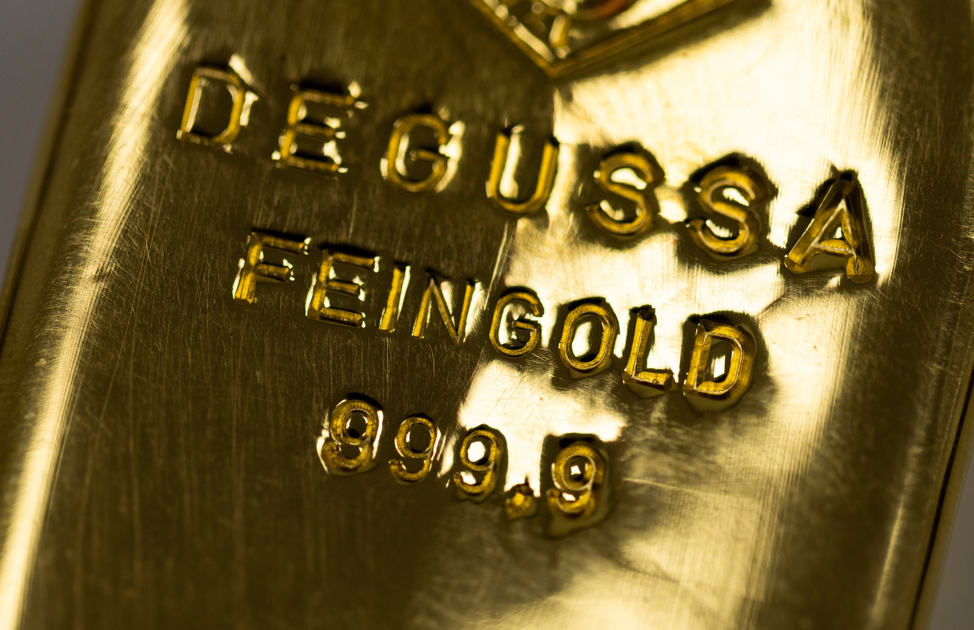
Gold headed for a back-to-back weekly gain on expectations that the Federal Reserve will trim interest rates before year-end, with traders looking ahead to US payrolls data for the next batch of clues on the outlook.
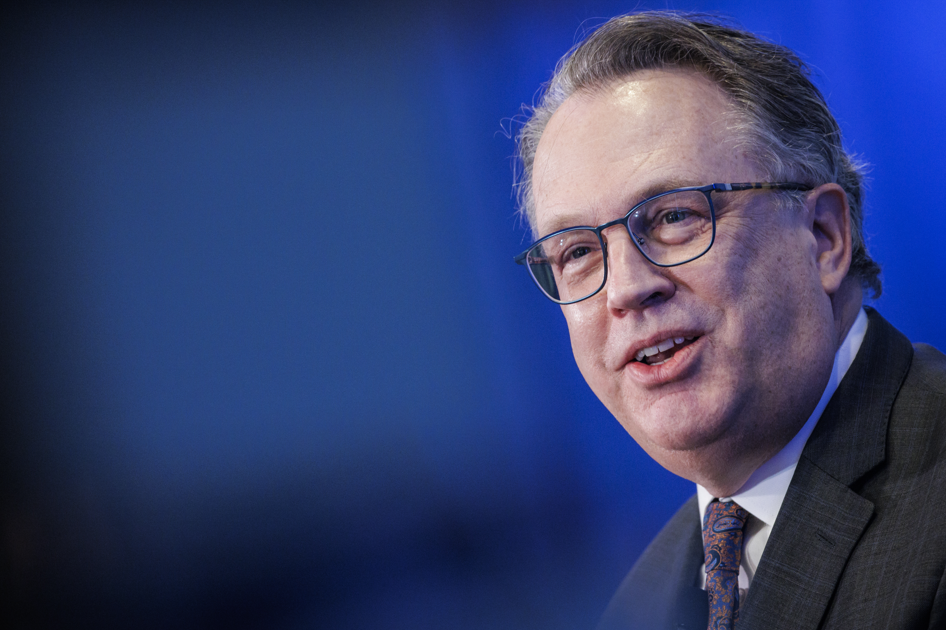
Federal Reserve Bank of New York President John Williams said that while inflation has cooled recently toward the Fed’s 2% target, policymakers are still some distance from their goal.
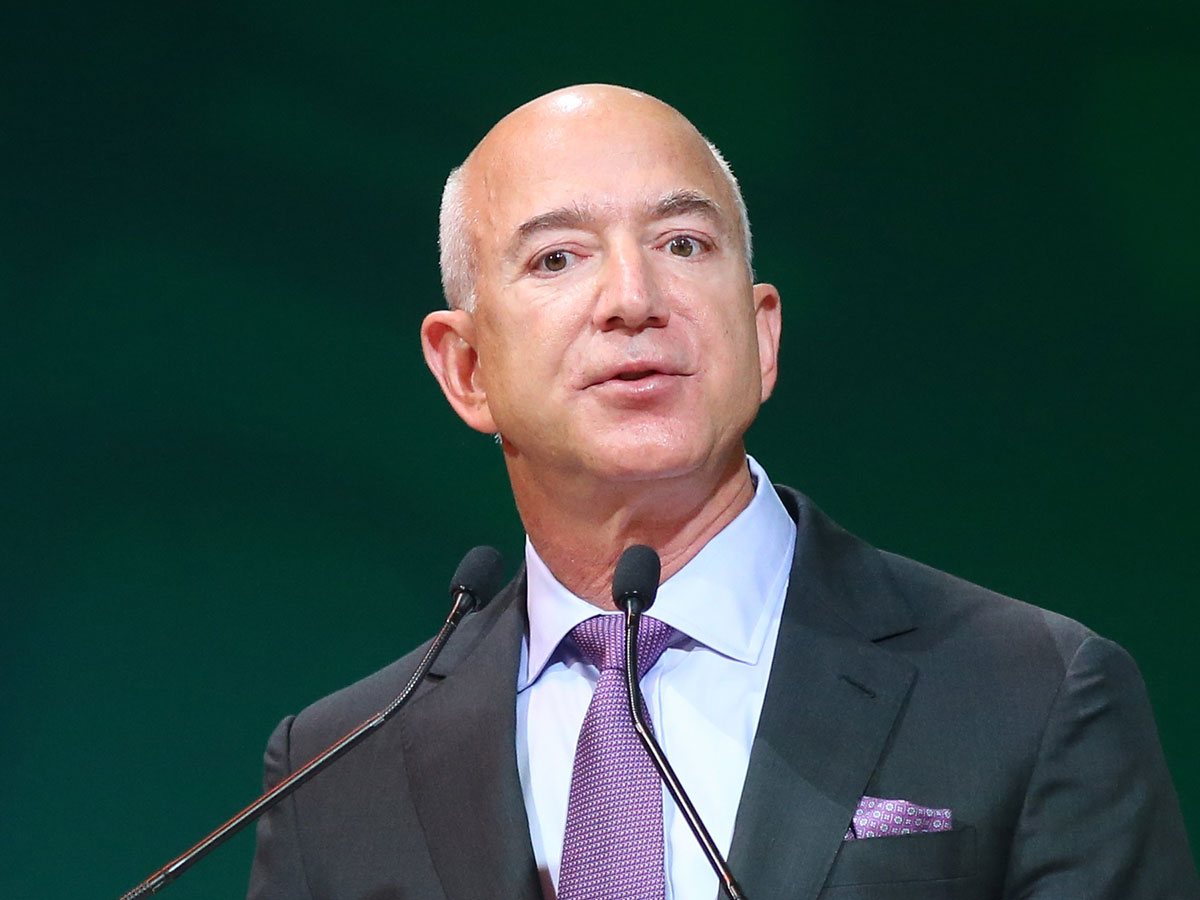
Jeff Bezos disclosed a plan to unload 25 million additional shares of Amazon.com Inc. worth $5 billion on the day the stock hit a fresh record.
As promised, the European Commission is getting tough on big tech. Buoyed by what it sees as the successful implementation of the General Data Protection Regulation, or GDPR, regulators are now going full tilt with their feistier legislation on anti-competitive behavior and improper use of personal data.
The dearth of private equity deal-making has been a nightmare for big investment banks used to getting 20% to 30% of their total advisory revenue from the industry.
My financial education didn’t have the most auspicious start. I suppose I was lucky that in high school I had a class on basic investing and finance.
Asset managers are optimistic that the SEC will greenlight the first US ETFs that invest directly in Ether as soon as mid-July, saying the back and forth with the regulator remains constructive.
Tesla Inc. is, according to its promoters — very much including Chief Executive Elon Musk — an artificial intelligence giant trapped in a carmaker’s body. That much was evident from quarterly sales and production numbers, and the market’s reaction to them, on Tuesday morning.
In many situations, my clients will tell us they hear “crickets” when they ask for feedback. In large forums many people are simply uncomfortable bringing things up.
Unlocking your practice's full potential involves strategic planning and a comprehensive understanding of these critical factors. Whether you’re planning an exit or aiming for growth, these insights will help you maximize your practice's value.
Financial advisors can future-proof their businesses and maintain their relevance in an increasingly tech-driven world by combining human expertise with AI’s efficiency and analytical prowess.
Financial giants from Goldman Sachs & Co. to Morgan Stanley and Barclays Plc. are taking a fresh look at how a Donald Trump victory in November could play out in the bond market.
Bridgewater Associates is launching a fund that uses machine learning as the primary basis of its decision-making.
Federal Reserve Chair Jerome Powell said the latest economic data suggest inflation is getting back on a downward path, but added officials would like to see more evidence before lowering interest rates.
Economists and some Federal Reserve officials are increasingly on alert that pain could be on the horizon for American workers amid signs the labor market is losing steam.
Hedge funds were once the hottest investment around, but they’ve long ceded the spotlight to better performers, including private assets, real estate, technology startups and even cryptocurrencies.
How alternative can you get? Historically, conventional fund managers have dealt with the threat from private equity and hedge funds by creating or buying alternative investment funds of their own.
To protect your investments and ensure they retain their value over time, you must implement proactive strategies that combat the effects of inflation. In this article, we discuss seven strategies to help shield your investments from inflation’s impact.
The years-long parade of freedom-seeking advisors out of the wirehouses continues unabated. Meanwhile, consolidation of RIA firms, driven by private equity’s hot money, has similar momentum. Are these trends on a collision course?
The intention of making the sale in one meeting, not over a series of meetings, is the sales mindset shift that’s required for you to succeed in today’s business environment.
In this article, I will explore the key considerations for investment advisors when selling a minority interest in their firms to maximize the likelihood of success. I discuss how to choose the right investor, provide a blueprint for the process.
How safe is your IRA? Not from economic ups and downs, but from your own vulnerability to scammers? While financial scams are often perceived as targeting senior citizens, younger generations are equally susceptible.
For married couples, typically those who have a high net worth, a Spousal Limited Access Trust (SLAT) could be an efficient wealth-preserving strategy. These irrevocable trusts allow one spouse to transfer assets such as cash, marketable securities, real estate, and life insurance, to a trust that benefits the other spouse.
Cathie Wood, CEO/CIO of Ark Investment Management, (in)famously predicted that her firm’s strategies could see a 40 percent annualized return over the subsequent five years. That prediction rounded the halfway pole and is now headed home, so this seems like a good time to check in on how it is faring
In this piece, I demonstrate that small-cap equities become increasingly attractive for investors with longer investment horizons.
With crypto going mainstream, it’s important that advisors understand the pros and cons of including crypto in a portfolio.
BlackRock Inc. will acquire private capital database provider Preqin for £2.55 billion ($3.2 billion) in cash, as the world’s largest money manager accelerates its push to become a major player in alternative assets.
Shares of the largest US companies are moving wildly out of sync, creating a sense of calm in the S&P 500 Index not seen in years. But it’s a different story when it comes to the rest of the market.
Tesla Inc. is expected to report another quarter of weaker sales, and it’s running out of alibis.
The growing prospect of a Trump presidential victory is making yield curve steepeners an attractive bet as growth will likely slow and inflation quicken under such a scenario, according to Morgan Stanley.
The fallout keeps coming from a door plug that blew off a Boeing Co. 737 Max plane in midair during an Alaska Airlines flight in January.
Jerome Powell is Mr. Yen. He has been for some time, but it has taken a while for the world to catch on.
Oil retreated from a nearly two-month high as traders weighed a weakening physical market against escalating Mideast tensions.
Hype over artificial intelligence, the eagerly anticipated launch of Bitcoin funds, and billions of dollars flowing toward the seemingly unstoppable stock-market surge: ETFs have seen it all and been the beneficiary so far this year.
Bitcoin’s performance is starting to be overshadowed by the Ether and Solana tokens as hype around US cryptocurrency exchange-traded funds shifts to the two smaller digital assets.
US consumer sentiment declined in June by less than initially estimated on expectations inflationary pressures will moderate.
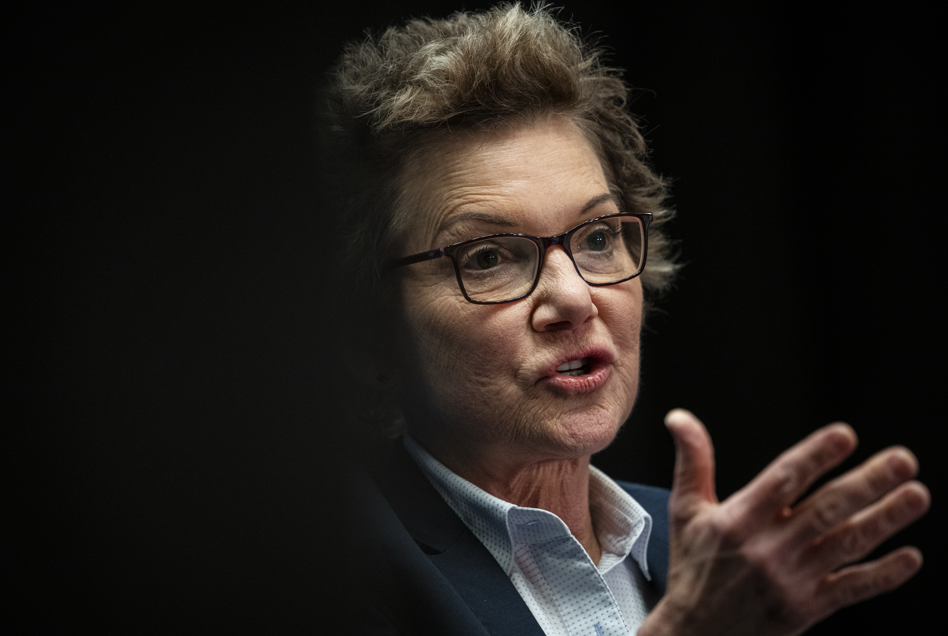
Federal Reserve Bank of San Francisco President Mary Daly said inflation data out Friday indicates monetary policy is working, but said it’s too early to tell when it will be appropriate to lower borrowing costs.
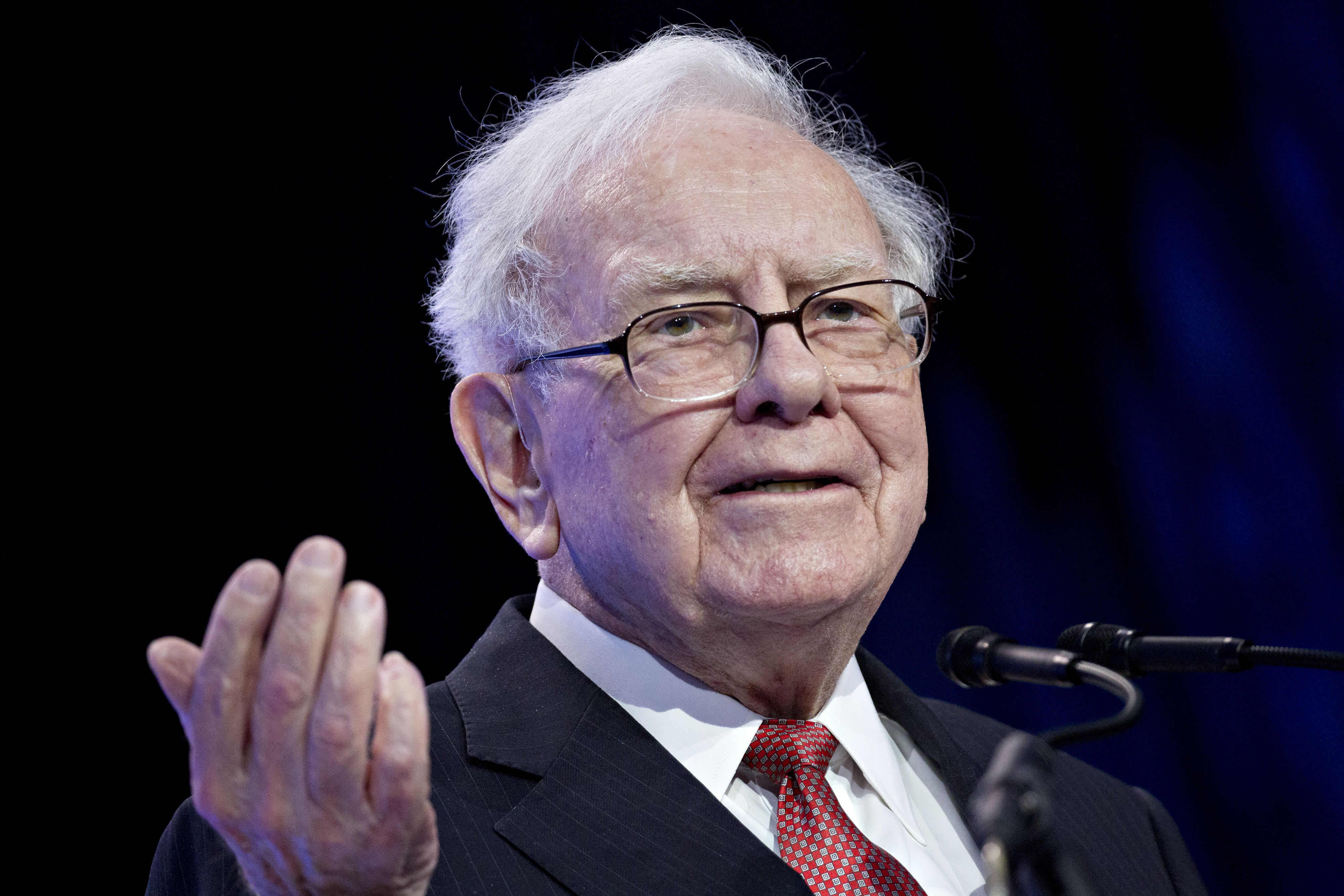
Warren Buffett’s donations to the Bill & Melinda Gates Foundation will stop when he dies, with his daughter and two sons overseeing a new charitable trust, the Wall Street Journal reported Friday.
Tesla Inc. is on the verge of losing a key bragging right it’s held for the past six years: outselling all EV competitors in the US combined.
US Treasuries are headed for their biggest monthly rally of the year after the Federal Reserve’s favored inflation gauge decelerated, bolstering expectations for interest-rate cuts starting this year.
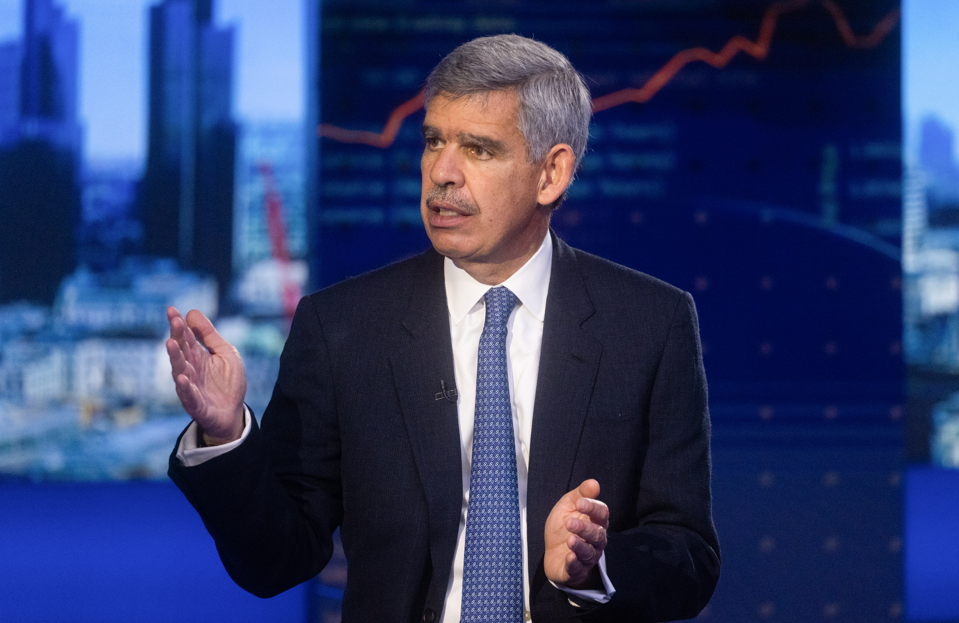
Softening in the measure of inflation favored by the Federal Reserve highlights a slowing economy that’s upping the risk of a policy error by the central bank, Mohamed El-Erian said.
The Federal Reserve’s preferred measure of underlying US inflation decelerated in May, bolstering the case for lower interest rates later this year.
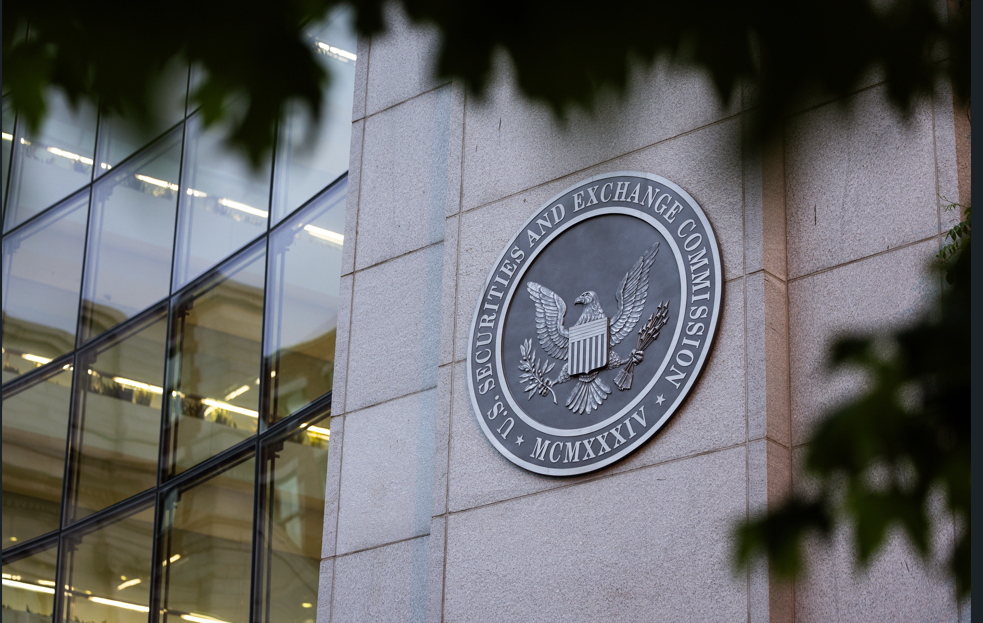
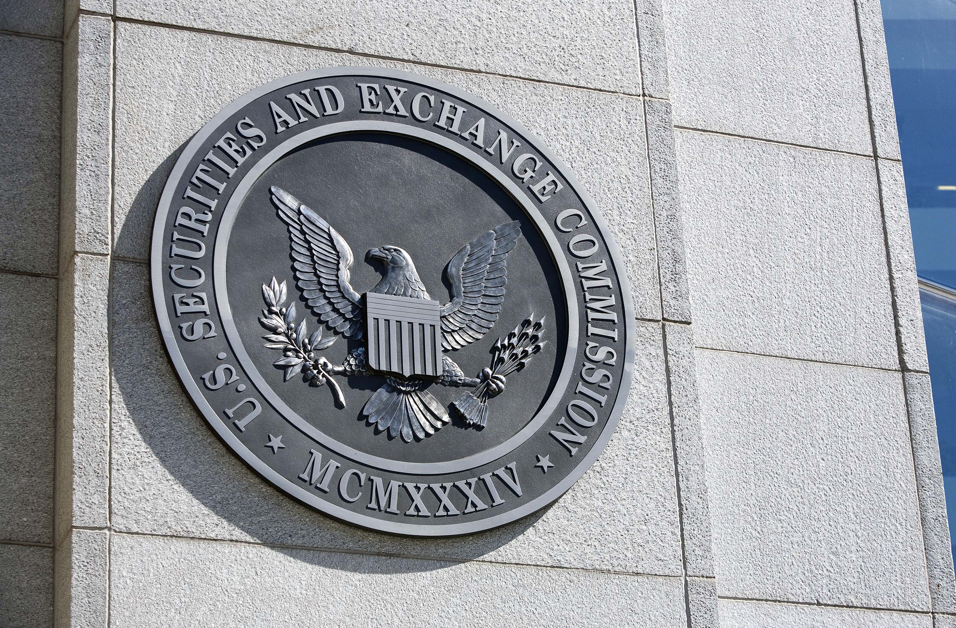
Things just got a little harder for the Securities and Exchange Commission, which henceforth must seek certain civil damages for securities fraud by going to federal court, rather than through its own internal adjudicatory process.