The US trucking market, which has been in recession for more than a year now, is poised to recover … at some unknowable point in the future.
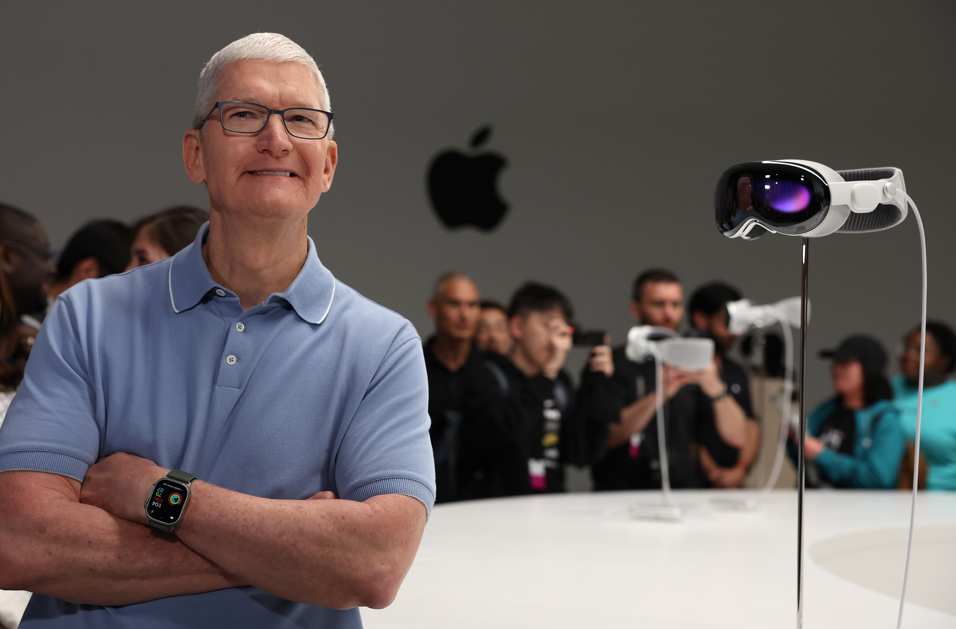
As Apple Inc. prepared to introduce its Vision Pro headset a year ago, the worry at Meta Platforms Inc. was that the hardware geniuses in Cupertino were about to unveil a breakthrough in mixed reality, some new take on a computing platform that Chief Executive Officer Mark Zuckerberg had been trying to crack for more than a decade.
The US government’s finances keep looking worse. The latest Congressional Budget Office projections suggest that it will need to borrow an added $400 billion this year to cover its budget deficit — and trillions more over the next decade.
Big swings in Nvidia Corp. shares have reignited debate about the staying power of the chipmaker’s rally. While the stock’s valuation and threat of competition are major concerns, one variable is key: durability of demand.
FedEx Corp. dropped a bomb on the market Tuesday afternoon with the announcement that it will do an “assessment” of its freight unit. Investors seemed to like the move, pushing up the shares as much as 15%, on the possibility of a windfall and a more pure-play package delivery and logistics company.
The petrodollar died this month -- or so I learnt via the financial blogosphere. In the past fortnight, Google searches for “petrodollar” have spiked to a record, and viral posts about Saudi Arabia ditching the greenback have ricocheted throughout commodity and currency trading rooms. Apparently, a cataclysmic event has ended American economic hegemony.
A long era of easy profits in private equity is gone, and Goldman Sachs Group Inc. is digging in deeper for the harder work ahead.
No coach is going to be able to work well with your team unless you are very clear about expected outcomes. What will success look like in working with the coach?
The longer I spent working at a big firm, the more I came to understand that the advice I could offer was determined by decisions at the top. My input as an advisor was limited, which didn’t sit well with me, so I looked for a position that would allow me to offer unbiased financial advice.
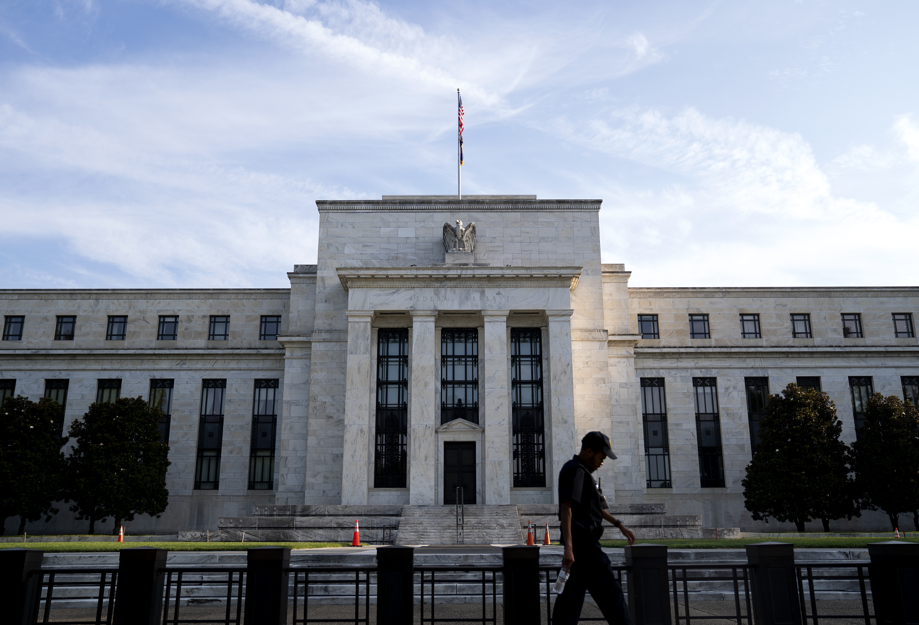
It took much of the first half of the year for Treasury bond investors to fall in line with a Federal Reserve signaling higher-for-longer interest rates. Now, as they weigh the timing of a second-half pivot, they must also contend with potential wild-card risks from a hotly contested presidential race.
Traders in the US rates options market are embracing a nascent wager on the Federal Reserve’s interest-rate path: a whopping 3 percentage points worth of cuts in the next nine months.
The biggest US banks haven’t waited for this week’s stress tests to signal optimism about their capital levels.
After being so consistently wrong in recent years about how the US economy and households would perform coming out of the pandemic, doomsayers should have learned their lesson. But there they were in full force after Pool Corp. said late Monday that it was lowering its earnings outlook because households aren’t installing backyard swimming pools as they once did.
Big US banks look to be getting their way in the fight over tougher capital rules. The Federal Reserve is talking to other regulators about changes to the updated standards that were proposed last July, according to Bloomberg News, which could mean capital demands increasing by less than one-third of what was originally envisaged.
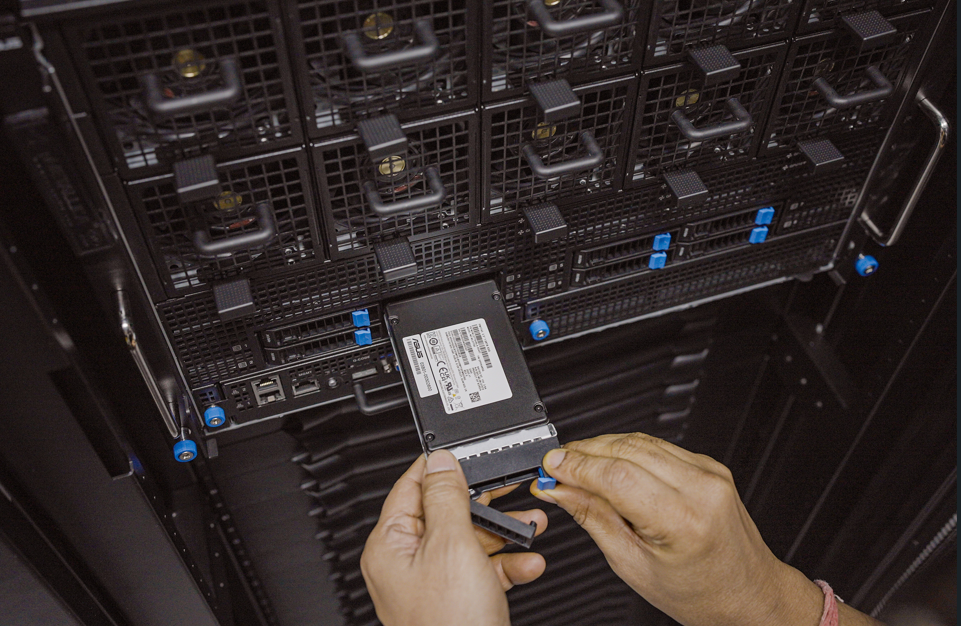
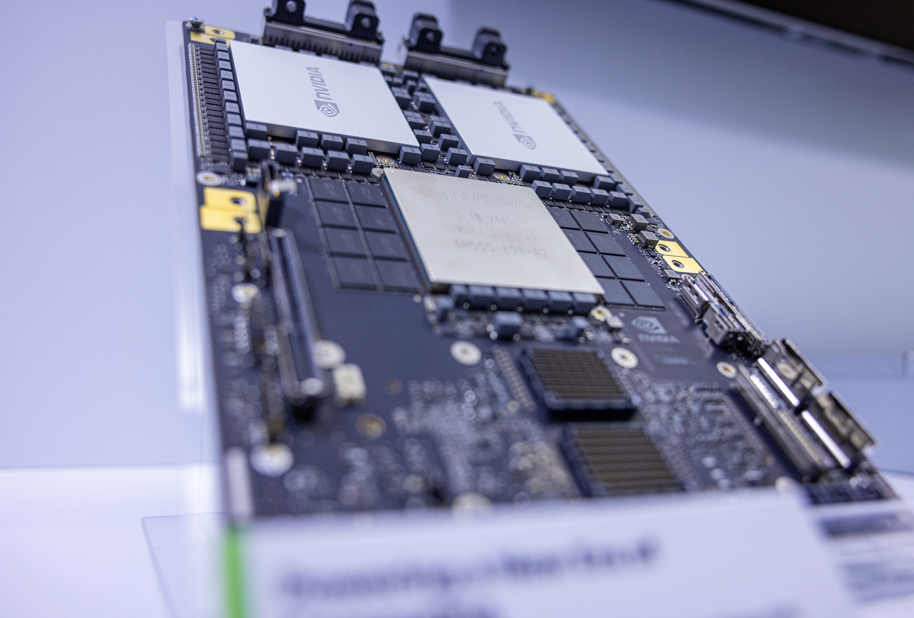
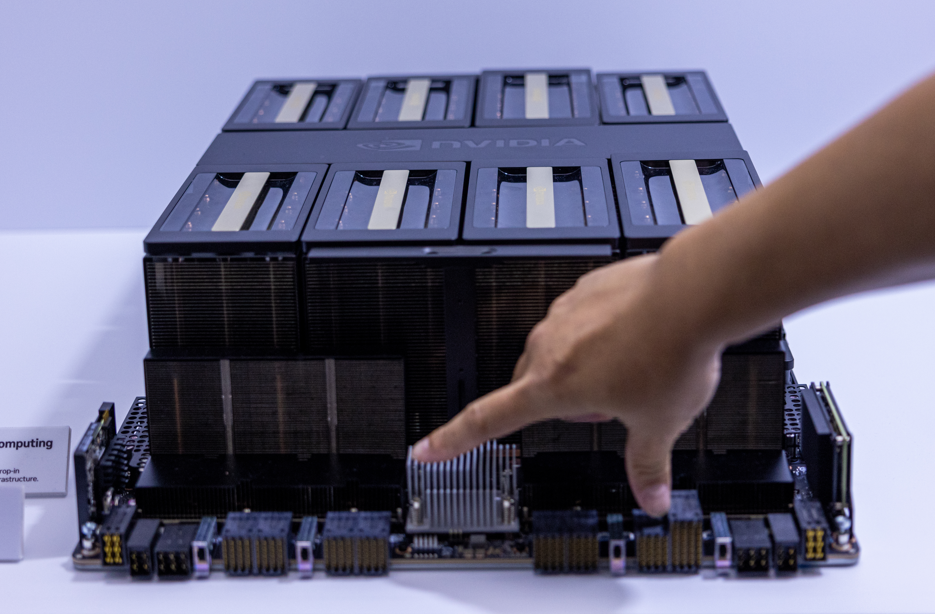
The artificial intelligence hype that made Nvidia Corp. the world’s biggest company has come with a price for the world’s climate. Data centers housing its powerful chips are gorging power and belching carbon dioxide, and sobering figures now reveal the extent of the problem.
What I see emerging, though, is the idea that the CRM isn’t a single pane of glass to view the entire business. Effective CRMs are more like prisms, where the viewer’s role determines what they see, and what information leaps to their fingertips.
I have long admired Jonathan Clements. His columns in The Wall Street Journal introduced me to index-based investing. I was deeply saddened to read his column in HumbleDollar, dated June 15, 2024, that, at age 61, he has been diagnosed with lung cancer that has metastasized to his brain and “a few other spots.”
When it comes to personalization, automation can be one of our most powerful tools. That might sound paradoxical, but it’s not.
This article will outline the key steps and best practices financial advisors should take to become trusted advisors in the realm of cybersecurity.
It might seem like a far-fetched concept, but making the sale should be a consistently predictable and effortless experience. Your outcomes should not be unpredictable and you should not have to “follow-up” on qualified prospects who have ghosted you.
There is a benefit to simplified language that can help consumers understand and engage with economic issues. Yet oversimplifying nuanced concepts to the point of inaccuracy only fosters miscommunication and misunderstanding.
Norinchukin Bank is best known outside of Japan as an investing whale in the market for bonds that package up loans to private equity businesses, known as collateralized loan obligations.
Declines in foreign direct investment in China bolster the thesis that global companies are turning away from the world’s most-important production hub, continuing the trend of decoupling that has policymakers and corporate leaders looking for alternative manufacturing bases. The truth of the nation’s deteriorating importance isn’t so simple.
Every now and then, a company comes along that is so dominant and is growing so quickly that it feels like the only stock anyone cares about. I’m referring, of course, to Nvidia Corp., the chip giant powering artificial intelligence. Its stock has surged 4,000% over the past five years, making it one of the three most valuable businesses in the world alongside heavyweights Microsoft Corp. and Apple Inc.
Bobby Jain has gathered $5.3 billion in commitments for his new multistrategy hedge fund, marking the biggest fundraising haul since ExodusPoint Capital Management’s record debut.
Nvidia Corp. shares showed signs of steadying after a $430 billion selloff sent traders searching for signals as to where the bottom may be.
Will the energy transition, from fossil fuel to other sources of energy, happen? It seems almost sacrilegious to suggest that it might not, or that the transition will be halting and incomplete.
The U.S. is clearly a leader in terms of regulatory enforcement. However, its regulators also have an important role to play in informing and shaping regulatory policy on an international scale. industry, this role is only likely to become more important.
In the early 2000s, Alok Nanda’s new colleagues called him the “bumper guy.”
New home construction slumped to the weakest level in four years in May, confirming a trend that’s been evolving for the past few months — residential construction is once again acting as a drag on economic growth in the US.
The S&P 500 Index has likely logged most of the gains it will see this year as investors are growing increasingly nervous about the stock market’s rich valuations, according to the latest Bloomberg Markets Live Pulse survey.
Nvidia Corp. is the most expensive stock in the S&P 500 Index, with its shares trading for roughly 23 times the company’s projected sales over the next 12 months.
Just as optimism is growing among investors that a rally in US Treasuries is about to take off, one key indicator in the bond market is flashing a worrying sign for anyone thinking about piling in.
A well-thought-out long-game thesis can stay intact for long periods with slight adjustments when needed. Like a long and straight drive in golf, when your macroeconomic thesis proves correct, a good portion of your investing job is done.
Maximizing tax alpha for clients is not just a niche strategy but a vital component of comprehensive financial planning. It empowers advisors to capture their piece of the $600 billion opportunity and differentiate their practice, while providing unparalleled service and value to their clients.
Artificial intelligence startup Anthropic is releasing a new AI model that it calls its fastest and most capable yet in a rivalry with OpenAI.
Sales of existing homes in the US fell for a third straight month in May while prices set another record, underscoring persistent affordability challenges that hobbled the important spring selling season.
Some money managers that buy junk bonds have been pouring money into investment-grade notes instead, because the yields can be almost as high now.
Are you bored with the cash, stocks and bonds in your retirement portfolio? Then perhaps it’s time to spice things up with shares in an NFL outside linebacker.
Private credit investors in Europe are abandoning leveraged plays to try to get ahead of a potential wave of defaults.
The nonpartisan Congressional Budget Office ramped up its estimate for this year’s US budget deficit by 27% to almost $2 trillion, sounding a fresh alarm about an unprecedented trajectory for federal borrowing.
As Russian President Vladimir Putin and Chinese Premier Li Qiang wrapped up separate meetings in Southeast Asia this week, the two partners in the BRICS economic bloc encountered a region keen to join a group seen as a hedge against Western-led institutions.
This summer, countless bankers and financiers will get away to the Hamptons or vacation in Europe. And a handful will be traveling nearly every weekend — to play lacrosse.
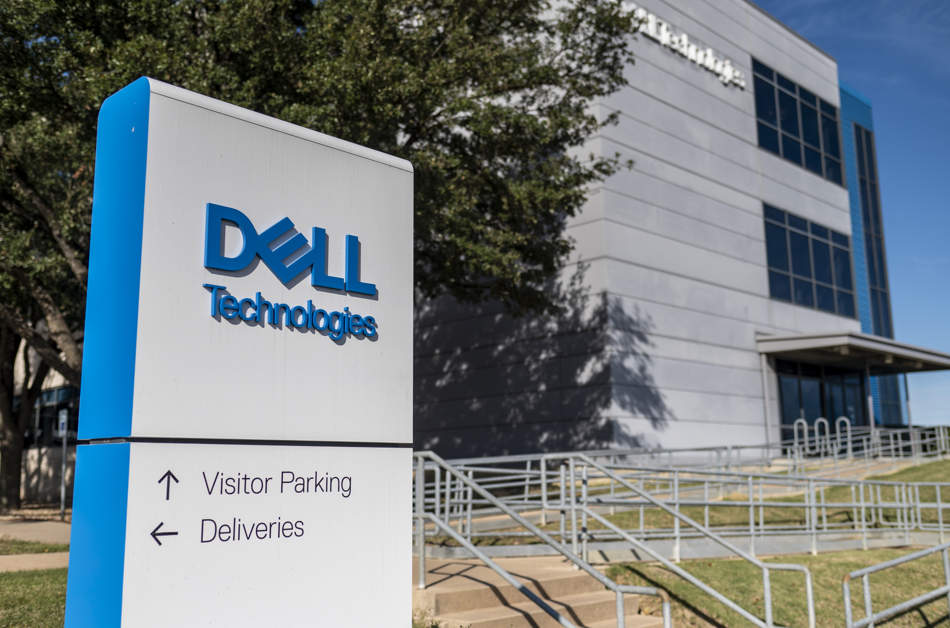
Dell Technologies Inc. shares rose on Thursday after Chief Executive Officer Michael Dell said the company is building a “Dell AI factory” for Elon Musk’s startup xAI alongside Nvidia Corp.
Bitcoin slumped to a more than one-month low with this year’s record-breaking rally showing signs of fatigue in the absence of fresh market catalysts.
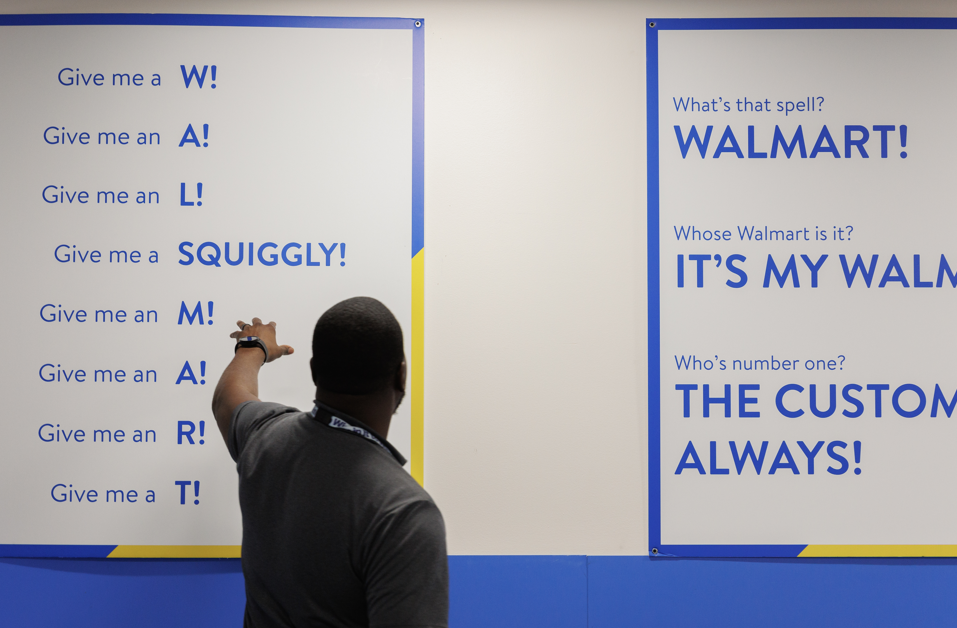
After being on the frontline of the pandemic, then grappling with an edgy public and a spike in shoplifting, its been a tough few years to work retail. But for Walmart Inc. managers, at least, things are looking up.
Nadeem Meghji was on honeymoon in late 2022 when the biggest storm to have rocked Blackstone Inc.’s property business hit its peak.
Moore v. United States, Thursday’s decision by the US Supreme Court on the Mandatory Repatriation Tax, would seem to affect relatively few taxpayers. But in rejecting a constitutional challenge to the MRT (as it’s known), the justices might have scattered some breadcrumbs about their attitudes toward a potentially more sweeping wealth tax.
The ongoing artificial intelligence frenzy that briefly made Nvidia Corp. the world’s most valuable company this week also drove record inflows into tech funds, said Bank of America Corp. strategists.
Bonds surged after business activity across Europe encountered an unexpected setback, prompting traders to amp up wagers on monetary easing.