A key measure of underlying US inflation stepped down for a second month in May, a pleasant surprise for Federal Reserve officials looking for signs that they can start to lower interest rates.
Oracle Corp. reported better-than-expected bookings and announced partnership deals with tech rivals, giving a boost to Chairman Larry Ellison’s effort to redefine the software maker as a major competitor in the business of cloud computing.
When JPMorgan Chase & Co. arranged a series of trades to shift the risk of losses from $20 billion of its loans, some of those dangers wound up at a familiar place: rival banks.
General Motors Co. authorized a new $6 billion share buyback plan as improving profitability in its electric vehicle operations allows the automaker to return cash to investors.
Bond traders who have come to terms with the prospect of higher-for-longer interest rates through 2024 are looking toward this week’s Federal Reserve meeting for clues on how to game out 2025 and beyond.
American businesses and consumers started the year thinking interest rates would finally come down, making big plans to buy equipment or a house. Now all of that is on hold, slowing large swaths of the economy for the foreseeable future.
Wall Street’s half-trillion-dollar business cloning quant trades has some surprising new customers: the very firms whose strategies it mimics.
Over the past few years, even as they have been gritting their teeth and complaining about higher prices, consumers have been fueling US economic growth. Now their pandemic savings are gone and the labor market is cooling off, raising the question: How much will the economy slow down?
Investors and their advisors have become more open to allocations to private investments in recent years as they seek improved risk-adjusted returns and diversification benefits.
By championing innovation, fostering cross-functional collaboration, and driving a holistic growth strategy, a CGO can propel your firm towards achieving its growth targets and securing its competitive edge.
It is essential for financial professionals to include a variety of sources of guaranteed income to give clients the freedom to worry less, gain confidence about the future and enjoy life more.
What’s the best age to start taking Social Security? That is a frequently asked question for financial advisors. It’s also, as any financial advisor will admit, completely unanswerable without significantly more information. Social Security is too inherently complex for one-size-fits-most recommendations.
The macroeconomic environment since the Federal Reserve began their most recent hiking cycle has been like a challenging, high altitude, steep-gradient climb in a cycling race.
Of course, perfect or even near-perfect market forecasting is folly. But even if we can find a successful forecaster, odds are that they won’t add any value after taxes.
The next inflation wave will challenge the economy and the Fed. It will not be transitory. A pivot back toward a zero interest rate policy (ZIRP) will intensify the problem.
Part Two focuses on the traditional energy suppliers that will fuel the power grid. The industries and companies are not presented in any particular order.
Whether it’s another move up or a dive down, traders are bracing for added volatility wrought by Wednesday’s dual macroeconomic catalysts: a report on consumer prices in the morning and the Federal Reserve’s rate decision in the afternoon.
A broad equity rally isn’t spilling over into the technology sector, where gains are still concentrated in just a few artificial intelligence winners that have become defensive plays amid an uncertain macroeconomic backdrop.
It’s the moment of truth for Apple Inc.’s artificial intelligence plans — and for the $471 billion rally that has rescued the stock from the doldrums.
A splintering of global supply chains, driven by both political and business considerations, has hundreds of manufacturers and logistics providers debating where to go next. They’d be well advised to take their cues from two Taiwanese companies who’ve led the charge.
Lately the housing market has faced a different conundrum at every turn. This year’s puzzle is the disconnect between an aggressive rise in the number of existing homes for sale and still sluggish transactions.
A Tesla Inc. shareholder sued to challenge an upcoming proxy vote about whether the electric-car maker should move its corporate home to Texas and re-approve a $56 billion pay package for co-founder Elon Musk that was thrown out by a Delaware judge.
Apple Inc. isn’t typically the first to embrace new product categories — as it famously showed with its iPhone, smartwatch and Vision Pro. All those areas were established before the company showed up, but Apple found a way to make its mark.
The US government moved closer to imposing new tariffs on solar cells and panels from Southeast Asia after an agency’s initial determination that American manufacturers are being harmed by cheap imports from the region.
The labor market data is full of conflicting signals, but the big picture is that the US economy is in pretty good shape. That’s worth celebrating, irrespective of what the “good news is bad news for interest rates” crowd tells you.
In its moment of most need, back in 2022, the liquified natural gas market saved Europe. Now, that same LNG market is the continent’s new vulnerability. The good news is that the weakness should be short-lived; the bad news is that it won’t go away before the next winter.
There’s a reason so few hedge fund firms seek a stock market listing: Investors don’t like them. The allure of an economic interest in these money machines is tempered by the risks. First, there’s key-person risk. Many such firms are dominated by a single executive.
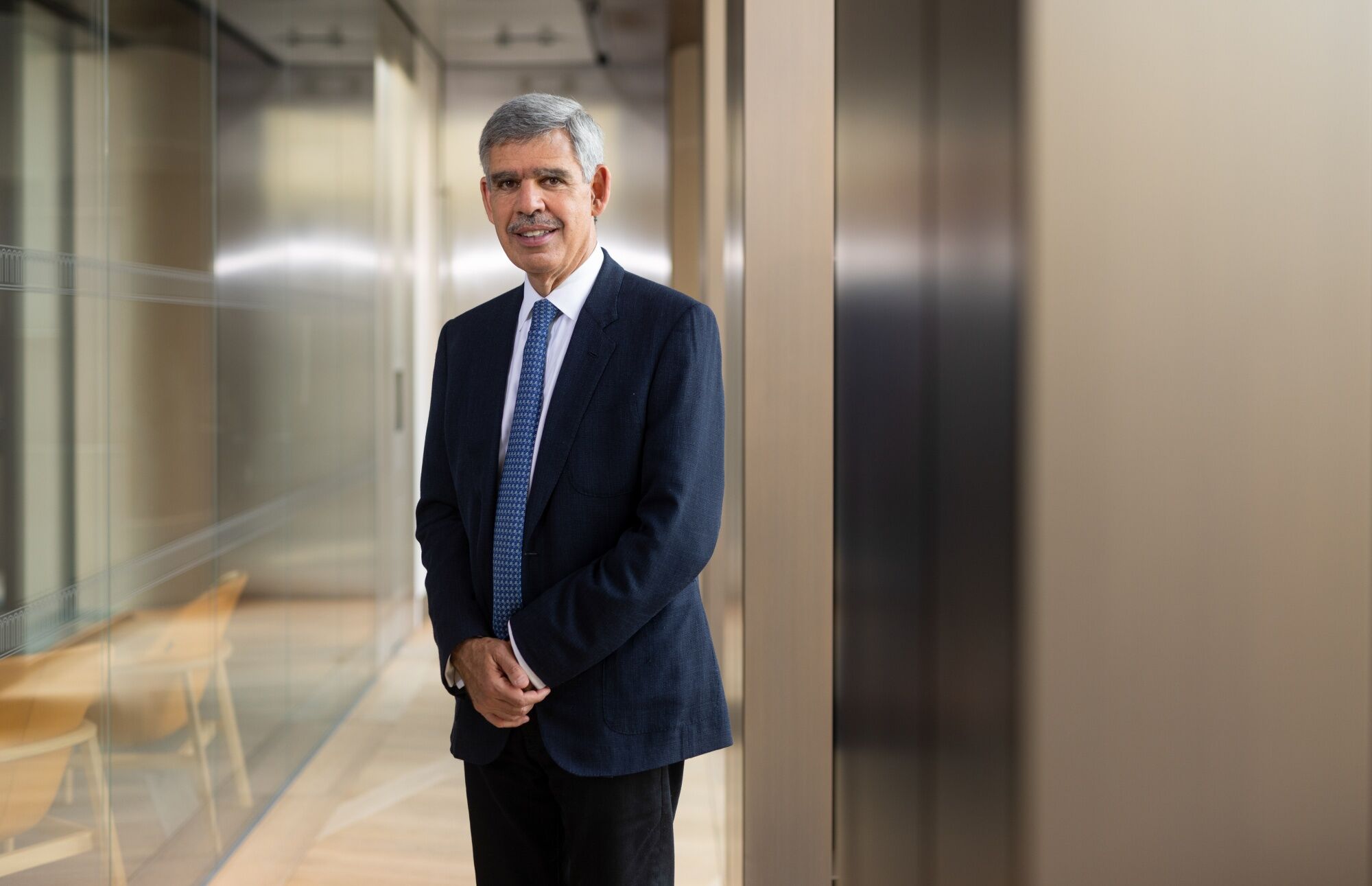
Stronger-than-expected US May jobs data closes the door on a July Federal Reserve rate cut, Mohamed El-Erian said.
US exchange-traded funds investing directly in Bitcoin attracted net inflows for an unprecedented 18th straight day, a spurt of demand that has helped to lift the largest digital asset toward a record high.
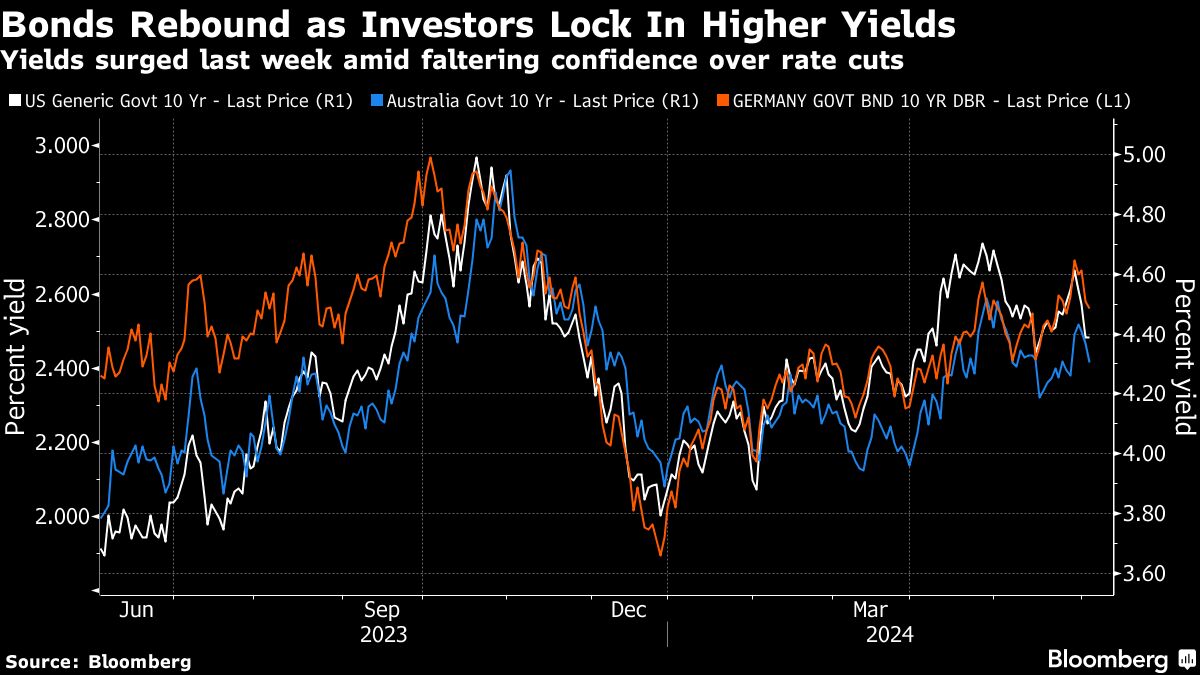
Treasury yields surged as surprise strength in the US labor market forced traders to pare back their wagers on Federal Reserve interest-rate cuts this year.
Debut US exchange-traded funds for the Ether cryptocurrency may generate much less demand than spot-Bitcoin products, according to analysts, muddying the outlook for the second-largest token.
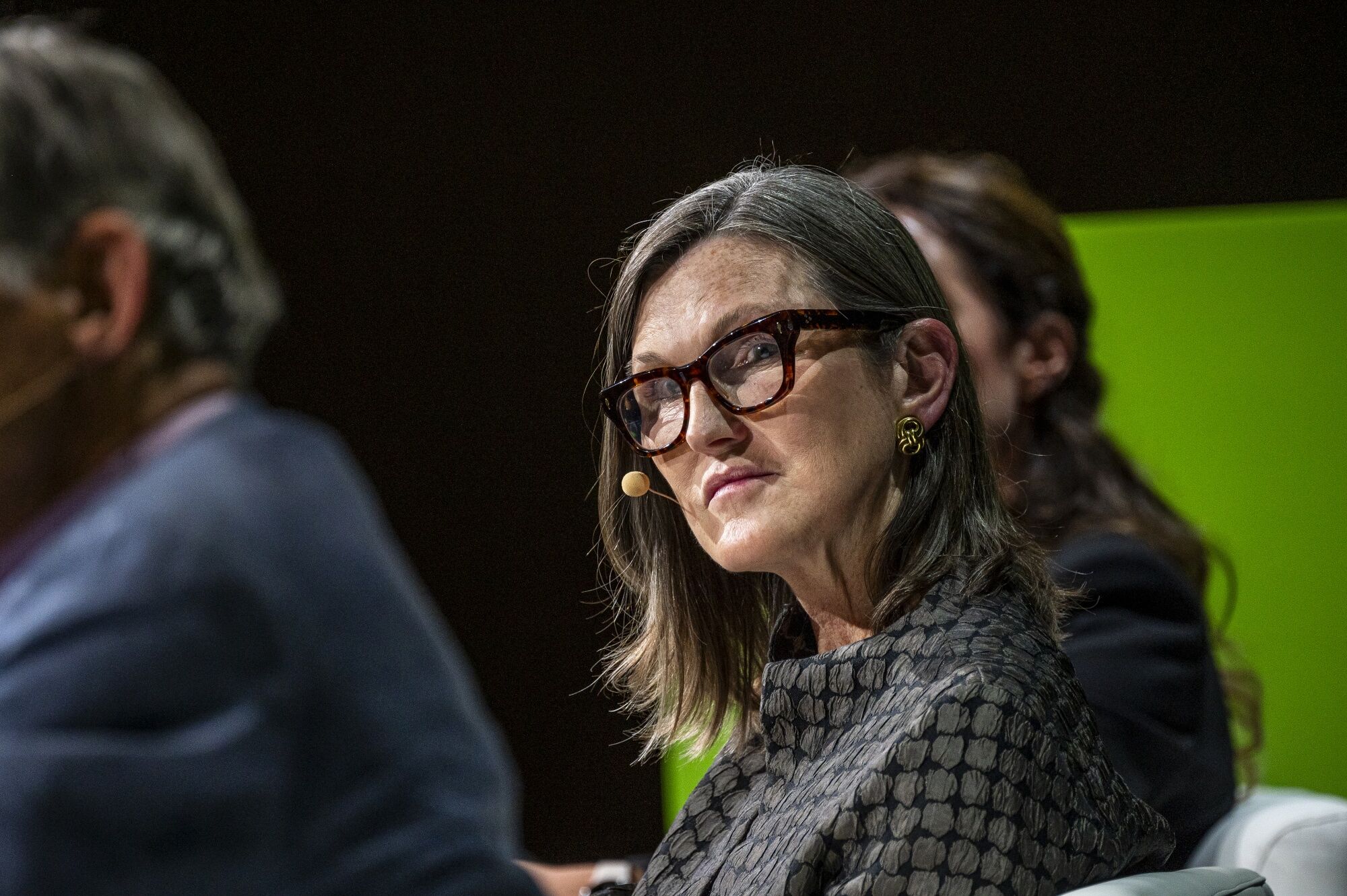
Cathie Wood said Ark Investment Management is well positioned in artificial intelligence assets, even after her company trimmed back on Nvidia Corp. shares before the rally last year.
US labor costs increased in the first quarter by less than previously reported, reflecting downward revisions to economic output and hours worked and consistent with other signs of moderating activity.
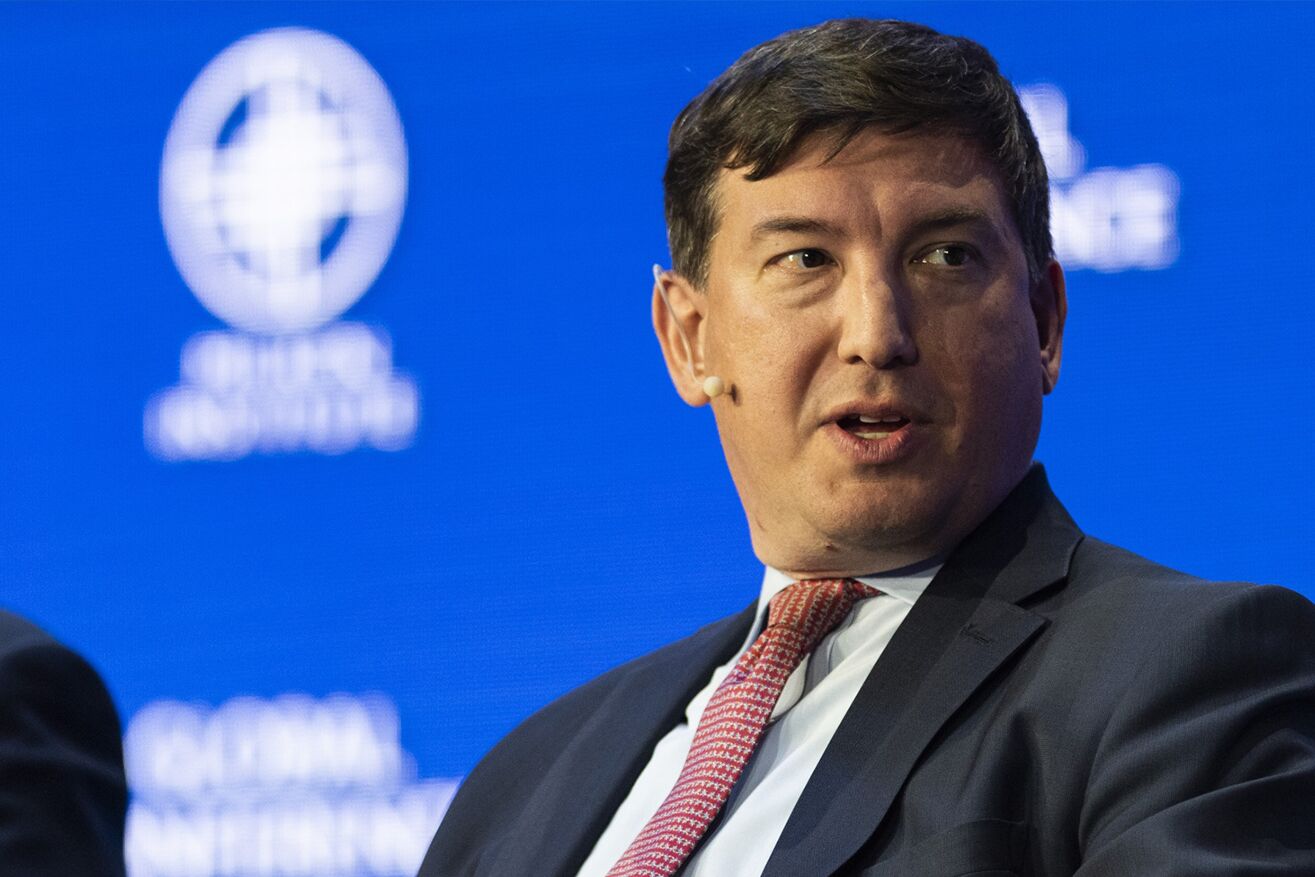
The private equity industry must face up to the reality of lower valuations, according to Apollo Global Management Inc.’s Scott Kleinman.
It’s a tough gig portraying the world’s third-richest person as a victim, but Tesla Inc.’s board of directors are giving it a go.The question is whether the company’s institutional shareholders will be intimidated into buying that story at a pivotal vote on June 13.
Less than 15 months after the world’s most recent banking crisis, regulators in the US and Europe are already poised to roll back reforms aimed at reducing the risk of further financial disasters. It’s a serious mistake.
A peaceful retirement, including the knowledge that your business will survive long into the future without needing to be sold, can quickly evaporate if you’re still the central rain maker of your business.
Will AI accelerate the consolidation trend, or could it be the great equalizer that allows smaller firms to remain competitive?
The US is reclaiming its position as the undisputed top dog of cryptocurrency markets.
NXP Semiconductors NV is teaming up with a company partly owned by Taiwan Semiconductor Manufacturing Co. to build a $7.8 billion chip wafer plant in Singapore, marking a boost for the island nation’s tech ambitions.
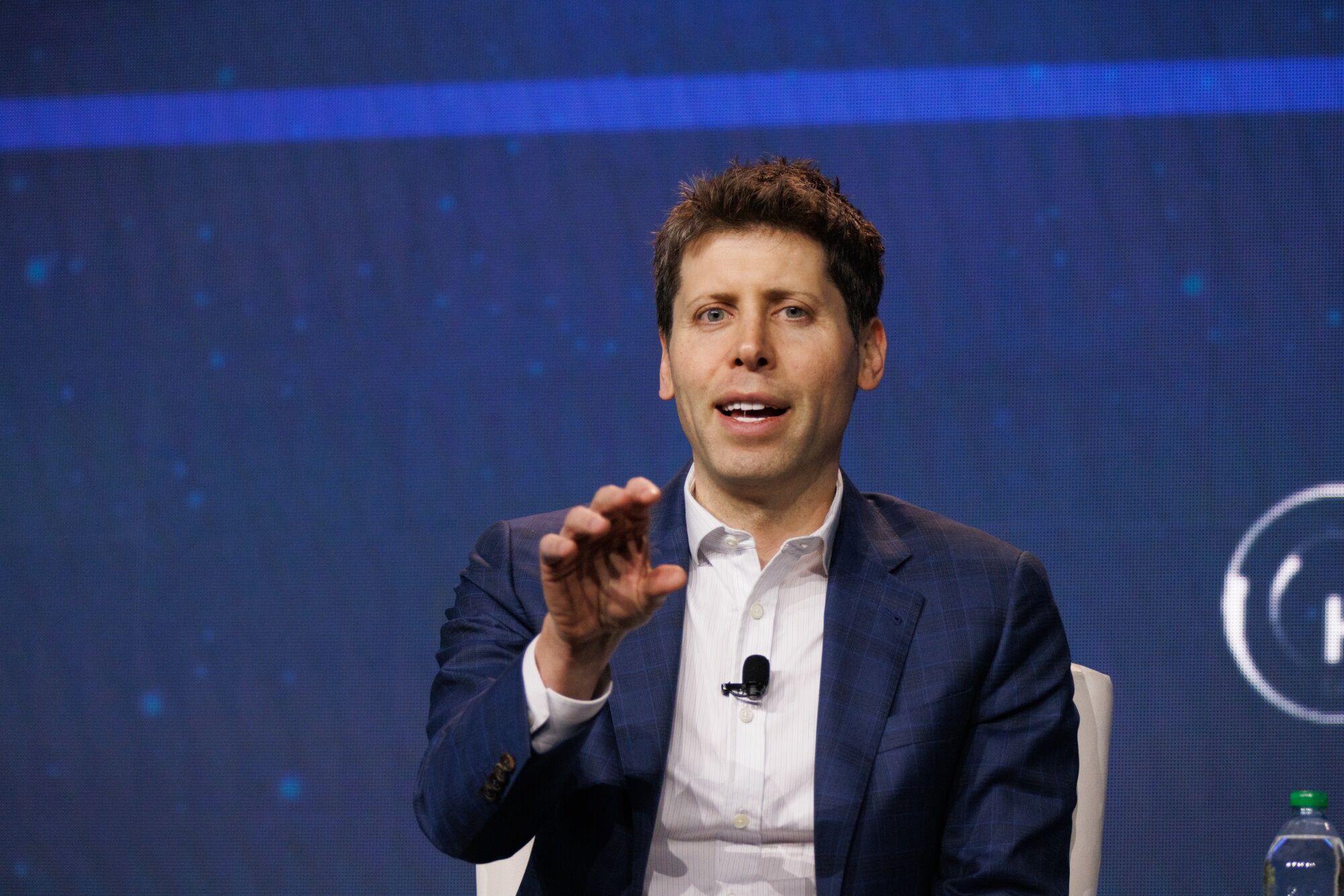
When a 23-year-old Sam Altman took the stage at Apple Inc.’s annual developer conference in 2008, he gushed about being able to use the company’s new App Store to promote his software, a friend-locating service called Loopt.
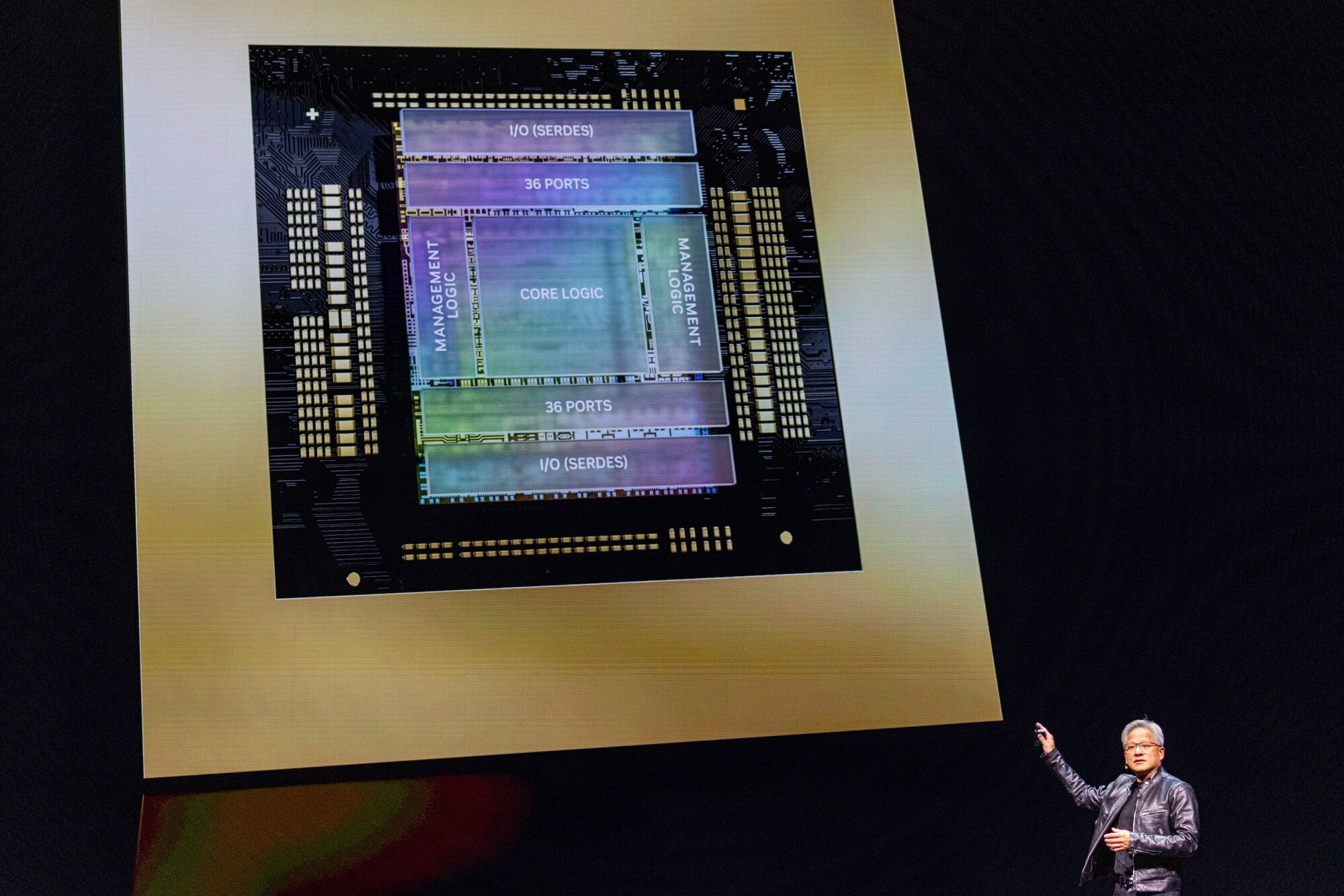
Its business is massive, its profits are booming and everyone already knows Nvidia Corp. is the hottest stock on Wall Street.
BlackRock Inc., Citadel Securities and other investors are backing an upstart Texas stock market, laying down a challenge to the New York Stock Exchange and Nasdaq Inc. and signaling a potential boost for a state trying to grab more of the financial services industry.
Here are the key things advisors don’t always know about exchange funds.
In an ever-evolving healthcare landscape, Medicare’s complexities present both a challenge and an opportunity for financial advisors. As clients approach retirement or face health-related decisions, they often turn to their trusted advisors for guidance on navigating the Medicare maze.
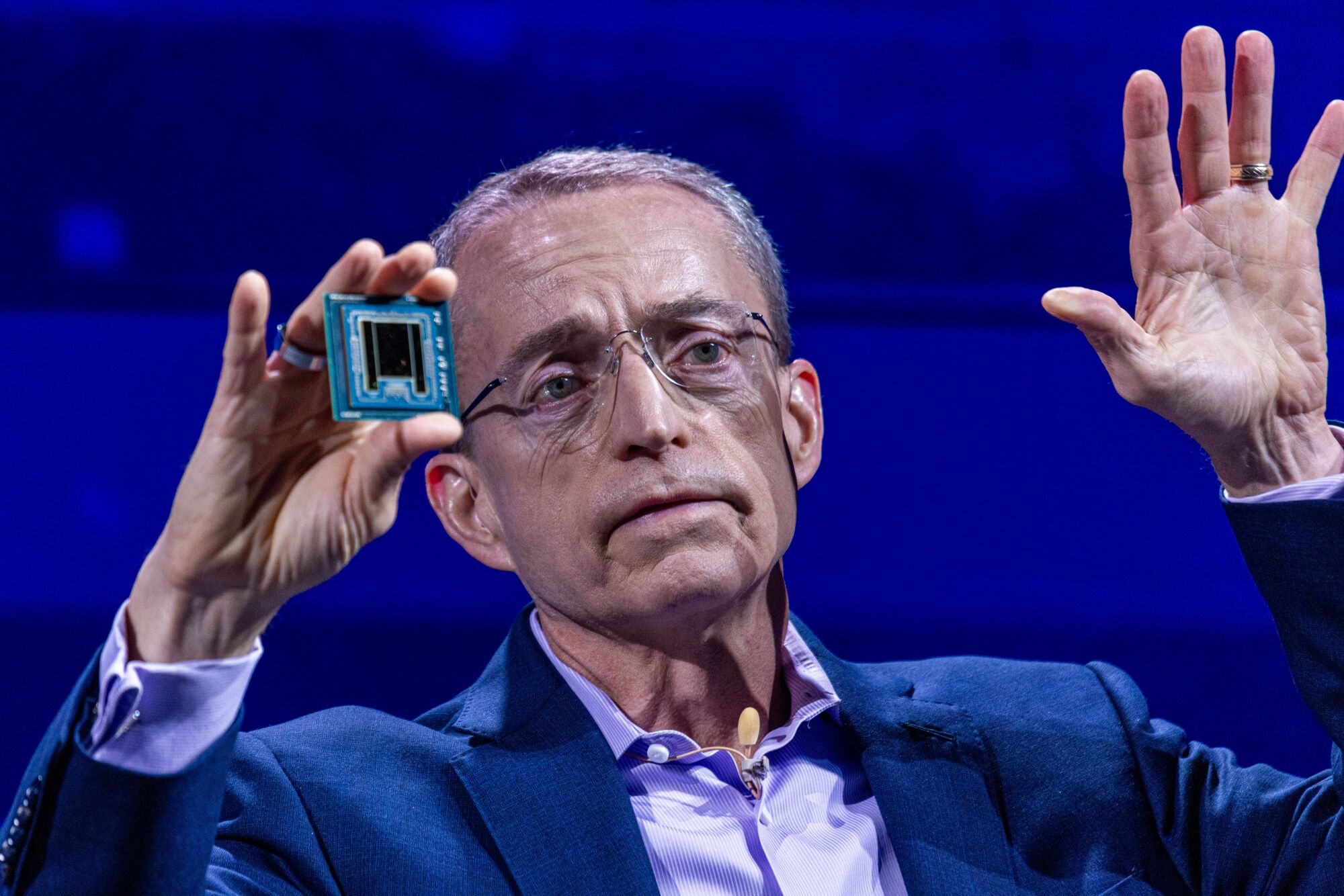
Intel Corp. Chief Executive Officer Pat Gelsinger took the stage at the Computex show in Taiwan to talk about new products he expects will help turn back the tide of share losses to peers, including AI leader Nvidia Corp.
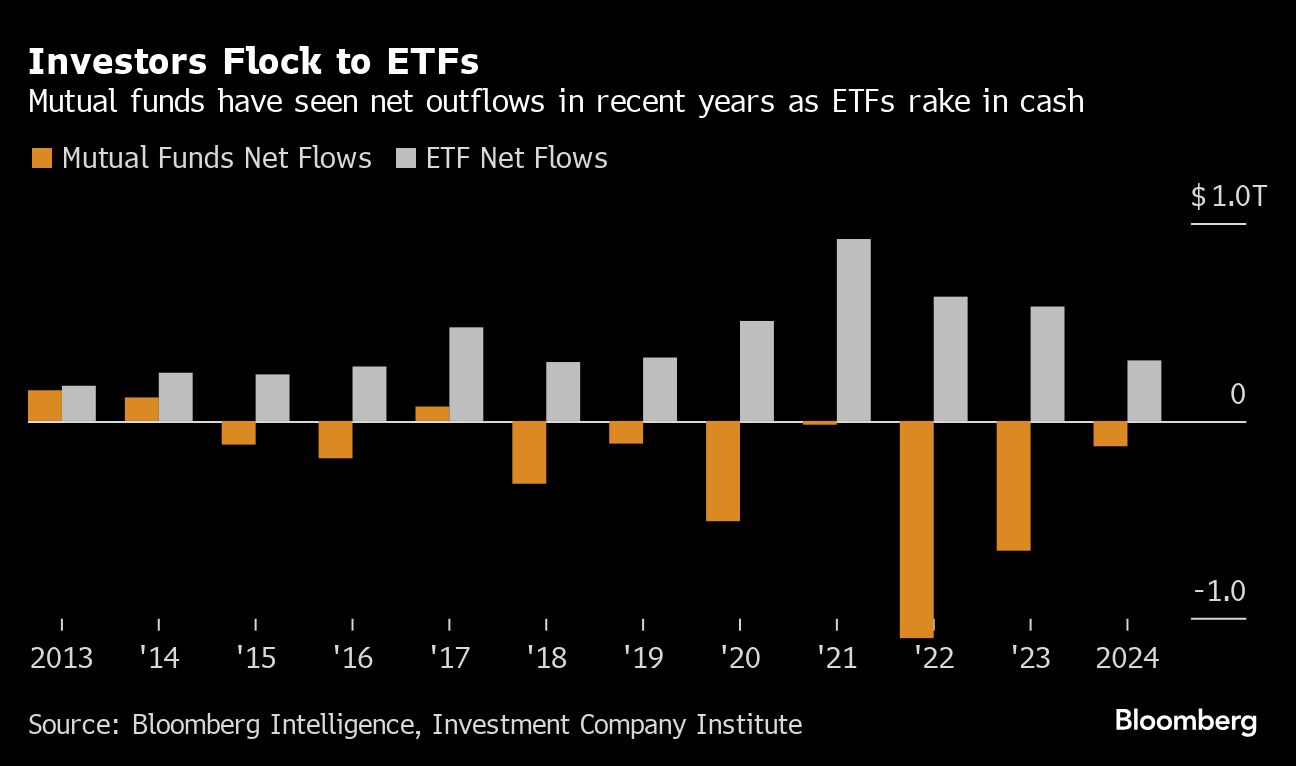
Fidelity Investments is flexing its muscles in efforts to extract payments from ETF firms in exchange for listing and maintaining their products on its massive platform, stoking industry ire.
Almost two-thirds of Americans considered middle class said they are facing economic hardship and don’t anticipate a change for the rest of their lives, according to a poll commissioned by the National True Cost of Living Coalition.
A global bond rally continued, sparked by signs the world’s biggest economy is cooling, ahead of the crucial next read on the state of the US labor market.
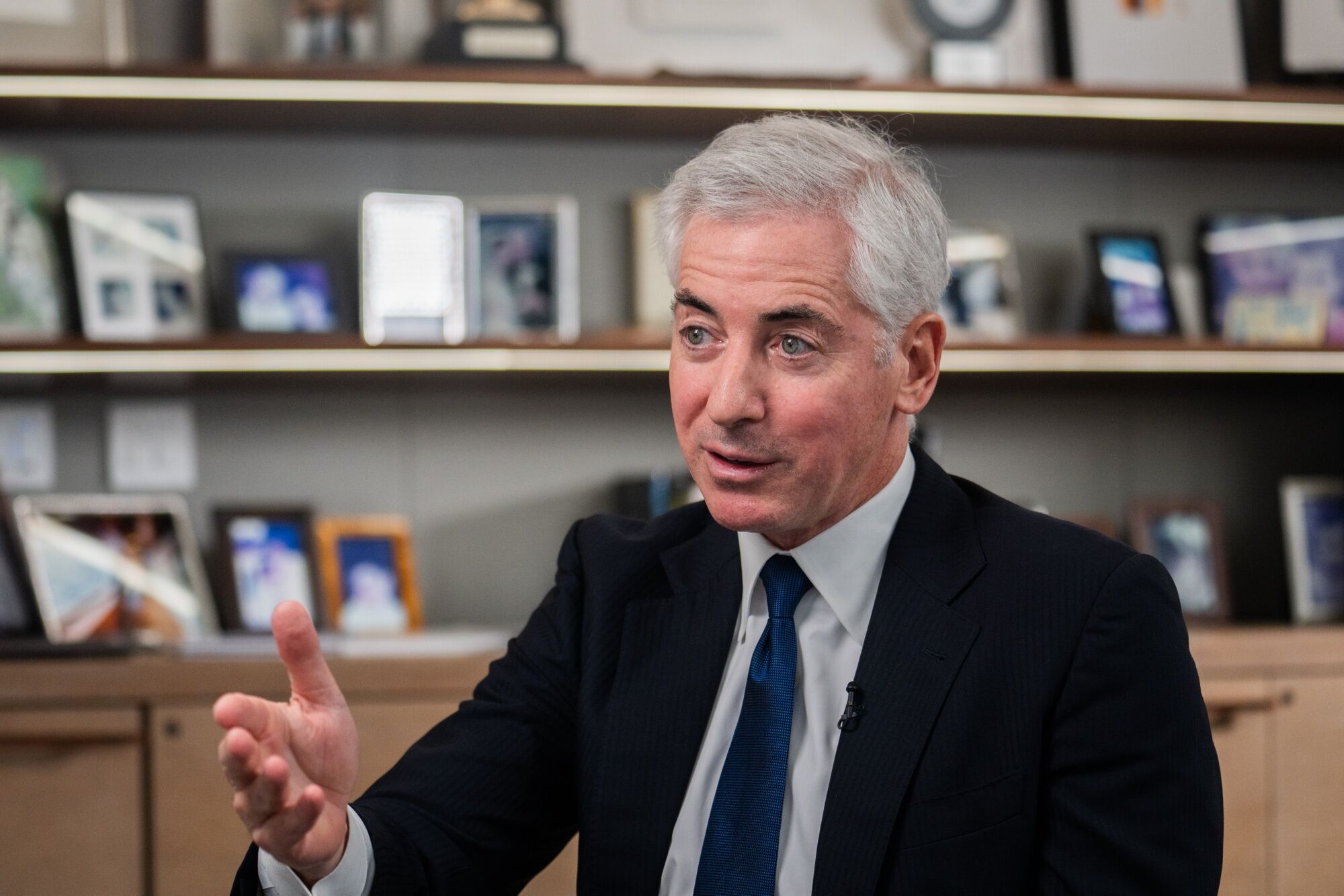
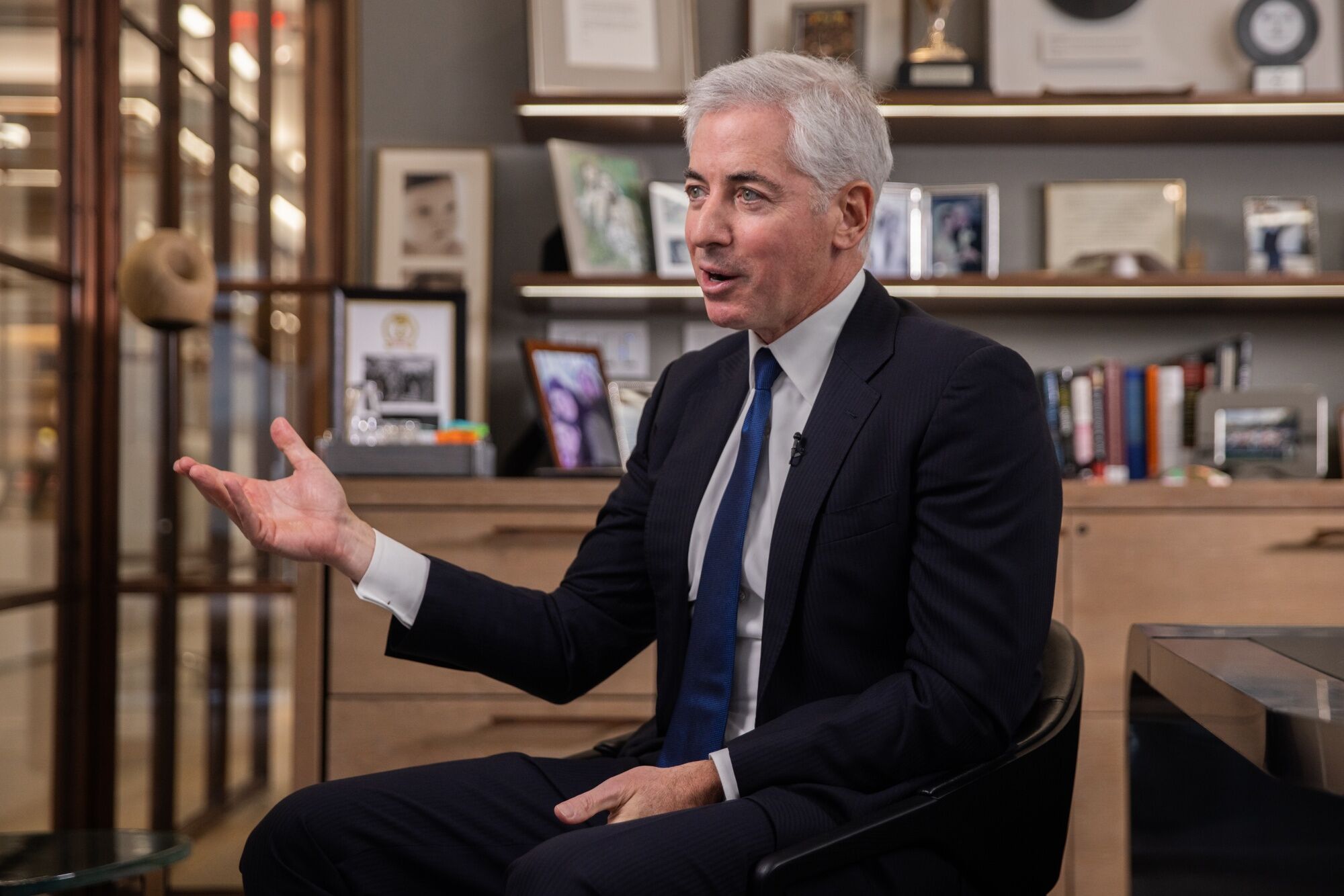
Celebrity fund manager and activist investor Bill Ackman just sold 10% of his investment management company in a deal that valued Pershing Square at $10.5 billion. An initial public offering could come as soon as next year, the Wall Street Journal has reported.