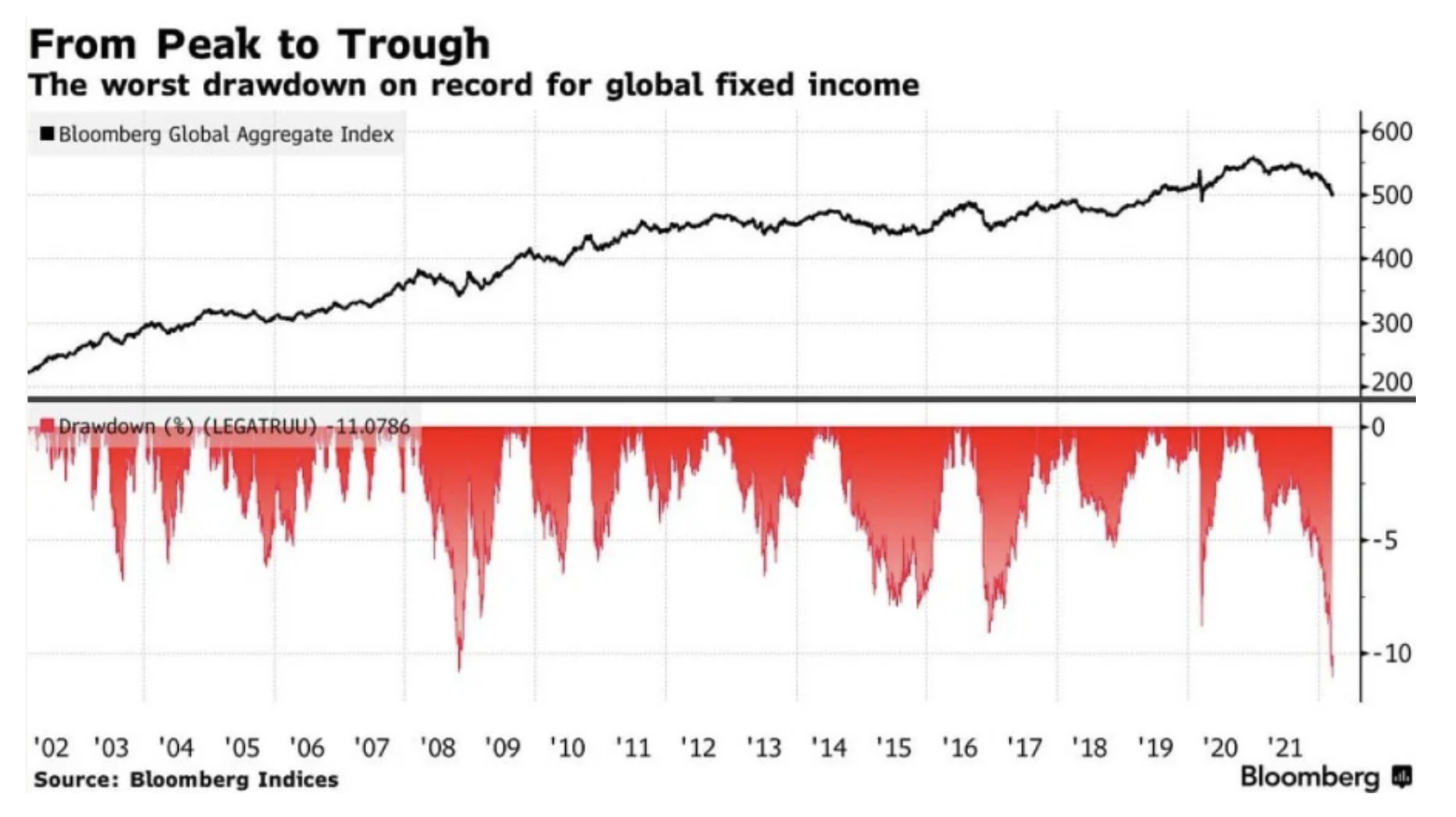
Traditional long-only fixed income managers had one of the worst quarters on record in Q1 2022 as higher interest rates left “bottom up” portfolios overweight duration.
Real Treasury bond yields fell into deeply negative territory in 2021.
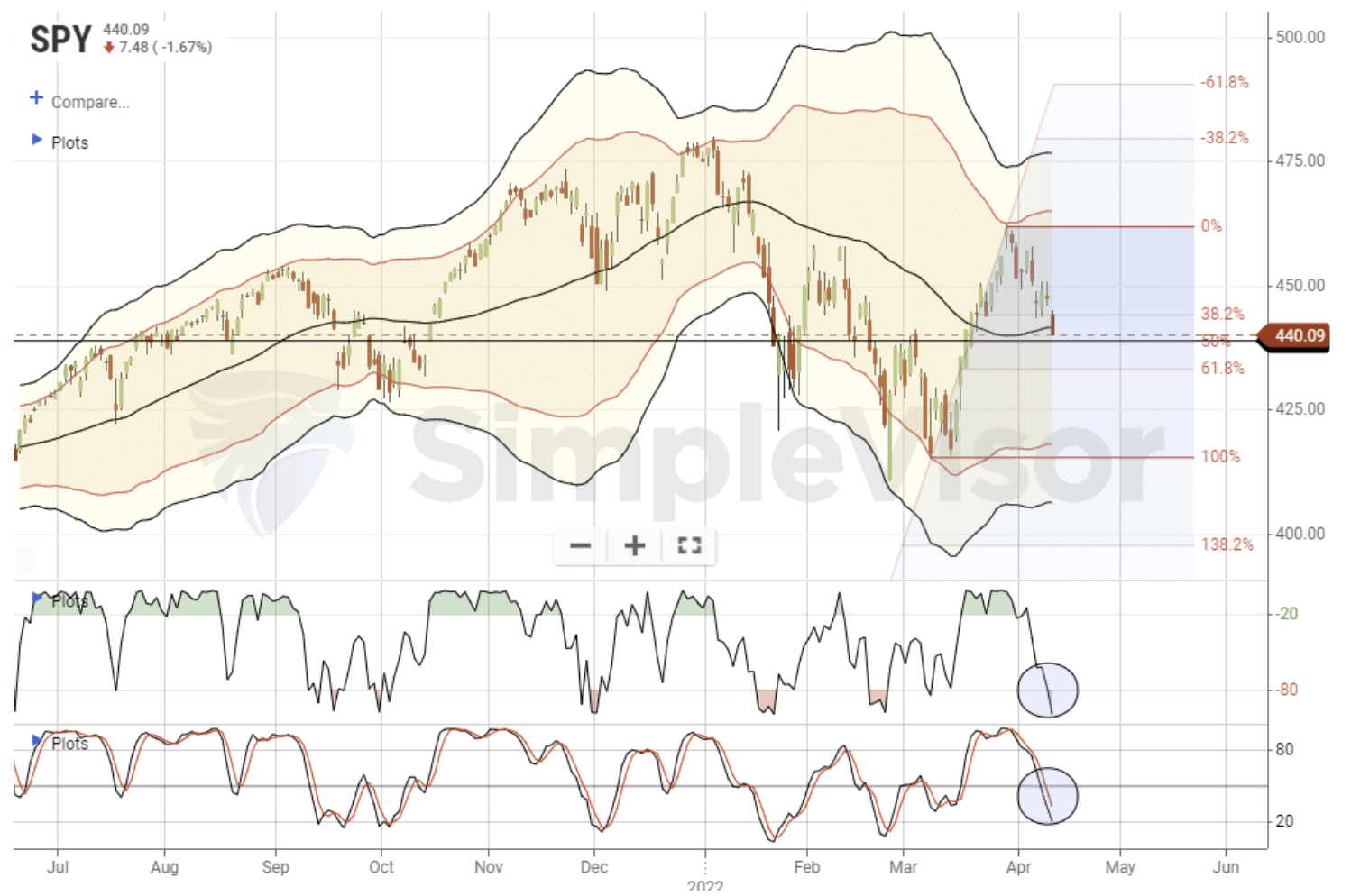
Is it still a “bear market rally?”
An outdated website will tarnish your brand and cause you to miss opportunities to grow your reputation, reach, and revenue.
ICYMI: In this roundup, we’re highlighting the five most popular pieces of content from the previous week.
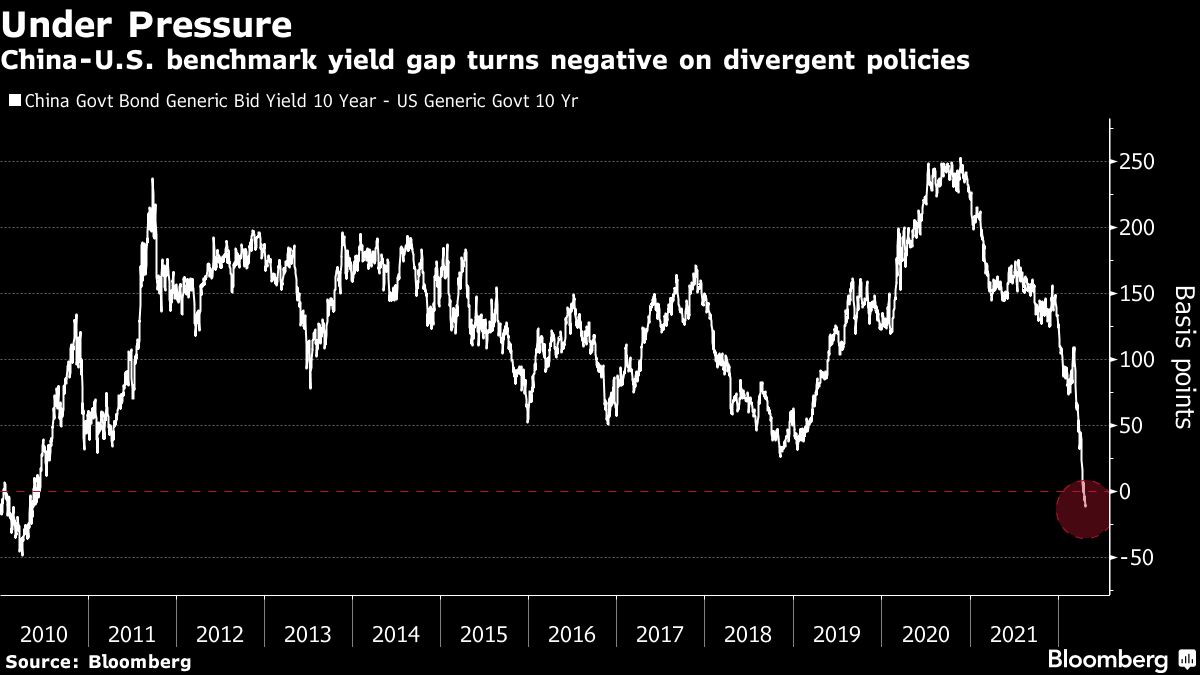
Asia’s two biggest central banks are having to grapple with the fallout from the Federal Reserve’s hawkish pivot.
Viral success stories of people who used the post-pandemic stock market to trade their way out of mountains of student loan debt keep inspiring do-it-yourself investors.
Together, 30 of the biggest asset managers have at least $550 billion invested in oil, gas and coal companies that have expansion plans, and even more alarmingly, they continue to provide “fresh cash to companies that are ignoring climate science,” said Lara Cuvelier, sustainable investment campaigner at Reclaim Finance, a nonprofit which published a scorecard Wednesday grading investment firms on their environmental commitments.
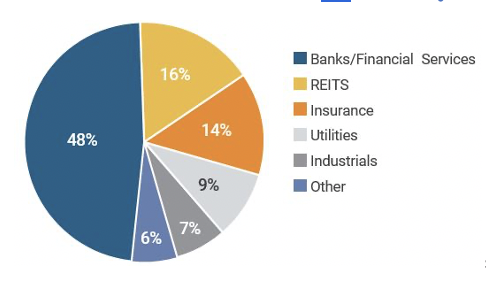
An often overlooked and underutilized fixed-income alternative, preferred securities offer investors compelling diversification and income opportunities in today's volatile, rising interest rate environment. With yields and returns comparable to high-yield fixed income, today's preferred securities have evolved into a distinct and attractive income-generating asset class.
As we have noted in this space in the past, there is a lot of the world that cannot be captured by the most elegant and detailed of spreadsheets.
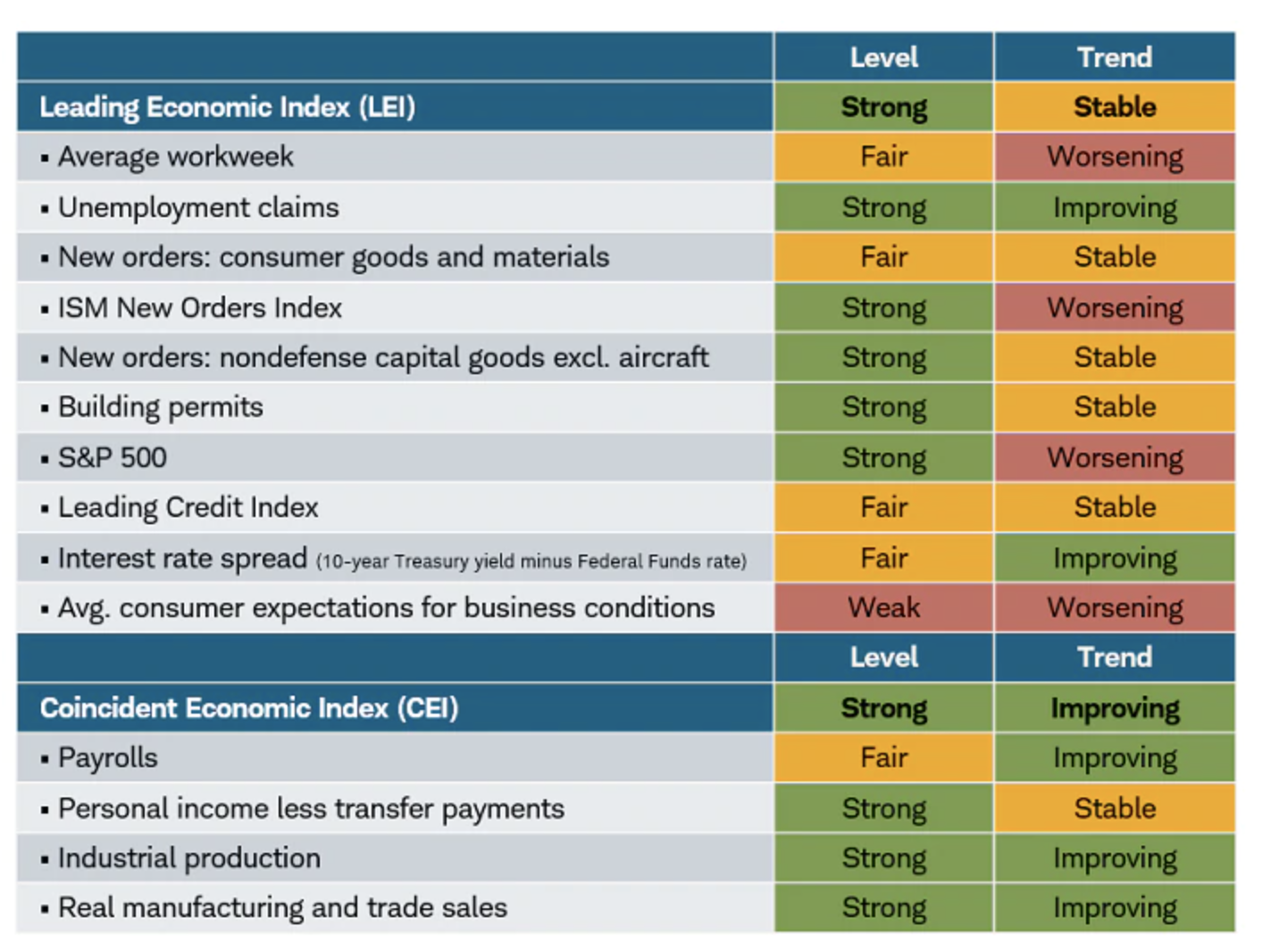
Recession chatter has picked up increasingly for numerous reasons, not least being the spike in oil prices, slowdown in economic growth estimates, and the Fed's transition from accommodative to tighter monetary policy.
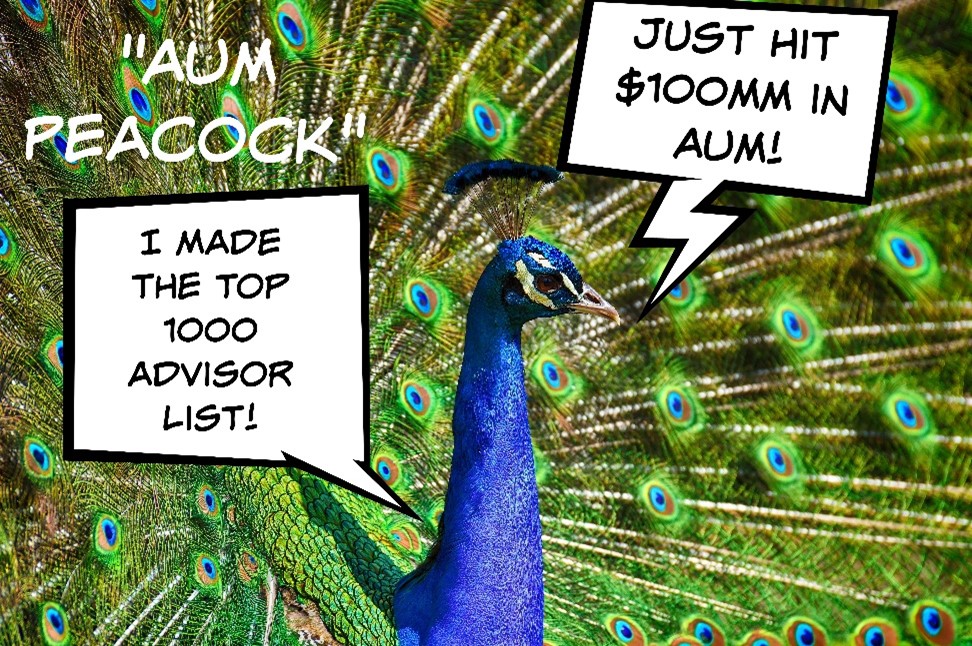
Comparing advisors to big-rig truck drivers makes more sense that you think, once you consider the eerie similarities in their business models.
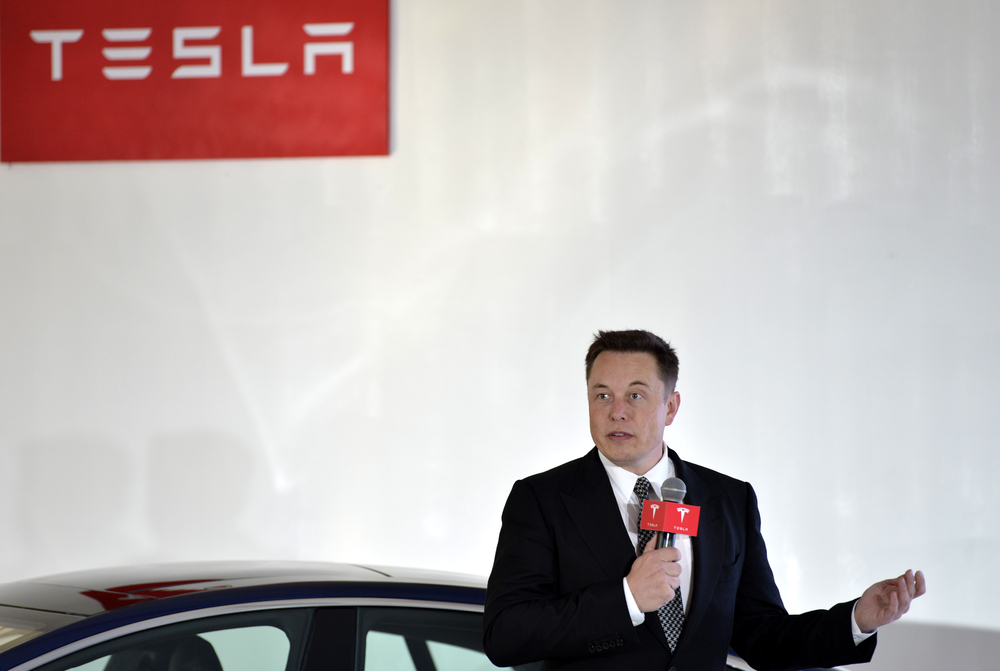
For all the histrionics, from the 2018 tweet “considering taking Tesla private” for which he incurred a $20 million fine from the U.S. Securities and Exchange Commission to smoking weed during a podcast and his latest foray offering to buy Twitter Inc. for about $43 billion, Elon Musk is a pretty good business manager. In fact, the chief executive officer of the world's most valuable automaker has no equal.
If you are under 45 and live in America or Europe, the odds are this past year has been your first real experience with inflation. Other than a blip in 2008, inflation has barely topped 3% in the last 30 years.
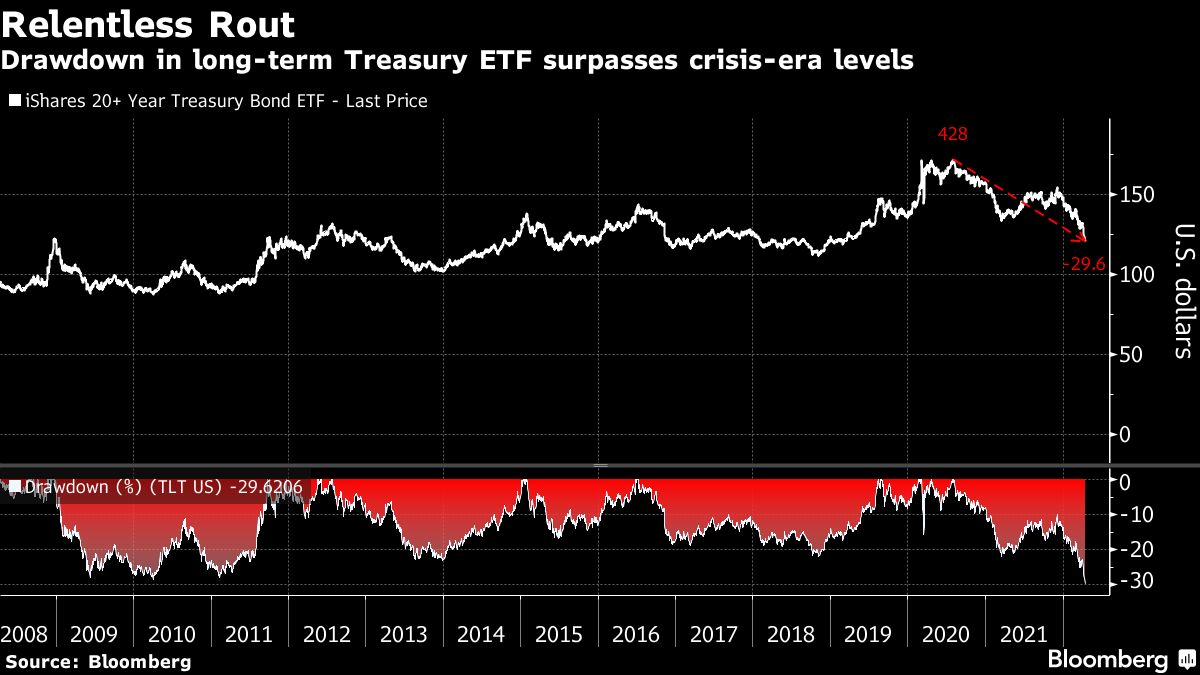
Long-maturity Treasuries are contending with their biggest drawdown on record, at least according to their most popular exchange-traded fund.
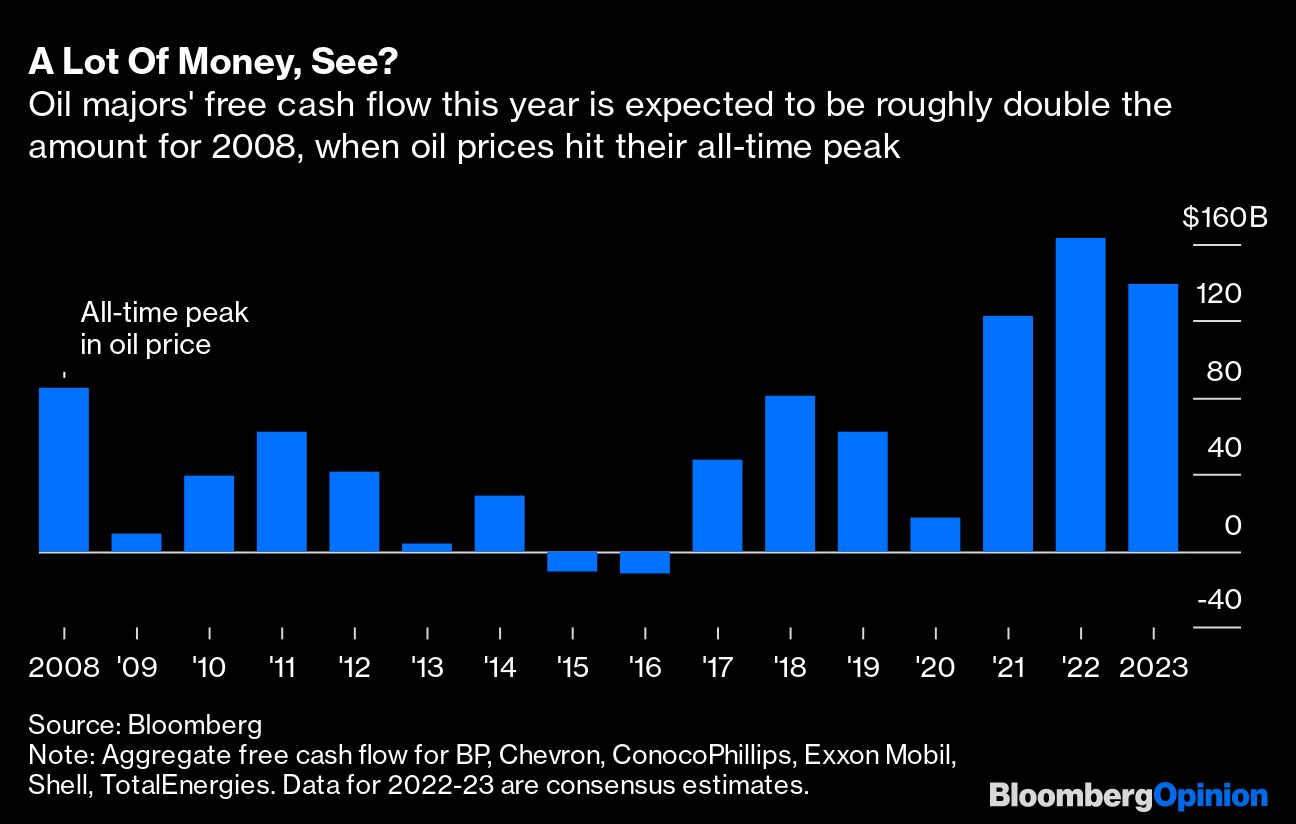
Six of the largest Western oil producers — BP Plc, Chevron Corp., ConocoPhillips, Exxon Mobil Corp., Shell Plc and TotalEnergies SE — are expected to generate free cash flow, after capital expenditure, of $163 billion this year.
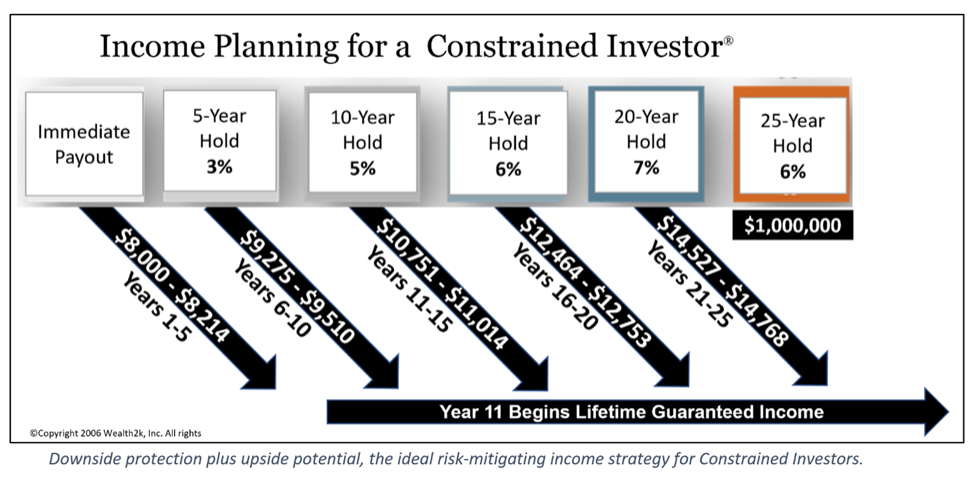
In this article, I will explain how to structure an income strategy that best serves the needs of constrained investors. Demographic, economic, cultural, and social forces argue for a new approach to retirement planning.
The war in Ukraine has further complicated the investment backdrop, and fears of a recession are rising now that the U.S. yield curve has inverted. Given so much uncertainty, we are focusing on what we can control and maintaining a defensive posture
Will the cloud drive massive increases in productivity and wealth – as the internet did before it? That is the central question asked by Mark Mills in his stunning new book, The Cloud Revolution.
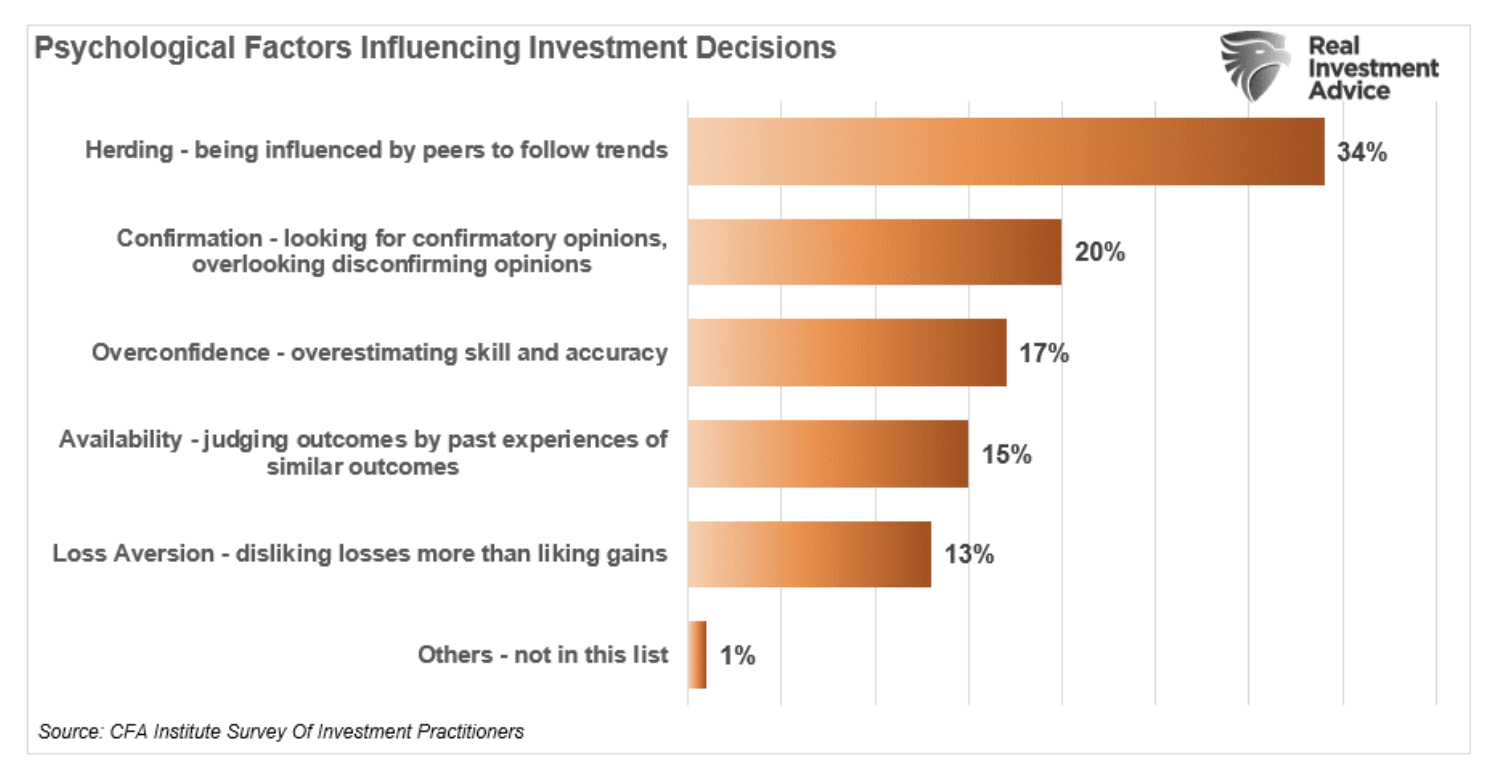
The “wisdom of the crowd” isn’t always wise to follow. A recent article by Scott Nations via MarketWatch made an excellent point.
You have to feel sorry for active managers.
The last decade and a half rewarded investors with healthy stock and bond returns. But high valuations, low interest rates and high inflation are signals to reassess risk tolerance and asset allocations.
U.S. government bonds dropped across the curve, with the two-year yield up two basis points to 2.47% as of 11:28 a.m. in New York. The 10-year yield rose two basis points to 2.85%, while a long-maturity Treasury ETF suffered a nearly 30% decline from a peak in August 2020 -- a record drawdown.
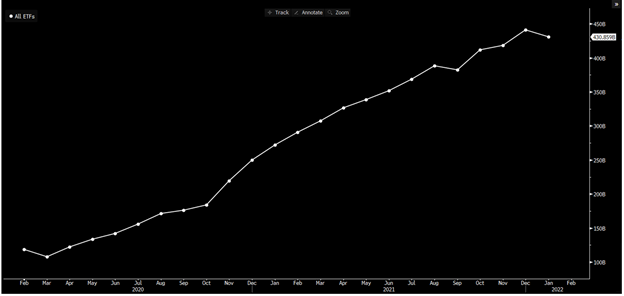
At least 20 ESG-focused exchange-traded funds have launched in the U.S. this year through Wednesday, according to data compiled by Bloomberg. While comparisons are difficult to make because of evolving classifications, that’s roughly double a tally of nine from the same period in 2021, and compares with two in 2020 and just one in 2019.
Retail investors piled into Twitter Inc. stock on Thursday, after the world’s richest person and head of Tesla Inc. roiled the financial world with an audacious bid to purchase the company for $43 billion. Musk later expressed doubt about whether the blockbuster deal will succeed, but that didn’t do much to deter non-professional traders.
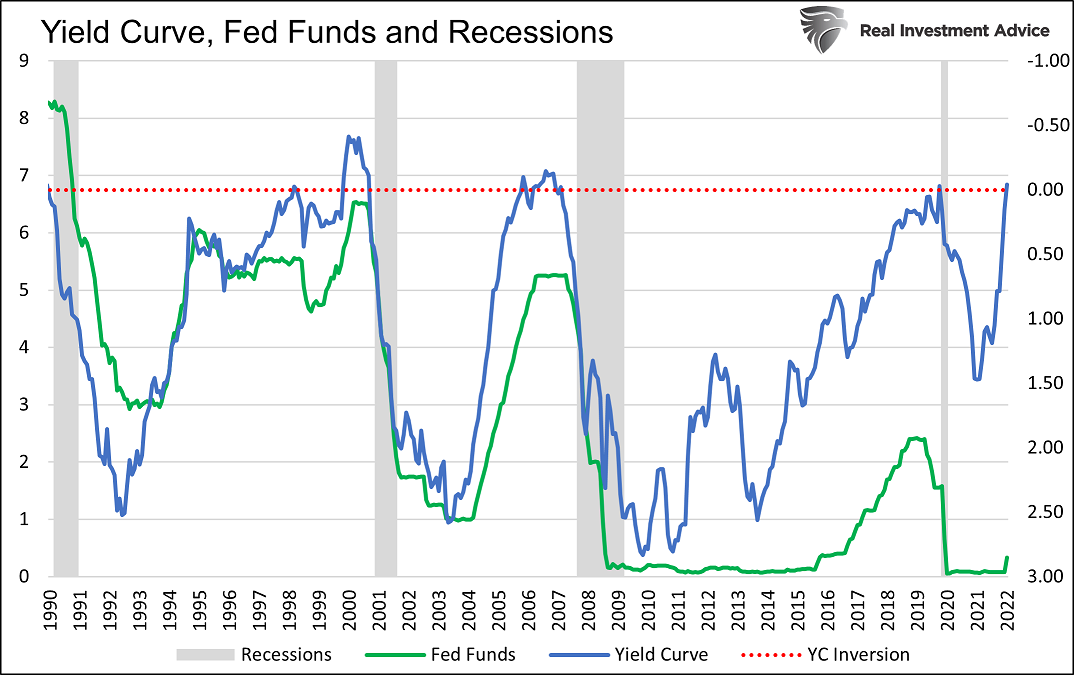
It’s Easter weekend, so we are going to revisit a 2018 letter about the yield curve. The yield curve is much misunderstood and misused by many analysts. This letter will give you the tools to understand the correct importance and relevance of the yield curve. And then, a few comments about Ukraine.
Cryptocurrencies and digital finance will catalyze an economic transformation on a par with the Industrial Revolution, according to Pippa Malmgren.
The war in Ukraine has contributed to inflation in the short term, but there’s much more to the story, which began way before Russia invaded its neighbor.
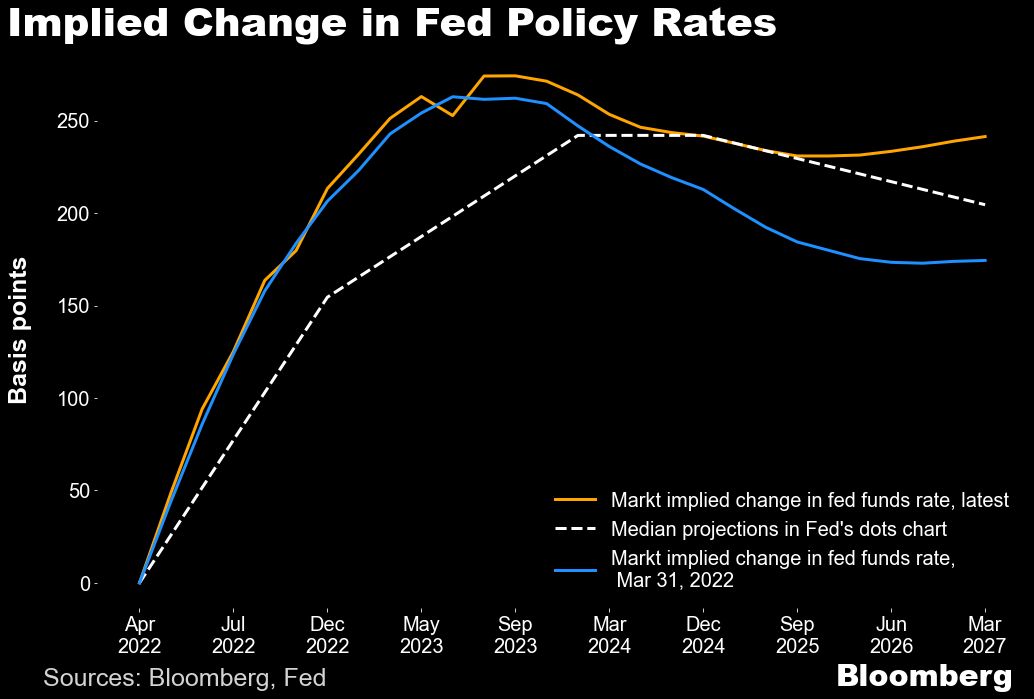
An unusually strong tug of war between economic forces is playing out in global markets, with a booming economy and low unemployment offset by the effects of the Russian invasion of Ukraine and expanded inflation. Expectations over the timing and magnitude of Fed interest rate increases rapidly evolved as clarity began to emerge around central bank responses to inflation.
Value has trounced growth this year, and high dividend companies have outperformed. Matt Wagner discusses the global dividend investment opportunity: emerging markets.
Today, we’re talking about why the war in Ukraine was such a dud for the bears.
Inflation is surging, central banks are on the move and now it’s earnings season. To top it all off, stock traders face the market-roiling potential of a monthly options expiration estimated at more than $2 trillion.
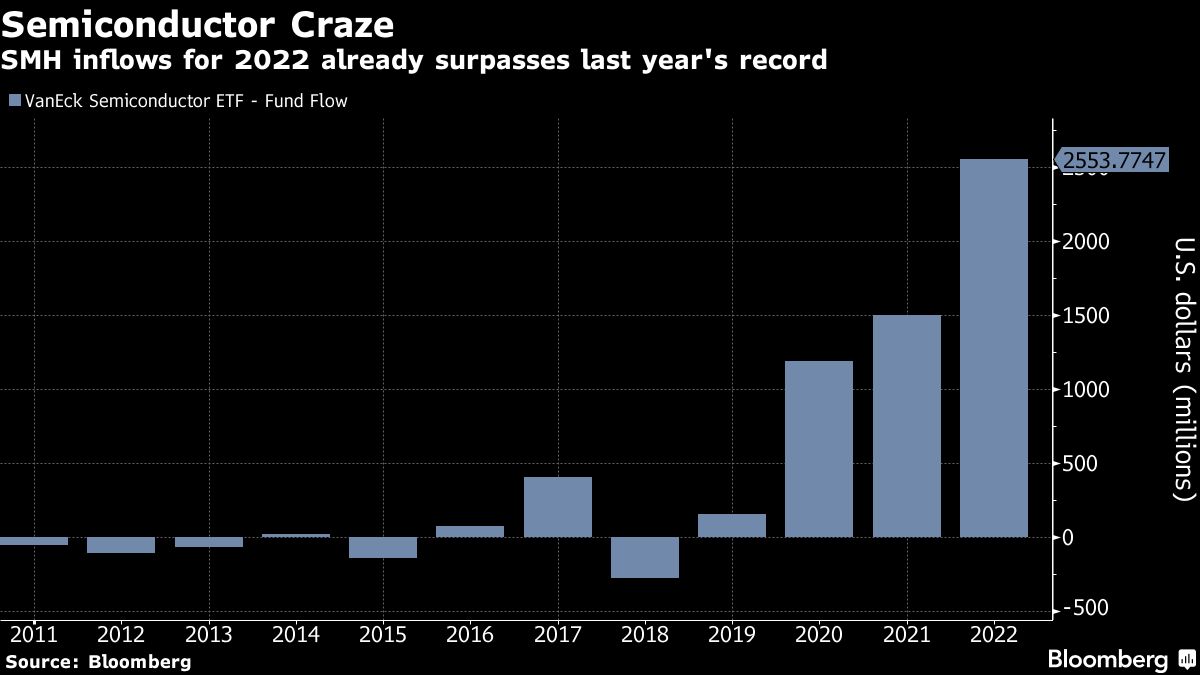
Investors are flooding into exchange-traded funds focused on semiconductor stocks, wagering the industry will rebound from the supply-chain snags and chip shortage that have dragged the shares lower.
Hundreds of celebrities from Madonna and Reese Witherspoon to Paris Hilton and Justin Bieber, have bought, endorsed or invested in projects or companies that promote nonfungible tokens over the last year — in some cases sending the prices of digital assets soaring.
On Tuesday, the day that government-reported inflation hit 8.5%, Jeffrey Gundlach said it may reach 10% this year.
What does baseball have in common with exchange-traded funds (ETFs)?
Over the past decade it has seemed like Value investors have been very much left on the sidelines, bemoaning rampant speculation and valuations untethered from fundamental reality, while Growth investors have, quite frankly, been living it up in some style.
The more the Fed decides to dance with inflation and ignore the bond market and economy, the more we should expect stock prices to fall.
To start, let’s discuss what diversification is and what it is not.
Central to my market and macro outlook at present is the likelihood we are amid a growth cycle downturn that is looking to decelerate meaningfully in the coming months.
For years, small accounts have been overcharged and underserved. I’m encouraged, however, by what I see some advisors doing, I wish the rest of the profession were inspired to similarly elevate the value provided for the price charged small clients.
Many advisors don’t understand risk. They apply different standards when it comes to assessing risk in their business and personal lives.
My column yesterday outlined six categories of winners and losers spawned by the current disruptive global economic environment as it transfers incomes and assets. Here are five more that result from the repricing of goods and assets.
From mangoes to diamonds to healthcare to finance: Blockchain technology is poised to transform virtually every corner of the economy.
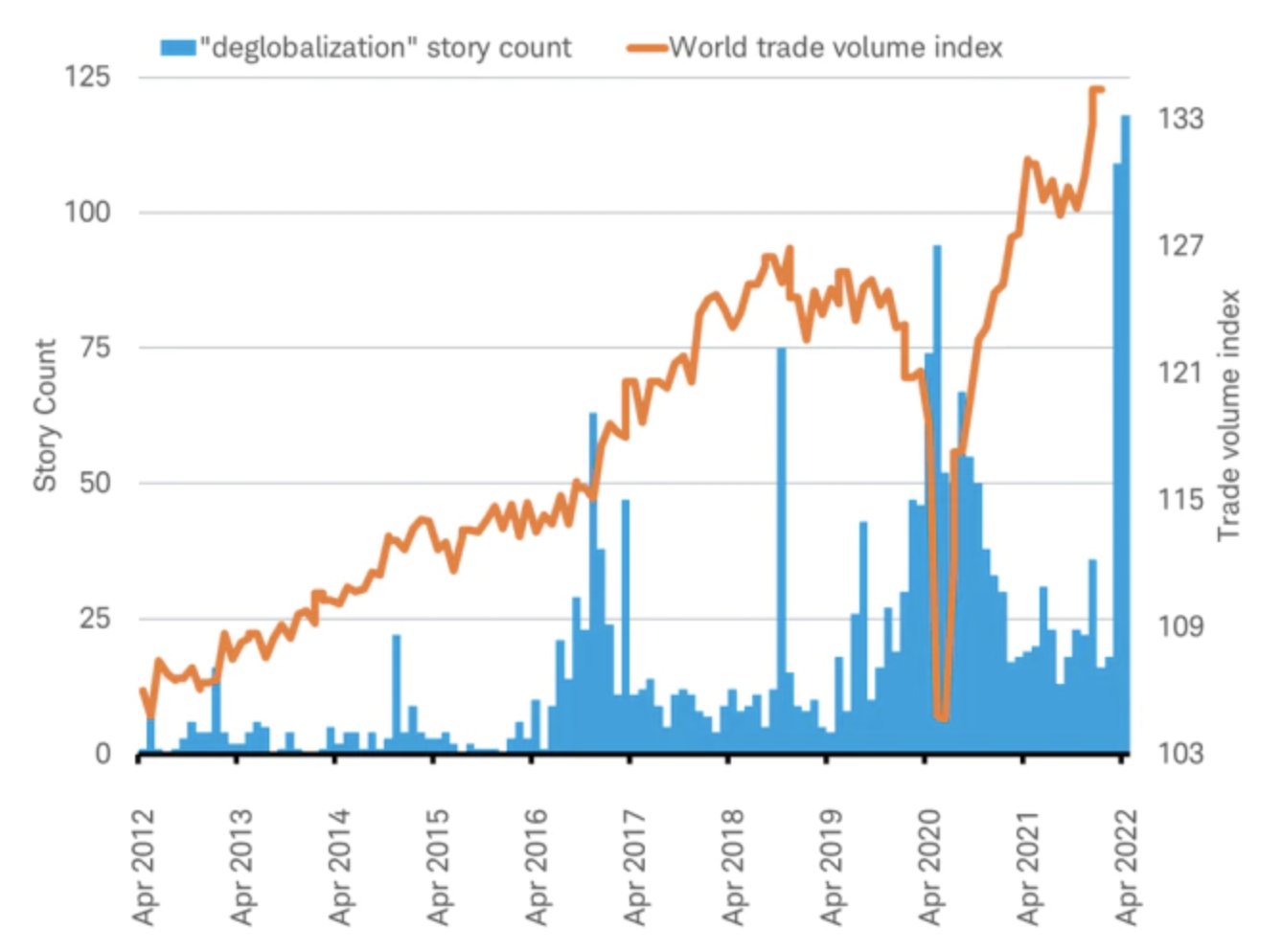
The "end of globalization" is a phrase that has come up a lot lately.
As a financial planner and financial therapist, I have some thoughts on how COVID will affect individuals' relationships with money.
As a firm, we refrain from delving into politics and political debates.
It’s not just interest rate changes that affect the markets, changes in the Fed balance sheet can also be a source of negative returns to equity and bond markets.
Covid-19, global supply-chain disruptions, frictions in reopening economies worldwide and now Russia’s invasion of Ukraine are spawning many winners and losers in economies, financial markets and political structures. Six of them are driven by transfers of incomes and assets. Five more are fundamentally the result of repricing goods and assets that I’ll cover in a separate column.
The U.S. Marshals Service held 22 cryptocurrencies valued at about $919 million last December, according to spokeswoman Shaunteh Kelly. In February the U.S. made its largest financial seizure ever: about $3.6 billion in Bitcoin stolen during a 2016 hack of the Bitfinex currency exchange. And cryptocurrencies made up almost all—93%—of the assets confiscated by the Internal Revenue Service’s Criminal Investigation Division in the fiscal year that ended Sept. 30.