Real Investment Advice
Bad Inflation Cures Itself. Good Inflation Doesn’t
There is a general framework to inflation, and it is older than any of us. Prices can rise because buyers are bidding for scarce goods with money they’ve actually earned. Or prices can rise because the cost of producing something has jumped for reasons unrelated to demand.
Bonds At 5%: Is The 10-Year Treasury Finally A Buy?
With the 10-year Treasury yield at its highest level since 2002, buying bonds at 5% is the first real alternative that stock investors have had in nearly two decades.
Gambling Epidemic: Gen Z Bets Against Their Future

By generation, Gen Z and Millennials now make up 88% of online betting activity. Gen X trails at 9%. Boomers barely register. As recently as this spring, Millennials were the bigger group. Then Gen Z passed them, and Bank of America called it a “turning point.”
Sequence Of Return Risk: The Math That Breaks Retirements

We understand that you can’t forecast the sequence of returns, but we CAN build a plan that survives a bad one. As Howard Marks puts it, you can’t predict, but you can prepare. These are the rules of engagement once you’ve crossed from saving into spending.
Price Of Happiness: Missing The Things That Matter

Market participants have been conditioned to expect clear Forward Guidance from Fed Chairs. Chairman Warsh has made it clear that Forward Guidance will be less under his leadership, but he has offered a very important qualifier that many have yet to grasp.
Investor Optimism Wins As An Investment Strategy

Understanding why investor optimism wins over a full market cycle is one of the most underrated edges an investor can own, and it has almost nothing to do with waving pom-poms.
Consumer Credit Stress: What The Data Really Shows

A number has been making the rounds all year, and it’s misleading. The claim: roughly 13% of credit card balances are 90 days or more past due, the worst since 2008. Here’s the twist. That number is real, and it comes straight from the New York Fed.
Earnings Mean Reversion: When Estimates Snap Back

This has been an incredible year in that Wall Street has spent all of it raising its earnings estimates, and the second-quarter season only accelerated the trend. Analysts began the year expecting S&P 500 earnings to grow about 15%.
K-Shaped Economy: Reality or Media-Driven Perception

The K-shaped economy is real, and it is old. What changed isn’t the shape of the economy; it’s just that the media found a narrative that gets lots of clicks and views, and we let headlines do our thinking for us.
Portfolio Risk Management: Winning The Long Game (Chapter 5)

In our final chapter for this series, we will dig into that exact question. Unfortunately, there is good and bad news, and it can be summed up in a single sentence.
US Debt Trap: A Crisis Without A Calendar

Every few months, a new essay declares that the US debt trap has finally sprung. The latest one making the rounds from The Economist is well written and genuinely unsettling. It argues that Washington has borrowed so recklessly that the Federal Reserve no longer dares to raise interest rates. Doing so, the piece warns, would detonate the whole structure and send financing costs spiraling out of control.
Investing Myths Dismantled (Chapter 4 of 5)

Chapter 3 of this series ended with a simple question. If the math so plainly says avoid big losses, respect valuations, and mind your timing, why does so much of the industry preach the opposite?
AI Bears: Right About The Excess, May Be Wrong On The Trade

Before I discuss why I disagree with the “AI bears,” I want to state that I respect their opinions, have evaluated their concerns, and have simply derived a different set of conclusions. That is an important statement, because this particular group of “AI bears” includes some of the sharpest risk minds in the business, and they have been early to almost every warning that later mattered.
Loss: Why Crashes, Timing & Valuations Matter (Chapter 3 of 5)

The first two articles in this series were about behavior. This one is about arithmetic. There are three numbers that decide most of your investing life. Let’s do the math Wall Street skips, one number at a time.
Democratic Socialism: A Beautiful Cake With A Bitter Aftertaste

The appeal of democratic socialism is real because the pain it speaks to is real. I won’t pretend otherwise. But intentions are not outcomes, and history has handed us the outcomes in ink, from Caracas to the old Soviet bloc to the Nordic countries that quietly kept their capitalism. The promise is a beautiful cake. The aftertaste is shortages, capital flight, inflation, and a new elite standing where the old one used to be.
Investor Psychology Is Sabotaging Your Returns (Chapter 2 of 5)

In the first part of this series, I promised that the next enemy we would face is the one you cannot fire, mute, or unfollow, because it is “You.” You can learn every valuation metric ever invented, memorize the two questions that decide everything, and still hand most of your returns back to the market for one simple reason.
Normal Interest Rates: What The Debt Panic Gets Wrong

The debt problem is real. It just isn’t a bomb. As we’ve written before, the debt and deficit problem isn’t what you think. It’s a tax on future growth, collected slowly, and normal interest rates are simply the price of money doing its job, not the crisis the headlines keep selling.
Think Like An Investor, Not A Speculator (Chapter 1 of 5)

“Think Like An Investor” is chapter 1 of a 5-part series examining the narratives around “investing for the long run. Learning to think like an investor rather than a speculator is not a personality quirk or a matter of taste. It is the entire game, and the good news is that it is a skill you can actually build, starting today.
Yen Intervention Narrative: What’s True And Not

So let’s do the work the timeline skips, starting with separating what actually happened from what the narrative needs you to believe. Then we’ll ask the only question that pays: should any of it change how you’re positioned this morning?
Earnings Drive Both Bull & Bear Markets

Earnings drive market corrections. That’s the finding, and the next serious decline won’t arrive with a headline about capital spending or the deficit but will begin exactly where all eight of the others began, in the profit cycle, surfacing in credit spreads and revision breadth well before it reaches any earnings report you can actually read.
Sound Money: Be Careful What You Wish For

“Sound money,” in its purest form, is money whose supply a government cannot expand at will. Under a gold standard, every dollar is a claim on a fixed weight of gold. You can’t print gold. So the government can’t monetize its deficits, and the money supply grows only as fast as miners pull metal out of the ground, historically around 1.5% a year.
Bonds In Your Portfolio: Why Ditching Them Is The Wrong Move

Lately, it seems like you can’t open a financial publication without stumbling across another article declaring the 60/40 portfolio dead. The pitch is everywhere: bonds are broken, the old rules no longer apply, and investors should modernize by swapping the bonds in their portfolio for Bitcoin, gold, or whatever alternative the asset management industry is currently selling.
AI Bear Case: What Skeptics Get Right And Wrong

The AI bear case is worth taking seriously on price and financing. It is not worth taking seriously on demand. Anyone selling you the whole package as a single story, bull or bear, is selling you a mood, not an analysis. The revenue is real. The cash flow is the thing to watch. Price accordingly.
Are US Treasuries Still A Safe Asset?

If you own treasuries, you need to make two separate decisions rather than one blended bet. The liquidity sleeve holds the bill exposure and does the work people mistakenly ask the long end to do. The duration sleeve stays deliberately small, sized as recession insurance rather than as a conviction call on falling inflation.
AI Capex Depreciation Risk Is The Catch To Record Earnings

The second-quarter earnings season is in full swing. So far, the results are landing in line or better than the upwardly revised Wall Street estimates. That’s the opposite of how this usually works. Analysts normally trim their forecasts as a year wears on. In 2026, they’ve done the opposite.
Home Affordability: Better Than Headlines Suggest

When you measure home affordability today against the metric that actually governs the check you write each month, the picture flips. By that measure, buying a home may be easier now than it was for the Boomers and Gen Xers who get blamed for everything.
Why Retail Traders Consistently Underperform Over Time

Decades of data across global markets reach the same verdict: the more frequently retail traders trade, the worse they perform. The infrastructure has never been more inviting. The losses have never been more documented. Here are some key statistics we will dive into further.
Spotting Market Bubbles: Why History Says It’s Nearly Impossible

If you knew you were standing inside a stock market bubble, you wouldn’t be standing in it for long. You’d sell. So would I, and so would everyone reading this. And if spotting market bubbles was something everyone could do in real time, the bubble couldn’t form in the first place.
AI Capex Risk Cuts Both Ways In The American Economy

The AI capex risk profile has gotten sharper since then, and the argument needs tightening in a few places. The bull case and the tail risk are now the same buildout, but they are running in different directions.
Margin Debt Risk: The Ratios That Mislead Investors

Rising prices increase the value of collateral in every margin account, which automatically increases how much each investor can borrow under Reg T. Debt rises BECAUSE the market rose, not the reverse. That single fact is what breaks the ratios we’re about to examine, and it lies at the core of why margin debt risk is so often misjudged.
Wage Growth As A Leading Inflation Indicator

Wage growth peaked four years ago. Since 1985, it has led CPI by three to seventeen months in every single cycle. The May 4.2% inflation print is the noise. Watch the wages.
Record Retail Inflows: Where Is All The Money Coming From?

The money is REAL. The question was never whether it exists. It’s who’s spending it, and what they borrowed to do it. When the wall of cash and the bottom half finally commit to risk at the same moment the Fed turns hawkish, that’s not the start of something. That’s the part of the cycle where the careful investor gets paid to be careful.
Friedman Was Right, Just Mostly Misquoted.
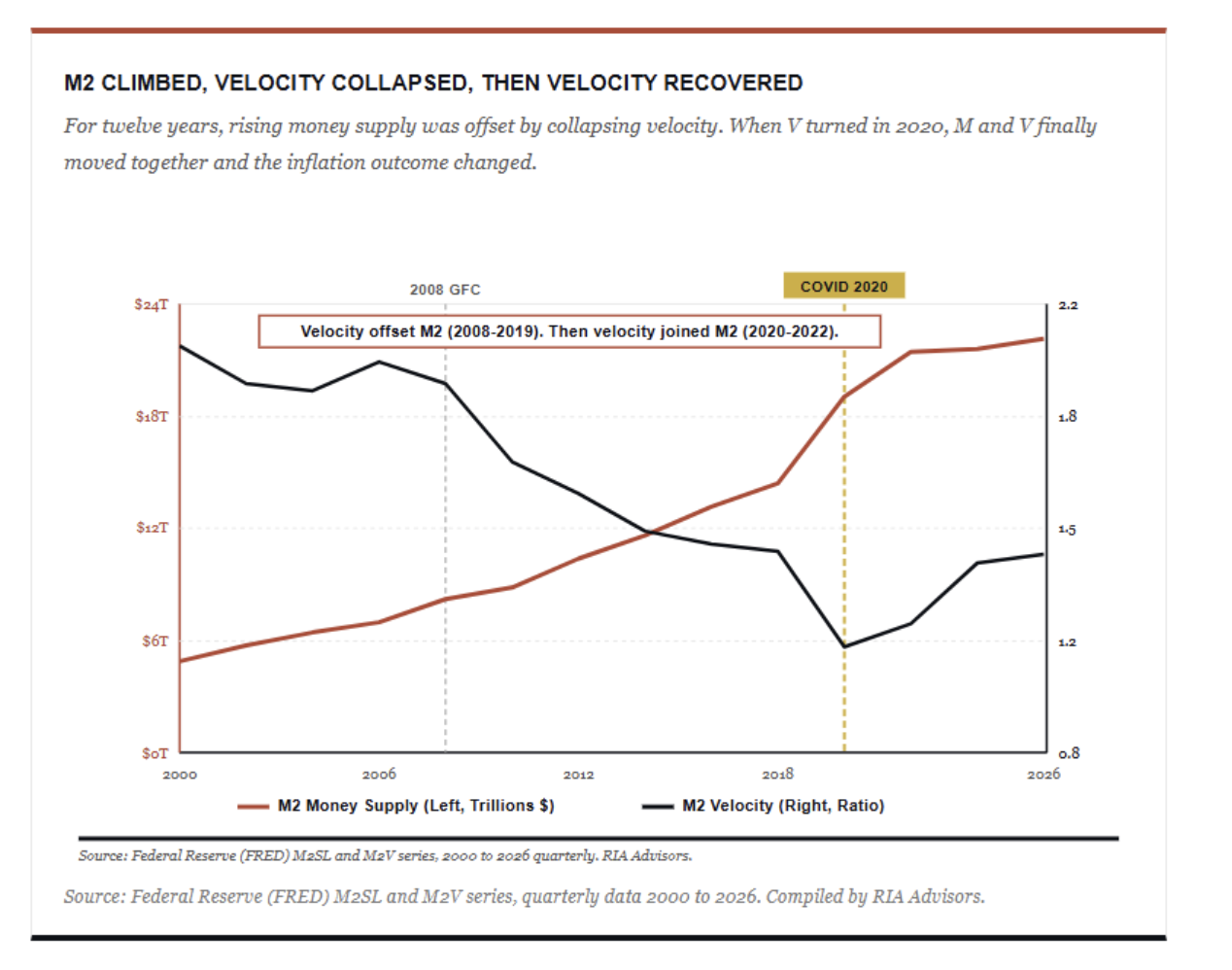
Friedman was reasoning from the equation of exchange, MV = PQ. Money times velocity equals prices times real output. It’s an identity, not a theory. Where it gets interesting is when you ask which variable does the work.
When Flows Meet a Hawkish Fed

Here’s the setup most investors are underrating right now. Over the next two weeks, the tape will trade on plumbing rather than fundamentals. We just cleared the largest options expiration in history. Quarter-end pension selling comes next, and then July 1 reopens the passive-money firehose into a market that already routes forty cents of every S&P 500 dollar into ten stocks.
The Consumer Sentiment Disconnect From Economic Reality

Start with the disconnect itself. If you only looked at the Michigan headline, you’d assume the country was in a depression. However, when you look at what people are actually doing, the picture changes completely.
Bull Market Pullback: Why The 4.5% Dip Held The 50-DMA

The catalyst that turns a healthy pullback into something deeper won’t be a single oil-soaked CPI print. It’ll be the moment forward earnings expectations start to roll over while valuations sit at the high end of history. We aren’t there yet.
The K-Shaped Economy: Why The Middle Class Moved Up.

The K-shaped economy has become shorthand for a tidy story. The rich pull away while everyone else falls behind. It fits the mood, and it makes for a sharp headline. The problem is that it’s mostly wrong.
Equity Supply Surge: What Historically Comes Next

This past week, the market hit an all-time high. At the same time, Alphabet (GOOG) told investors it would raise $80 billion by selling stock to fund its AI buildout, and the shares fell about 4% on the news.
Stronger Dollar Trade: The Most Unexpected Macro Bet (Part 2)

In Part 1, we explored why Dollar Dominance Remains Alive and Well. Today, we will explore the stronger-dollar trade, the one macro trade that nobody is sized for.
Risk Management For Retirees: When To Reduce Exposure

Reducing equity exposure during periods of elevated risk is not the same as market timing. The financial industry has spend decades blurring that distinction.
Dollar Dominance Remains Alive And Well (Part 1)

The dollar is supposed to be dying. We’ve heard that argument for the better part of a decade, and it’s getting louder, not quieter. Dollar dominance isn’t fading. In fact, the events of late April 2026 just delivered the loudest counter-signal in years.
Corrections vs. Bear Markets: Why 20% Declines Are Obsolete
After three decades of watching market cycles play out from both sides of the trade, I’ve come to a simple conclusion: Wall Street’s love of simple rules is one of the most dangerous aspects of investing.
Rising Interest Rates: Why The Narrative Fails Against The Data

Last Friday closed with the 10-year Treasury yield at 4.60%, a one-year high, and the doom commentary about rising interest rates was waiting before the bell even rang. Hyperinflation. Bond market breakdown. Paradigm shift. A 1981 fair-value retest.
Buffett Cash Hoard: Why $397 Billion Sits On The Sidelines

That Buffett cash hoard has also created a lot of speculation, innuendo, and assumptions, which is what I want to walk through in today’s discussion. Primarily, what that cash hoard actually represents, the popular theories explaining it, and what it really costs shareholders to hold.
The Stagflation Narrative: What Doomers Get Wrong – Part II

The stagflation narrative dominating financial social media isn’t completely wrong. That’s what makes it so dangerous. After more than 30 years of managing client portfolios through actual inflationary cycles, not watching them on YouTube, I’ve learned that the most damaging investment advice isn’t built on outright lies.
Parabolic Semiconductor Rally Is Pricing In 2028 Already

A real fundamental story doesn’t require a parabolic chart to validate it. In fact, fundamentals tend to drag prices up the trend line, not push them through the ceiling. When a “shortage” narrative arrives at the same moment that the worst-quality names in the sector are leading the index higher, that’s not fundamentals at work.
Commodity Supercycle: The Enemy Of The Bull Thesis (Part 1)

That skepticism isn’t contrarianism for its own sake, but rather the recognition that when a thesis achieves consensus, the crowd has usually already priced the easy part of the move, and the hard part is what comes next.
Market Correction Risk: Why Summer 2026 Looks Risky

The S&P 500 hit a fresh record high last week. The median stock in the index is sitting 13% below its 52-week peak. That divergence is not a footnote or a curiosity.
A Robot Economy: Who Gets Rich, Who Gets Left Behind

Robots are coming to the economy. It is inevitable, really, and there is nothing that will stop it. At some point in the not-so-distant future, robots will infiltrate every aspect of our lives, from office work and manufacturing to service work and trade skills, and even your home. Here are some numbers for you.
Government Debt: Not What The Doom Crowd Thinks It Is

Here’s where I want to start, because this is the point that almost every government debt analysis, including the article we’re responding to, completely ignores. Government debt doesn’t disappear into a void. By definition, if the Government borrows capital from someone, that capital must flow somewhere.
Hormuz: Why Markets Are Shrugging Off The Oil Shock

As of this writing, the Strait of Hormuz remains effectively closed since February 28. Roughly 20% of the world’s seaborne oil stopped moving through the chokepoint. T
Why Panic is a Costly Mistake

The stock market selloff between February 28 and April 14 produced one of the more instructive market lessons in recent memory. It isn’t because of what the market did, but because of what investors did in response.
BLS Jobs Report Is Broken. Is There A Better Measure?

The BLS jobs report has become so distorted that it often tells us almost nothing reliable about the actual state of employment. I realize that is a serious claim, but let me back it up with the data. I want to show you what I believe is a simpler, more honest alternative.
S&P 500 Outlook: The 8.2% Rally & What Comes Next

Over the last few weeks, we have published real-time market commentary as the correction proceeded. The goal was to help investors navigate the more dire outcomes promoted on social media. A largely unexpected outcome was that the S&P 500 outlook changed dramatically in a matter of days.
Oil Shock: Will The Fed Intervene (Part 2)

That article digs into the plumbing behind oil shocks and recession, and exposes why, over the years, I’ve learned to distrust the loudest voices in the room.
The Stock Market Rally: Buy Or Fade It?

Last week, the stock market rally was one of the best performances in nearly a year. The S&P 500 surged 3.4%, the Nasdaq climbed 4.4%, and the bulls declared the correction over. As I have stated before, having watched markets for more than 35 years, I have come to recognize the difference between a relief rally and the end of a corrective cycle.
Oil Shocks & Recessionary Outcomes

After more than three decades of watching oil markets upend economies, one pattern keeps repeating: investors learn the wrong lessons from the last shock. The 1973 OPEC embargo taught us that geopolitical disruptions are temporary.
Rubino: Fiat Currencies Are In A Death Spiral

The fiat currency collapse narrative is one of the most emotionally satisfying arguments in all of financial punditry. It feels intellectually rigorous, draws on genuine history, and speaks to deep and legitimate anxieties about government overreach, monetary recklessness, and the long-term consequences of unlimited debt creation.
Stock Market Breadth: Warning Or Opportunity?

What’s unusual today is the degree of divergence between individual stocks and the cap-weighted index. When a handful of stocks carry enough weight to paper over widespread internal damage, investors holding diversified portfolios feel the pain long before the headlines acknowledge it.

The 200-DMA Just Broke: What Every Investor Should Know
Last week, on March 19th, the S&P 500 closed below its 200-DMA for the first time since May 2025. The first instinct is to panic as media headlines talk about bear markets and financial crisis events. However, as we will explore today, the data says it depends entirely on the type of break: sustained or brief.
Treasury Bond Yields Don’t Lie: But Wars Don’t Drive Them
This past weekend, Adam Taggart and I discussed what happens to Treasury bond yields when the United States enters a military conflict. The conventional wisdom is reflexive and tidy.
Soros CEO & CIO Warns of a Reckoning

The private equity (PE) business is huge. When I say huge, I mean $4.4 trillion huge. However, as we warned then, the risks have come home to roost. The private equity and private credit industry is heading into a gut-wrenching period of consolidation.
USD Stable Coins And The Rebasement Of The US Dollar

The “fiat is dying” argument has become a catchphrase narrative among digital asset bulls, gold bugs, and cryptocurrency advocates. That narrative’s core is that central banks have printed vast amounts of money.
Technical Deterioration: Risk Management Is Key

The S&P 500 closed at 6,740 on Friday, its lowest level since mid-December, as technical deterioration, collapsing payrolls, and $100 oil converged on the charts. Every major moving average has broken. Here’s what comes next.
SaaS: Is There Opportunity In The Destruction?

If the SaaSpocalypse narrative proves to be more panic than prophecy, the critical task becomes identifying which companies will emerge stronger.
Economic Sentiment Belies Strong Economic Estimates

Economic growth metrics for the United States have recently shown surprising resilience; however, consumers’ economic sentiment has not. According to the Bureau of Economic Analysis’s advance estimate, real Gross Domestic Product expanded at an annualized rate of just 1.4%.
Money: The 10 Immutable Laws Of Building Wealth

Money – everybody wants it, but few actually have it. As shown in recent financial statistics, the “wealth gap” in America continues to grow between the “haves” and the “have-nots.”
Is China Really Dumping US Treasuries?

“China is dumping US Treasuries to get out of the dollar.” This claim has been circulating the mainstream feeds lately, with the narrative that the “end of the dollar is near,” or “the US will lose its funding base,” and “bond yields will surge.” But are those claims valid? Such is what we will explore in more detail.
Financial Nihilism & The Trap Young Investors Are Walking Into

The article from the Wall Street Journal titled “Why My Generation Is Turning to Financial Nihilism” by Kyla Scanlon argues that Gen Z is embracing high-risk financial behavior out of despair and detachment, but the data shows something very different.
Market Sector Review: Extreme Market Bifurcation

Since the beginning of the year, we have discussed the “reflation trade” and its impact on specific market sectors. This past weekend’s newsletter also showed some of these more extreme returns in various market sectors since the beginning of the yea
The Reflation Narrative

The market got off to a strong start in 2026, with investors chasing industrials, materials, and commodity-related stocks as the reflation narrative gained traction. The “reflation narrative” is the belief that a range of policies will boost the rate of economic growth in the U.S. without triggering inflation.
Speculative Narrative Unwinds

For nearly two years, markets were driven by the same speculative narrative that “this time is different.” Speculative narratives are not only seductive but also contribute to investment behaviors that obscure reality. Speculation disguised as investing is a losing proposition.
The Market Cycles Potentially Driving 2026 Returns

Market cycles are once again at the center of the investment narrative as we head into 2026. The optimism is familiar as earnings held up in 2025, the economy avoided recession, and big tech lifted the indexes. However, those victories are already reflected in the price.
Mainstream Expectations: Hope Vs. Potential Risk

Mainstream expectations, those from Wall Street, economists, and corporate strategists, have congealed around a bullish economic outlook for 2026. Most forecasts project stronger economic growth, with contained inflation, and continued investment in technology and capital expenditure.
The Bullish And Bearish Case For 2026
By assessing the macro and market drivers that shape each outlook, we can lay out clear, practical tactics to prepare your portfolio for either path. Whether the bullish or bearish case prevails in 2026, your edge will come from disciplined risk management, not from guessing the future.
The South Park Market Of 2026

It is critical to understand that 2026 will not deliver certainty. Instead, investors should focus and make decisions based on probabilities backed by data, earnings trends, policy shifts, and macro signals.
AI Productivity, Employment and UBI

AI productivity gains will demand active solutions, not government gifts. Skill development, apprenticeships, employer-based training, wage insurance, and mobility support. These tools address displacement directly, while UBI does not.
2026 Earnings Outlook: Another Year of Optimism

The Wall Street consensus forecast for 2026 earnings growth is strong by historical standards. Analysts are giddy and projecting another year of double-digit growth in S&P 500 earnings per share (EPS).
New Year’s Resolutions For 2026 – Investor Version

The goal isn’t to be perfect; it’s to make fewer mistakes than last year because investing success doesn’t come from reading motivational quotes or watching market TikToks at midnight.
Precious Metals Aren’t Predicting Economic Collapse

In 2025, the prices of precious metals rose sharply, with silver prices recently surging past $80 per ounce. Of course, when precious metals rise, there is always the same group of commentators (mostly paid newsletter writers and physical metal dealers) to declare that a financial analysis is underway.
The Market Risk in 2026 if Growth Projections Fail

There is a rising market risk in 2026 that is largely overlooked as we wrap up this year. Optimism about 2026 is running high. Currently, investors are pricing in strong economic growth, robust earnings, and a smooth path of disinflation. Notably, Wall Street estimates suggest a significant acceleration in corporate profits...
2026 Market Outlook Based On Valuations

It’s that time of year when Wall Street polishes up its crystal balls and begins predicting returns for 2026. Since Wall Street never predicts a down year, which would be unwise for fee-based product revenues, these forecasts are often inaccurate and sometimes significantly wrong. Let’s review some previous years.
What Inflation Alarmists Missed In Their Warnings

Over the last couple of years, inflation alarmists such as Paul Tudor Jones, James Grant, and Jeff Gundlach have all said that inflation is returning with force. In different ways, they each stated that they would not own Treasury bonds due to the expectation that inflation would rise as the dollar declined due to the ongoing deficits.
Bull Market Genius Is A Dangerous Thing

During extended upward-trending markets that reward risk-takers and punish caution, everyone is a “bull market genius.” That dynamic flips investor psychology and, over time, creates a false sense of control.
Does AI Capex Spending Lead To Positive Outcomes?

As someone who views corporate finance through a pragmatic lens, I’ve been closely watching the current surge in capital expenditures (capex) tied to artificial intelligence (AI). When a company spends massive amounts of free cash flow and takes on increasing debt, does that lead to a positive outcome for investors?
The DPI Link To Margin Debt

Rising margin debt levels signal increasing speculation and leverage in the market, with the cost of carrying this debt nearing historical peaks that have typically preceded significant stock market corrections.
Jobs Data From Alternative Sources May Drive Fed’s Next Move

Due to the federal government shutdown, official jobs data remains incomplete, forcing the Federal Reserve to rely on alternative private-sector reports to gauge the labor market. These alternative data sources, such as the ADP report and Revelio Labs estimates, indicate a widespread and concerning slowdown in employment, with job creation stalling, openings shrinking, and layoffs rising across many sectors.
A Bear Market is a Good Thing

In today’s markets, mentioning the “B-word” will get you thrown into the “permabear” camp, and everyone immediately assumes you mean the end of the world: death, disaster, and destruction. Yes, bear markets have terrible short-term impacts, but they also allow the system to reset for healthier growth in the future.
Market Bubbles: A Rational Guide To An Irrational Market

Yes, we may be in the second market bubble of this century. Alternatively, the market may be pricing in a shift as fundamental as the transition to either electricity or the internet. Either way, investors must think clearly, act deliberately, and avoid the kind of blind speculation that turned past booms into bloodbaths.
Capex Spending On AI Is Masking Economic Weakness

The U.S. economy’s recent growth has a distinctive engine: large‑scale capital expenditures (capex) tied to artificial intelligence (AI). Firms such as Microsoft, Alphabet (Google), Meta Platforms, and Amazon have announced massive investments in data centers, servers, networking equipment, and AI infrastructure.
Full Market Cycles: Half Bull and Half Bear

In the end, it does not matter if you are “bullish” or “bearish.” However, what is grossly important in achieving long-term investment success is not necessarily being “right” during the first half of the cycle, but by not being “wrong” during the second half.
Economic Reacceleration: A Contrarian View

While consensus remains cautious, there is a case, however tenuous, for economic reacceleration. This isn’t about ignoring risks. It’s about acknowledging that conditions aligning could drive a shift from stagnation to renewed growth.
Forward Return And The Importance Of Math

The math on forward return expectations, given current valuation levels, does not hold up. The assumption that valuations can fall without the price of the markets being negatively impacted is also grossly flawed.
“Money Printing” By The Fed: Fact Or Fiction?

I recently penned an article on “Money Supply Growth,” which elicited a very thoughtful response from Garrett Baldwin via Substack. He argued that labeling Federal Reserve operations as “money printing” is not rhetoric, but rather a reality. He points to Ben Bernanke’s 2010 interview, where Bernanke described how the Fed marks up digital accounts.
Investor Dilemma: Pavlov Rings The Bell

Classical conditioning teaches us a valuable lesson regarding the current investor dilemma. Pavlov’s research discovered a basic psychological rule: when a neutral stimulus is repeatedly paired with a reward‑stimulus, eventually it will trigger the same response even when the reward is absent.
Gold Myths Luring Investors Into Risk

Gold is not immune to market cycles. It’s a volatile asset driven by shifting narratives and capital flows. If you’re buying gold today, understand what’s supporting the price, and what could shake that support loose. Treat gold as a hedge, not a core growth asset.
The Most Dangerous Era In History

We live in what Brett Arends claimed as“The Dumbest Stock Market In History,” but I believe it is potentially the most dangerous era. That phrase is not hyperbole as it reflects structural distortion, extreme valuations, and an investor base intoxicated by momentum and narrative.
Money Supply Growth: A Thesis With A Fatal Flaw

Bold calls to “run to gold, silver, and bitcoin” make for strong headlines, but they oversimplify the reality of modern finance. As we’ve seen, money supply growth is not inherently a sign of debasement but reflects economic expansion. Far from being destructive, government deficits flow directly into private-sector savings and stabilize household balance sheets.
Speculative Bull Runs and the Value of a Bearish Tilt

I want to discuss a different approach to portfolio management with you today. Rather, how to think like a “bear,” so you see the risks of the speculative bull run. However, to act like a “bull” to capture the gains while available. But that is a difficult skill to master.
The Psychology Of Investing In A Zero-Risk Illusion

Every market cycle eventually changes investor psychology to believe risk has been conquered.
A Reading Without Rose-Tinted Glasses

If you want to understand where we are in the cycle, skip the noise and follow profits. Corporate profits are the lifeblood of investment, hiring, and market returns.
ChatGPT Gives Financial Advice On Volatile Markets

Following Friday’s selloff amid the resurgence of tariff threats on China, I asked ChatGPT a simple question: ”How to Stay Calm In The Stock Market?” In this week’s post, I thought it would be helpful to review ChatGPT’s advice and discuss it in more detail.
Bear Market Losses – A Dangerous Illusion
When bear market losses occur, headlines talk in percentages: “The market dropped 20 %.” Investors nod. A 20 % decline sounds manageable, historical, and expected.
Promised Recession…So Where Is It?

Over the past three years, the economic conversation has been a “promised recession.” If you read the headlines, tracked economist surveys, or even listened to Wall Street strategists, you would have assumed a downturn was imminent. And yet, here we are, late into 2025, and the U.S. economy is still standing.
RSI (Relative Strength Index): Timing The Next Correction

While it may seem that way at extremes, momentum tends to exhaust, and reversals or corrections become more probable. The RSI gives us a real-time gauge of when a trend may be vulnerable to a pullback or turn.
Slowdown Signals: Are Leading Indicators Flashing Red?

While the market is betting on an economic revival to support current valuation levels, the real economy is suggesting things are slowing down. Notably, the evidence isn’t coming from obscure corners. It’s showing up in the indicators designed to give us a heads-up before a storm arrives.
Data Centers And The Power Grid: A Path To Debt Relief?

The buildout of data centers and the power grid may offer the best opportunity to generate sustained growth. The scale of investment is large enough to matter, the economic multipliers are high, and the timeline aligns with when fiscal pressure will peak.
Markets: Bullish vs Bearish Case

To understand where the market might go, you need to weigh both the bull case and bear case in light of what is actually priced and what risks remain unacknowledged. The data support the bull momentum case, but many components are already baked into current prices.
Invest Or Index – Exploring 5-Different Strategies

We will examine five major investment strategies: value, growth, momentum, dividend, and index investing. Each comes with strengths and weaknesses. More importantly, each offers lessons from history’s greatest investors, including Benjamin Graham and Warren Buffett.
Corporate Earnings Slowdown Signaled By Employment Data

Despite the slowdown, the Federal Reserve remains hesitant. Chair Powell noted softening labor conditions at Jackson Hole and suggested the door is open to rate cuts. But no concrete shift in policy has occurred.
Why Diversification Is Failing In The Age Of Passive Investing

Surface-level diversification is no longer enough in a market increasingly driven by passive flows and dominated by a few mega-cap names. Owning multiple funds or asset classes does not guarantee protection if the underlying exposures overlap. Investors must go deeper and look beyond labels and into the actual drivers of risk and return.
Why Keynes’ Economic Theories Failed In Reality
The failures aren’t isolated miscalculations but the predictable result of a flawed framework that policymakers have clung to for decades. Keynesian economics didn’t just “get it wrong” in 2025, but has repeatedly failed to deliver on its promises for over forty years. And the consequences are becoming impossible to ignore.
Portfolio Risk Management: Accepting The Hard Truth

Here is the hard truth you must learn. Your real edge comes from limiting damage when you’re wrong and maximizing gains when you’re right, which is the very foundation of any risk plan. You will lose. You must build your system around that fact.
Energy Price As An Economic Indicator

Energy prices indicate economic strength, or, in this case, weakness. If the global economy grew strongly, the need for oil consumption would rise, absorbing the current production levels, causing energy prices to rise.
“Buy Every Dip” Remains The Winning Strategy…For Now

“Buy Every Dip” has lately been the “Siren’s Song” for this market. Such is seen in the flows into ETFs over the course of this year. Retail investors treat pullbacks as temporary noise, and their behavior borders on mechanical. Every sell-off is seen as an opportunity, not a warning.
US Economy: Recent Data Suggests Risk To Earnings
The latest economic data suggests the US economy is decelerating. That means growth is slowing, jobs are shrinking, and households are spending less.
Excess Bullishness & 10-Rules To Navigate It
There is little doubt that excess bullishness has invaded the general market psyche. Just a couple of months following the market decline in March and April, where sentiment turned exceedingly bearish, the S&P 500 hovers near its highs.

The Debt And Deficit Problem Isn’t What You Think

I understand the concerns about rising debt levels. However, the problem of rising debt levels for the U.S. is NOT a default but a continued degradation of economic growth. Let’s start this discussion with a basic fact—without continued increases in debt, there would be very little to no economic growth.
Bull Streak Ends As August Begins

As the turn of the calendar occurred on Friday, the bull streak for the market since the April lows ended. Such was not unexpected, and the correction has been a topic of discussion in our daily market commentary over the last two weeks.
Debasement: What It Is And Isn’t.

Over the past year, financial headlines continue to flood investors with doomsday predictions about the U.S. dollar. Whether it’s social media influencers waving “dollar collapse” charts or YouTube personalities warning about debasement, the noise has become deafening.
Portfolio Benchmarking: 5-Reasons Underperformance Occurs

When markets decline—especially after long periods of sustained growth—the familiar advice resurfaces: “Be patient. Stay invested. Ride it out.” The rationale? The market always goes up over time. But there’s a critical flaw in this narrative.
Is Private Equity A Wolf In Sheep’s Clothing?

Wall Street has a long history of selling the newest shiny object to Main Street just as the trade begins to sour. If the music stops at this private equity party, you don’t want to be the last one still dancing.
Retail Speculation Is Back With A Vengeance

Retail speculation is once again gripping the markets. A recent Wall Street Journal article highlighted how the latest retail gambling vehicle—zero-days-to-expiration (0DTE) options—has exploded in popularity.
China’s Economic Demise and its Impact on the U.S.

Few are as candid and historically accurate as hedge fund manager Kyle Bass when identifying structural breaks in the global economy. In a recent interview, Bass painted a grim but telling picture of China’s economic condition, warning.
Relative Returns Or Absolute. What’s More Important?

A couple of years ago, I wrote about absolute versus relative returns. Given the latest market run, I am getting a lot of questions about chasing returns, and individuals comparing themselves to the S&P 500 index.
Q2-2025 Earnings Season Preview

Next week, the Q2-2025 earnings season will begin in earnest as a barrage of S&P 500 companies report, starting with the Wall Street money center banks on Tuesday and Wednesday. Since earnings drive the market by supporting investor expectations, what should investors expect? Let’s dig into the details.
The Bull Market is Alive and Well

The bull market is alive and well, even amid widespread talk of the “death of U.S. exceptionalism.
SLR: Could It End The Bond Bear Market

For sophisticated investors, this technical shift marks a subtle but powerful pivot in monetary mechanics. It could create demand for Treasuries, improve market liquidity, and push yields lower at a time when the economy is slowing.
The Fed’s “Transitory” Mistake Is Affecting Its Outlook
The Fed’s credibility rests not on never being wrong, but on being adaptive and forward-looking. Inflation has cooled, wage growth has moderated, and economic momentum is slowing. Now is the time for the Fed to focus not on headline fears, but on real-time data.
The Dollar’s Death Is Greatly Exaggerated

The recent decline in the dollar relative to other currencies is well within historical norms. Notably, previous declines were much larger without the “fear-mongering” from the “experts of doom.”
Iran Struck By U.S.: Markets, Risk, and Rational Investing

Given the uncertainty of future events, global investors seek a “safe haven” for investment dollars. As such, U.S. Treasury Bonds and the U.S. dollar appreciate given their perceived “financial safety.” Last week, global investors were already starting to make that shift with the dollar rising.
The Iran-Israel Conflict And The Likely Impact On The Market

The Iran-Israel conflict and equity markets are now in sharp focus. As direct strikes escalated in June 2025, global financial markets responded immediately. Israel’s airstrikes on Iranian nuclear and energy infrastructure triggered retaliatory missile and drone attacks from Iran.
The Deficit Narrative May Find its Cure in Artificial Intelligence

Lately, the “deficit narrative” has dominated much of the financial media, particularly those channels that are continual “purveyors of doom.” In this post, we will discuss the “deficit narrative,” the likely outcomes, and why the cure for the deficit may be found in Artificial Intelligence.
“Buying The Dip” – Here’s A Technical Way To Do It

In recent years, “buying the dip“ and more vulgar variations have often been equated to “dumb money” or retail investors, who are presumed to always make a mistake. However, as investors, we need to rethink how we view “buying the dip” because the whole goal of investing is to “buy low and sell high.”
Does Consumer Spending Drive Earnings Growth?

It would seem evident that most investors would understand that consumer spending drives economic growth, ultimately creating corporate earnings growth. Yet, despite this somewhat tautological statement, Wall Street appears to ignore this simple reality when forecasting forward earnings.
Buying Stocks Is Always Hard

Buying stocks is always hard. Particularly during corrections. Or, near market peaks. Or, when stocks are falling. And when they are rising. Oh, buying stocks is also tricky when valuations are high. And when they are low. You get the point.
Ray Dalio Is Predicting A Financial Crisis…Again.

It doesn’t take much to understand that Ray Dalio, a hedge fund titan, is like every other human being and is prone to error. I will not dismiss Dalio entirely, as his track record of managing money at Bridgewater is nothing to be scoffed at.
The Stealth Bear Market

Given the uncertainty of what potentially happens next, the recent rally is an excellent opportunity to adjust portfolio risks to navigate the next leg of this market cycle.
The Anchoring Problem and How to Solve it

Keep your market perspective in check, avoid anchoring, and focus on your investment goals rather than market volatility.
Moody’s Debt Downgrade – Does It Matter?
As investors, we need to step back and examine the history of previous debt downgrades and their outcomes for the stock and bond markets. Let’s start with what Moody’s rating agency stated about its rating change.
Corporate Stock Buybacks – Do They Affect Markets?
Fisher Investments recently wrote an interesting article asking whether corporate stock buybacks affect markets.
A Bear Market Rally? Or, Just A Correction?

Assessing a bear market rally proves challenging when you experience it firsthand. It is only in hindsight that the complete picture reveals itself to investors. Of course, after a bear market rally, investors tend to review their investments and speculate on what they should have done differently.
Employment Data Confirms Economy is Slowing

While coming in much stronger than expected, the latest employment data confirmed what we already suspected: the economy is slowing.
“Resistance Is Futile” – For Both Bulls And Bears
Over the past two weeks, the market has had a furious nine-day rally, the longest winning streak in 21 years.
The Awards You Never Get When Investing

In investing, success is often judged by numbers—returns on investment, percentage gains, and the ability to outperform benchmarks like the S&P 500. However, some investors frequently pursue a peculiar set of “awards” without realizing the pitfalls they embody.
Correction Continues – The Value of Risk Management

Despite the recent rally, the correction continues. While wanting to “buy the dip” is tempting, there has been enough technical damage to warrant remaining cautious in the near term.
Speculator Or Investor? 10-Rules From Legendary Investors

Are you a “speculator” or an “investor”? This is an essential question that every individual deploying capital into the financial markets must answer. The reason is that how you answer that question determines how you should behave during market cycles.
The Death Cross and Market Bottoms

In financial markets, few technical patterns generate as much attention and anxiety as the death cross.
Inflation Risk Is Subsiding Rapidly

Inflation risk has been a significant topic of discussion in the mainstream media for the last few years.
The Consumer is Tapping Out

The American consumer is tapped out. The savings buffer is gone, wage growth is declining, and credit costs are rising. Corporate America is already adjusting to this new reality, with companies issuing cautious guidance for 2025.
Yield Spreads Suggest The Risk Isn’t Over Yet

Yield spreads are critical to understanding market sentiment and predicting potential stock market downturns. While yield spreads have widened, they remain well below the long-term averages. However, if recession risks increase due to tariffs, sentiment, or illiquidity, those yield spreads will widen further.
The Stock Market Warning Of A Recession?

A Wall Street axiom states that the stock markets lead the economy by about six months. While not a perfect predictor, the stock market reacts to investor expectations about future corporate earnings, economic activity, interest rates, and inflation.
Stagflation Panic: A Misdiagnosed Media Spin

Following the latest Federal Reserve meeting, there was a massive surge in media headlines stating “stagflation.” The media’s stagflation panic is unsurprising as it elicits memories of the late 1970s during the Arab oil embargo.
U.S. Recession Risks Not As High As The Media Suggests

Over the last couple of weeks, the market sell-off eclipsed 10% on an intraday basis, sending investor sentiment plummeting to levels usually seen during more significant declines and previous bear markets.
Retail Investor Buys The Dip Despite Bearish Sentiment

It has been an interesting correction. The average retail investor was “buying the dip” despite having an extremely bearish outlook.
Stupidity And The 5-Laws Not To Follow

Human stupidity is the one thing you can rely on in financial markets. I recently read a great piece by Joe Wiggins at Behavioral Investment, which discusses why “Investing is hard.”
NYSE A/D Line: A Topping Process In Progress?

The recent sell-off has certainly sparked concerns with investors but the NYSE advance-decline line is an important technical measure to watch. However, what is it, and why does it matter?
The Risk Of A Recession Isn’t Zero
The risk of a recession in the U.S. is not zero. This is particularly true as the current Administration tackles Government bloat and implements tariffs. However, before we discuss why the risk of a recession could increase, it is crucial to remember the 2022 experience.
Bearish Sentiment Surges As If The Market Just Crashed

Investor’s bearish sentiment has surged to levels that generally align with previous market corrections and crashes.
CAPE-5: A Different Measure Of Valuation

One of the most referenced valuation measures is Dr. Robert Shiller’s Cyclically Adjusted Price-Earnings Ratio, known as CAPE.
Estimates By Analysts Have Gone Parabolic

Just recently, S&P Global released its 2026 earnings estimates, which, for lack of a better word, have gone parabolic. Such should not be surprising given the ongoing exuberance on Wall Street. Unsurprisingly, rationalizations justify illogic when too much money is chasing too few assets.

Retail Exuberance Sets Market Up For A Correction

Retail investors are expected to become more bullish about increasing equity exposure when markets rise.
The Impact Of Tariffs Is Not As Bearish As Predicted
There are many media-driven narratives about the impact of tariffs on the economy and the markets. Most of them are incredibly bearish, predicting the absolute worst possible outcomes.
Bull Bear Report – Technical Update

The market defies more negative news because retail investors continue to step in and “buy the dip.” In our recent Bull Bear reports, we discussed the push by retail investors, but looking at retail sentiment is quite remarkable.
Forecasting Error Puts Fed On Wrong Side Again
The Federal Reserve’s record of forecasting has frequently led it to respond too late to changes in economic and financial conditions. In the most recent FOMC meeting, the Federal Reserve changed its statement to support a pause in the current interest rate-cutting cycle.
Tariffs Roil Markets
Over the weekend, President Trump announced tariffs of 25% on both Canada and Mexico, as well as a 10% tariff on China.
Bullish Exuberance Returns As Trump Takes Office
Bullish exuberance is returning to the markets and the economy in a big way following the Presidential election.
DeepSeek DeepSinks Bullish Exuberance

On Monday, markets were rocked by news that a Chinese Artificial Intelligence model, DeepSeek, performed better than expected at a lower development cost.
Do Money Supply, Deficit And QE Create Inflation?

In today’s post, we will examine the money supply represented by M2, the Federal budget deficit, the Fed’s previous adventures with QE, and the correlation to inflation.
Are Return Expectations For 2025 Too High?

Retail investors are the most optimistic about higher stock prices in 2025 by the most on record. Unsurprisingly, that sentiment resulted in the psychological rush to overpay for assets, pushing forward 1-year valuations sharply higher.
Gardening Guide To Better Portfolio Returns In 2025

As we head into 2025, investors are giddy over the market returns of the last two years. As shown, the annual returns, while elevated, have come with only average volatility along the way.
Tactically Bearish As Risks Increase
In last week’s discussion with Thoughtful Money, I noted that we are becoming more “tactically bearish” as we progress into 2025. While we have remained primarily bullish in equity positioning over the last two years, several risks are now worth considering.
Investor Resolutions For 2025

I publish an updated version of my New Year “investor” resolutions yearly. The purpose of the process is to take an annual inventory of what I did and did not do over the last year to improve my portfolio management practices.
“Curb Your Enthusiasm” In 2025

As we enter 2025, the financial markets are optimistic. That optimism is fueled by strong market performance over the last two years and analyst’s projections for continued growth. However, as “Curb Your Enthusiasm” often demonstrates, even the best-laid plans can unravel when overlooked details come to light. Here are five reasons why a more cautious approach to investing might be warranted in 2025.
The Rules Of Bob Farrell – An Updated Illustrated Guide

In a recent discussion on TheRealInvestmentShow, Bob Farrell and his 10 investment rules were discussed, which elicited several email questions asking, “Who is Bob Farrell, and where are these rules?”.

Prediction For 2025 Using Valuation Levels

It’s that time of year when Wall Street polishes up its crystal balls and predicts next year’s market returns. Since Wall Street never predicts a down year, these forecasts are often wrong and sometimes very wrong.
Economic Indicators And The Trajectory Of Earnings

Understanding the trajectory of corporate earnings is crucial for investors, as these earnings significantly influence stock valuations and market performance.
Portfolio Rebalancing And Valuations. Two Risks We Are Watching.

While analysts are currently very optimistic about the market, the combined risk of high valuations and the need to rebalance portfolios in the short term may pose an unanticipated threat.
The Kalecki Profit Equation And The Coming Reversion

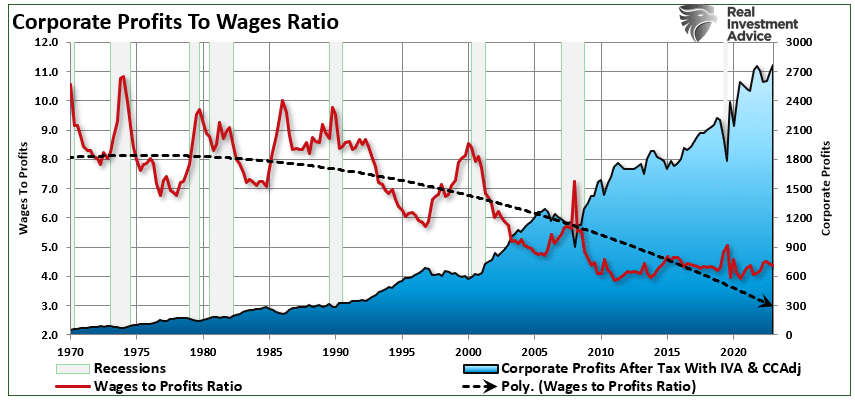
Corporations are currently producing the highest level of profitability, as a percentage of GDP, in history.
Leverage And Speculation Are At Extremes

Financial markets often move in cycles where enthusiasm drives prices higher, sometimes far beyond what fundamentals justify.
Credit Spreads: The Markets Early Warning Indicators

Credit spreads are critical to understanding market sentiment and predicting potential stock market downturns.
Yardeni And The Long History Of Prediction Problems

Following President Trump’s re-election, the S&P 500 has seen an impressive surge, climbing past 6,000 and sparking significant optimism in the financial markets. Unsurprisingly, the rush by perma-bulls to make long-term predictions is remarkable.
“Trumpflation” Risks Likely Overstated

With the re-election of President Donald Trump, the worries about tariffs and pro-business policies sparked concerns of “Trumpflation.” Inflation has been a top concern for policymakers, businesses, and everyday consumers, especially following the sharp price increases experienced over the past few years.
Paul Tudor Jones: I Won’t Own Fixed Income

Paul Tudor Jones recently voiced concerns that rising U.S. deficits and debt and increasing interest rates could lead to a fiscal crisis. His perspective reflects the long-standing fear that sustained borrowing will trigger inflation, raise interest rates, and eventually overwhelm the government’s ability to manage its debt obligations.
Exuberance – Investors Have Rarely Been So Optimistic

Investor exuberance has rarely been so optimistic. In a recent post, we discussed investor expectations of returns over the next year, according to the Conference Board’s Sentiment Index.
Trump Presidency – Quick Thoughts On Market Impact

The prospect of a Trump presidency has led to much debate and speculation about how markets might react. Depending on what policies are eventually passed, there are potential risks and opportunities in both the stock and bond markets.
Corporate Buybacks: A Wolf In Sheep’s Clothing

Corporate buybacks have become a hot topic, drawing criticism from regulators and policymakers. In recent years, Washington, D.C., has considered proposals to tax or limit them.
Key Market Indicators for November 2024

Key market indicators for November 2024 present a complex but opportunity-filled environment for traders and investors. Following the first phase of Federal Reserve rate cuts and growing global uncertainties, the technical landscape suggests several notable shifts. Let’s explore the key market indicators to watch.
Lower Forward Returns Are A High Probability Event

I was emailed several times about a recent Morningstar article about J.P. Morgan’s warning of lower forward returns over the next decade. That was followed up by numerous emails about Goldman Sachs’ recent warnings of 3% annualized returns over the next decade.
Seasonality: Buy Signal And Investing Outcomes

Seasonality has long influenced stock market trends, offering insights into predictable cycles of strength and weakness throughout the year. Yale Hirsch, the creator of the Stock Trader’s Almanac, is one of the most well-known contributors to studying these patterns.
Bastiat And The “Broken Window”

Recent events, particularly the devastation caused by Hurricanes Helene and Milton in 2024, provide a clear example of why destruction does not create long-term economic prosperity. Despite the short-term boost in economic activity from rebuilding efforts, the broader economic implications are far more detrimental.
Greed And How To Lose 100% Of Your Money

While greed is necessary to build wealth, excessive greed often has far more terrible consequences when investing.
GDP Report Continues To Defy Recession Forecasts
The Bureau of Economic Analysis (BEA) recently released its second-quarter GDP report for 2024, showcasing a 2.96% growth rate. This number has sparked discussions among investors and analysts, particularly those predicting an imminent recession.
How Howard Marks Thinks About Risk…And You Should Too

When most people hear the word “risk,” they think about wild market swings, scary headlines, and losing money overnight, but Howard Marks, Co-Chairman and Co-Founder of Oaktree Capital Management, takes a different approach. In his new video series How to Think About Risk, Marks digs deep into what risk is and how investors should handle it. Spoiler alert: It’s not just about volatility.
Election Outcome Presents Opportunity For Investors

As the November 2024 election draws near, the election outcome will profoundly affect the financial markets. Whether Donald Trump or Kamala Harris wins the presidency, each administration will bring distinct policies creating investment opportunities and potential risks for investors. With a divisive political landscape, it is crucial to understand how these potential outcomes can shape the stock market and your portfolio strategy.
The “Everything Market” Could Last A While Longer

We are currently in the “everything market.” It doesn’t matter what you have probably invested in; it is currently increasing in value. However, it isn’t likely for the reasons you think. A recent Marketwatch interview with the always bullish Jim Paulson got his reasoning for the rally.
Tax Cuts – An Examination Of The 2017 TCJA Impact

An analysis of Presidential Candidate Trump’s policy proposals recently suggests that tax cuts will increase the deficit. While the raw analysis is correct, as it subtracts the potential for reduced tax collections from the tariff revenue, it ignores the impact on economic growth.
50 Basis Point Rate Cut – A Review And Outlook

Last week, the Federal Reserve made a significant move by cutting its overnight lending rate by 50 basis points. This marks the first rate cut since 2020, signaling the Fed is aggressively supporting the economy amid a backdrop of softening economic data. For investors, understanding how similar rate cuts have historically impacted markets and which sectors tend to benefit is key to navigating the months ahead.
Market Declines And The Problem Of Time

When stock markets rise, the bullish narrative tends to dominate, overlooking the potential impact of market declines. This oversight stems from two main problems: a basic misunderstanding of math and time’s critical role in investing.
Momentum Investing Gives You An Edge, Until It Doesn’t

Since 2020, momentum investing has generated significantly better returns than other strategies. Such is not surprising, given the massive amounts of stimulus injected into the financial system. However, Brett Arends for Marketwatch noted in 2021 that momentum investing can give you an edge.
Labor Market Impact On The Stock Market
The August jobs report highlighted a critical reality: the labor market is cooling off. While the headline figures seemed decent, the underlying data reveals clear warning signs that worker demand is slowing.
S&P 500 – A Bullish And Bearish Analysis

The S&P 500 index is a critical benchmark for the U.S. equity market, and its performance often dictates investor sentiment and decision-making. Between November 1, 2022, and September 6, 2024, the S&P 500 experienced a significant rally but not without volatility. Currently, investors have very mixed views about where markets are heading next as concerns of a recession linger or what changes to monetary policy will cause.
Technological Advances Make Things Better – Or Does It?

While technology is a powerful driver of economic growth, it also presents challenges that can negatively impact productivity, equality, mental health, and societal cohesion. Addressing these issues ensures that technological advancements promote sustainable and inclusive economic growth.
Risks Facing Bullish Investors As September Begins

Since the end of the “Yen Carry Trade” correction in August, bullish positioning has returned with a vengeance, yet two key risks face investors as September begins. While bullish positioning and optimism are ingredients for a rising market, there is more to this story.
Japanese Style Policies And The Future Of America

In a recent discussion with Adam Taggart via Thoughtful Money, we quickly touched on the similarities between the U.S. and Japanese monetary policies around the 11-minute mark. However, that discussion warrants a deeper dive. As we will review, Japan has much to tell us about the future of the U.S. economically.
Overbought Conditions Set Up Short-Term Correction

As noted in this past weekend’s newsletter, following the “Yen Carry Trade” blowup just three weeks ago, the market has quickly reverted to more extreme short-term overbought conditions.
Red Flags In The Latest Retail Sales Report

The latest retail sales report seems to have given Wall Street something to cheer about. Headlines touting resilience in consumer spending increased hopes of a “soft landing” boosting the stock market.
Market Decline Over As Investors Buy The Dip

The market’s 8.5% decline during August sent shockwaves through the media and investors. The drop raised concerns about whether this was the start of a larger correction or a temporary pullback. However, a powerful reversal, driven by investor buying and corporate share repurchases, halted the decline, leading many to wonder if the worst is behind us.
Economic Growth Myth & Why Socialism Is Rising

Since the end of the financial crisis, economists, analysts, and the Federal Reserve have continued to predict a return to higher levels of economic growth. The hope remains that the Trillions of dollars spent during the pandemic-driven economic shutdown will turn into lasting organic economic growth.
Are Mega-Caps About To Make A Mega-Comeback?

Are the “Mega-Cap” stocks dead? Maybe. But there are four reasons why they could be staged for a comeback. The recent market correction from the July peak certainly got investors’ attention and rattled the more extreme complacency.
UBI – Tried, Tested And Failed As Expected
A Universal Basic Income (UBI) sounds great in theory. According to a previous study by the Roosevelt Institute, it could permanently increase the U.S. economy by trillions of dollars. While such socialistic policies sound great in theory, history, and data, they aren’t the economic saviors they are touted to be.
Yen Carry Trade Blows Up Sparking Global Sell-Off

On Monday morning, investors woke up to plunging stock markets as the “Yen Carry Trade” blew up. While media headlines suggested the sell-off was due to fears of a recession, slowing employment growth, or fears over Israel and Iran, such is not the case.
The Sahm Rule, Employment, And Recession Indicators
Economist Claudia Sahm developed the “Sahm Rule,” which states that the economy is in recession when the unemployment rate’s three-month average is a half percentage point above its 12-month low.
Bullish Years Often Have Corrections

In bullish years, markets often have corrections. Yet, after a lengthy bullish run, it always surprises me how quickly investors and the media panic with the slightest hint of a market pullback.
Overly Optimistic Investors Face Potential Disappointment

Overly optimistic investor expectations of market returns may be a problem.
The Bull Market – Could It Just Be Getting Started?

Yes, the market could continue to rotate massively from large-cap to small and mid-capitalization companies. However, given the current levels of bullish sentiment and allocations against a backdrop of weakening economic data and widening spreads, this suggests the current rotation may be nothing more than a significant short-covering rally.
Can Mega-Capitalization Stocks Continue Their Dominance?

Over the last few years, a handful of “Mega-Capitalization” (mega-market capitalization) stocks have dominated market returns. The question is whether that dominance will continue and if the same companies remain the leaders.
Fed Rate Cuts – A Signal To Sell Stocks And Buy Bonds?

With both economic and inflation data continuing to weaken, expectations of Fed rate cuts are rising. Notably, following the latest consumer price index (CPI) report, which was weaker than expected, the odds of Fed rate cuts by September rose sharply. According to the CME, the odds of a 0.25% cut to the Fed rate are now 90%.


Earnings Bar Lowered As Q2 Reports Begin

Wall Street analysts continue significantly lowering the earnings bar as we enter the Q2 reporting period. Even as analysts lower that earnings bar, stocks have rallied sharply over the last few months.
Career Risk Traps Advisors Into Taking On Excess Risk

Financial advisors get a bad rap. Some deserve it; most don’t. The problem for the entire investment advisory and portfolio management community stems from the “career risk” they inevitably face.
S&P 6300? Is That Outside The Realm Of Possibility?

Goldman Sachs recently upped its price target to S&P 6300 for the end of this year, along with Evercore ISI upping its year-end target to 6000. Such is not surprising given the strong run in the markets this year.
A Fundamental Shift Higher In Valuations
Over the last decade, there has been an ongoing fundamental debate about markets and valuations. The bulls have long rationalized that low rates and increased liquidity justify overpaying for the underlying fundamentals.
Consumer Survey Shows Rising Bullishness

The latest consumer survey data from the New York Federal Reserve had interesting data.
Grant: Rates Are Going Much Higher. Is He Right?

Recently, James Grant, editor of the Interest Rate Observer, was asked about his outlook for interest rates. He sees interest rates moving in a cyclical pattern, potentially rising for another multi-decade period.
It’s Not 2000. But There Are Similarities.

More than a few individuals were active in the markets in 1999-2000, but many participants today were not. I remember looking at charts and writing about the craziness in markets as the fears of “Y2K” and the boom of “internet” filled media headlines.
Commodities And The Boom-Bust Cycle

It is always interesting when commodity prices rise. The market produces various narratives to suggest why prices will keep growing indefinitely. Such applies to all commodities, from oil to orange juice or cocoa beans. For example, Michael Hartnett of BofA recently noted.
Deviations From Long-Term Growth Trends Back To Extremes

In 2022, we discussed the market’s deviations from long-term growth trends. That discussion centered on Jeremy Grantham’s commentary about market bubbles.
Electricity Demand May Cure Debt Concerns

The future of electricity demand for everything from electric cars to Bitcoin mining to artificial intelligence may also be the cure for our debt concerns.
No, Corporate Greed Is Not The Cause Of Inflation.

Corporate greed is not causing inflation, despite the claims of many on the political left who failed to understand the very basics of economic supply and demand.
The Risk Of Recession Isn’t Zero
As we discussed recently, Wall Street economists increasingly believe the risk of recession has fallen sharply.
Benchmarking Your Portfolio May Have More Risk Than You Think

During ripping bull markets, investors often start benchmarking. That is comparing their portfolio’s performance against a major index—most often, the S&P 500 index. While that activity is heavily encouraged by Wall Street and the media, funded by Wall Street, is benchmarking the right for you?
Is Buffett’s Cash Hoard A Market Warning?

Every year, investors anxiously await the release of Warren Buffett’s annual letter to see what the “Oracle of Omaha” says about the markets, the economy, and where he is placing his money.
Moving Average Crossovers Suggest The Bull Is Back

While there is much debate over whether another bear market is imminent, weekly moving average crossovers suggest a different outcome for now. There are many current concerns, from geopolitical risk to still inverted yield curves, slowing economic growth, high interest rates, and inflation. Yet, despite those concerns, markets are flirting with all-time highs.
The Investment “Holy Grail” Doesn’t Exist

When it comes to the financial markets, investors have a litany of investment vehicles to choose from. The choices are nearly unlimited, from brokered certificates of deposit to complex derivative instruments.
Stock Rally As Powell Sparks A Buying Frenzy
The latest FOMC meeting caused a stock rally as Jerome Powell turned more “dovish” than expected. While Powell did note that progress on inflation has been lackluster, the announcement of the reversal of “Quantitative Tightening” (QT) excited the bulls.
Bullish Sentiment Index Reverses With Buybacks Resuming
Over the last two weeks, the bullish sentiment index has reversed from extreme greed to fear. The composite net bullish sentiment index, comprised of professional and retail investors, fell from 38.15 to 9.9 in two weeks.
Behavioral Traits That Are Killing Your Portfolio Returns
Behavioral traits and cognitive biases are anathemas to portfolio management as they impair our ability to remain emotionally disconnected from our money. As history all too clearly shows, investors always do the “opposite” of what they should when it comes to investing their own money.
Just A Correction, Or Is The Bull Market Over?

Is this just a correction after a strong bullish advance from November, or is the bull market ending?
Economic Warning From The NFIB

The latest National Federation of Independent Business (NFIB) survey was an economic warning that departed widely from more robust governmental reports.
Reflation Trade Is The New Bullish Narrative

Economic “reflation” is becoming the next bullish narrative as equity valuation increases continue to outpace earnings gains, at least according to Gold Sachs and Tony Pasquariello.
Immigration And Its Impact On Employment
While immigration has positively impacted economic growth and disinflation, this story has a dark side.
Margin Debt Surges As Bulls Leverage Bets
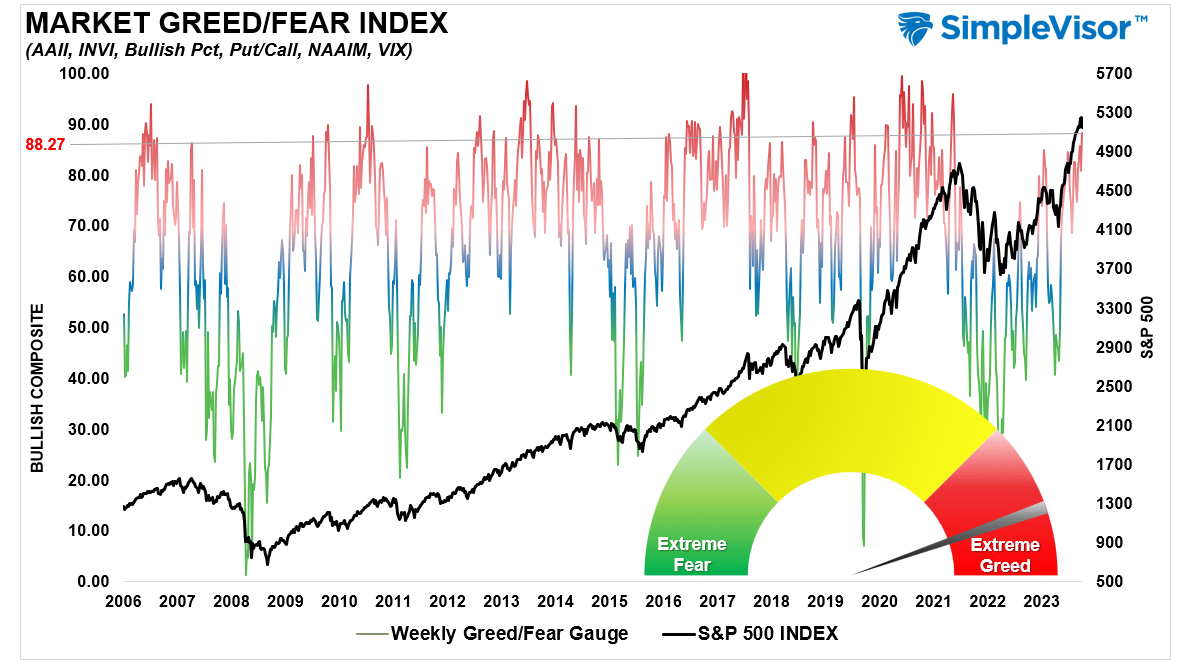
In the most recent report from FINRA, margin debt levels have surged as bullish investors leverage their bets in the equity market. The increase in leverage is not surprising, as it represents increased risk-taking by investors in the stock market.
Investing Lessons From Your Mother

Your mother likely imparted valuable investing lessons you may not have known. With Mother’s Day approaching and bullish market exuberance present, such is an excellent time to revisit the investing lessons she taught me.
Market Corrections Matter More Than You Think

During running bull markets, much commentary is written on why this time is different and why investors should not worry about market corrections.
Technical Measures And Valuations. Does Any Of It Matter?

Technical measures and valuations all suggest the market is expensive, overbought, and exuberant. However, none of it seems to matter as investors pile into equities to chase risk assets higher. A recent BofA report shows that the increase in risk appetite has been the largest since March 2021.
Wealth Gap And The Road To Serfdom
One of the most interesting conundrums is the surging wealth gap in America. Despite two of the largest bull markets in history since 1980, most Americans struggle with making ends meet and are unprepared for retirement. Such a reality starkly differs from the belief that rising asset prices benefit the masses.

Household Equity Allocations Suggests Caution

Household equity allocations are again sharply rising, as the “Fear Of Missing Out” or “F.O.M.O.” fuels a near panic mentality to chase markets higher.
Digital Currency And Gold As Speculative Warnings

Over the last few years, digital currencies and gold have become decent barometers of speculative investor appetite.
Presidential Elections And Market Corrections

Presidential elections and market corrections have a long history of companionship. Given the rampant rhetoric between the right and left, such is not surprising. Such is particularly the case over the last two Presidential elections, where polarizing candidates trumped policies.
Valuation Metrics And Volatility Suggest Investor Caution

Valuation metrics have little to do with what the market will do over the next few days or months. However, they are essential to future outcomes and shouldn’t be dismissed during the surge in bullish sentiment.
Dumb Money Almost Back To Even, Making The Same Mistakes

After over two years, retail investors, also known as the “dumb money,” are almost back to breakeven.
This Is Nuts – An Entire Market Chasing One Stock

I revisited that original post a couple of weeks ago as the market approached its 5000 psychological milestone. Since then, the entire market has surged higher following last week’s earnings report from Nvidia (NVDA).
Small Cap Stocks May Be At Risk According To NFIB Data
Recently, retail investors have started chasing small-cap stocks in hopes of both a rate-cutting cycle by the Federal Reserve and avoiding a recession.
Don’t Fear All-Time Highs, Understand Them

Don’t fear all-time highs in the market. Such is a natural response for investors who are concerned about market risk. However, rather than fearing market exuberance, we must understand what drives it.
Fed Chair Powell Just Said The Quiet Part Out Loud

Regarding the surprisingly strong employment data, Fed Chair Powell said the quiet part out loud. The media hopes you didn’t hear it as we head into a contentious election in November.
Divergences And Other Technical Warnings

While the bulls remain entirely in control of the market narrative, divergences and other technical warnings suggest becoming more cautious may be prudent.
Housing Is Unaffordable. Dems Want to Make It Worse.

The cost of housing remains a hot-button topic with both Millennials and Gen-Z. Plenty of articles and commentaries address the concern of supply and affordability, with the younger generations getting hit the hardest.
S&P Index Set To Hit 5000 As Bull Run Continues

Of course, the market peaked in January 2022, just four months later, at 4796.56. Fast forward 2-full years of returning investors to breakeven, and the market is again approaching that magical round number of 5000.
“Theory Of Reflexivity” And Does It Matter?

I received an email this past week concerning George Soros’ “Theory Of Reflexivity.” It’s an interesting question, and I have previously written about the “Theory of Reflexivity.” Notably, this theory begins to resurface whenever markets become exuberant.


All-Time Highs For Stocks As Bitter Economic Headlines Persist
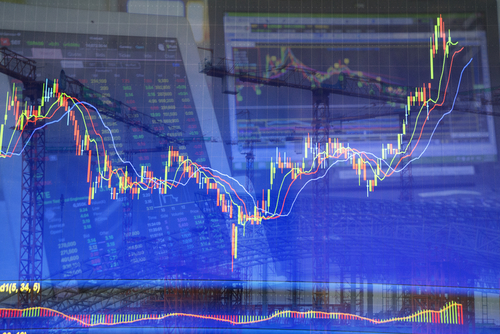
As the stock market hit all-time highs this past week, there remains an interesting disconnect from the more dour economic concerns of the average American. A recent survey by Axios, a left-leaning website that supports the current Administration, addressed this issue.
Q4 Earnings Season Gets Underway With Low Expectations

As we get ready to review the Q4 earnings report, stocks have rallied sharply over the last two months
Deficit Spending Keeping The Economy Out Of Recession
Economic growth continues to defy expectations of a slowdown and recession due to continued increases in deficit spending.
Portfolio Return Expectations By Investors Are Too High

A stunning post from VisualCapitalist showed a poll of 8550 investors and 2700 advisors and the gap between the two of future portfolio return expectations. The poll was global; however, I will focus on this post’s domestic portfolio return expectations.
Sell Cash, Buy Stocks As Powell Pivots?

A recent warning by YahooFinance warns investors to sell their cash and buy bonds and stocks now as the Fed pauses.
Wealth Effect Increases and Recession Risks
What is the “wealth effect,” and why is it important? It is a great question and reminded me of “A Funny Thing Happened on the Way to the Colosseum.“
The Markets Are Front Running the First Rate Cut

In October, the markets were down 10% from the July high, bond yields were touching 5%, and talk of a coming recession was rampant. What happened?
Wall Street Analysts Are Optimistic For 2024

It’s that time of the year where Wall Street polishes up their crystal balls and pin targets on the S&P index for the upcoming year. As is often the case, while Wall Street is always optimistic, the forecasts prove pretty wrong.
Stock Market Correction Coming Before The Santa Claus Rally

Is a stock market correction coming before the Santa Claus rally at the end of the year?
Recessionary Indicators Update. Soft Landing Or Worse?
I previously discussed a slate of recessionary indicators with high correlations to recessionary onsets. However, as we head into 2024, many Wall Street economists predict a “soft landing” or “no recession” outcome for the economy.
S&P 500 Market Returns And Why Your Performance Is Worse

As I wrote this blog, the S&P 500 index is up roughly 17% year-to-date. Most likely, your portfolio isn’t. This is a common frustration among many investors in the market this year in particular.

CFNAI: The Most Important & Overlooked Economic Number
The Chicago Fed National Activity Index (CFNAI) is arguably one of the most important and overlooked economic indicators.


Investing Rules To Navigate Volatile Markets

While often difficult, investing rules can help us maintain our focus and investment discipline in volatile or uncertain markets.
Economists No Longer Expect A Recession. Are They Right?

Economists no longer expect a recession. Such was according to a recent WSJ survey of Wall Street economists.
The Pain Trade Is Higher Into Year-End

The “pain trade” continues to be higher into year-end.
Consequences Are Always Unintended

While the article focuses mainly on the rise in bond yields, it applies to several current market events.
Restrictive Yields Will Be The Fed’s Waterloo
Restrictive monetary conditions, from higher yields and tighter lending conditions, are the Fed’s “Waterloo.”
Crisis Events Are A Hallmark Of The Federal Reserve
As the “soft landing” narrative grows, the risk of a “crisis” event in the economy increases. Will the Fed trigger another crisis event? While unknown, the risk seems likely as the Fed’s “higher for longer” narrative is compromised by lagging economic data.
Bond Valuations Are Cheap.

Psychology in markets is always fascinating. In February 2009, I wrote “8 Reasons For A Bull Market.” While in hindsight, it is easy to see that was the right call, overall, psychology was highly negative at the time.
Fund Flows And Bond Yields. Two Different Stories

While bond yields have risen sharply lately, fund flows into bonds tell two very different stories.
Government Shutdown Averted. But Is That A Good Thing?

Once again, due to the ongoing lack of fiscal responsibility in Washington, the markets and the economy faced a Government shutdown.
“Soft Landing” Hope By The Fed Is Likely Optimistic
The Fed’s “soft landing” hopes are likely overly optimistic. Such was the context of the recent #BullBearReport, which discussed the long record of the Fed’s economic growth projections.
Compound Market Returns Are A Myth?

“Compound market returns.” During bullish markets, there is inevitably a regurgitation of this myth that was contrived to extract capital from retail investors and place it in the hands of Wall Street.
October Weakness Before The Year-End Run?

While September has been a bit sloppy so far, will further weakness in October weigh on investor sentiment before the seasonally strong period begins?
“That 70s Show”

The hit TV series “That 70s Show” aired from 1998 to 2006 and focused on six teenage friends living in Wisconsin in the late 70s.
Bond Vigilantes And The Waiting For Godot

The term “Bond Vigilantes” is a nostalgic twist on an old-west theme. In the nineteenth century, the American West formed self-appointed groups, or committees, to seize the duties of law enforcement and judicial authority in situations when citizens found law enforcement lacking or inadequate.

Economic Data Points Diverge

Since the beginning of the year, economic data has continued to defy the recession calls of 2022.
Mega-Cap Stocks Continue To Dominate. But Why?

Mega-cap stocks continue to dominate the market in 2023. The question is, why? After all, many other great companies have arguably much better valuations and fundamentals.
Powell’s Speech Obfuscates The Truth Behind Inflation

Powell’s recent Jackson Hole Summit speech was mainly as expected. Well, except for the part where Powell obfuscated the truth behind the surge in inflation.
10 Best Days – A Meme For Every Bull Market

About once a year, I have to address the issue of chasing the “10 Best Days” of the year.
Deficit Surge Will Lead To Lower Rates, Not Higher
Fitch’s recent downgrade of the U.S. debt rating alarmed investors as the deficit and debt steadily increased. The downgrade sent 10-year Treasury bond yields above 4%, causing concern about America’s deteriorating financial condition.
Stock Market Rally Coming? And Investing In 2024.

Is a stock market rally coming? I think that is most likely the case. However, to understand why, we must review what we said at the beginning of July in “Complacency Seems Overly Complacent.”
A Recession Is Coming, Or Is It?
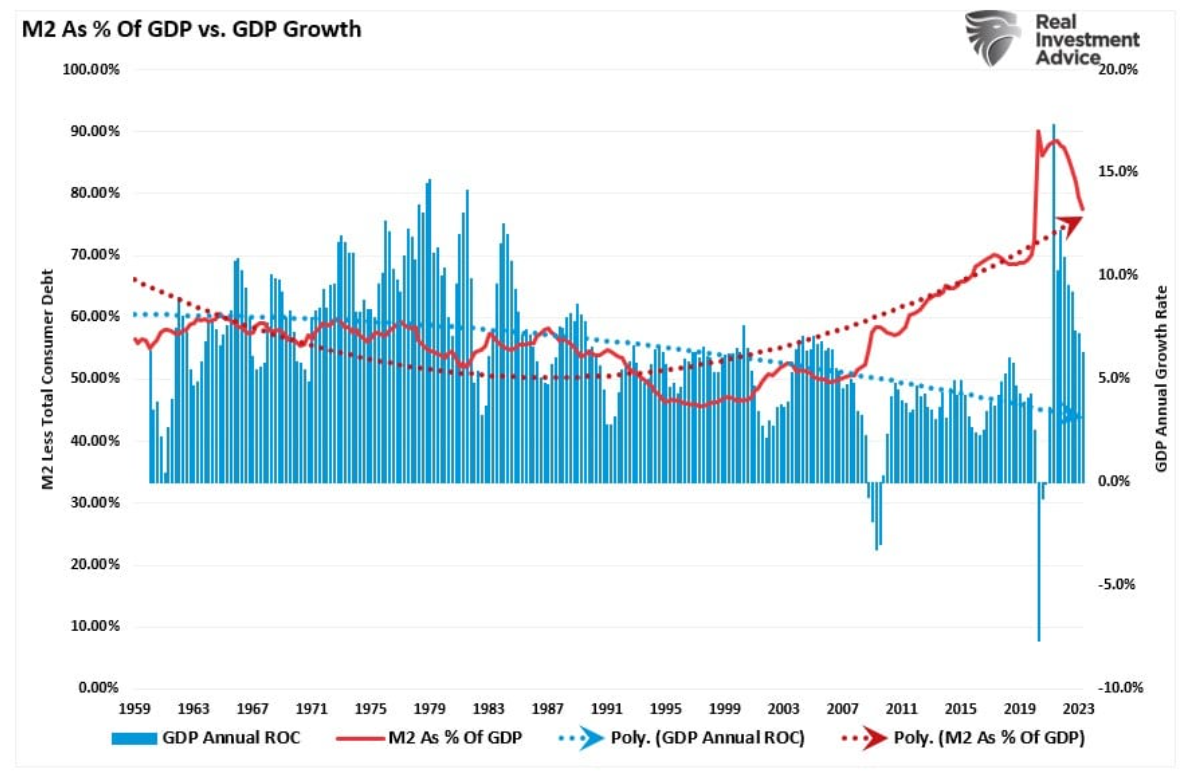
Since the beginning of 2022, the media has regularly warned a recession is coming.
Government Bonds Or Stocks? Which Is A Better Choice Now?
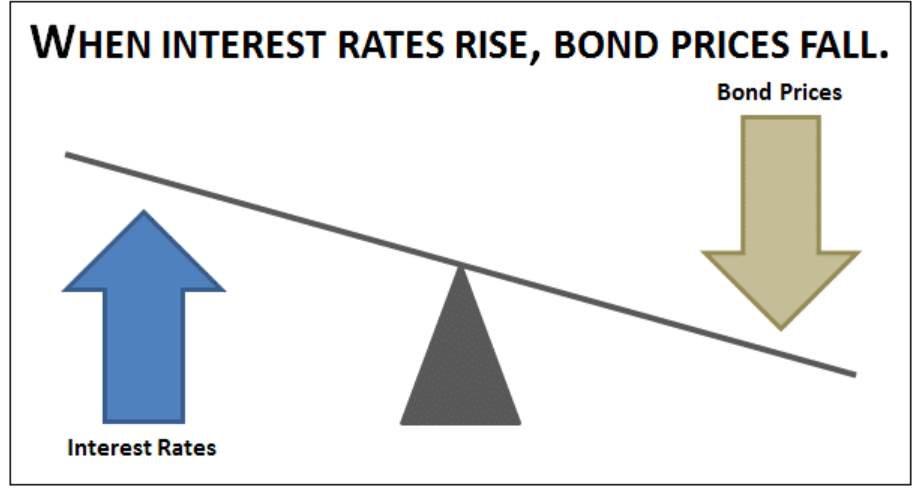
Government bonds or stocks? If you were picking an asset class to outperform over the next 18-24 months, which would you choose?
Tax Receipts. Another Leading Recession Indicator?
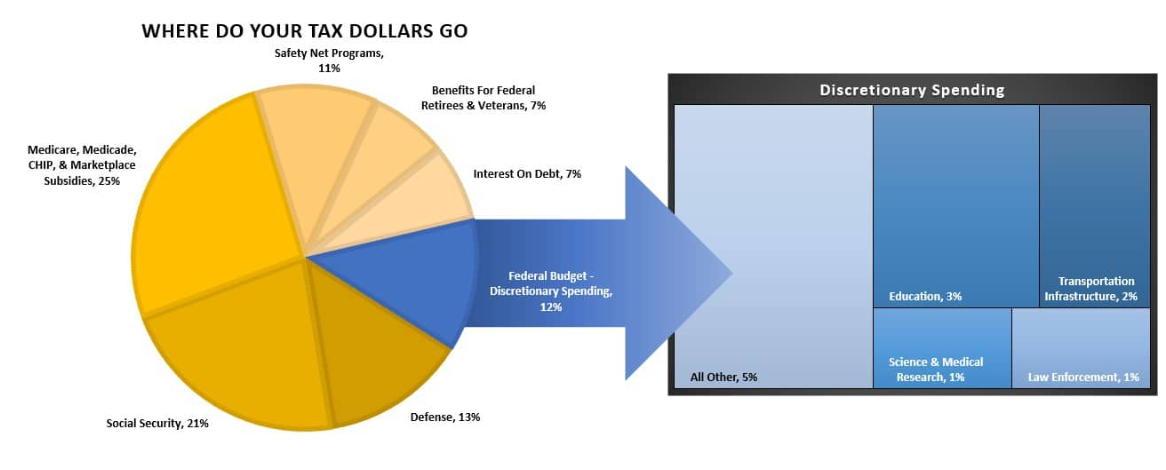
Tax receipts are falling, which has historically preceded economic recessions.
Market Cycle Lows and Bull Market Recoveries
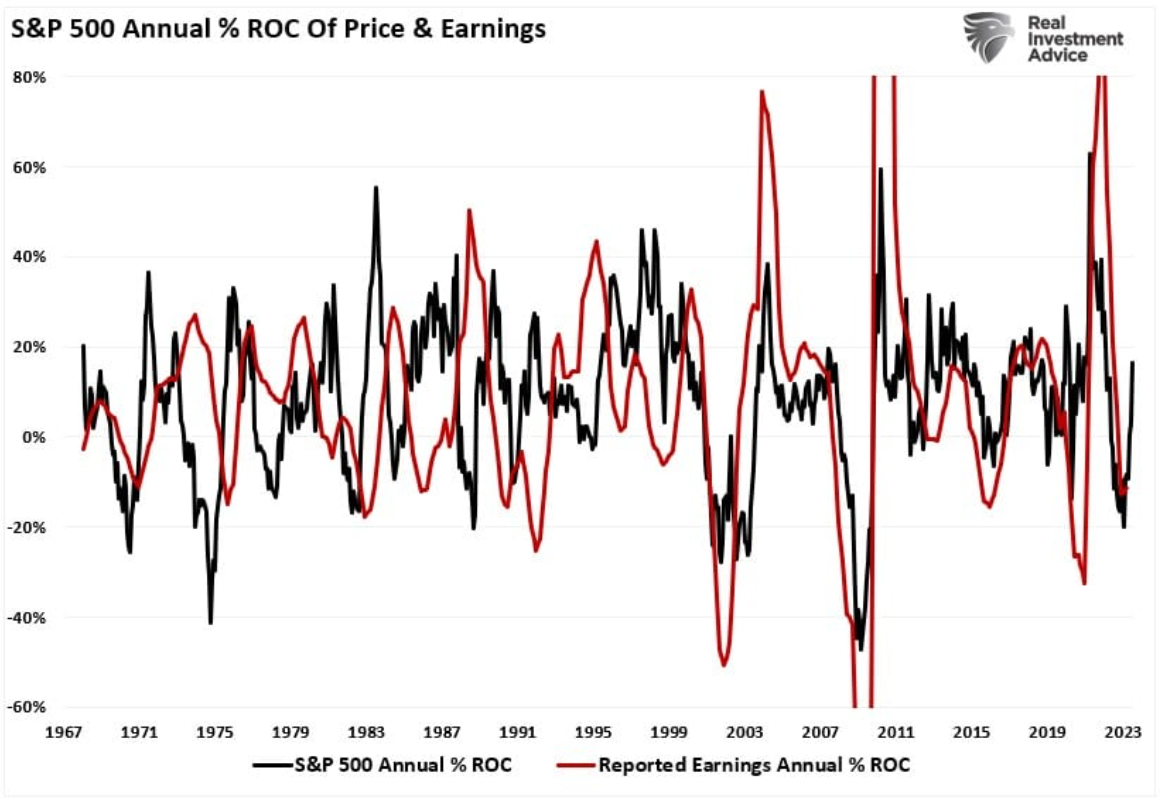
There is a rhythm to the markets, and market cycle lows support bull market recoveries. Recently, Ed Yardeni made a bold prediction that the S&P 500 index could hit a high of 5400 in 2024.
The Market Is Detached From The Real Economy
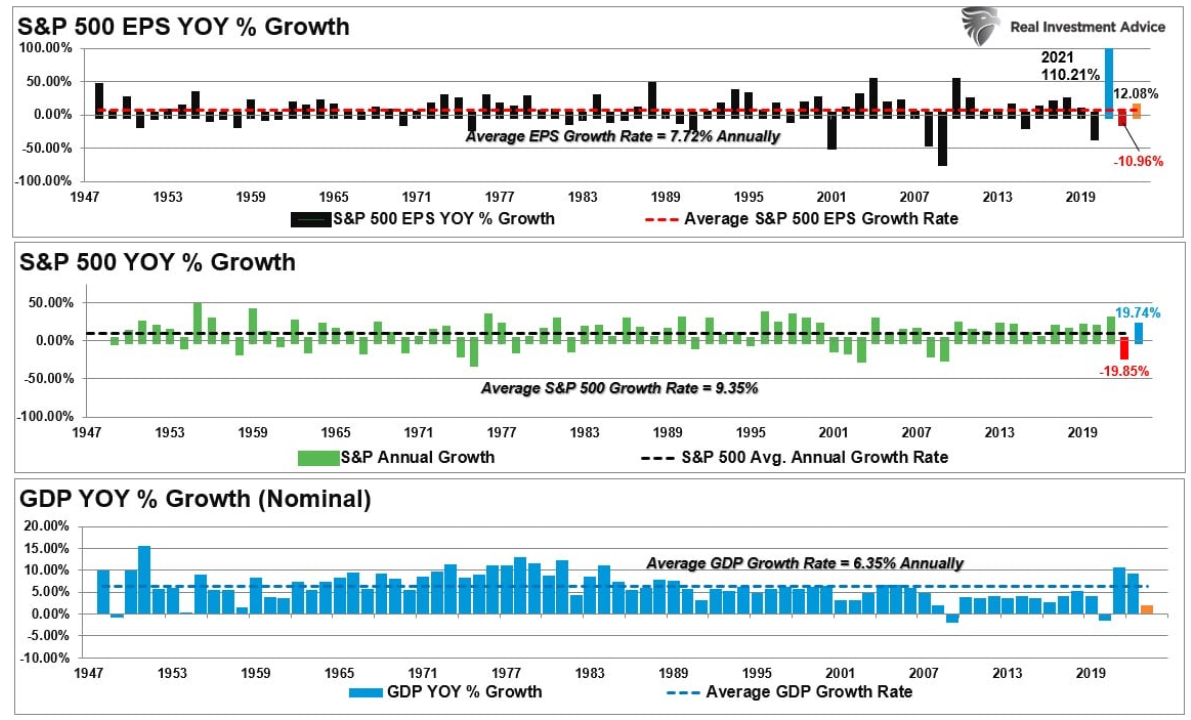
Such is the latest rationalization to support the “bull market” narrative.
Bullish Measures Are Getting Really Bullish
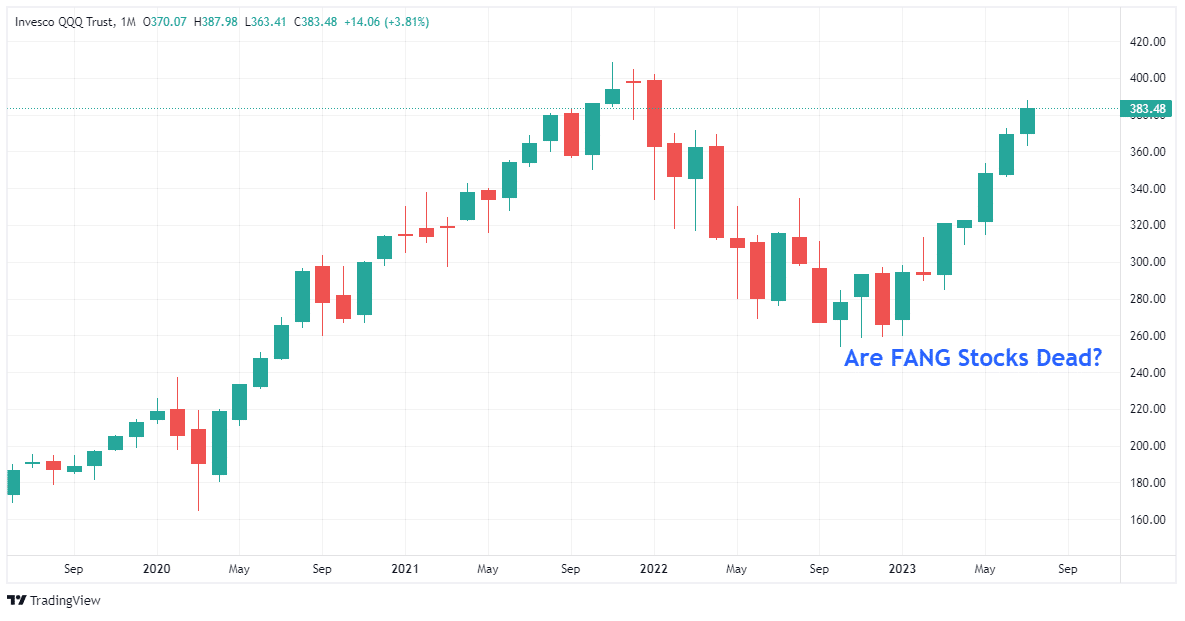
Of course, hindsight is always 20/20. Last year there were many reasons to be bearish. Things were seemingly so bad, with everyone expecting a recession, that there was nowhere to go but up.
Deficits, Debt, And Why $32 Trillion Matters

While Washington continues a seemingly unbridled spending spree under the assumption “more spending” is better, debts and deficits matter. To better understand the impact of debt and deficits on economic growth, we must know where we came from.
“Beating Estimates” – How Companies Win in Earnings Season
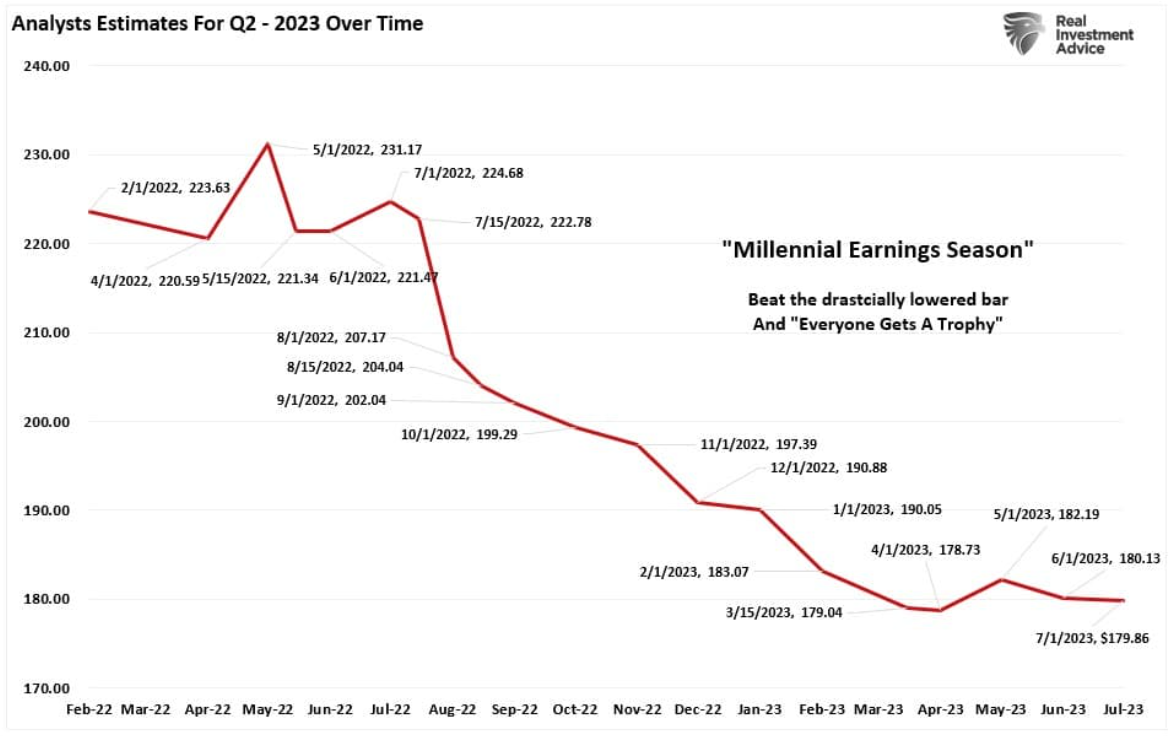
No matter what happens, financially or economically, there is always a high number of companies regularly beating Wall Street estimates.
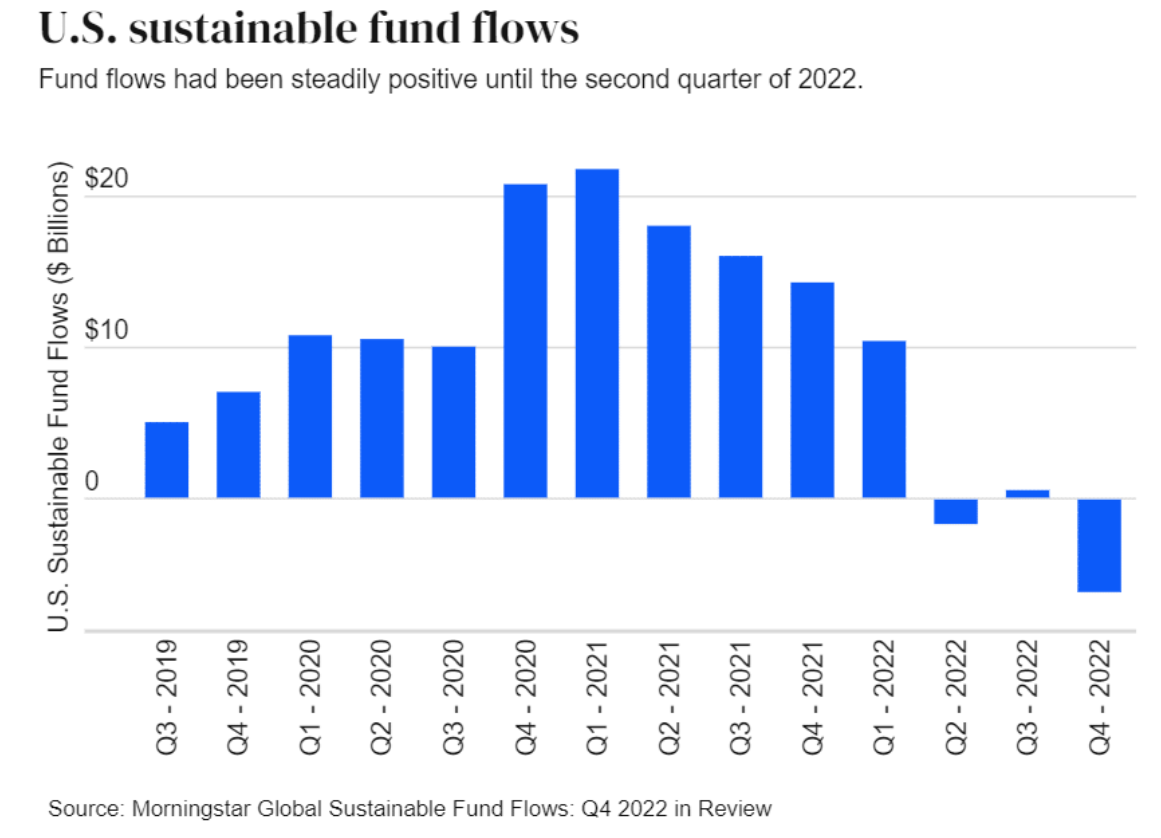
Volatility Index Is So Low It Has To Go Up?
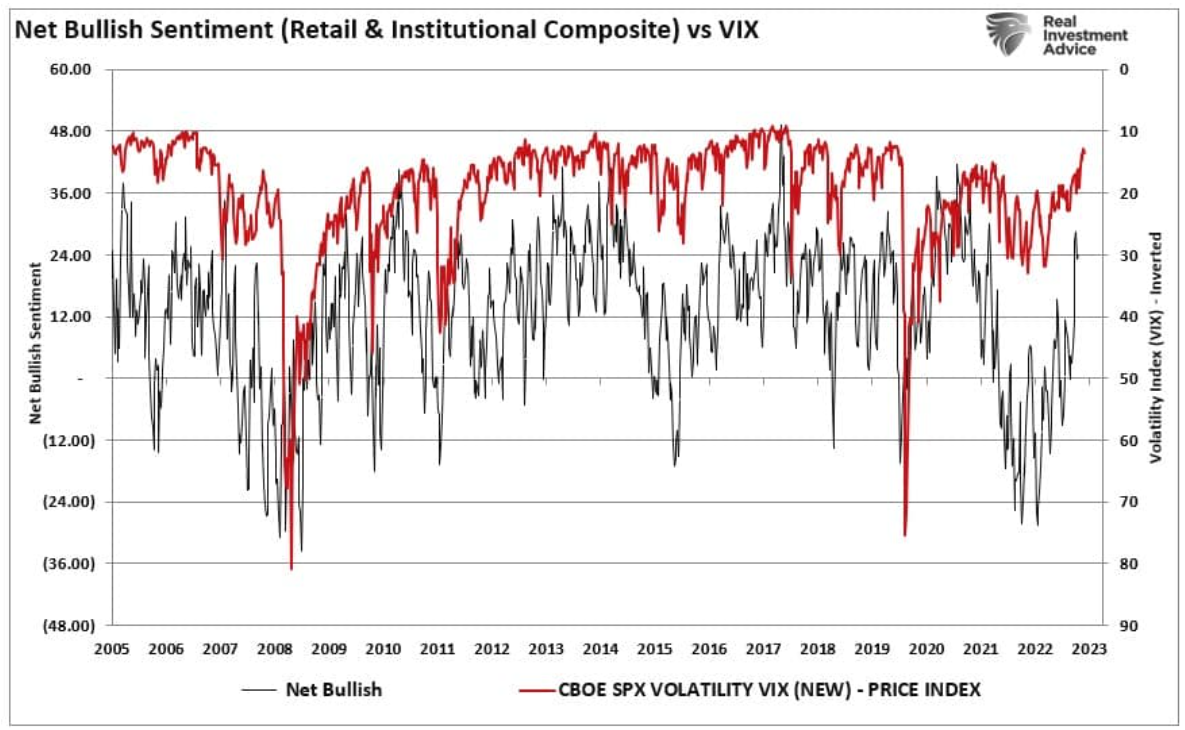
The volatility index is so low it has to go higher eventually. Such seems obvious, but this year, despite the banking crisis, higher interest rates, and slowing economic data, investors continue to abandon hedges amid bullish optimism.
Market Cycles And Why The Bull Isn’t Dead

There is much debate as of late on the current market cycle. Is it a bear market? Maybe. But what if this is just a correction within a 40-year-long secular bull market cycle?
Stock Risk – Does It Decline Over Time?
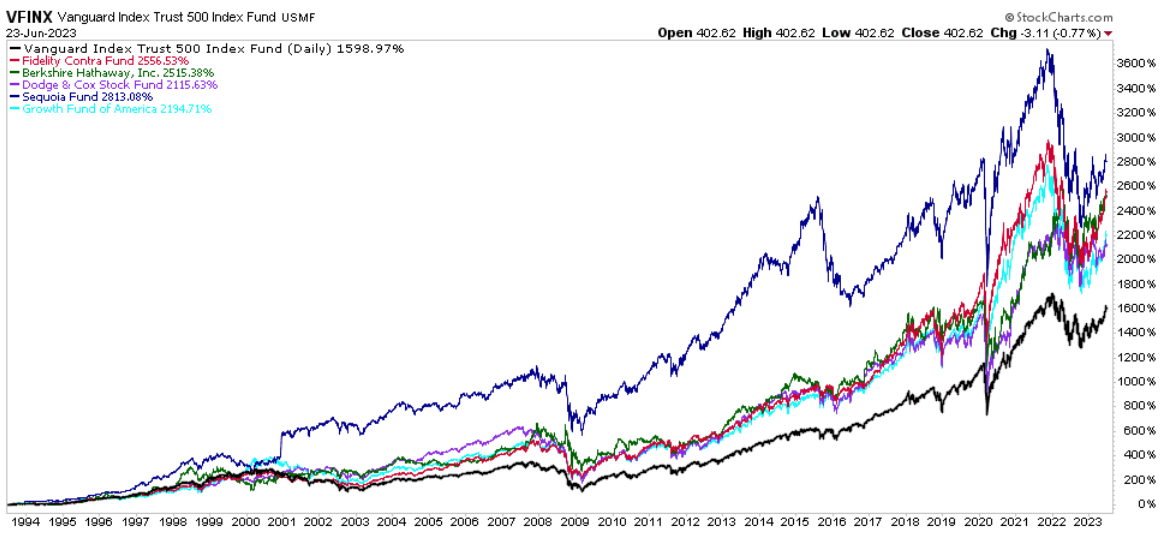
Does stock risk decline the longer the holding period is? It’s a great question and something I received a comment about.
Student Loan Repayments – Will It Start The Recession?

Millions of young Americans will face the end of the student loan payment moratorium this summer. Why is this happening now, after a three-year break from payments?
Bull Trap Or A Bull Market?
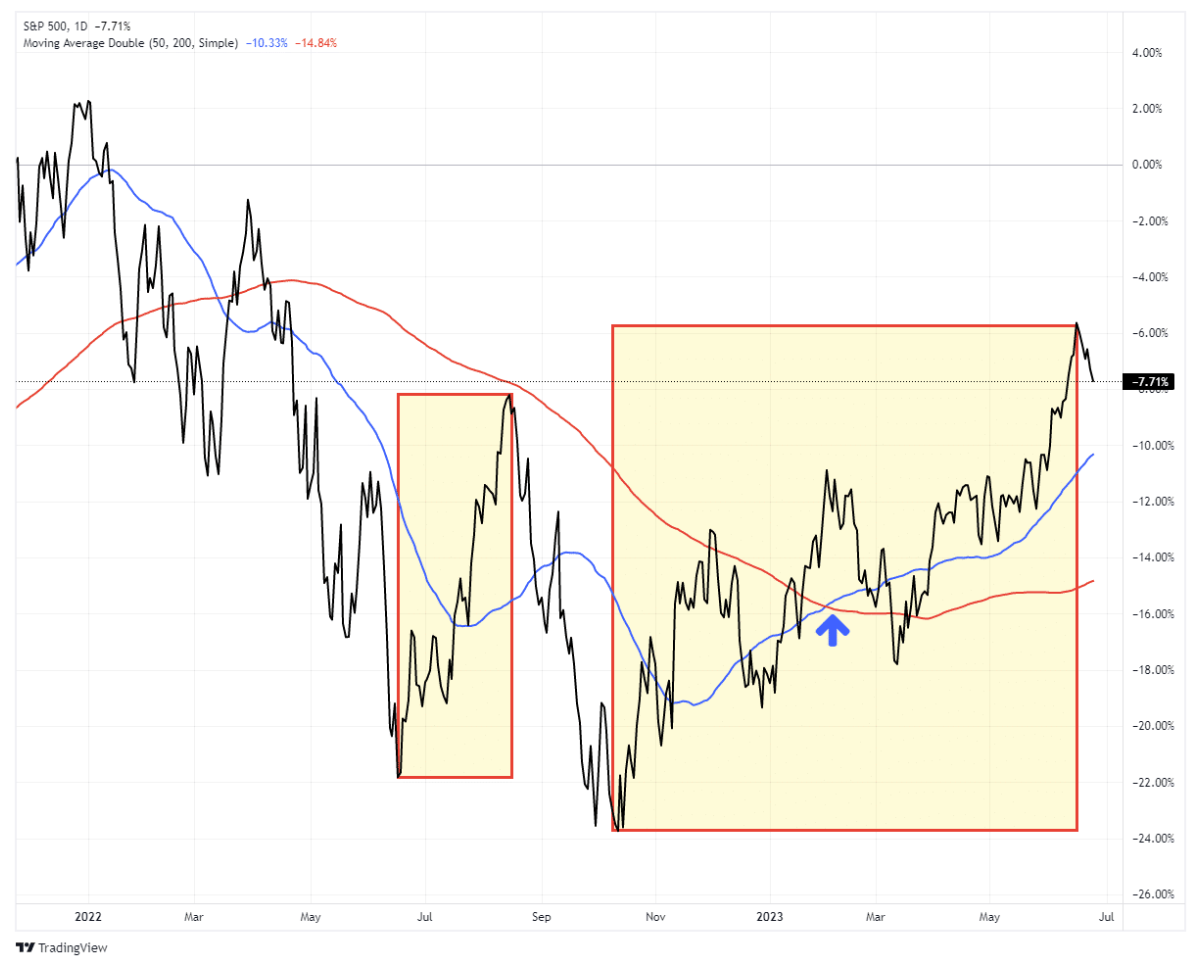
Is the recent rally a “bull trap,” or are we in a new “bull market?” Such was a question I recently received on Twitter. Of course, understanding the term “bull trap” is needed for those not deep into technical analysis.
Signs, Signs, Everywhere Signs (But No Recession Yet)
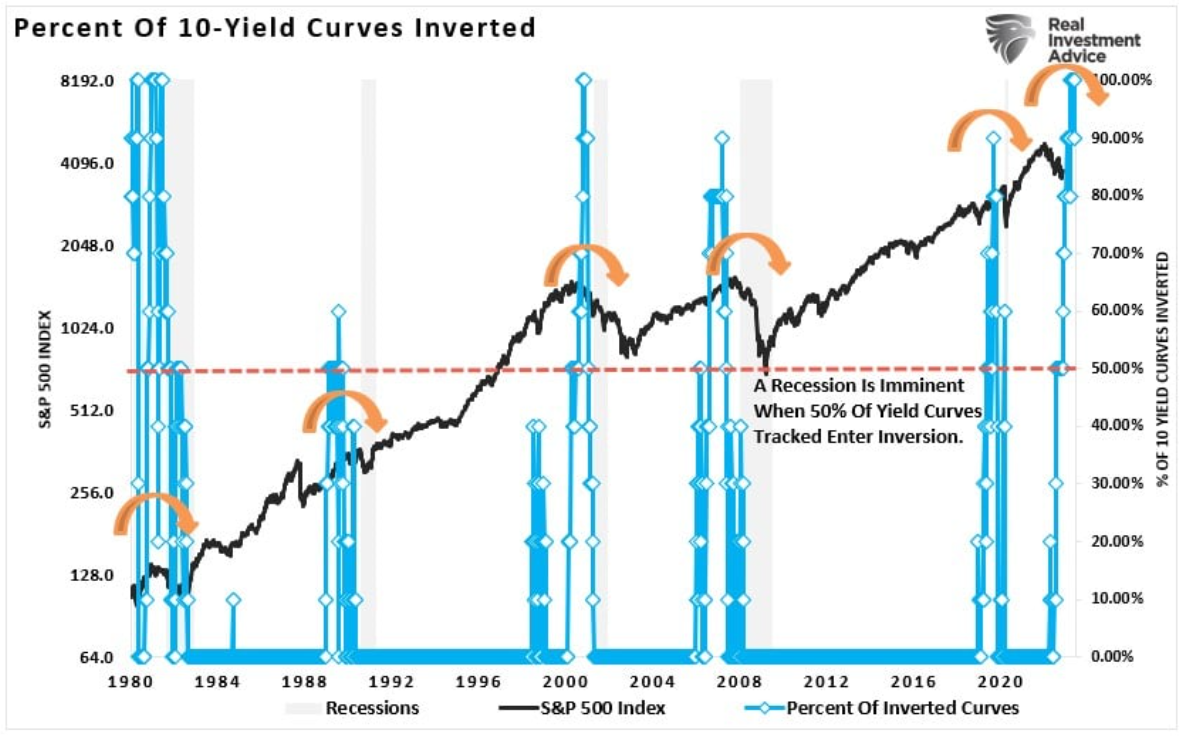
“Signs” was a song by the Five Man Electrical Band in 1970 about the hippie movement. The song came to mind as I was looking at the economic data recently.
Speculation In A.I. May Face Challenges
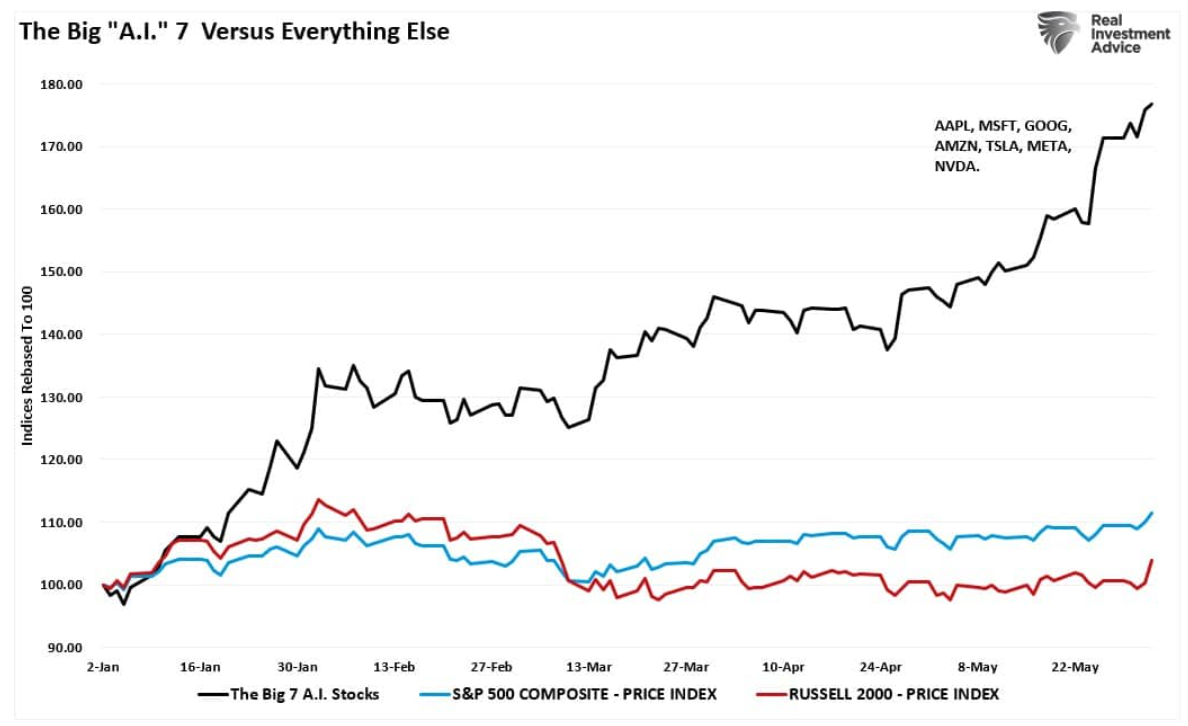
The current market speculation surrounding artificial intelligence (A.I.) has garnered everyone’s attention.
New Bull Market? It’s Different This Time.
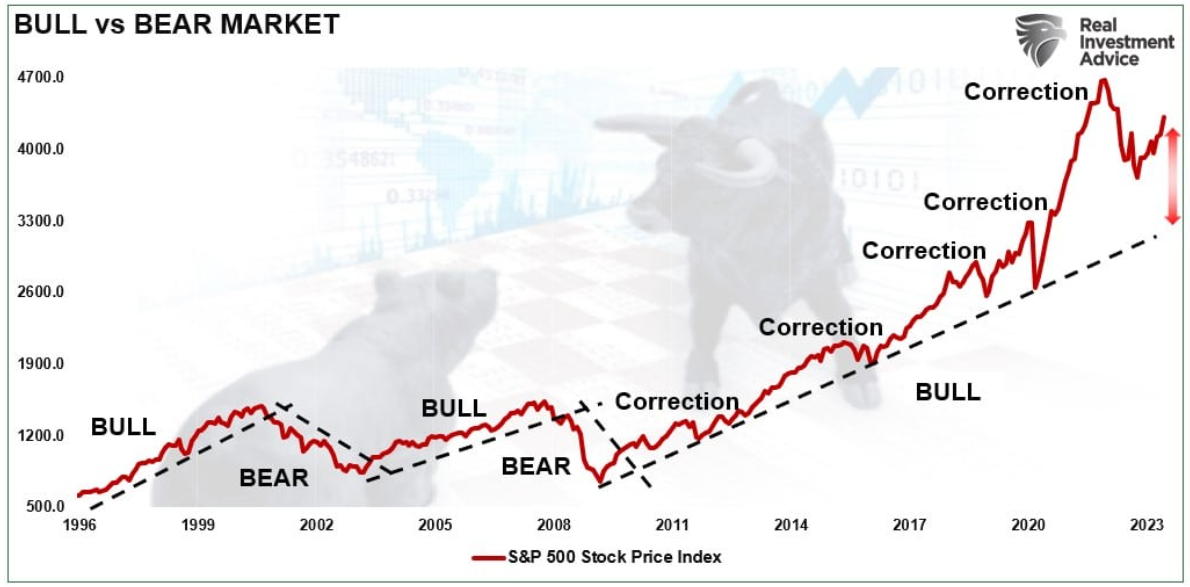
“It’s a ‘New Bull Market’!” Over the past few days, the call of a new bull market has plastered headlines and media commentary.
Bullish Sentiment Rises As FOMO Kicks In
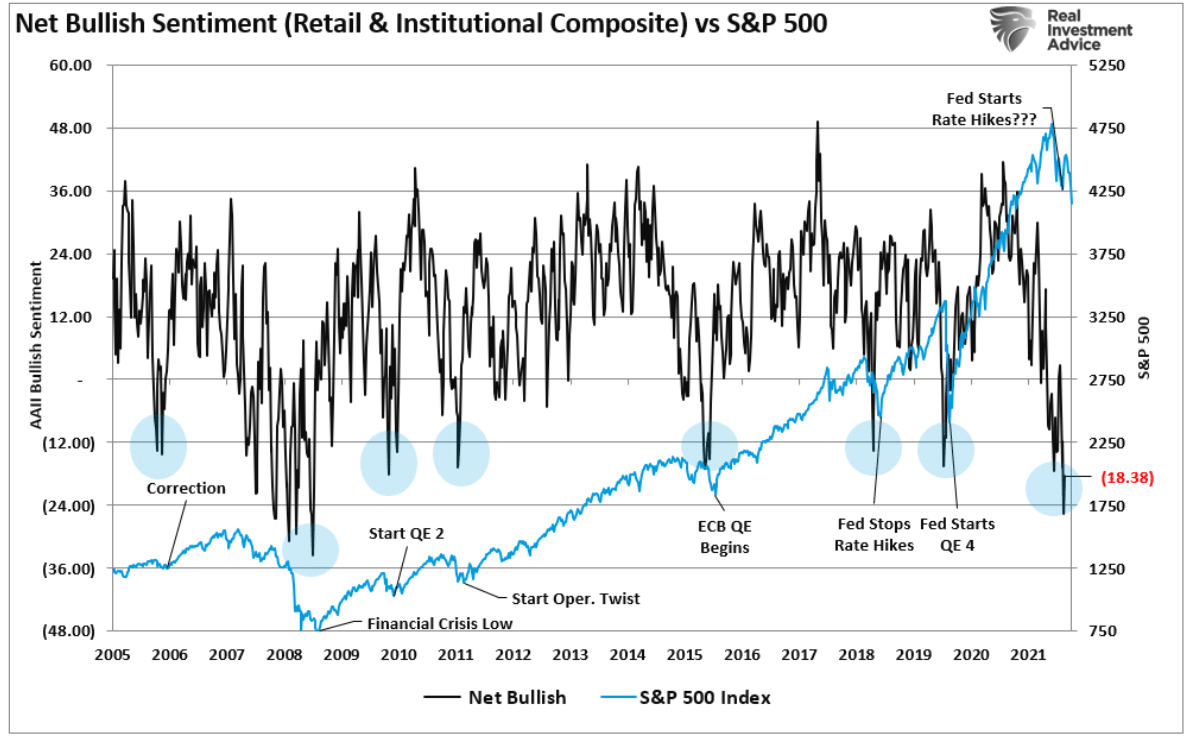
Bullish sentiment has surged as the “Fear Of Missing Out,” or FOMO, kicked in in recent weeks. It is somewhat interesting to write this blog, given that we discussed the exact opposite roughly one year ago.
Eurozone Revised Into a Recession

The Eurozone just entered a recession as the region posted two consecutive quarters of negative economic growth. The manner in which it entered a recession is a bit quirky.
Breadth Not As Strong As Advance-Decline Suggests
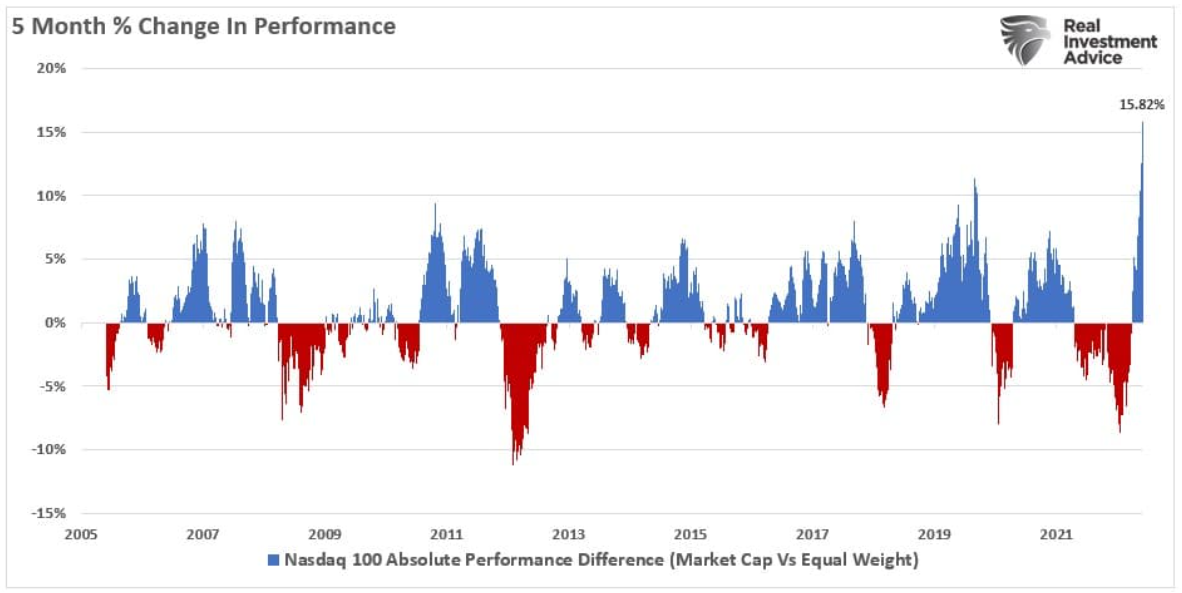
In several recent blog posts and weekly Bull Bear Reports, we discussed our concern over the narrow breadth of the rally in 2023.
Technical Review Of The Market: Bulls In Control
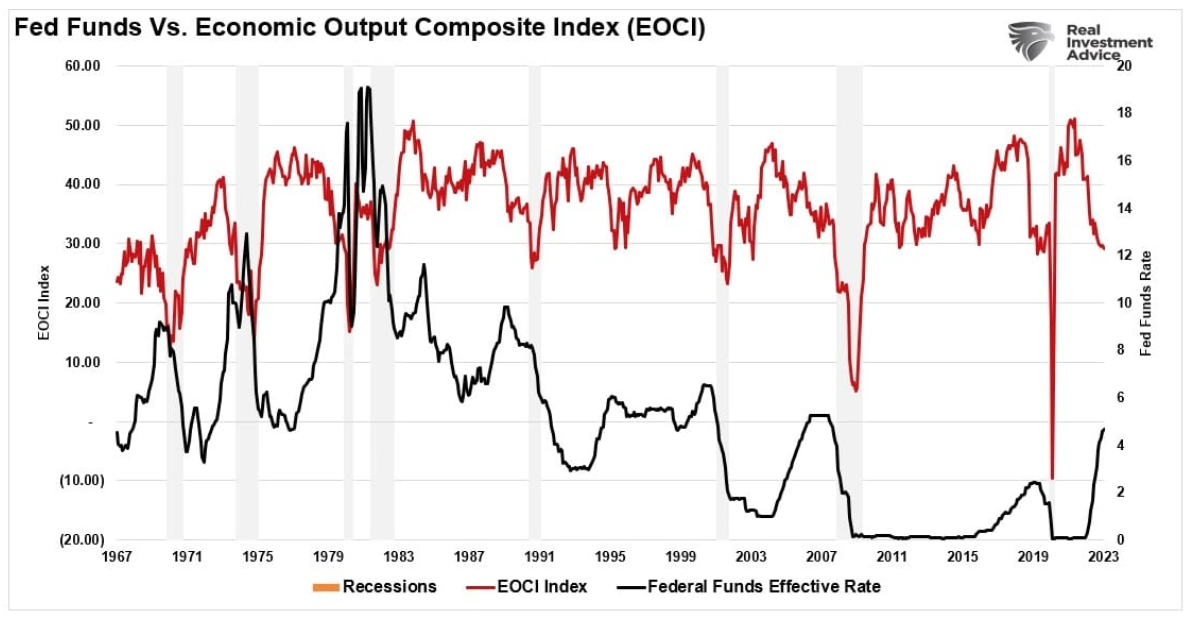
Lately, we discussed macro-related market issues such as the” A.I., chase,” but a technical review can help manage shorter-term risks. Currently, the debate is about the market rally from the October lows. Is it a resumption of the 2009 bull market trend or an extended bear market rally?
Monetary Conditions Index Is Working Against The Fed
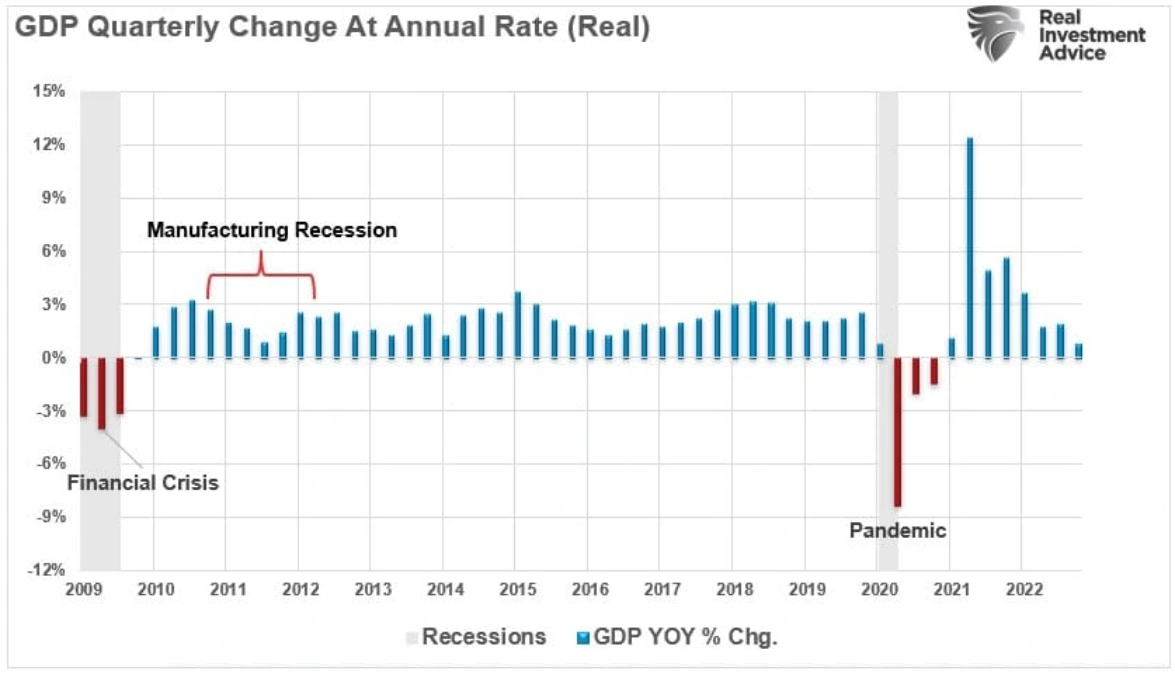
Could monetary conditions be supportive of the “soft landing” scenario? While the “recession” versus “no recession” debate rages, there is a precedent for a “soft landing” scenario. Such is where the economy slows substantially but avoids a deeper contraction.
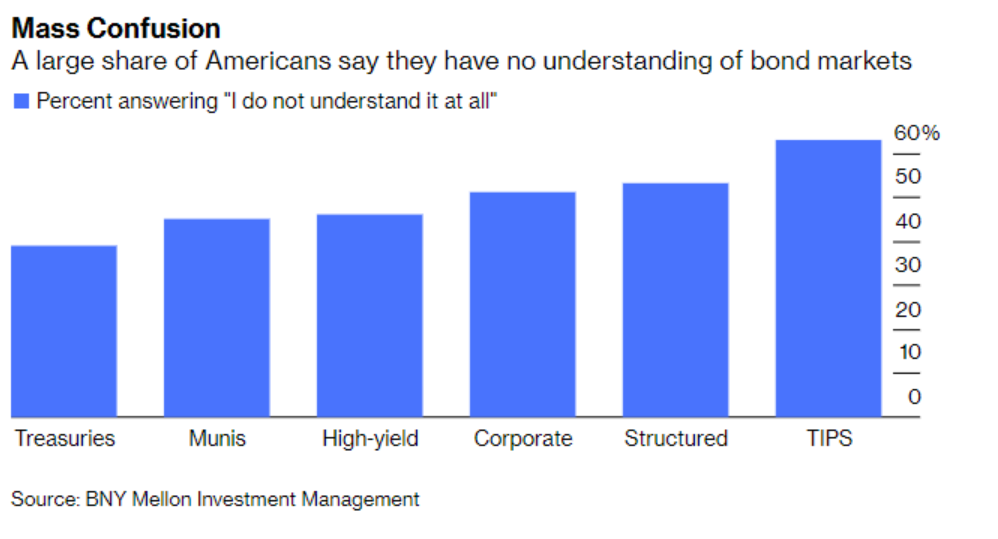
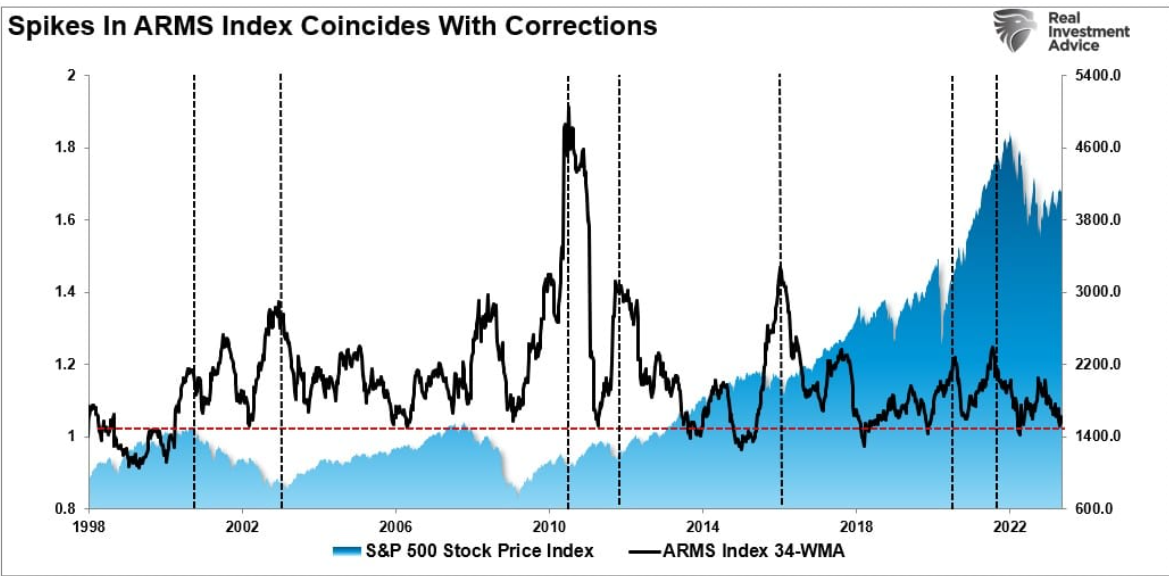
The AI Revolution. A Repeat Of History.
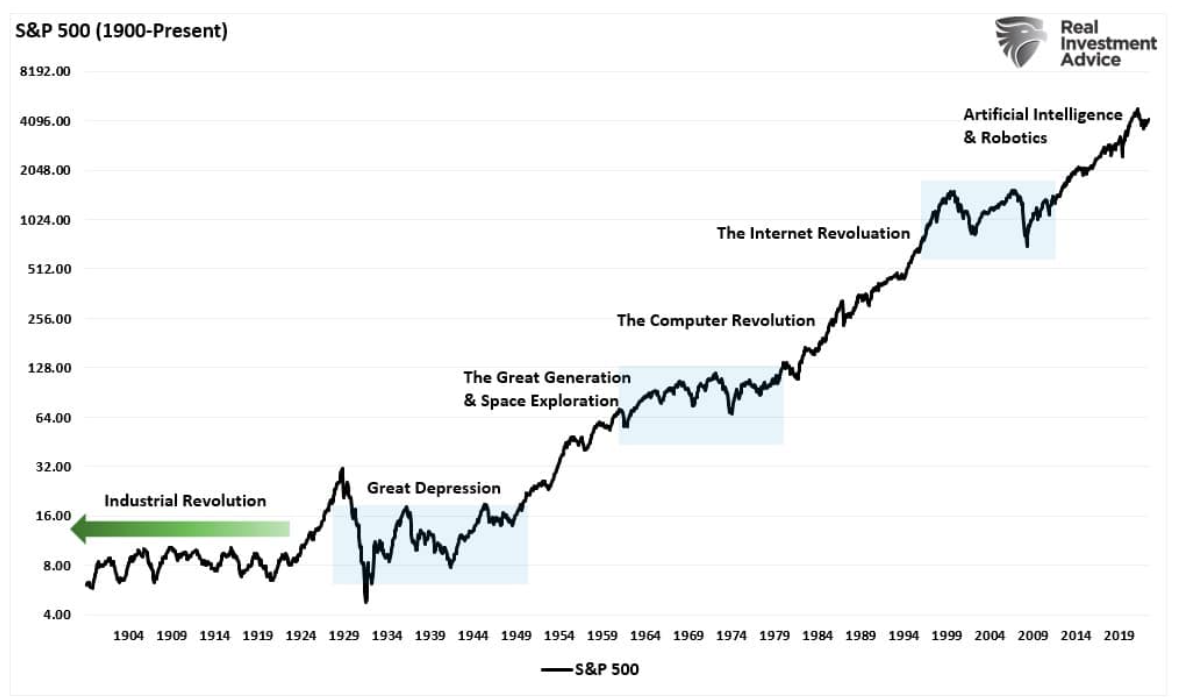
The artificial intelligence, or “AI,” revolution is upon us. The financial media and headlines are abuzz with stories of generative “AI” and the subsequent “industrial revolution.”
Monetary Support Suggests Bear Market Is Possibly Over
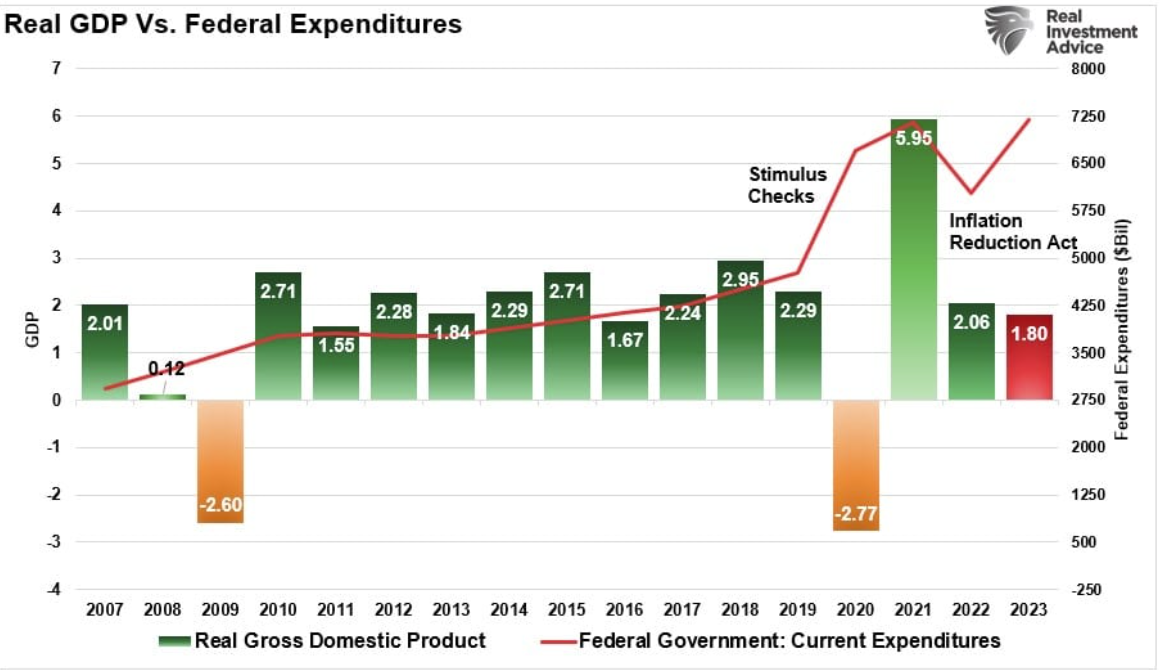
Could massive monetary support have softened the deep bear market many expected? It is an interesting question. Particularly given the Fed has hiked rates at one of the most aggressive paces in history.
Why Future Returns Could Approach Zero
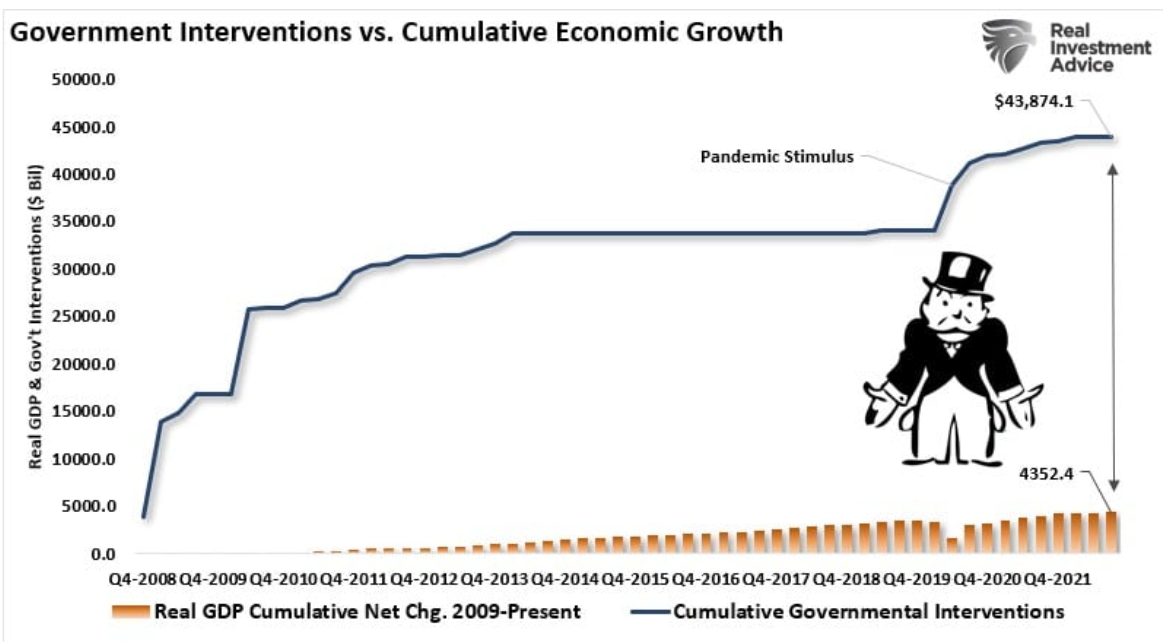
What if I told you that future returns could approach zero? Such seems hard to believe, considering young investors piling back into the markets since the beginning of the year
COT Extreme Positioning Suggests The Bears May Be Wrong
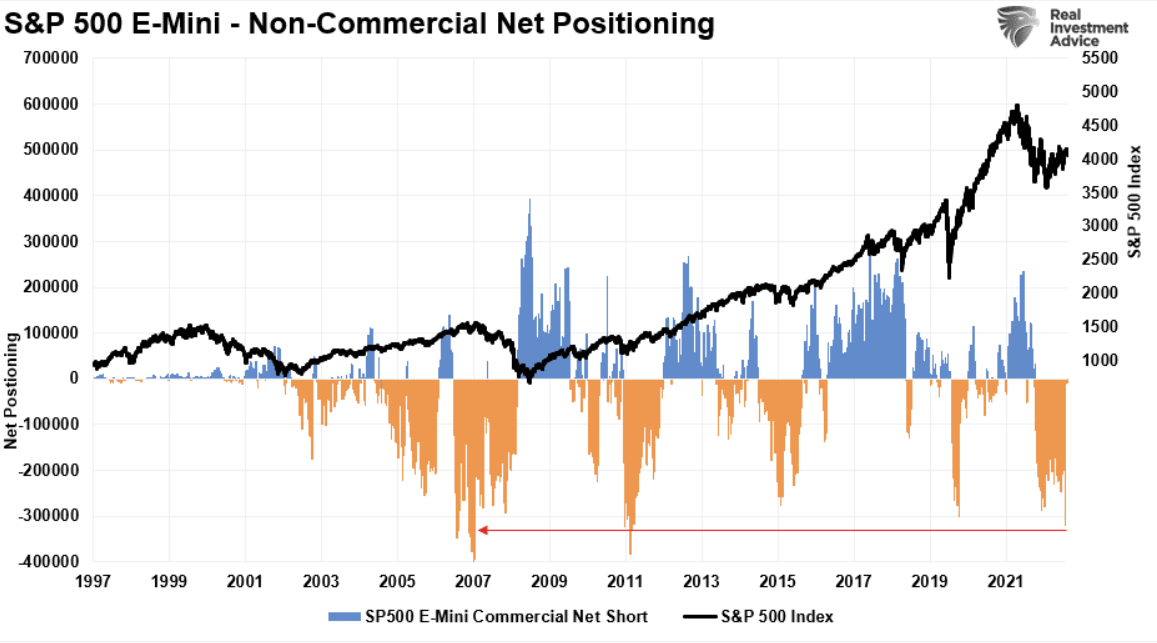
The COT (Commitment Of Traders) data, which is exceptionally important, is the sole source of the actual holdings of the three critical commodity-trading groups, namely: Commercial Traders, Non-Commercial Traders and Small Traders.
The Debt Ceiling Crisis That Probably Isn’t
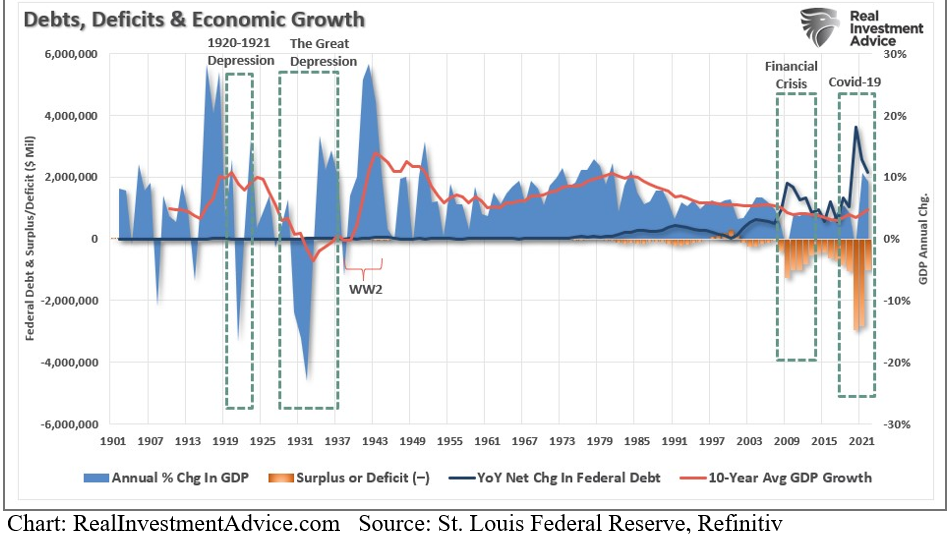
The financial media is rife with misinformation on the debt ceiling and the jump in interest rates. However, a history review shows that the “debt-ceiling” issue is not only a non-crisis, but the recent rise in rates is likely an opportunity to buy bonds.
Taking Risk No Longer Necessary. But That Is A Problem.
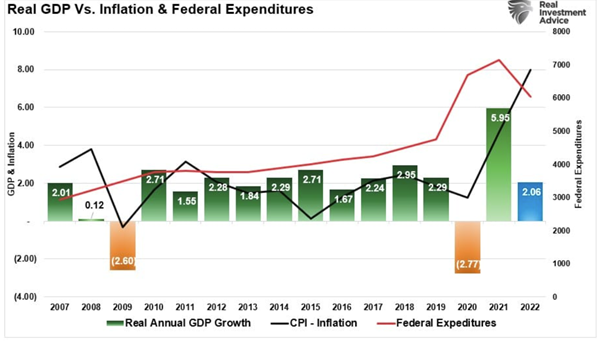
Taking risks is no longer necessary to make a return on your savings.
Conviction (Or How To Lose A Lot Of Money In Investing)
In life, there are things that we should be convicted and committed to. For example, the love for our families, spouses, and religious beliefs. We can also be convicted about other things, such as political ideologies, social issues, and environmental causes.
The Cash Hoard Of 2023 (And The Sideline Money Myth)

The vast “cash hoard of 2023” has the bullish media salivating about what it means for the future of equities. That cash hoard in money market funds now exceeds $5.2 trillion.
Breakeven Inflation Rates Falling Isn’t Bullish

What can breakeven inflation rates tell us about oil prices, energy stocks, and market direction? It turns out it’s a lot more than you think.
Bullishness Remains Missing, Which Is A Good Thing
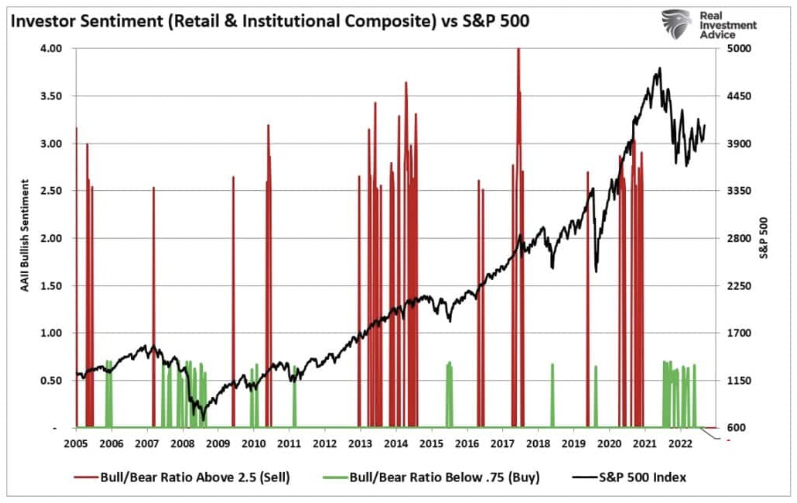
Despite media headlines, podcasts, and broadcasts suggesting “doom and gloom” lurks around the corner, investor bullishness has increased markedly since the October lows. This isn’t the first time we have discussed investor sentiment, which is often wrong at the extremes.
Recession Odds Jump As The Fed Crushes Consumers
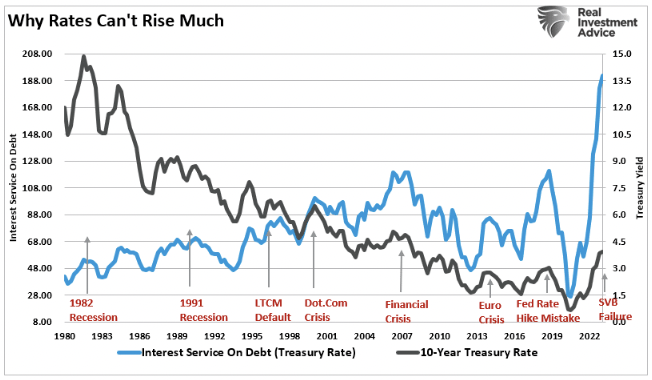
Recession odds have climbed considerably since Jerome Powell’s testimony before Congress and the latest FOMC meeting. However, the recent failures of Silicon Valley Bank (SVB) and Credit Suisse (CS), as higher rates impact regional bank liquidity, also added to the risks.
The Market Bottomed In October. Now What?
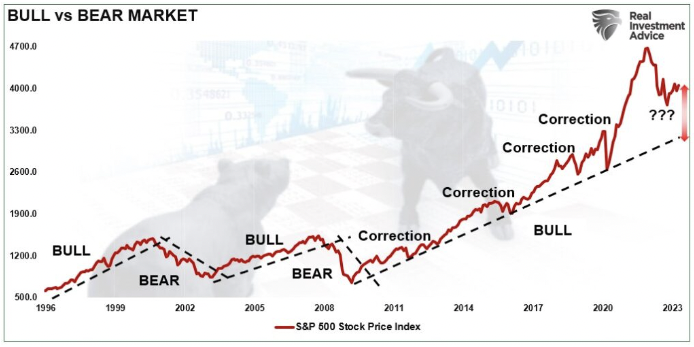
The market bottomed last October despite ongoing concerns about inflation, higher rates, recessionary risks, and a banking crisis. While the media headlines and youtube podcasts are filled with “crisis” headlines, as noted in “Analysts Raise Estimates,” expectations for growth and earnings are rising.
Bullish Buy Signals Mark 4200 For Relief Rally
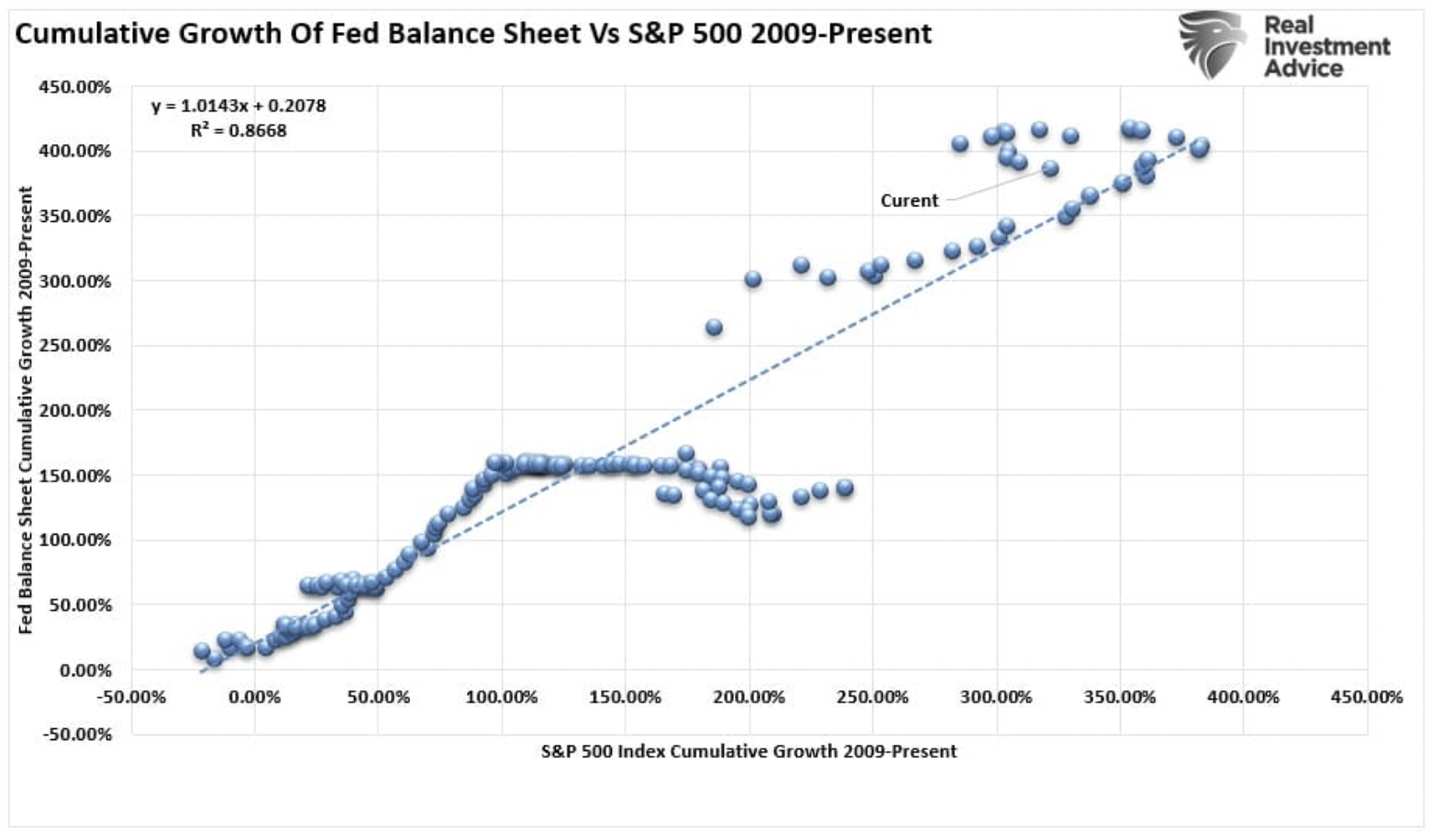
Despite an ongoing “banking crisis,” investors continue to chase stocks triggering several bullish buy signals.
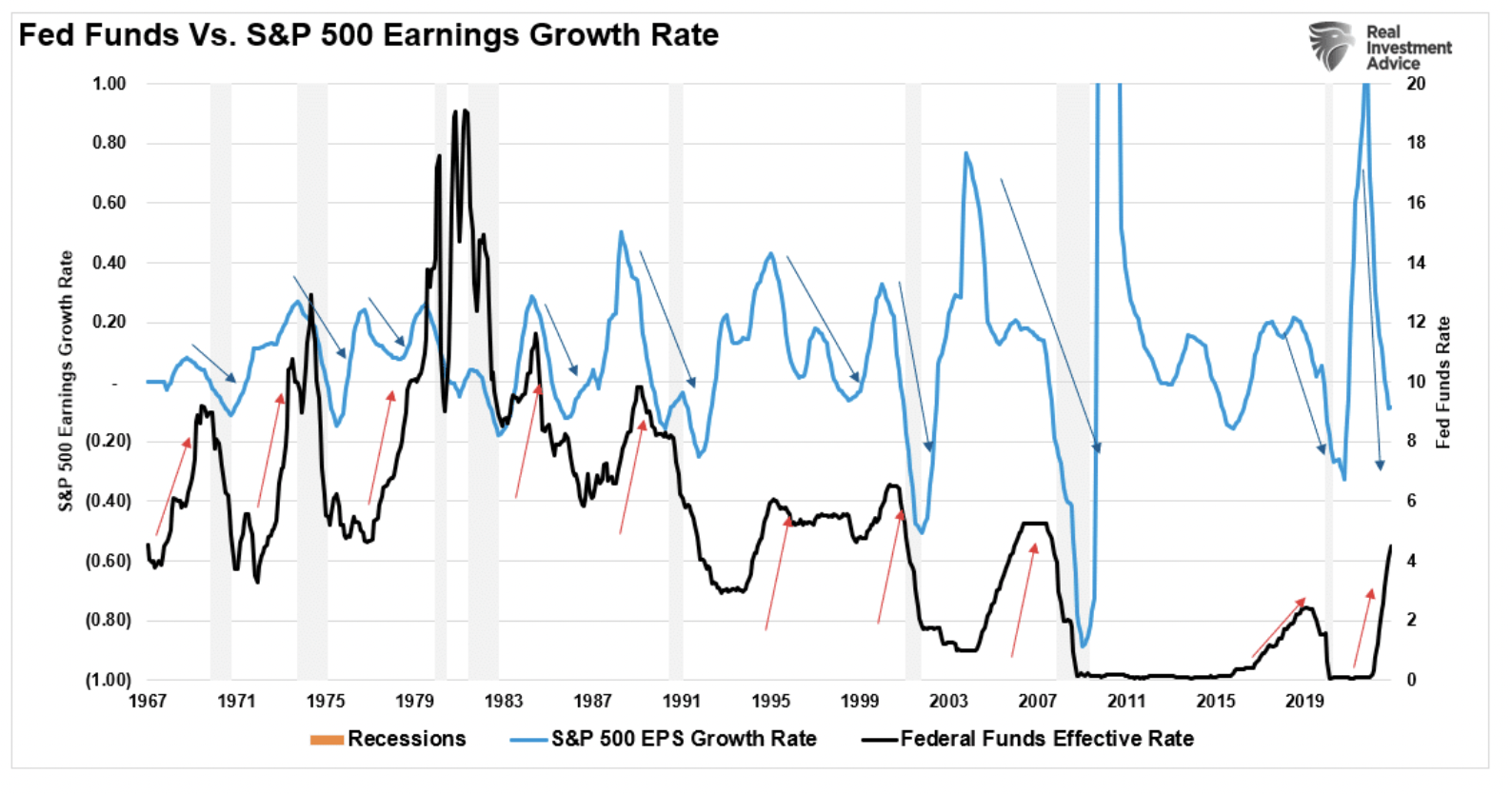
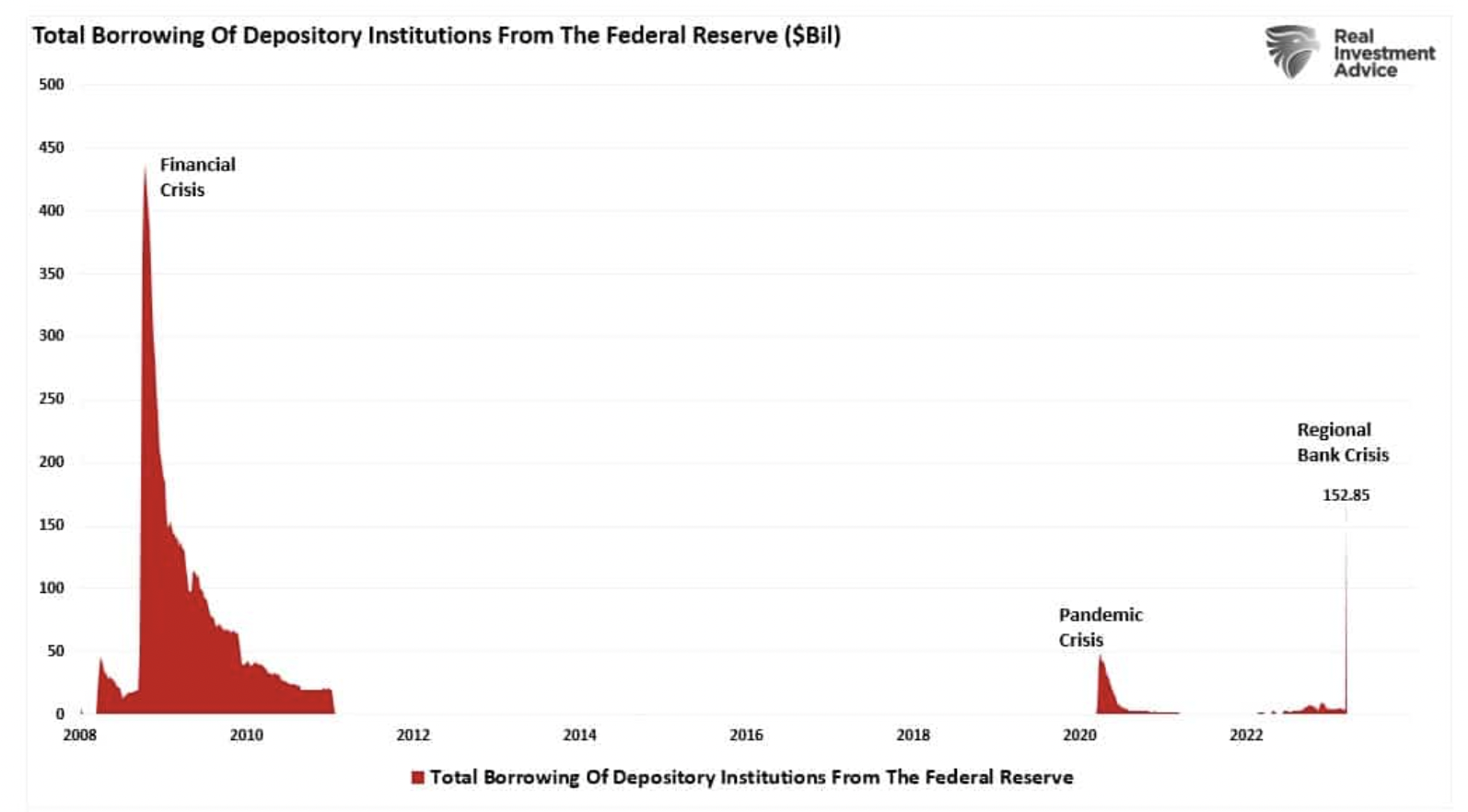
“Not QE” Puts Fed Between A “Rock And A Hard Place”
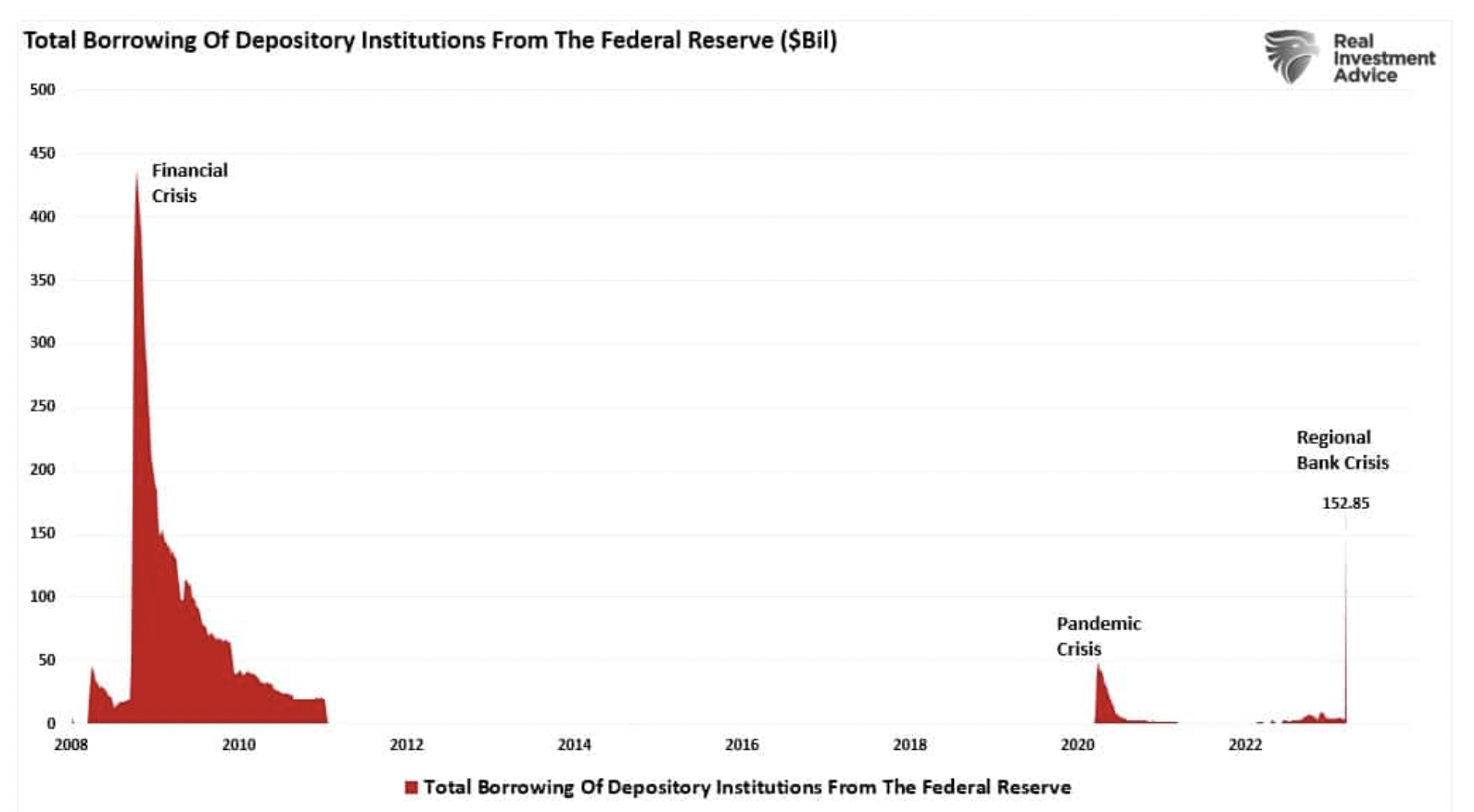
“QE” or “Quantitative Easing” has been the bull’s “siren song” of the last decade, but will “Not QE” be the same?
Bank Runs. The First Sign The Fed “Broke Something.”
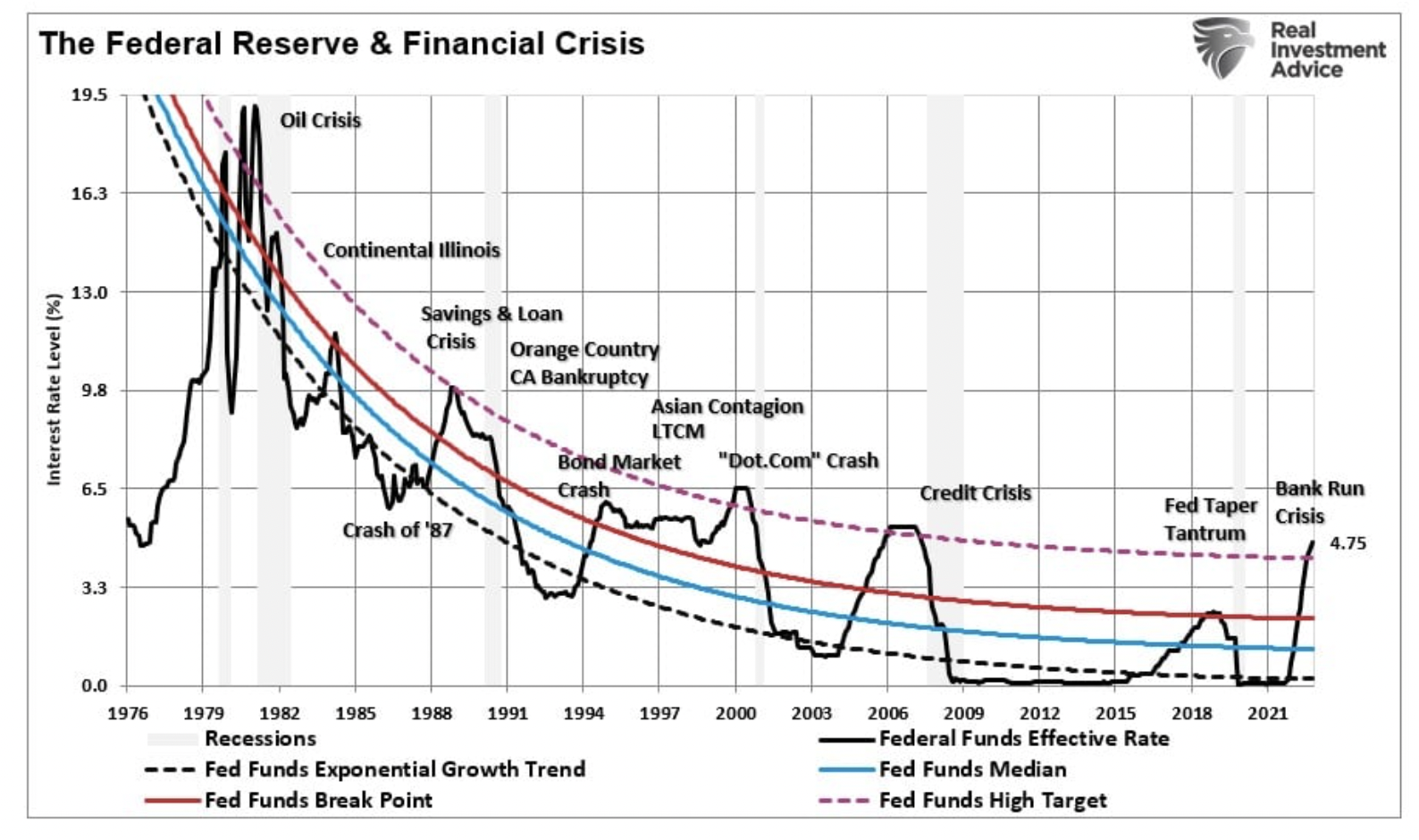
With the collapse of Silicon Valley Bank, questions of potential “bank runs” spread among regional banks.
Consensus View Of “No Recession.” Could It Be Wrong?

Could the consensus view of a “no recession” scenario be wrong? As portfolio managers, this is the question we ask ourselves daily.
Buffett On Buybacks
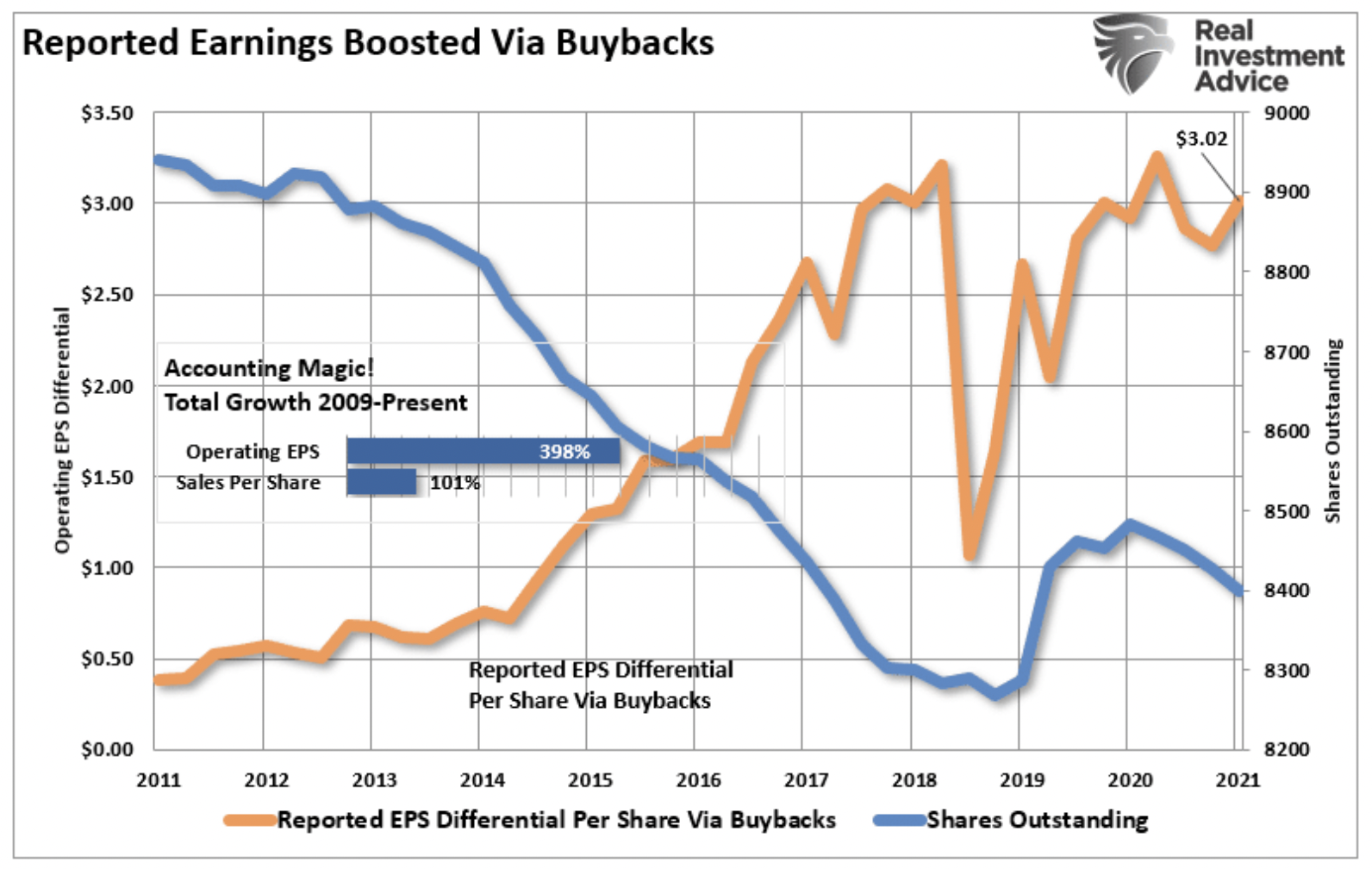
Warren Buffett defended stock buybacks in Berkshire Hathaway’s annual letter, pushing back on those railing against the practice he believes benefits all shareholders.
Gen Zers Are Overly Optimistic About Being Wealthy
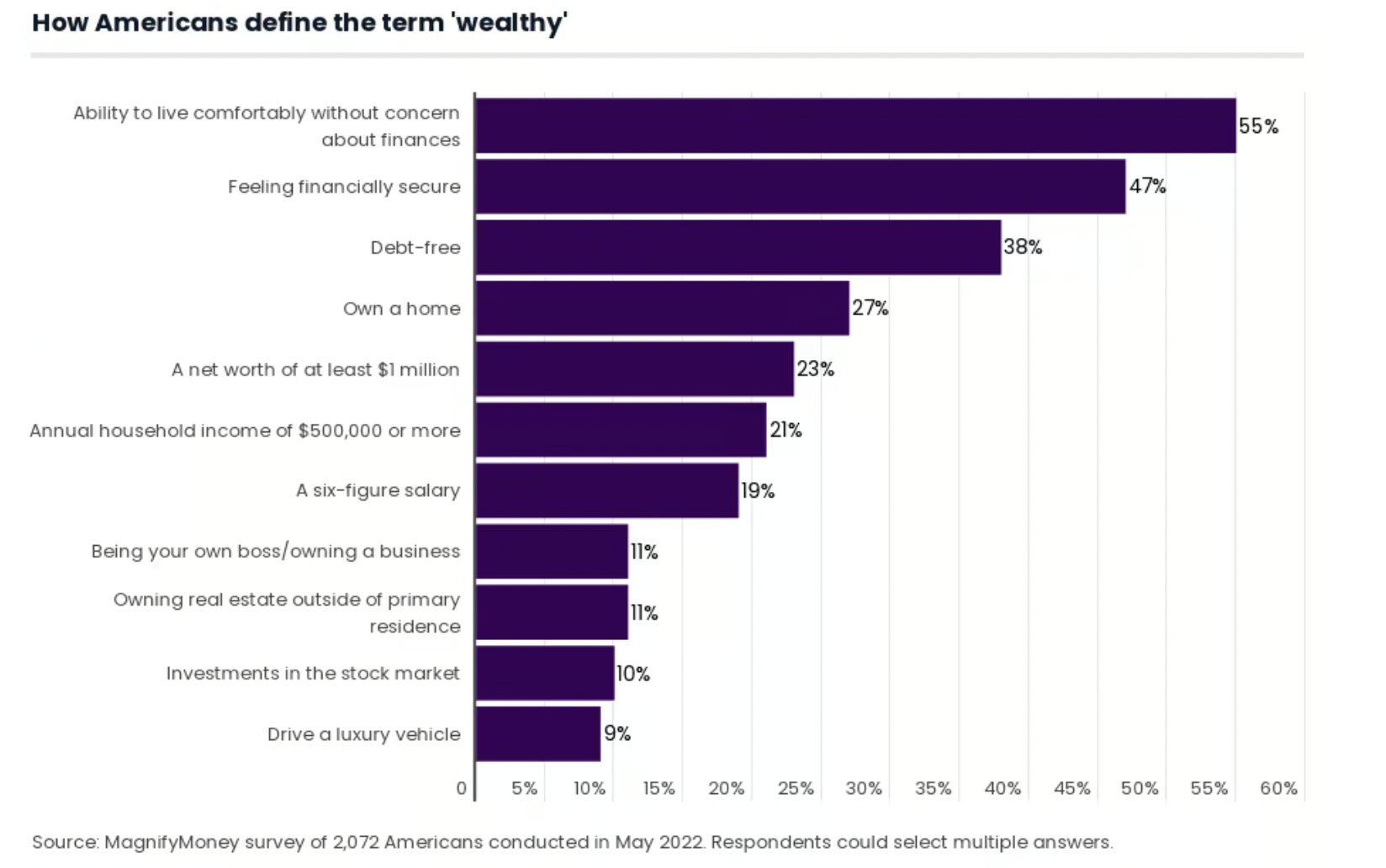
Gen Zers, according to a recent Magnify Money survey, are overly optimistic about being wealthy.
Capitalism Is Broken If Record Profit Margins Don’t Revert
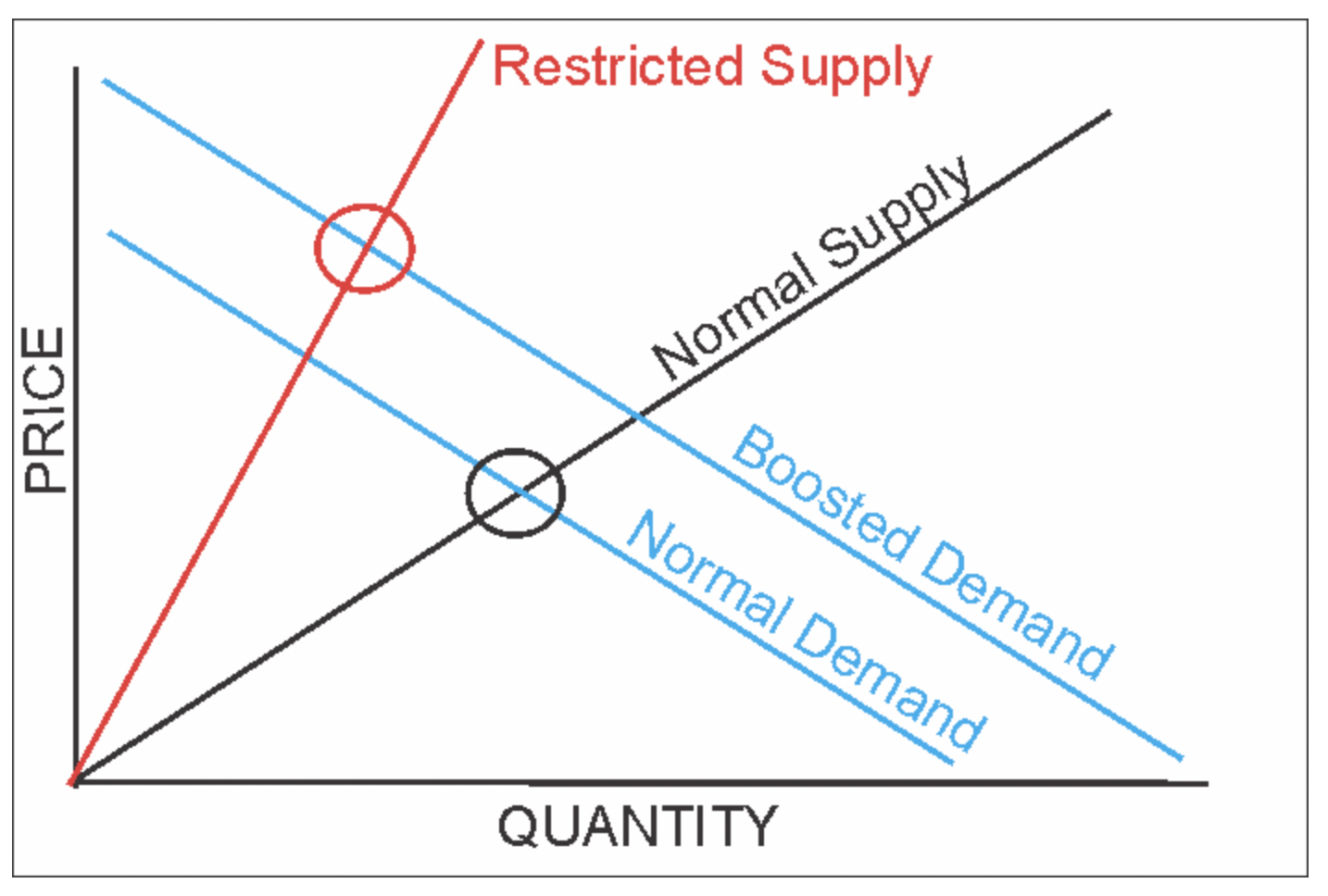
While there are certainly many complaints that “capitalism” is broken, such is not the case.
Retail Traders Go Bust As Speculation Inevitably Goes Wrong

A recent Wall Street Journal article discussed how retail traders that made millions during the pandemic trading the market are now mostly wiped out.
“No Landing” Scenario At Odds With Fed’s Goals
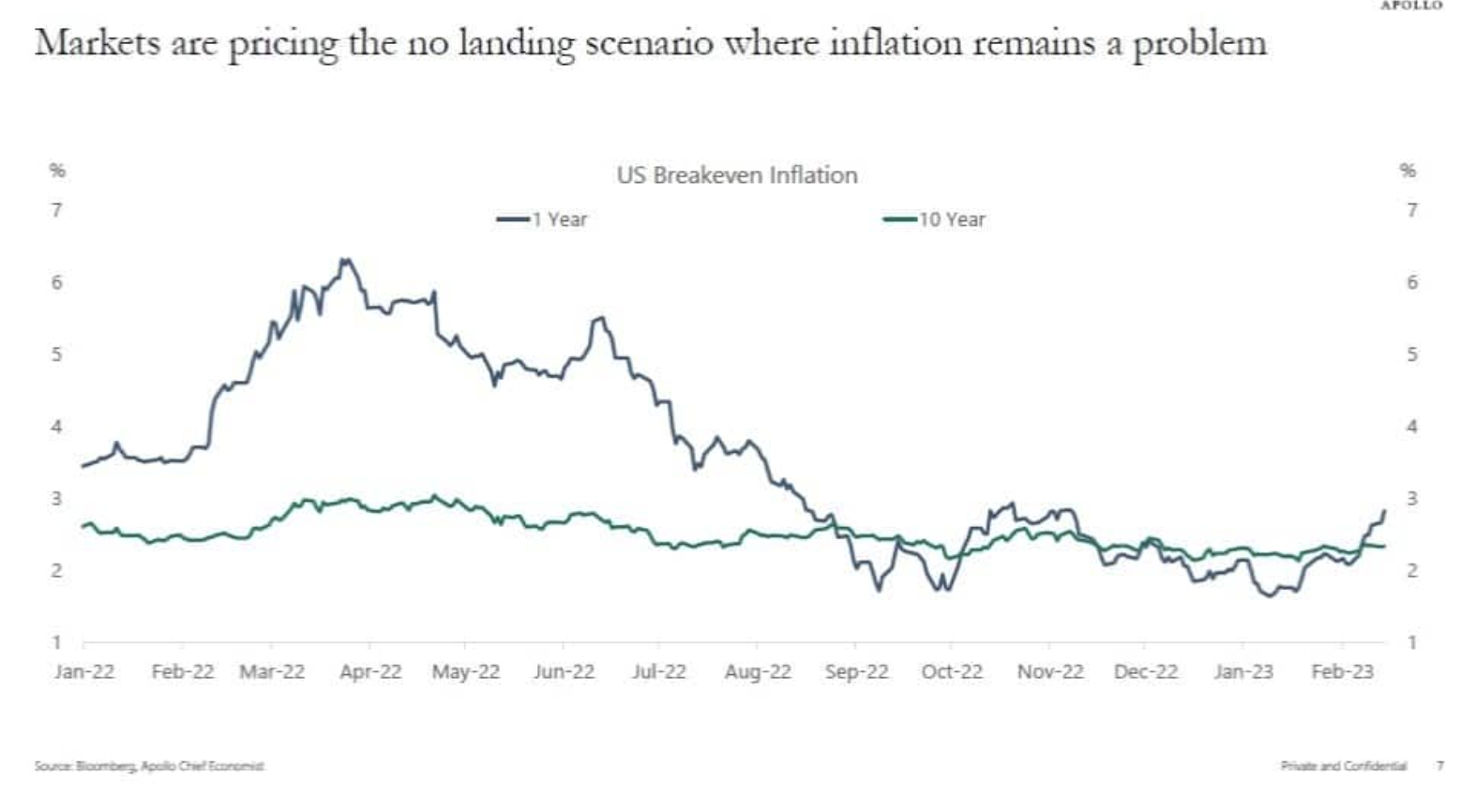
Economically speaking, bullish bets are mounting on a “no landing” scenario, which suggests the economy will avoid a recession entirely.
The Technicals Vs The Fundamentals. Which Is Right?
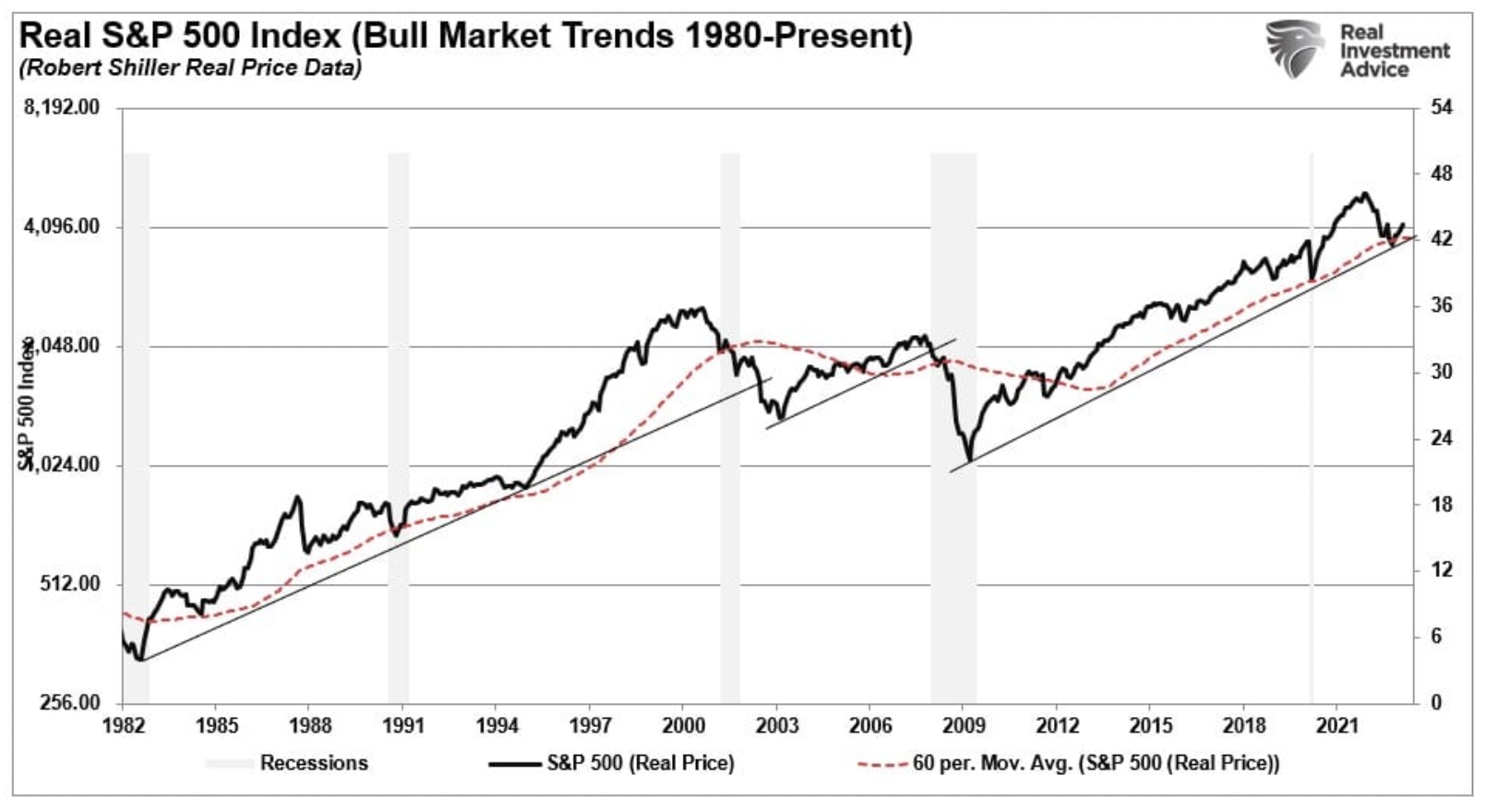
Last week, we discussed why the more bullish technical formations were at odds with the many recession forecasts.
The Correction May Have Started, Will Bulls Remain In Control?
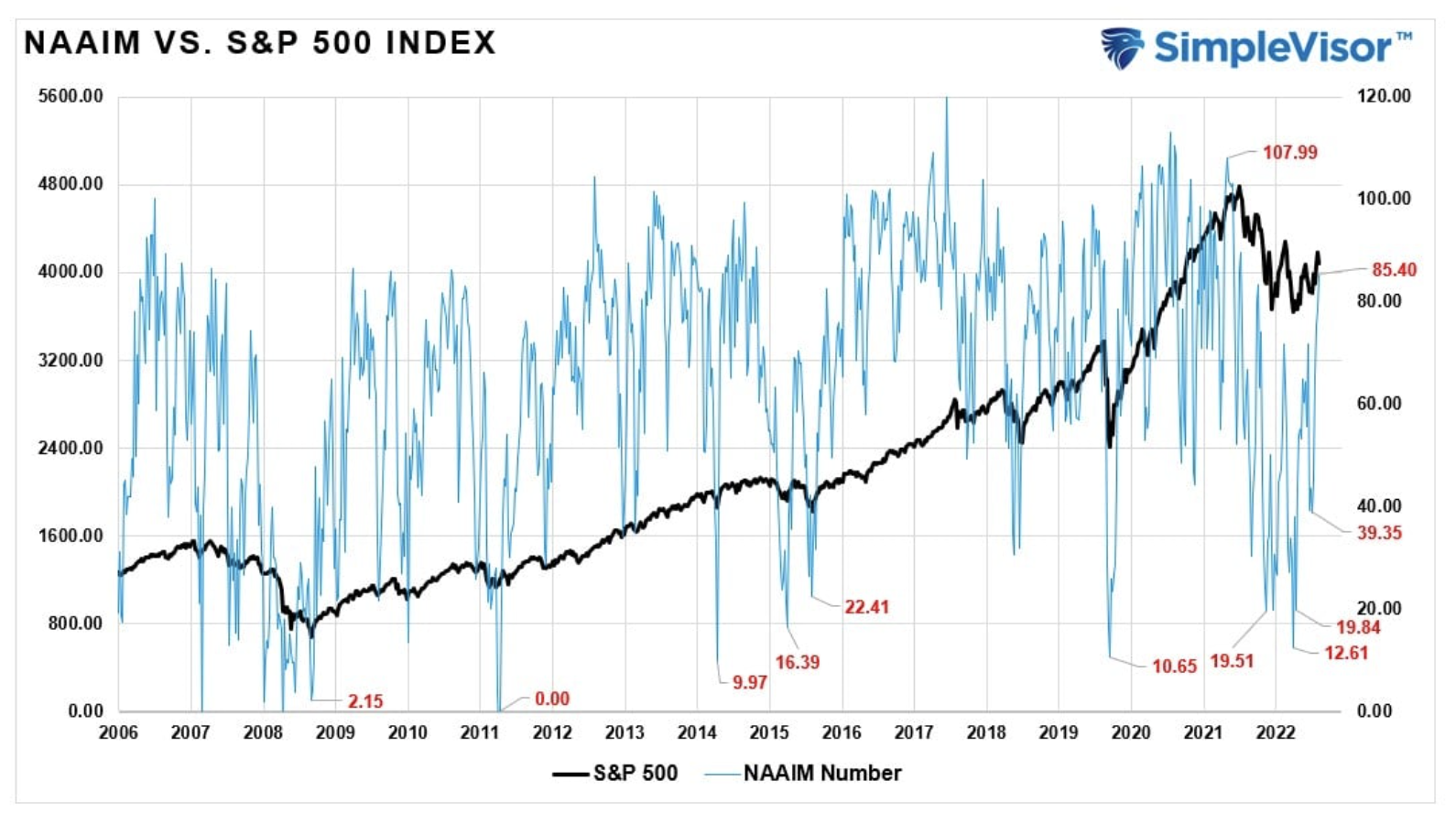
The market correction has started.
The Technicals Vs The Fundamentals. Which Is Right?
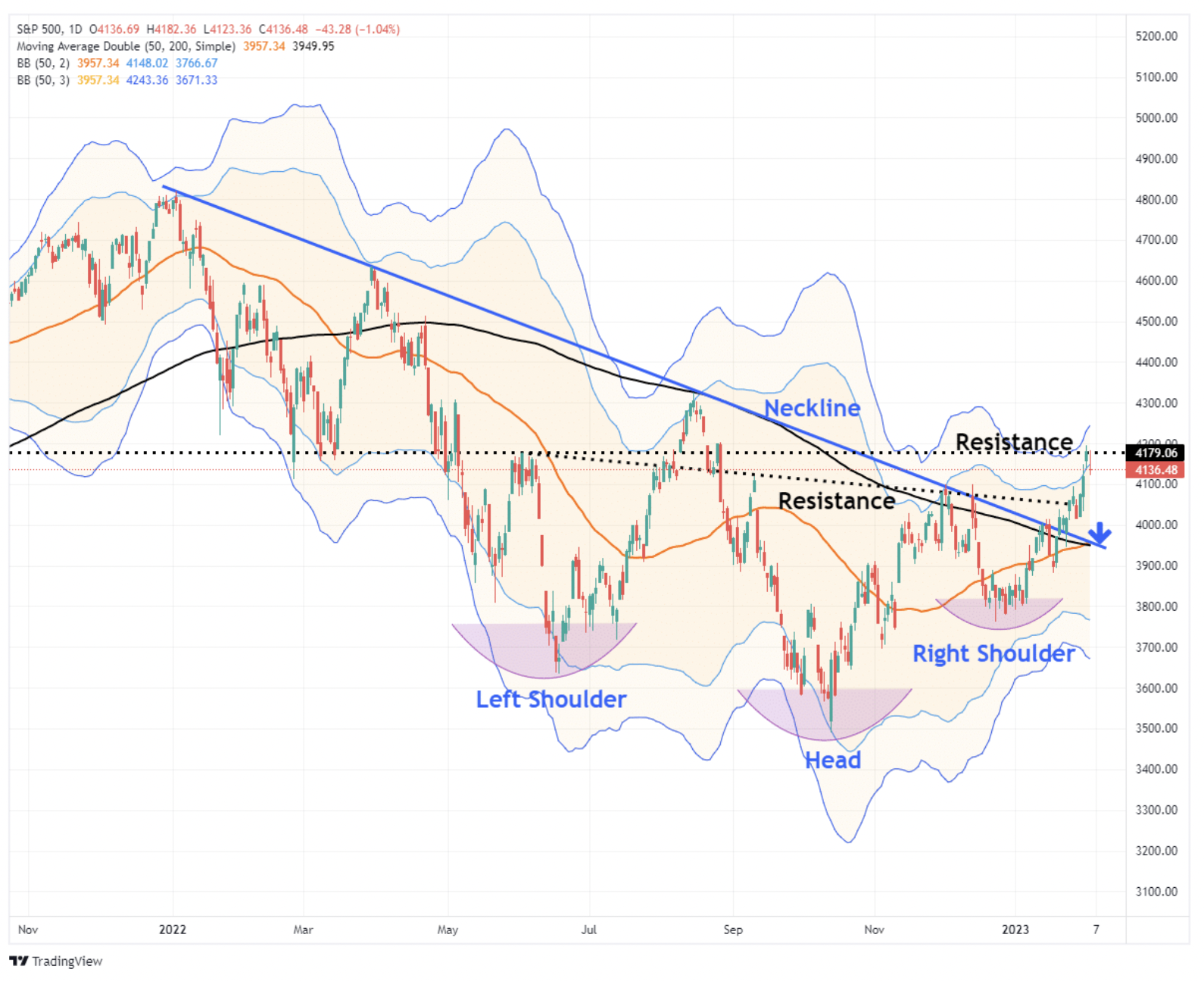
Last week, we discussed why the more bullish technical formations were at odds with the many recession forecasts.
Bullish Investors Continue to Fight The Fed
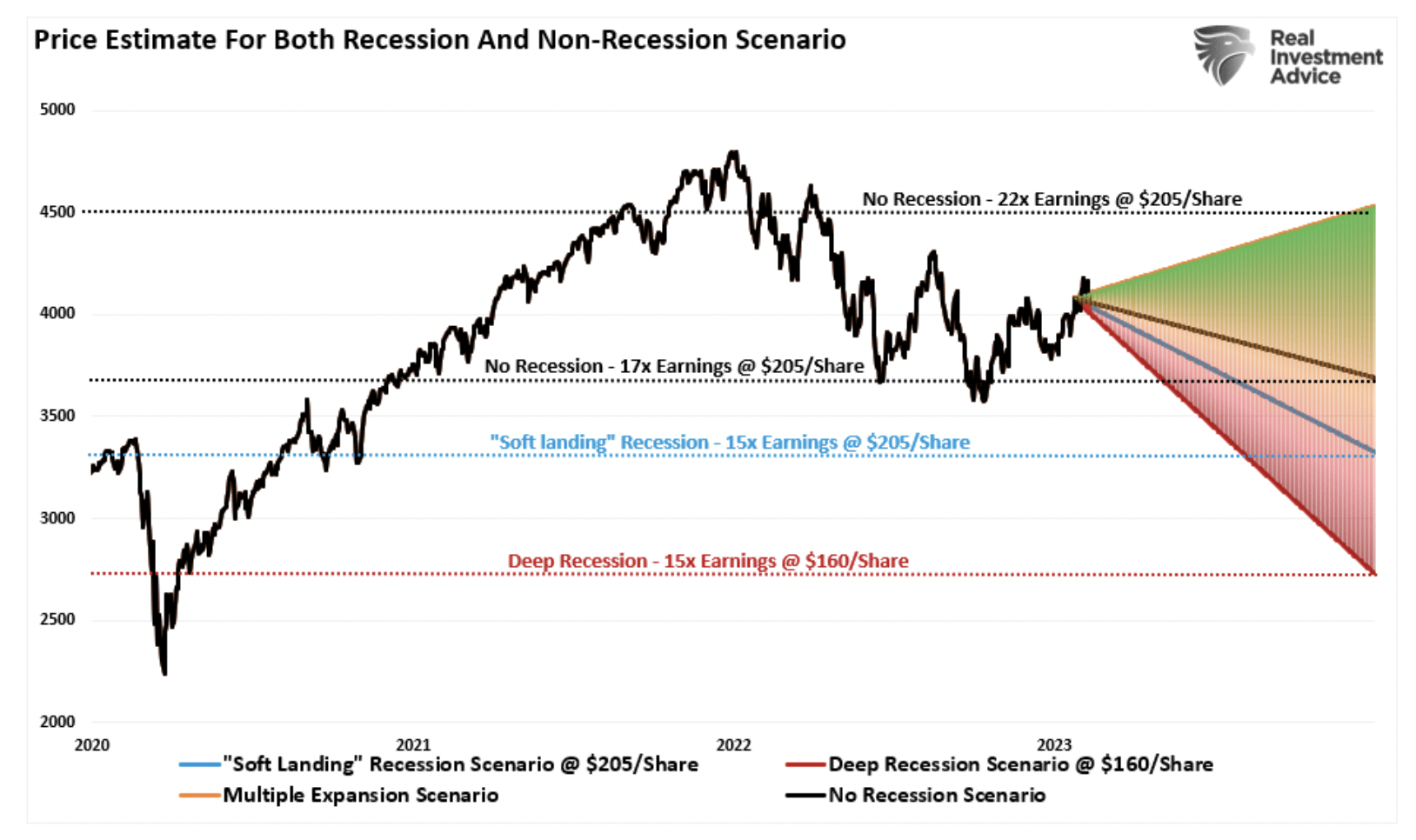
Bullish investors continue to “Fight the Fed,” hoping that a change to monetary policy will reignite the 12-year-long bull market.
Recession Forecasts At Odds With Bullish Formations
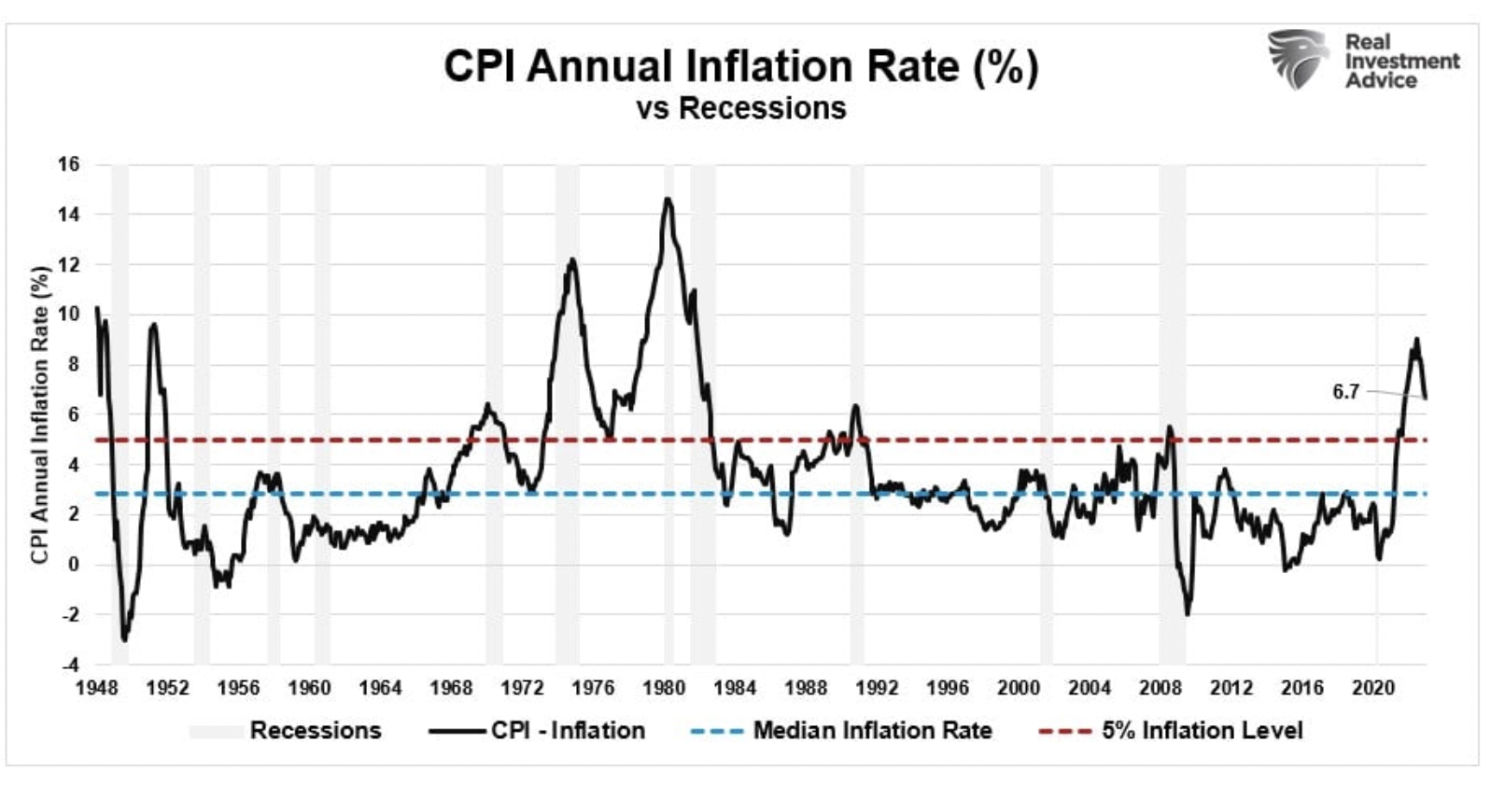
Despite mounting evidence supporting recession forecasts, the stock market remains at odds with that outlook.
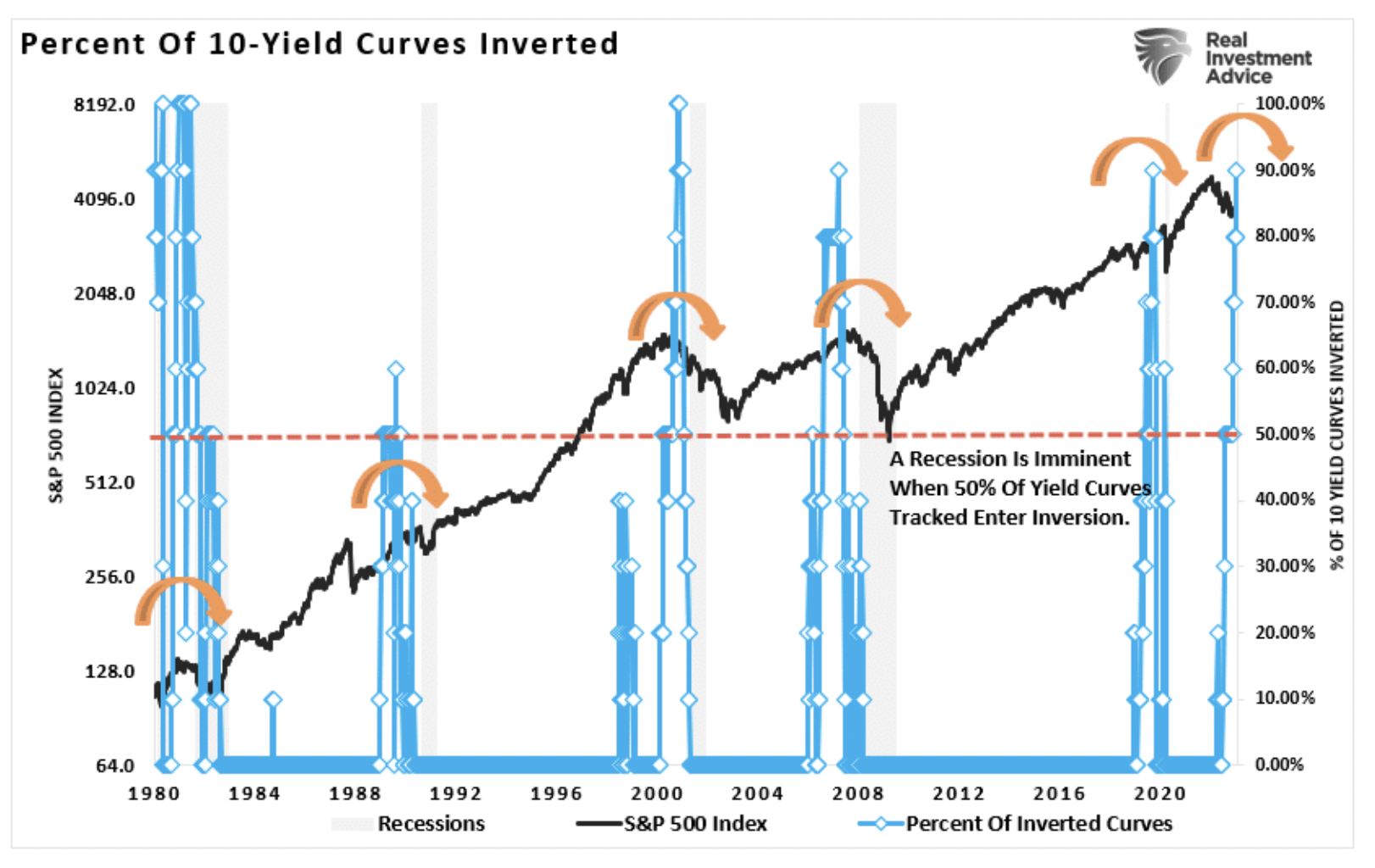
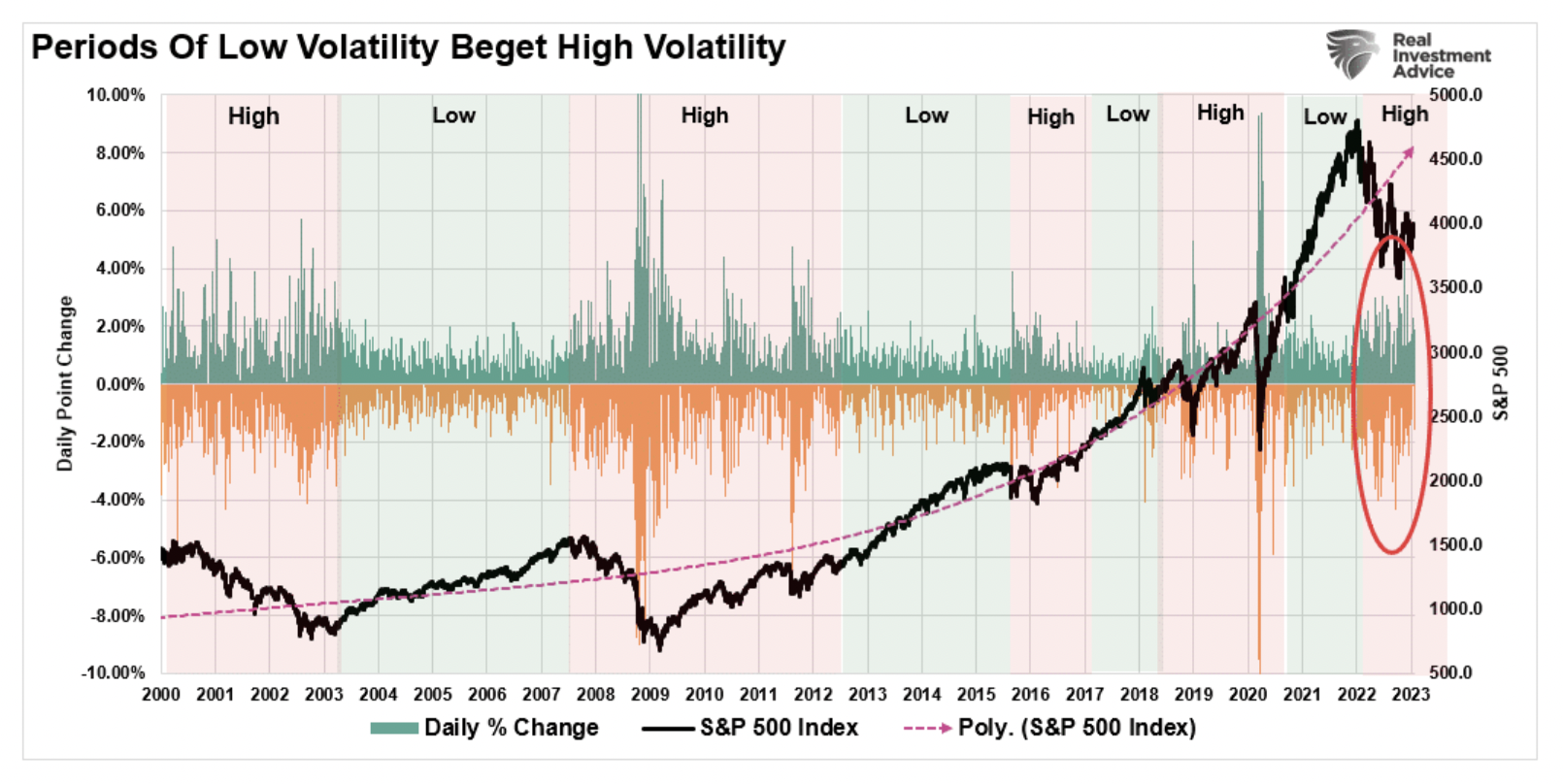
A “Soft Landing” Scenario – Possibility Or Fed Myth?
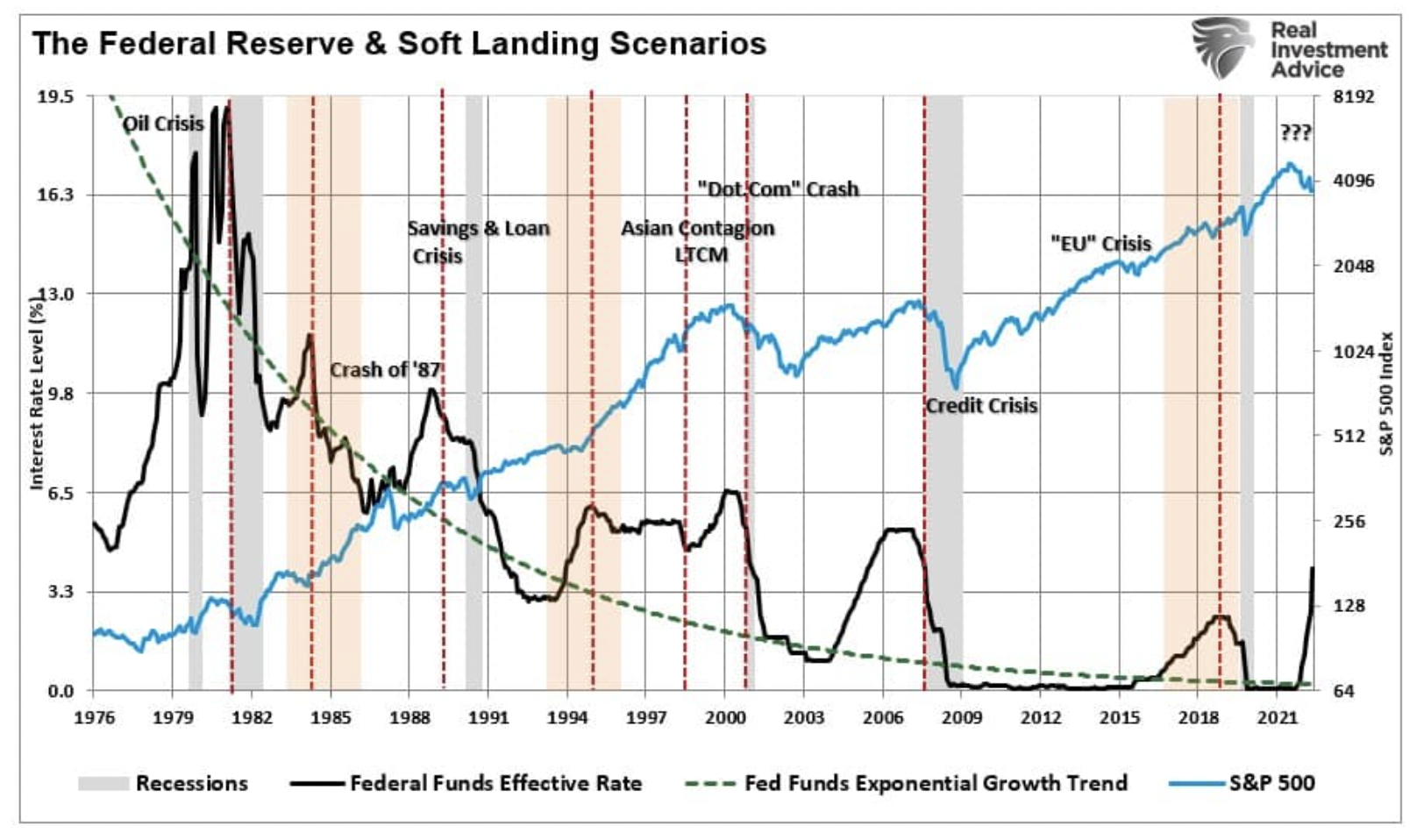
Optimism is increasing on Wall Street, with investors hoping for a “soft landing” in the economy.
The “Pain Trade” Is Higher For Now
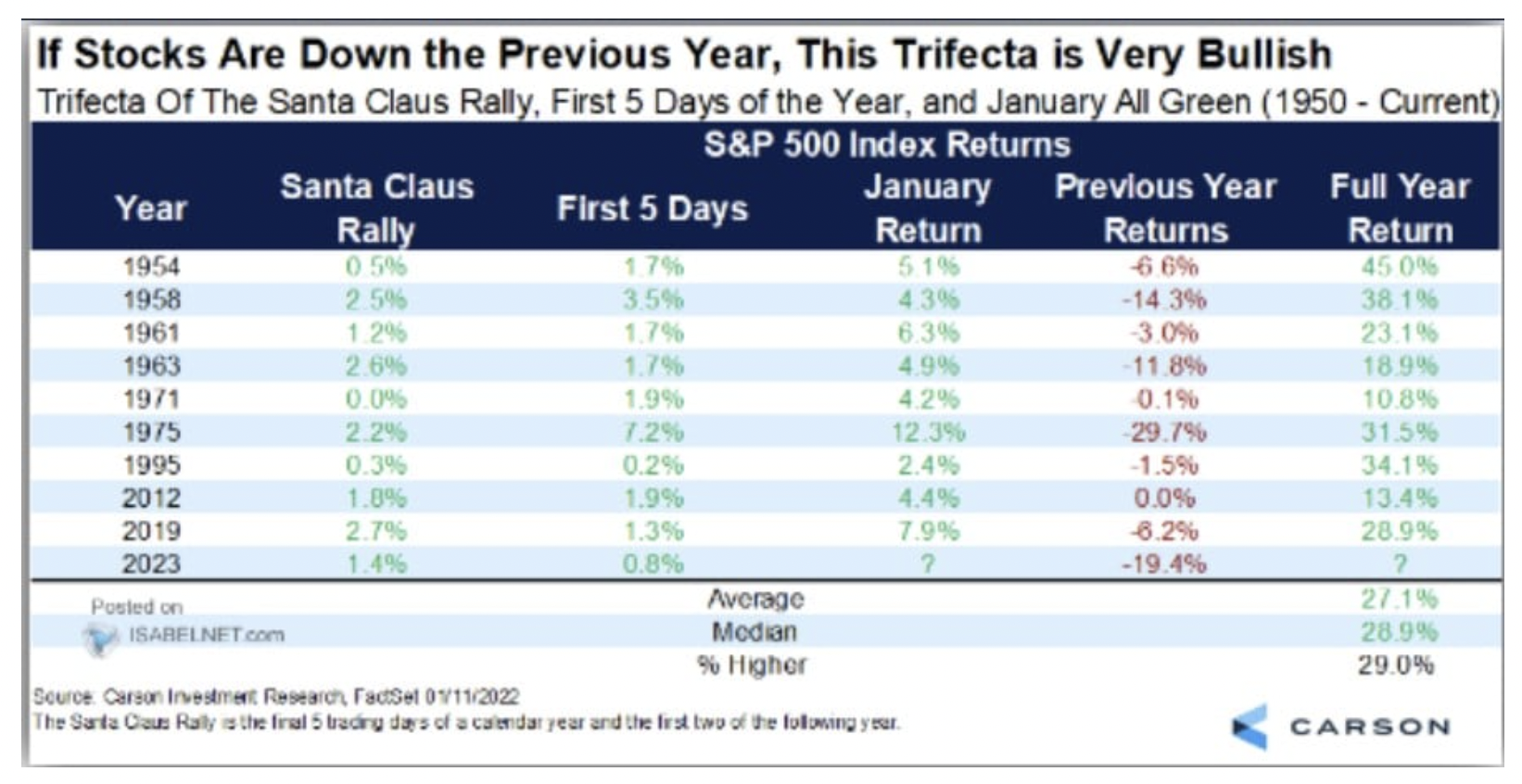
The “pain trade” is likely higher over the next few weeks.
Monetary Policy. Is The Fed Trying To Wean Markets Off Of It?
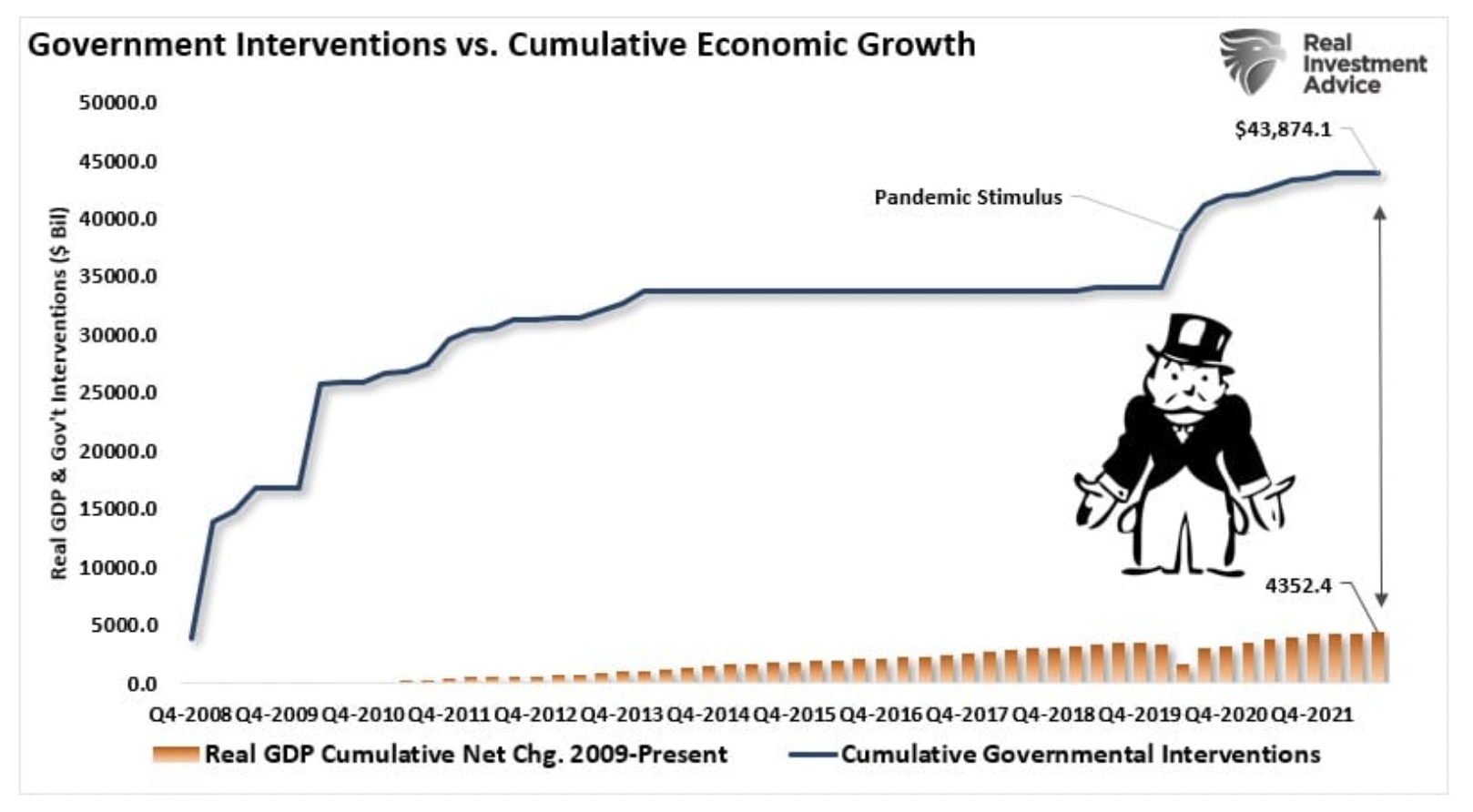
Is the Fed trying to wean the markets off monetary policy?
The Lag Effect Of The Fiscal Pig & Economic Python
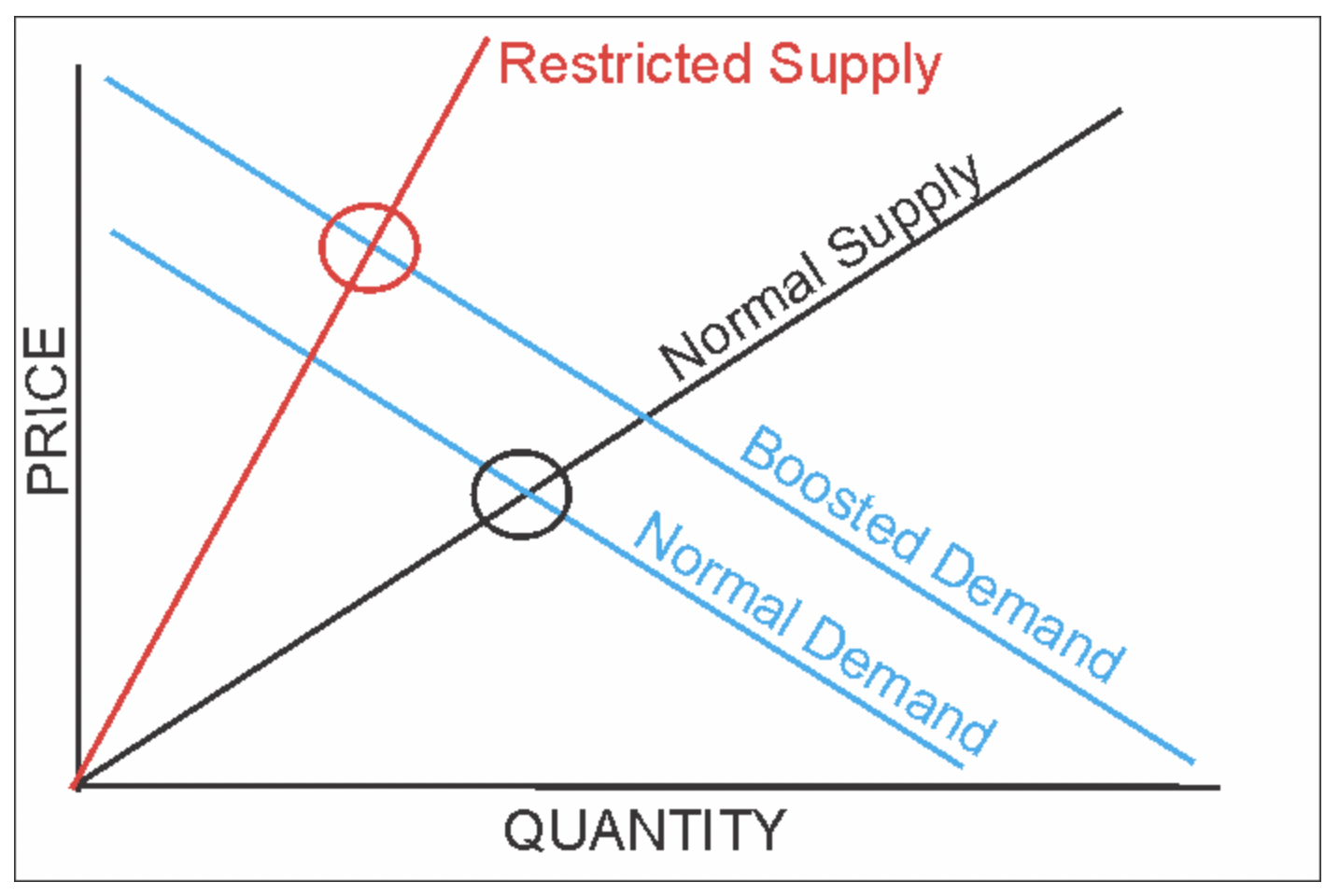
The lag effect of monetary policy changes will surprise the Fed as the fiscal “pig” of stimulus begins to exit the economic “python.”
Home Prices Will Likely Fall Further
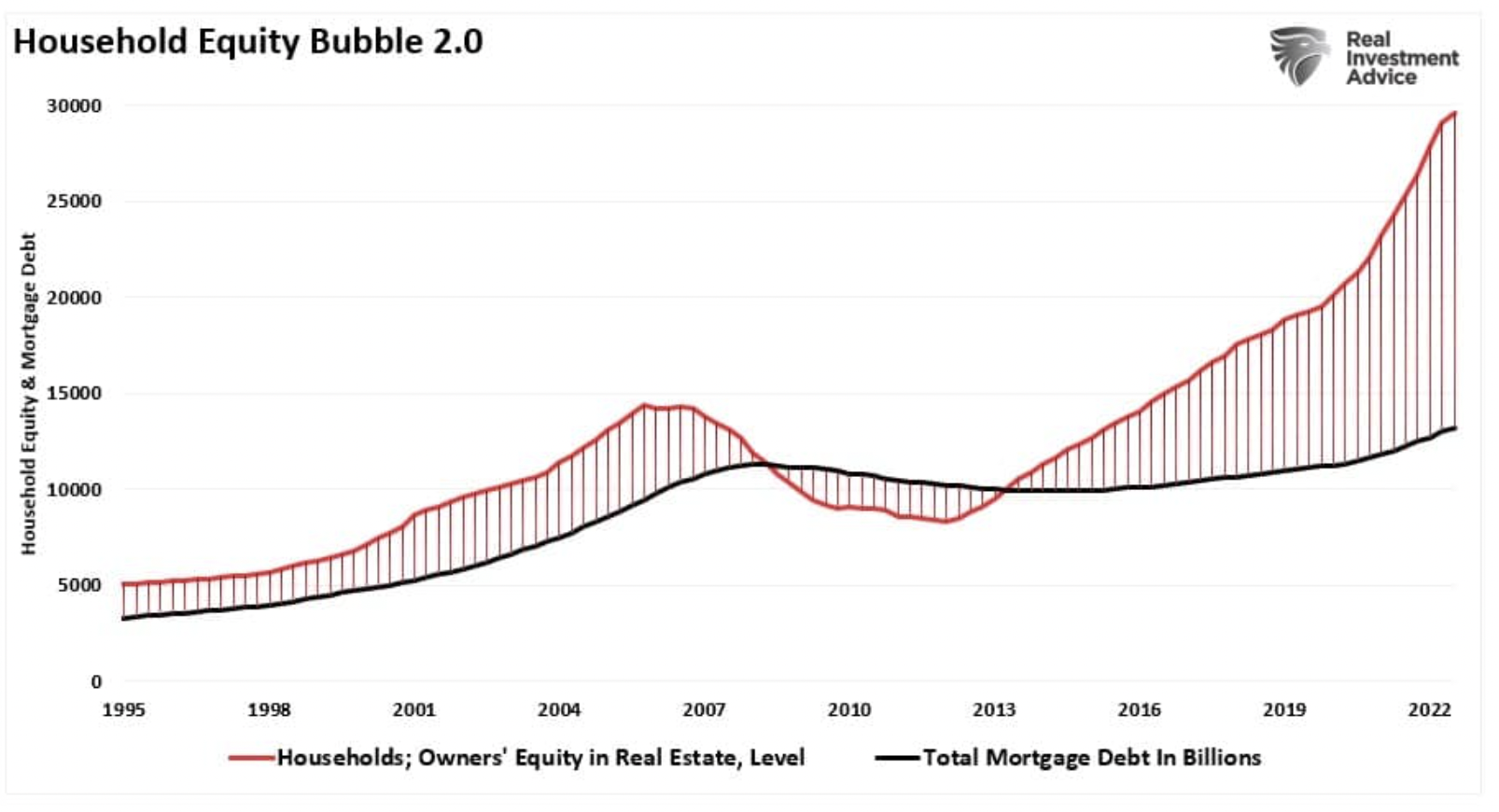
Home prices have started to correct as interest rates rose sharply in 2022.
Forward Returns Will Disappoint Compared To The Past Decade
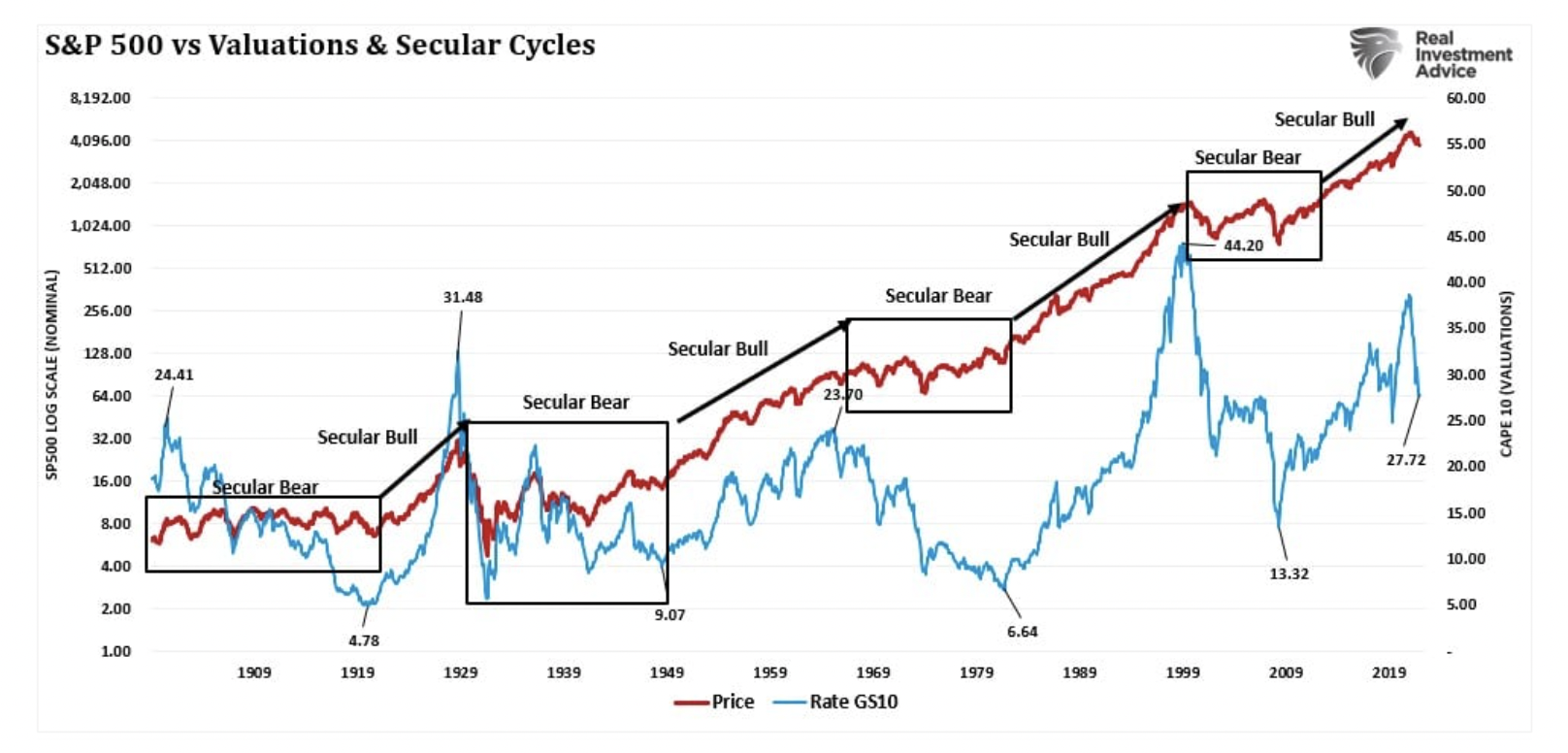
For many investors who started their investing journey following the financial crisis, forward returns will be disappointing compared to the last decade.
The Fed’s “7% Solution” Won’t Work This Time
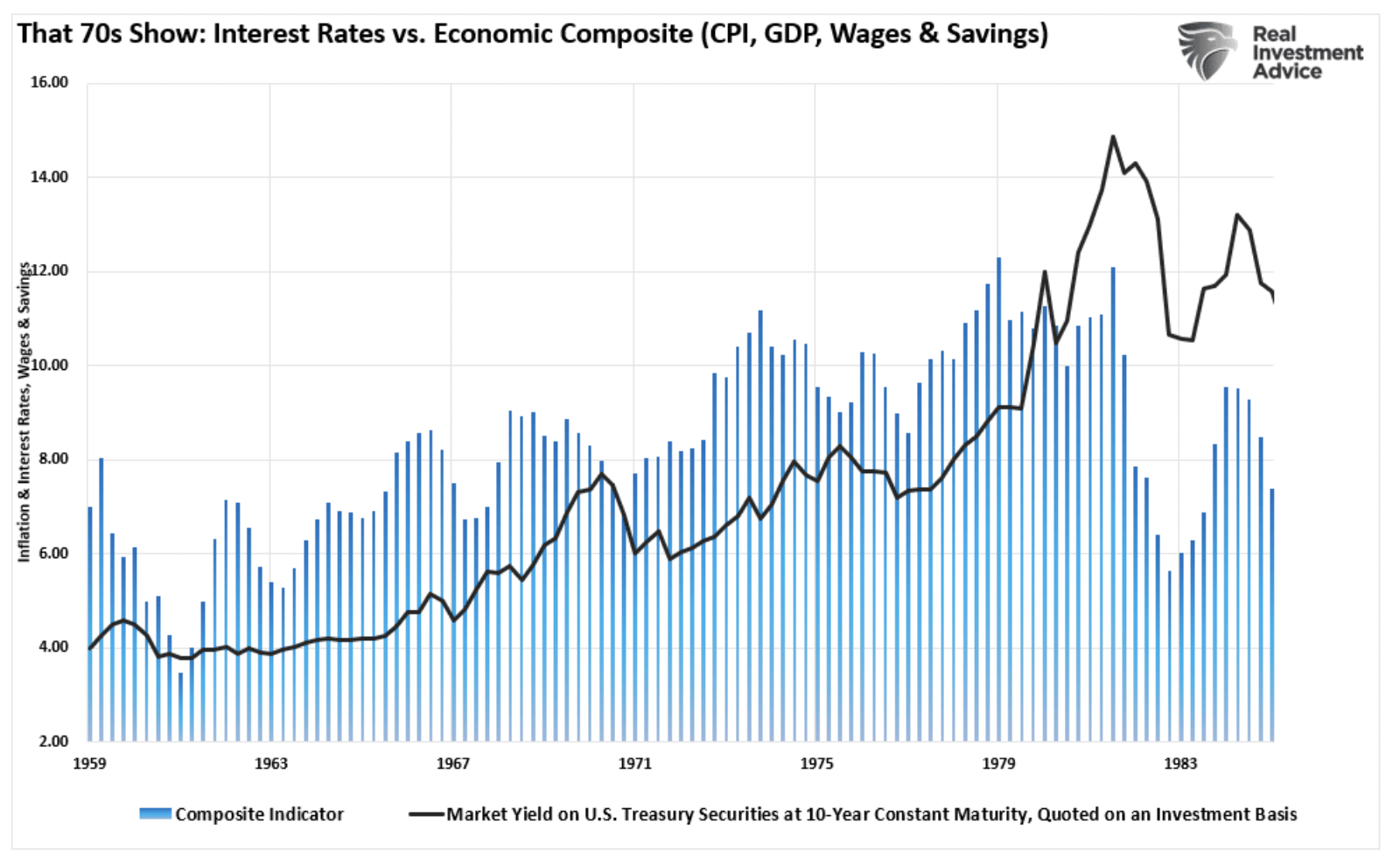
Just recently, James Bullard, President of the St. Louis Federal Reserve, suggested the central bank might need to employ the “7% solution” to ensure the complete destruction of inflation.
Investor Resolutions & January Stats For 2023
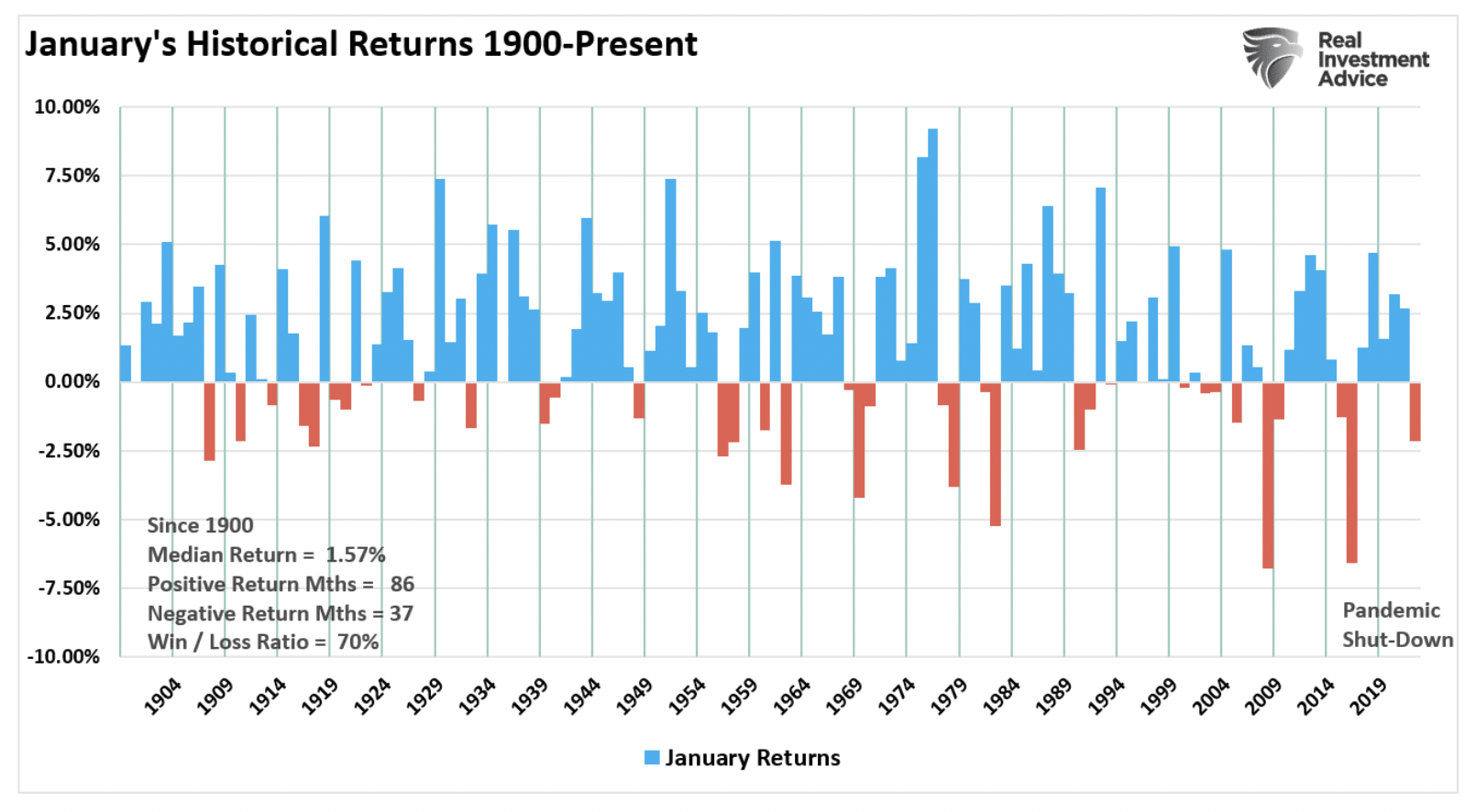
With 2022 finally over, and not soon enough, such is an excellent time to review our “investor resolutions.”
60/40 Portfolio Set to Outperform Over the Next Decade
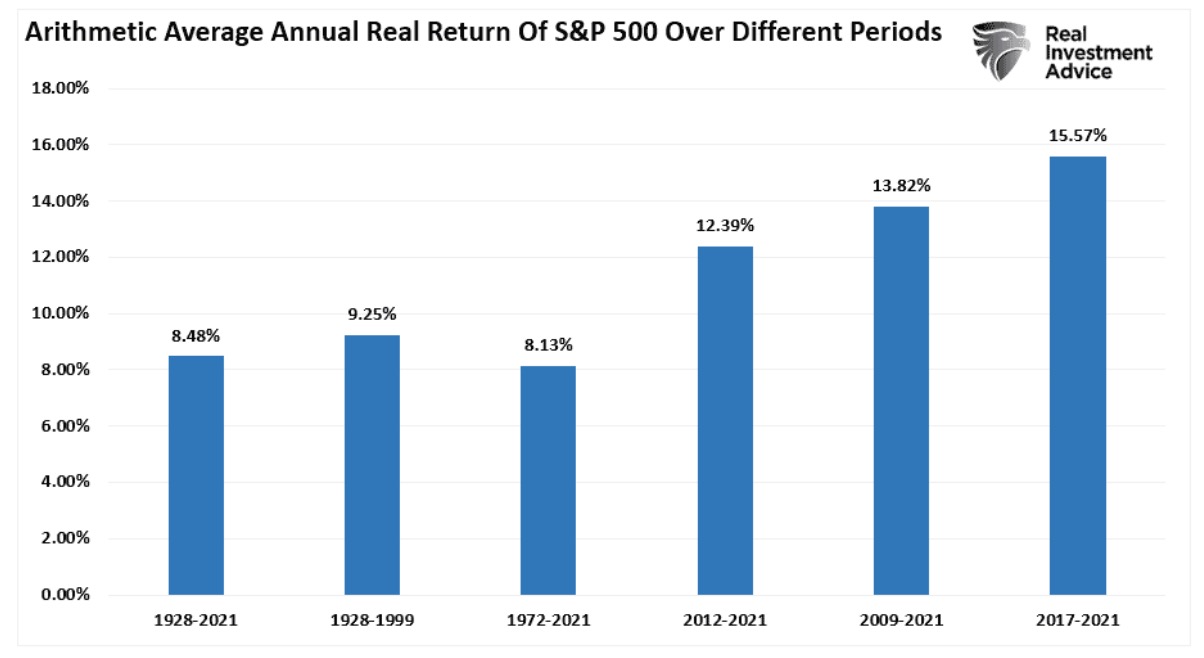
Much ink has been spilled over the death of the 60/40 portfolio.
Southwest Airlines Struggles after Holiday Cancellations
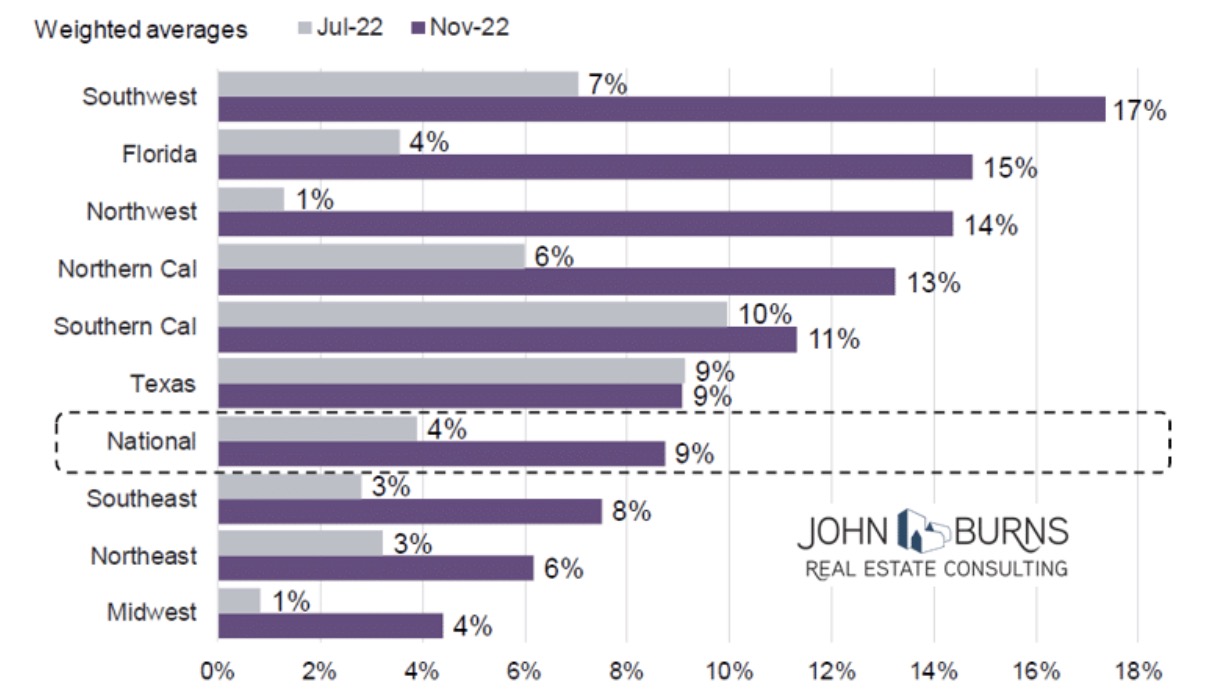
Extremely harsh weather conditions from winter storm Elliot resulted in thousands of flight cancellations last weekend.
Why Gardening Can Help You Manage Your Portfolio Better
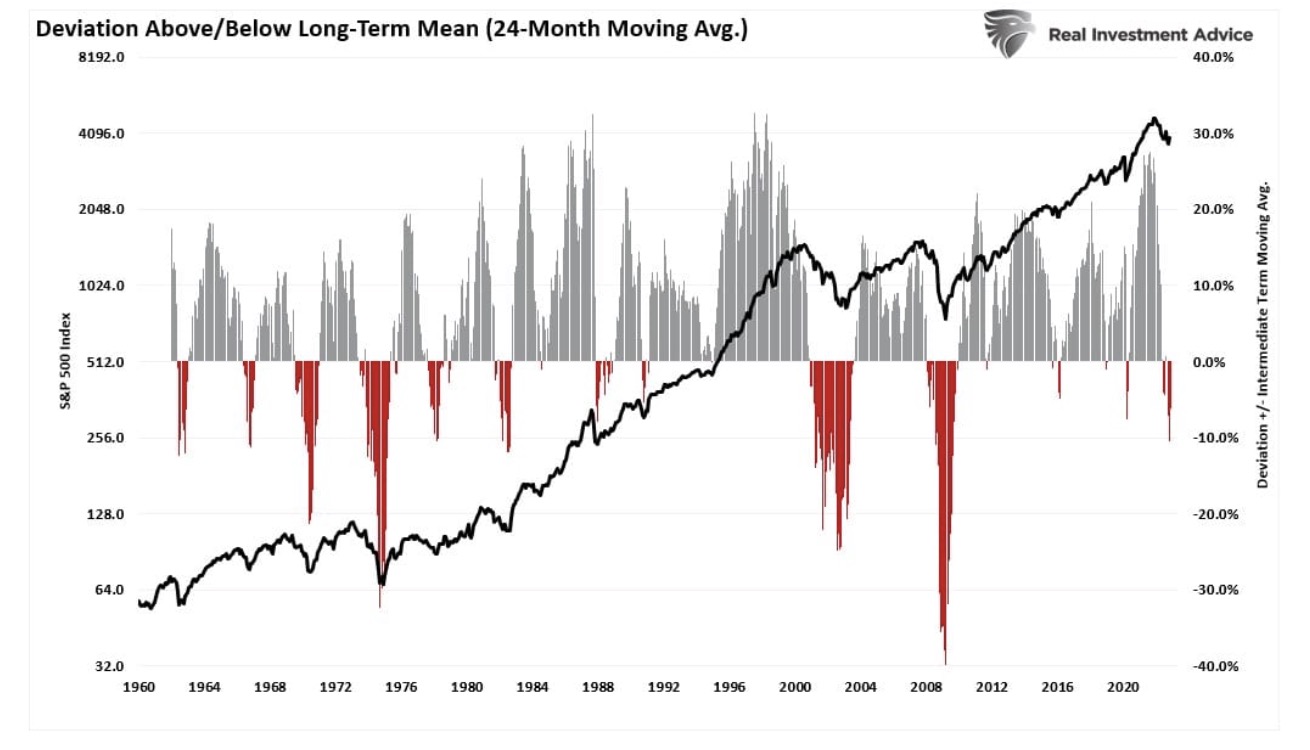
Managing your portfolio has more to do with gardening than you might imagine.
The 2023 Investing Outlook as the Fed Pivots – Part II
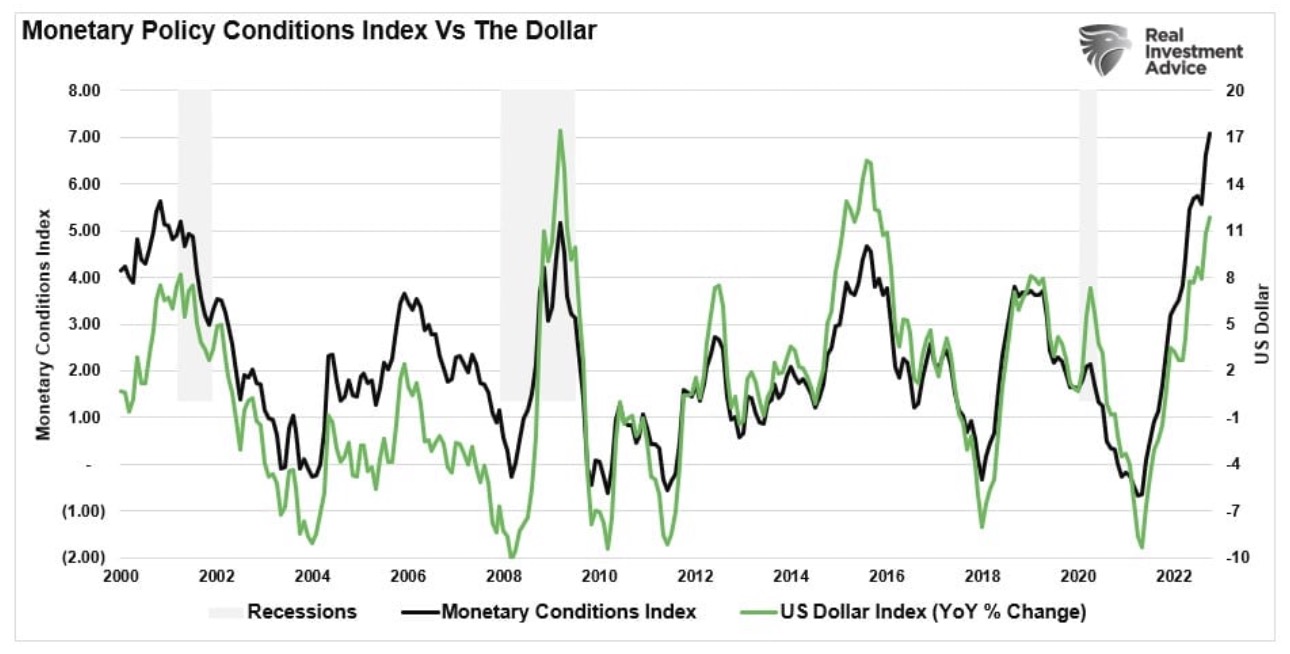
The big question heading into 2023 is the dreaded “R” word.
Capital Neglect is Killing Capitalism
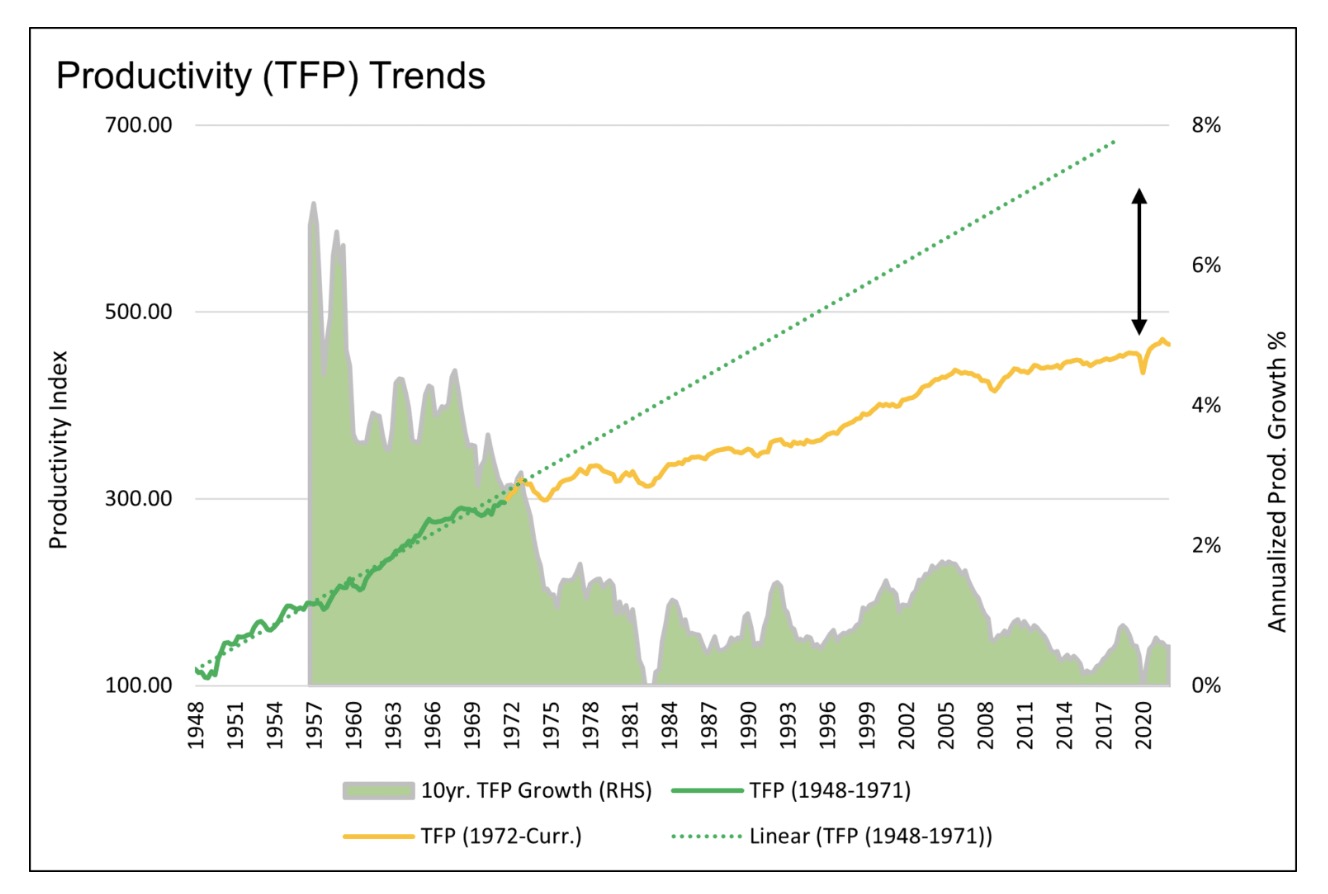
Capital represents the resources and labor used to produce goods and services.
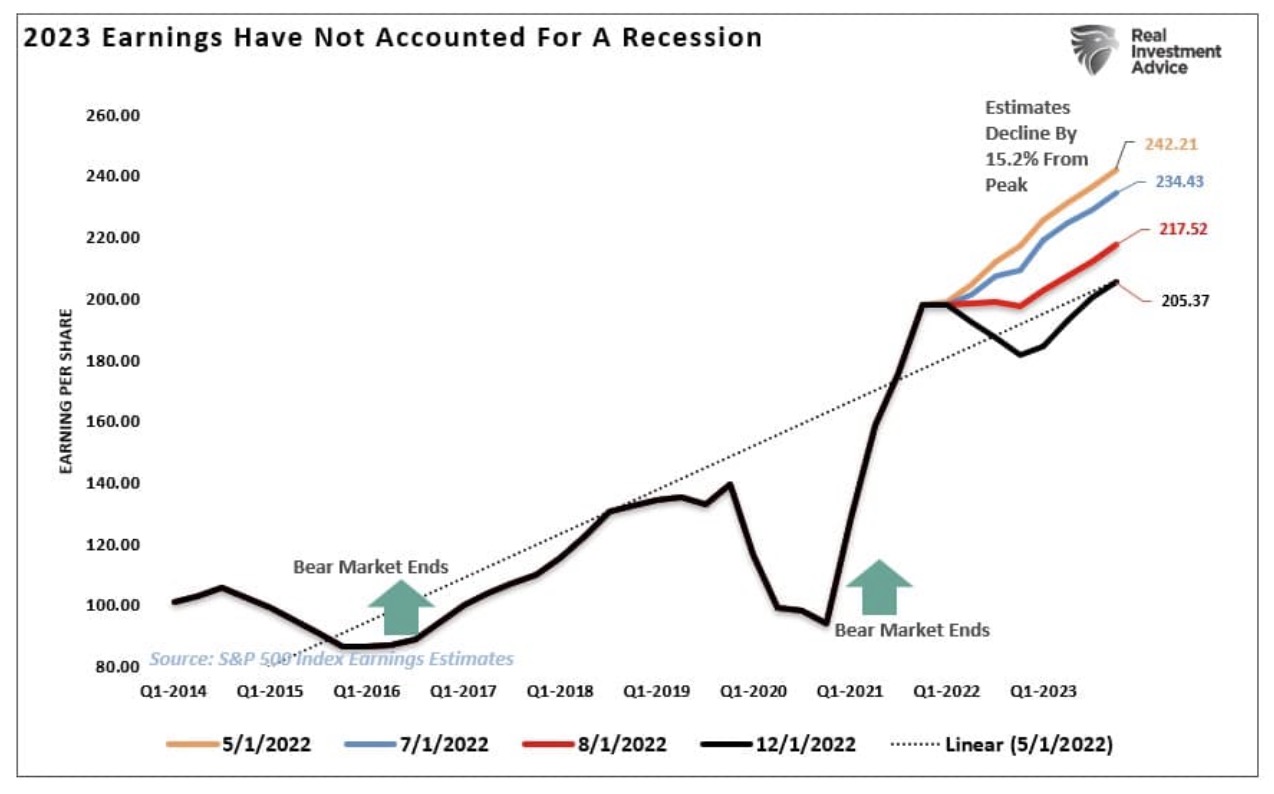
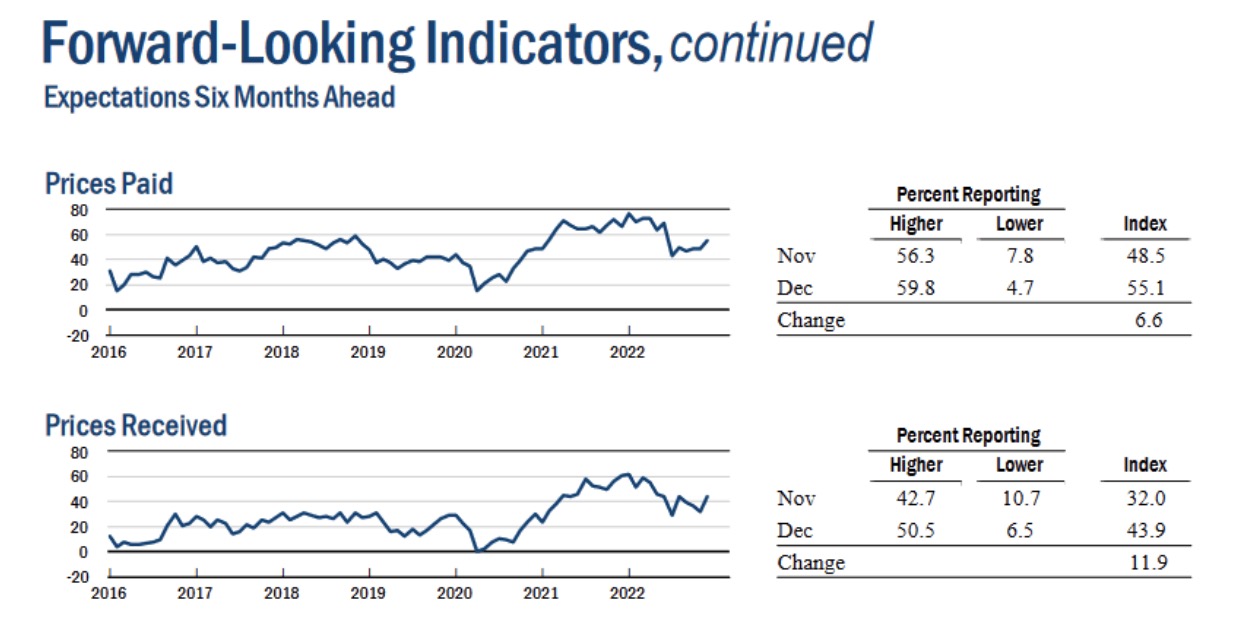
Will A Dollar Decline Be Good For Stocks?
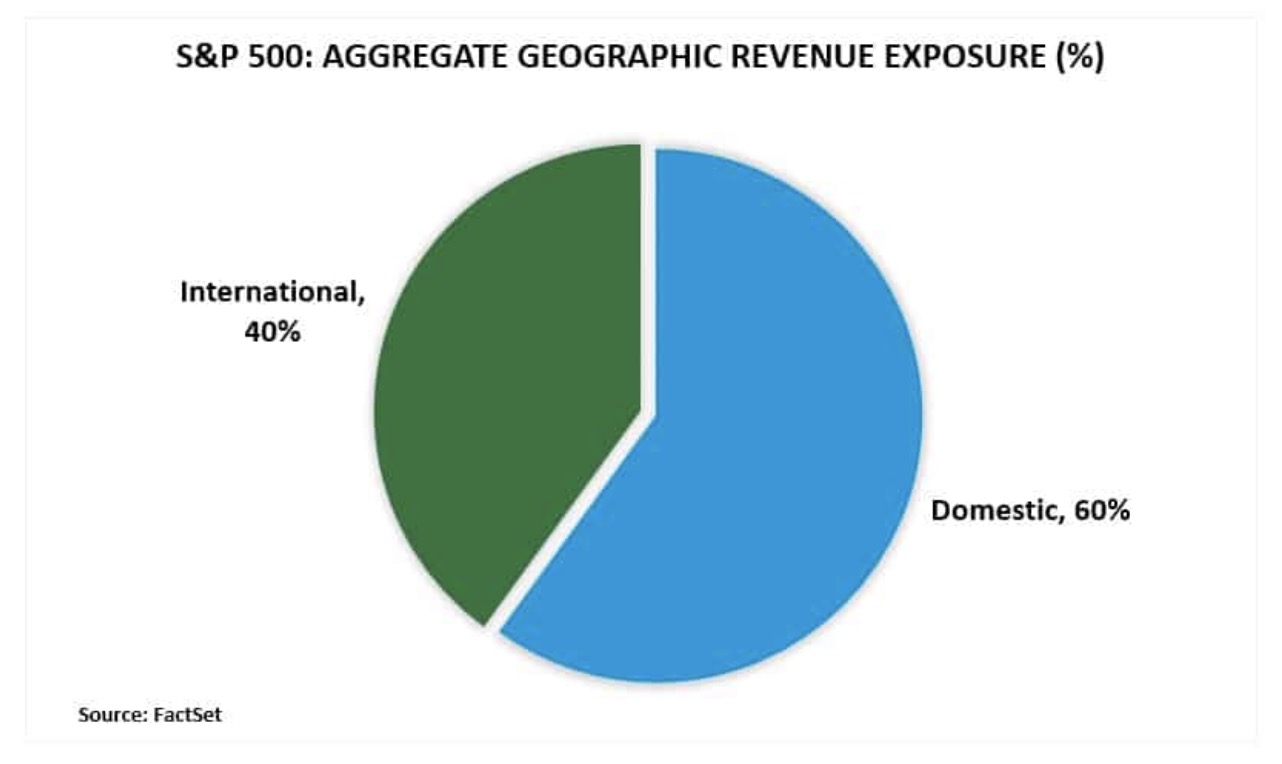
Will a dollar decline be good for stocks? It is an interesting question, given that during 2022 there was a significant non-correlation between the dollar and the stock market.
The Bull Case Has Two Problems
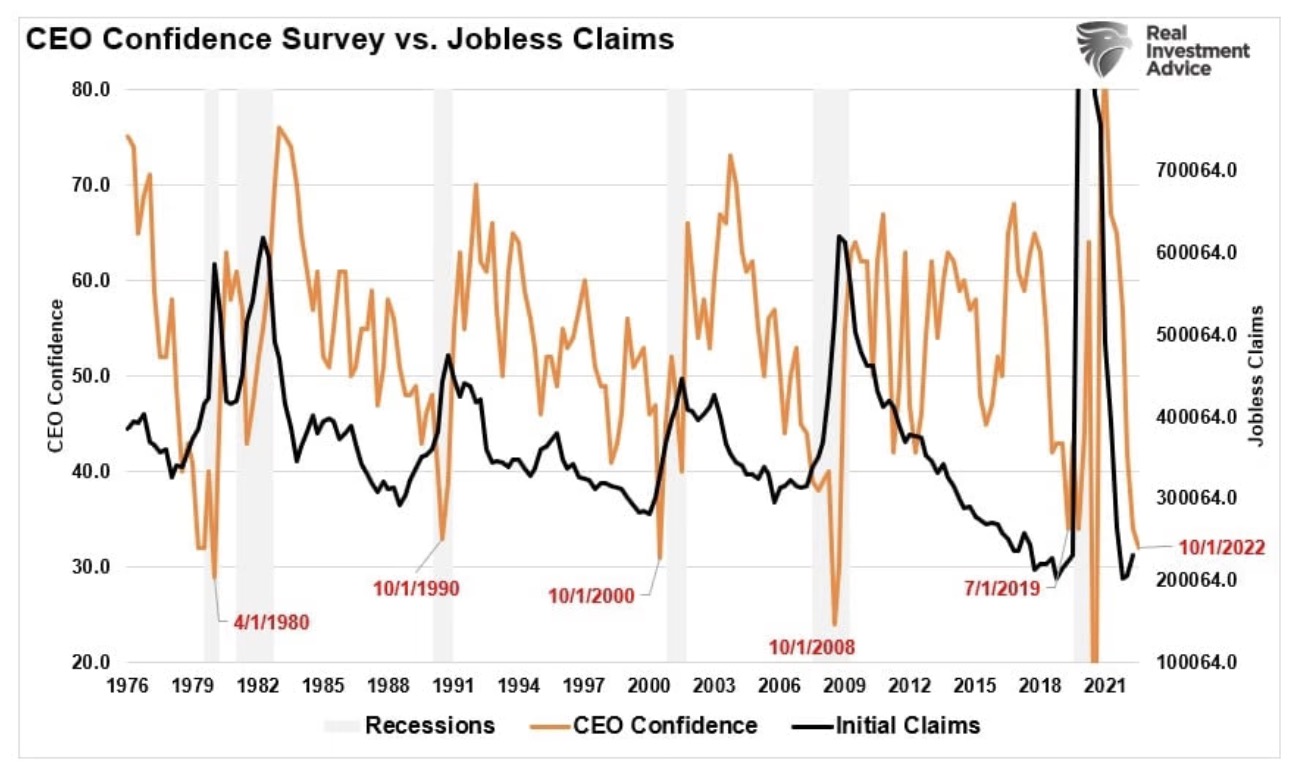
Since the beginning of October, the market has performed better as a “Fed Pivot” bull case pushed investors into the market
Lessons From The “Nifty Fifty”
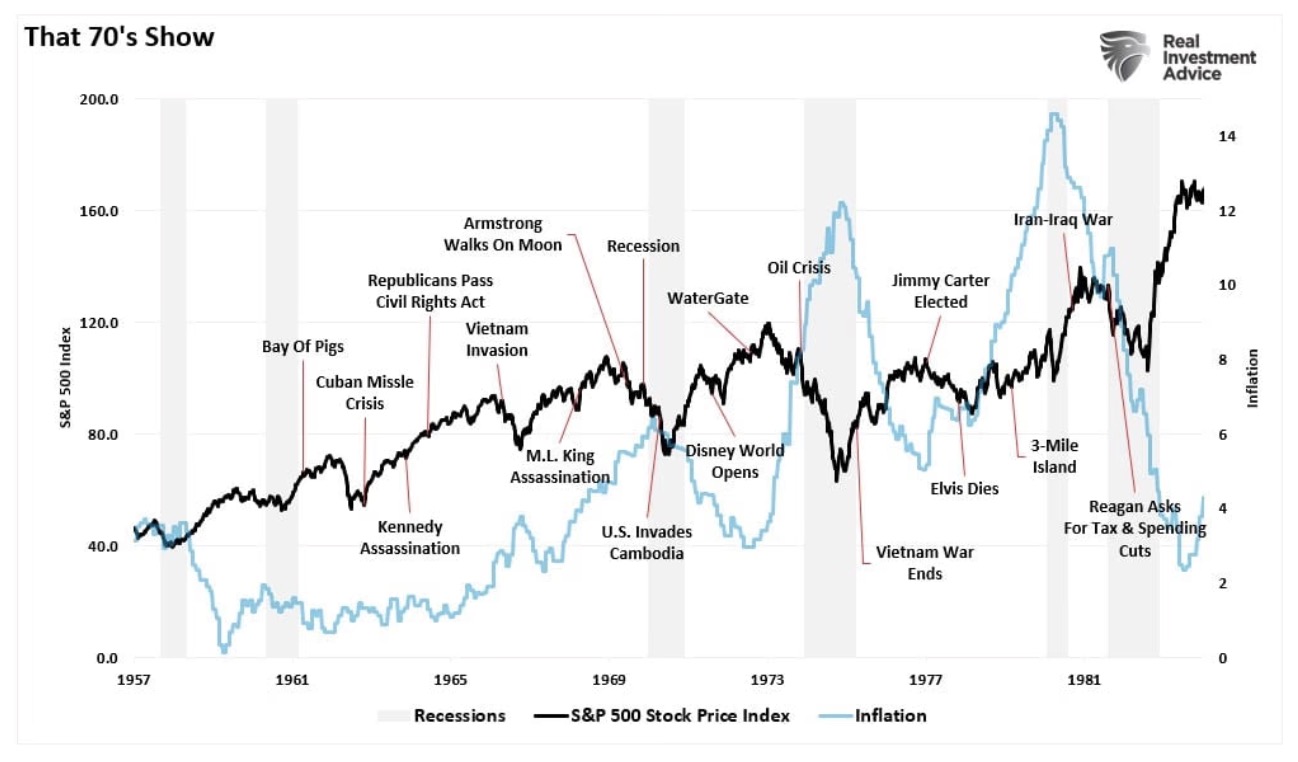
Recently, Bank of America discussed the “5-Lessons From The Nifty Fifty.”
The Next Secular Bear Market May Be Upon Us
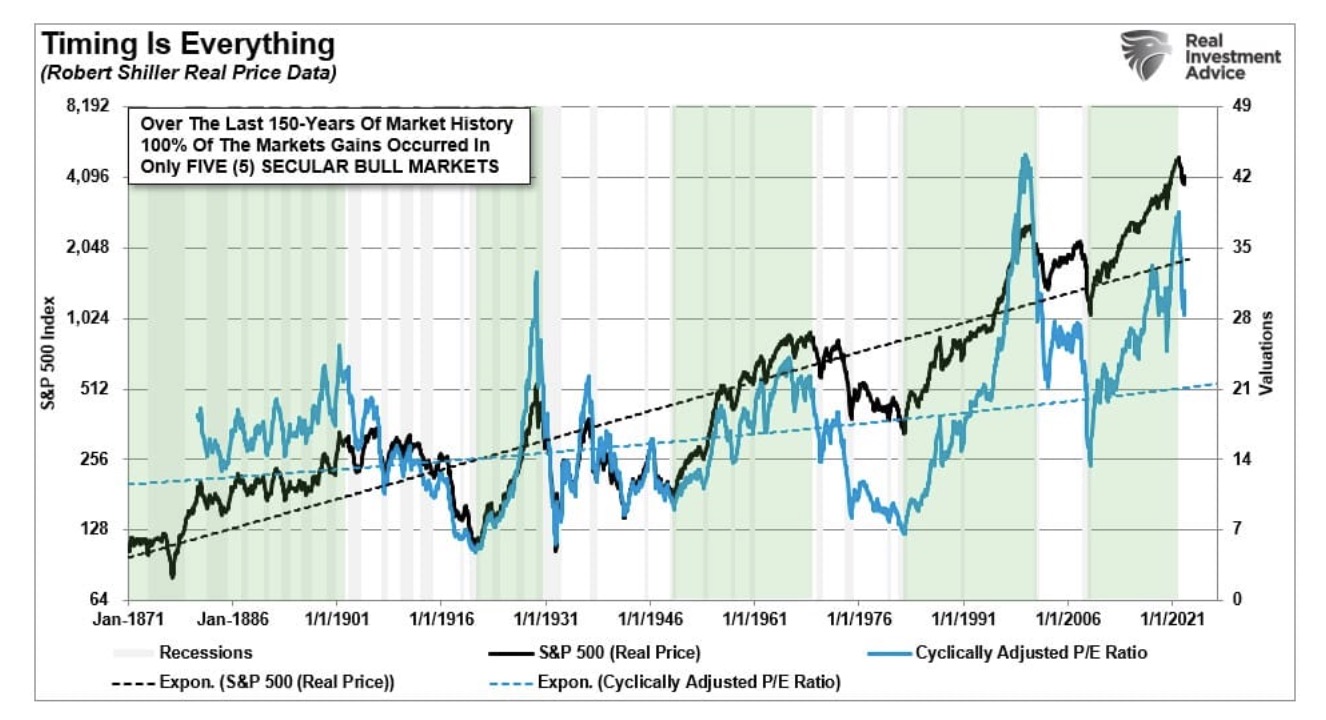
After 12 years of a liquidity-fueled, Fed-induced bull market, are the markets set to start another “secular” bear market?
More Bearish Market Action Before The Bull Can Run

Following the weaker-than-expected October inflation report, stocks surged on hopes the Fed will “pivot” sooner than later. As we discussed recently, a “policy pivot” is not necessarily bullish but instead suggests more bearish market action will come first.
Hard Landing Coming? Investors Don’t Think So.
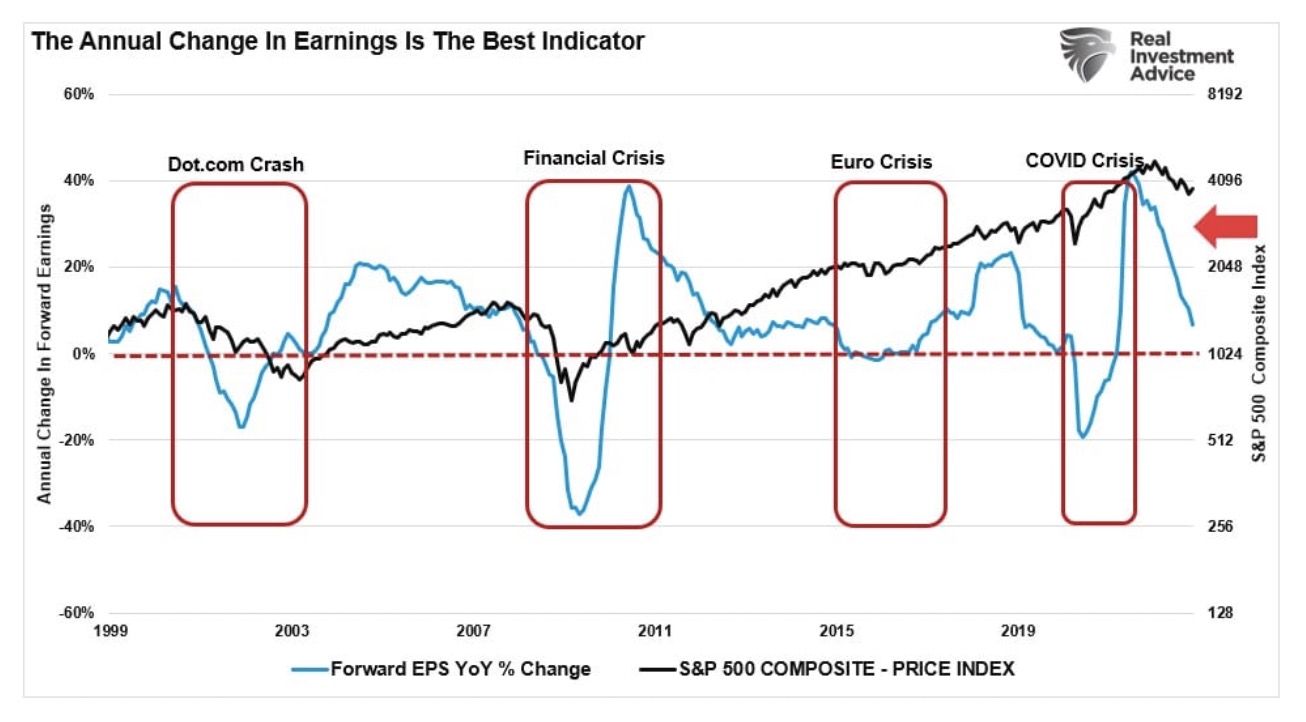
Is a “hard landing” coming, economically speaking, as the Fed continues its most aggressive rate hike campaign in 40 years?
Midterm Elections Are Bullish Even in a Bear Market

With the midterm elections behind us, does the market outlook improve given a now gridlocked Congress? Historically speaking, such is the case.
There Really Is No Middle Class Any Longer
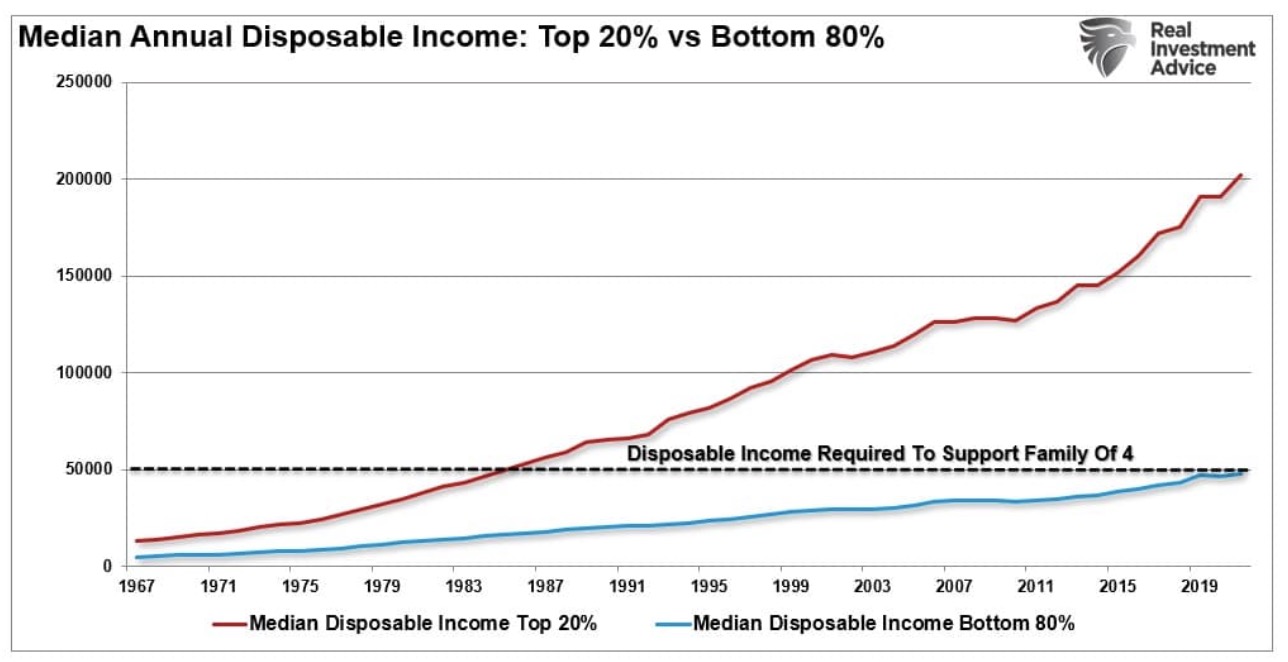
There was a time when a large portion of Americans belonged to the “middle class.”
The “Policy Pivot” May Not Be Bullish
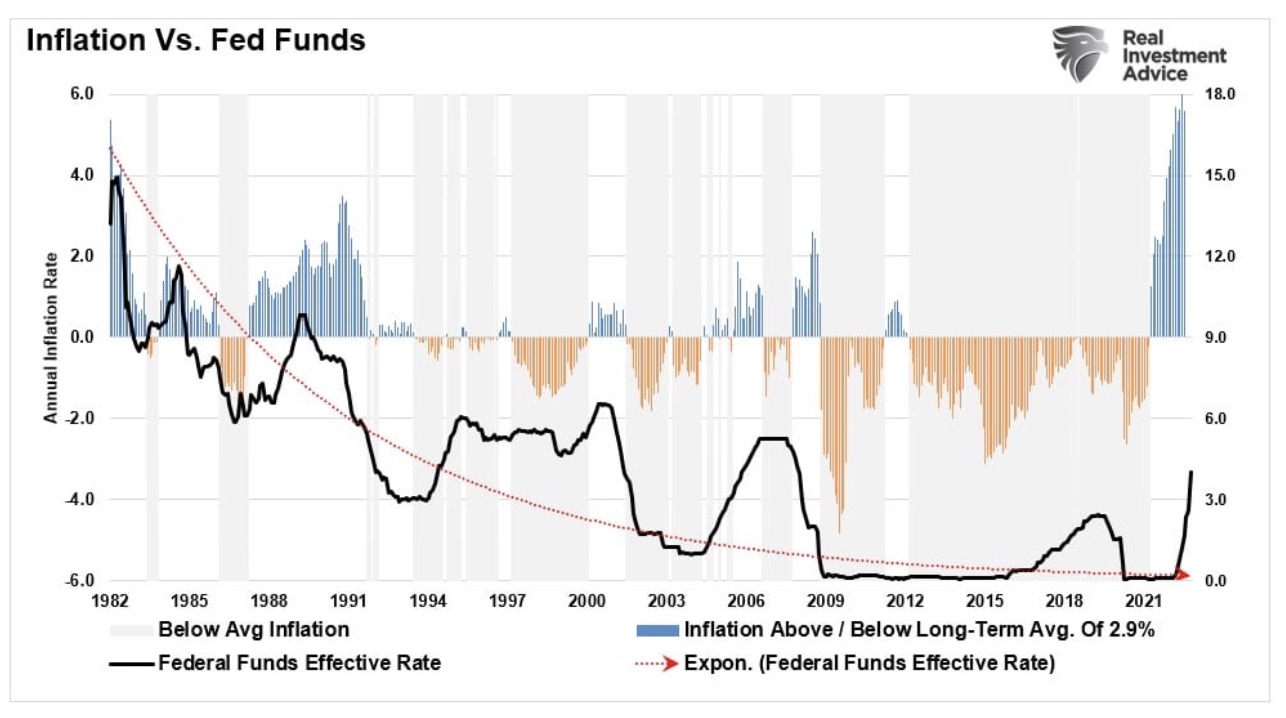
Since June, the market rallied on hopes of a “policy pivot” by the Federal Reserve.
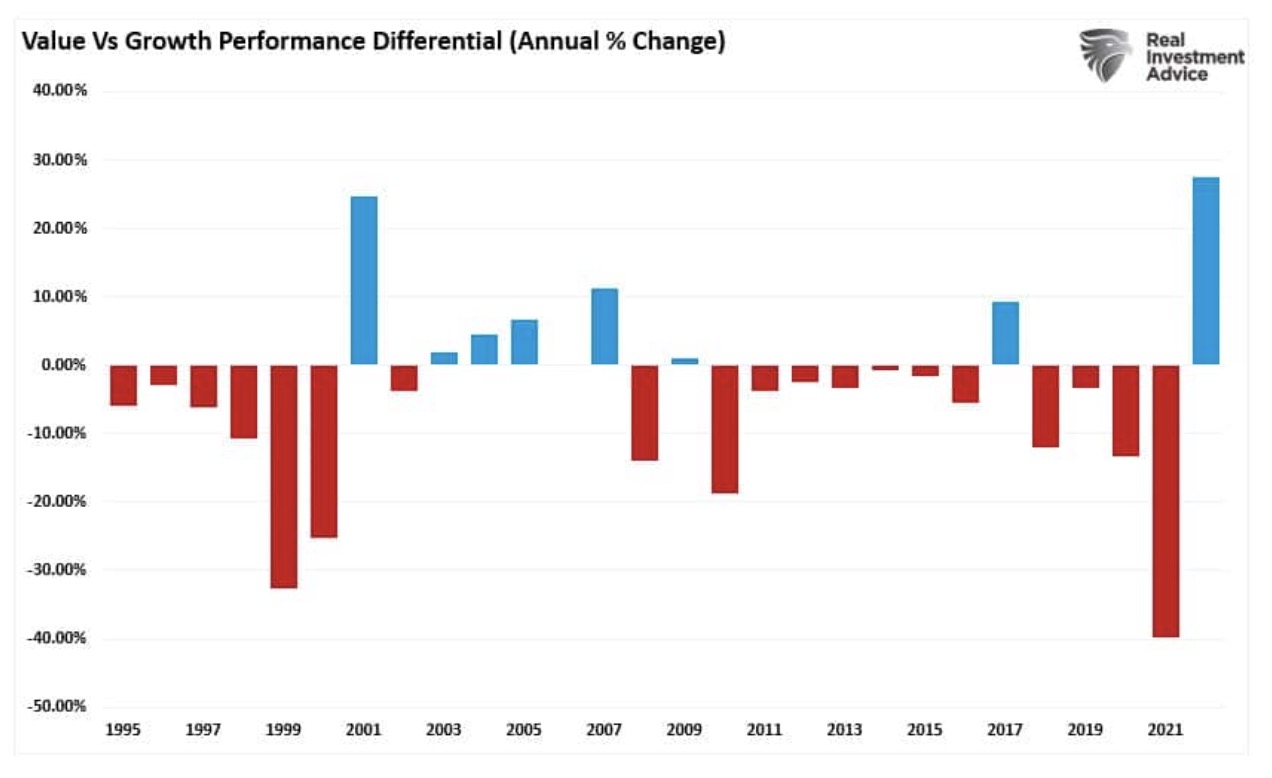
October Market Lows and the End of Bear Markets
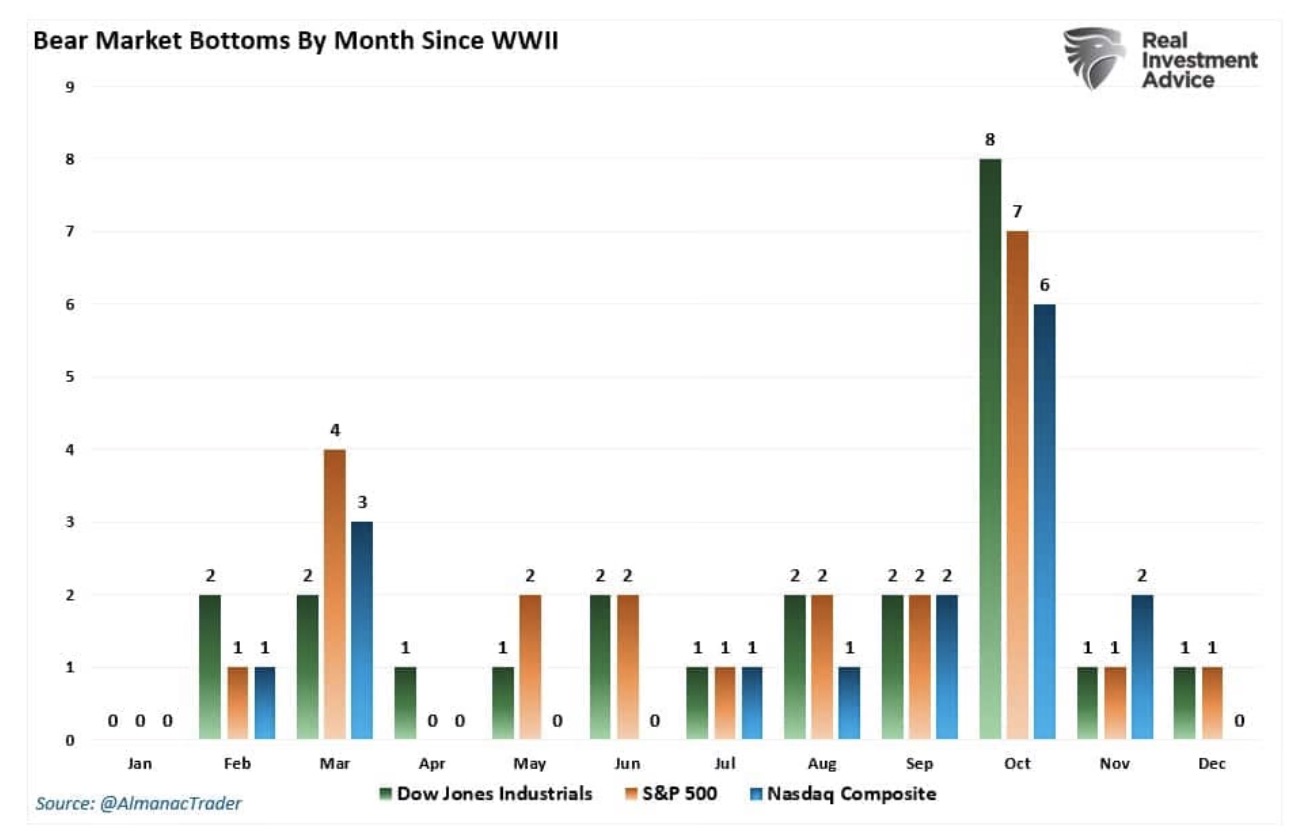
October started strong and then slid to new lows but managed to rally back toward the month’s end.
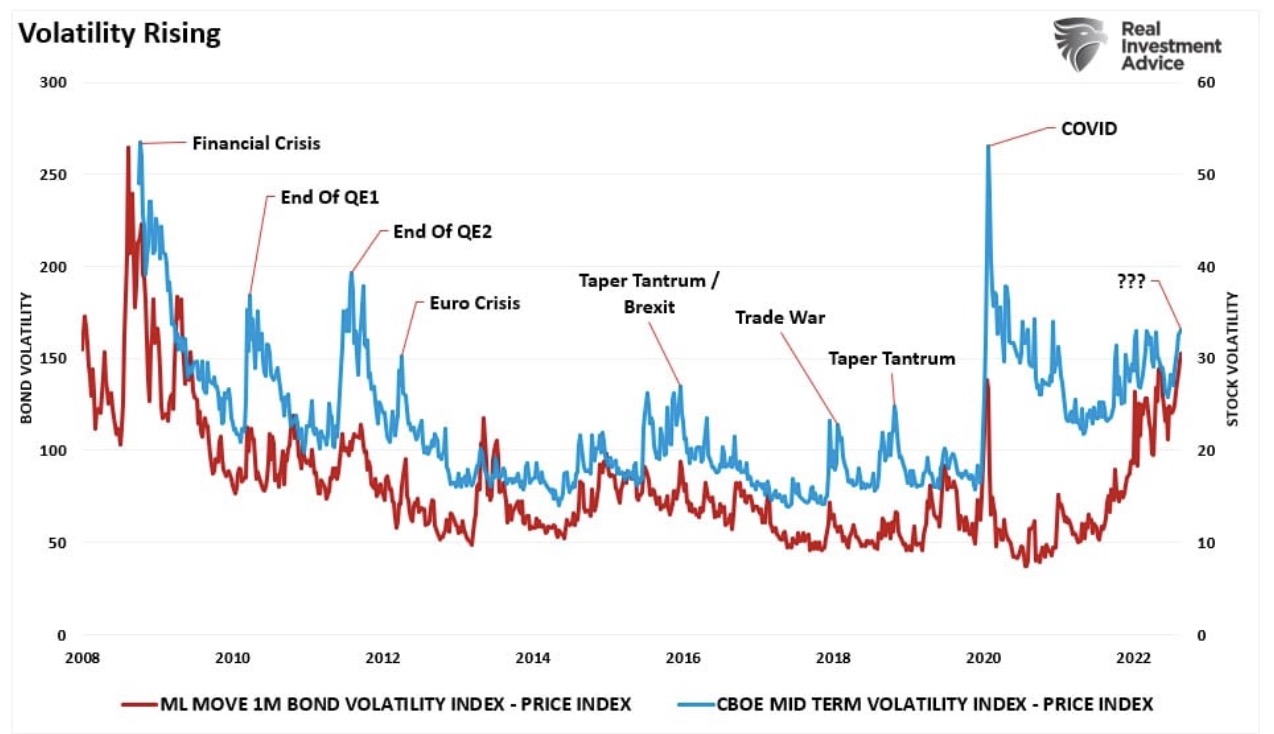
Druckenmiller: A Decade Of No Returns
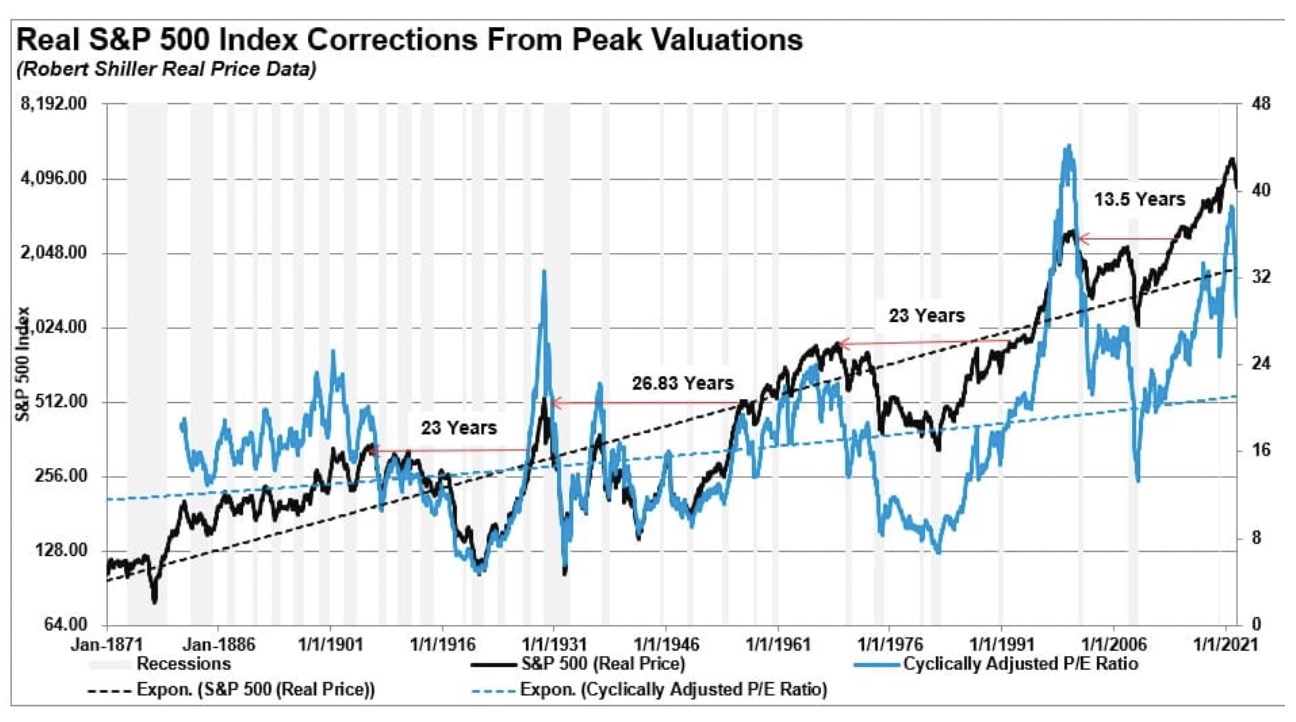
Is a “lost decade” ahead for markets? Stanly Druckenmiller believes that could be the case.
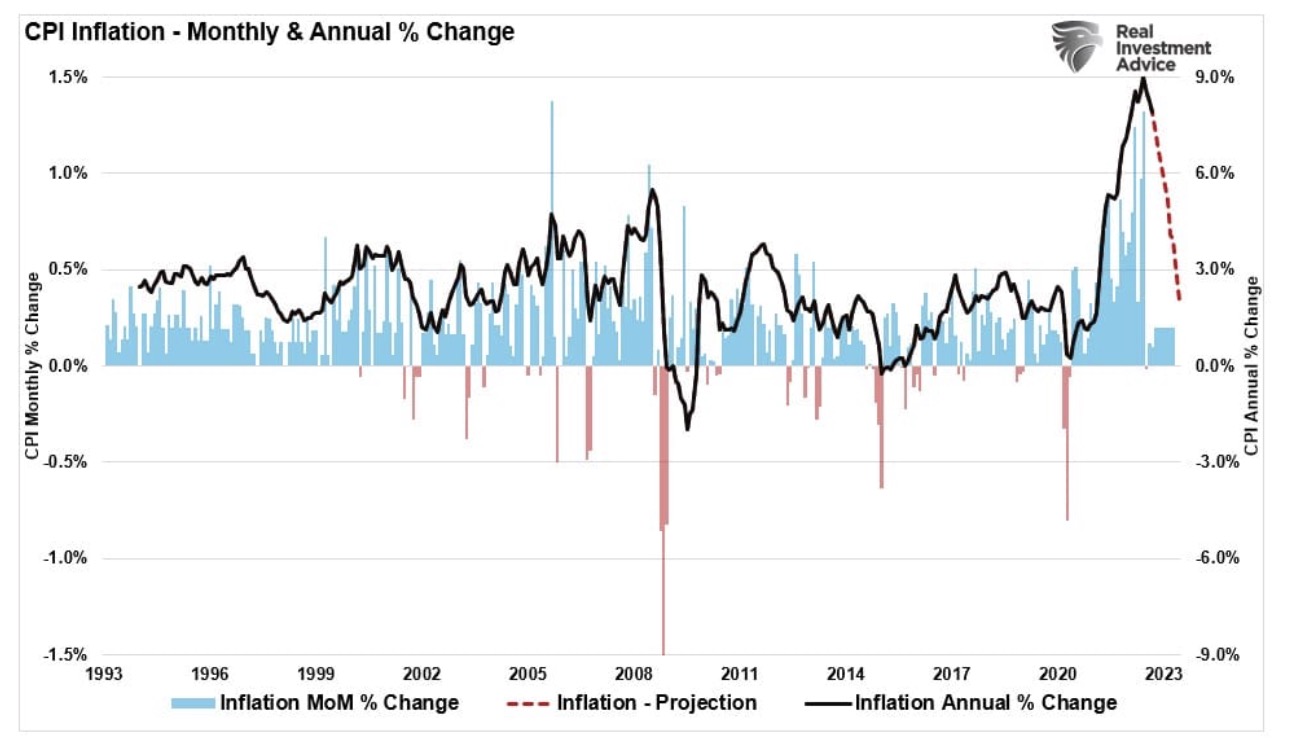

Deflation Will Become The Problem When “Something Breaks”
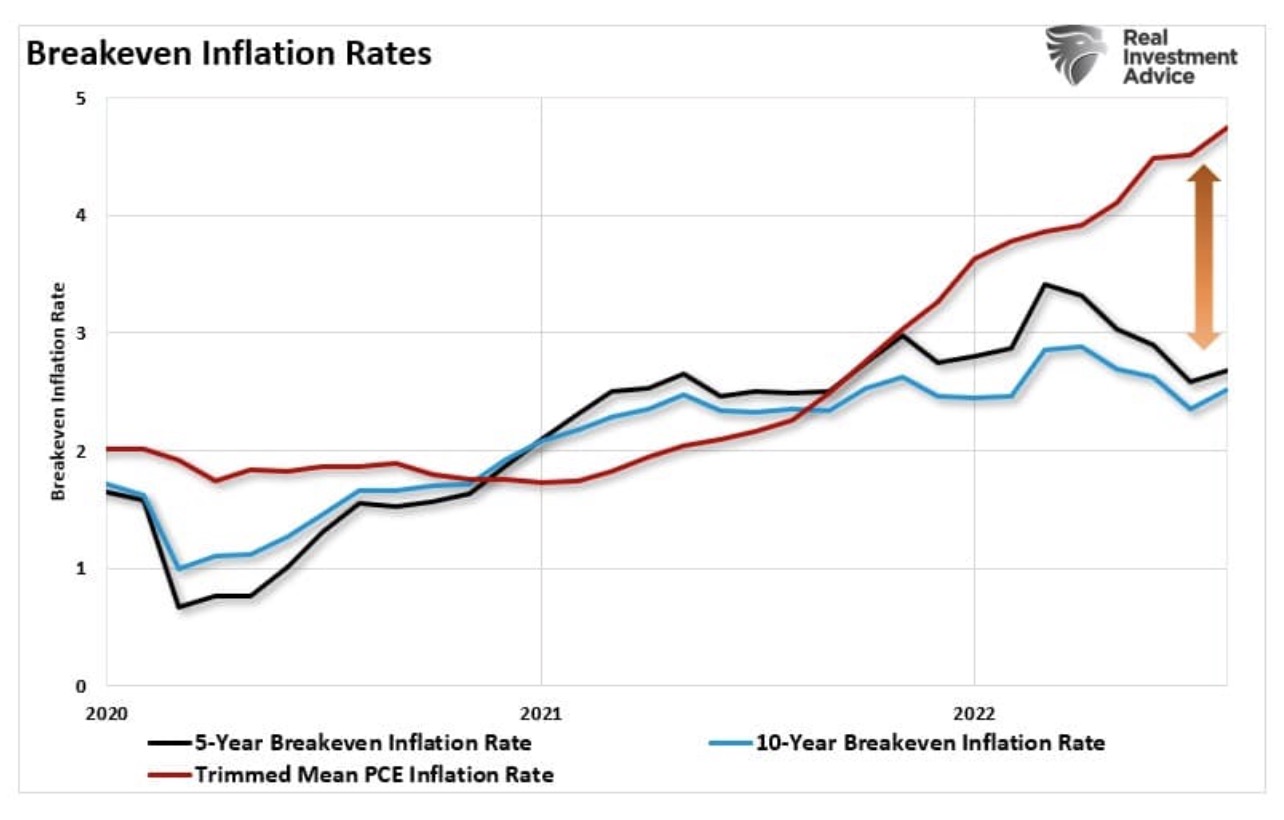
While the Fed continues to hike rates to combat high inflation levels aggressively, history shows that deflation will become a more significant threat when something “breaks” in the financial or credit markets.
Superbubble’s Final Act? Or Is This Time Different?
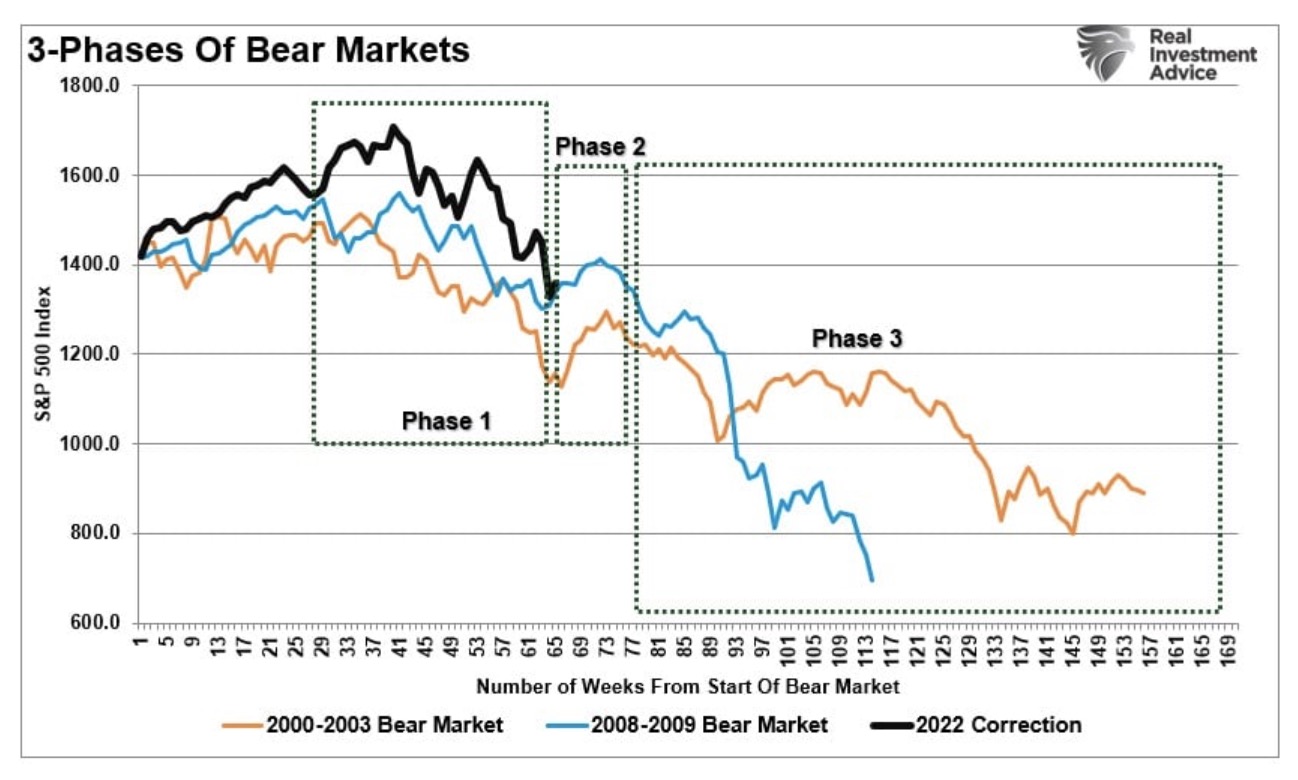
Is this the “Superbubble’s Final Act?” Such was a fascinating piece of commentary recently from Jeremy Grantham, famed investor and co-founder of GMO.
The Strong Dollar Is A Risk To Corporate Profits
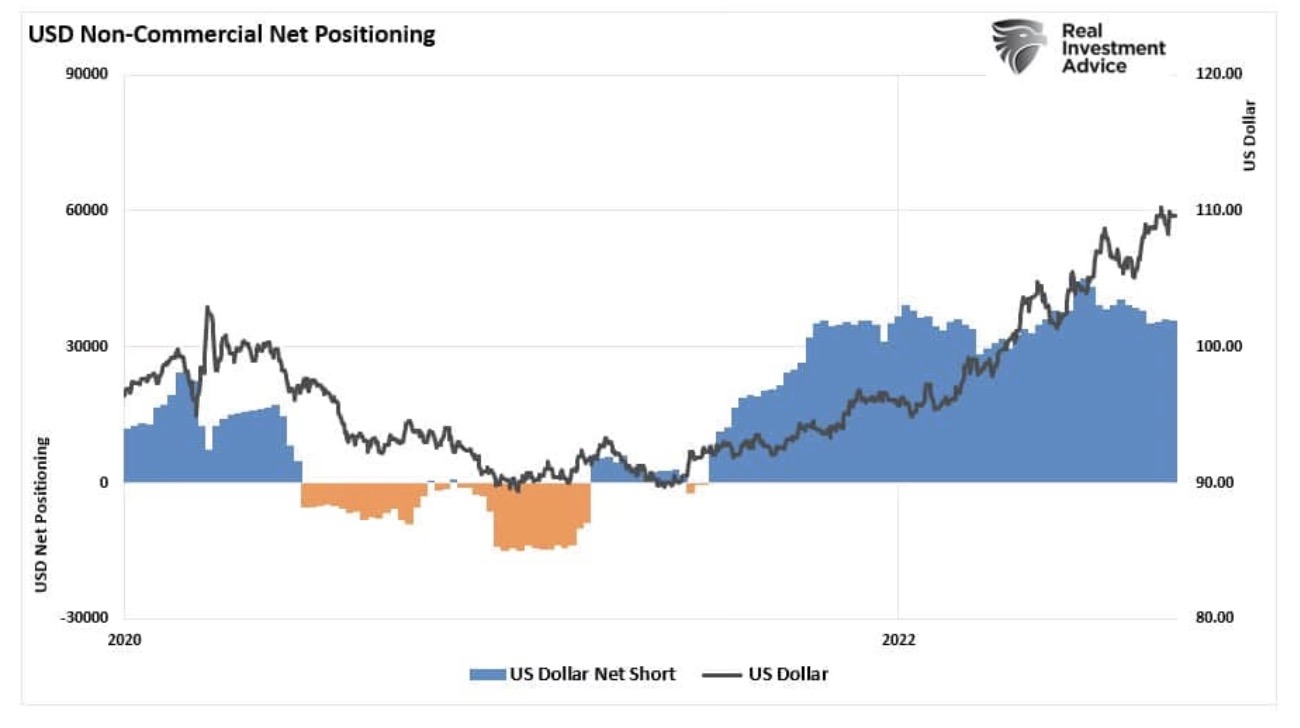
The strong dollar remains a risk to corporate profits and asset prices as the impact on the global economies grows.
“Market Instability” Causes BOE To Reverse QT. Is The Fed Next?
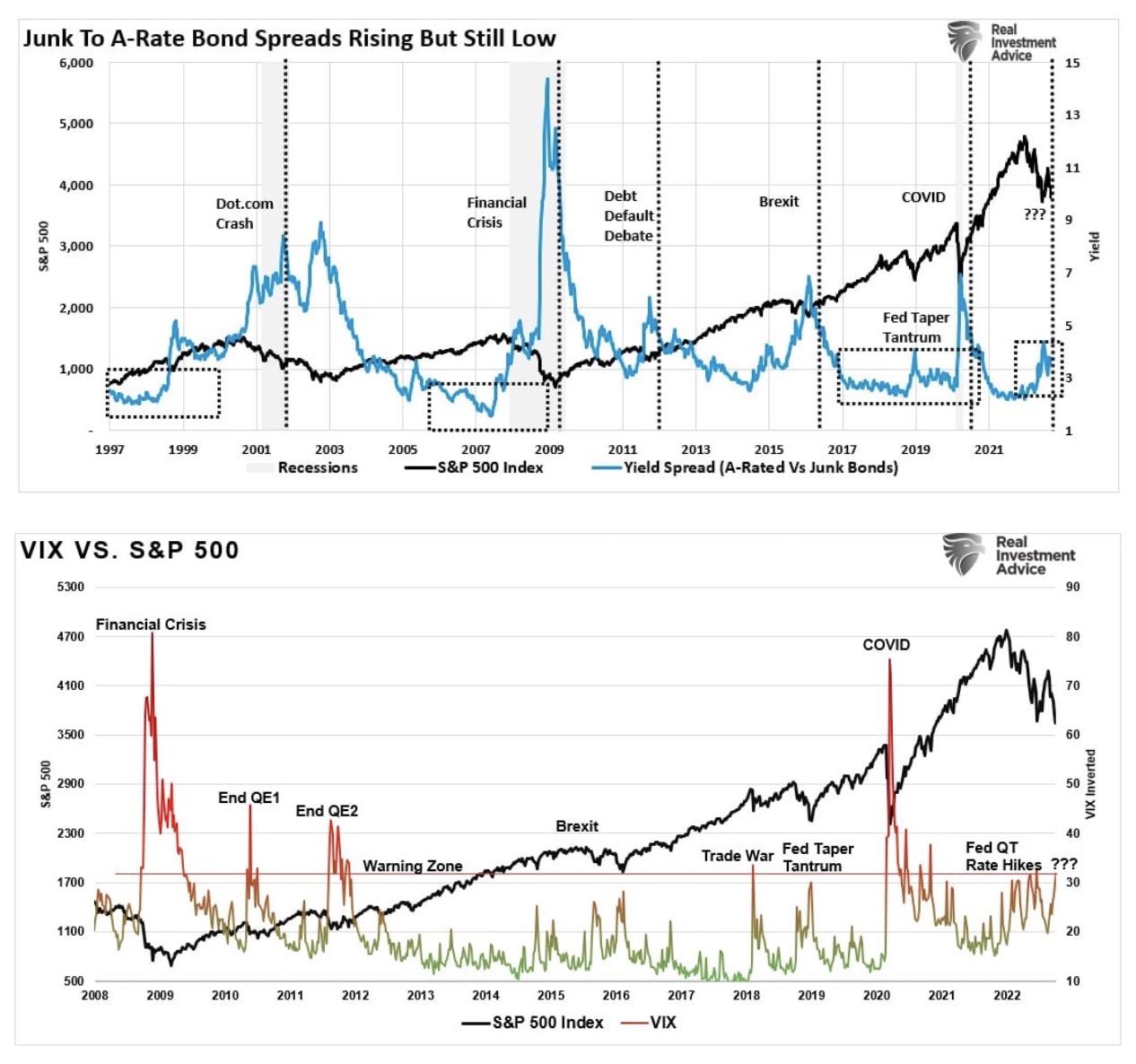
“Market instability” remains the most significant risk to central banks globally.
Mild Recession Likely To Be Worse Than Expected
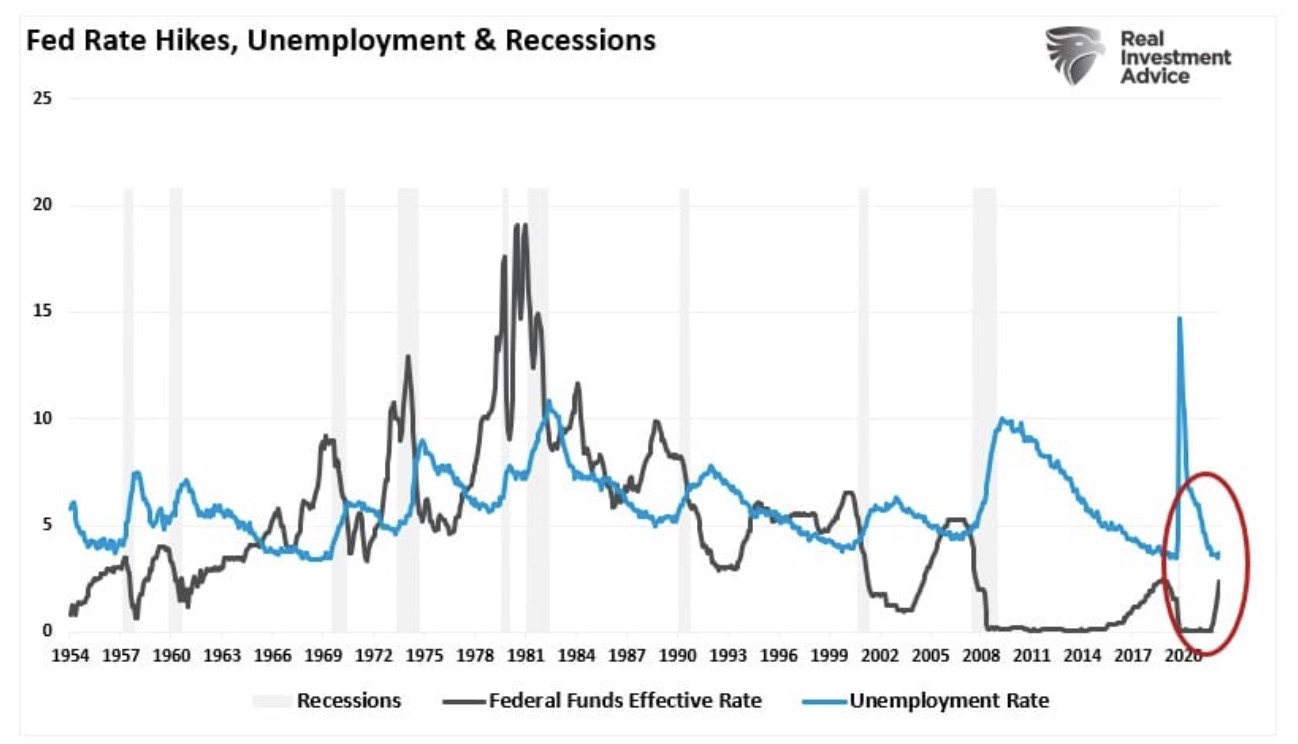
A recent MarketWatch article discussed JPMorgan’s Chief Operating Officer, Daniel Pinto, views about a coming mild recession.
The Big Short Squeeze Is Coming

The latest rate hike announcement by the Fed sent stocks tumbling to the year’s lows. While last week’s market action was brutal, the good news is the markets are set up for a rather significant short squeeze higher.
Debt & Why The Fed Is Trapped
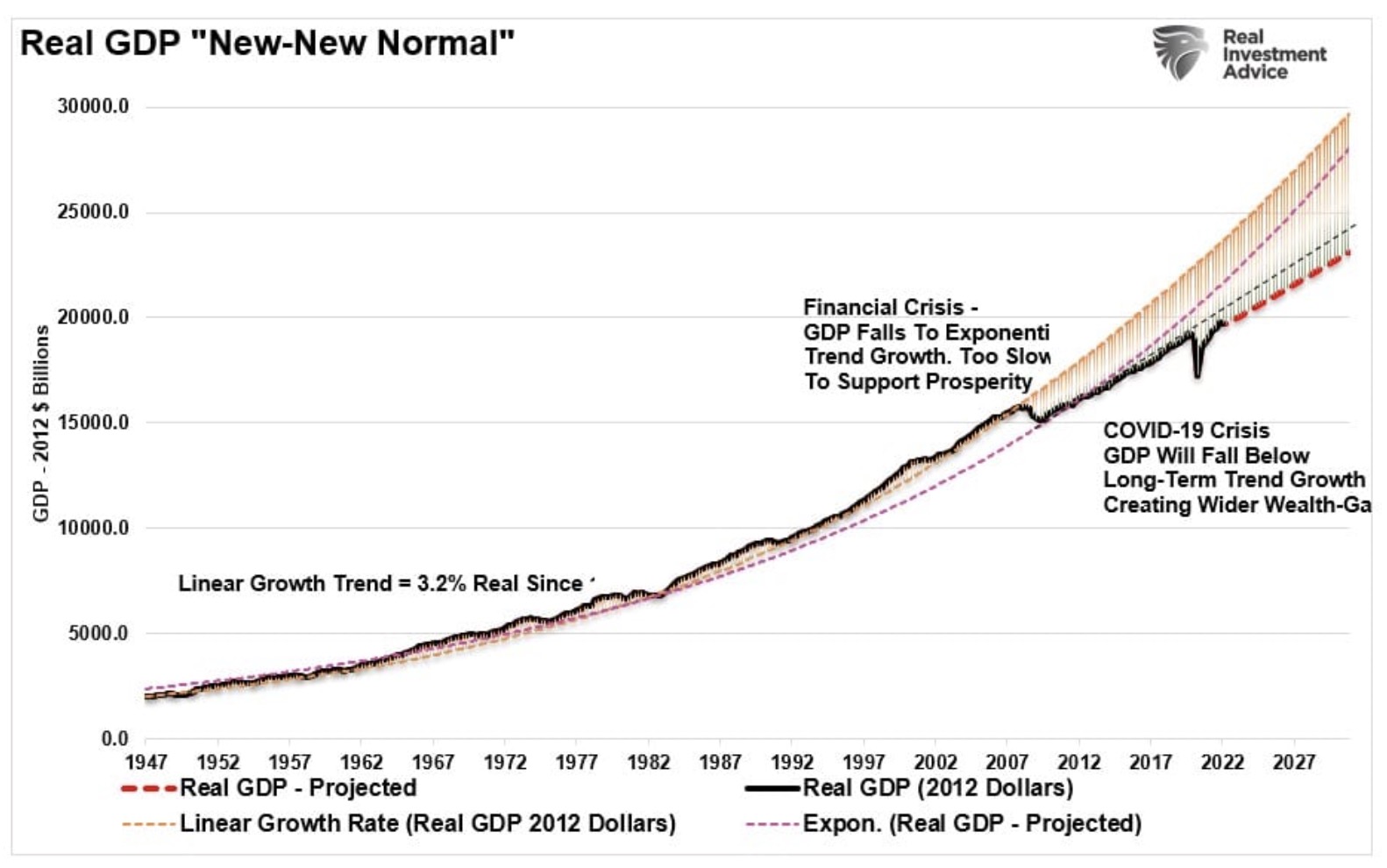
The massive debt levels provide the single most significant risk and challenge to the Federal Reserve. It is also why the Fed is desperate to return inflation to low levels, even if it means weaker economic growth.
Buffett Indicator Says Markets Are Going To Crash?
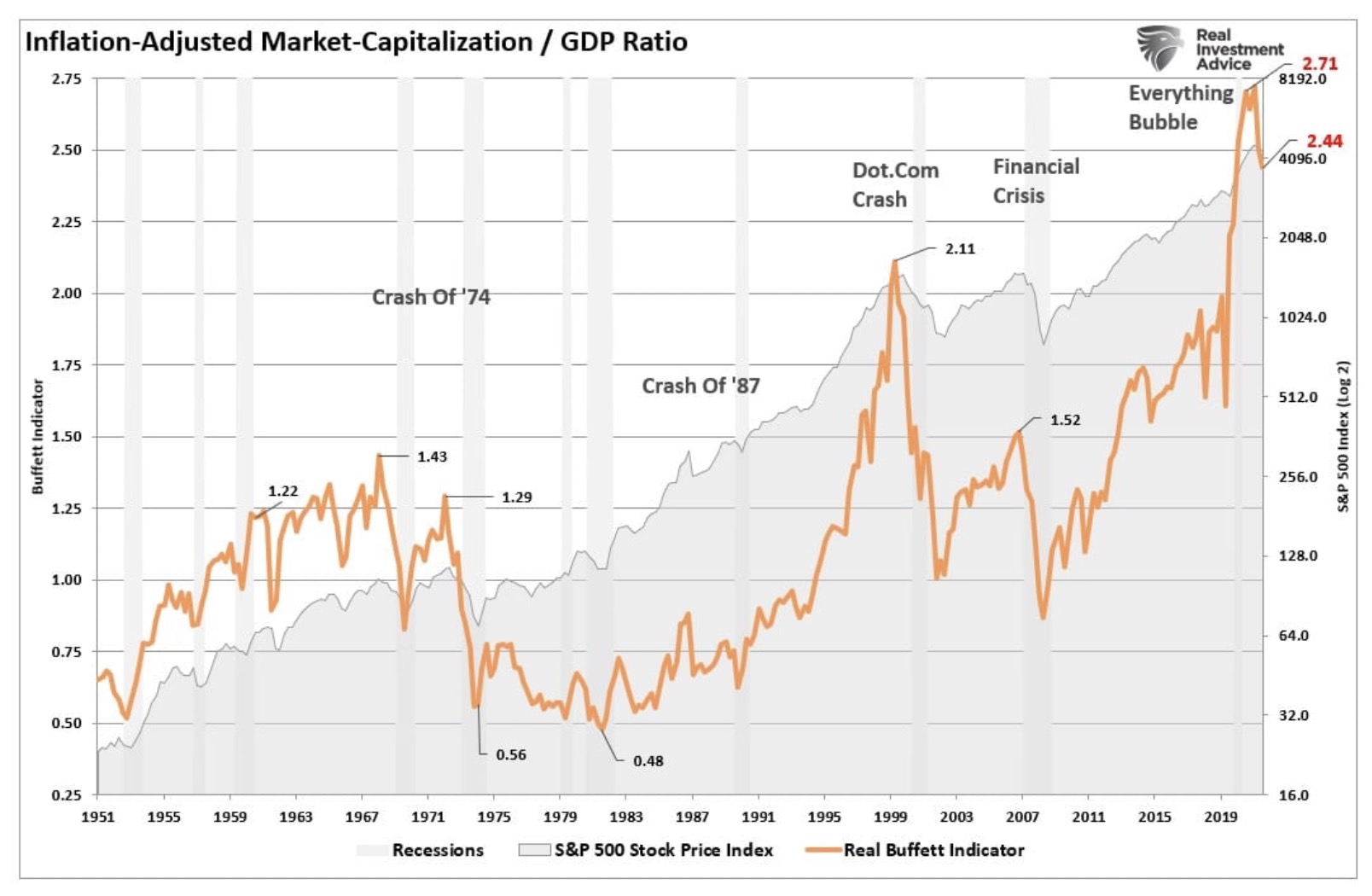
Stocks are far from cheap. Based on Buffett’s preferred valuation model and historical data, return expectations for the next ten years are as likely to be negative as they were for the ten years following the late ’90s.
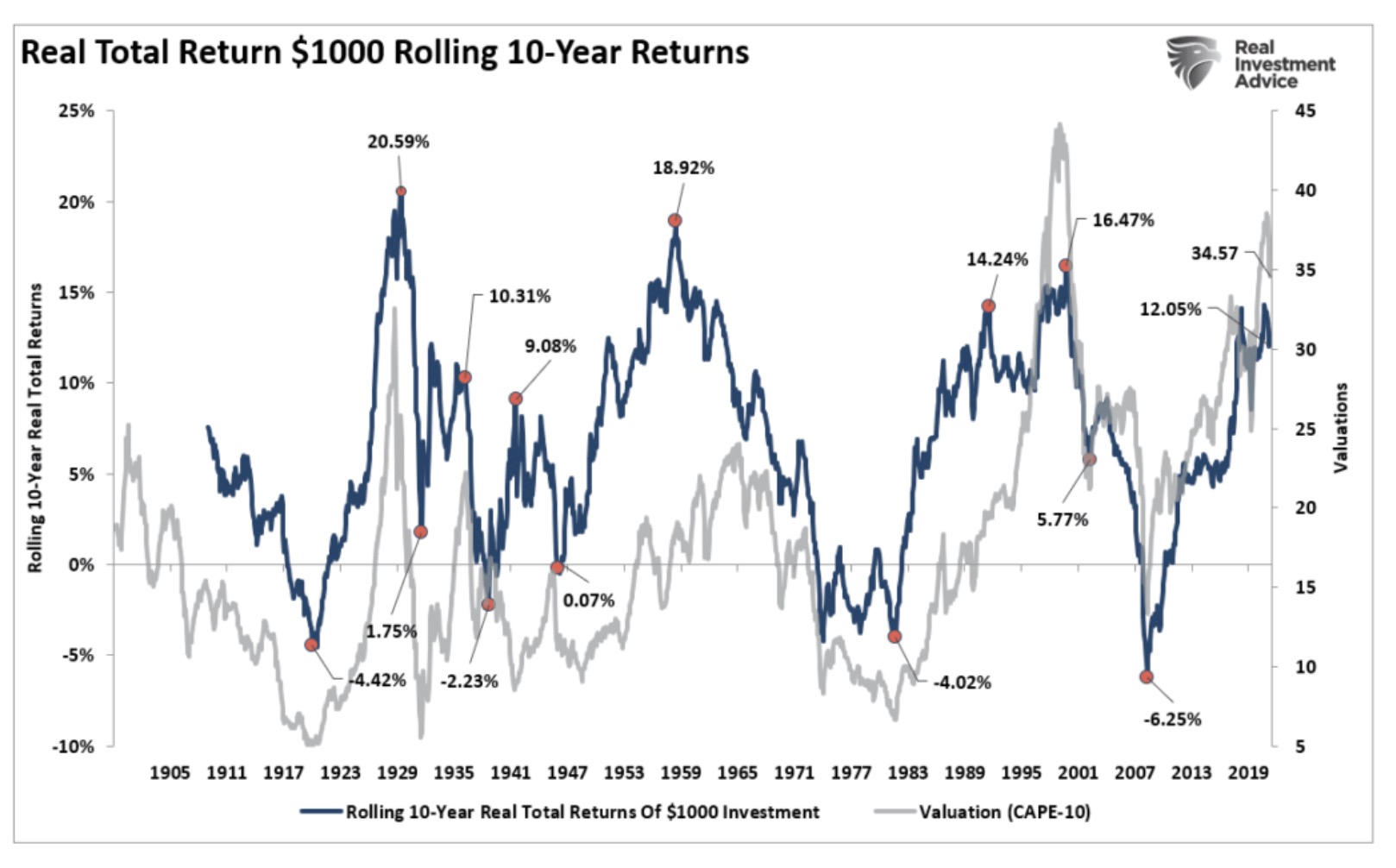
Deficit Reduction. Is It Reality Or A Mirage?
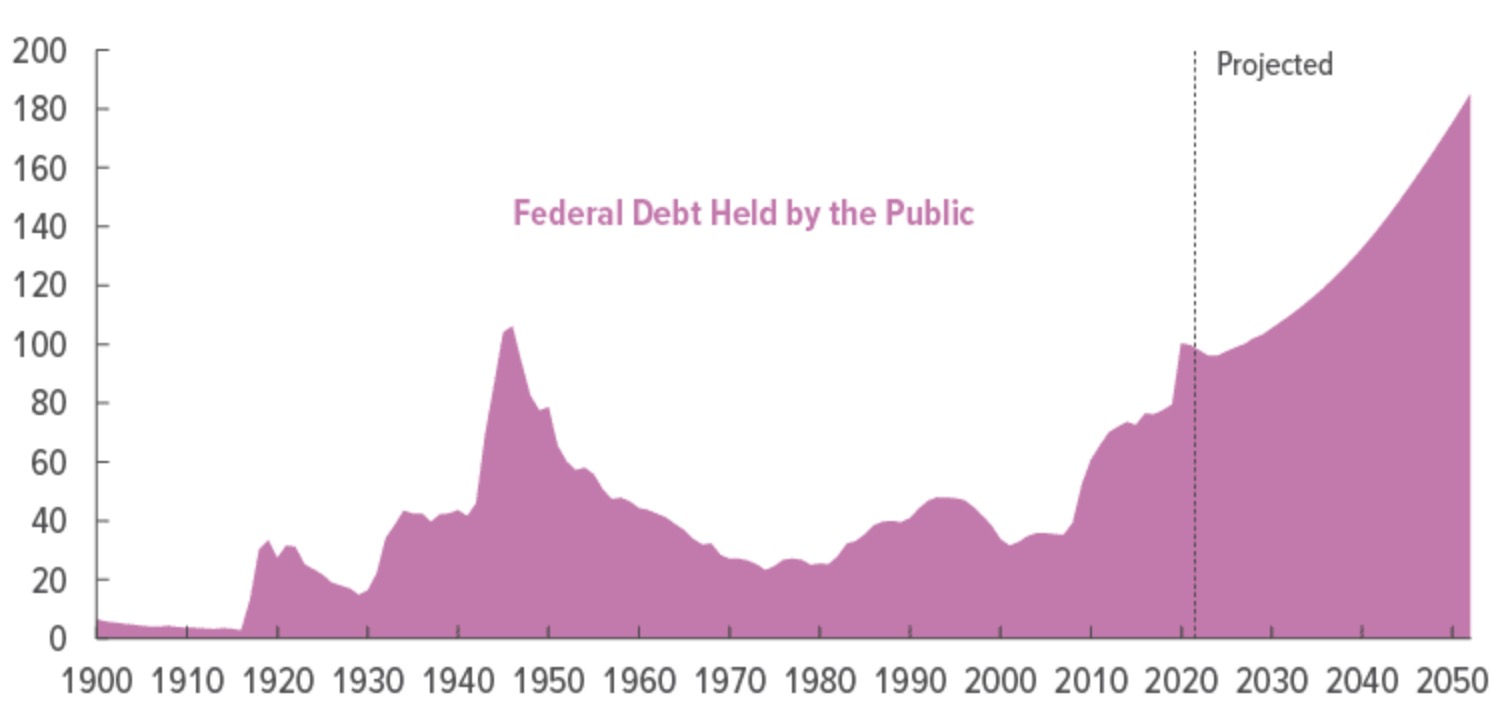
Recently, the Biden Administration started taking victory laps on deficit reduction.
Recession Signals Abound As Fed Hikes Rates
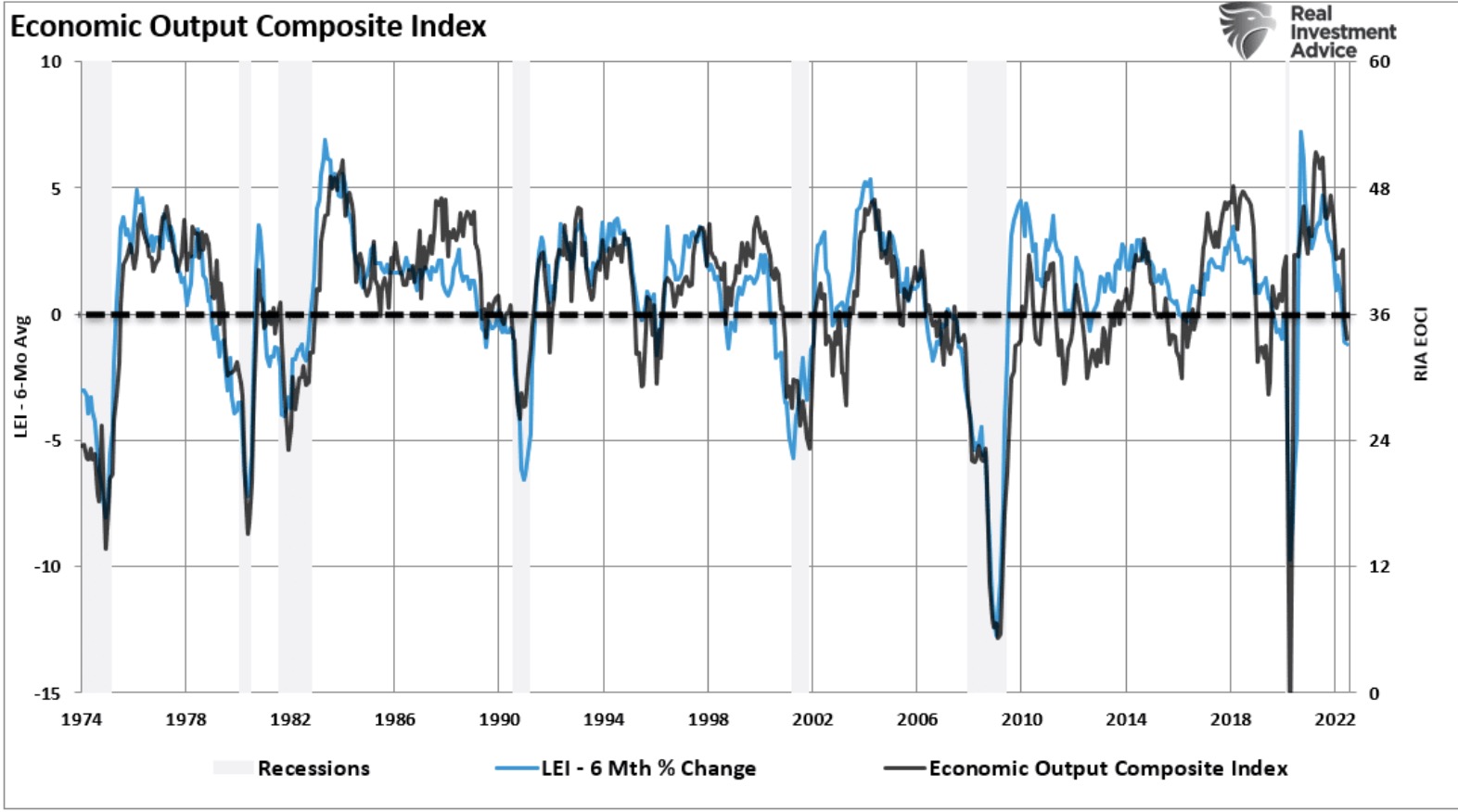
At the Jackson Hole Summit, Jerome Powell made it clear the Federal Reserve remains focused on combatting inflation despite recession signals rising in tandem.
Earnings Decline – Likely More To Go Before We Are Done
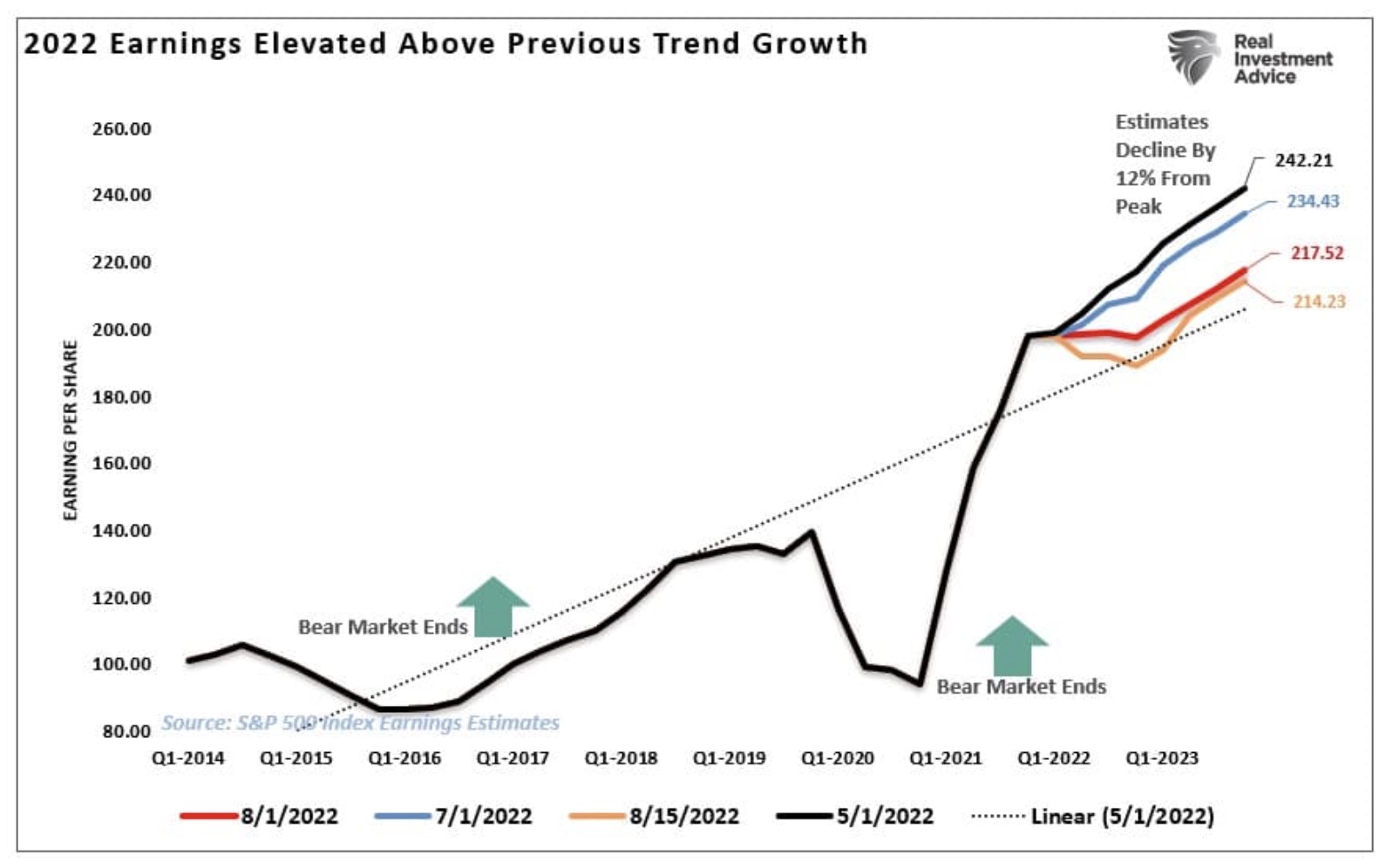
Last year, I wrote an article discussing that 2022 earnings estimates were too optimistic given the impending reversal of the economic “Sugar Rush” of massive liquidity injections.
Small Business Sales And The Running Of The Bull
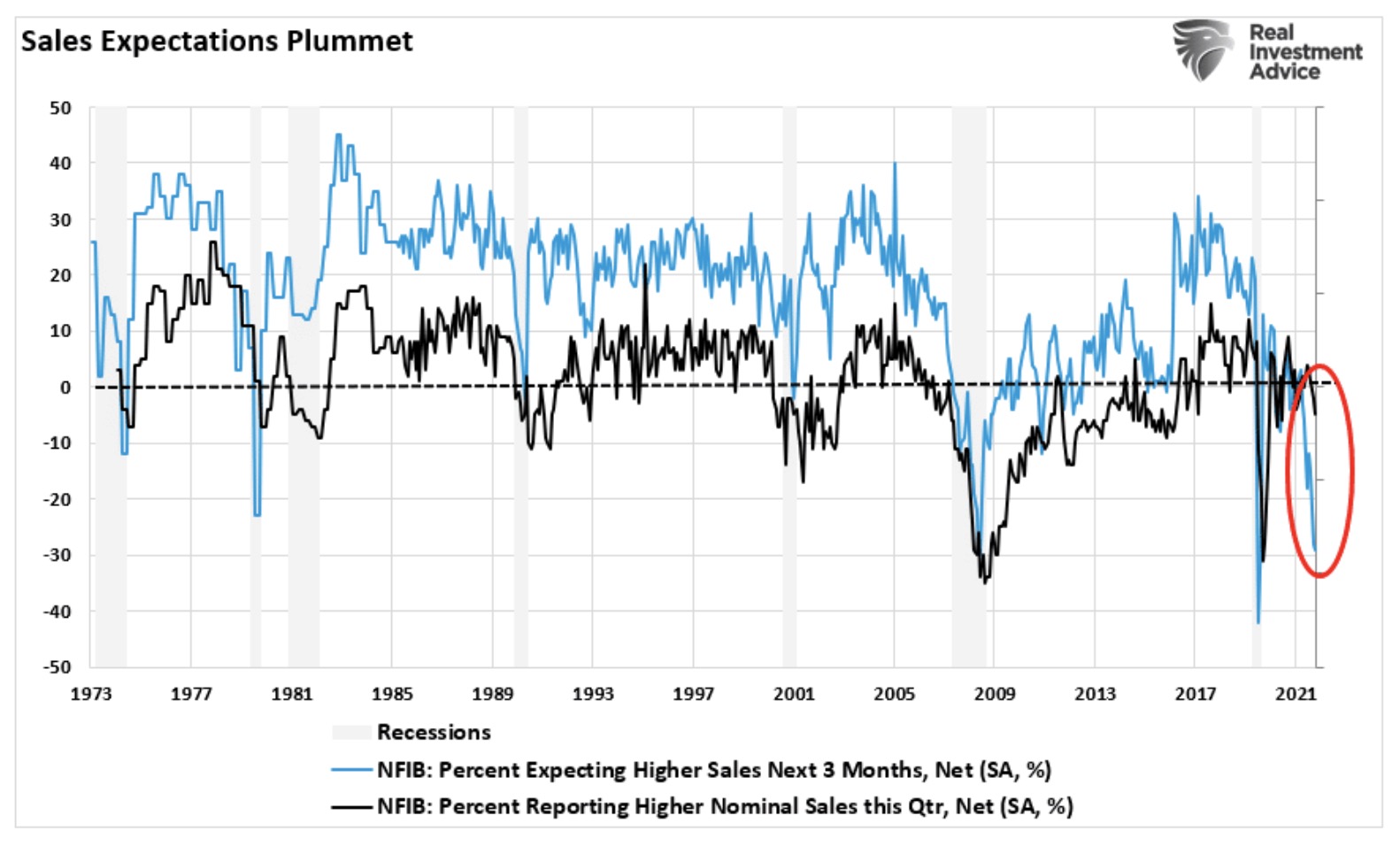
Small business sales are the lifeblood of the economy.
The Rule Of 20 & Why The Bear Market Remains
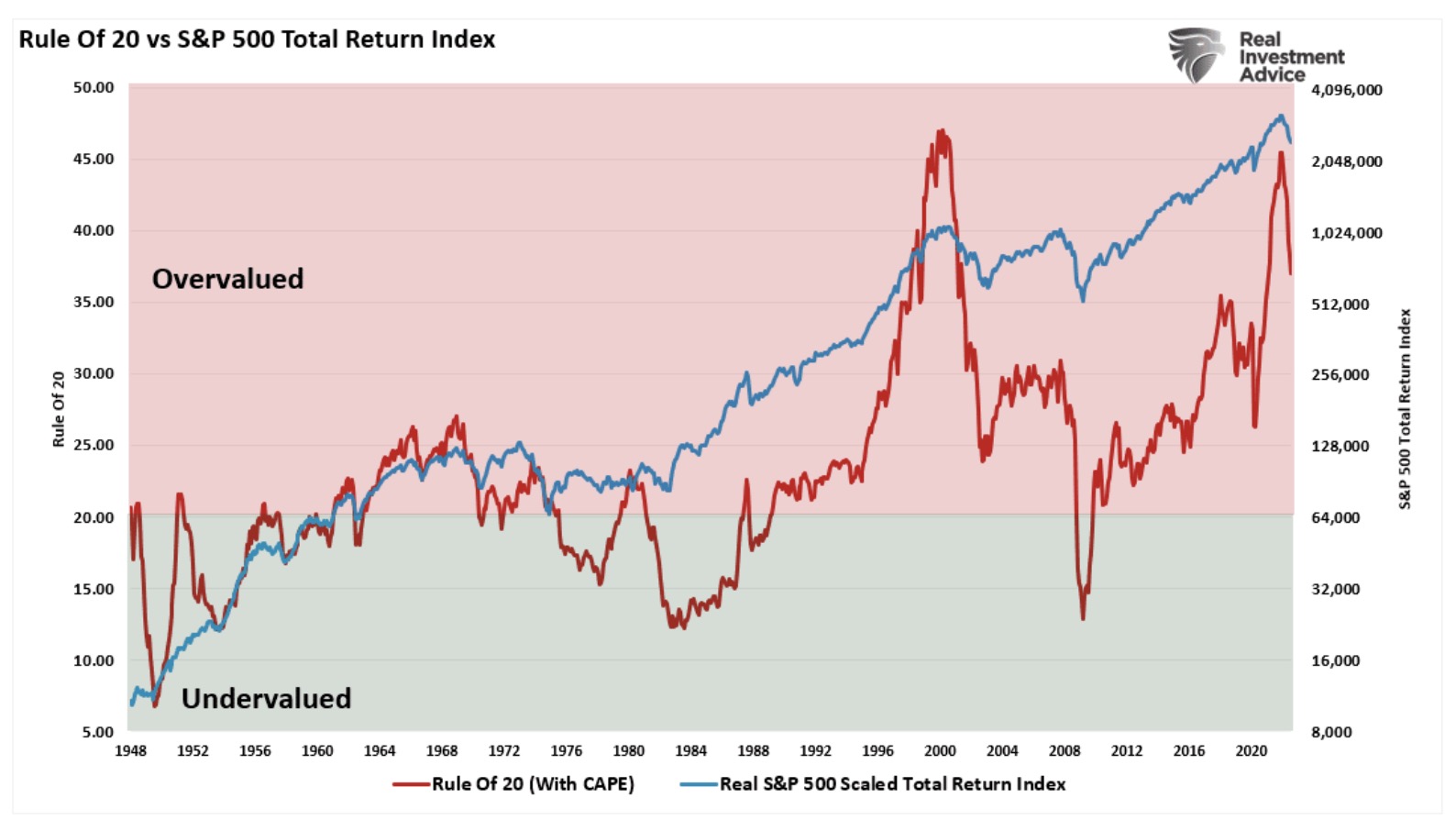
The “Rule Of 20” says the “bear market” may just be resting despite much commentary to the contrary.
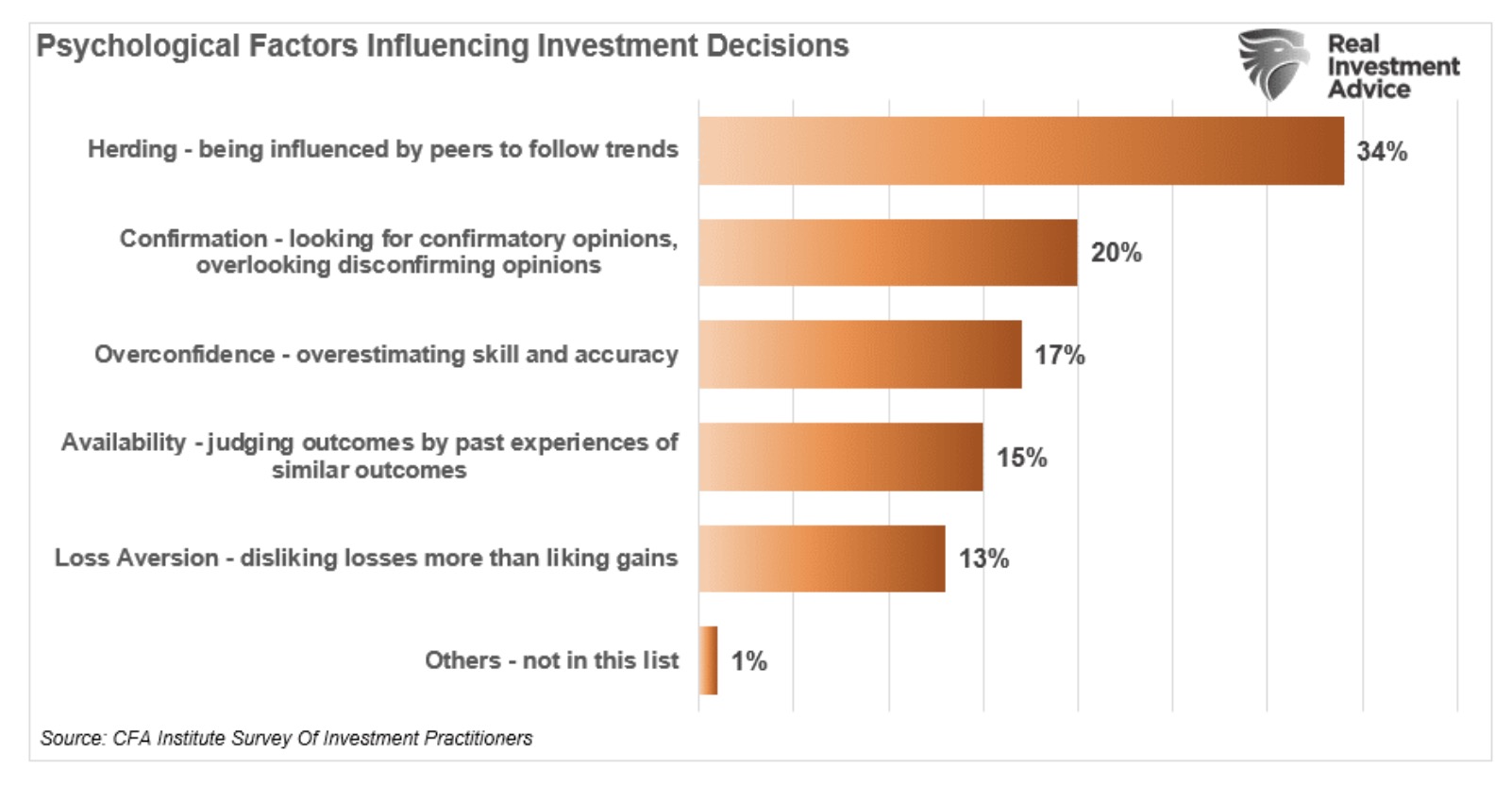
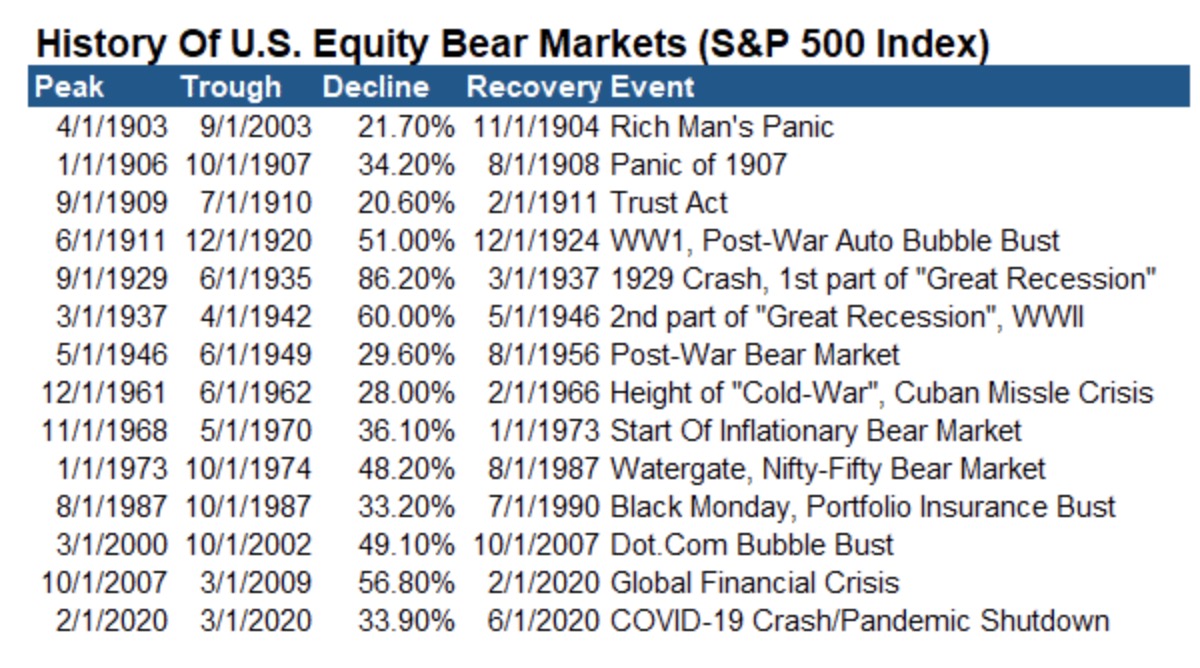
Paul Volker And 1982. Why Now Isn’t Then.
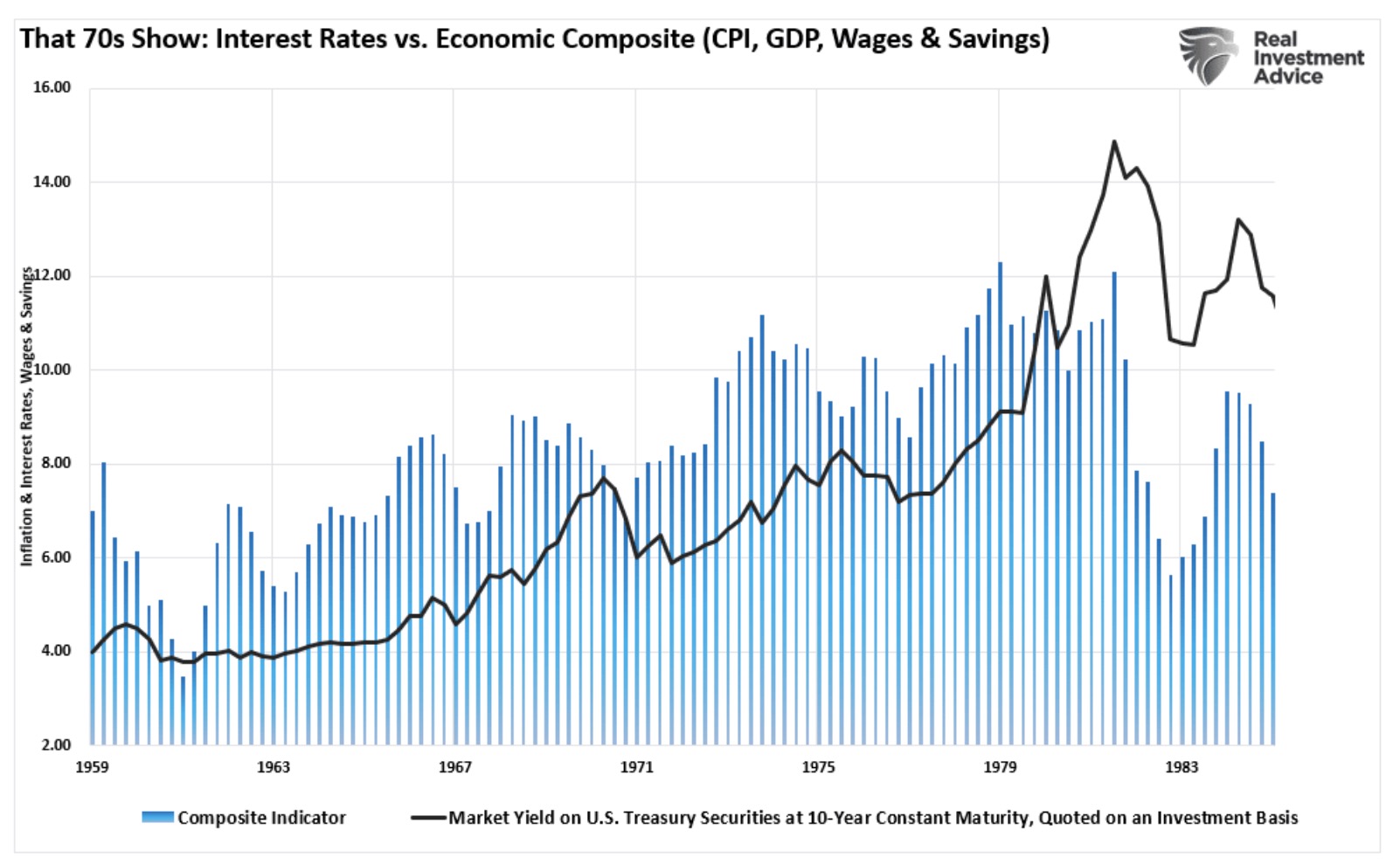
Jerome Powell isn’t Paul Volker, and this isn’t 1982.
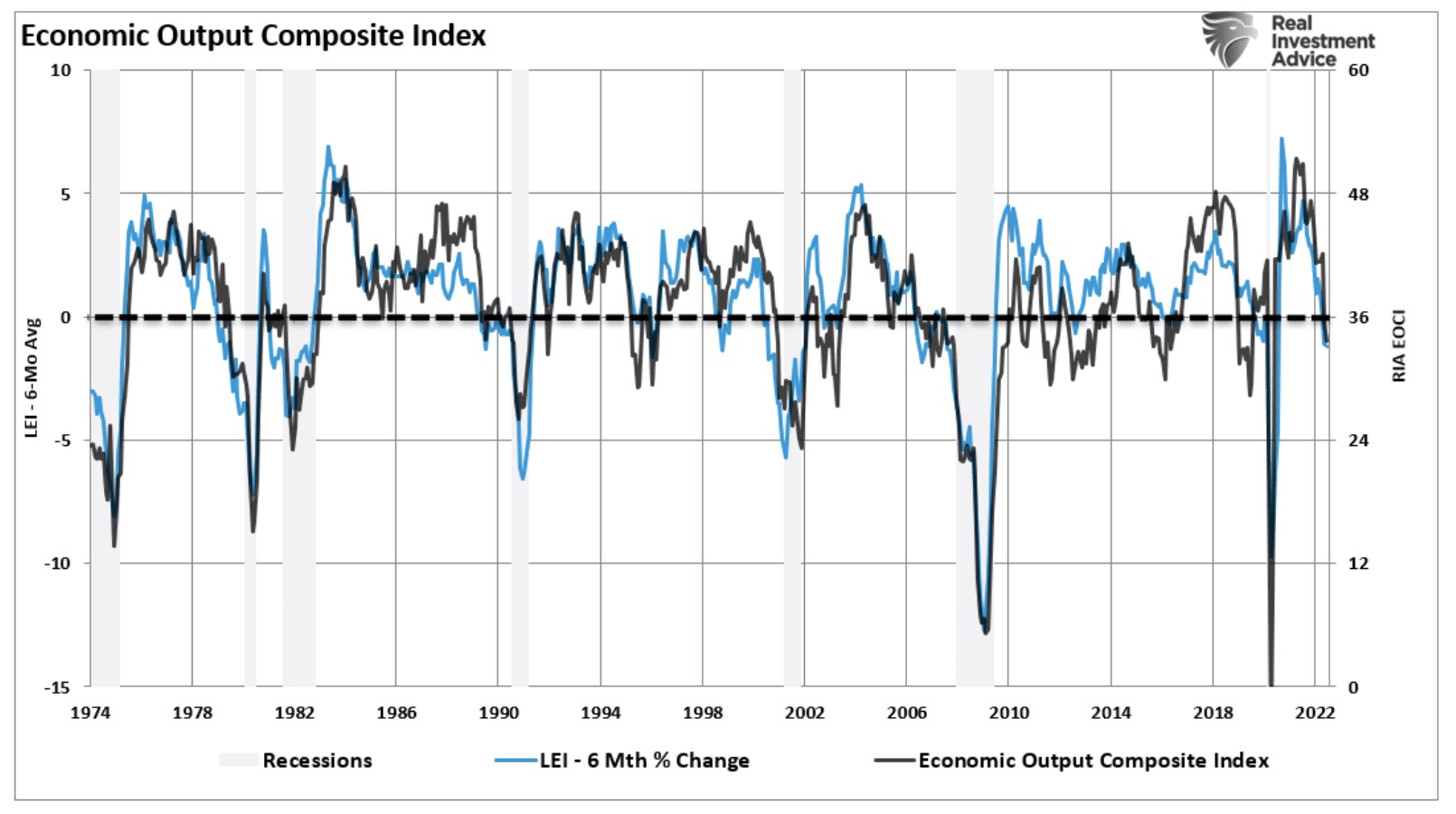
Pulling Forward Growth No Longer An Option
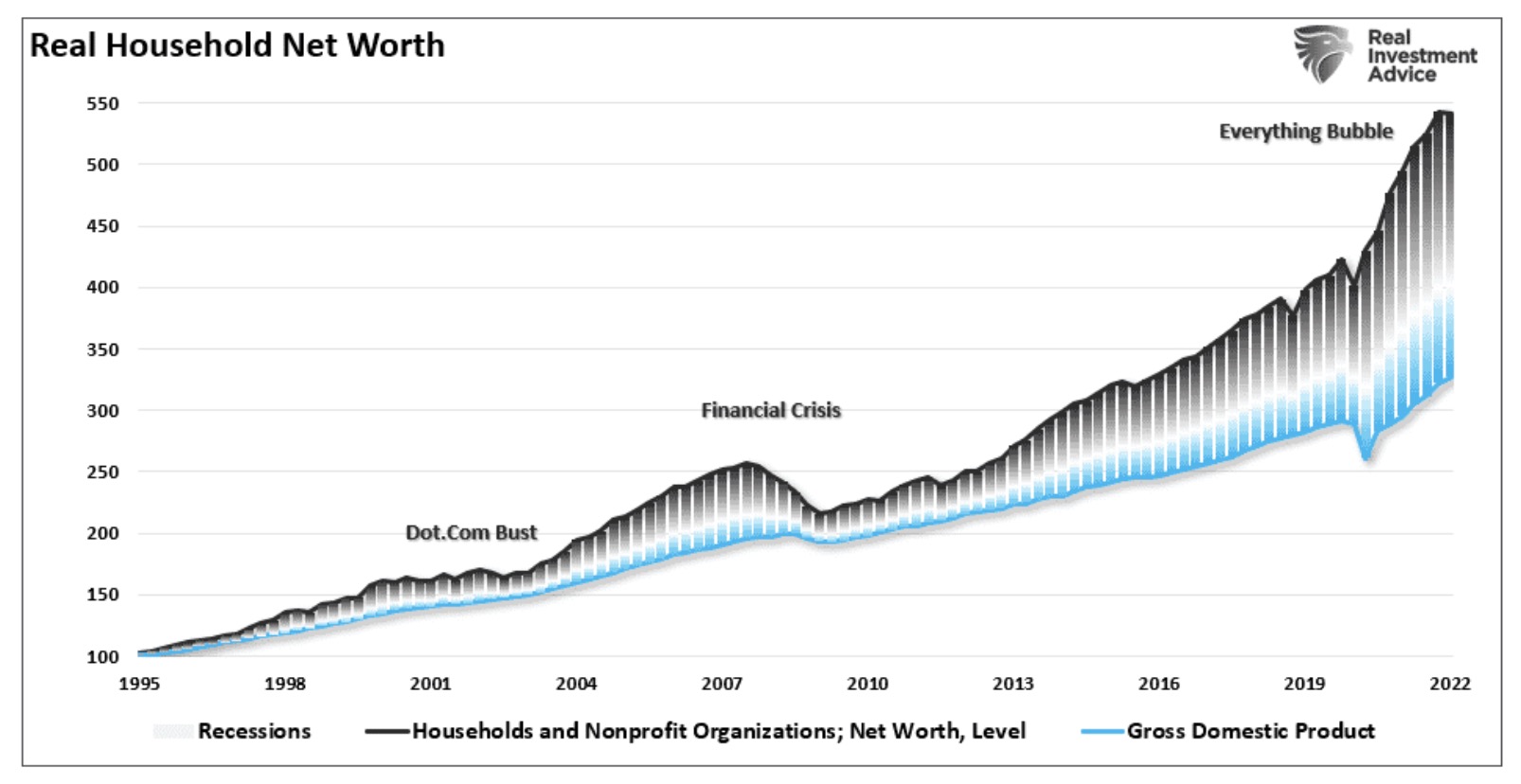
Pulling forward growth over the last decade remains the Federal Reserve’s primary tool for keeping financial markets stable while economic growth rates and inflation remained weak.
Jim Cramer Says Fed Pivot Means Buy Stocks?
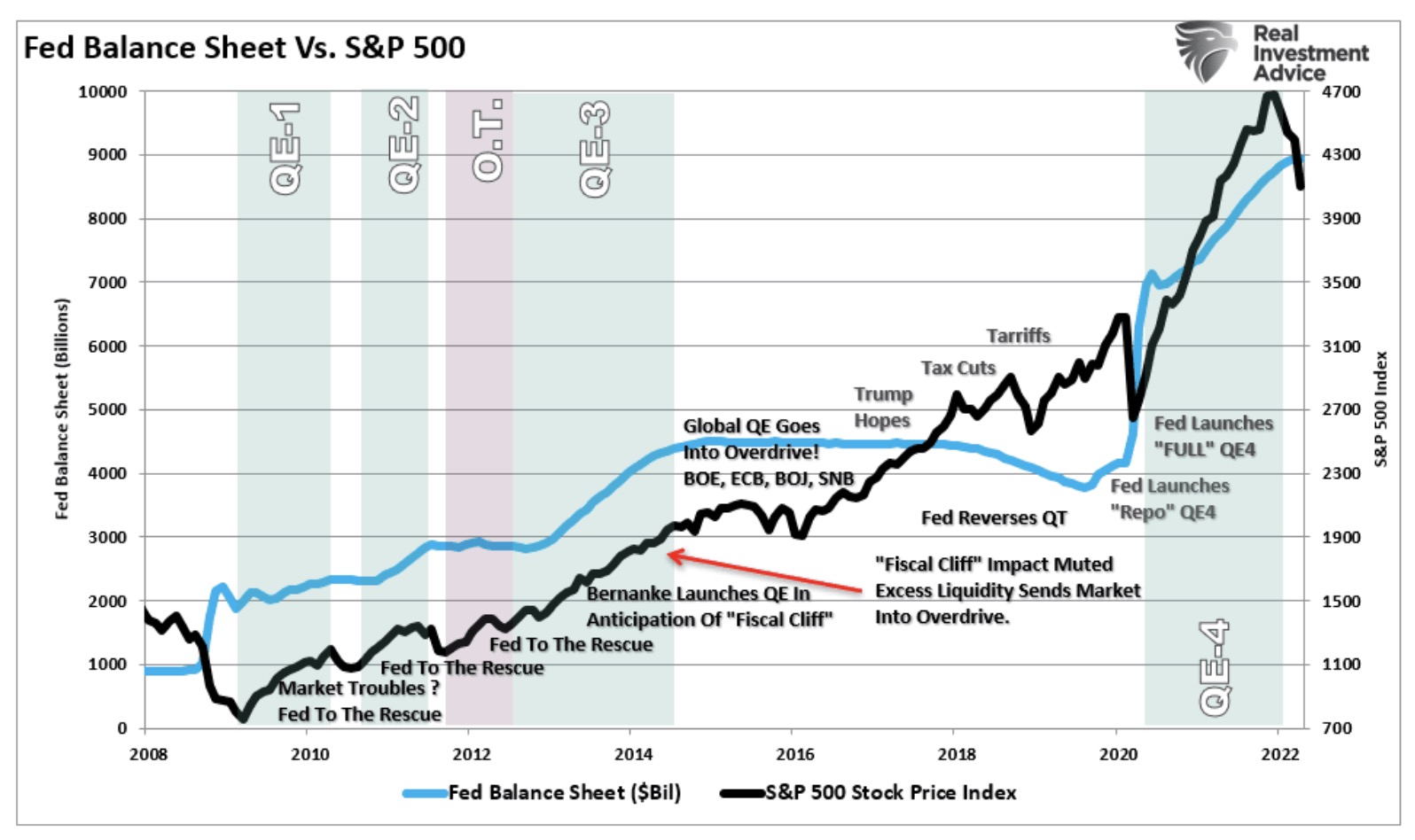
Jim Cramer recently stated it will be time to buy stocks when the Fed pivots.
Investing Lesson Of Math Learned The Hard Way
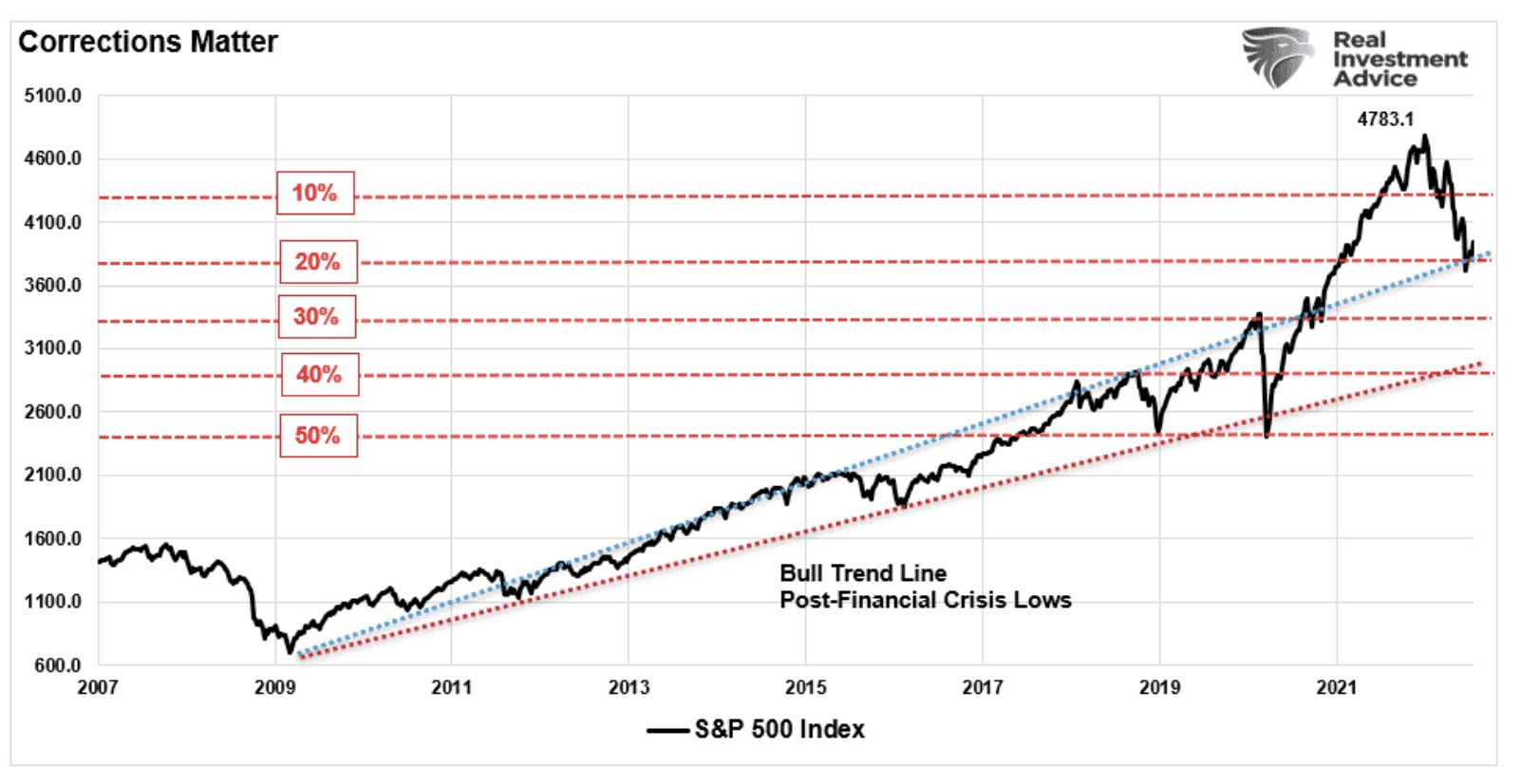
Every investor must learn the one investing lesson in surviving the long game: how math works.
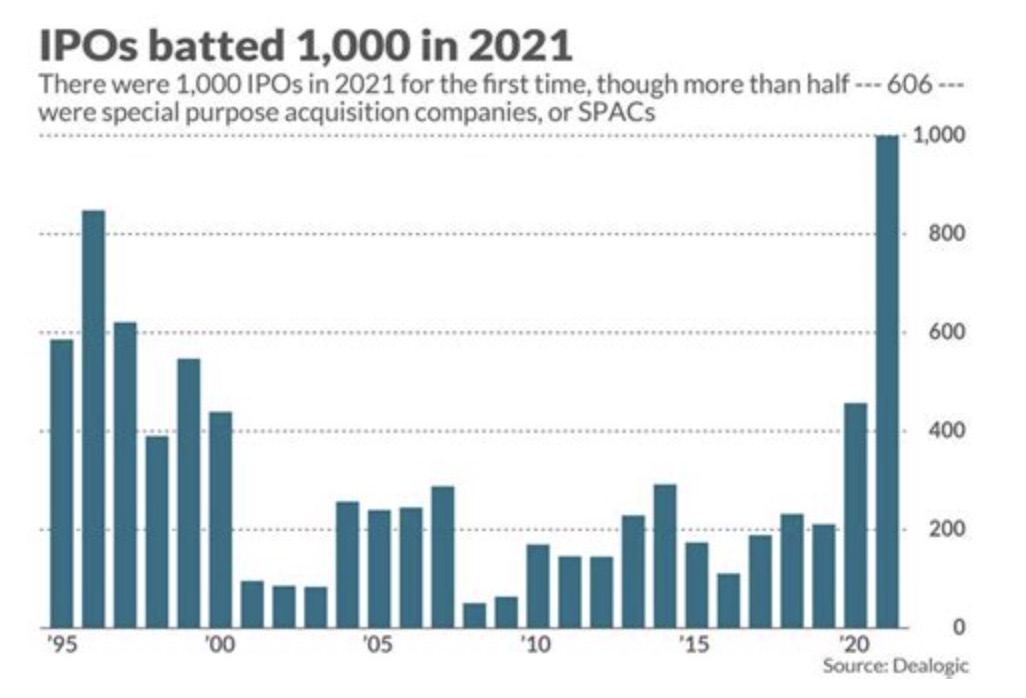
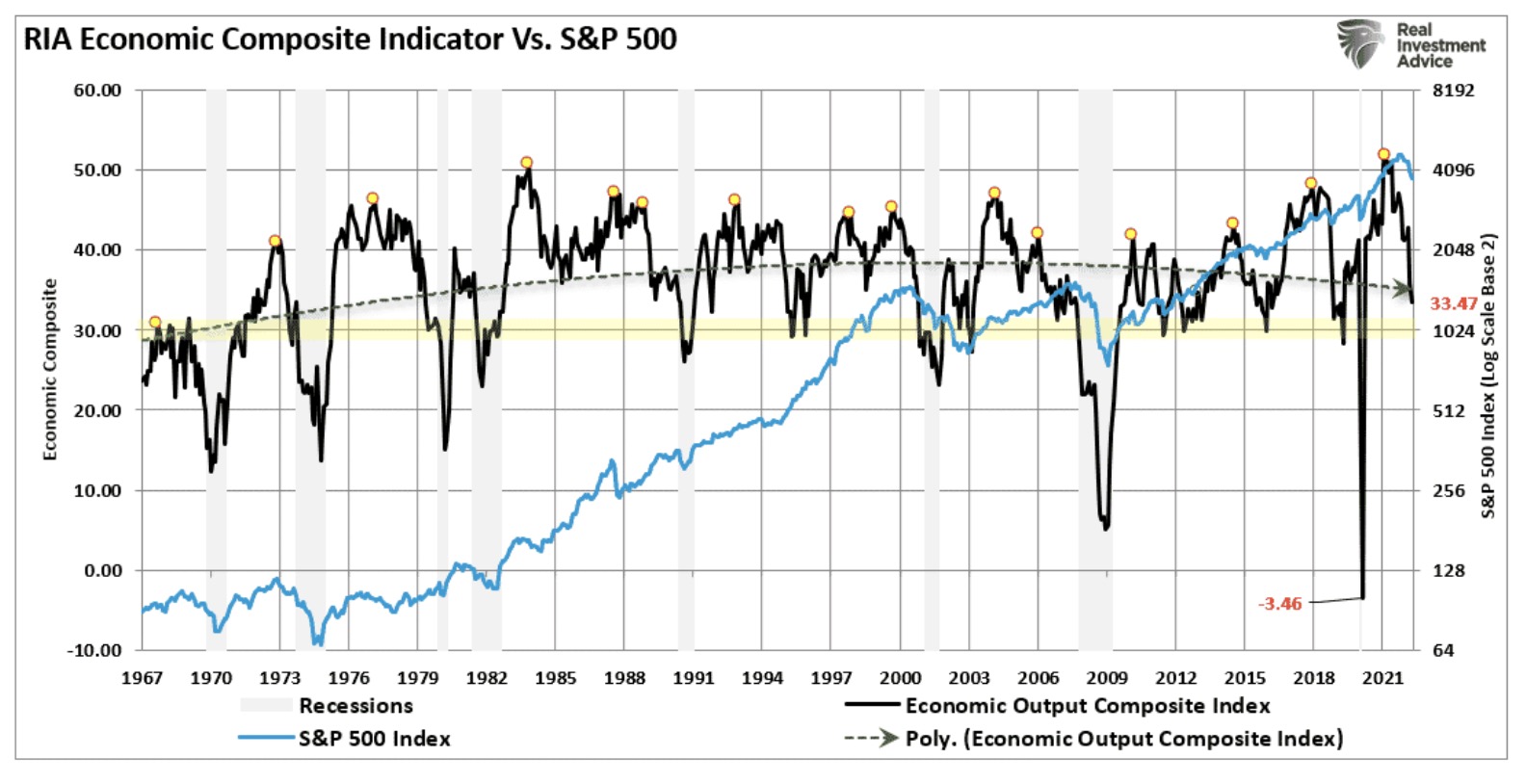
ESG Underperformance Will Be Its Undoing
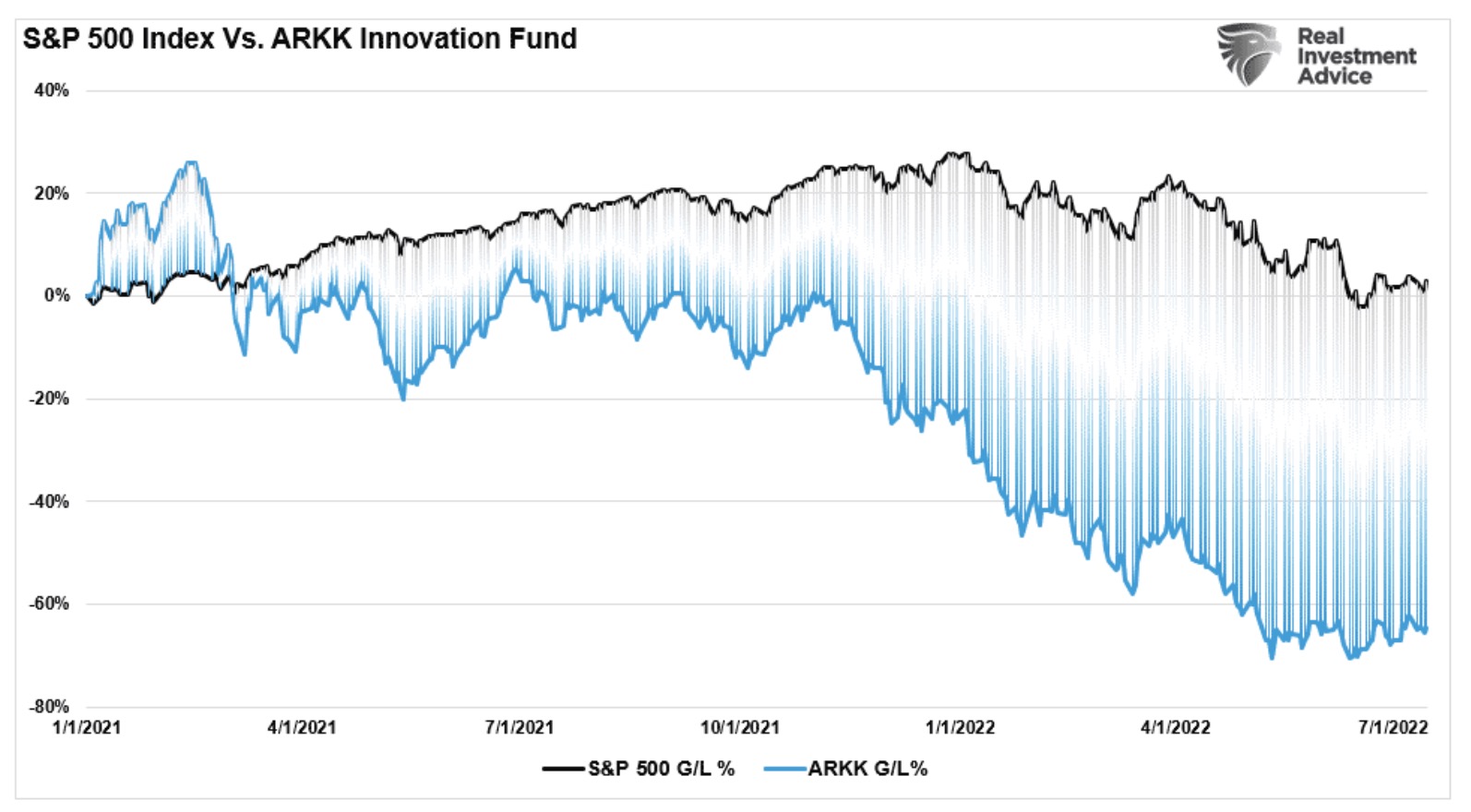
ESG underperformance will be the strategy’s eventual undoing.
MMT Policy Was Tried, And It Failed.
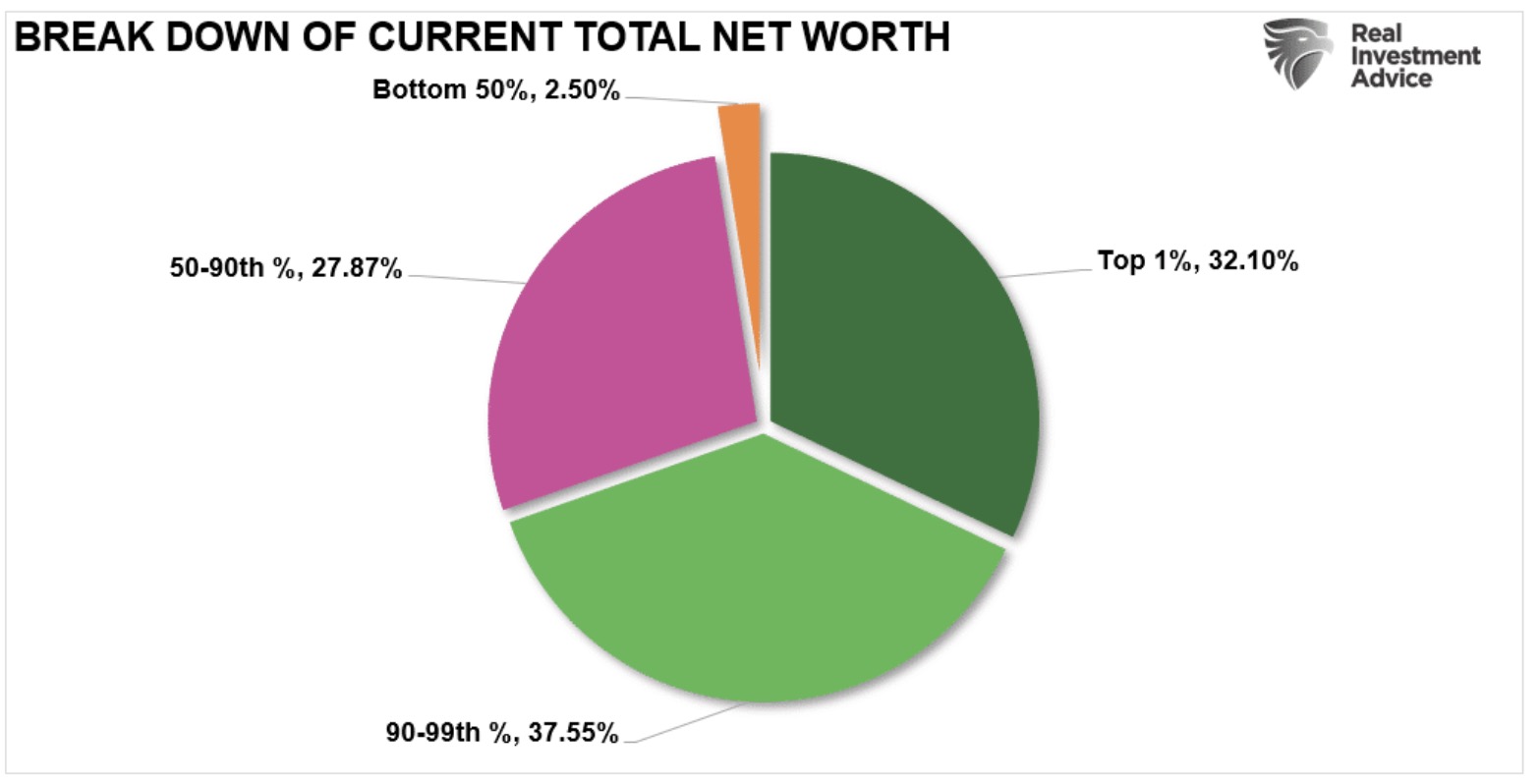
MMT Policy (Modern Monetary Theory), the grand experiment, was tried following the pandemic-driven shutdown of the economy.
Giant Corporations Are Causing Inflation?
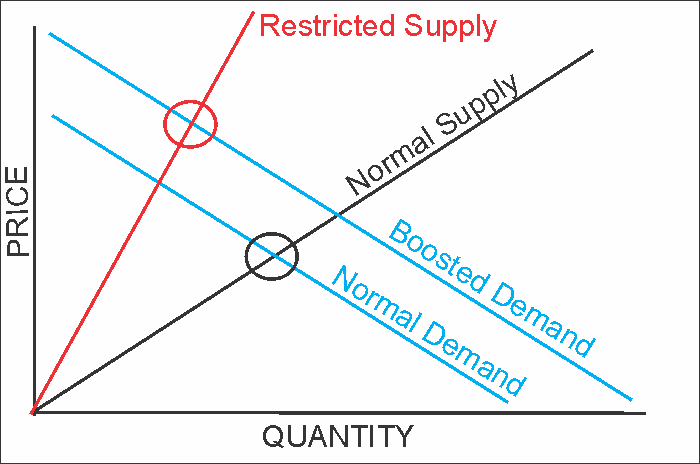
Basic economics says that companies can only set prices at a level where the current supply will meet demand. Moreover, looking at prices in a vacuum is also very misleading because it doesn’t account for changes in the firm’s input or operating costs.
The “Bullwhip Effect” Will Frustrate The Fed
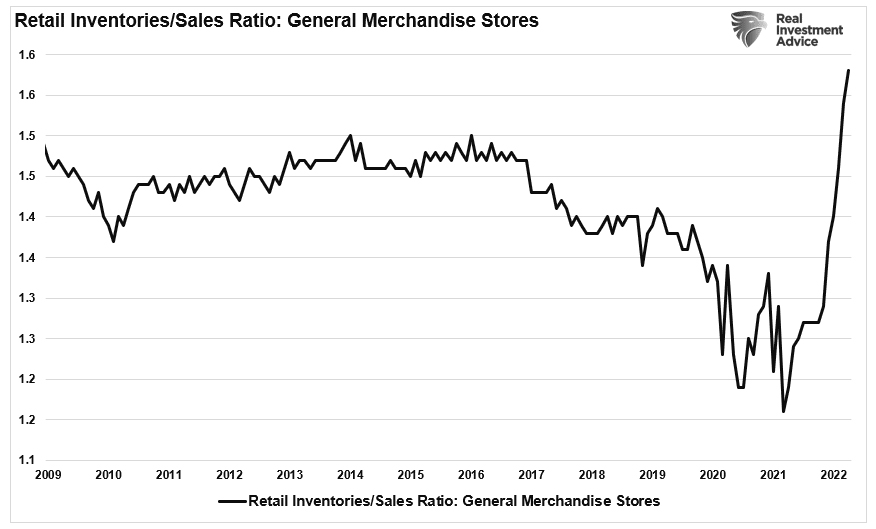
The “Bullwhip Effect” has gotten the media’s attention as of late. However, the causes, effects, and consequences to the market and monetary policy are not well discussed.
Fear Of Missing Out? Wall Street & Retail Hang On.
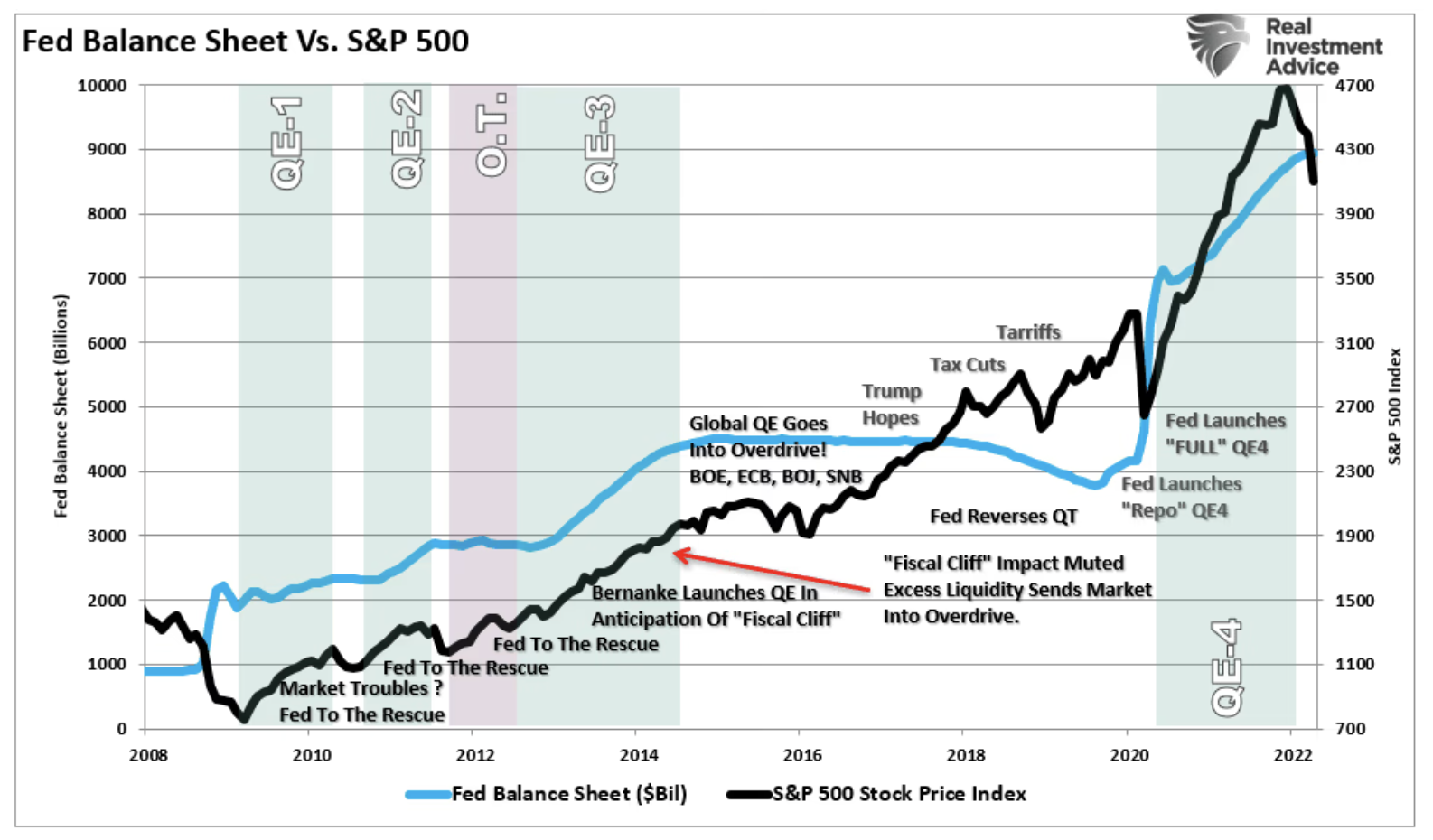
The “Fear Of Missing Out,” or “F.O.M.O.” is a centuries-old behavioral trait that began to get studied in 1996 by marketing strategist Dr. Dan Herman.
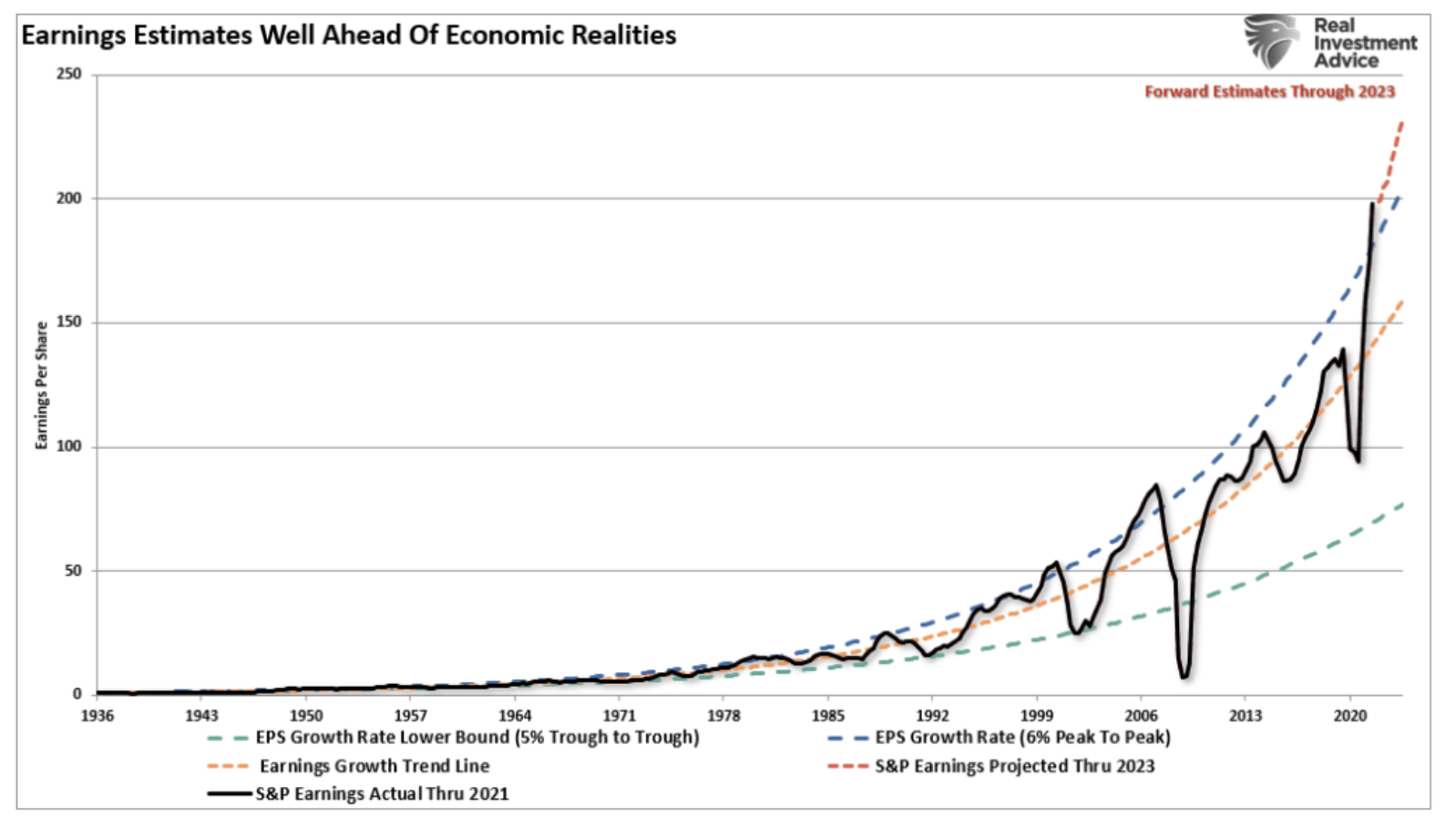
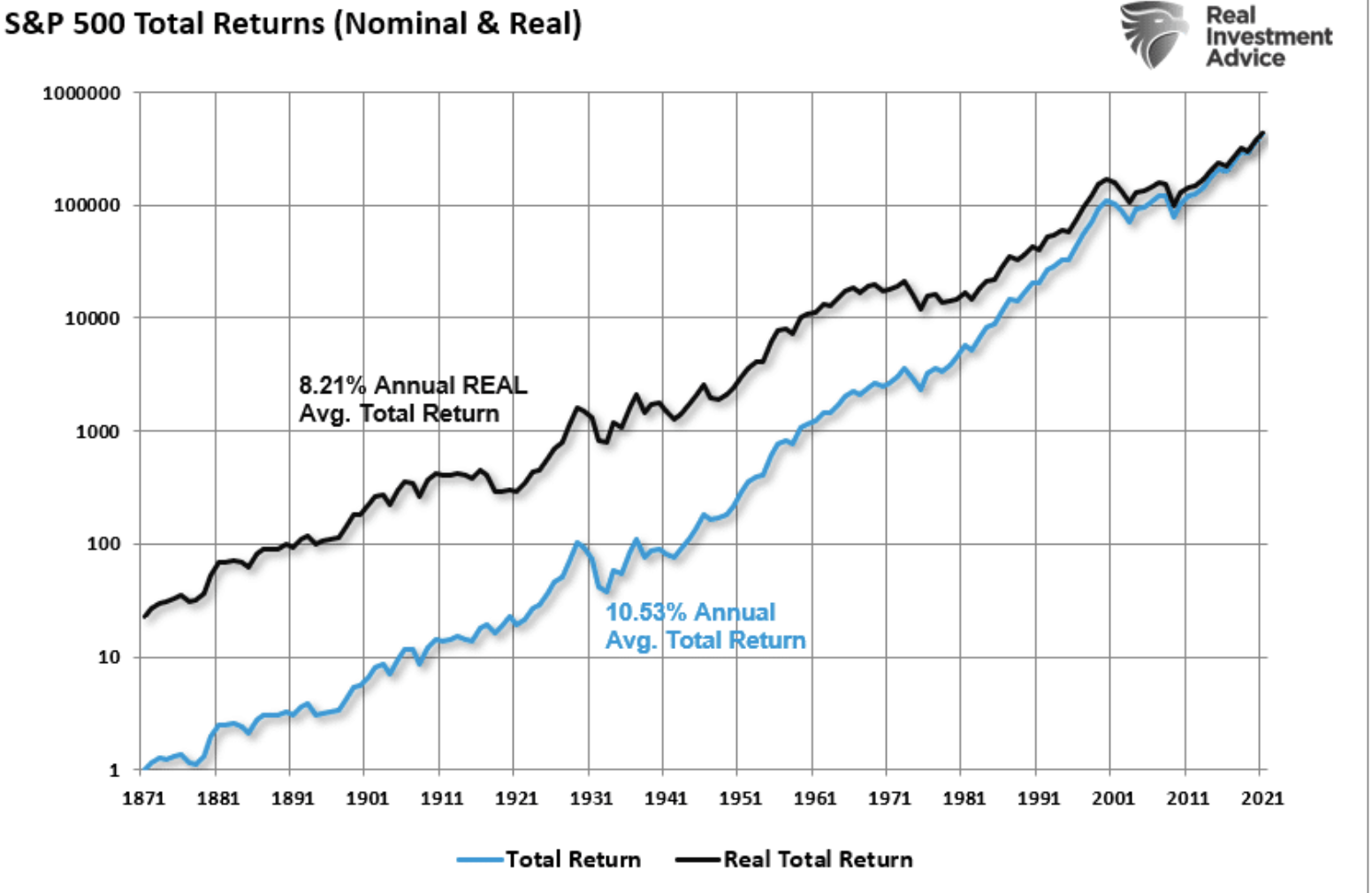
Oil Price Reversions – The Inevitable Outcome Of Recessions
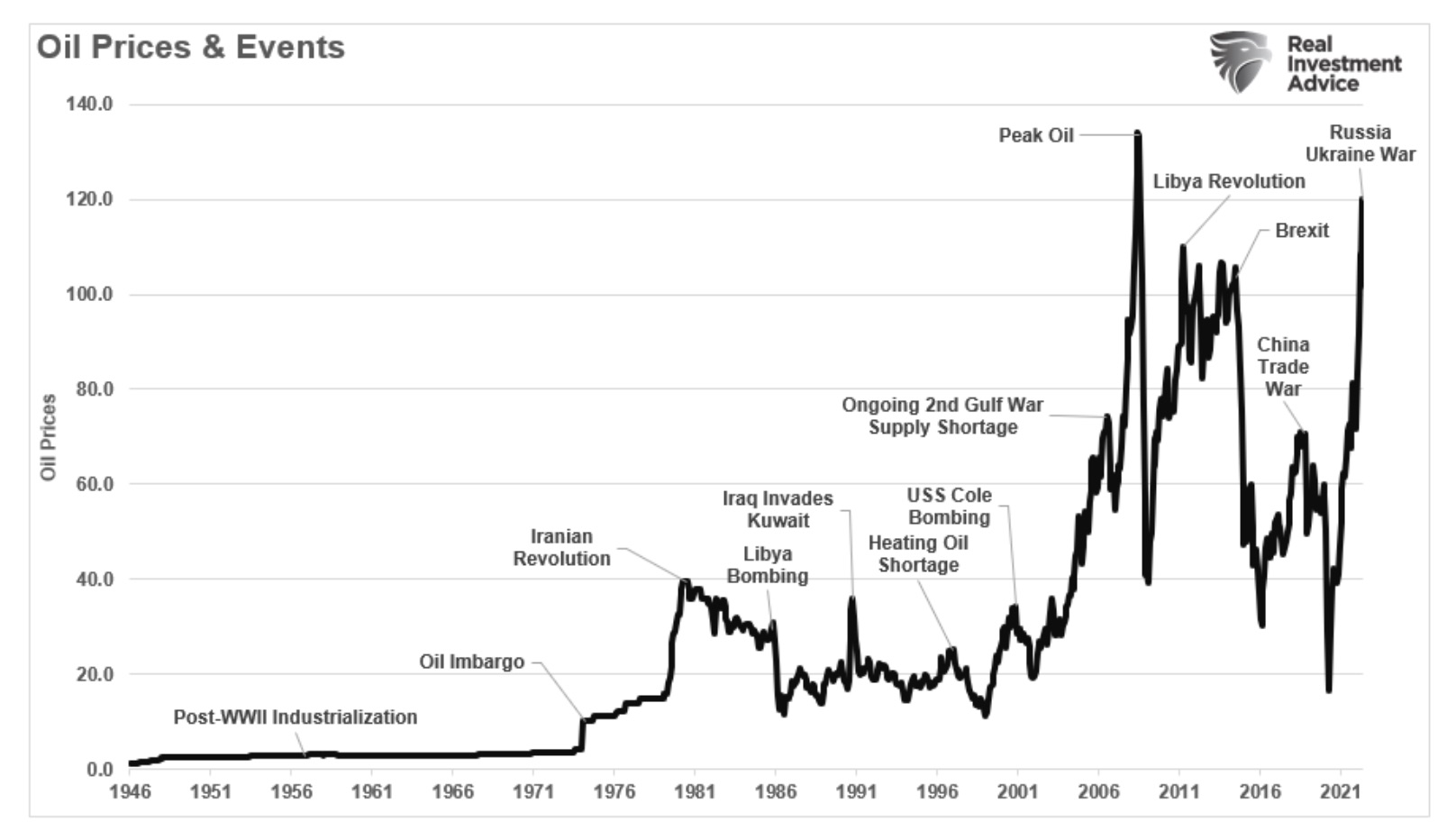
An oil price and energy stock price reversion may be starting.
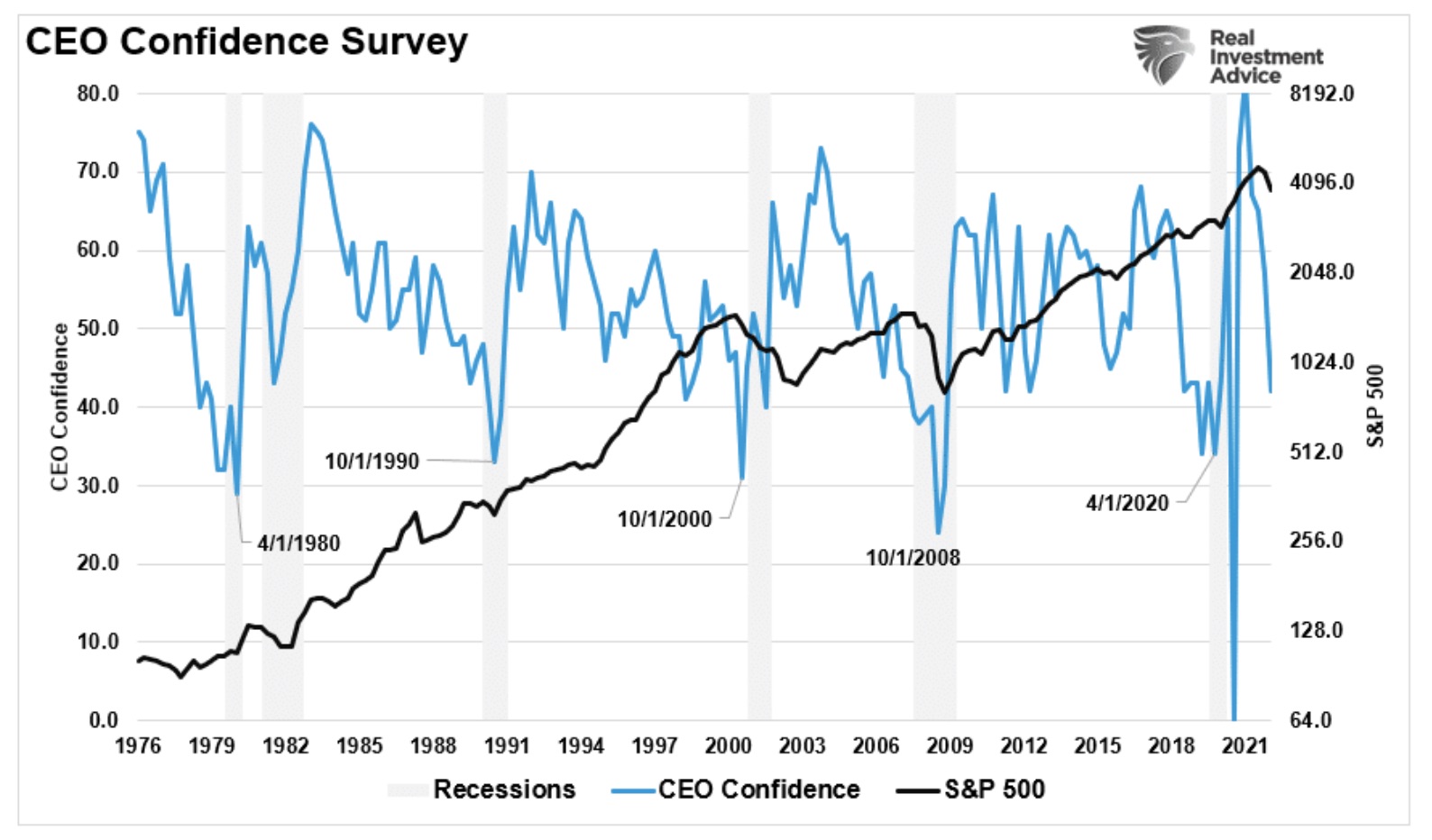
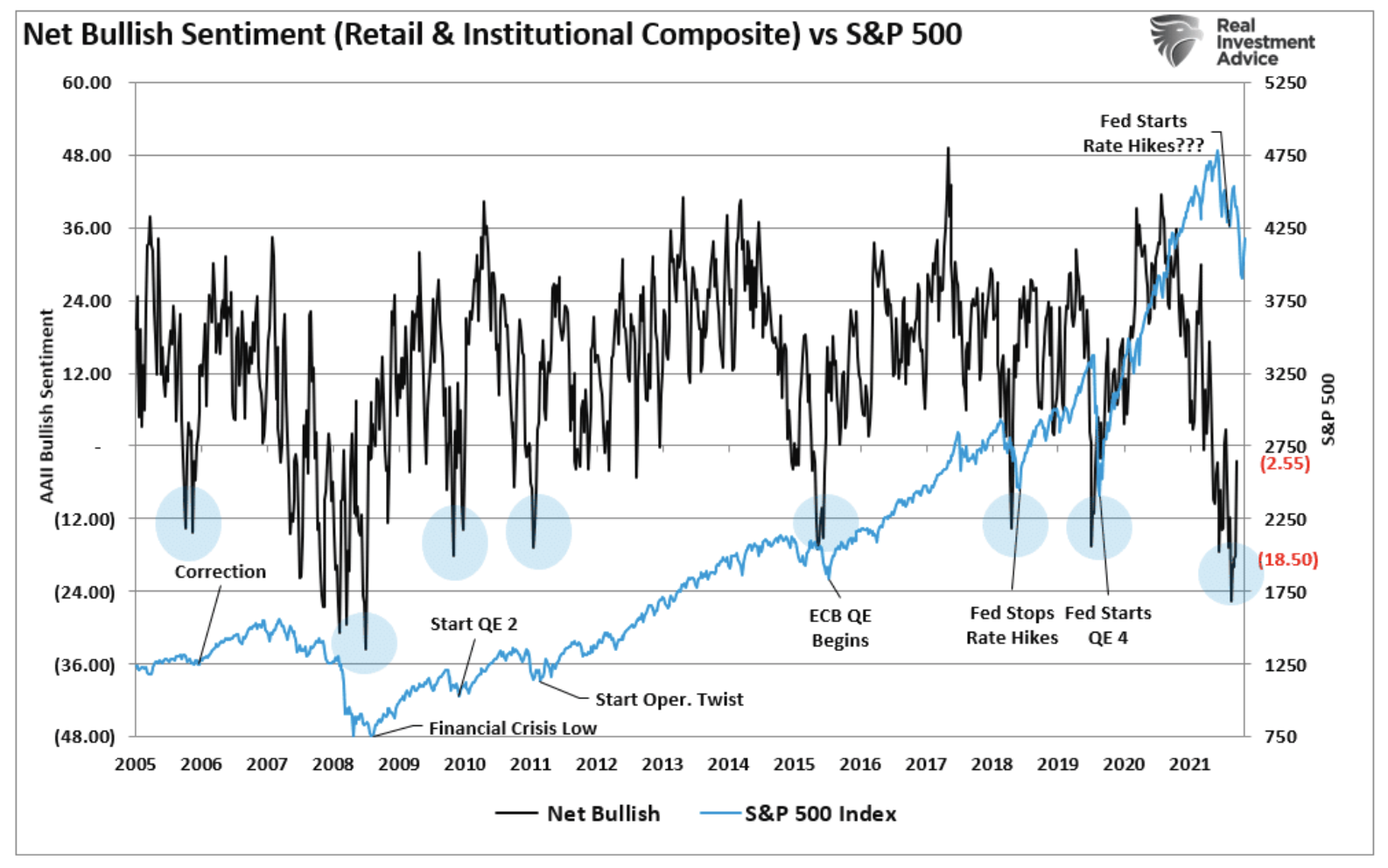
Social Security: Whistling Past The $96 Trillion Graveyard
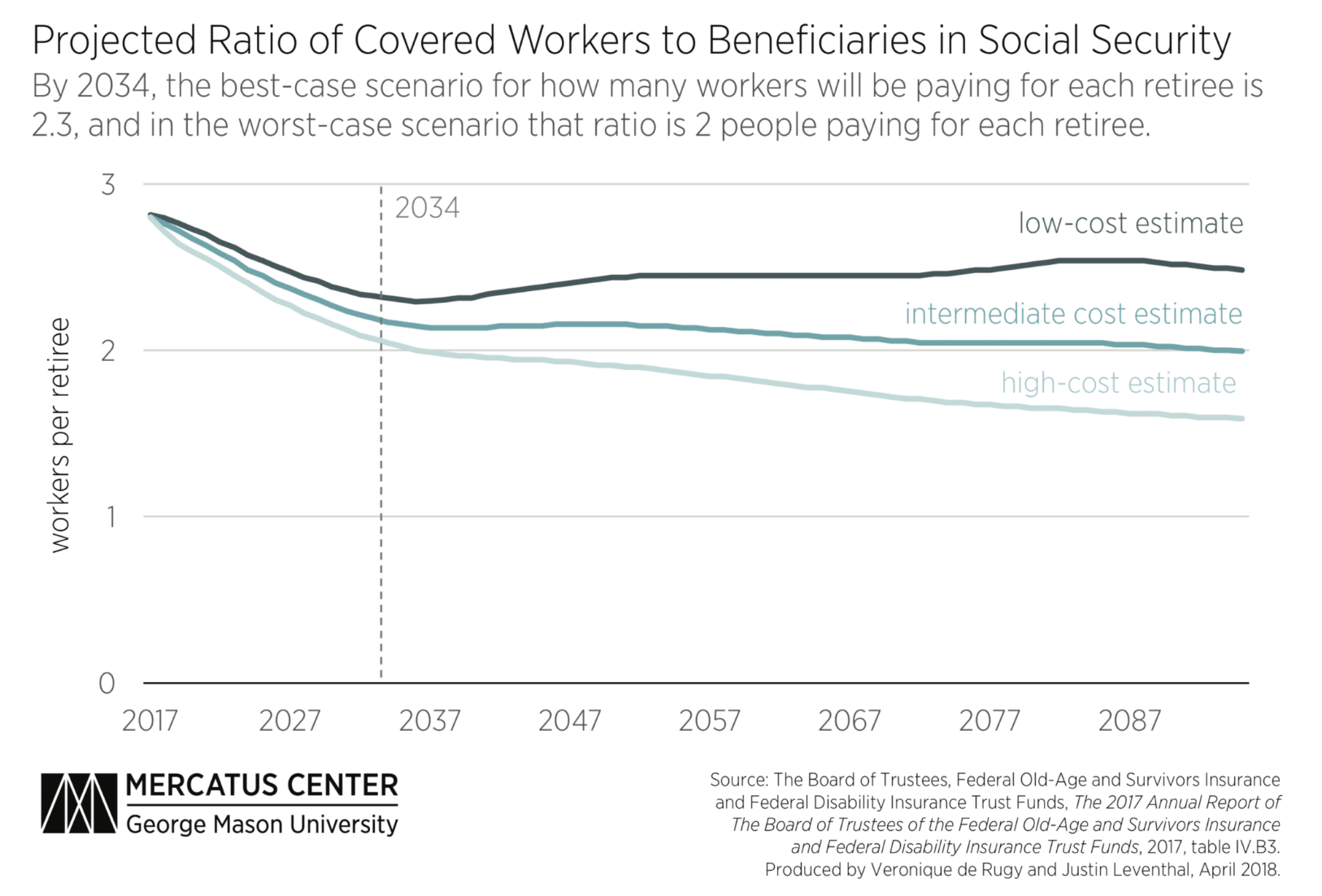
Social Security has a problem.

Fed Pause? Markets Hope So, But Likely Not Yet.
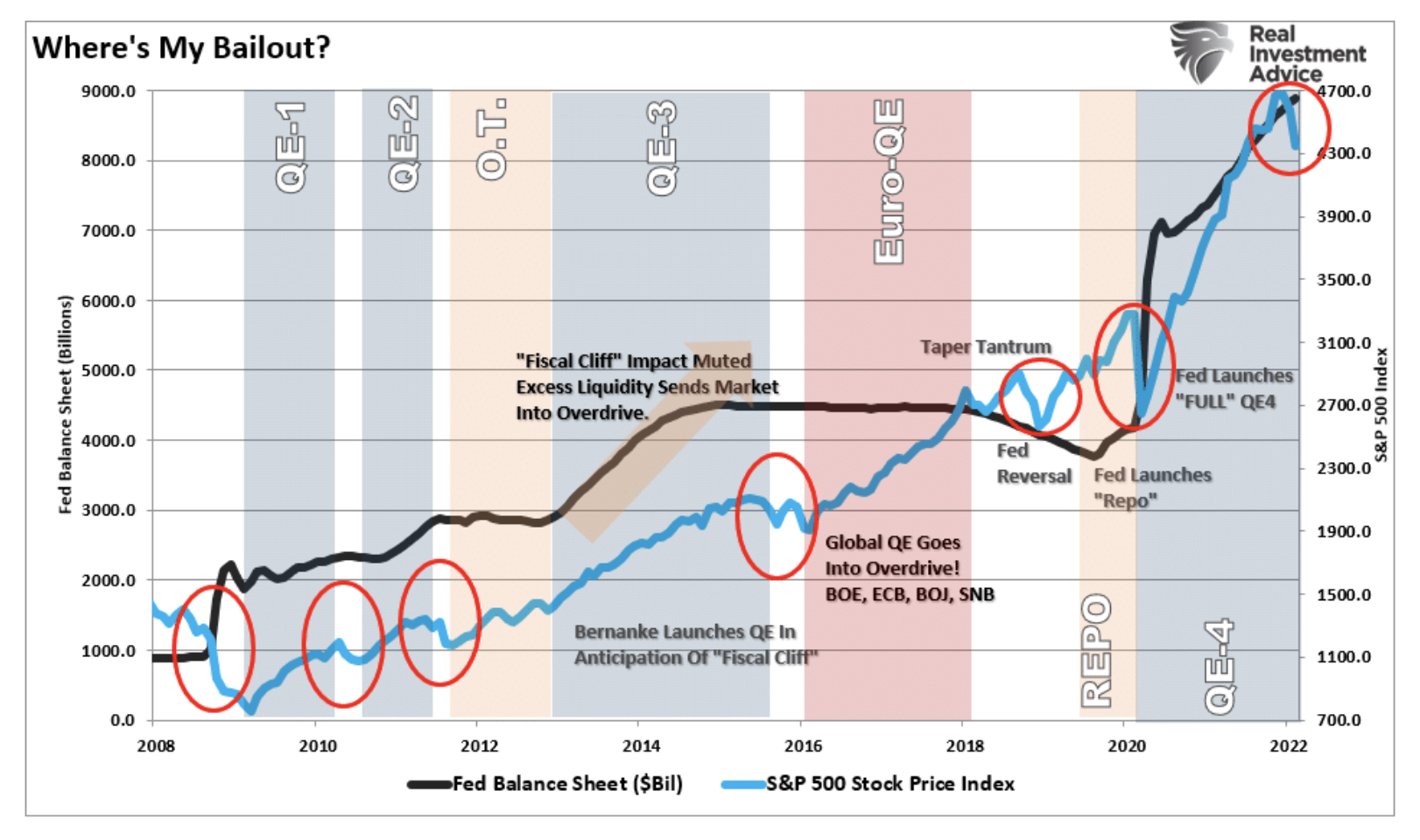
Will the Fed pause its rate hikes as markets correct?
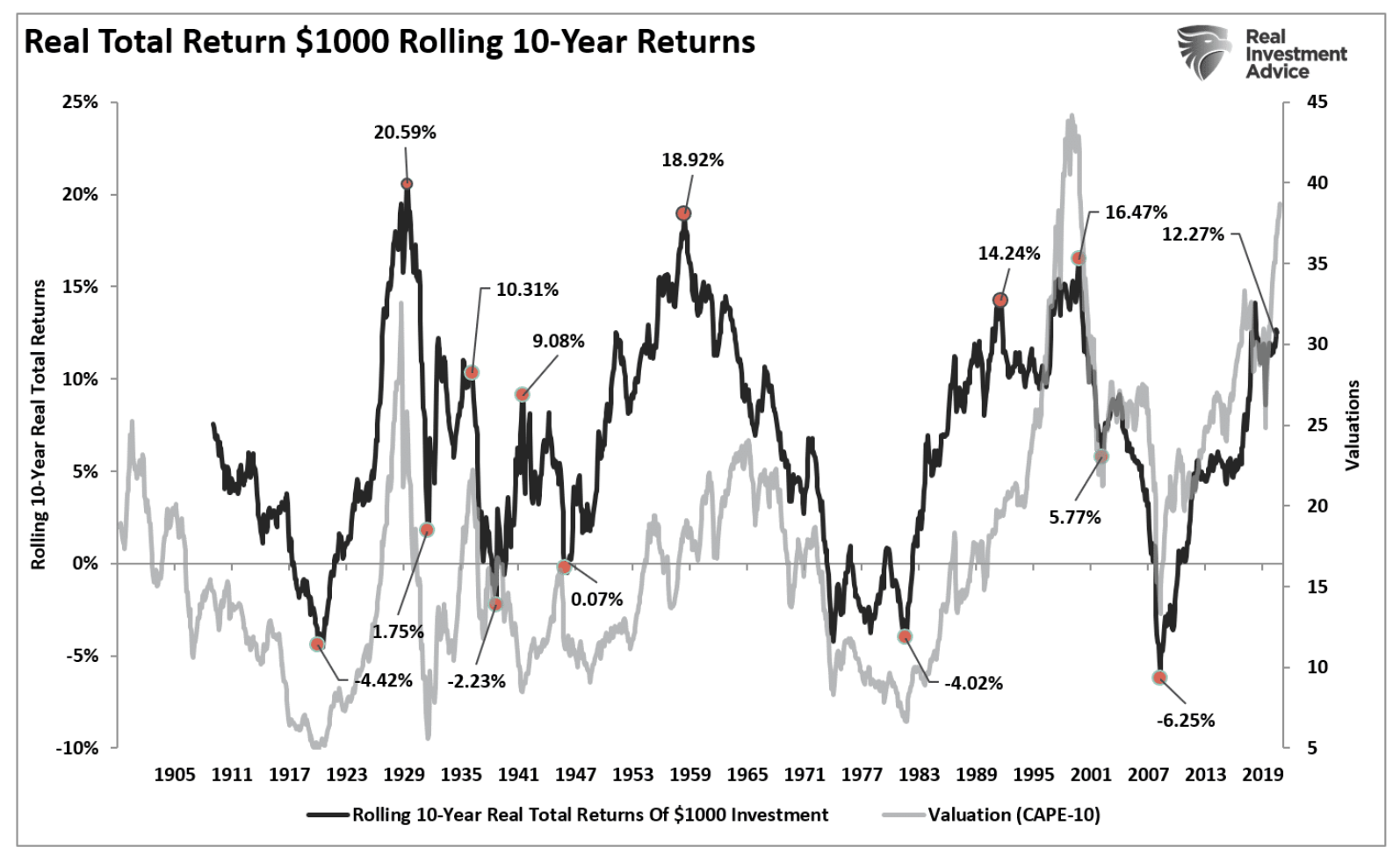
High Inflation May Already Be Behind Us
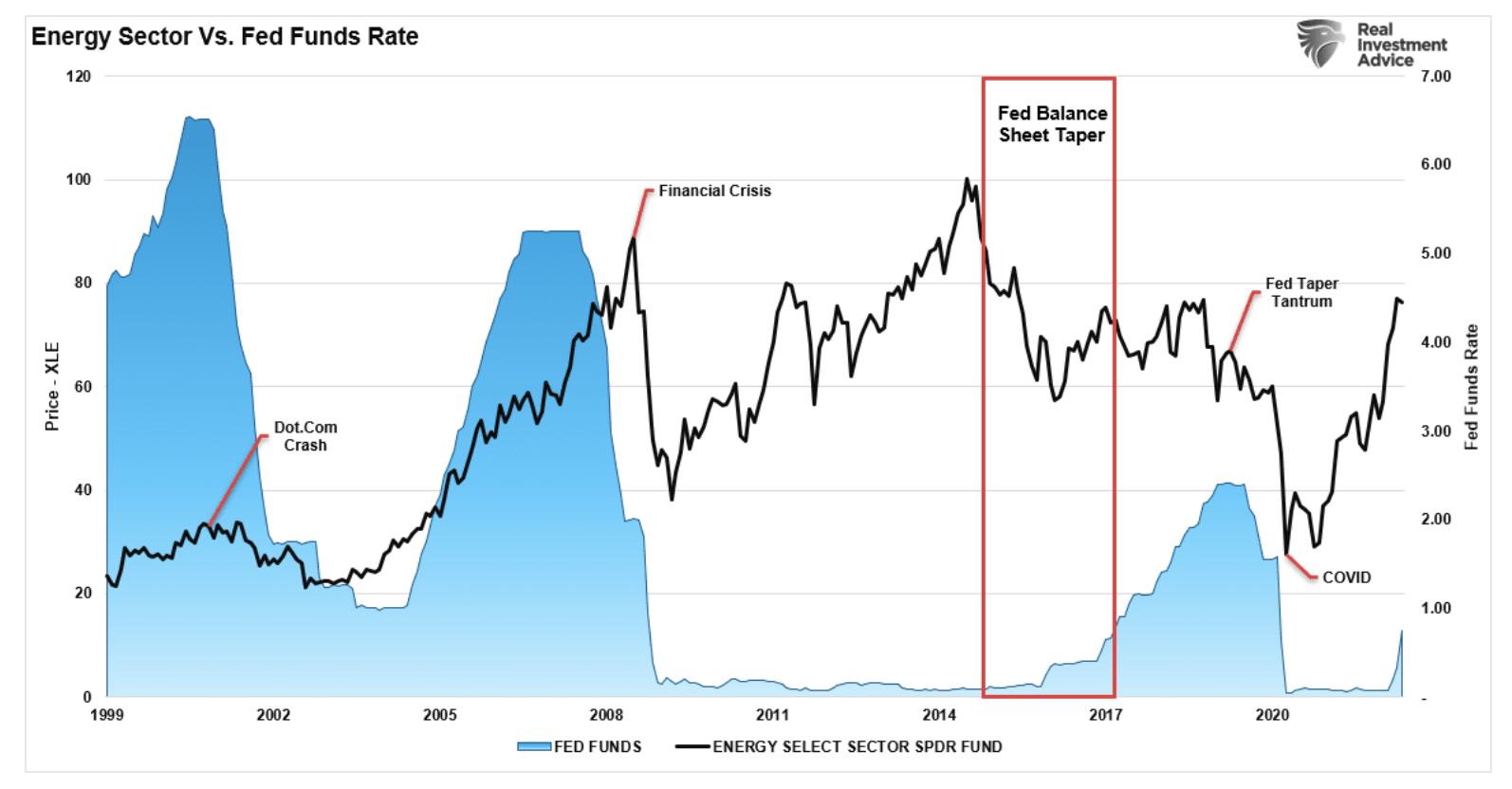
High inflation has captured the headlines as of late particularly as CPI recently hit the highest levels since 1981.
The Disinflationary Impact Of Fed Policy On Equities
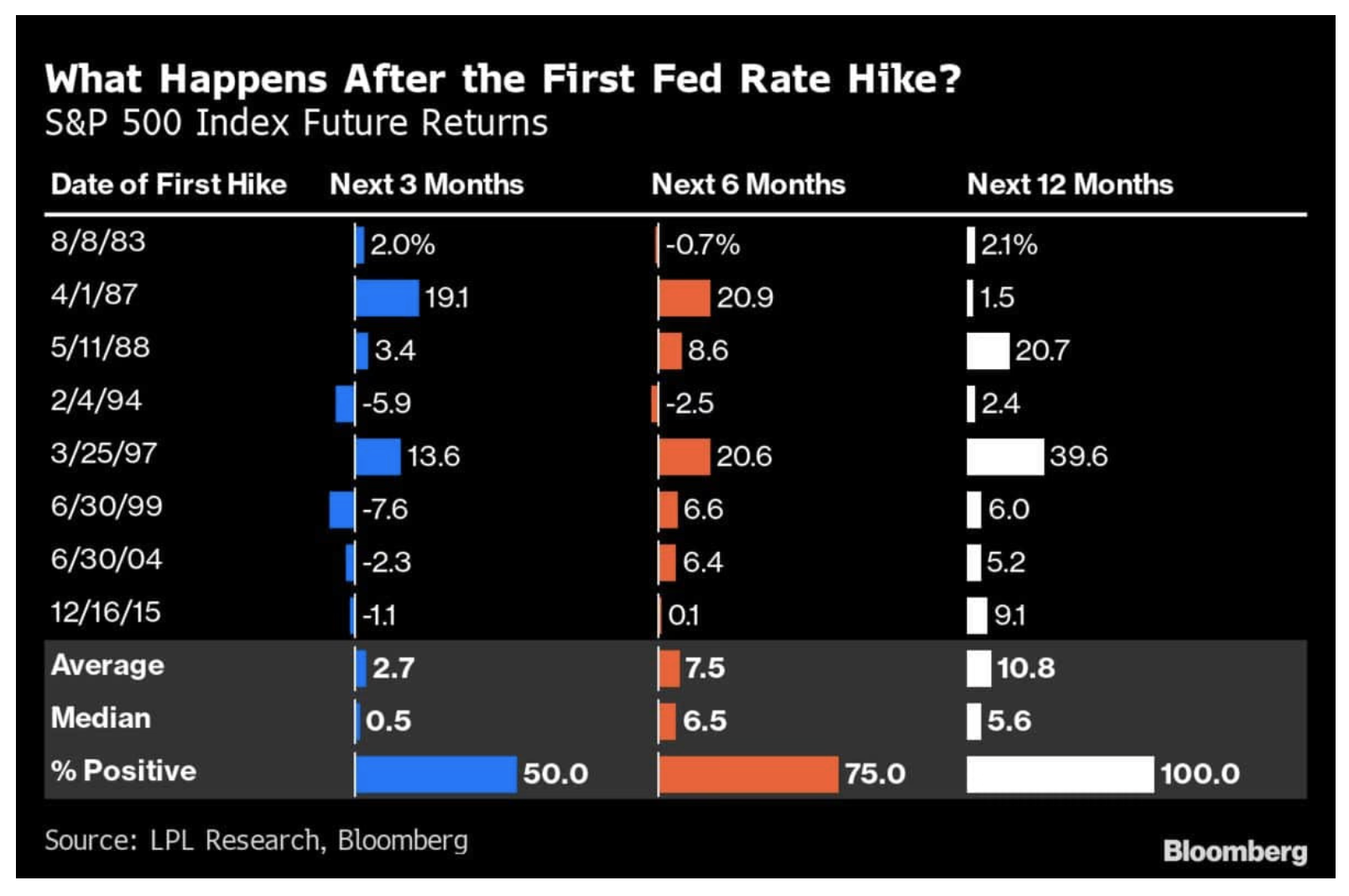
The disinflationary impact of Fed policy on equities is coming.
The Right Strategy Is Critical When Investing During A Recession!
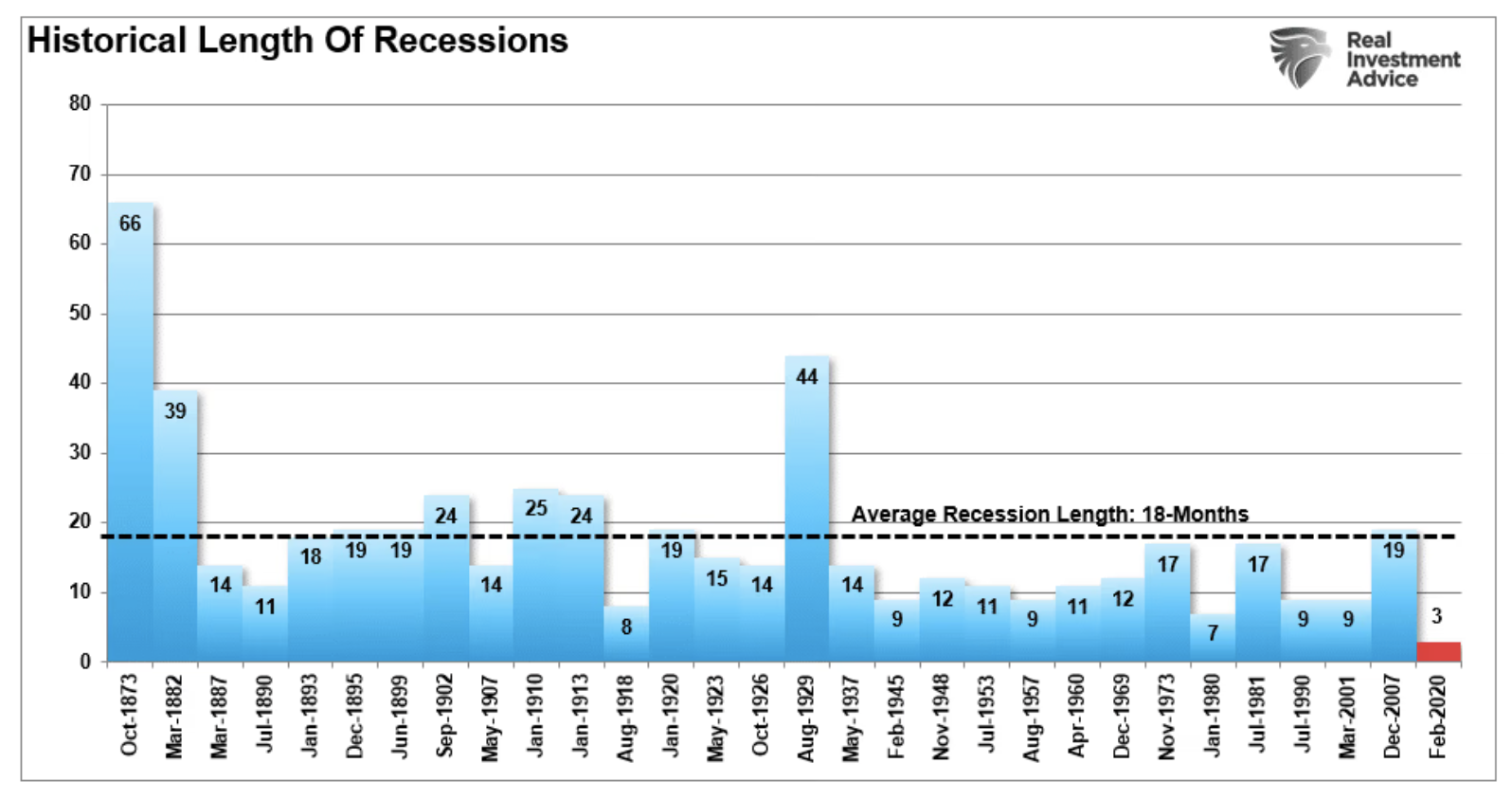
Investing during a recession can be a very difficult, and often dangerous, prospect.
Investor Sentiment Is So Bearish – It’s Bullish
Investor sentiment has become so bearish that it’s bullish.
“Don’t Be Bearish.” The Inevitable End Of Bad Advice
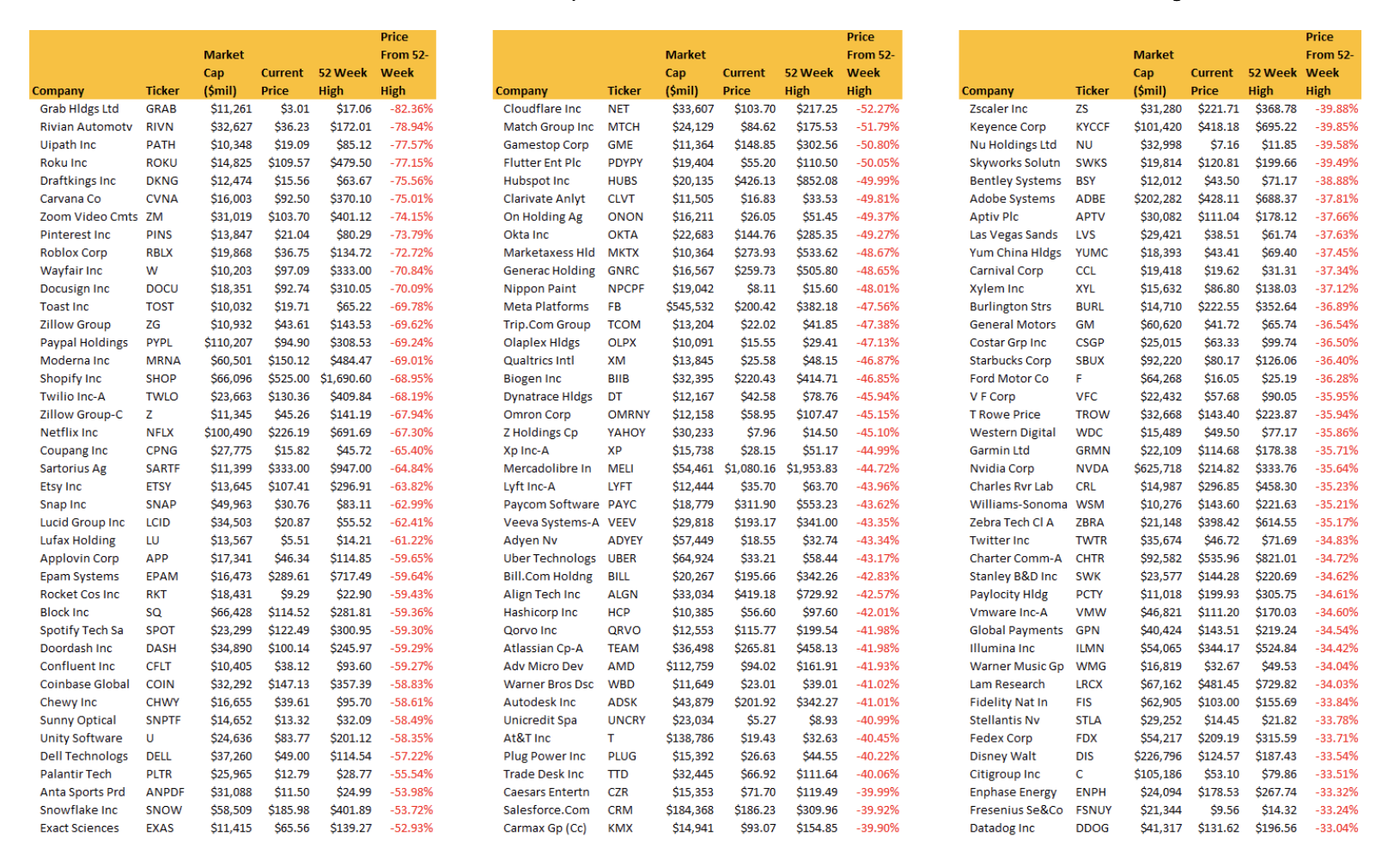
“Don’t be bearish.” That was the message delivered by a Wall Street Journal article in August 2021.
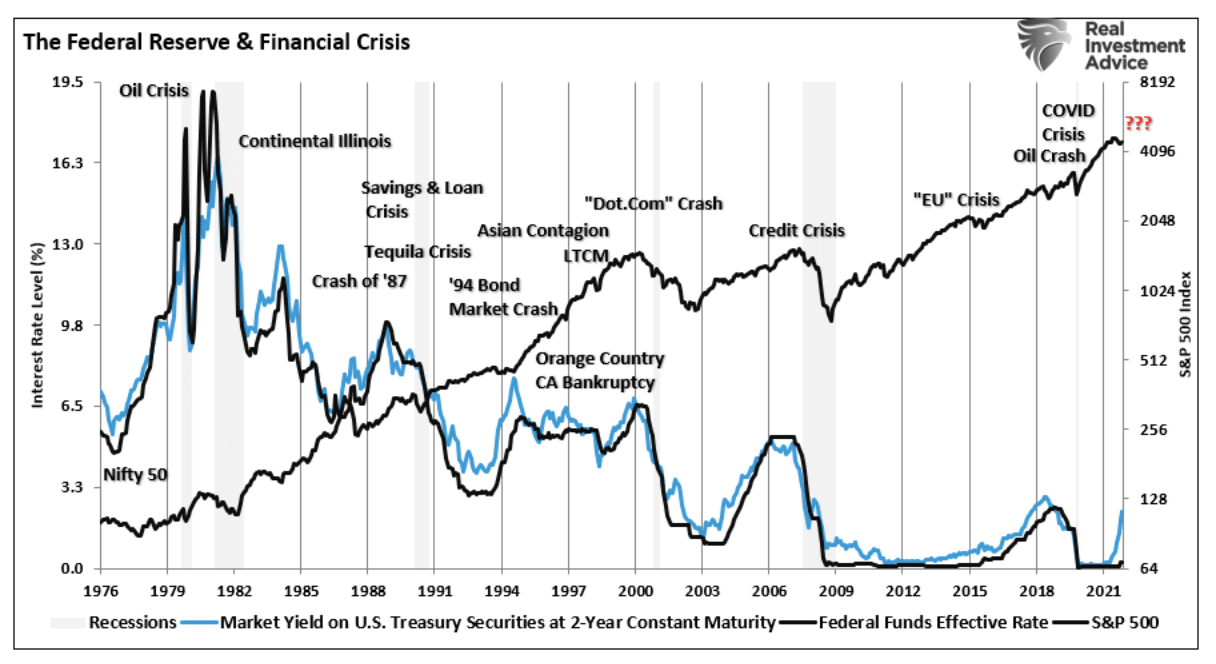
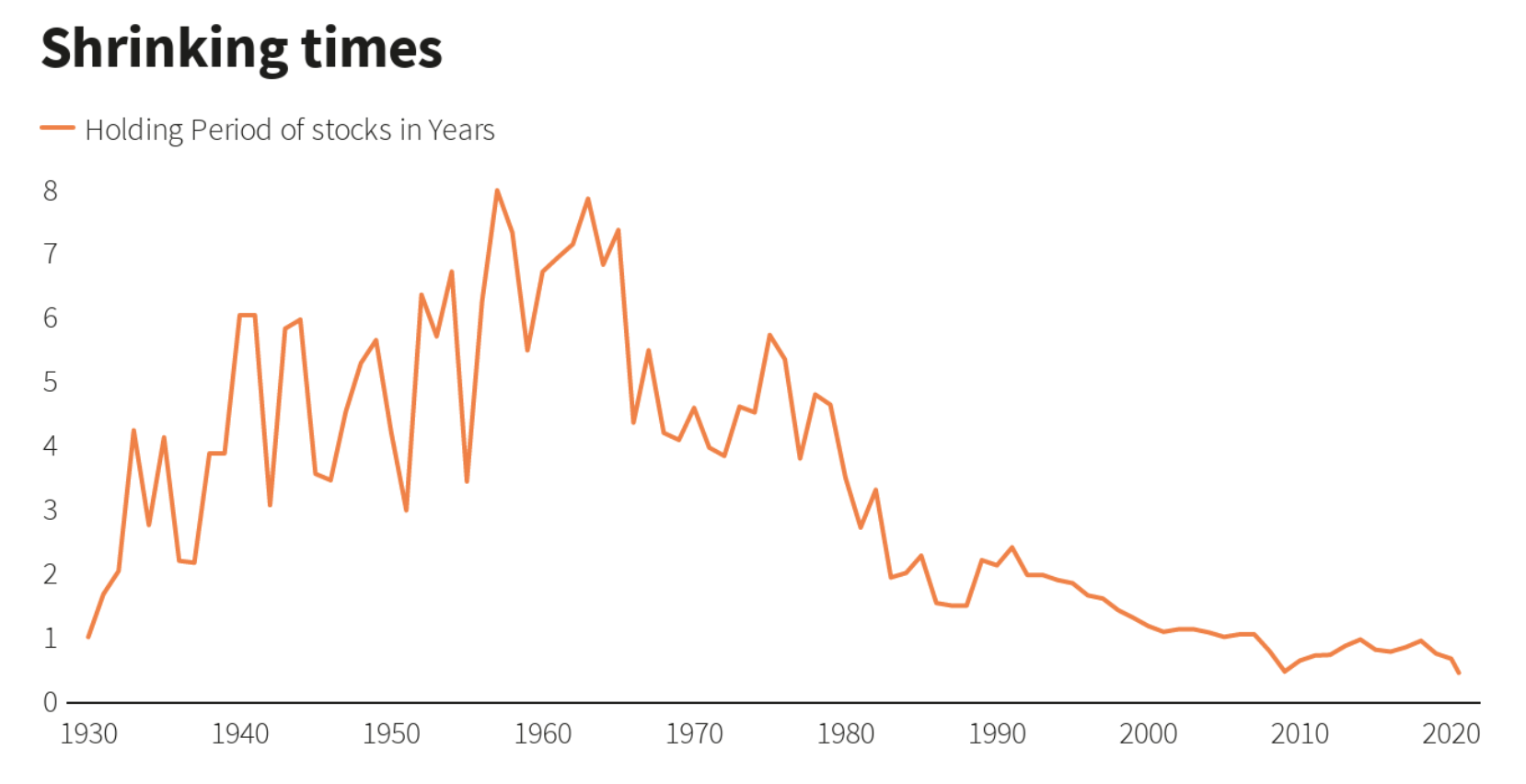
Recession Warnings Rise, Limiting Fed’s Inflation Fight
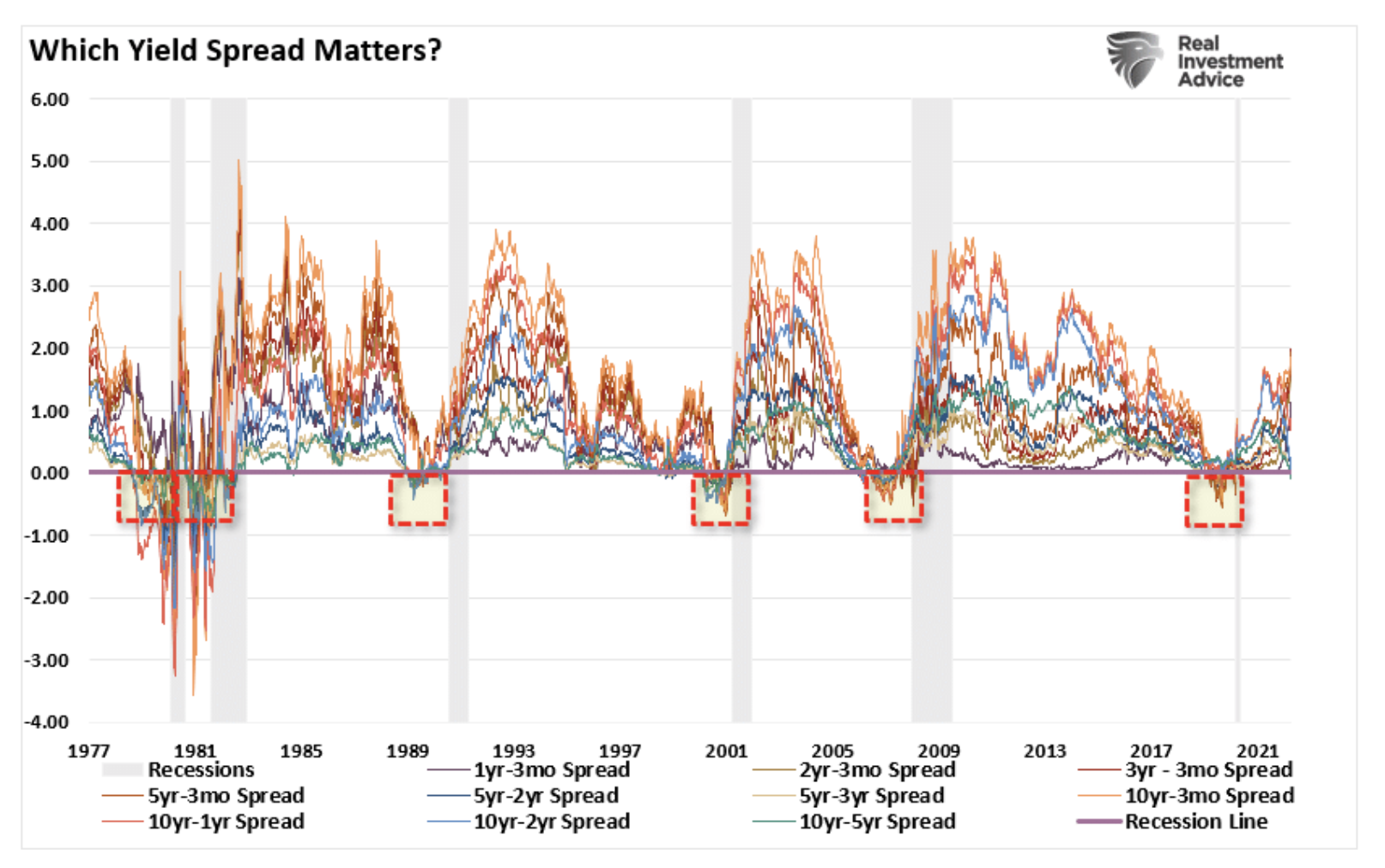
Recession warnings are clearly on the rise. Much of the initial media fervor focuses on the inversion of the yield curve.

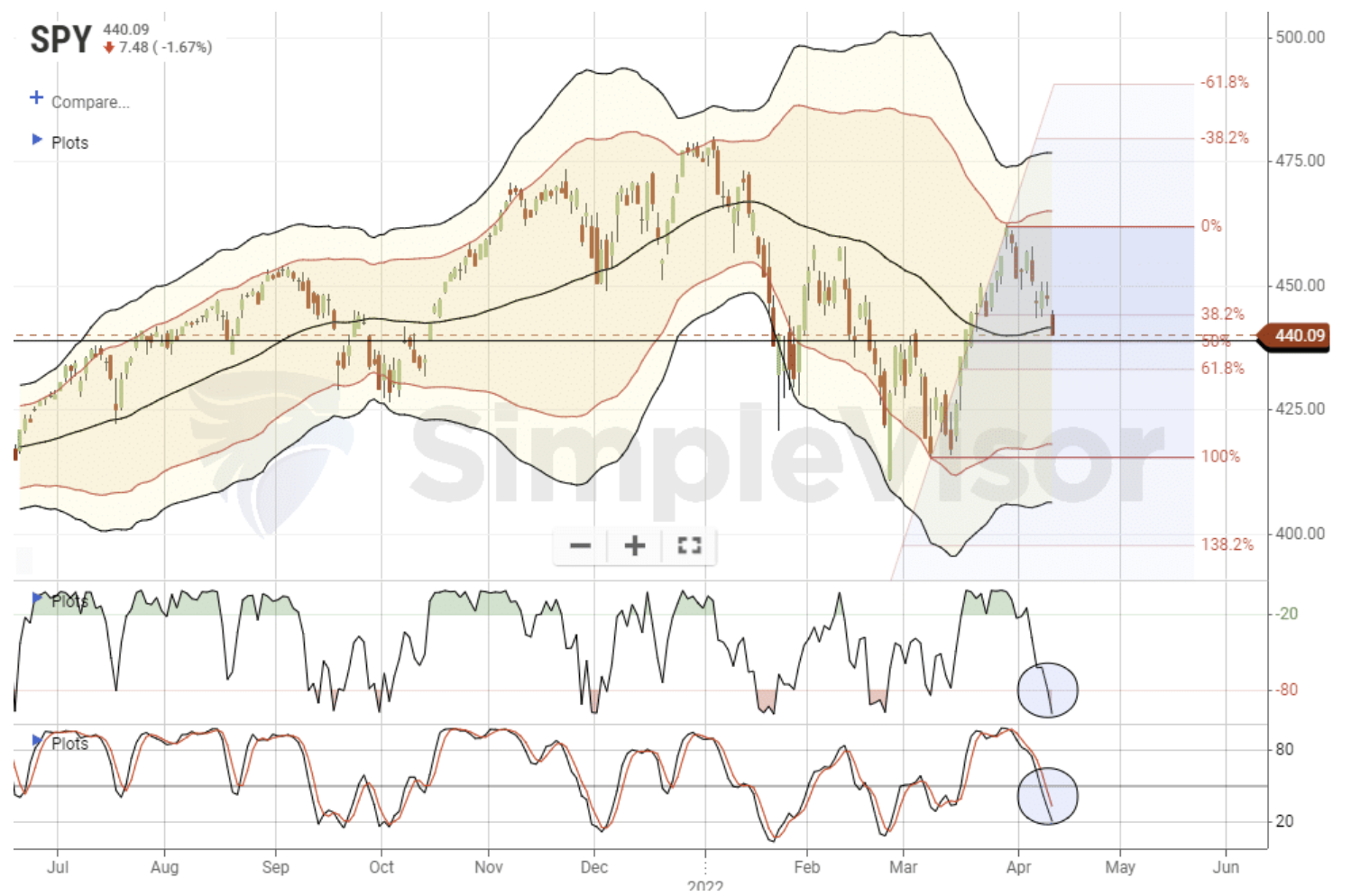
Wisdom Of Crowds Isn’t Always Wise To Follow
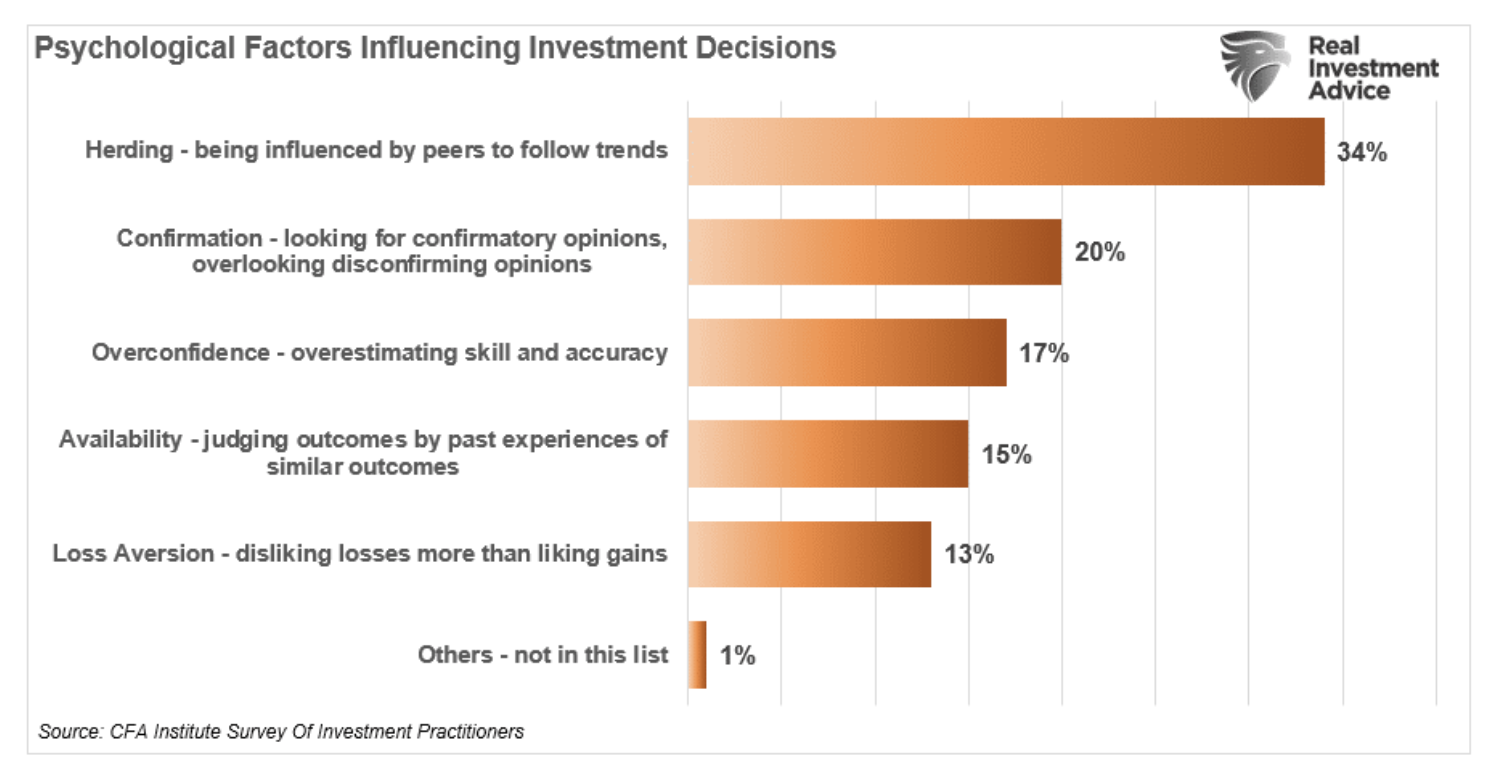
The “wisdom of the crowd” isn’t always wise to follow. A recent article by Scott Nations via MarketWatch made an excellent point.
Goldman Sachs Destroys An Investing Myth?
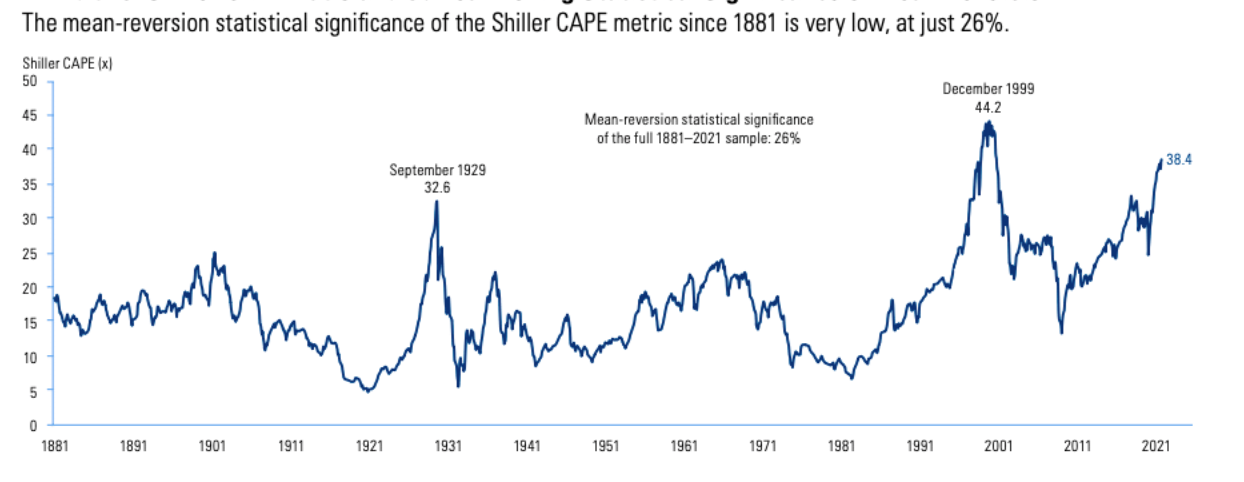
Did Goldman Sachs destroy a persistent myth about investing in stocks? Sam Ro recently suggested such was the case for the “sacred CAPE ratio.”
Bear Market Anatomy – Revisiting Russell Napier’s Work (Annotated)
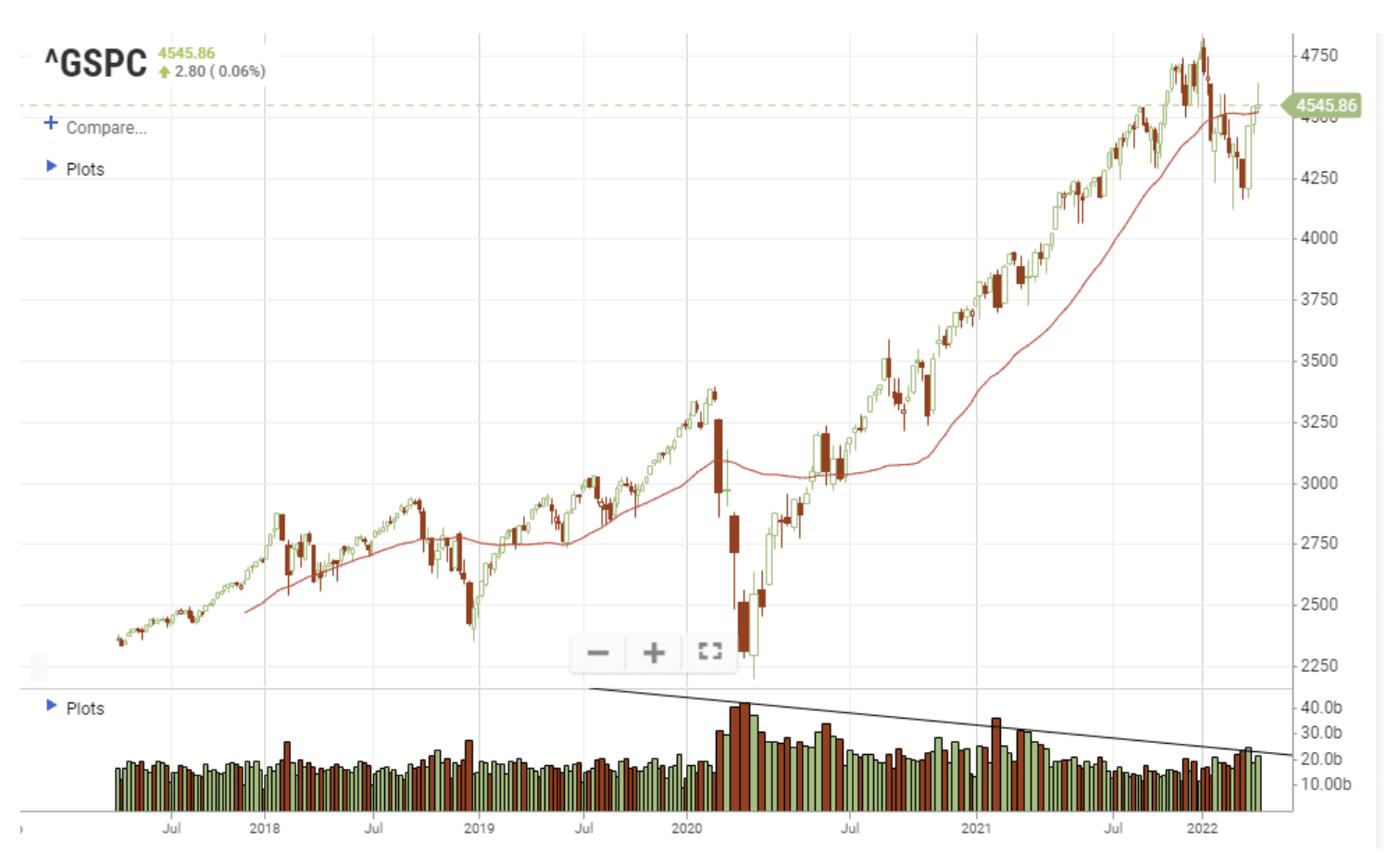
“Anatomy of a Bear Market” by Russell Napier is a “must-read” manuscript. Given current market dynamics, a review seems timely.
Yield Curve Inversions & Media’s Denial Of History

Yield curve inversion conversations are dominating the media to the point it almost sounds like the start of a bad joke.
Surge In Bond Yields Says It’s Time To Buy Bonds

The surge in bond yields suggests that we are nearing the ideal entry point to buy longer-duration bonds for capital appreciation and portfolio protection.
Bailouts And The Demise Of Capitalism And Free Markets

Bailouts are the root cause of the dysfunction of capitalism and the demise of free markets.
Is Cash Trash As Inflation Rages?
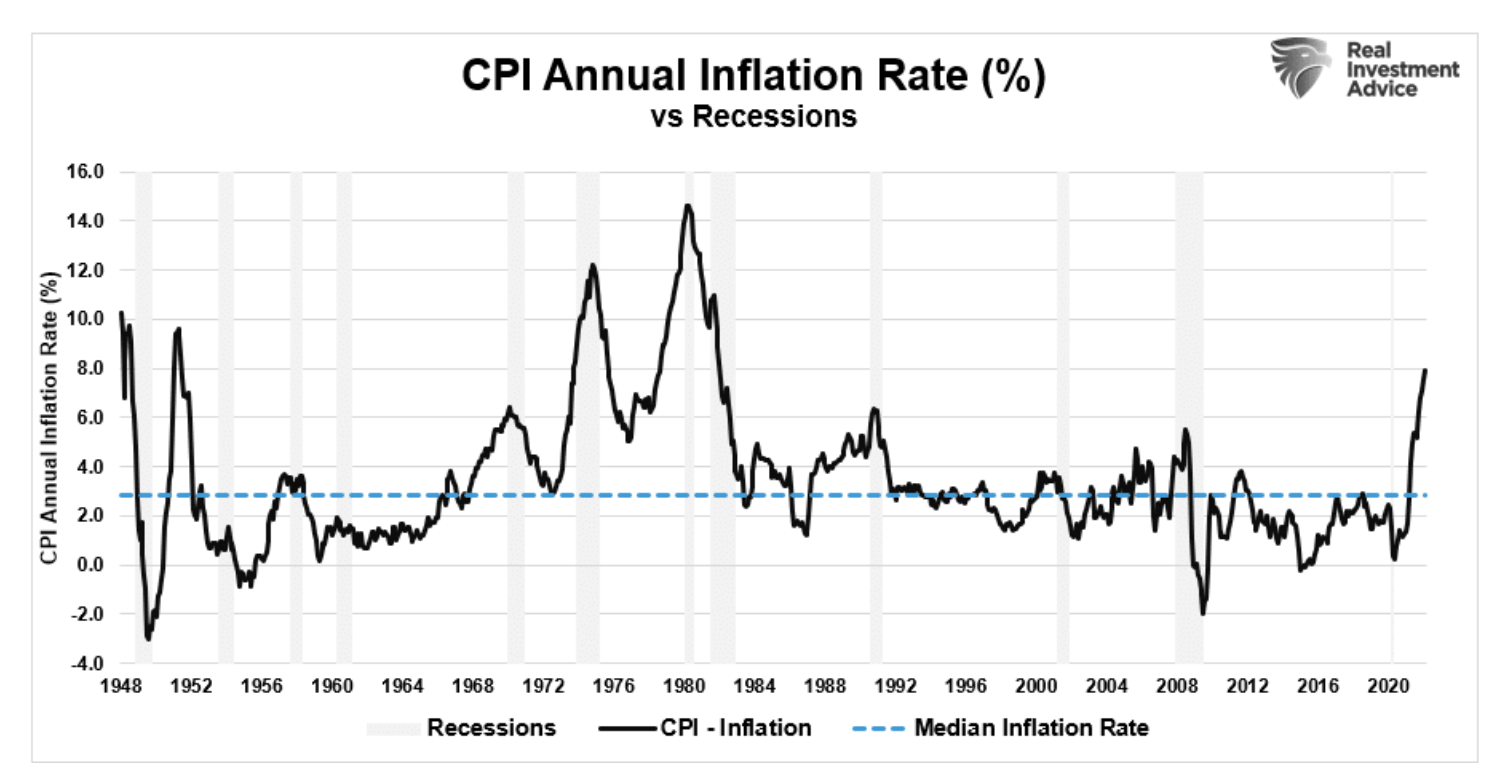
“Cash Is Trash” is a common theme as of late as inflation rages from the massive monetary interventions of 2020 and 2021.
Recession Risk: Rising Rapidly (Or, Could We Be In One Already?)
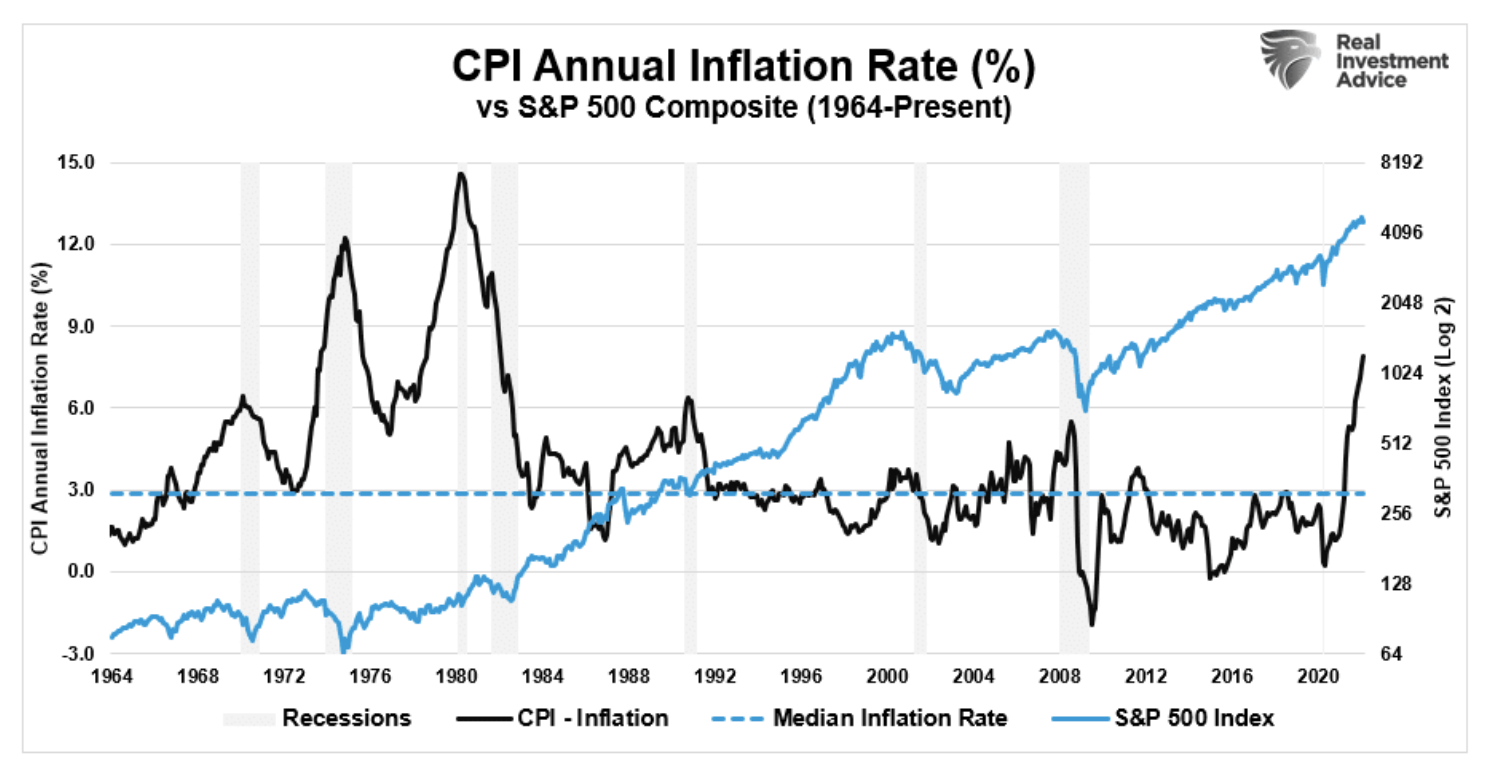
Recession risk is rising rapidly. In fact, it is possible that we may already be in one.
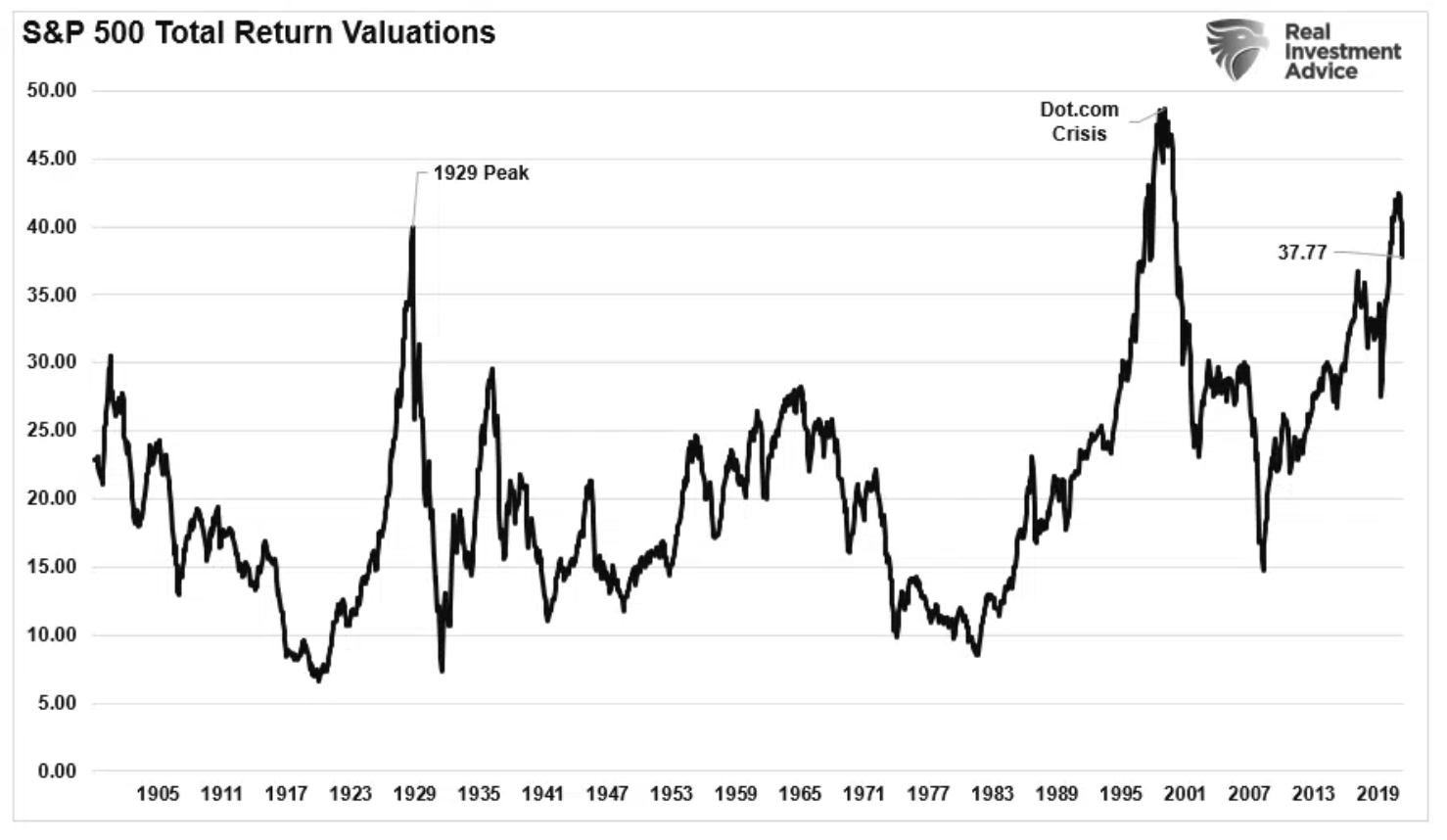
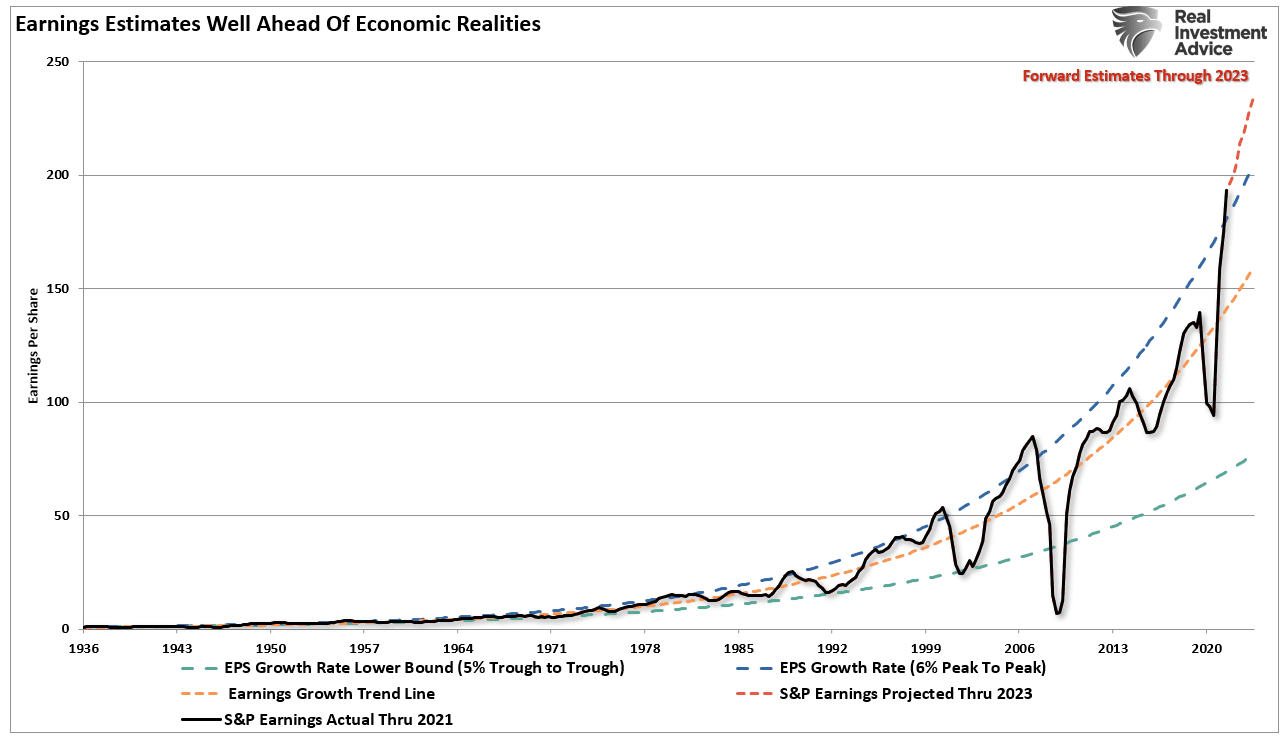
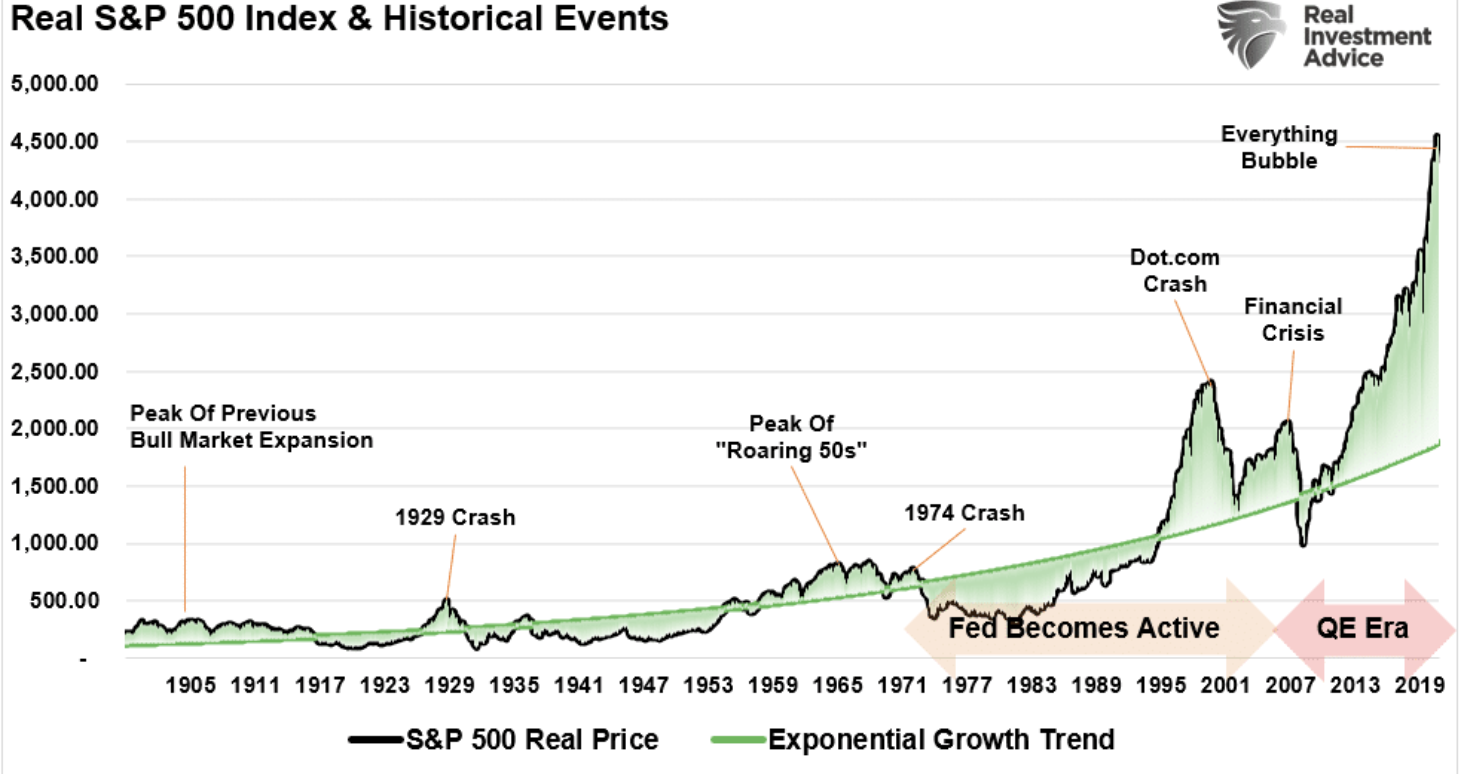

Geopolitical Risk Could Sideline The Fed

“Geopolitical Risk” could well be a reason for the Fed to slow-roll tightening monetary policy in March.
March Stock Rally Doesn’t Negate The Risk Of A Bear Market

A March stock market rally is likely, but does that mean the risk of a bear market is over?
Market Pullback Or Bear Market?

Market pullback or bear market? Such seems to be the question on everyone’s mind as of late, given the rough start to 2022 so far.
Earnings Estimates Will Disappoint As Fed Tightens Policy

Earnings estimates are more deviated from long-term growth trends than at any point in history.
Economic Stagnation Arrives As “Sugar Rush” Fades

Economic stagnation arrives as expected as the “Sugar Rush" of liquidity continues to fade from the system.
A 50-Percent Decline Will Only Be A Correction

A 50-percent decline will only be a correction and not a bear market.
Disinflation Is A Bigger Threat Than Inflation
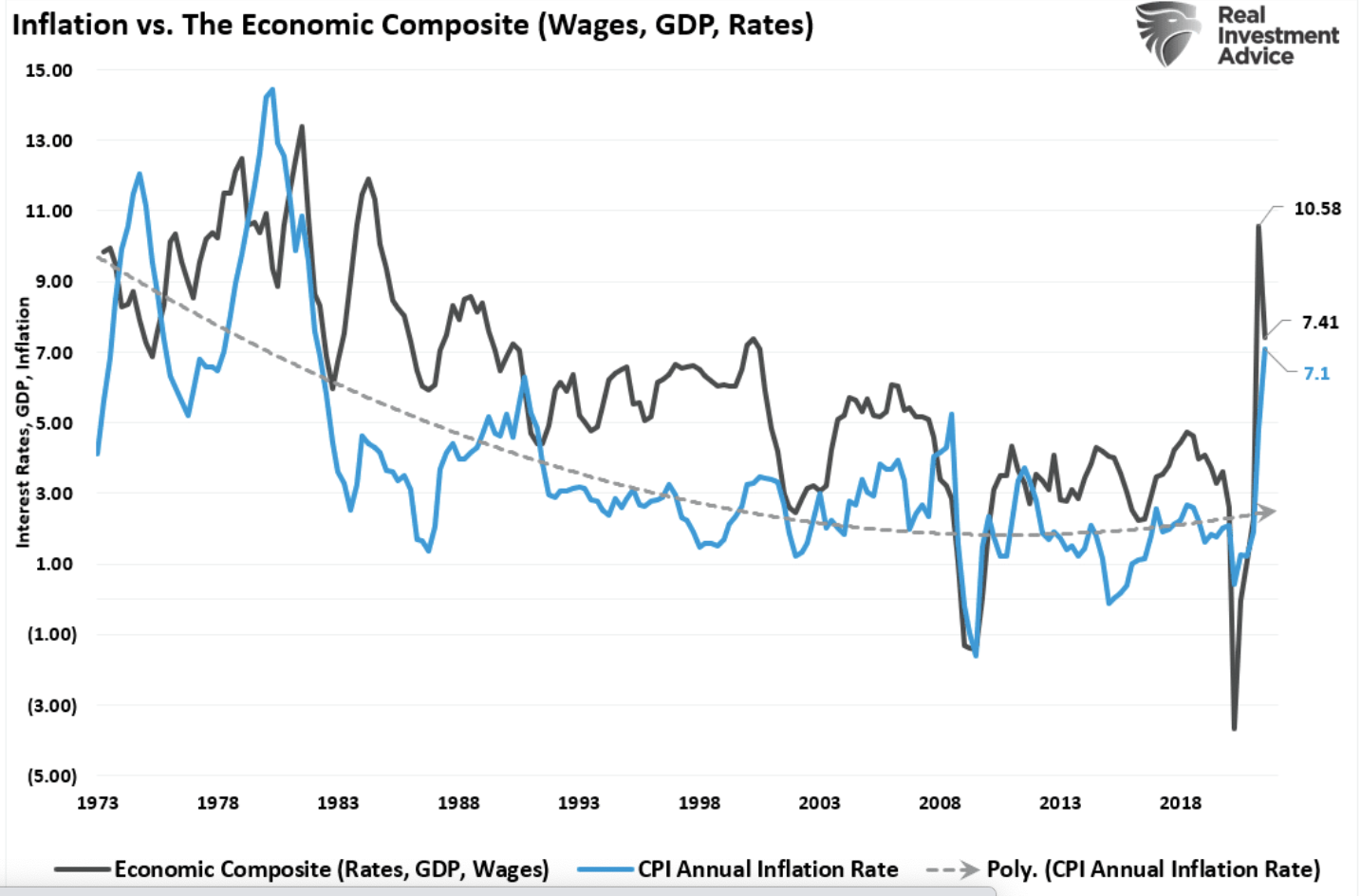
Disinflation, and ultimately deflation, is a more significant threat than inflation over the next two years.
Potemkin Economy: Costs & Consequences

A Potemkin economy has lured the Fed, economists, and Wall Street analysts into a potentially dangerous assumption of economic normalcy.
Grantham: We’re In An Epic Bubble

Jeremy Grantham recently made headlines with his latest market outlook titled “Let The Wild Rumpus Begin.”
Fed Rate Hikes & Risks Of Financial Instability – Part II

What if the Fed can’t hike rates? It’s an interesting question and one we delved into in Part 1 – “Fed Won’t Hike Rates As Much As Expected.”
Rate Hikes: The Fed Won’t Hike Nearly As Much As Expected
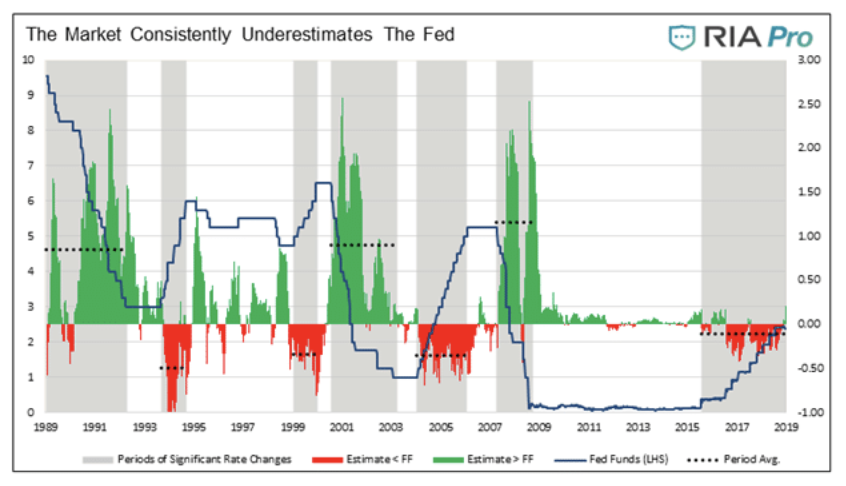
Rate hikes will be far fewer than the markets currently expect.
“Don’t Fight The Fed”

“Don’t Fight The Fed.” But, unfortunately, that mantra has remained a “call to arms” of the financial markets and media “bullish tribes” over the last decade.
“Passive ETFs” Are Hiding The Bear Market

Passive ETFs are hiding a bear market in stocks.


Small Caps Could Be In Trouble In 2022
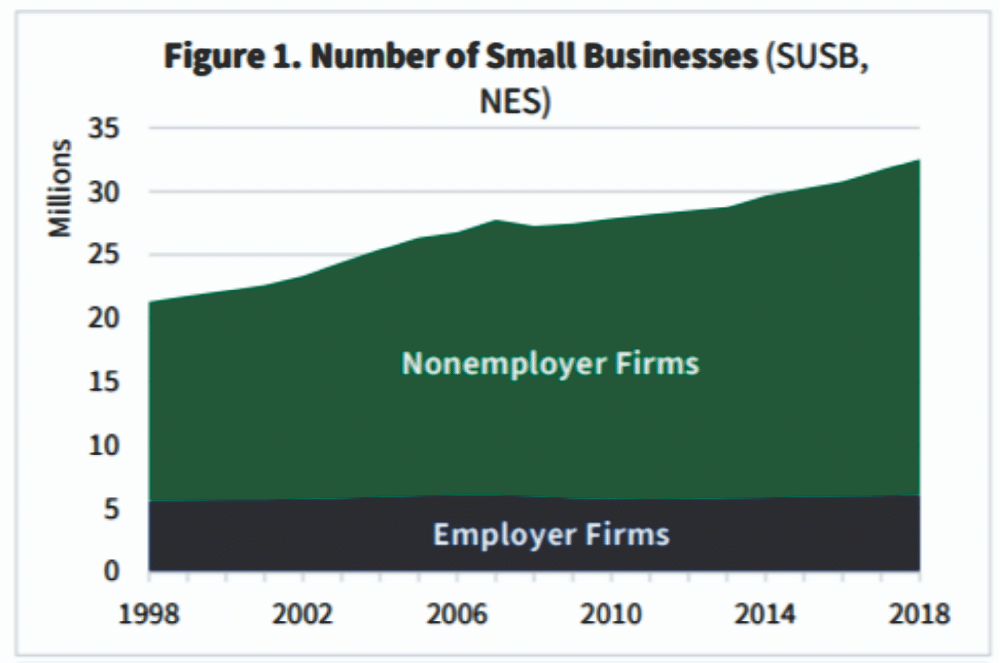
The reality is that despite media commentary to the contrary, debt-driven government spending programs have a dismal history of providing the economic growth promised. As a result, the disappointment of economic and earnings growth over the next year is almost a guarantee.
Bull Markets & Why We Repeat Our Mistakes
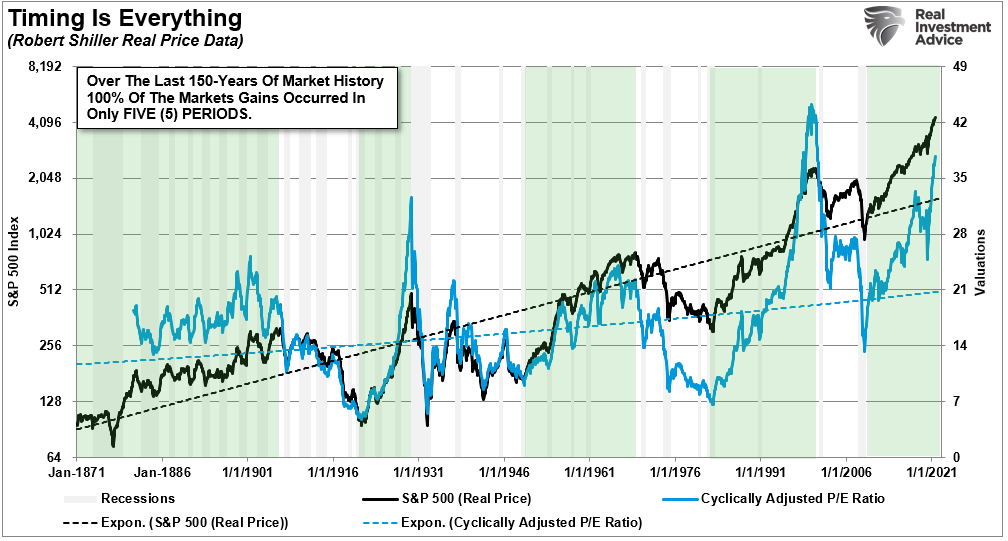
During bull markets, investors have a concise memory of previous bear markets. Such is why, throughout history, cycles repeat as lessons must get learned and relearned.
The Biggest Risk To Stocks Is Not The Fed
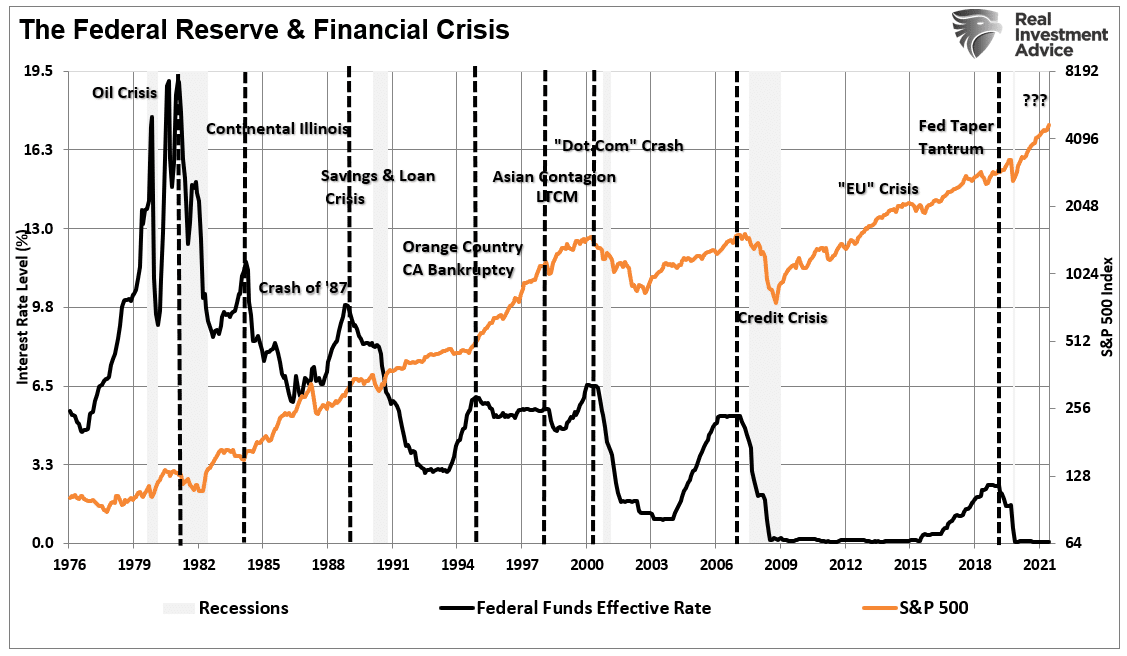
When the Fed initially starts hiking rates, it is usually during a strongly trending bull market. Much like a car rolling downhill in neutral, tapping the brakes initially doesn’t do much to curb the momentum. However, keep pushing on the brake pedal long enough, and the car will slow to stop. There are two things to take away from the chart below.
“Wipe Out” Below The Calm Surface Of The Bull Market

“Wipe Out” is an appropriate description of what is happening beneath the calm surface of the bull market.
Going To Cash Can Be As Costly As A Market Crash
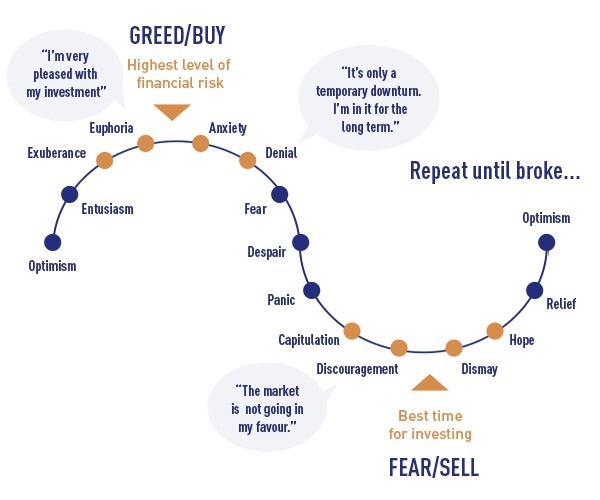
Going to all cash in your portfolio to avoid a crash can be just as costly as the crash itself. A recent CNBC article quoted a $200 billion money manager suggesting “every stock market investor should be ready to go to cash.”
CNBC Index Of MoMo Stocks A Sign Of Exuberance
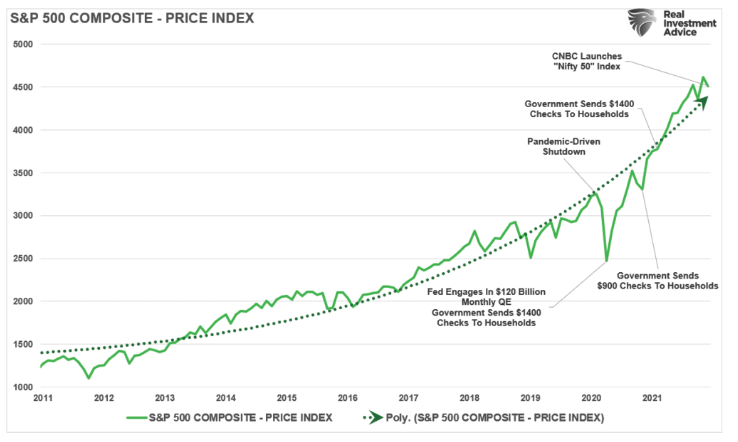
Financial history is littered with the remains of ideas that marked the peaks and troughs of markets over time. From magazine covers to the world’s tallest skyscrapers to new investment products and strategies. Most proved to be the result of the psychology at that time, whether it was excessive bullishness or overwhelming fear.
The Market Is Disconnected From Everything
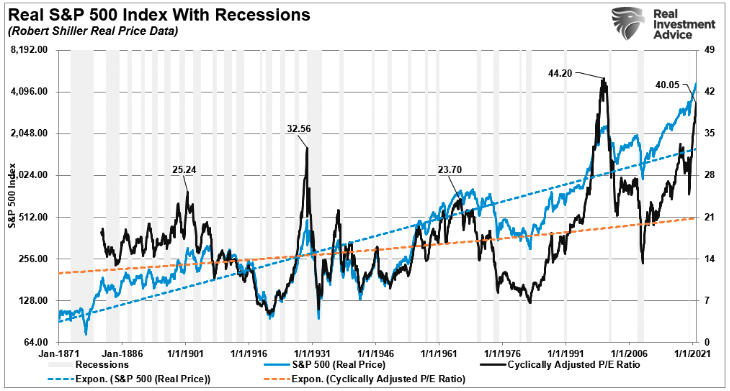
The market is disconnected from everything. Throughout history, there are correlations you would expect to hold constant between the market, consumer confidence, and the economy.
The Fed’s Monetary Policy Has Screwed Americans
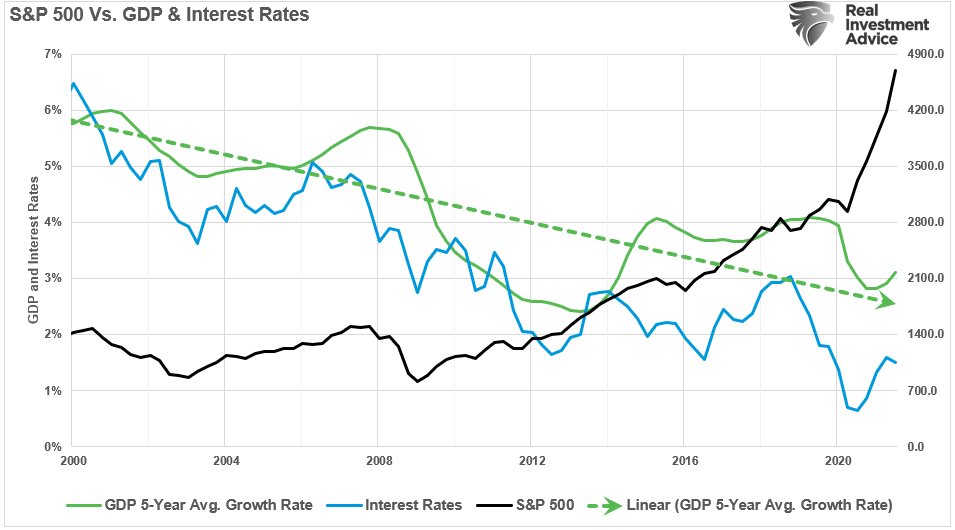
The Fed’s monetary policy has screwed Americans. Such is the basic premise of a recent Washington Times article discussing inflation.
Inflation vs. Deflation – Which Is The Bigger Threat In 2022?
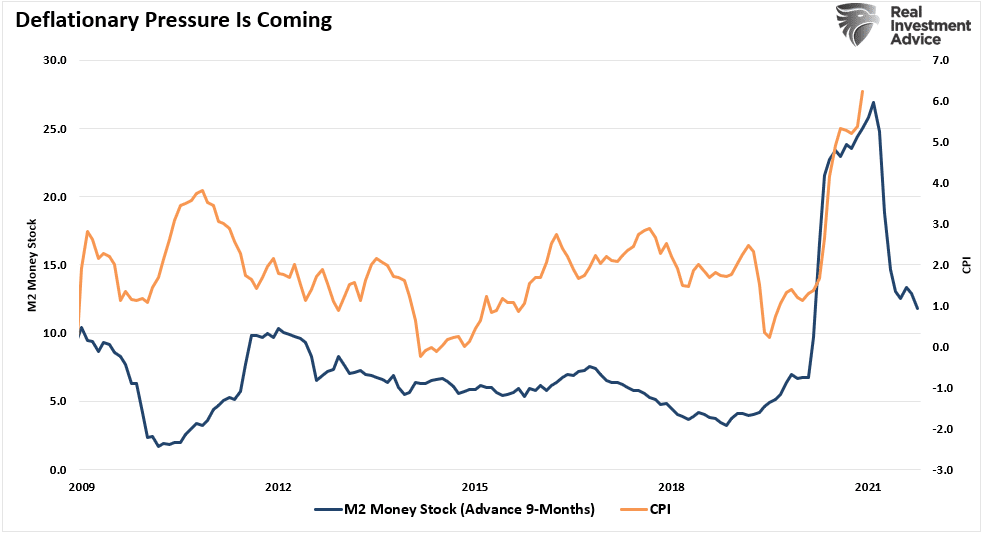
Inflation vs. deflation – while headlines get filled with “inflation” concerns, historical data shows “deflation” remains a threat.
Could The Fed Trigger The Next “Financial Crisis”
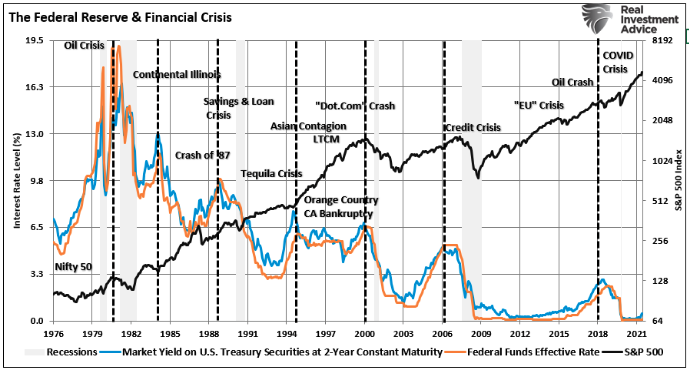
Could the Fed trigger the next “financial crisis” as they begin to hike interest rates? Such is certainly a question worth asking as we look back at the Fed’s history of previous monetary actions.
Rising Interest Rates Matter To The Stock Market
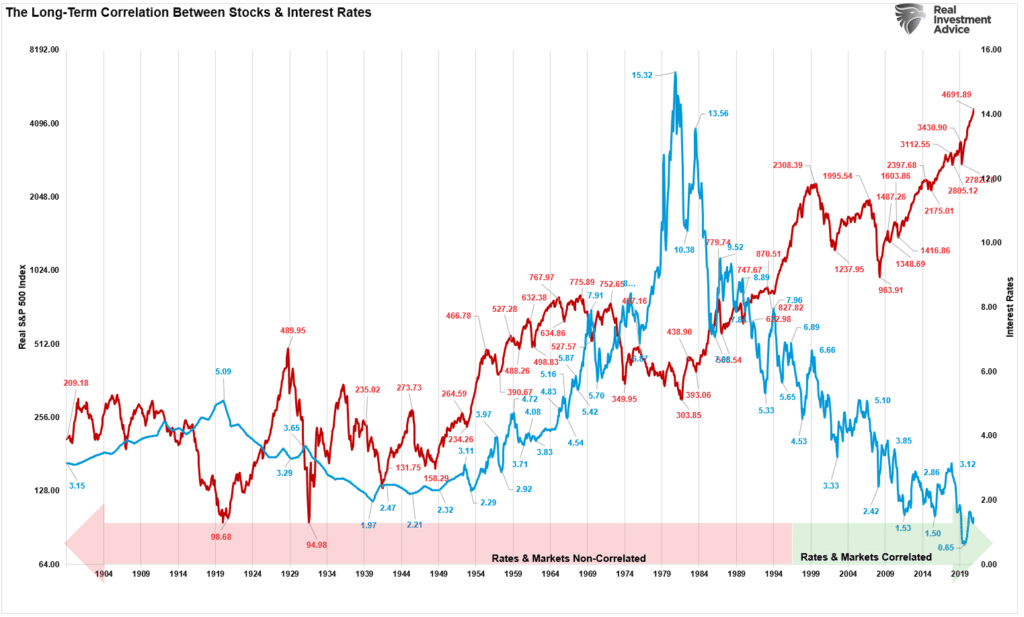
Do rising interest rates matter to the stock market? Many in the financial media and advisory community are scrambling to locate periods where rates rose along with stocks. Has it happened? Absolutely. However, it was only a function of timing until it mattered.
Fed Issues Stock Market Warning As Valuations Surge
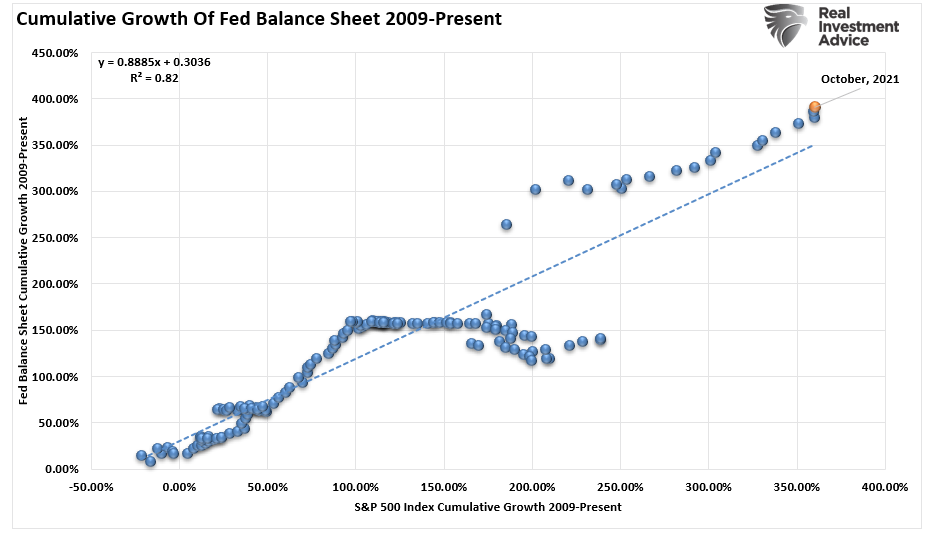
While the Fed notes valuations are elevated, the crucial message to investors gets obfuscated. From current valuation levels, the expected rate of return for investors over the next decade will be low.
Is Cash A Good “Risk” Hedge?

“Is cash a good hedge?” It’s a focus of a recent article discussing “fast” versus “slow” risk which examined the financial impact on equities and cash over long-term periods.
Charting The Stock Market “Melt Up,” & The Fed’s Naivety
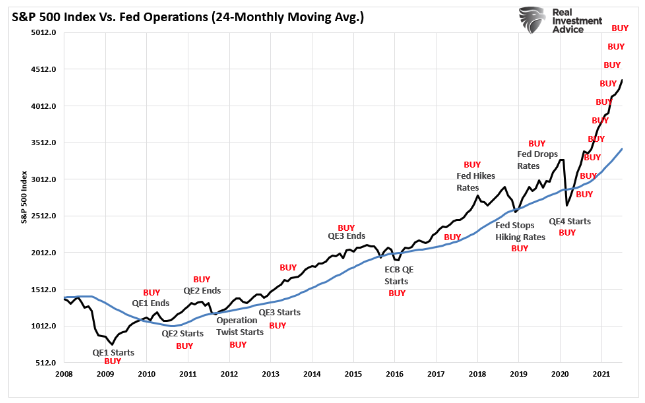
Charting the stock market “melt-up” in prices, and the Fed’s naivety of the laws of physics may be of benefit to younger investors. After more than a decade of rising prices, accelerating markets seem entirely normal, detached from underlying fundamentals. As a result, new acronyms like “TINA” and “BTFD” get developed to rationalize surging prices.
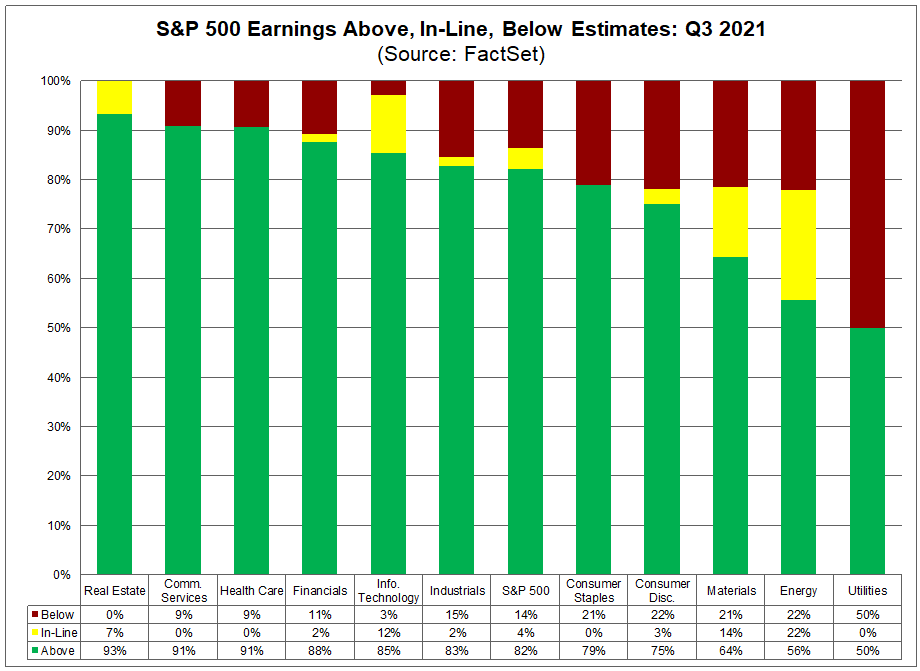
40% Of The Bull Market Is Due Solely To Buybacks
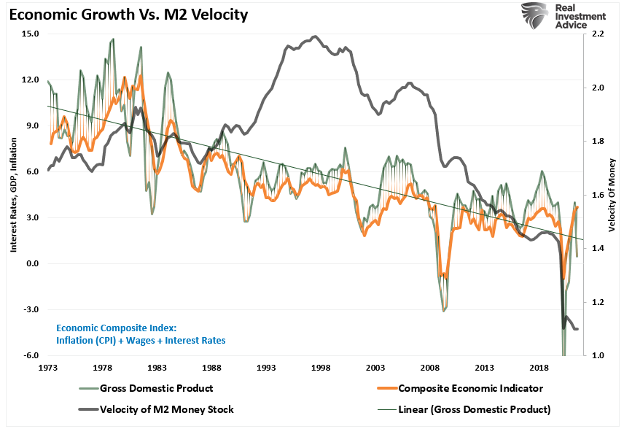
What If I told you that 40% of the bull market rally over the last decade was from buybacks alone? That may not be as crazy as it sounds.
The Bull & Bear Market Case – Part 2

While the promise of a continued bull market is very enticing, it is essential to remember that all markets ultimately complete a “full cycle.” Therefore, if your portfolio, and eventually your retirement, depends on the thesis of an indefinite bull market, you should at least consider the following charts.
Bob Farrell’s 10-Investing Rules For A “QE” Driven Market

Like all rules on Wall Street, Bob Farrell’s rules are not hard and fast. There are always exceptions to every rule, and while history never repeats exactly, it often “rhymes” closely.
The Bullish & Bearish Market Case

We dig into the bullish and bearish case for the market as we head into the end of the year. Currently, investors face a conundrum between year-end seasonality and the Fed starting to taper its bond-buying program.
Technically Speaking: Is The Risk Of A Bigger Correction Over?
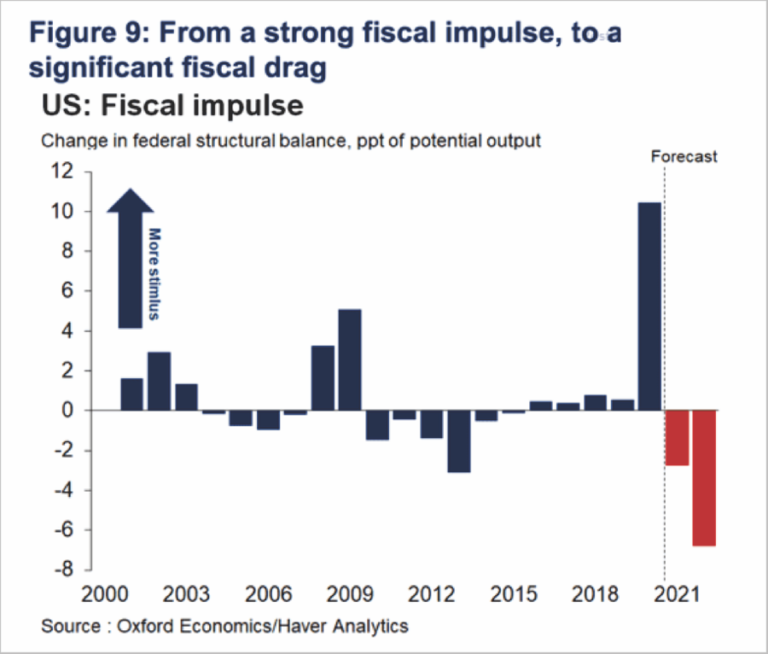
Is the risk of a more significant correction over now that the expected 5% decline is complete? That was a hotly debated question after this past weekend’s newsletter supporting the idea of a reflexive rally into year-end.
Why We Aren’t Repeating The Roaring 20’s Analog
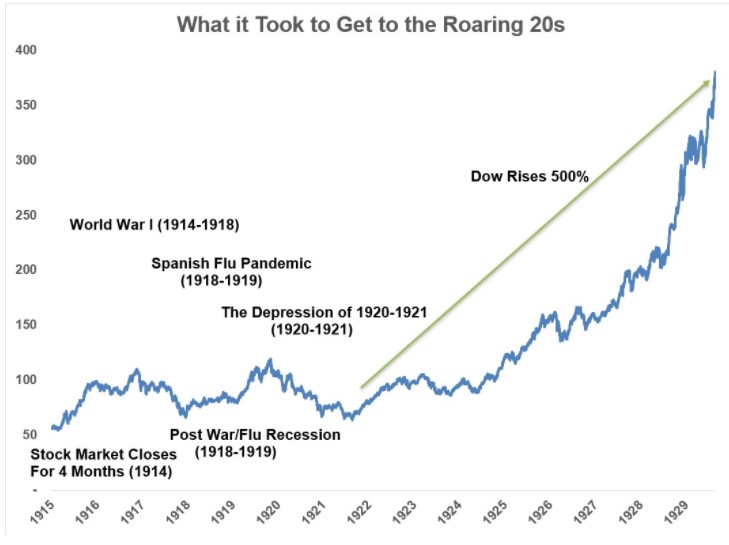
No. We are not repeating the “Roaring 20’s” analog. Ben Carlson had a recent post asking if the “Roaring 20’s” are already here?
The 5000-Year View Of Rates & The Economic Consequences
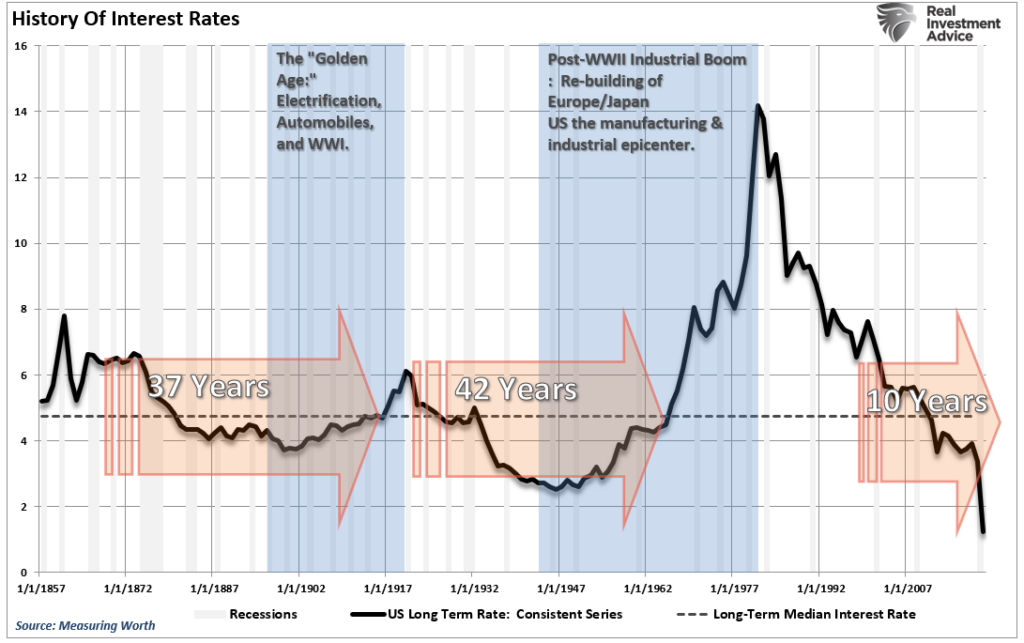
The fact we have the lowest interest rates in 5000-years is indicative of the economic challenges we face.
Technically Speaking: Stocks Bounce Off The Lows. Time To Buy?
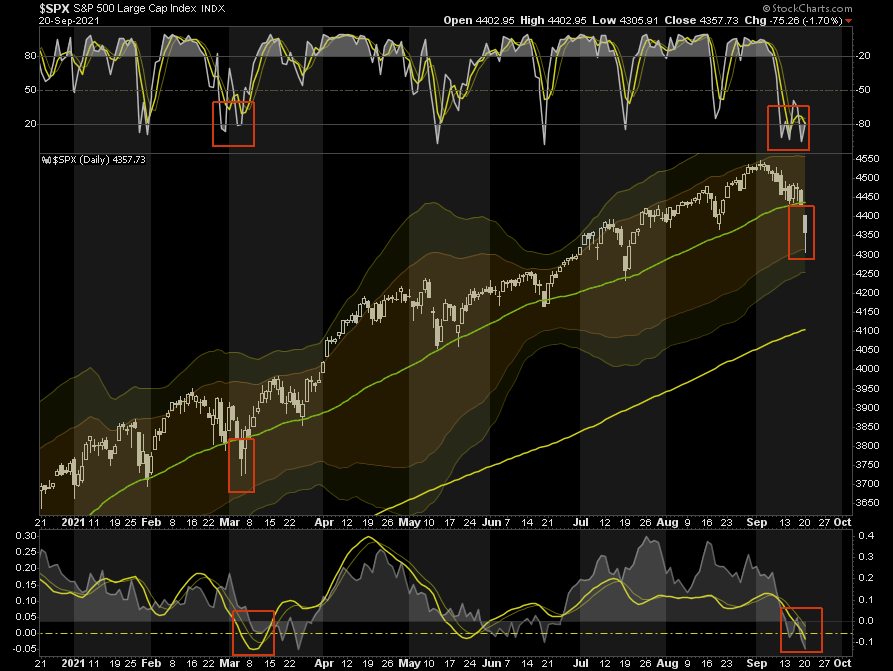
On Monday, stocks solidly cracked below the 50-dma, but the bounce off the lows has investors asking if it’s “time to buy?”
Deficit Deniers & 40-Years Of Economic Erosion
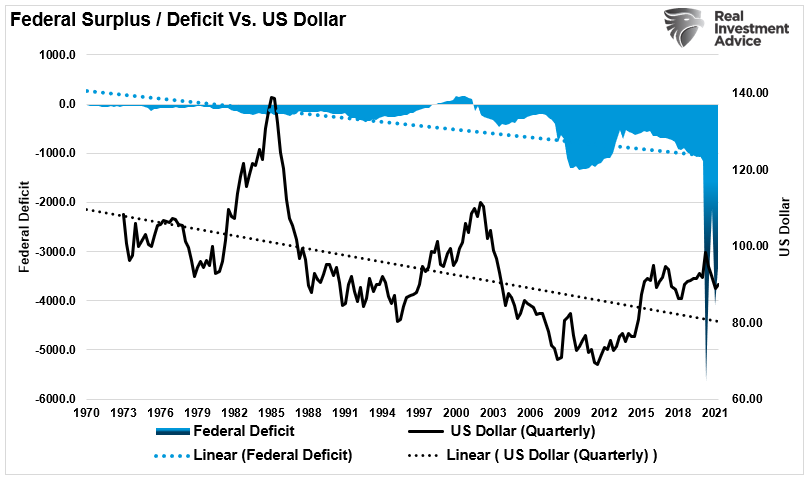
After 40-years of economic erosion, there are still deficit deniers.
Wall Street Sets Its Sights On S&P 5000

We don’t disagree the S&P 500 could well hit a target of 5000. But, let us be honest about the reasons why...
What’s Wrong With Gold? Absolutely, Nothing.

Gold. What’s wrong with it? From spiking inflation, falling real interest rates, and massive money printing, it seems logical that gold, a touted inflation hedge, should be rising. Yet, so far this year, gold has done little.
Technically Speaking: The Bulls Warn The Fed Not To Taper
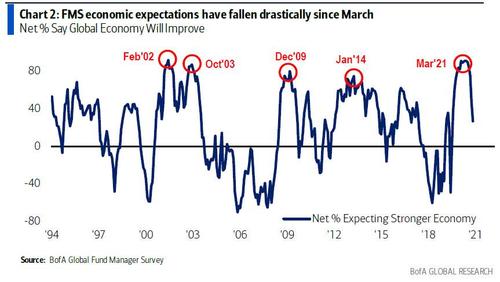
As the Fed started to talk about “taper,” the “bulls” sent a stern warning with a 2% “crash” they shouldn’t. After a couple of weeks of several Fed speakers discussing the need to reduce monetary accommodation, a quick sell-off brought had Powell singing a “dovish” tone at the recent Jackson Hole summit.
Japanization: The S&P 500 Is Tracking The Nikkei Of 1980

The question of Japanization in the U.S. continues as the S&P 500 tracks the Nikkei of 1980.


Fastest Bull Market In History As S&P 500 Doubles

In the fastest bull market in history, the S&P 500 doubled from its pandemic lows.
Did The Fed’s Monetary Policy Experiment Just Fail?

Did the Fed’s “monetary policy experiment” fail?
When Is The Next Bear Market? 3-Things Will Tell You

The question I get most often is “when is the next bear market?” There are three specific items that tend to predict bear markets and recessions with some accuracy.
The Data Shows The Fed Is Behind The Surging Wealth Gap

The data shows the Fed is behind the surging wealth gap.
Was That The Peak Of Economic Growth & Earnings
Was the second quarter the peak of economic growth and earnings?
Technically Speaking: Past Performance Is A Guarantee?

“Past Performance Is no guarantee of future of results.” Such is the disclaimer below every performance chart produce by the financial marketplace.
A Grossly Defective Product. How Strong Is The Economy Really?

A few years ago, Paul Wallace penned an article entitled: “GDP Is A Grossly Defective Product.” The recent release of the Q2-2020 report reminded me of it as the media fawned over the 7.6% print.
Technically Speaking: The Markets Next "Minsky Moment"

In this past weekend’s newsletter, I discussed the issue of the markets next “Minsky Moment.”
Shortest Recession In History Sets Up Next Recession

It’s now official that the recession of 2020 was the shortest in history.
Monetary Policy Is Not Expansionary

Monetary policy is not expansionary despite widespread belief otherwise.
Knowledge Vs. Experience: Why Most Investors Wind Up Losing

Knowledge vs. experience. When it comes to investing, such is what separates long-term success from failure.
Technically Speaking: Is The Retail Investor Rampage Over?

Is the retail investor rampage over?
MacroView: Bond Yields Send An Economic Warning

Bond yields are sending an economic warning as this past week 10-year Treasury yields dropped back to 1.3%.


ESG Investing – The Great Wall Street Money Heist

Wall Street is once again in the midst of a “money heist” from naive investors.
Technically Speaking: COT Report Shows Stage Set For Volatility

A couple of weeks ago, in “Warning Signs A Correction Is Ahead,” we said quite a few indicators set the stage for a pick-up in volatility.
Technically Speaking: Slowly At First, Then All At Once

Bull markets always seem to end the same – slowly at first, then all at once.
You Can’t Create Permanent Inflation From Artificial Growth

Much like “Humpty Dumpty,” despite the Fed’s best efforts, you can’t create permanent inflation from artificial growth.
Fed Starting Campaign To Taper Its Asset Purchases

Over the last couple of months, the Fed started its campaign to prepare markets for a “taper” of its asset purchases.
Technically Speaking: Warning Signs A Correction Is Ahead

After a decent rally from the recent lows, there are multiple warning signs a correction approaches.
Have Stocks Already Priced In The “Economic Boom?”

The media is buzzing with claims of an “Economic Boom” in 2021.
Bear Markets Matter More Than You Think (Part-2)

Bear markets matter, and they matter much more than you think.
Technically Speaking: Picking Up Pennies In Front Of A Steamroller

I can understand the confusion when this past week I discussed the issue of “If everyone sees it, is it still a bubble?”
Technically Speaking: Yardeni – The Market Will Soon Reach 4500

“The strong economic recovery will not get interrupted by inflation or a credit crunch, and the market will soon reach 4,500.” – Ed Yardeni via Advisor Perspectives
Confusing Market Crashes & Bear Markets. (Part-1)

Over the long term, confusing market crashes and bear markets can be detrimental to investor outcomes.
Technically Speaking: If Everyone Sees It, Is It Still A Bubble?

“If everyone sees it, is it still a bubble?” That was a great question I got over the weekend.
NFIB Data Says It’s Only An Economic Recovery

The recent NFIB survey suggests we are only in an economic recovery, not an expansion.


Low Future Returns Requires A “Real” Bear Market

When there is a discussion of low future returns due to valuations, what gets missed is that such requires a bear market.
#MacroView: Siegel On Why Stocks Could Rise 30%
During a recent CNBC interview, Jeremy Siegel suggested stocks could rise another 30% before the boom ends.
There Is No Way This Bull Market Doesn’t End Very Badly

There is no way this bull market doesn’t end very badly.
#Fundamentally Speaking: Earnings Optimism Explodes

As markets surge to record highs, analysts are rushing to ratchet up earnings estimates as optimism explodes.
March Jobs Report – Millions Missing From The Roles

Recently, the March jobs report showed a whopping 916,000 new jobs.
Survey Of Retail Investors Shows The Blind Lead The Blind

In retail investing, do the “blind lead the blind?” Such was a question I asked recently about young investors who are “Long Confidence And Short Experience.”
Biden’s Stimulus Will Cut Poverty By 40% – For One Year.

President Biden’s stimulus bill “will cut the number of children in poverty by 40%,” according to the Center on Budget and Policy Priorities.
#MacroView: Could A “Transaction Tax” Be A Good Thing?

I recently discussed why “Free, Isn’t Really Free” regarding the retail investor. While “free trades” have certainly reduced the transaction costs, the selling of data to the highest bidder has likely cost investors more than they saved.
The Fed Has Forced Investors To Take On Excess Risk

Since the “Financial Crisis,” the hope was that inflating asset prices would trickle down into economic growth.
Payment For Order Flow & The Fleecing Of The Retail Investor

The fleecing of retail investors continues as “payment for order flow” expands.
Retail Investors Are Long Confidence And Short Experience

In a “market mania,” retail investors are generally “long confidence” and “short experience” as the bubble inflates. While we often believe each “time” is different, it rarely is. It is only the outcomes that are inevitably the same.
Sugar Rush! Why The Economy Will Run Hot, Then Crash

The expected “sugar rush” from more stimulus is why the economy will “run hot” then crash. As every parent knows, giving a child too much “sugar” leads to a “rush” of energy. Then comes the crash, where you find them in some odd place taking a nap.
Powell Changes The Rules On QE

The markets took a tumble to start this week as rising interest rates and inflationary pressures begin to weigh on outlooks. Those worries quickly diminished as Jerome Powell changed the rules to reassure Wall Street that “QE” is here to stay.
The Only Reason To Be “Bearish” Is “No One Is Bearish”

More than 90% of investors believe the economy will be more robust in 2021, with a consensus it’s a V-shape recovery. For the first time since January 2020, chief investment officers want to increase capital spending rather than improve balance sheets.
Howard Marks On Speculative Manias
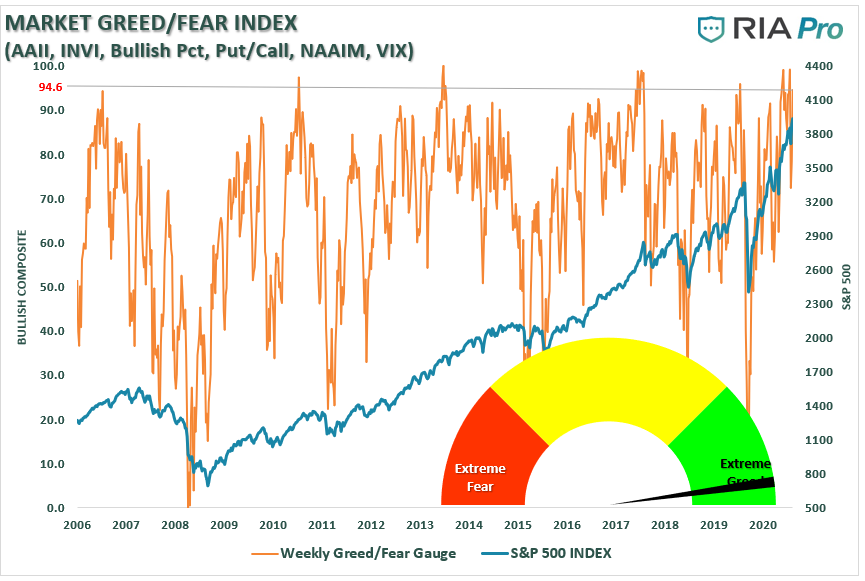
One of my favorite investing legends is Oaktree Management’s Howard Marks. His investing wisdom and in-depth knowledge of investor psychology and market dynamics are unparalleled. Given the “speculative mania” we continue to watch in the market, I thought a review of some of his previous thoughts is appropriate.
Powell Is Wrong. More Stimulus Won’t Create Employment
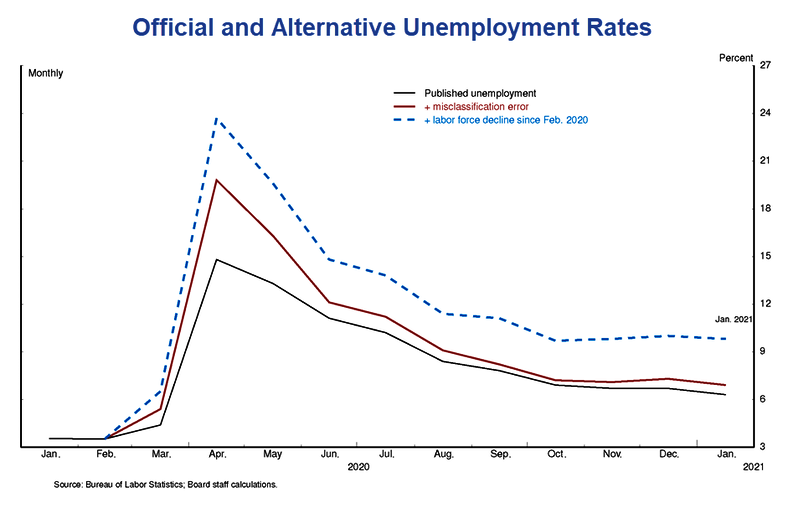
As discussed in Friday’s #Macroview, stimulus, mainly when it comes from debt, does not create organic economic growth. In the second part of this analysis, we delve into why Powell is wrong when he says more stimulus will solve the employment problem.
Bull Mania & The Charge Of The Light Brigade

2021 has certainly started off interesting. From Reddit readers chasing the most heavily shorted stocks, to the new Administration discussing more stimulus, investors have had plenty to deal with. A market review seems appropriate as the bulls seem to remain bulletproof even as the mania grows.
The Fed, Zombies, & The Pathway To Japanification
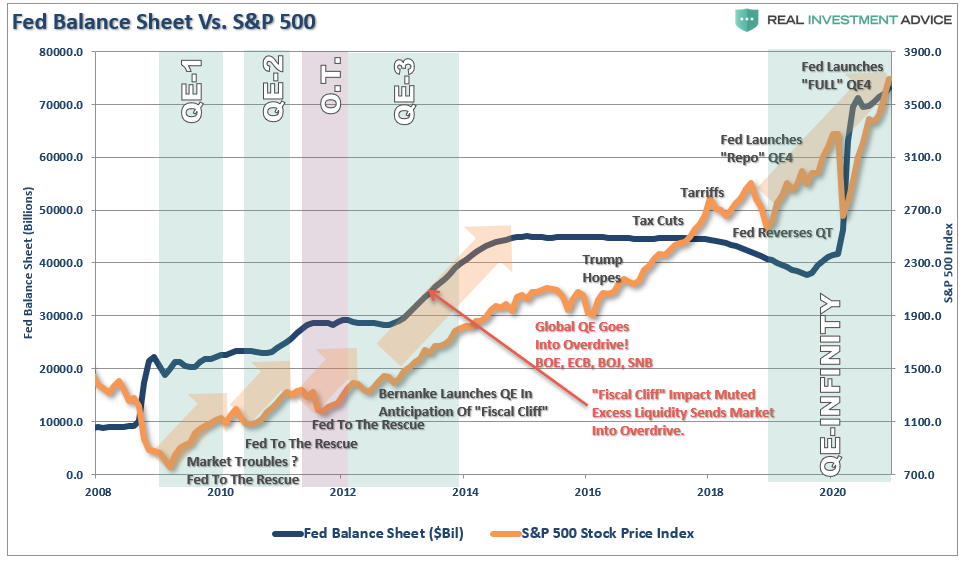
The Fed recognizes their ongoing monetary interventions have created financial risks in terms of asset bubbles. They are also aware that most policy tools are likely ineffective at mitigating financial risks in the future. Such leaves them being dependent on expanding their balance sheet as their primary weapon.
The Illusion Of Soaring Savings Amid Rising Economic Uncertainty

The illusion of surging savings rates or the decline in the debt-to-income ratios obfuscates the real economic problems and fosters the belief that monetary policies are working. They aren’t.
The Problem With Analysts Forecasts

We can’t predict the future. If we could, fortune tellers would all win the lottery. They don’t, we can’t, and we aren’t going to try. However, this doesn’t stop the annual parade of Wall Street analysts from putting out forecasts on the S&P 500.
NFIB Survey: Sends A Strong Warning About Small-Cap Stocks

In September 2019, I wrote “NFIB Survey Trips Economic Alarms,” Of course, it was just a few short months later the U.S. economy fell into the deepest recession since the “Great Depression.” The latest NFIB survey is sending a strong warning to investors piling into small-cap stocks.
Yes, Virginia. There Is A Stock Market Bubble.

As we enter 2021, there are two myths told to investors to support the bull market narrative. The first, as we debunked recently, is that low-interest rates justify high valuations. The second is that since valuations are not as high as the “dot.com” crisis, there is no “stock market bubble.”
Why There Is Literally No “Cash On The Sidelines.”

In the current bull market advance, few people are willing to sell, so buyers must keep bidding up prices to attract a seller to make a transaction. As long as this remains the case, and exuberance exceeds logic, buyers will continue to pay higher prices to get into the positions they want to own.
Why The Second Stimulus Won’t Have Much Economic Impact
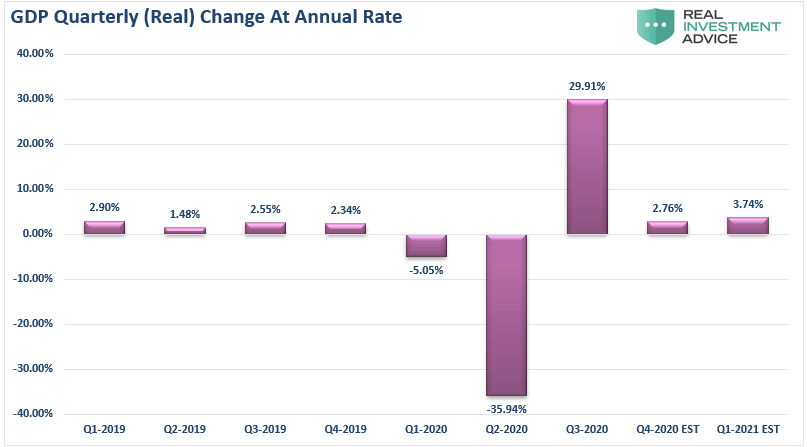
In October, I discuss how the “2nd Derivative Effect” would mute the impact of future stimulus programs. With the passage of the $900 billion stimulus package, we can update the estimates for the economic impact heading into 2021.
Shades Of 1999 As “Market Mania” Returns In 2020
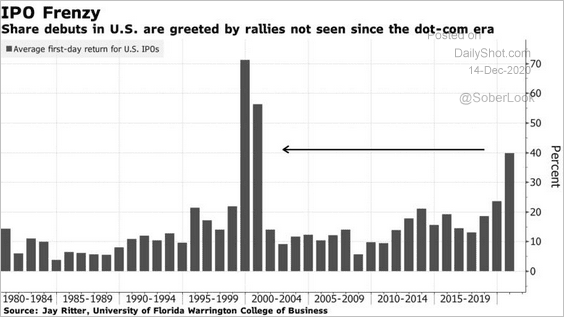
“Maybe this time is different. Those words, supposedly the most dangerous to utter in the investing realm, came to mind amid the frenzied pops in the highly anticipated initial public offerings recently.” That quote was from Randall Forsyth discussing why the current market mania reminds him of the “Shades of 1999.”
Yellen’s “Arranged Marriage” To The Fed
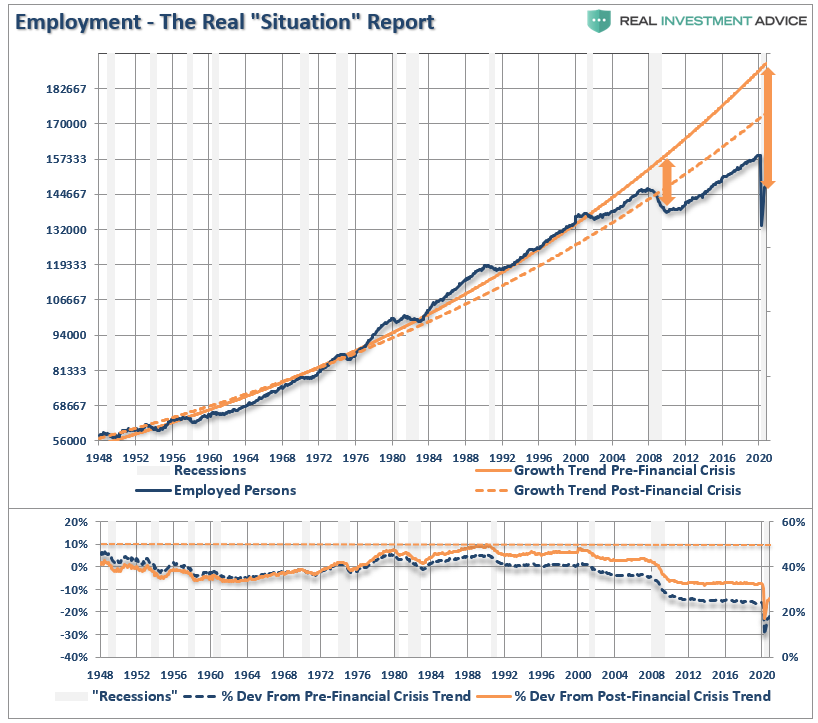
Recently, President-Elect Joe Biden named Janet Yellen to be his administration’s Treasury Secretary. Yellen quickly proclaimed the reason “I became an economist was because I was concerned about the toll of unemployment on people, families, and communities.” Such provides excellent commentary, but her track record as Federal Reserve Chairman shows she is more for the top 10% of the economy than the bottom. In reality, and what the markets already suspect, her appointment is an “arranged marriage” to the Fed.
A Major Support For Asset Prices Has Reversed
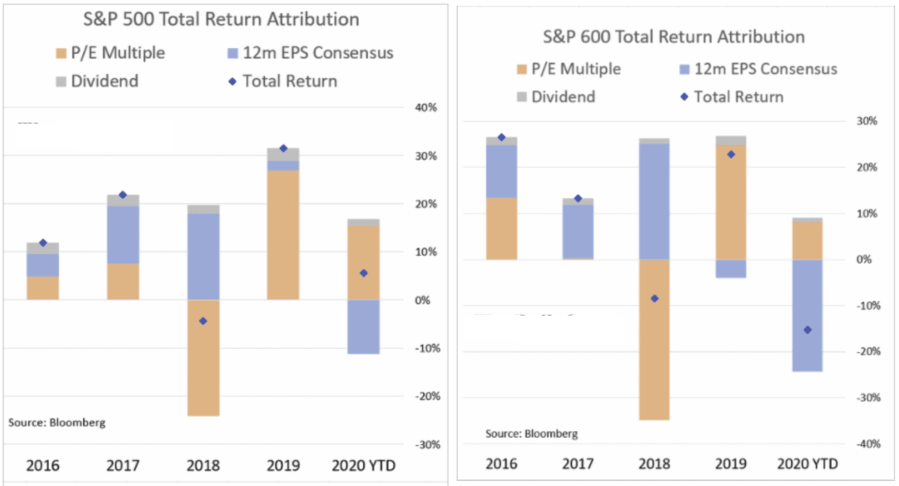
In 2019, we wrote about how corporate share repurchases, or “stock buybacks,” had accounted for nearly all buying in the market. A year later, that significant support for asset prices has reversed.
Shiller: ECY & Justification For Sky-High Stock Prices
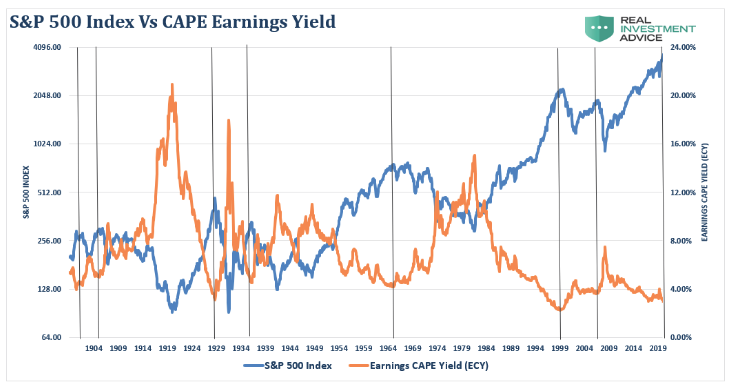
There is much to debate about the current level of interest rates and future stock market returns. However, what is clear is the 40-year decline in rates did not mitigate two extremely nasty bear markets since 1998, just as falling rates did not mitigate the crash in 1929 and the subsequent depression.
Earnings Growth Will Disappoint In 2021
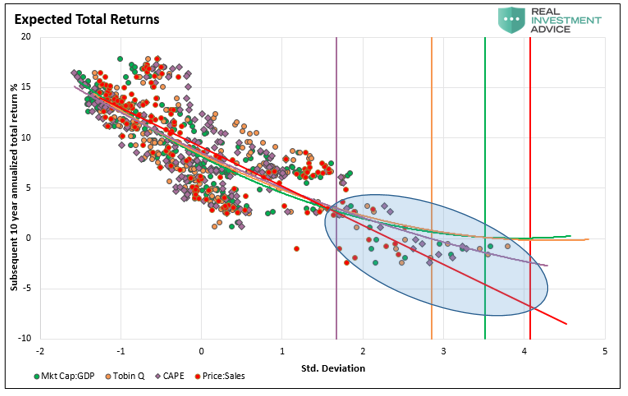
It’s that time of year when Wall Street analysts started trotting out the predictions for earnings growth and stock market targets for the coming year. Unfortunately, each year these overly optimistic estimates are ground down as the year progresses. Next year will be no different as earnings growth will disappoint in 2021.

The “Roaring 20’s” – The Fundamental Problem Of The Bullish View
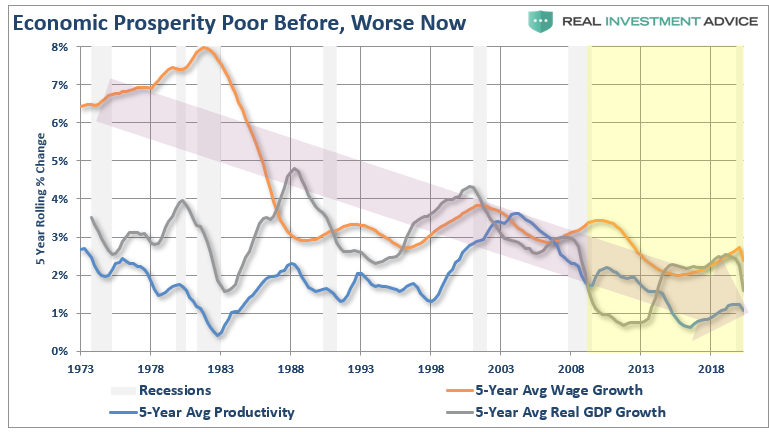
Recently, Ed Yardeni discussed his view of why another “Roaring 20’s” may lie ahead. However, while I certainly can appreciate his always “bullish optimism,” there is a significant fundamental problem with his view.
Technically Speaking: Investors Go “All-In” Without A Net
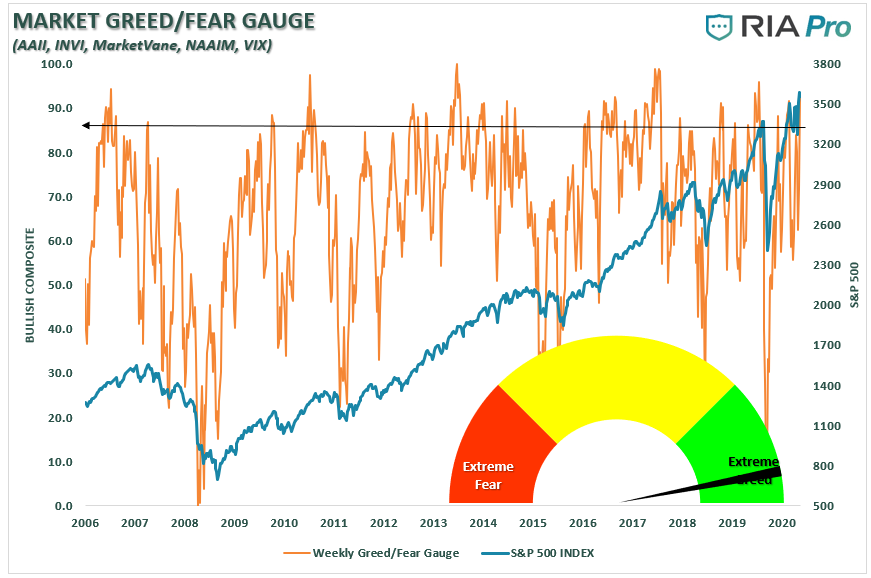
We have recently written a couple of posts about the “exuberance” that has invaded the market since the election. Such is often seen near short- to intermediate-term peaks in markets as investors go “all-in” without a net.
#MacroView: A Vaccine And The “New New Normal”
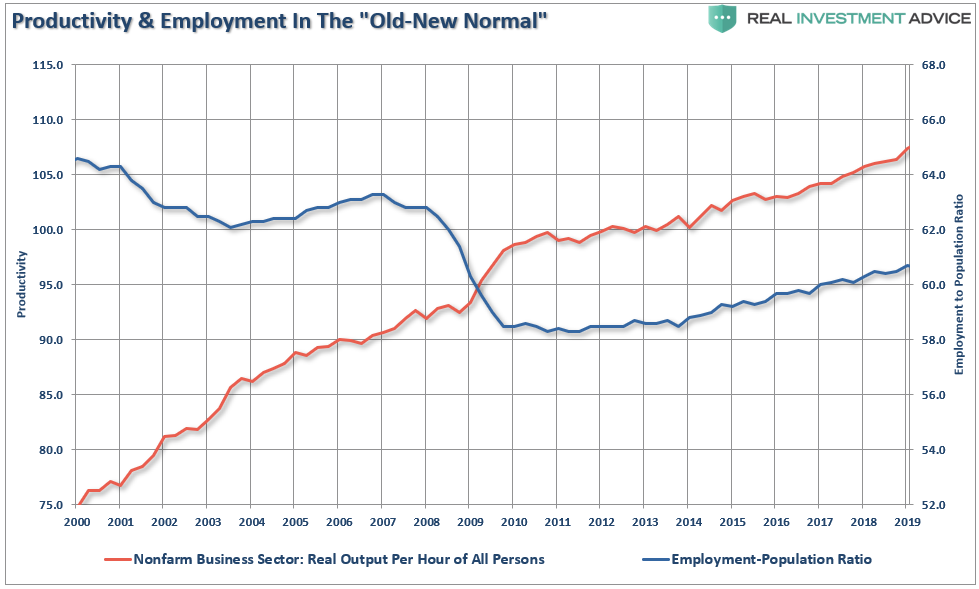
Moderna and Pfizer recently announced they had potential vaccines for COVID-19 that are more than 90% effective. With that, the market surged, and a rotation into “economically sensitive” sectors occurred. While a “vaccine” will eventually come to the market, it will only ensure a return to the “New New Normal.”
Buffett Indicator: Why Investors Are Walking Into A Trap

“The stock market is not the economy.” Such has been the “Siren’s Song” of investors over the last couple of years as valuation expansion has been the sole driver of the market’s performance. However, given that corporations derive their revenue from economic activity, the “Buffett Indicator” suggests investors may be walking into a trap.
The Rescues Are Ruining Capitalism

I want to discuss a recent WallStreet Journal article by Ruchir Sharma entitled “The Rescues Ruining Capitalism.” We talk much about the bailouts and stimulus programs related to the economic shutdown and pandemic. However, the bailouts began back in 2008 when the Federal Reserve intervened with the insolvency of Bear Stearns.
3-Reasons Why There Really Is No Housing Shortage

One of the most recent mantras in the financial media is that housing prices rise because there is an inventory shortage. While it is an excellent headline for “getting clicks,” the are 3-reasons why there really is NO housing shortage.
Why Debt-To-Income Ratios Are Worse Than They Appear

I recently published an article discussing why “recessions” are a good thing by reverting debt buildups excesses during expansions. The argument against debt reversions is always the same in that “debt-to-income” ratios low.
Policies Over Politics. Whoever Wins, We All Lose
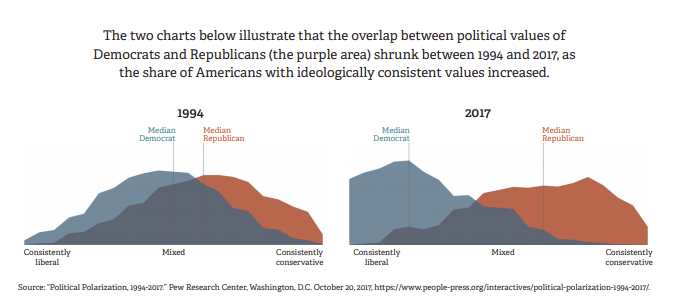
As we near the 2020 Presidential election, rhetoric from both sides is ramping up. Depending on your personal “echo chamber” of social media, you are likely confident why your candidate is the best choice, and the opposition is the worst. However, when it comes to economic prosperity and the financial markets, who is the best choice? To answer that question, we will focus on the “policies,” not the “politics.”
Neel Kashkari Is The Definition Of “Moral Hazard”

Neel Kashkari, in a recent CNBC interview, said, “I don’t see any moral hazard here“ when asked if the Fed’s massive liquidity injections have blown a bubble. What exactly is the definition of “moral hazard.”
Recessions Are A Good Thing, Let Them Happen

It is a given that you should never mention the “R” word. People immediately assume you mean the end of the world: death, disaster, and destruction. Unfortunately, the Federal Reserve and the Government also believe recessions “are bad.” As such, they have gone to great lengths to avoid them. However, what if “recessions are a good thing,” and we just let them happen?
More Stimulus And The 2nd Derivative Effect
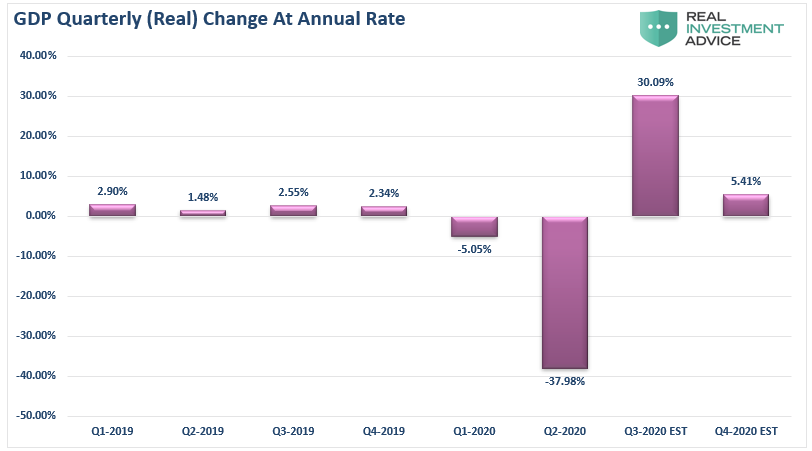
There is currently much hope for another fiscal stimulus package to be delivered to the economy from Congress. While President Trump recently doused hopes of a quick passage, there a demand for more stimulus by both parties. While most hope more stimulus will cure the economy’s ills, it will likely disappoint due to the “2nd derivative effect.”
CBO – The “One-Way Trip” Of American Debt
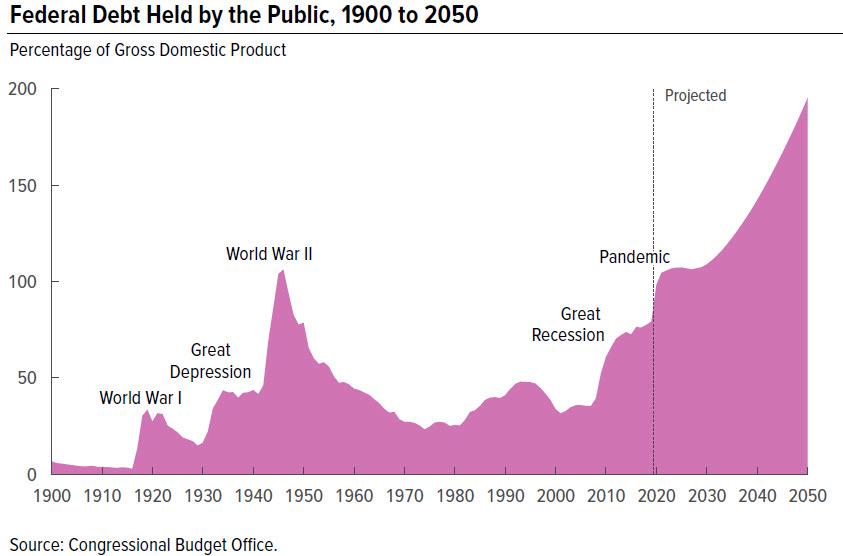
The amount of outstanding debt, and the subsequent deficit, has long been a problem in the U.S. For the last two decades, policymakers have made annual promises for more substantial economic growth. Yet with each passing year, growth rates weaken, and economic prosperity worsens.
Tudor’s 10-Rules To Navigate Q4-2020

Whether it is Paul Tudor Jones or any other great investor throughout history, they all had one core philosophy in common; the management of the inherent risk of investing.
The Astonishing Lack Of Value In Value
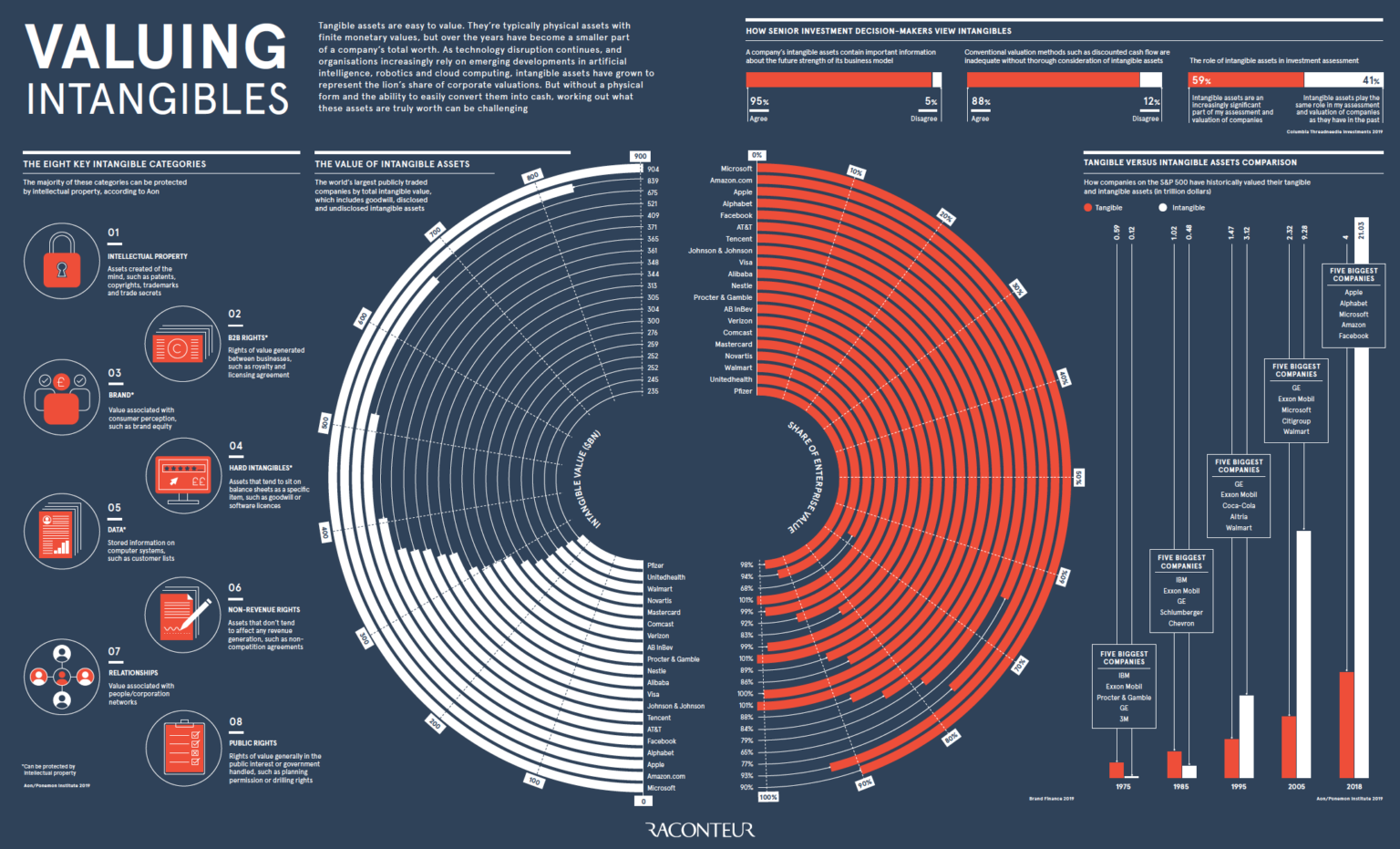
We have recently been discussing the lack of performance in value versus growth. Such is historically the case during the late-stage, exuberance-driven, bull markets. However, not everything classified as a “value stock” is necessarily a value. The problem today, more so than at any point previously, is the astonishing lack of value in “value.”
Value, Margin Of Safety, & The Art Of Doing Nothing

Over the last several months, we have discussed the remarkable underperformance of value versus growth. While many investors quickly dismiss the performance gap under the guise of “this time is different,” it has important longer-term implications. In today’s missive, we want to discuss value, the margin of safety, and the real art of “doing nothing.”
Newton, Physics & The Market Bubble

I have previously discussed the importance of understanding how “physics” plays a crucial role in the stock market. As Sir Issac Newton once discovered, “what goes up, must come down.”
5-Reasons The Fed’s New Policy Won’t Get Inflation
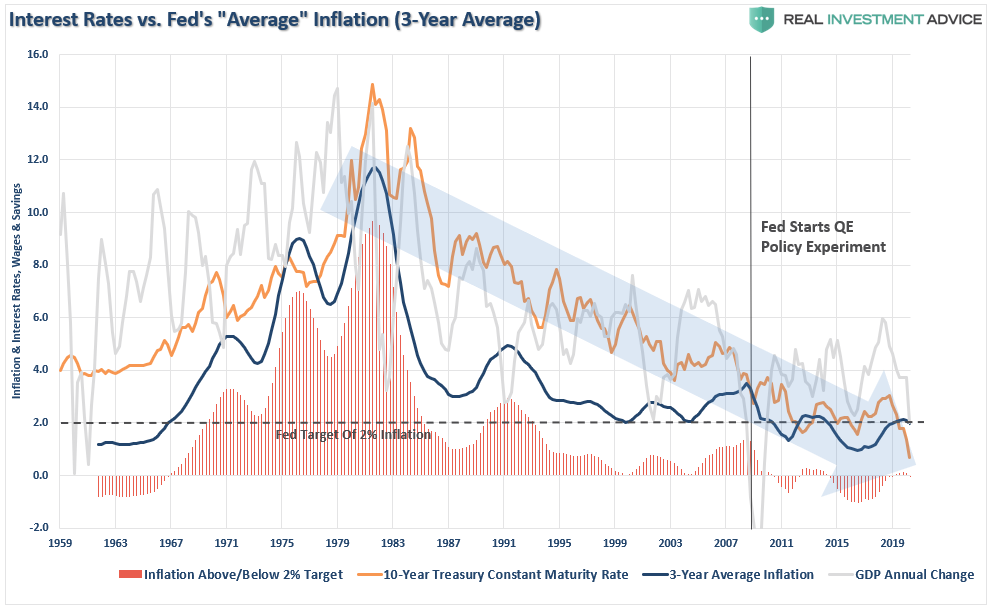
At the recent Jackson Hole Economic Summit, Jerome Powell unveiled the Fed’s new monetary policy designed to create inflation. In today’s #Macroview, we will discuss the 5-reasons why the Fed will not get inflation, and why deflation is the bigger risk.
#MacroView: 5-Reasons The Fed’s New Policy Won’t Get Inflation
At the recent Jackson Hole Economic Summit, Jerome Powell unveiled the Fed’s new monetary policy designed to create inflation. In today’s #Macroview, we will discuss the 5-reasons why the Fed will not get inflation, and why deflation is the bigger risk.
A Tale Of Two Bull Markets

It’s a tale of two bull markets. One part of the market is trading as you would expect with near depressionary economic numbers. The only description for the other part is “insane.”
March Was A Correction, Bear Market Still Lurks

As we have been discussing, this past week, the S&P 500 index set an all-time high. Importantly, the breakout to all-time highs confirms the 35% decline in March was only a correction and not a bear market. The implications are important as the change of definition suggests a bear market still lurks for the full-market cycle to complete.
Earnings Don’t Support Bullish Thesis

With the second quarter of the 2020 reporting season mostly behind us, and with markets testing “all-time” highs, do earnings support the bullish thesis? Such is the fundamental question surrounding the debate over the record deviation between “momentum” and “growth.”
Why Soros Just Called The Market A Bubble

Soros’ view on the pattern of bubbles is interesting because it changes the argument from a fundamental view to a technical view. Prices reflect the psychology of the market, creating a feedback loop between the markets and fundamentals.
Fed Wants Inflation But Their Actions Are Deflationary

A recent CNBC article states the Fed will make a major commitment to ramping up inflation. How is this different than the past decade of promises for higher inflation? More importantly, while the Fed may want inflation, their very actions continue to be deflationary.
Universal Basic Income Is Not An Economic Savior

According to a new study by the left-leaning Roosevelt Institute, a universal basic income could permanently make U.S. economy trillions of dollars larger. While such socialistic policies sound great in theory, history, and data, show it isn’t the economic savior it is touted to be.
Retirement Confidence Declined Despite A Surging Market

Despite the surging stock market from the March lows, trillions in liquidity support from the Fed, retirement confidence declined.
Navigating The Tech Bubble & Living To Tell About It.

There has been a growing concern over Technology stocks as investors “Party Like It’s 1999.” While no two periods are the same, the outcomes often are. For longer-term investors, if we are amid another “Tech Bubble,” the biggest challenge is navigating it and “living to tell about it.”
Value Is Dead. Long Live Value Investing

Value (investing) is dead. Long live value investing. Such certainly seems to be the mantra as investors continue to pile into growth stocks while rationalizing valuations using methodologies which historically have not worked well.
Technically Speaking: “Golden Cross” Arrives, Are The Bulls Safe?
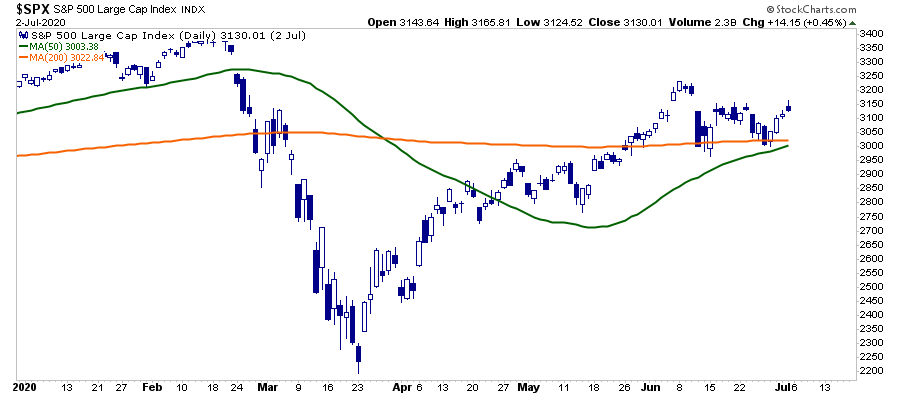
In this week’s “Technically Speaking,” the “Golden Cross” arrives, but are the bulls safe? As noted two weeks ago, is the 50/200 dma crossover is historically bullish for equities. However, with markets facing one of the worst earnings declines on record, could overly exuberant investors be walking into a trap?
This Is Nuts…Again. Reducing Risk As Tech Goes 1999
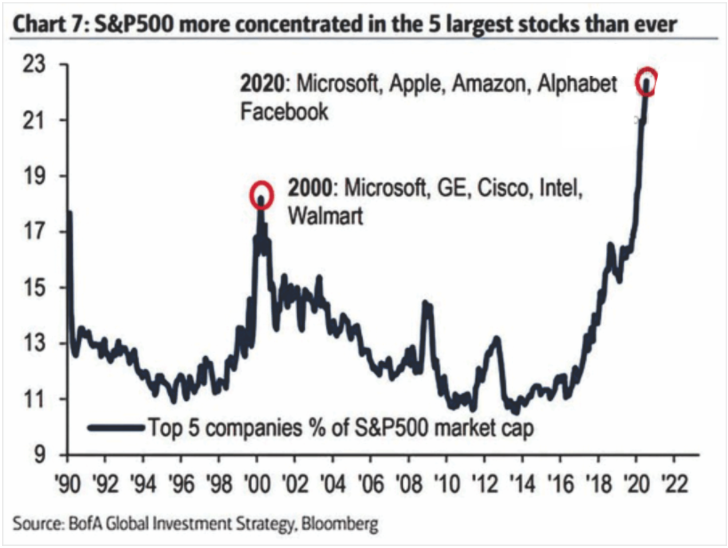
When looking at the acceleration in the price of the Nasdaq, and particularly within the small group of stocks driving that advance, you can begin to fathom our concerns. Furthermore, the divergence between the Nasdaq and the S&P 500 index is emulating the late 90’s.
The Death Of Fundamentals & The Future Of Low Returns
Over the last quarter, the “Death of Fundamentals” has become apparent as investors ignore earnings to chase market momentum. However, throughout history, such large divergences between fundamentals and price have resulted in low future returns. This time is unlikely to be different.
The Theory Of MMT Falls Flat When Faced With Reality (Part II)
If you missed Part-1 of our series on the “Theory Of MMT Falls Flat When Faced With Reality,” start there. In Part-2, we complete our analysis of the theory and the potential ramifications. The premise of our discussion was this recent explanation of “Modern Monetary Theory” by Stephanie Kelton. As discussed previously, economic theory always sounds much better than how it works out in reality.
The Theory Of MMT Falls Flat When Faced With Reality (Part I)
If you haven’t heard of Modern Monetary Theory, or “MMT,” you will soon. If you recently lost your job due to the economic shut down, and received a stimulus check, you are already a beneficiary. As we will discuss in Part-1 of this two-part series, MMT’s theory falls flat when faced with reality.
Unicorns, Rainbows, & Fully Invested Bears
With sentiment currently at very high levels, combined with low volatility, and a high degree of investor complacency, all the ingredients necessary for a market reversal are currently present. Am I sounding an “alarm bell” and calling for a massive correction? No.
Is It 1999 or 2007? Retail Investors Flood The Market
Is it 1999 or 2007? Retail investors flood the market as speculation grows rampant with a palpable exuberance and belief of no downside risk. What could go wrong?
The Great Divide Between Stocks & The Economy
There are a tremendous number of things that can go wrong in the months ahead. Such is particularly the case of surging stocks against a depressionary economy.
Rationalizing High Valuations Won’t Improve Outcomes
Rationalizing high valuations won’t improve future return outcomes.
The Bull Is Back! Markets Charge As Economy Lags
On Friday, the Bureau Of Labor Statistics released the widely expected employment report for May. Despite continued weekly jobless claims over the last month exceeding more than 8-million, the BLS reported an increase of more than 2.5 million jobs in May.
CFNAI Economic Indicator Crashes Most On Record
In 2013, I wrote an article discussing comments made by Russ Koesterich, CFA, regarding the Chicago Fed National Activity Index (CFNAI). Given this economic indicator just crashed by the most on record, it is worth reviewing his comments.
Is The Fed Walking Into A Trap?
Currently, the Fed is injecting liquidity into the markets and economy at a record pace. While liquidity does have positive short-term benefits, is the Fed walking into a trap?
Did The Fed Over-React To A “Natural Disaster?”
Is it possible the Fed over-reacted to a natural disaster? There are two different types of “recessionary” events that occur throughout history. The first is a “business cycle” recession, which happens with some regularity as excesses build up in the economy. These cycles generally take 12-18 months to complete as those excesses are reversed.
Why Siegel Is Wrong About End Of Bond Bull Market
Jeremy Siegel, in time, will likely be proved wrong about the end of the “40-year bond bull” market. History suggests that not only is the “bond bull” alive and well, it likely has quite a long way as the U.S. will become more like Japan over time.
The Federal Reserve & It’s Ongoing Destruction Of The Bottom 90%
The Federal Reserve seemingly is an ongoing mission to destroy the bottom 90%.
“Savings Mirage” Won’t Save The Economy
The fiscal and monetary responses to the “coronavirus” created a surge in savings. While many hope those savings will go back to work, the “savings mirage” won’t save the economy.
Estimating The Earnings Crash
Whether its corporate profits, earnings, or GDP, no matter how you analyze the data, it suggests the outlook for stocks going into the summer is not favorable.
Market Rallies Into The “Resistance Zone”
This week’s newsletter will be somewhat condensed as the bulk of our current positioning is based upon the information contained in the two reports referenced herein. The goal of this week’s letter is simply to outline the market ranges which fall within the context of our current Macroview.
Market Completes A 50% “Bear Market” Retracement
If you are hoping the “bear market” is over, and have jumped “back in” with all your capital, you are in “good company,” as many others, judging by my twitter feed, have done the same. Just be prepared to be disappointed in the months ahead.
The 4-Phases Of A Full-Market Cycle
In the end, it does not matter IF you are “bullish” or “bearish.” What matters, in terms of achieving long-term investment success, is not necessarily being “right” during the first half of the cycle, but by not being “wrong” during the second half.
Aaand It’s Gone…The Biggest Support For Asset Prices
With the economy shut down, layoffs in the millions, and no clear visibility about the economic recovery post-pandemic, companies are going to become vastly more conservative on the use of their cash. Given that source of market liquidity is now gone, the market will have a much tougher time maintaining current levels, much less going higher.
Where “I Bought It For The Dividend” Went Wrong
The majority of the time, when you hear someone say “I bought it for the dividend,” they are trying to rationalize an investment mistake. However, it is in the rationalization that the “mistake” is compounded over time. One of the most important rules of successful investors is to “cut losers short and let winners run.”
The ONE Thing – Playing The “Bear Market” Rally
The “ONE Thing” you need to do TODAY, right now, is “accept” where you are. What you had, what was lost, and the mistakes you made, CAN NOT be corrected. They are in the past. However, by hanging on to those “emotions,” we lock ourselves out of the ability to take actions that will begin the corrective process.
Everyone Wanting To Buy Suggests The Bear Still Prowls
Given the magnitude, and multiple confirmations, of these signals, it is far too soon to assume the “bear market” is over. This is particularly the case, given the selloff is less than one-month old.
Margin Call: You Were Warned Of The Risk
While it is certainly hoped by many that we are closer to the end of the liquidation cycle, than the beginning, the dollar funding crisis, a blowout in debt yields, and forced selling of assets, suggests there is likely more pain to come before we are done.
Special Report: Panic Sets In As “Everything Must Go”
We highly suspect that we have seen the highs for the year. Most likely, we are moving into an environment where portfolio management will be more tactical in nature, versus buying and holding. In other words, it is quite probable that “passive investing” will give way to “active management.”
Fed’s “Emergency Rate Cut” Reveals Recession Risks
We are likely experiencing more than just a “soft patch” currently despite the mainstream analysts’ rhetoric to the contrary. There is clearly something amiss within the economic landscape, even before the impact of COVID-19, and the ongoing decline of inflationary pressures longer term was already telling us just that.
Market Crash & Navigating What Happens Next
While we remain optimistic about the markets currently, we are also taking precautionary steps of tightening up stops, adding non-correlated assets, raising some cash, and looking to hedge risk opportunistically on any rally.
Debt, Deficits & The Path To MMT
In September 2017, when the Trump Administration began promoting the idea of tax cut legislation, I wrote a series of articles discussing the fallacy that tax cuts would lead to higher tax collections, and a reduction in the deficit...
MacroView: The Next “Minsky Moment” Is Inevitable
In 2007, I was at a conference where Paul McCulley, who was with PIMCO at the time, was discussing the idea of a “Minsky Moment.” At that time, this idea fell on “deaf ears” as the markets, and economy, were in full swing. However, it wasn’t too long before the 2008 “Financial Crisis” brought the “Minsky Moment” thesis to the forefront.
SOTM 2020: State Of The Markets
In the President’s “State of the Union Address” on Tuesday, he used the podium to talk up the achievements in the economy and the markets. While it certainly is a laundry list of items he can claim credit for, it is the claim of record-high stock prices that undermines the rest of the story. Let me explain.
The Fed’s View Of Valuations May Be Misguided
On Wednesday, the Federal Reserve concluded their January “FOMC” meeting and released their statement. Overall, there was not much to get excited about, as it was virtually the same statement they released at the last meeting. However, Jerome Powell made a comment which caught our attention...
The Fed Won’t Avert The Next “Crisis,” They Will Cause It.
The problem with low interest rates for so long is they have encouraged the misallocation of capital. We see it everywhere throughout the entirety of the financial system from consumer debt, to subprime auto-loans, to corporate leverage, and speculative greed.
Comparison & The Role Your Advisor Should Play
Comparison-created unhappiness and insecurity is pervasive, judging from the amount of spam touting everything from weight-loss to plastic surgery. The basic principle seems to be that whatever we have is enough, until we see someone else who has more. Whatever the reason, comparison in financial markets can lead to remarkably bad decisions.
The Next Decade: Valuations & The Destiny Of Low Returns
The 2020 Decade: Valuations & The Destiny Of Low Returns. As we enter into a new decade, investors have become complacency with high rates of return on stocks. However, what is the likelihood the next decade will deliver the same.
7-Difficult Trading Rules To Follow In Bull Markets
As we wrap up the decade. it is a good time to review the 7-impossible trading rules to follow in a bull market. These rules are not new, or unique, but they are the foundation of long-term investing success.
Market & Investing Wisdoms For 2020
As we wave goodbye to the bull market of the 2010s, here are the rules for investing in whatever comes in the next decade.
The Stock Market Has Become A Private Club For The Elite
Despite Central Bank’s best efforts globally to stoke economic growth by pushing asset prices higher, the effect has been entirely consumed by those with actual savings, and discretionary income, available to invest.
“The Art Of The Deal” & How To Lose A “Trade War.”
Not only did the tariffs get delayed, but on Friday, it was reported that China and the U.S. reached “Phase One” of the trade deal, which included “some” tariff relief and agricultural purchases.
Democrats Stop Worrying & Learn To Love Deficits
The current path we are on is unsustainable. The remedies being applied today is akin to using aspirin to treat cancer. Sure, it may make you feel better for the moment, but it isn’t curing the problem.
The Myth Of The “Great Cash Hoard” Of 2019
While the bulls are certainly hoping the “cash hoard” will flow into U.S. equities, the reality may be quite different.
Earning Season’s Good, Bad & Ugly
With the third quarter of 2019 reporting season mostly behind us, we can take a look at what happened with earnings to see what’s real, what’s not, and what it will mean for the markets going forward.
The Most Important & Overlooked Economic Number
What's the most important economic number? GDP, Employment, claims....nope....those are all lagging indicators. If you want to know where you are headed look at the 85-component CFNAI. Here's why.
The Difference Between Investing & Speculation (10-Investing Rules)
In today’s market the majority of investors are simply chasing performance. However, why would you NOT expect this to be the case when financial advisers, the mainstream media, and WallStreet continually press the idea that investors “must beat” some random benchmark index from one year to the next.
Which Secular Bull Market Is It – 1950’s or 1920’s?
In a “secular bull’ market, the prevailing trend is “bullish” or upward-moving. In a “secular bear” the market tends to trend sideways with severe drawdowns and sharp rallies. However, what truly defines long-term secular markets are valuations, and whether those valuations are contracting or expanding.
A Correction Is Coming, Just Don’t Tell The Bulls…Yet.
A correction is coming, just don't tell the bulls just yet. A technical look at the rapid reversion of sentiment from bearish back to bullish. With more extreme extensions of technical indicators, it suggests a correction is likely over the next few weeks in the stockmarket.
The One Chart Every Millennial Should Ignore
The media is full of articles about the financial situation of Millennials in today’s economy. According to numerous surveys, they are saddled with too much debt, can’t secure higher wage-paying jobs, and are financially distressed on many fronts.
Corporate Profits Are Worse Than You Think
It isn’t just the deviation of asset prices from corporate profitability which is skewed, but also reported earnings per share. As I have discussed previously, the operating and reported earnings per share are heavily manipulated by accounting gimmicks, share buybacks, and cost suppression.
15-Extreme Risks & How You Can Navigate Them
A recent study revealed the top risks institutions are hedging for long-term. Here's what you can do.
Dow 650,000? We Are Already There!
DOW 650,000 - Just recently CNBC ran an article touting Ron Baron's call for the Dow to reach that astronomical level in just 50-years. Problem is that the INDU should ALREADY be at 650,000 - why isn't it?
Margin Debt Is Declining. Are The Bulls In The Clear?
In a recent weekly newsletter, I discussed the rather dramatic decline of short-interest in the S&P 500 which suggests a high degree of complacency by investors.
CEO Confidence Plunges, Consumers Won’t Like What Happens Next
Many conversations lately about negative CEO Confidence vs optimistic consumers Most of the bullish commentary centers around CEO's being wrong. But are they? We cover what historically happens next.
Bulls Get QE & Trade, Remain “Stuck In The Middle”
A review of the risks which keep the markets range-bound. Investors are b
Capitalism Is The Worst, Except For All The Rest – Part 3
Capitalism is the worst....except for all the rest. The final installment of our 3-part series on capitalism as we examine the fallacies of MMT, why deficits aren't self-financing, and why wealth inequality is actually a good thing.
This Is Nuts & The Reason To Focus On Risk
Since the lows of last December, the markets have climbed ignoring weakening economic growth, deteriorating earnings, weak revenue growth, and historically high valuations on “hopes” that more “Fed rate cuts” and “QE” will keep this current bull market, and economy, alive…indefinitely.
Dispelling The Myths Of Capitalism & The Value Of Prosperity – Part 1
Capitalism? Is it really broken? Or, has it just been distorted into an unrecognizable wealth transfer system? In the 1st of the 3-part series we discuss how we got here & why things seem to have gone awry.
Earnings Season & The Truth About Wall Street Analysis
When Carl Gugasian of Dewey, Cheatham & Howe rates Bianchi Corp. a “Strong Buy,” whose interest is that in? We dig into the conflict between WallStreet and You.
Peak Buybacks? Has Corporate Indulgence Hit Its Limits
Has the splurge in companies buying back their own shares to support asset prices and improve bottom-line EPS finally begin to lose its effectiveness? We dig into the data and what could cause buybacks to end altogether.
The Disconnect Between The Markets & Economy Has Grown
Since the 2009 lows the stock market has surged by more than 300% which should be representative of a surging economy. Yet, what we find is a market which has pulled from the future.
An Investor’s Desktop Guide To Trading – Part II
Once a year, I post a list of investing rules of great investors in history. Experience is a valuable commodity and these rules can keep you from learning the hard way.
The Costs & Consequences Of $15/Hour – The Update
I first wrote about the consequences of hiking the minimum wage in 2016. A recent CBO study confirmed our previous take on the unintended consequences of hiking minimum wages.
America’s Debt Burden Will Fuel The Next Crisis
Just recently, Rex Nutting penned an opinion piece for MarketWatch entitled “Consumer Debt Is Not A Ticking Time Bomb.” His primary point is that low per-capita debt ratios and debt-to-dpi ratios show the consumer is quite healthy and won’t be the primary subject of the next crisis.
Investors Dilemma: Pavlov’s Dogs & The Ringing Of The Bell
Inverted yield curves, Fed cutting rates, and more QE all seem to "the bell ringing" for investors to jump into stocks as markets rise. But, is this the bell ringing to buy stocks, or is it the bell ringing the top of the market?
This Is Still A “Sellable Rally”
In last Tuesday’s “Technical Update,” I wrote that on a very short-term basis the market had reversed the previously overbought condition, to oversold. This oversold condition is why we took on a leveraged long position on the S&P 500.
S&P 500 Plunges On Yield Curve Inversion
Yesterday, the financial media burst into flames as the yield on the 10-year Treasury fell below that of the 2-Year Treasury. In other words, the yield curve became negative, or “inverted.”
Technically Speaking: 5 Reasons To Be Bullish (or Not) On Stocks
Is the recent stock market correction just another "buy the dip" opportunity, or is there a greater risk than many investors realize?
When A Bond Bull Becomes A Raving Stock Bull
I have often been asked when I am going to become a raging stock bull again. As Treasury Rates approach our zero target the table is being set for value to return to the stock market.
Stocks In A Bloodbath, Look For A Sellable Rally
I have previously discussed the pending correction due to extreme deviations above long-term means. Trump's actions were simply the match that lit the fuse.
No Matter What The Fed Does, It’s Bullish?
We have repeatedly warned about the danger of the Fed hiking into a weak, highly leveraged economy. The Media said it was bullish. Now they are cutting and it's bullish. It can't be both.
Strongest Economy Ever? I Warned You About Negative Revisions
Over the last 18-months, there has been a continual drone of political punditry touting the success of “Trumponomics” as measured by various economic data points. Even the President himself has several times taken the opportunity to tweet about the “strongest economy ever.”
The 5-Mental Traps Investors Are Falling Into Right Now
I recently wrote about the “F.I.R.E.” movement and how it is a byproduct of late-stage bull market cycle. It isn’t just the “can’t lose” ideas which are symptomatic of bullish cycles, but also the actual activities of investors as well. Not surprisingly, the deviation of growth over value has become one of the largest in history.
The Lessons Poker Can Teach You About Investing
Over the last couple of weeks, I have laid out the bull and bear case for the S&P 500 rising to 3300, and the case for the Fed to cut rates. In summary, the basic driver of the “bull market thesis” has essentially come down to Central Bank policy.
F.I.R.E. – Ignited By The Bull, Extinguished By The Bear
The Etrade commercial aired during Super Bowl XLI in 2007. The following year, the financial crisis set in, markets plunged, and investors lost 50%, or more, of their wealth. However, this wasn’t the first time it happened.
Debt & The Failure Of Monetary Policy To Stimulate Growth
Economists are stunned by why economic growth remains at low levels a decade after the last recession. Here's why.
Everything You Are Being Told About Saving & Investing Is Wrong – Part 3
This final chapter is going to cover some concepts which will destroy the best laid financial plans if they are not accounted for properly.
1995 Rate Cut & The Case For The Final Leg Of The Bull Market
There have been many comparisons about the Fed using "insurance" #rate #cuts today versus 1995. We compare the financial and economic conditions of both periods to make the case.
Everything You Are Being Told About Saving & Investing Is Wrong – Part 2
While “Part One” focused on the amount savings required to sustain whatever level of lifestyle you choose in the future, we also need to discuss the issue of the investing side of the equation.
Everything You Are Being Told About Saving & Investing Is Wrong – Part I
Let me start out by saying that I am all for any piece of advice which suggest individuals should save more. Saving money is a huge problem for the bulk of American’s as noted by numerous statistics.
Socialism Rises Due To The Great American Economic Growth Myth
There is little denying the rise of “socialistic” ideas in the U.S. today. You can try and cover the stench by calling it “social democracy” but in the end, it’s still socialism.
Technically Speaking: Tops Are Processes, Bottoms Are Events
For the majority of investors, the recent rally has simply been a recovery of what was lost last year. In other words, while investors have made no return over the last 18-months, they have lost 18-months of their retirement saving time horizon. The decline was small last time. But what about next time?
Hope For The Best, Plan For The Worst
During very late stage bull markets, the financial press is lulled into a sense of complacency that markets will only rise. It is during these late stage advances you start seeing a plethora of articles suggesting simple ways to create wealth.
Powell Channels Bernanke: “Subprime Debt Is Contained”
Recent comments from Fed Chairman Powell with respect to corporate debt echoes what Bernanke said in 2007 about subprime mortgage debt.
Technically Speaking: Rothschild’s Investing Rule
Nathan Rothschild once quipped "You can have the top 20% and the bottom 20%. I will take the 80% in the middle." This is 80/20 rule of investing.
The 5-Laws Of Human Stupidity & How To Be A “Non-Stupid” Investor
This past weekend, I was digging through some old articles and ran across one that needed to be readdressed on“human stupidity” as it relates to investing.
Valuations, Returns & The Real Value Of Cash
Since the beginning of 2019, the market has risen sharply. That increase was not due to rising earnings and revenues, which have weakened, but rather from multiple expansion. In other words, investors are willing to pay higher prices for weaker earnings.
What Could Go Wrong? The Fed’s Warns On Corporate Debt
It is often said that no one saw the crash coming. Many did, but since it was “bearish” to discuss such things, the warnings were readily dismissed.
Has The Fed Done It? No More Recessions?
A recent comment from Chamrath Palihapitiya last week suggests that may be the case. An award to an aspiring economist who wants to study ending recessions. But are #recessions a bad thing?
Auto Sales Aren’t Nearly As Strong As Reported
The previous recessionary warnings from autos was dismissed until far too late. It is likely not a good idea to dismiss it this time.
The Market’s Misread Of The Fed’s Minutes
Last week, the Federal Reserve released their March FOMC meeting minutes. Following the release, the markets surged higher as the initial reading by the markets was “the Fed is done hiking rates.”
The Message From The Jobs Report – The Economy Is Slowing
There is little argument the streak of employment growth is quite phenomenal and comes amid hopes the economy will continue to avoid a recessionary contraction.
Is The Stock Market As Confused As You Are About A Recession?
The market, and the yield curve, are trying to tell you something very important.
Are We Going To New Highs?
Let’s review the periods just prior to the onset of the last two bear markets to see if there are any similarities to today’s environment.
For The Average Investor, The Next Bear Market Will Likely Be The Last
The most critical aspect of the financial system is "trust" in it. After years of Wall Street "raping and pillaging" individuals to line their own pockets, the next bear market will likely destroy the remaining "trust."
Powell Keeps The Bond Bull Kicking
In a widely expected outcome, the Federal Reserve announced no change to the Fed funds rate but did leave open the possibility of a rate hike next year.
A Different Way To Look At Market Cycles
It is critically important to remain as theoretically sound as possible as a large majority of investors have built their portfolios on a foundation of false ideologies. The problem is when reality collides with widespread fantasy.
After Two Of The Greatest Bull Markets In U.S. History, Why Are Boomers So Broke?
There should be no one more concerned about YOUR money than you, and if you aren’t taking an active interest in your money – why should anyone else?
Stock Buybacks Aren’t Bad, Just Misused & Abused
There has been a lot of commentary as of late regarding the issue of corporate share repurchases. Even Washington D.C. has chimed into the rhetoric as of late discussing potential bills to limit or eliminate these repurchases. It is an interesting discussion because most people don’t remember that share repurchases were banned for decades prior to President Reagan in 1982.
Technically Speaking: Will The Next Decade Be As Good As The Last?
With the fundamental and technical backdrop no longer as supportive, valuations still near the most expensive 10% of starting valuations, and interest rates higher, the returns over the next decade will likely be disappointing.
Economic Theories & Debt Driven Realities
One of the most highly debated topics over the past few months has been the rise of Modern Monetary Theory (MMT). The economic theory has been around for quite some time but was shoved into prominence recently by Congressional Representative Alexandria Ocasio-Cortez’s “New Green Deal” which is heavily dependent on massive levels of Government funding.
A Monthly Signal Review For The Market
With the month of February now officially in the books, we can take a look at our long-term monthly indicators to see what they are telling us now. Is the bull market back?
The Fed Doesn’t Target The Market?
Earlier this month, I penned an article asking if we “really shouldn’t worry about the Fed’s balance sheet?” The question arose from a specific statement made by previous New York Federal Reserve President Bill Dudley...
Technically Speaking: Sell Today? Risk Vs. FOMO
The market is downright bullish. There is little reason to argue the point given the bullish trend since the December 24th lows. Of course, such is not surprising given the Fed’s dovish turn from tightening monetary policy to quietly putting the “punch bowl” back on the table.
The Fed Conundrum – Data Or Markets?
For the Fed, it is a choice between the lesser of two evils. The only question is did they make the right one?
Should We Really Not Worry About The Fed’s Balance Sheet?
Bill Dudley, who is now a senior research scholar at Princeton University’s Center for Economic Policy Studies and previously served as president of the New York Fed and was vice-chairman of the Federal Open Market Committee, recently penned an interesting piece from Bloomberg.
MMT Sounds Great In Theory…But
If you haven’t heard about Modern Monetary Theory, or “MMT” for short, by now, you will soon. It is highly likely that MMT will be increasingly touted by economists and politicians from both sides of the aisle, as the economic prescription, even panacea, to cure our economic ills.
Buffett, Shiller, Bogle & Tobin: Valuations, Forward Returns & Winning The Long-Game
Since the financial crisis, there has been much commentary written about the low forward returns on stocks over the subsequent 10-year period from high valuation levels. The chart below shows the forward 10-year returns from previously valuation levels.
10-Investing Axioms Every Investor Should Learn
The reality is that we can’t control outcomes; the most we can do is influence the probability of certain outcomes which is why the day to day management of risks and investing based on probabilities, rather than possibilities, is important not only to capital preservation but to investment success over time.
Fundamentally Speaking: 2019 Estimates Are Still Too High
Currently, there are few, if any, Wall Street analysts expecting a recession at any point in the future. Unfortunately, it is just a function of time until the recession occurs and earnings fall in tandem.
Should Retirees Worry About Bear Markets?
With debt levels rising globally, economic growth on the long-end of the cycle, interest rates rising, valuations high, and a potential risk of a recession, the uncertainty of retirement plans has risen markedly. This lends itself to the problem of individuals having to spend a bulk of their “retirement” continuing to work.
The Economy IS Slowing
In the “rush to be bullish” this a point often missed. When data is hitting “record levels” it is when investors get “the most bullish.” Conversely, they are the most “bearish” at the lows. But as investors, such is exactly the opposite of what we should do. It is just our human nature.
Understanding Market Cycles
I was digging through some old charts over the weekend and stumbled across this gem from AlphaTrends which explains the “best time to buy stocks.”
Are We In A Secular Bull Market?
Secular markets, bull or bear, are not defined by price movements.
The Problem With Wall Street’s Forecasts
Over the last few weeks, I have been asked repeatedly to publish my best guess as to where the market will wind up by the end of 2019. Here it is...
2019 Investing Resolutions
When the “bull is running” we believe we are smarter and better than we actually are. We take on substantially more risk than we realize as we continue to chase market returns and allow “greed” to displace our rational logic. Just as with gambling, success breeds overconfidence as the rising tide disguises our investment mistakes.
The Biggest Threat To The Market – Loss Of Confidence
From the previous peak in early December, the market has yet to even achieve a 38.2% retracement of that decline. It would not be surprising to see this rally try and recoup a full 61.8% of the decline over the next several weeks.
Why Gundlach Is Still Wrong About Higher Rates
Last Monday, Jeff Gundlach, famed bond fund manager and CIO of Doubleline, made an interesting comment during an interview with CNBC when he stated that the 10-year Treasury yield would top 6% by 2020 or 2021. 6% would be the highest yield since 2000.
You Have A “Trading” Problem – 10 Steps To Fix It
It is important to remember, that “Risk” is simply the function of how much you will lose when you are wrong in your assumptions. 2018 has been a year of predictions gone horribly wrong.
Technically Speaking: “Will Santa Visit Broad & Wall?”
IF “Santa” is going to visit “Broad & Wall” this year, it will most likely occur between the 10th through the 17th trading days of the month. Such would equate to Friday, December 14th through Wednesday, December 26th.
Why Another 50% Correction Is Possible
Now, I am not talking about a 20% correction type bear market. I am talking about a devastating, blood-letting, retirement crushing, “I am never investing again,” type decline of 40%, 50%, or more.
Misdiagnosing The Risk Of Margin Debt
By itself, margin debt is inert. Investors can leverage their existing portfolios and increase buying power to participate in rising markets. While “this time could certainly be different,” the reality is that leverage of this magnitude is “gasoline waiting on a match.”
The Fallacy Of The Positive Impact From Falling Oil Prices
Last week, I had a conversation with a friend of mine about the plunge in oil prices in recent weeks. One of the biggest fallacies about plunging oil prices, and subsequently lower gasoline prices, is that it is a huge windfall for consumers. Even President Trump stated as much last Wednesday morning.
The End Of The Tax Cut Boost
Last week, I touched on the issue of corporate profits and tax cuts. While the promise was that tax cuts were going to a massive boost to economic growth, the reality has been quite different.
The Economic Consequences Of Debt
As I have pointed out previously, the U.S. is currently running a nearly $1 Trillion dollar deficit during an economic expansion. This is completely contrary to the Keynesian economic theory.
GE – “Bringing Investment Mistakes To Life”
Last week, General Electric (GE) did something that many never thought would happen. They slashed their dividend to just $0.01 per share. We are talking about GE. A company which has been bringing “good things to life” for well over 100-years.
Why 80% Of Americans Face A Retirement Crisis
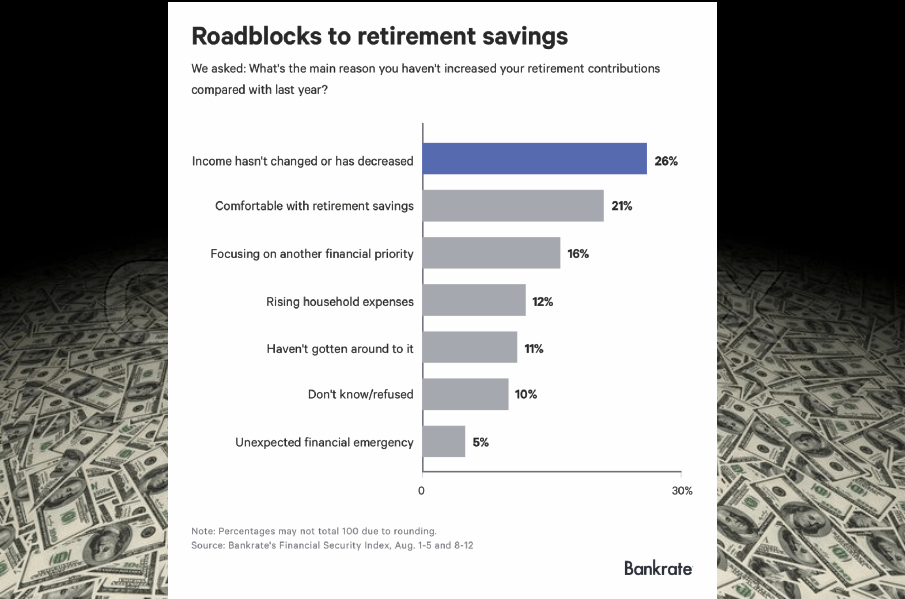
Fox Business recently discussed a new study showing that more Americans doubted they would be able to save enough for retirement than those confident of reaching their goals. There were some interesting stats from the study.
Is The Market Predicting A Recession?
Is the stock market a signaling a recession? A look at the historical performance of the S&P and #NBER recession announcements.
An Investor’s Desktop Guide To Trading
Throughout history, individuals have been drawn into the more speculative stages of the financial market under the assumption that “this time is different.” Of course, as we now know with the benefit of hindsight, 1929, 1972, 1999, 2007, and most likely 2019, were not different – they were just the peak of speculative investing frenzies.
Let’s Be Like Japan
There has been a lot of angst lately over the rise in interest rates and the question of whether the government will be able to continue to fund itself given the massive surge in the fiscal deficit since the beginning of the year.
Debts & Deficits: A Slow Motion Train Wreck
Without the passage of the C.R. the government was facing a “shut-down” just prior to the mid-term elections. So, rather than doing what is fiscally responsible for the long-term solvency and financial health of the country, not to mention the generations to come, they decided it was far more important to get re-elected into office.
Technically Speaking: Revisiting Bob Farrell’s 10-Rules
As I noted this past weekend, 2017 was a year for the record books. Not surprisingly, the strong advance fostered a surge in investor optimism which pushed allocations to equities to the second highest level on record.
The “Exit” Problem
Market crashes are an “emotionally” driven imbalance in supply and demand. You will commonly hear that “for every buyer, there must be a seller.” This is absolutely true. The issue becomes at “what price.” What moves prices up and down, in a normal market environment, is the price level at which a buyer and seller complete a transaction.
Technically Speaking: This Is Nuts
The current market advance both looks, and feels, like the last leg of a market “melt up” as we previously witnessed at the end of 1999. How long it can last is anyone’s guess. However, importantly, it should be remembered that all good things do come to an end.
The “Fat Pitch” & Miss
While I remain long and invested in the markets on behalf of my clients, I focus and write about the significant risks that are currently present. I am fully aware a laissez-faire attitude towards these risks is ultimately likely to destroy large portions of my clients hard-earned, and irreplaceable, investment capital.
3-Myths About Tax Cuts
The Congressional Republicans rolled out an ambitious tax cut proposal last week promising a surge in economic growth, wages and employment without blowing out the deficit. Will that really be the outcome?
Investing Apathy & The Death Of Your Financial Goals
Over a long enough period, I agree, you will make money. But, simply making money is not the point of investing. We invest to ensure our current “hard-earned savings” adjust over time to provide the same purchasing power parity in the future. If we “lose” capital along the way, we extend the time horizon required to reach our goals.
10 Illustrated Truths About Investing & The Markets
This morning, as I was catching up on my reading, I stumbled onto this gem from Business Insider of an interview with the founder of Robinhood, a mobile app to let individuals trade stocks with no commissions.
13-Truths About How Money Really Works
There is an increasing amount of commentary which suggests this time is different. Active management of portfolios is no longer needed, as Central Banks continue to be supportive of the markets, so join in on the “passive indexing” sweeping the country.
Dalbar 2017: Investors Suck At Investing & Tips For Advisors
Several years ago, I began writing an annual update discussing Dalbar’s Quantitative Analysis Of Investor Behavior study. The study showed just how poorly investors perform relative to market benchmarks over time and the reasons for that underperformance.
The “Big Lie” Of Market Indexes
The “Big Lie” is that you can “beat an index” over an extended period of time. You can’t, ever. Let me explain.
Yes, Ms. Yellen…There Will Be Another Financial Crisis
That is a pretty bold statement to make considering that every one of her predecessors failed to predict the negative consequences of their actions. Will there will be another “Financial Crisis” in our lifetimes? Yes, it is virtually guaranteed.
The Illusion Of Declining Debt To Income Ratios
In some states, when a couple enters into divorce, the court may award “alimony,” or spousal support, to one of the former spouses for the express purpose of limiting any unfair economic effects by providing a continuing income to the spouse. The purpose is to help that spouse continue the “standard of living” they had during the marriage.
The Rise Of Robots & The Risk To Passive
In Tuesday’s post, “A Shot Across The Bow,” I discussed the recent “Tech Wreck” and the warning sign that was delivered when trading algorithms begin to run in the same direction.
7-Trading Rules You Won’t Follow
As I discussed this past weekend, the current “bull market” seems unstoppable. Even on Twitter, investors have once again been lulled into the “complacency trap.”
The Unavoidable Pension Crisis
There is a really big crisis coming. Think about it this way. After 8 years and a 230% stock market advance the pension funds of Dallas, Chicago, and Houston are in severe trouble. But it isn’t just these municipalities that are in trouble, but also most of the public and private pensions that still operate in the country today.
Markets Overlooking A Clear & Present Danger?
There is in interesting dichotomy currently occurring within the economy. While consumer confidence, as reported by the Census Bureau, soared to some of the highest levels seen since the turn of the century, the hard economic data continues to remain quite weak.
The Long View – Rates, GDP & Challenges
There has been much debate about the current low levels of interest rates in the economy today. The primary argument is that the “30-year bull market in bonds”, due to consistently falling interest rates, must be near its end.
Markets Overlooking A Clear & Present Danger?
There is in interesting dichotomy currently occurring within the economy. While consumer confidence, as reported by the Census Bureau, soared to some of the highest levels seen since the turn of the century, the hard economic data continues to remain quite weak.
The World’s Second Most Deceptive Chart
Last week, I discussed the “World’s Most Deceptive Chart” which explored the deception of “percentage” versus actual “point” losses which has a much greater effect on both the real, and psychological, damage which occurs during a bear market.
The World’s Most Deceptive Chart
I received an email last week which I thought was worth discussing.
You Can’t Time The Market?
Since the markets were closed on Monday, there really isn’t much to update from this past weekend’s newsletter. The markets remain clearly and undeniably overbought and the risk of a short-term correction outweighs the potential for reward.
50% Correction Is Impossible! Really?
There is little doubt currently that complacency reigns in the financial markets. Nowhere is that complacency more evident than in the Market Greed/Fear Index which combines the 4-measures of investor sentiment (AAII, INVI, MarketVane, & NAAIM) with the inverse Volatility Index.
The Fatal Flaws In Your Financial Plan
Congratulations! If you are reading this article it is probably because you have money invested somewhere in the financial markets. That’s the good news. The bad news is the majority of you reading this article have probably NOT saved enough for retirement.
The Myth Of The “Passive Indexing” Revolution
There is little argument that Exchange Traded Funds, more commonly referred to as “ETF’s” have and will continue to change the landscape of investing.
The Real Value Of Cash
It’s the Fed’s fault. Over the past several years, the Federal Reserve has forced interest rates lower in an all-out assault on “cash.”
10-Steps To Curing The “Trading Addiction”
Those who’ve had any brush with addiction know an addict will go to any length to support the habit, including stealing, lies and deception. The addict is aided and abetted by co-dependent friends and family members who cover up for the addict’s bizarre behavior and pretend nothing’s wrong.
Why Trump’s 4% GDP Will Remain Elusive
For the umpteenth year in a row, mainstream economists and analysts are once again planting the seeds of hope for a return to stronger GDP growth. The White House has hoped for it for the last 8-years, and now President-elect Trump is all but promising a surge in economic growth.
Media Headlines Will Lead You To Ruin
Since investors are mostly individuals that have a “day job,” the majority of their “research” comes from a daily dose of media headlines. Therefore, since the media tends to “focus” their attention on “market moving headlines,” either bullish or bearish, investors tend to “react” accordingly.
Can Trumponomics Fix What’s Broken?
As you can imagine, I received quite a few comments from readers suggesting that each percentage of tax cuts will lead to surging corporate earnings and economic growth...
The Long-Term Investing Myth
During my morning routine of caffeine supported information injections, I ran across several articles that just contained generally bad investment advice and poorly formed analysis. Each argument was hinged on the belief that bull markets last indefinitely, bear markets are simply an opportunity to “buy” more, and investing for the long term always works.
Revisiting Why Benchmarking Is A Bad Strategy
Over the weekend, I was doing some research and stumbled across an article my friend Cullen Roche wrote a couple of years ago entitled “Can we All Agree to Stop Comparing Everything to the S&P 500”.
Correcting Some Misconceptions About A New Secular Bull Market
I recently penned a post discussing the idea of a “new secular bull market,” which, not surprisingly, garnered a good bit of push back from the “always bullish crowd.”
7 Impossible Trading Rules To Follow
Over the last two weeks, a lot of the bullish sentiment that was embedded in the market has now given way to fear.
The Bull Giveth, The Bear Taketh & You’re Not Passive
Over the last several months, in particular, the number of articles discussing the shift from “active management” to “passive indexing” have surged. I get it. The market seems to be immune to decline.
End Of The Bond Bull – Better Hope Not
It’s been really busy as of late to cover all of the topics I have wanted to address. One topic, in particular, is the bond market and the ongoing concerns of a “bond bubble” due to historically low interest rates...
Past Is Prologue: New Secular Bull Or A Repeat Of The 70’s
Last Monday, I discussed why you should be worried about corrections due to the damage inflicted upon your investment capital and the time required to “get back to even.” I received several emails stating we are in a new “secular bull market” and “indexing” is now the best approach.
Yes, You Should Worry About Market Corrections
One of the biggest reasons why investors consistently underperform over the long-term is primarily due to the extremely flawed advice promoted by Wall Street, because they have a product or service to sell you, and the media, because they don’t know better.
4-Tools Used To Win The “Beat The Estimate Game”
Over the weekend, I got a few tweets talking about some technical analysis currently being passed around the Internet suggesting the S&P 500 is about to make a significant move towards 2400.
Don’t Blame “Baby Boomers” For Not Retiring
In business, the 80/20 rule states that 80% of your business will come from 20% of your customers. In an economy where more than 2/3rds of the growth rate is driven by consumption, an even bigger imbalance of the “have” and “have not’s” presents a major headwind.
