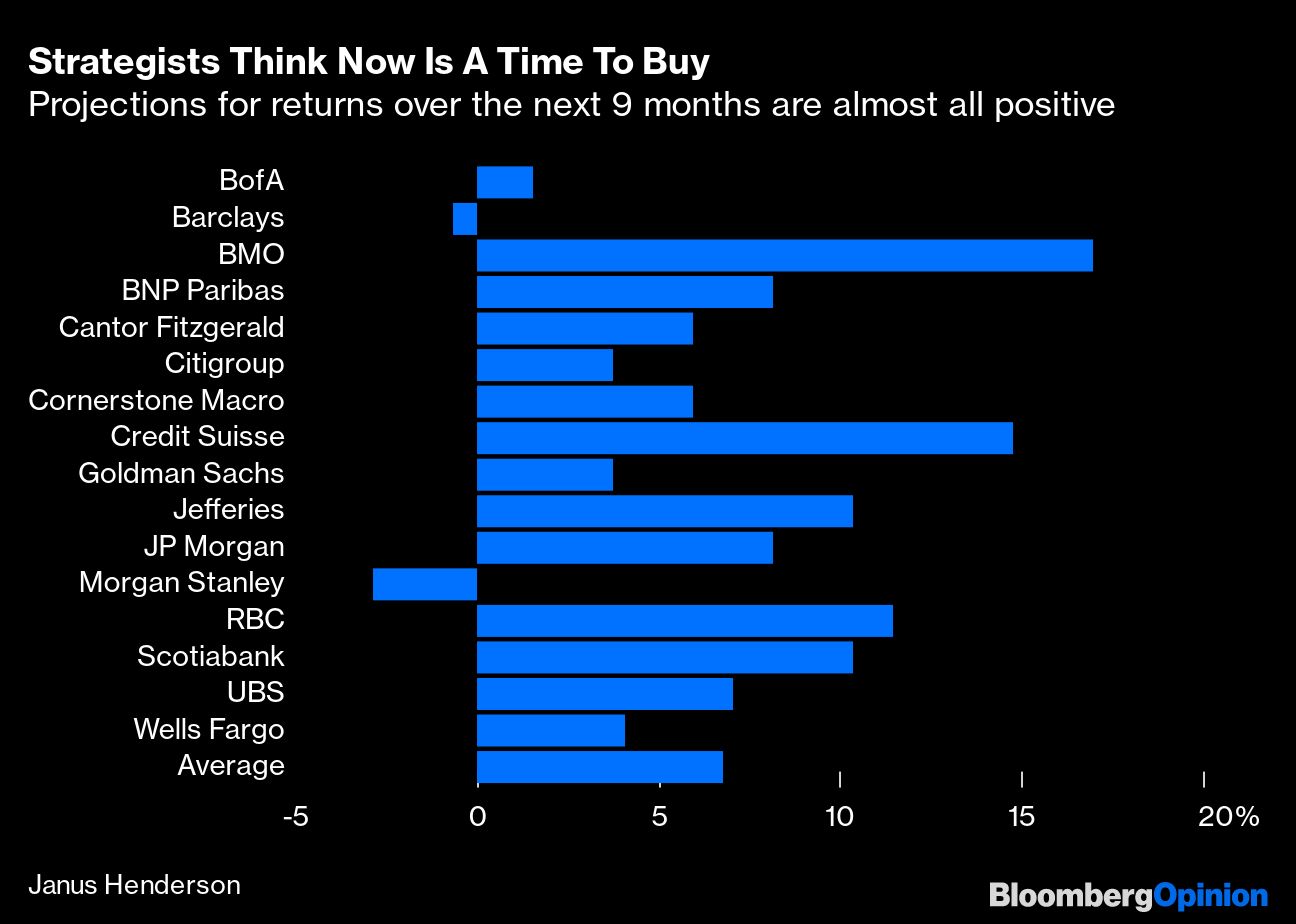
There is a genre of investment research that continuously predicts economic disaster that I call “macro doom.” It has become very popular. It seems that everyone is an expert in macroeconomics today, and they’re all predicting a bust of some kind.
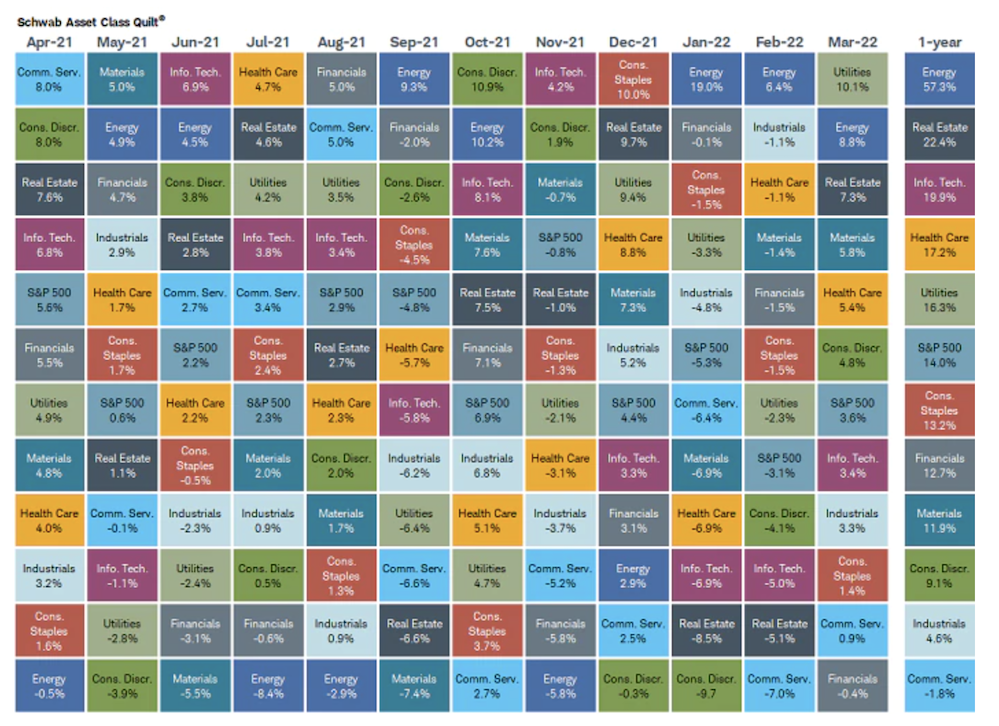
Markets rebounded in March, but it was not enough to offset earlier losses in January and February.
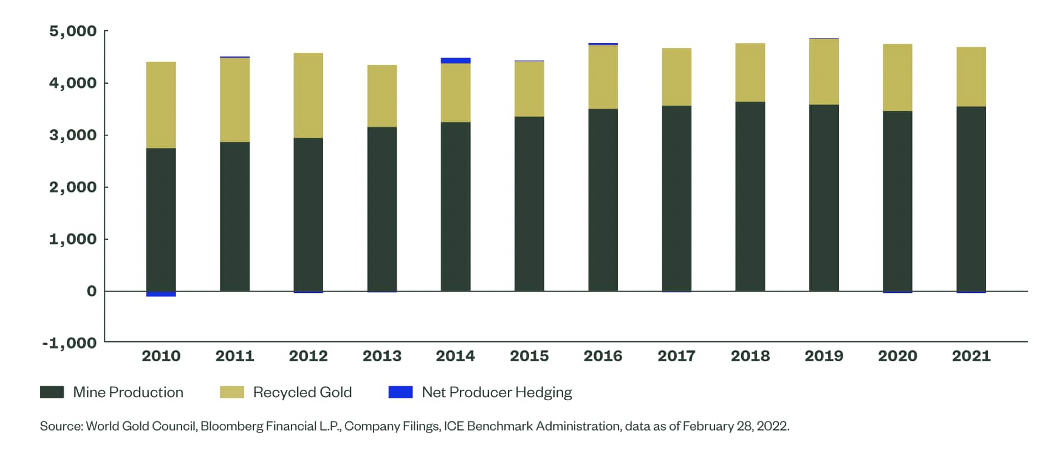
George Milling-Stanley, Chief Gold Strategist at State Street Global Advisors, discusses the current gold market environment as well as several reasons why investors can remain optimistic about gold’s outlook moving forward.
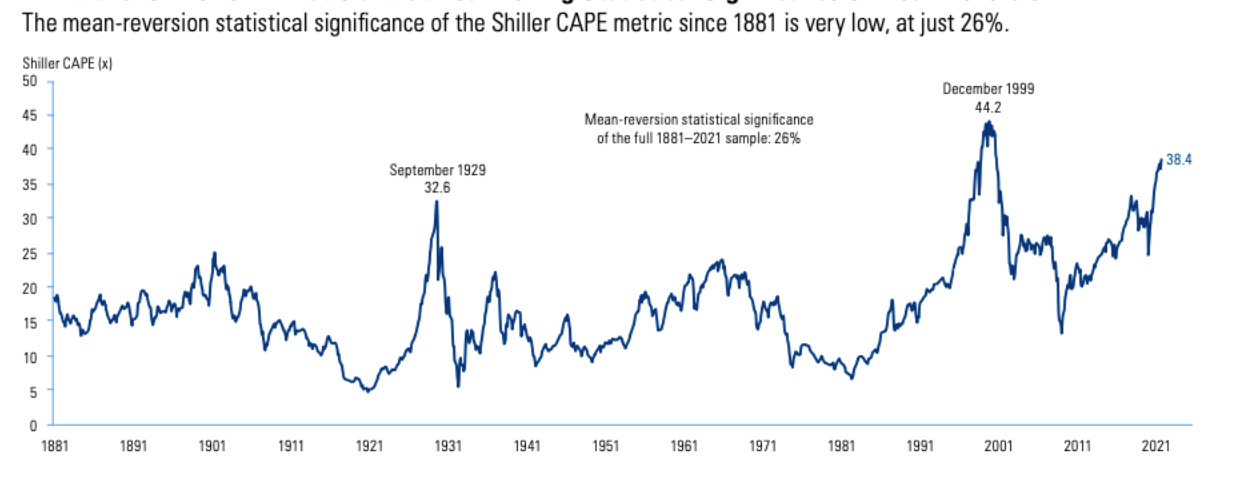
Did Goldman Sachs destroy a persistent myth about investing in stocks? Sam Ro recently suggested such was the case for the “sacred CAPE ratio.”
Antti Ilmanen’s Investing Amid Low Expected Returns updates his 2011 Expected Returns, a volume considered by many the definitive work on the subject.
Rising rates are a direct shot at your bond portfolio. But there's a real opportunity to address your equities and position them optimally for a rising rate environment.
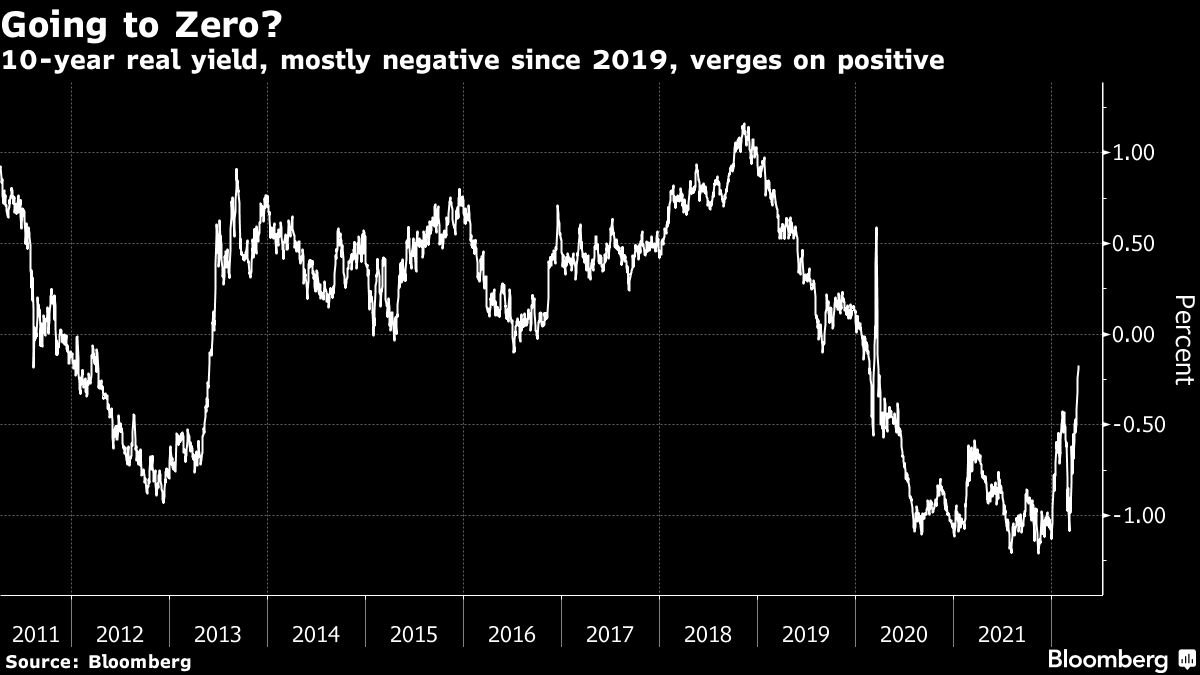
While all Treasury yields have climbed this year as the Fed began what’s expected to be an aggressive series of rate increases aimed throttling high inflation, in the past two weeks the baton has been passed to inflation-protected notes and bonds. Their yields are termed “real” because they represent the rates investors will accept as long as they are paired with extra payments to offset inflation.
The search for havens from the worst inflation in four decades feels like it’s about to get a lot more real. The bad news is that the task isn’t looking at all easy or straightforward, at least for individual investors whose choices are confined to the standard asset classes and who rely on a traditional 60-40 portfolio mix of equities and bonds to weather the ups and downs of market cycles.
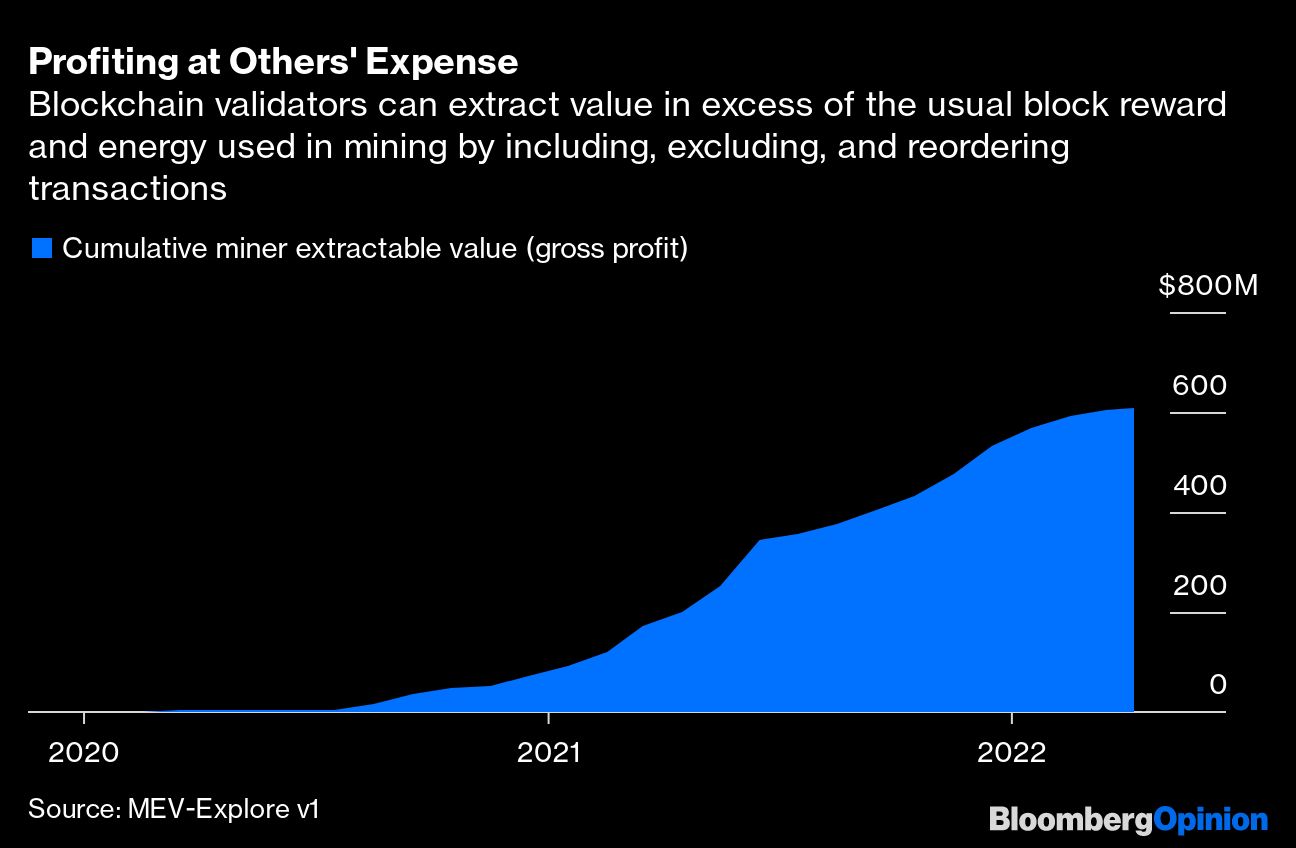
Much of what passes as DeFi today is just “decentralization theater,” as Fabian Schar, a University of Basel professor of blockchain, describes it. In theory, this hot new crypto corner wasn’t envisioned to be controlled by big-bulge intermediaries. The self-executing computer code deciding how digital assets would be lent or invested was supposed to be impervious to manipulation.
The last three years have been so relentlessly dismal — a global pandemic followed by the invasion of Ukraine — that it is tempting to idealize the old days. Just as the survivors of World War I looked back on the Edwardian era as one long country house weekend (“Stands the church clock at ten to three? And is there honey still for tea?”), so we observers of Ukraine’s agonies may think of the pre-Wuhan world as one of peace and prosperity. Yet in fact it was an era of sustained disappointment punctuated by the occasional crisis.
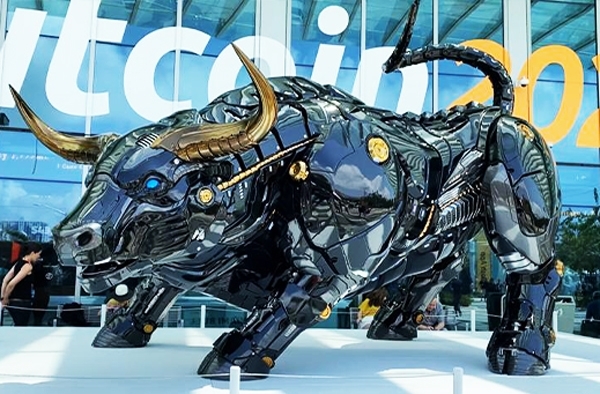
An estimated 30,000 people attended this week’s Bitcoin 2022 conference in Miami, which is rapidly becoming a major global crypto-finance hub.
Today we’ll consider the risks to my stagflation forecast. Note that’s different from the risks of my forecast, should it prove accurate. I’ve described those already but it’s important to ask how I might be wrong.
As dangerous as it is to simply extrapolate past returns into future expectations, an even bigger mistake is planning a financial future based on nominal gross returns, forgetting about how large bite expenses, taxes, and inflation will take from the bottom line. Use our premium membership service to forward this article to clients with your logo.
Supply-chain disruptions are testing companies around the world.
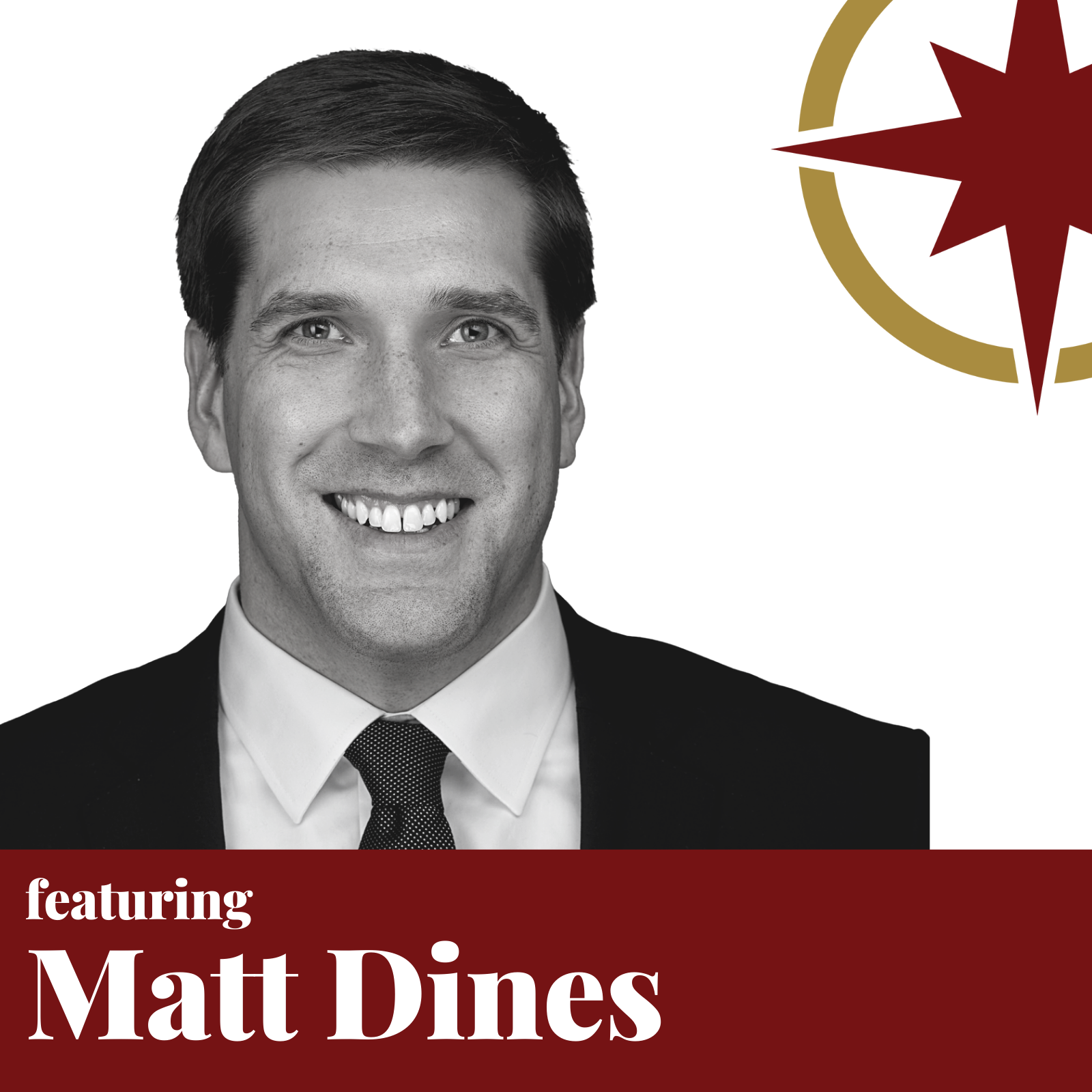
As expected, on March 16, the Fed signaled its intention to hike the Fed Funds rate by 25bps. My guest today, Matt Dines, the CIO of Build Asset Management, sees three big takeaways from its report. First, the Fed’s guidance on the path of the policy rate telegraphed its commitment to addressing the rising price levels afflicting the economy. Second, the FOMC’s guidance on the Fed Funds rate joined other key and important rate curves in the global financial system in inversion – i.e., the level for longer-dated maturities lies below those that come before them. Third, the strong rally across financial assets after they digested the FOMC's report was an understanding that the "Fed Put" will be in play the next time trouble arises.
With many major market forces still to be determined, it is likely that 2022 will be characterized by transitions. One such transition, a rising rate environment, has historically resulted in the underperformance of traditional fixed income. As rates increase, fixed income exposures typically fall short, leaving investors with the need to reevaluate and consider alternative solutions to enhance their current allocations. Emerging markets debt, investment grade floating rate notes and business development companies (BDCs) may provide investors with alternative yield options while also offering liquidity, credit and quality.
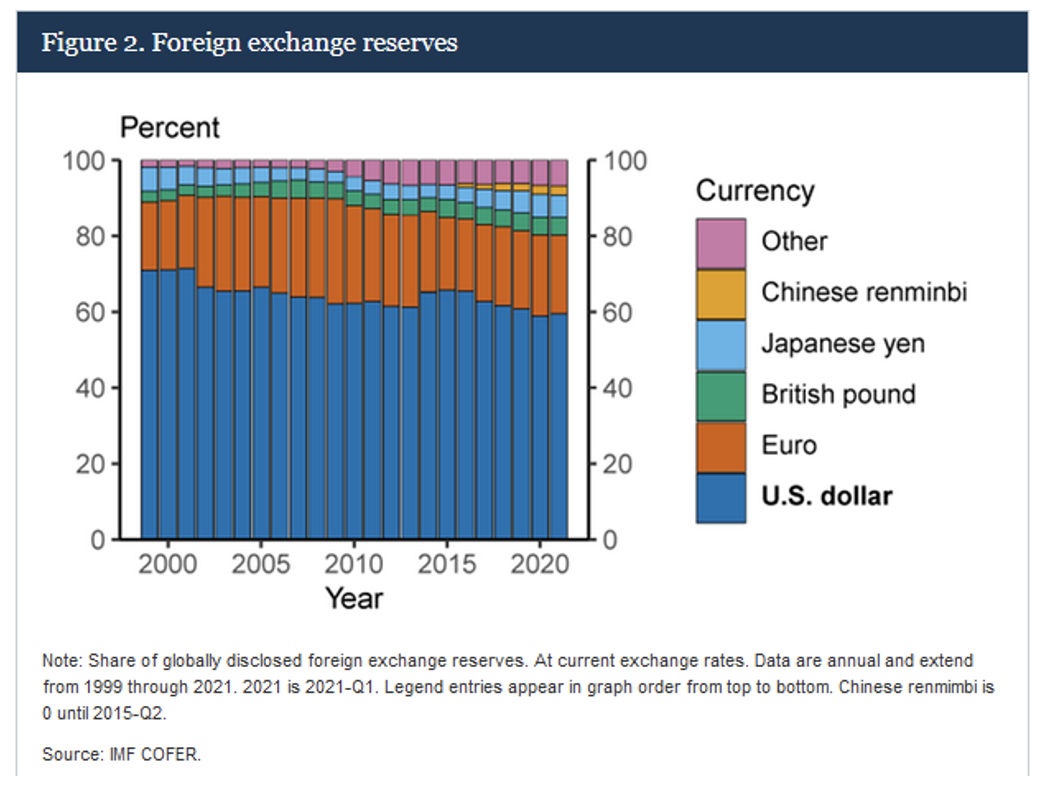
This article explores the problem vexing Russia and its trade partners. I explore how the threat and use of sanctions may force some countries to contemplate weaning off the world's reserve currency.
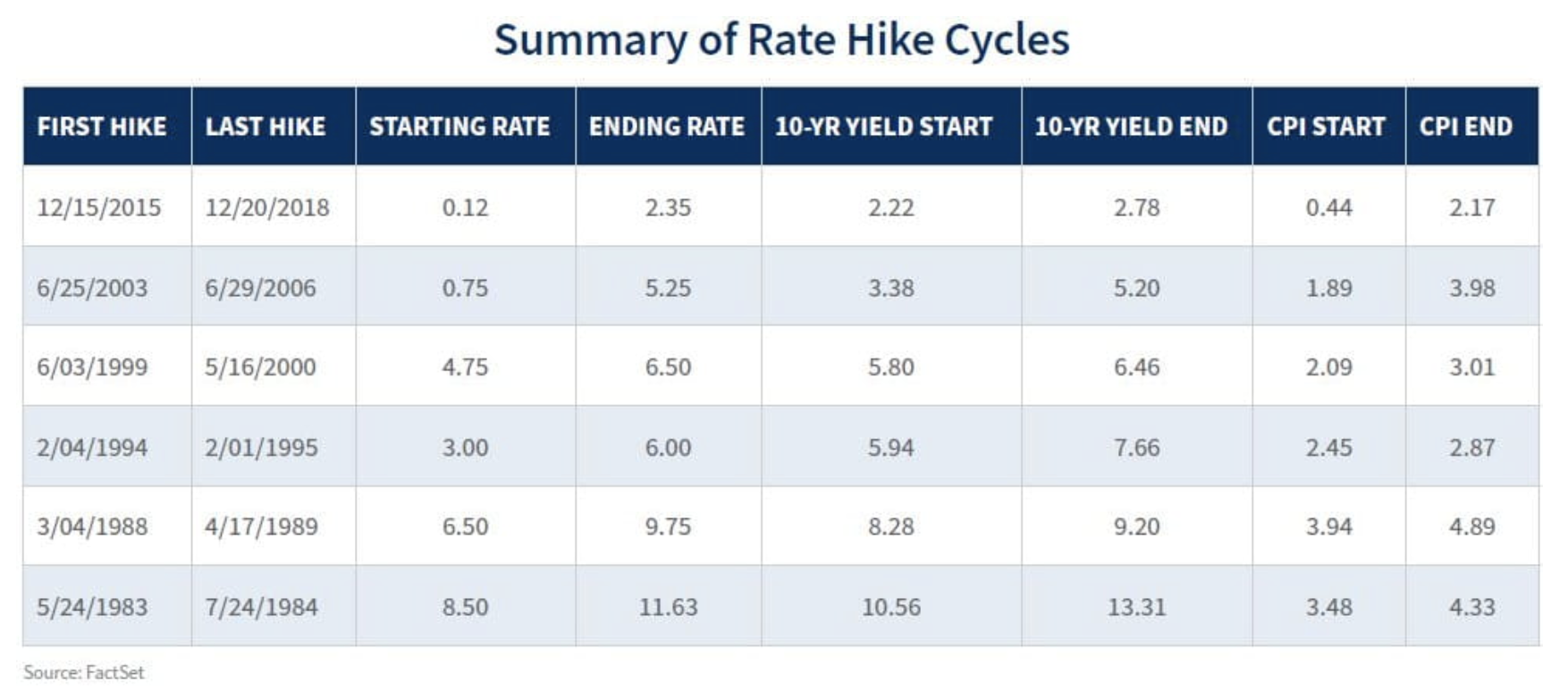
With the US Federal Reserve (Fed) and other central banks going down the path of increasing policy rates, it seemed a good time to look at market impacts over the last 40 years or so.
Putin's invasion reminds us that we live in a finite world in which resource prices tend to rise.
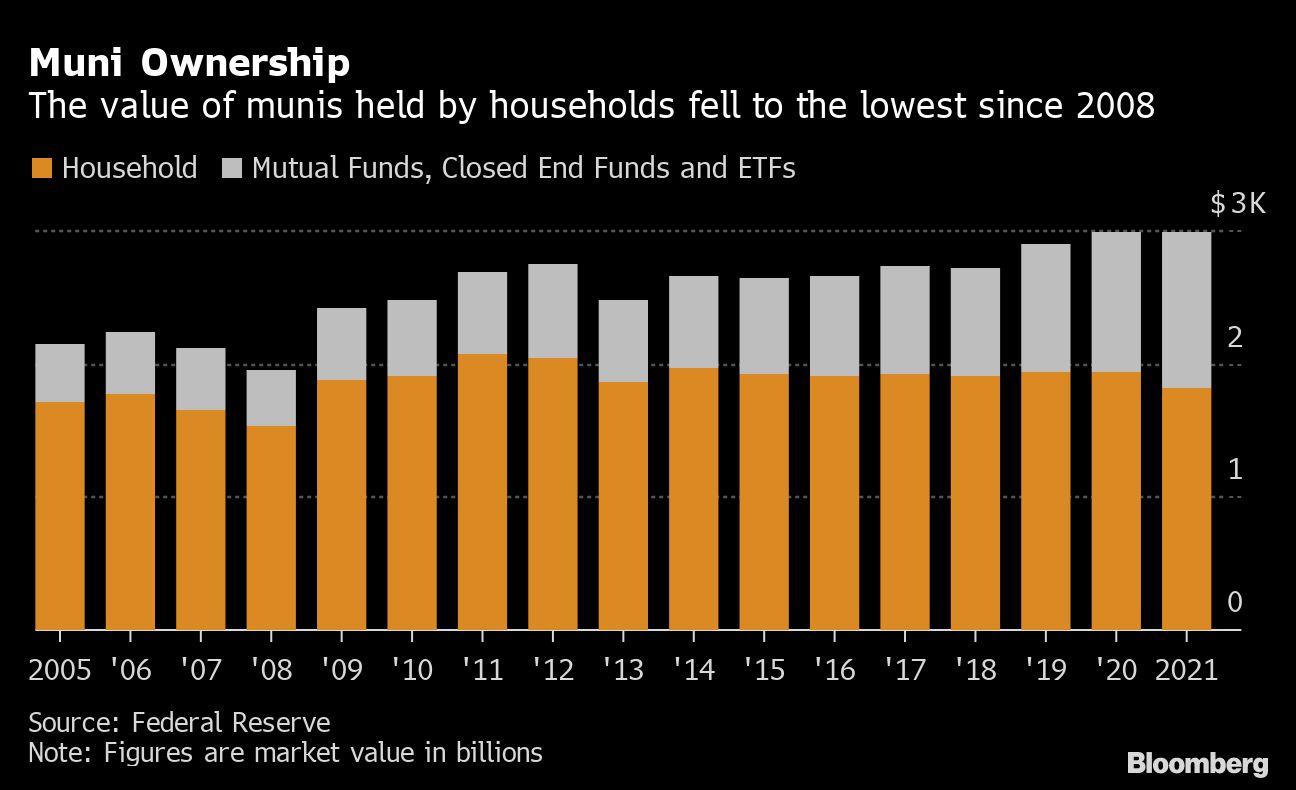
The value of bonds directly owned by households fell by $18 billion in the fourth quarter of 2021, dropping to the lowest level since 2008, according to Federal Reserve data. Instead, those buyers are moving toward mutual funds and exchange traded funds, which have roughly doubled their muni holdings over the last decade.
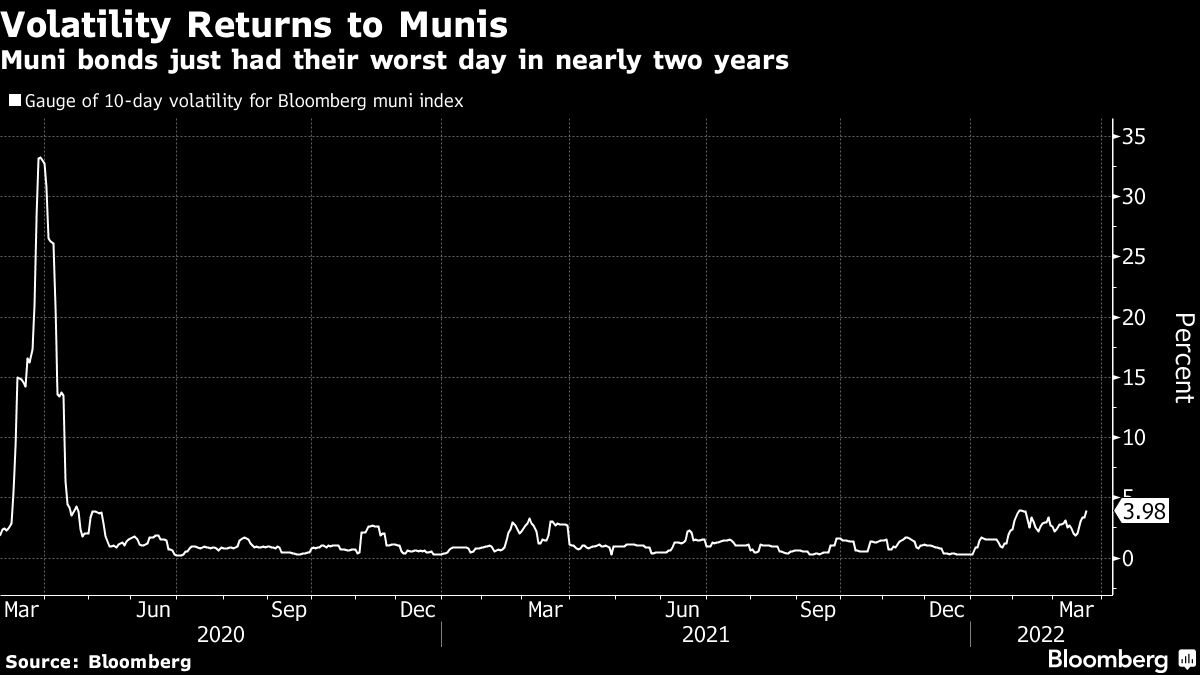
The $4 trillion state and local-debt market just logged its most volatile 10-day period since the early 2020 selloff, according to data compiled by Bloomberg. Benchmark yields rose as much as 11 basis points on Tuesday, driving the market to its worst day of performance since April 2020. AAA yields rose as much as 2 basis points as of 4 p.m. on Wednesday.
As a solar panel was raised onto the roof of their mud-brick home in a Tanzanian village in sight of Mount Kilimanjaro, Akida Saidi and his wife felt giddy at the prospect of entering a new era. In a place where most residents make do with pit latrines instead of toilets and till their fields of maize and pigeon peas with hoes, suddenly having electricity would catapult them into the 21st century.
It’s been a bleak stretch in the $4 trillion municipal-bond market, with returns slumping, retail investors dumping bonds and volatility giving issuers pause. But some portfolio managers are jumping into the fray.
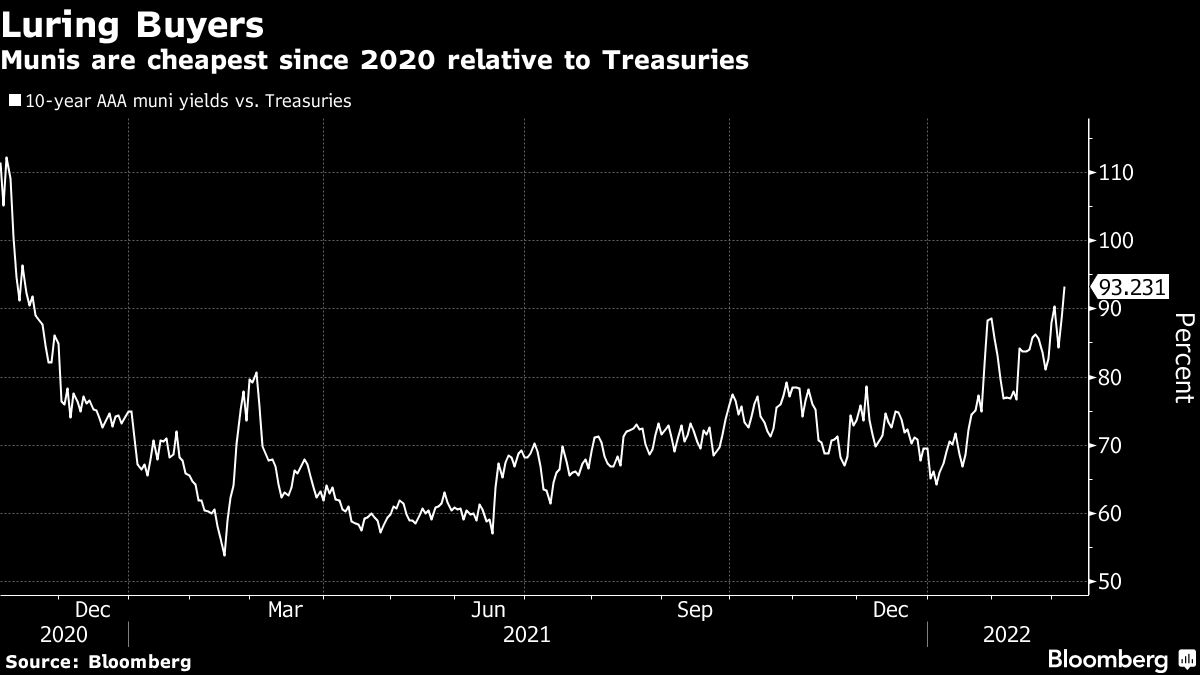
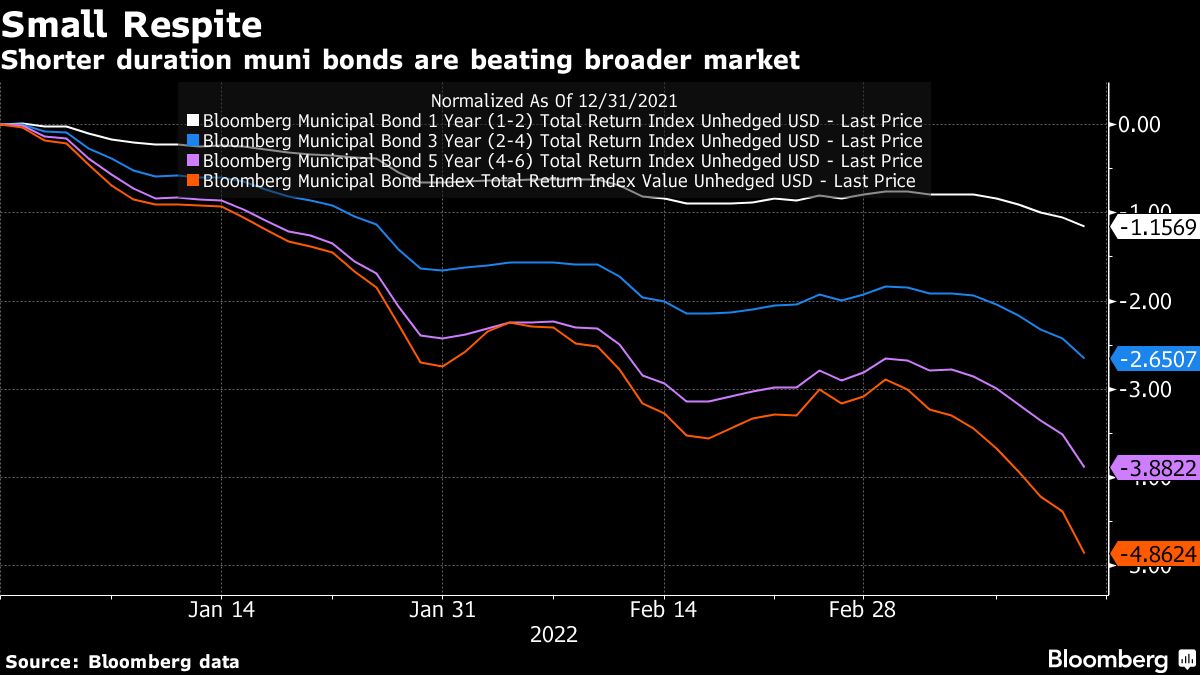
The muni market has posted a loss of 4.9% this year, with the 10-year benchmark yield hitting the highest mark since the pandemic-induced tumult of March 2020. But some market participants are seeking relief at the shorter end of the curve.
The number of business locations increased in almost three-quarters of U.S. counties over the two years through September 2021, according to new research from the Economic Innovation Group, a Washington think tank. The fastest growth was in the Southeast of the country and inland western regions.
As we have noted in this space in the past, there is a lot of the world that cannot be captured by the most elegant and detailed of spreadsheets.
The Bluetooth logo is a bind rune merging the Younger Futhark runes(Hagall) (ᚼ) and (Bjarkan) (ᛒ), Harald’s initials.
John Vail, Chief Global Strategist at Nikko Asset Management, discusses Nikko AM’s Global Investment Committee views on current global market drivers as well as expectations for the markets moving forward.
…war is an old habit of thought, an old frame of mind, an old political technique.
Watch replays for CE credit. We recap the webinars presented at our Market Outlook Summit.
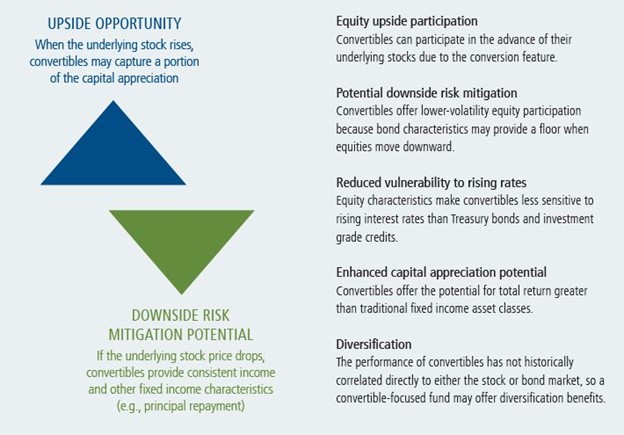
Diverse opportunities in Global Convertibles, as well as structural features, provide tailwinds to counter rising rates and equity volatility. In rising rate environments, convertibles have historically done quite well relative to longer-duration traditional fixed income investments.
There is no shortage of headwinds facing both the market and the economy: the tragic Russian invasion of Ukraine and attendant commodity/energy crisis; the Federal Reserve's transition from accommodative to tighter monetary policy; and increased chatter of a recession on the horizon; among others.
Geopolitical risks, rising rates, and inflation are key risks facing clients today. Common hedges work until they don’t, and as of late, have not delivered the results clients are expecting.
CIO Robert Horrocks, PhD, examines the ramifications of Russia’s invasion of Ukraine on China’s trade and economic strategy and the implications the conflict has for Asia’s development and markets.
I discuss cultural and technical challenges and ideas that will lead to a successful client relationship when working with this group of great clients.
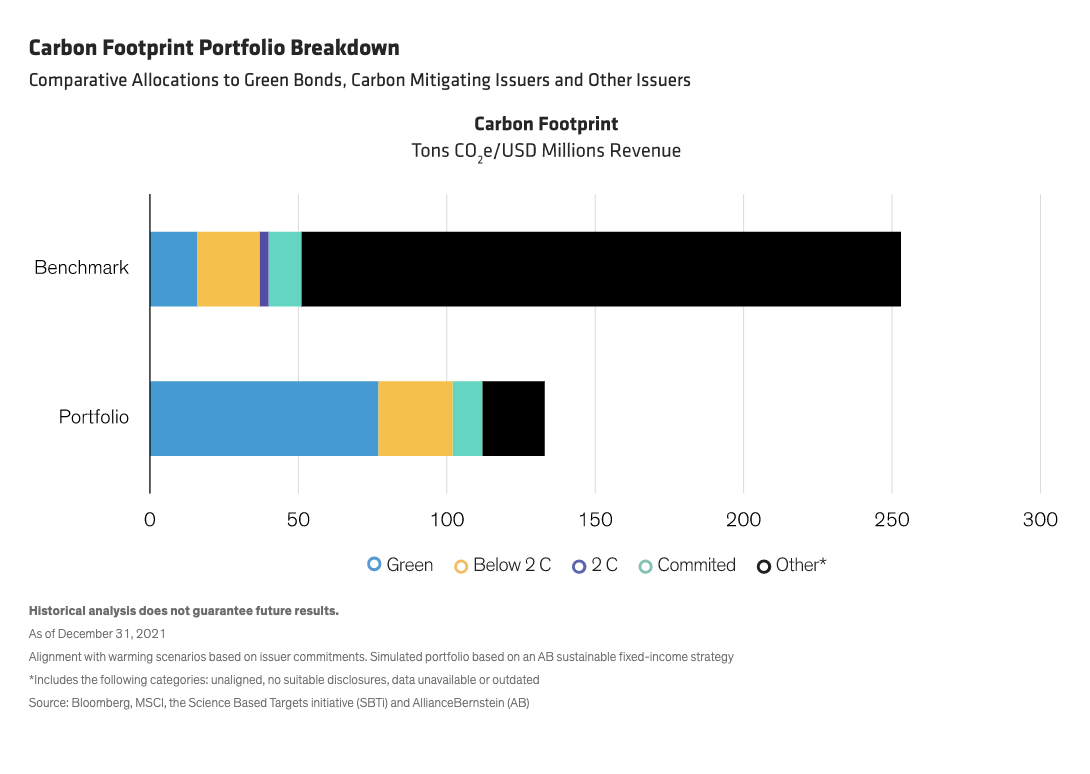
Transitioning to a net-zero carbon economy* is vitally important, and corporate bonds will play a critical role in the transition.
Last week we looked at four "stinking thinking" cognitive biases that contribute to poor investment decisions. Here are six more.
The prime targets for bad actors are companies buying others since they have the money and deep pockets.
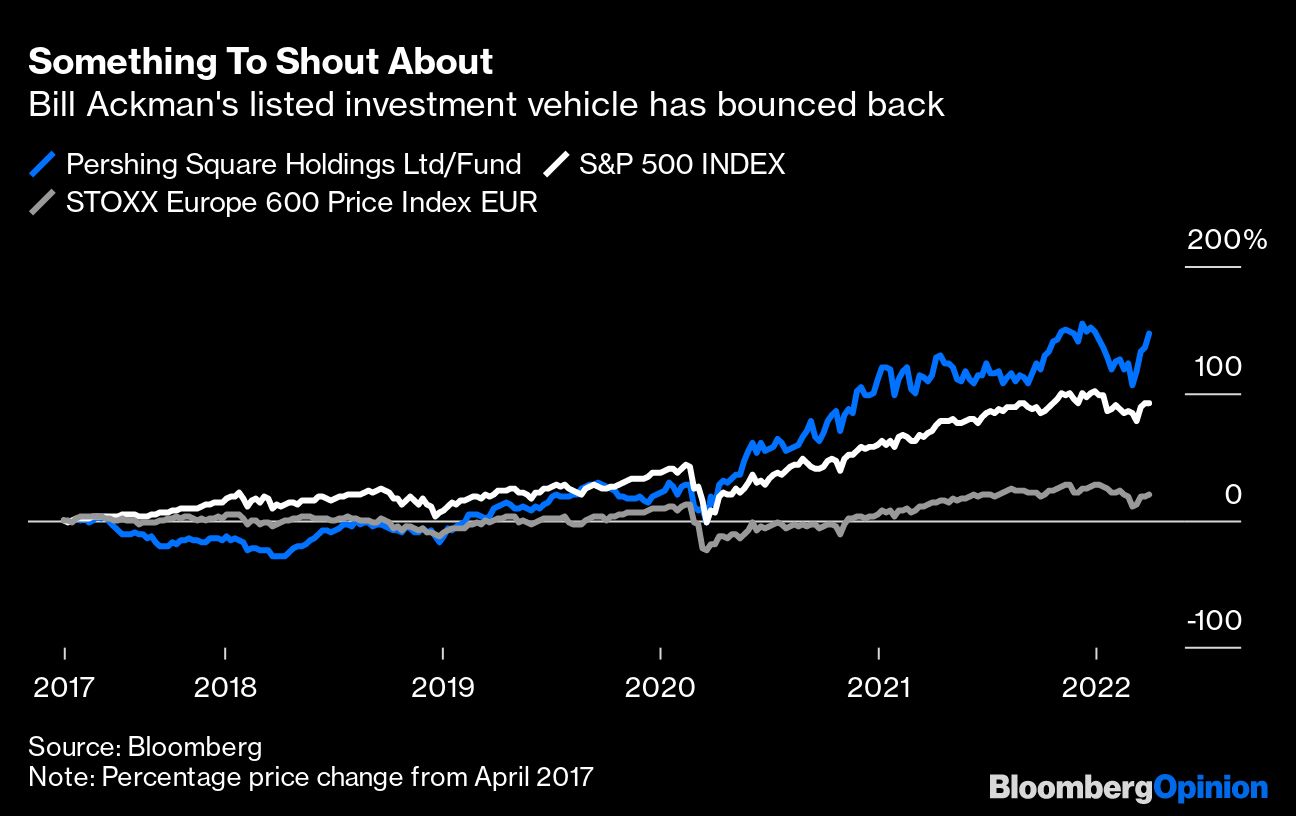
Poor-performing chief executives can sleep a little easier. Bill Ackman, one of the world’s best-known investors, has all but ruled out future activist campaigns in favor of a lower-key approach to influencing portfolio companies. That’s a commendable investment stance. But efficient capital markets still need the odd rabble rouser.
While most of the world watches in horror as Vladimir Putin advances his military invasion of Ukraine, Russia’s congruent foray into Bitcoin, gold-linked rubles and central bank digital currencies is triggering a conflicted response from financial technology and crypto enthusiasts.
As quarters go, this was one for the record books. Taking three months, or a calendar year, to have any particular significance makes no sense, but it’s difficult to quell it. So, here is an attempt to summarize what’s changed in the last three months from the point of view of markets.
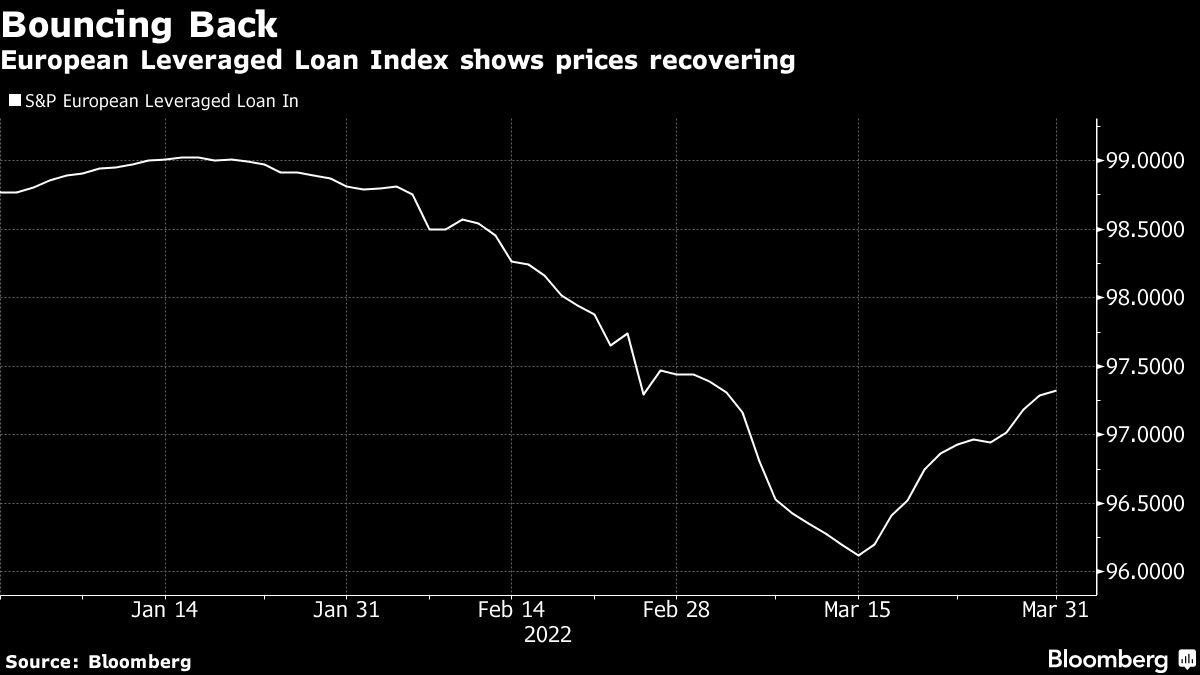
Banks are gearing up to offload billions of dollars in junk debt backing leveraged buyouts, counting on the nascent stability in the market to finally get rid of underwrites for businesses such as Wm Morrison Supermarkets Plc and Unilever Plc’s tea unit.
Do the investment products that advertise themselves as ESG-compliant actually deliver?
According to LIMRA, RILA sales for the first half of 2021 were 105% higher than the same period in 2020. What’s behind the popularity of this relatively new product?
Reflecting on the history of our family office, our investing philosophy mirrors how previous generations built their wealth through farming. They patiently waited to harvest the crops they planted; we buy securities and patiently wait for them to appreciate.
The poor performance of factor-driven value strategies over the past decade has raised the question of whether intangible assets, such as patents and proprietary software, are properly treated. New research confirms that intangibles indeed distort valuation metrices, but there is no consensus on how to address the problem.
We are a service industry. Before we try to sell clients anything, we need to stop and consider what they want.
Managing your calendar can feel like a full-time job. Using an automated scheduling tool, such as Acuity Scheduling, Calendly, or OnceHub, is a must.
Globalization in all its forms, from social to economic to political, has been on the rise since about the 1970s, and I genuinely believe it’s had more benefits than drawbacks on average.
The surge in bond yields suggests that we are nearing the ideal entry point to buy longer-duration bonds for capital appreciation and portfolio protection.