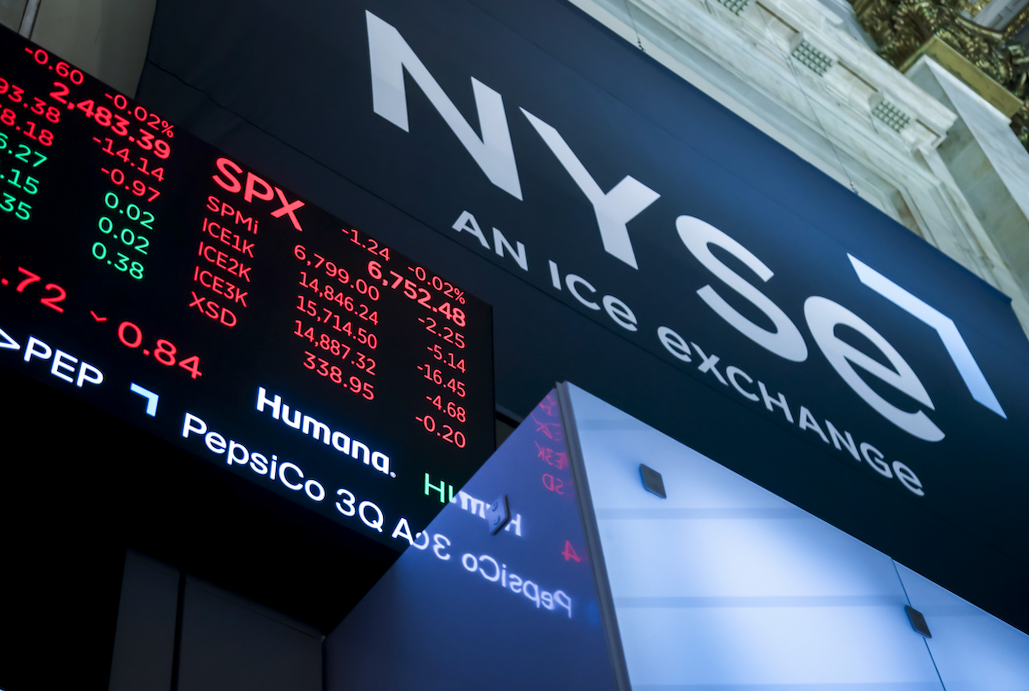
A lot of people are watching this meteoric US stock market with amazement as it shakes off one worry after another – slowing labor market, sagging consumer sentiment, continuing trade uncertainty, geopolitical tensions and now a US government shutdown – on its way to new record highs.
Independent advisors have the ability to put their clients’ needs first, which is known as the independent advantage. Understanding the difference between captive financial advisors and independent financial advisors is also key to helping you pick the best advisor for you.
The fastest way to embed yourself locally is a series of small, consistent actions that compound over time. Here are seven micro-moves we’ve used to position ourselves as the go-to financial planner.
Join the experts at T. Rowe Price for a product due diligence session covering their suite of fixed income ETFs.
September proved to be a powerful month for ETF flows, even as investors faced elevated long-end volatility, concerns about fiscal deficits, and a shifting macroeconomic backdrop. Rather than retreat from markets, investors leaned into opportunity, particularly in fixed income.
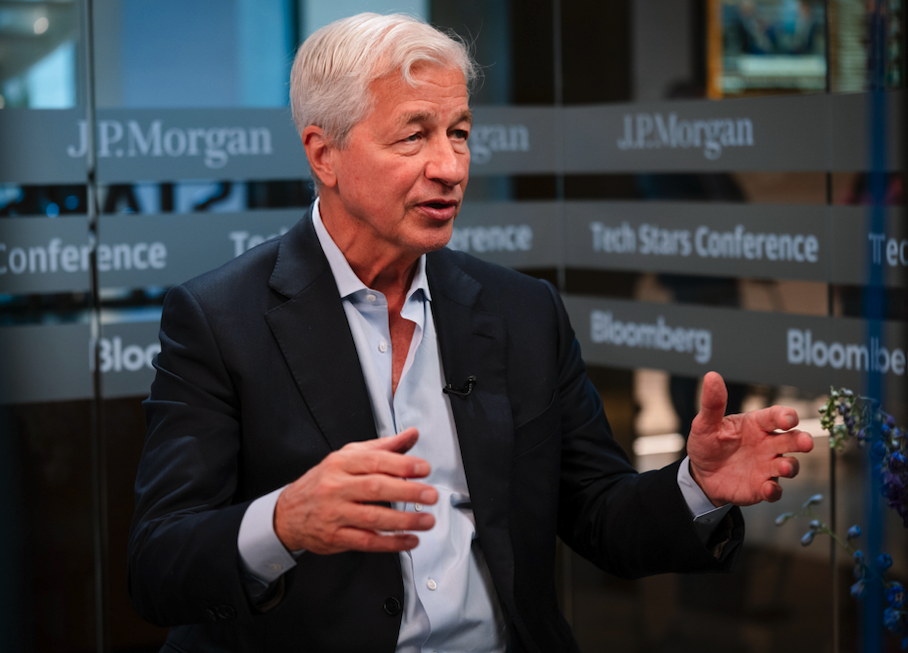
JPMorgan Chase & Co. vowed to funnel $1.5 trillion into industries that bolster US economic security and resiliency over the next 10 years — an initiative that will invest billions of dollars in companies and hire bankers and other professionals
BlackRock Inc. pulled in $205 billion of client money in the third quarter as the world’s largest fund manager expanded its footprint in private credit and alternative assets.
Tech and its derivatives have led returns thus far. After hefty multiple expansion, earnings will need to take the driver’s seat.
Earnings season kicks into high gear this week, with the big banks unofficially firing the starting gun on Tuesday.
After joining the World Trade Organization (WTO) in 2001, China’s trade with Latin America grew an average of 31% a year for approximately the next decade. In 2024, bilateral trade between the two regions hit $518 billion, overtaking the U.S. as South America’s top trading partner.
While energy policy in the US tends to be polarizing, nuclear energy enjoys broad support from both sides of the aisle. Republicans are drawn to nuclear’s energy security and reliability.
The latest moves by European companies to list in the US are more radical than meets the eye. AstraZeneca Plc and TotalEnergies SE want to upgrade their existing US equity offering to stock from from quasi stock — a well-trodden path. But as ever, the devil is in the detail.
There's a base layer that underpins technological buildouts for disruptive technology — the need for natural resources.
OpenAI signed a multiyear agreement with Broadcom Inc. to collaborate on custom chips and networking equipment, marking the latest step in the startup’s ambitious plan to add computing infrastructure. Broadcom shares jumped.
As we write this, the market’s reaction to the government shutdown in the U.S. has been little more than a shoulder shrug. That would seem a rational response, particularly if this shutdown is short-lived.
Polymarket is a rational system, with efficiency, security and incentives designed into the platform. But it may still see unanticipated problems.
It's odd to consider, but a recession could flip our bullish outlook on bonds to bearish. It's unusual because typically, inflation drops during a recession, leading to lower yields and higher bond prices. However, we believe that if an economic downturn or recession occurs soon, the immediate effect on bonds will be favorable.
This year several new funds have debuted, each designed to meet the changing needs of today’s diversified portfolios.
As the Fall gets into gear, more and more investors and advisors will be considering their end of year tax bills. While markets saw plenty of uncertainty and upheaval so far in 2025, many will be facing significant tax implications on their gains.
Often pitted against each other, gold and Bitcoin are both benefiting from the effects of the current “debasement trade.” In turn, this creates investment opportunities to capture upside in ETFs that offer exposure to cryptocurrencies.
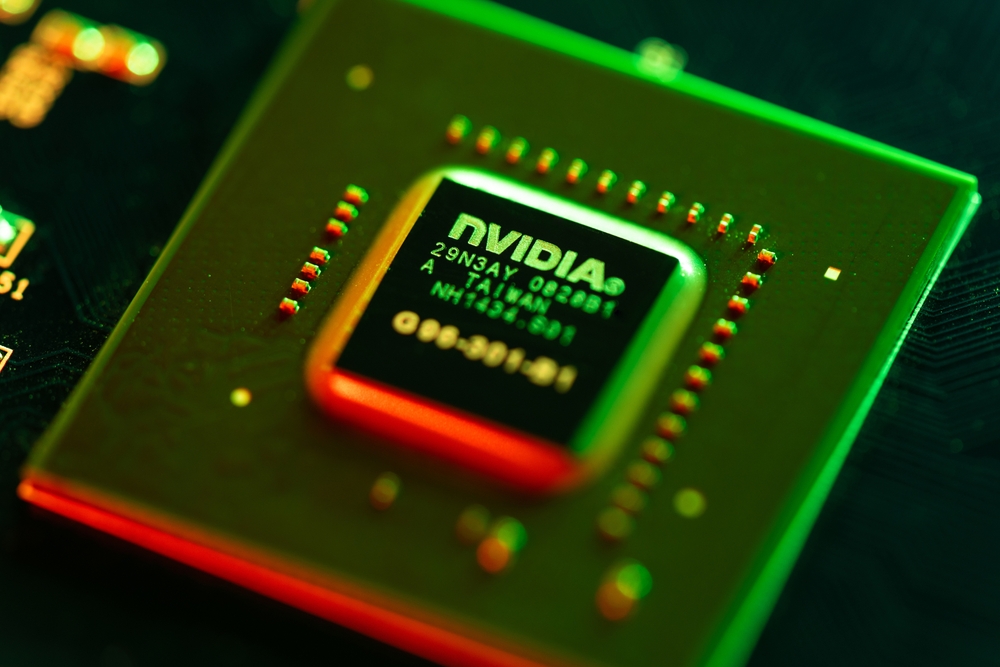
NVIDIA’s $100 billion partnership with OpenAI signals a paradigm shift, as demand for AI compute infrastructure surges beyond even the boldest forecasts.
Already off to a fine start due in part to the government shutdown headlines, bitcoin and BRRR could be in style this month and over the course of the fourth quarter with the help of favorable seasonality.
The fourth quarter is typically – seasonally – positive for U.S. equities. An ongoing government shutdown is not a strong backdrop for markets, but major indices remain close to record highs, waiting for new data for direction. It looks like a good time to be cautiously optimistic, or to get a little defensive, maybe add a little gold, and steer clear of highly valued stocks.
From technology firms to translators, the world has not faced up to the consequences of artificial intelligence wiping out swathes of jobs, according to one of AI’s biggest cheerleaders in finance.
American taxpayers spend billions of dollars annually supporting pharmaceutical development. Yet the US continues to pay more for medicine than any other country in the world.
Betting against the dollar has been the dominant trade this year in the $9.6 trillion-a-day foreign-exchange market, but the wager is starting to stumble.
The government shutdown is already beginning to impact air travel. Alarm bells are ringing about the air traffic controllers who are not being paid yet are expected to continue working. While members of Congress bicker, the snarls at airports and potential safety issues are coming like a downhill train that’s lost its brakes.
The European Union (EU) has a problem. For decades, member states enjoyed a tall glass of peace dividend lemonade under the shade of the U.S. security umbrella. Unfortunately, that era has ended.
September was a powerful month for ETF flows, despite volatility, fiscal deficit concerns, and a shifting macroeconomic backdrop.
Many investors have moved to add significant foreign equities exposure this year, rewarding them with strong performances and returns.
The U.S. Federal Reserve instituted its first interest rate cut of the year, which could force investors to reassess their fixed income portfolios to plan for further monetary policy changes. Given this, it’s an opportune time to consider using more flexible active funds in order to mute any rate cut noise.
Since the recovery from the global financial crisis (GFC), the S&P 500 has delivered one of the strongest and longest bull markets in U.S. history, with 16.2% annualized returns.
Separately managed accounts, paired with systematic tax management, had the power to capture losses in the third quarter—even when the market was up.
There has been a lot of hype surrounding artificial intelligence, and AI stocks have helped propel the stock market to record highs. Meanwhile, gold stocks have quietly outperformed AI chip stocks.
With official economic data on pause during the government shutdown, investors are left with limited visibility. Kevin Flanagan explains how markets are leaning on private sources and Fed signals to fill the gap.
How AI evolves is perhaps the biggest question looming over the future of both the stock market and the broader economy. The “magnificent seven” tech companies, all with big bets on AI, account for more than one third of the S&P 500 Index’s market capitalization, up from about a fifth at the end of 2022.
The Fed has made its first rate cut of the year, with more possibly ahead—but that doesn’t mean longer-term yields like the 10-year Treasury will follow. So far, they haven’t. The potential result? A frustrating mix of falling money market rates and stagnant at best bond prices. For yield-seeking investors, equity income strategies may offer a compelling alternative, with opportunities less sensitive to interest rate swings.
The US government shut its doors on October 1. Republicans and Democrats couldn’t agree on a spending bill, so non-essential portions of the government are closed until further notice.
One obvious tweety bird is the riskiest type of bank debt, known as perpetual additional tier one bonds. These securities allow regulators to wipe out investors if a bank fails, but to compensate they offer the highest yields for lending to financial firms.
This article breaks down the five main reasons financial advisors overwhelmingly prefer using crypto exchange-traded funds (ETFs) rather than recommending direct purchases of Bitcoin, Ethereum, or other tokens.
To say the roof hasn’t caved in on the dollar is an understatement. Despite the doomsaying that was pervasive after the White House imposed sweeping tariffs, the greenback is as entrenched in the cogs of global finance as ever. If anything, its use is more pervasive.
All of that data center activity requires huge new amounts of electricity, but with most renewables slowing down, nuclear energy stocks could be poised to benefit. That presents a notable opportunity in the nuclear energy ETF NUKZ.
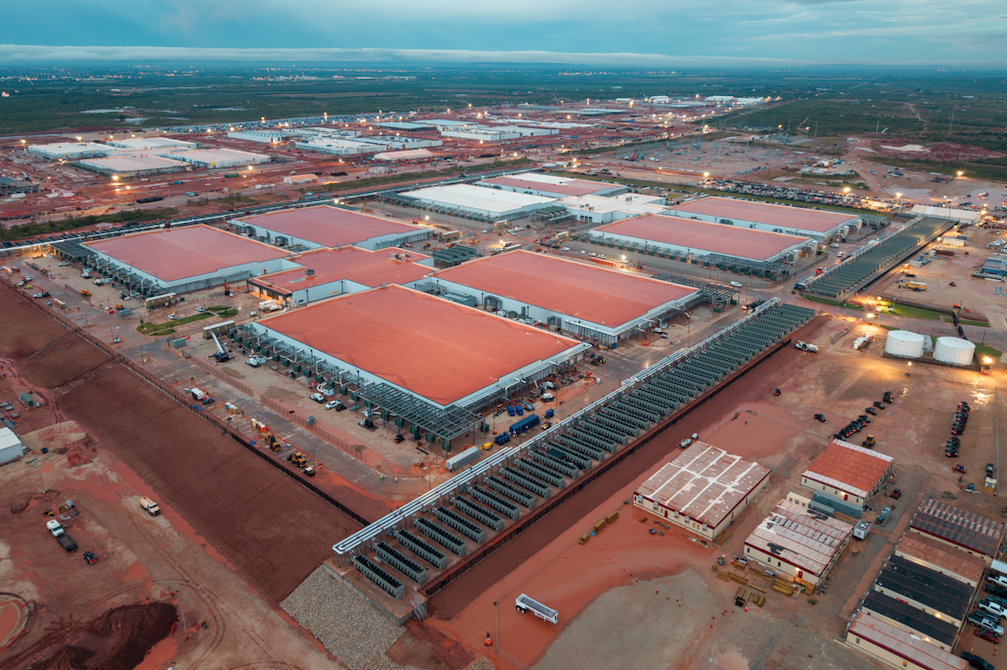
The boom in capital expenditures related to generative artificial intelligence is generating lots of questions about whether it is sustainable.
Join the experts at Manulife John Hancock Investments for a free educational webcast exploring mortgage backed securities and how they are positioned to boost portfolios in today’s environment.
As younger generations are more often delaying life milestones, like marriage, parenthood and homeownership, advisors may need to adjust their conversations with millennial and Gen Z clients.
An offsite with a great facilitator can be such a powerful experience. Ideally, they are a way to get team members talking about things they might otherwise be uncomfortable sharing with one another. Sometimes facilitators think the “tough love” approach is the best one to get people to see the dynamics of what is going on.
First it was a $400-million stake in MP Materials Corp., a little-known miner of rare-earth materials.
Like having the hottest A-lister on your arm, being a company merely associated with the OpenAI hype machine can send your street cred soaring these days.
In 2006, Andrew Fire and Craig Mello shared the Nobel Prize in Physiology or Medicine for their discovery of RNA interference (RNAi), which they published in 1998. Since then, the potential of a technology capable of silencing disease-causing genes has been a very attractive proposition.
Labor markets are not keeping pace with young adult populations.