If you’re unfamiliar with synthetic risk transfers, there’s a chance you’ll hear all about them when the next financial crisis hits. They’re the latest way for big banks to game rules designed to safeguard the system, and they’re growing fast. So far, regulators seem all but oblivious.
Apple Inc.’s iPhone exports from India jumped by a third in the six months through September, underscoring its push to expand manufacturing in the country and reduce dependence on China.
This week’s economic indicators continue to reflect a resilient U.S. economy despite the ongoing pressure from higher interest rates. Jobless claims dropped to 227,000, indicating a steady labor market. Durable goods orders came in strong, aligning with estimates, and GDP growth for Q3 is expected to come in between 3% and 3.25%, a robust figure by most standards.
When done effectively, your outsourced team of professionals can help improve efficiencies, increase productivity, and scale profitably – all while giving you the freedom to focus on what you’re most passionate about.
Here, we'll explore why serving family offices is a natural fit for many RIAs, discuss the considerations that need to be factored in when launching an MFO practice, and offer a roadmap for successfully building one.
For nearly 2 years I have been recommending MLP pipelines (Master Limited Partnership) as an attractive energy play with high yields and upside price potential.
Normalization seems to be in its final stage, with the Fed expected to continue cutting rates.
Digital assets are emerging as a crucial subset of alternative investments, and their integration into wealth management portfolios is inevitable.
On this episode of the “ETF of the Week” podcast, VettaFi’s Head of Research Todd Rosenbluth discussed the Fidelity Corporate Bond ETF (FCOR) with Chuck Jaffe of Money Life. The pair discussed several topics related to the fund to give investors a deeper understanding of the ETF overall.
Memory inflation of past events amplifies one's emotions and behaviors. As I will discuss, I believe that distress from recent price inflation is causing many investors to overly fear that a similar situation will reoccur.
Wall Street veteran Ed Yardeni says the approaching US election could augur the return of the market’s bond vigilantes as the Treasury Department readies new debt issuance plans.
Bitcoin traders are targeting the $70,000 price level last reached in June once again after cryptocurrencies briefly dipped across the board late Friday and US exchange-traded funds continued to see steady inflows.
Apple Inc., heralding a “new era” for its devices, started rolling out its first set of Apple Intelligence features and introduced a new 24-inch iMac desktop with a faster, AI-focused M4 processor.
The third quarter of 2024 saw a clear reversal in market leadership, with the Low Volatility and High Dividend factors performing the best while the Momentum and Growth factors performed the worst.
Although Americans say they don’t like paying the current level of prices for goods and services that resulted from the worst bout of inflation in 40 years, they can take comfort from the fact that those prices, while admittedly not coming down in most cases, are actually becoming more affordable.
A true win-win-win situation doesn’t come along often. One could be brewing with a Boeing Co. decision to look at a potential sale — or perhaps more realistically a spinoff — of its space business.
Seasonality has long influenced stock market trends, offering insights into predictable cycles of strength and weakness throughout the year. Yale Hirsch, the creator of the Stock Trader’s Almanac, is one of the most well-known contributors to studying these patterns.
A call for taking a closer look at hard assets given the macro backdrop has been a recurring theme this fall.
The yield curve indicates that US economic growth has slowed, with only limited signs that the economy could be heading into a broad decline.
Big energy companies are making the case that skyrocketing electricity demand from data centers — and the need to build more power sources to meet it — will end up being good for the climate.
Real estate stocks and related ETFs recently got a much needed positive jolt when the Federal Reserve lowered interest rates in September.
As advisors wrestle with the impacts of interest rates, inflation, and the election, it is more important than ever to hear from the experts.
We don’t talk about China enough. I suspect this is for several reasons. First, because the country is so incomprehensibly big and populous. Second, it has been an economic miracle. Many Chinese enthusiasts just see a straight line projection of their growth. To the moon, Alice!
With less than two weeks remaining before the U.S. presidential election, there’s a growing sense of uncertainty in the air. Investors are wondering how to position their money, bracing for the possibility of significant volatility and market shifts.
At his party’s inaugural investment summit last week, UK Prime Minister Keir Starmer positioned himself as a champion for artificial intelligence. Appearing alongside former Google Chief Executive Officer Eric Schmidt, Starmer called AI an “opportunity,” rather than something to be scared of, and said his country “needs to run towards” it.
Some of the latest reads show growing momentum in the housing and homebuilding sectors. Investors can capitalize on this with targeted ETFs.
The Internal Revenue Service has announced new tax brackets for 2025, making now an ideal time to revisit the benefits of muni bond ETFs.
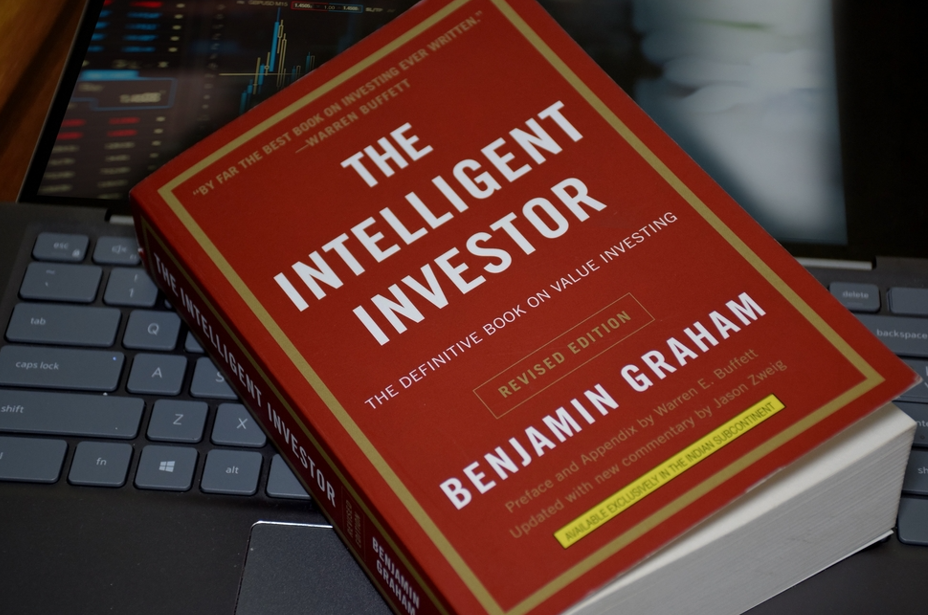
When Warren Buffett calls a book on investing “by far the best book about investing ever written,” it is common sense to concede the point.
Equity investors face a bewildering sequence of tough-to-predict outcomes and confusing market signals. Patience and a steady hand look like valuable attributes in navigating through the noise.
To those who argue that value investing has gotten too hard in today’s momentum-chasing, passive-driven world, Scott McBride’s results are a bit of a conundrum.
Economists nudged up quarterly US economic growth projections through early next year on more sanguine views of consumer demand and maintained views that limited inflation will keep the Federal Reserve on a path toward lower borrowing costs.
The Federal Reserve's dual mandate is to maintain stable inflation and maximize employment. The Fed manages liquidity through its policy tools, but it's crucial to remember that the Fed is just one source of liquidity among several. In this quick insight, Dan Suzuki examines why tight Fed policy doesn't always equate to tight liquidity and looks into the historical data on Fed cuts.
Very recently there have been several earnings reports coming out. Earnings reports can often have a short-term impact on the price of the stock, especially in the short run. One of the sectors that has really been hit hard recently has been the health care sector, specifically Elevance and United Health Care had earnings announcements and they were somewhat negative.
Many investors today use EM debt for the wrong reasons, manage it imprudently, or overlook the best parts.
Financial markets moved higher yet again in the third quarter of 2024, and this time everyone joined in!
Volatility creates a number of challenges for advisors and investors, but also opportunities for those who know where to look.
The period from 1956-1966 offers lessons we can apply to today's bull market, regarding technological progress, market fundamentals and more.
Galaxy’s Chris Rhine and State Street’s Matt Bartolini discuss their firms’ recent collaboration on three actively managed ETFs focused on digital assets and disruptive technology. VettaFi’s Roxanna Islam combs through new ETF filings from BattleShares, Cambria, iShares, Canary, and more.
Asset managers in Europe and the US have spent 2024 winding down hundreds of ESG funds, as the investment strategy continues to bump up against regulatory headwinds.
As Steward Health Care Systems LLC’s network of hospitals was struggling, it stopped paying some of its vendors. One of those vendors was a supplier of bereavement boxes, the tiny cases used to transport the remains of newborns who don’t survive.
Imagine if humanity decides it doesn’t have enough amusement parks. All the world’s nations announce they will be financing new ones across the planet. Bankers stand next to models of future parks and hand comically large loan checks to the developers. It’s not nearly enough to end the global amusement-park crisis, but they still win accolades and shareholder approval for doing their part.
This half-day symposium brings the brightest minds in the ETF and mutual fund industry together for panel discussions spanning critical fixed income topics.
Tesla Inc.’s shares surged after the carmaker reported surprisingly strong earnings and forecast as much as 30% growth in vehicle sales next year.
The tech sector approaches third-quarter earnings season in unusual territory, with investors worried about a slowdown in earnings growth over the last year. Margins loom large.
Volatile interest rates have spurred investment capital into motion. Clients often ask where they should allocate on the yield curve.
The start of a rate-cutting cycle has opened up new questions ― and possibilities ― for stock investors. Tony DeSpirito, Global CIO of BlackRock Fundamental Equities, outlines key areas to watch as the Fed takes action to “recalibrate” interest rates.
In our latest AB Disruptor Series episode, we take a closer look at the implications of a polarized US electorate on the macro and market landscape.
The regulatory outlook is a question of direction more than extent.
The U.S. election outcome is anyone’s guess, so let’s try to game out the winners and losers from the candidates’ major policy proposals.