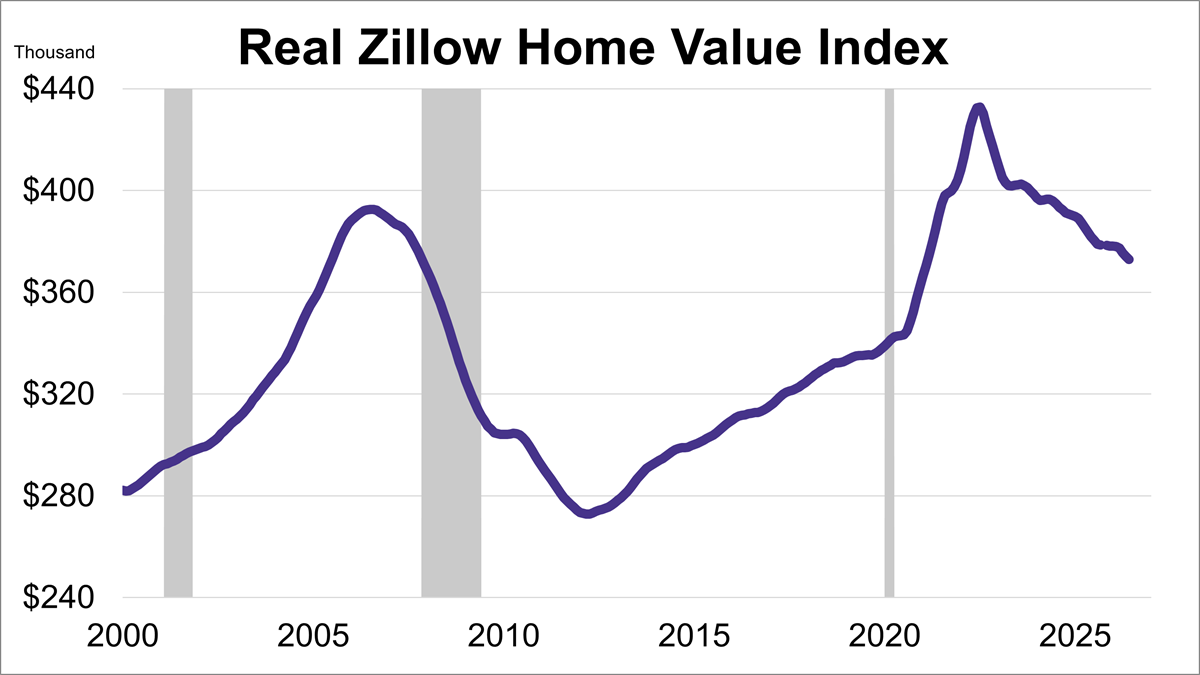
Home values fell for a second straight month in June, according to the Zillow Home Value Index. Additionally, after adjusting for inflation, real home values dropped even more sharply, hitting their lowest level in over five years.
Small-cap stocks remain the cheapest corner of the U.S. market. That’s true even after posting their best first-half performance in more than three decades, according to Morningstar’s Q3 2026 stock market outlook.
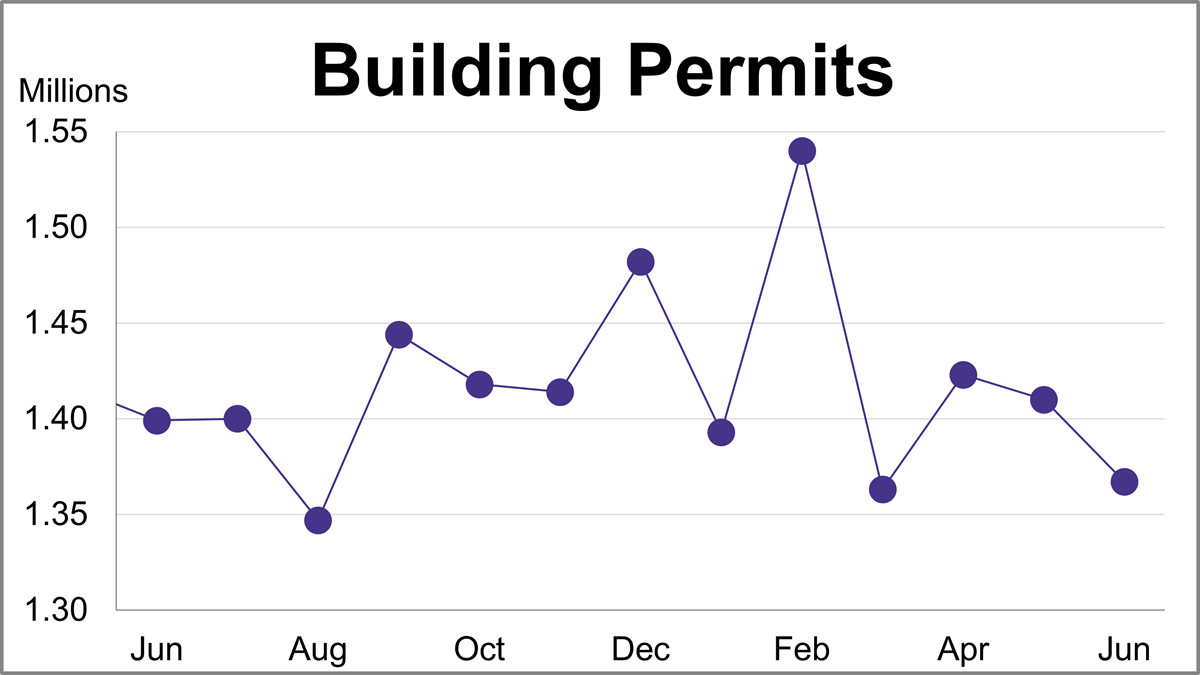
Building permits fell 3.0% in June to a seasonally adjusted annual rate of 1.367 million. The latest reading missed the forecast of 1.400 million.
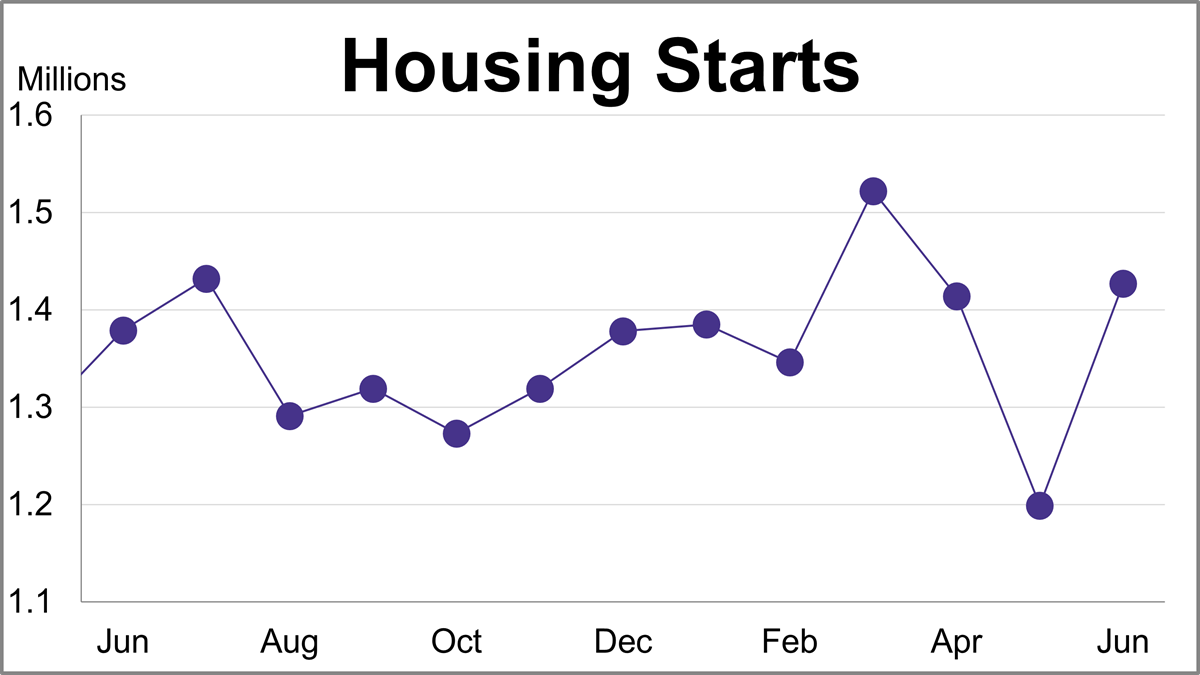
Housing starts jumped 19.0% in June to a seasonally adjusted annual rate of 1.427 million, beating forecasts driven by a massive surge in multi-family units.
David Solomon, decked out in full academic garb, bobbed his head happily and wagged his index finger to the beat of his own AI-generated music.
Private debt is increasingly valued for its potential to help insurers operationally and strategically: support liability matching, improve portfolio design, diversify underlying exposures and, when underwritten well, add resilient excess return.
The rules governing global commodity markets are starting to witness a profound shift, which is putting critical minerals at the forefront of policy. On a recent episode of ETF Guide’s Metals in Motion, Justin Tolman, Senior Portfolio Manager and Economic Geologist at Sprott Asset Management, discussed this dynamic.
Discover the top 10 most-read charts from the first half of 2026, covering historic market valuations, record margin debt, recession indicators, and global index performance.
Netflix Inc. has been one of the worst stocks in the market over the past 12 months as concerns about the video-streaming giant’s plans and prospects refuse to go away. Now, investors worry that its earnings report after the close will confirm those fears.
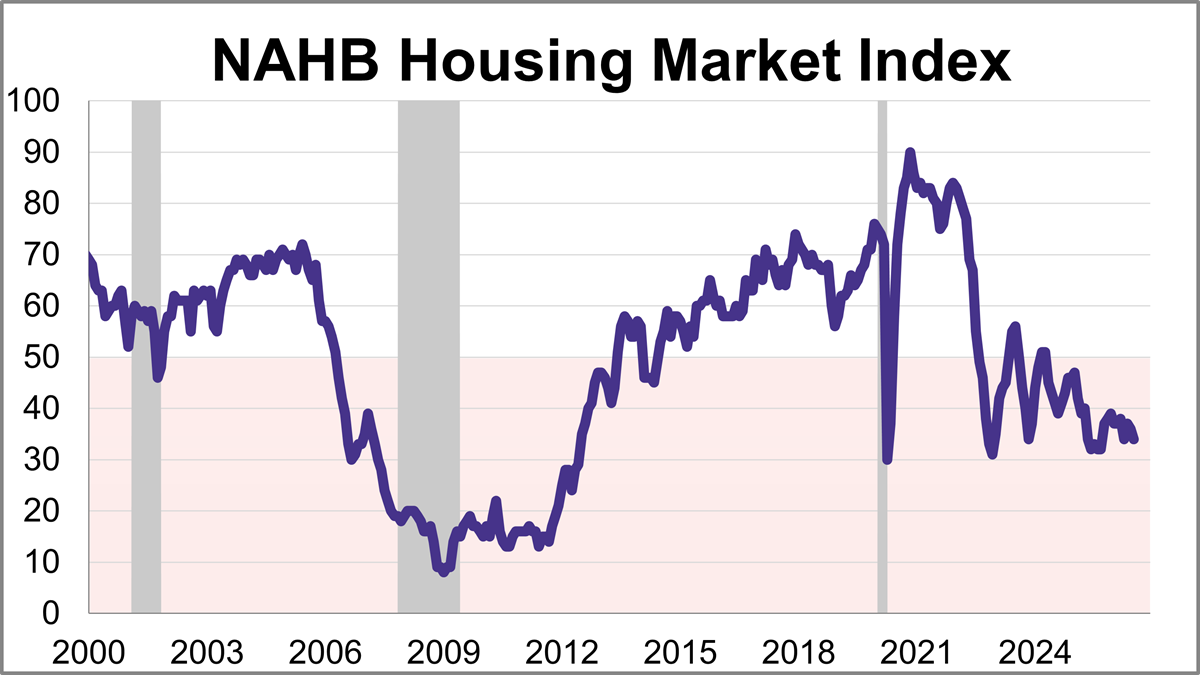
Builder confidence edged lower in July as ongoing affordability challenges continue to affect the housing market. The National Association of Home Builders (NAHB) Housing Market Index (HMI) fell 2 points from June to 34 this month, marking the 27th consecutive negative reading.
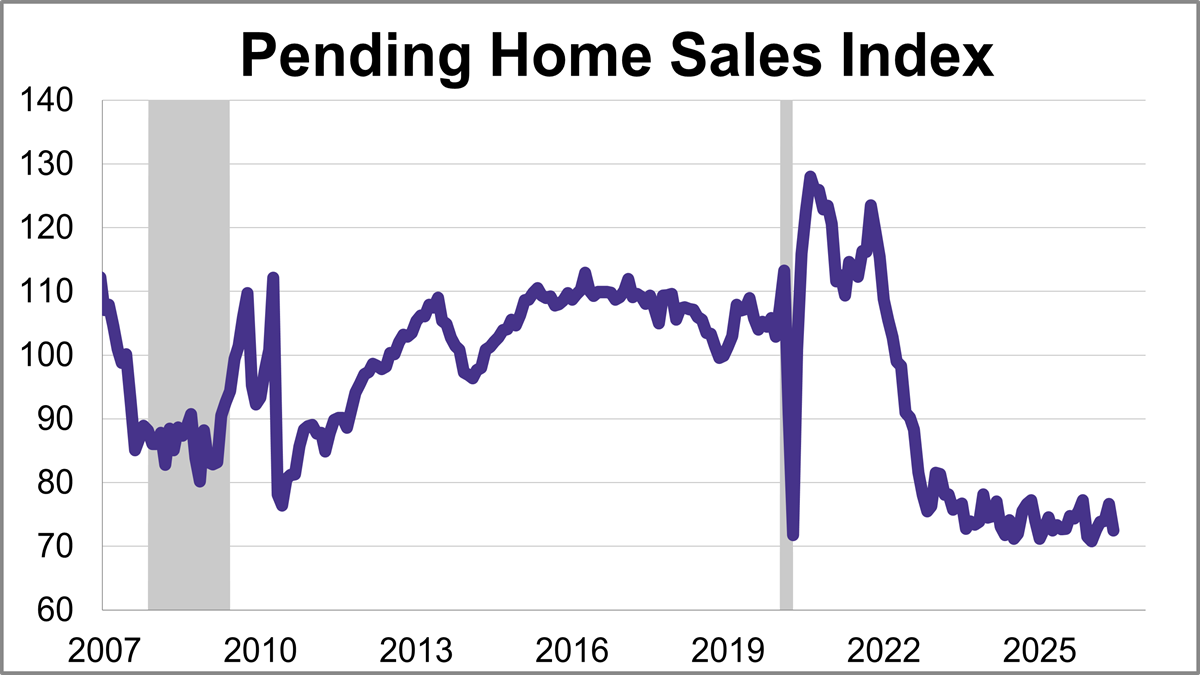
The National Association of Realtors® (NAR) pending home sales index sank 5.4% in June to 72.5, the lowest level since January.
Captain Ahab never caught Moby Dick, but Morgan Stanley shows how tracking billionaire tech whales like Elon Musk can eventually land a fortune. Not long ago, the bank appeared to have shot itself in the foot as lead lender on the disastrous $44 billion buyout of social media platform Twitter, now known as X.
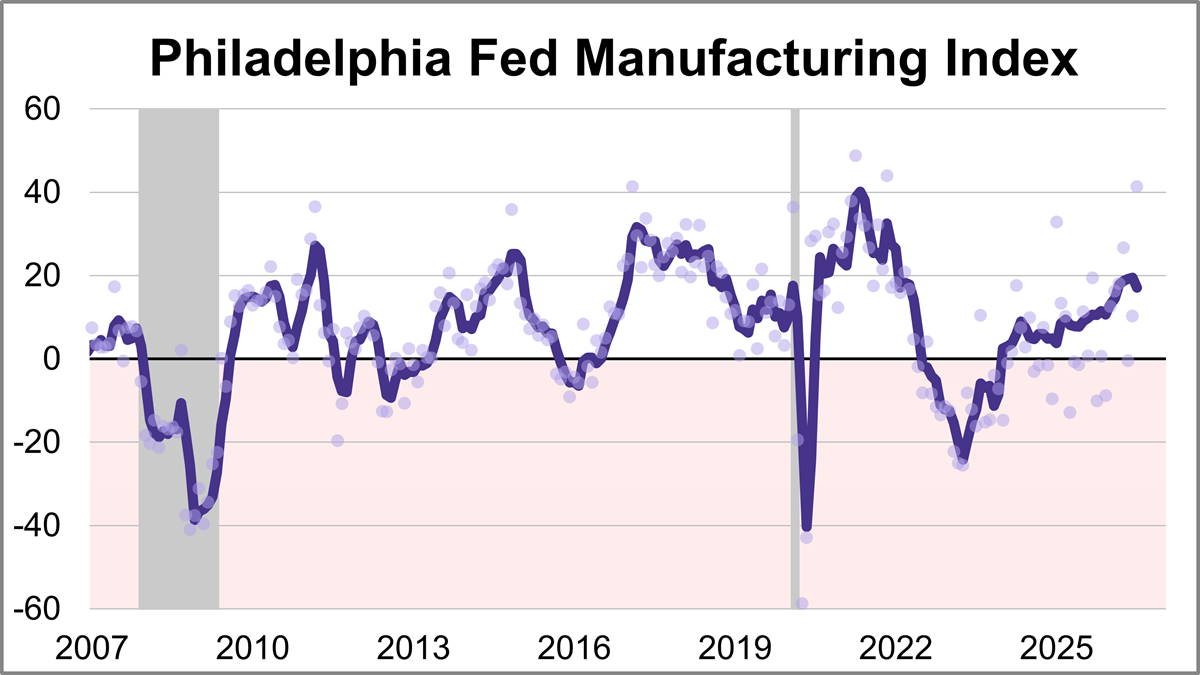
The Philadelphia Fed manufacturing index showed activity expanded significantly in July, with the index jumping 31.1 points to 41.4. This marks the highest level for the index since November 2021 and was more than triple the forecast of 12.7.
Friday, July 10, may have been ordinary for those outside the investment community, but for folks engaged with the market, it marked an opportunity to gain exposure to the second most valuable company in South Korea. On Friday, SK Hynix (SKHY) became available to U.S. investors via the Nasdaq.
For decades, traditional index-based ETFs have served as the low-cost foundational anchor for core allocations, consistently demonstrating that outperforming a broad market index is an uphill battle.
After a difficult start to the year, investor sentiment reached a low point near the end of March as concerns around inflation, geopolitics, and rising interest rates weighed on risk assets.
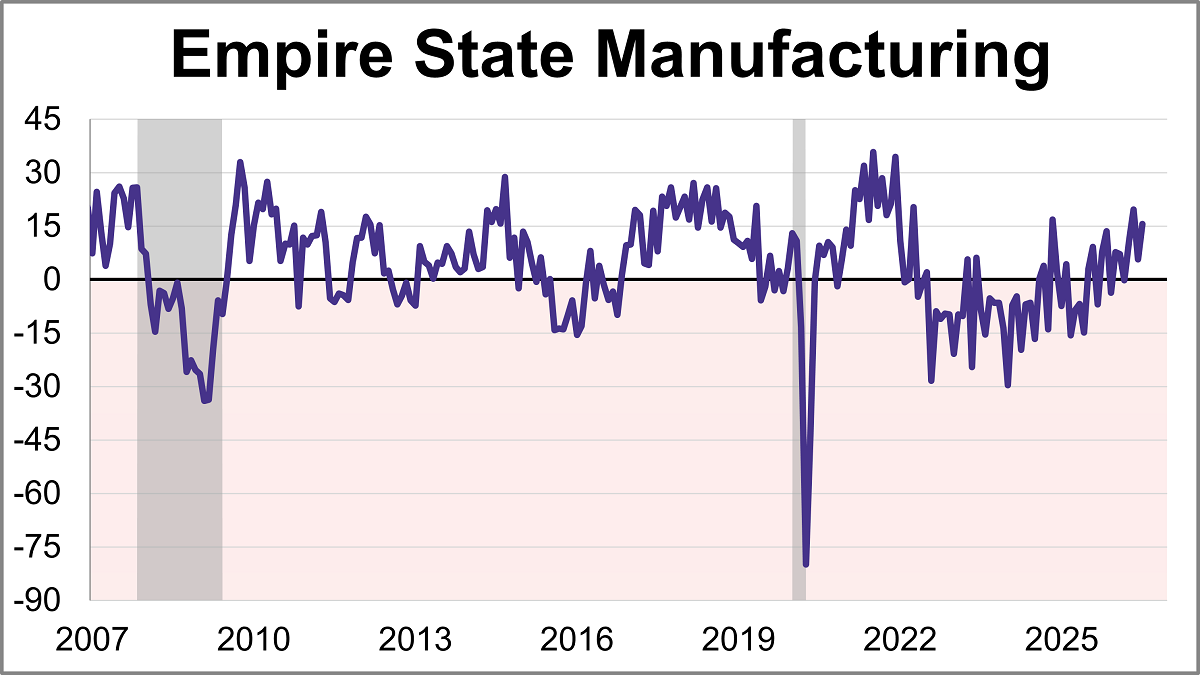
Manufacturing activity grew significantly in New York State, according to the Empire State Manufacturing July survey. The diffusion index for General Business Conditions remained in positive territory for a fourth straight month, jumping 9.9 points to 15.6 and coming in above the 9.3 forecast.
incoln National Corp. is in advanced talks with Talcott Financial Group for a reinsurance deal that would shift billions of dollars of life insurance reserves off its balance sheet, according to people familiar with the deliberations.
BlackRock Inc. pulled in $192 billion of net client cash in the second quarter, with investors pouring money into exchange-traded funds and pushing total assets above $15 trillion for the first time.
In the span of just two weeks, Meta Platforms Inc. has gone from a market afterthought to one of its hottest stocks, as investors finally like what Facebook’s parent is saying about its artificial intelligence plans.
When it comes to space stocks, Elon Musk’s SpaceX (SPCX) is clearly the big kahuna. After all, the company just completed the largest initial public offering (IPO) in history, rapidly joining the $1 trillion-plus market capitalization club in the process. However, the broader space economy extends beyond a single company.
After a wild last 12 months in a technology stock boom – and more recent volatility – the question du jour, in our view, is not whether AI is transformative.
Every major geopolitical crisis has two types of effects: those that occur during the crisis itself and those that remain on a long-term basis, perhaps even permanently. The US-Iran conflict is no exception.
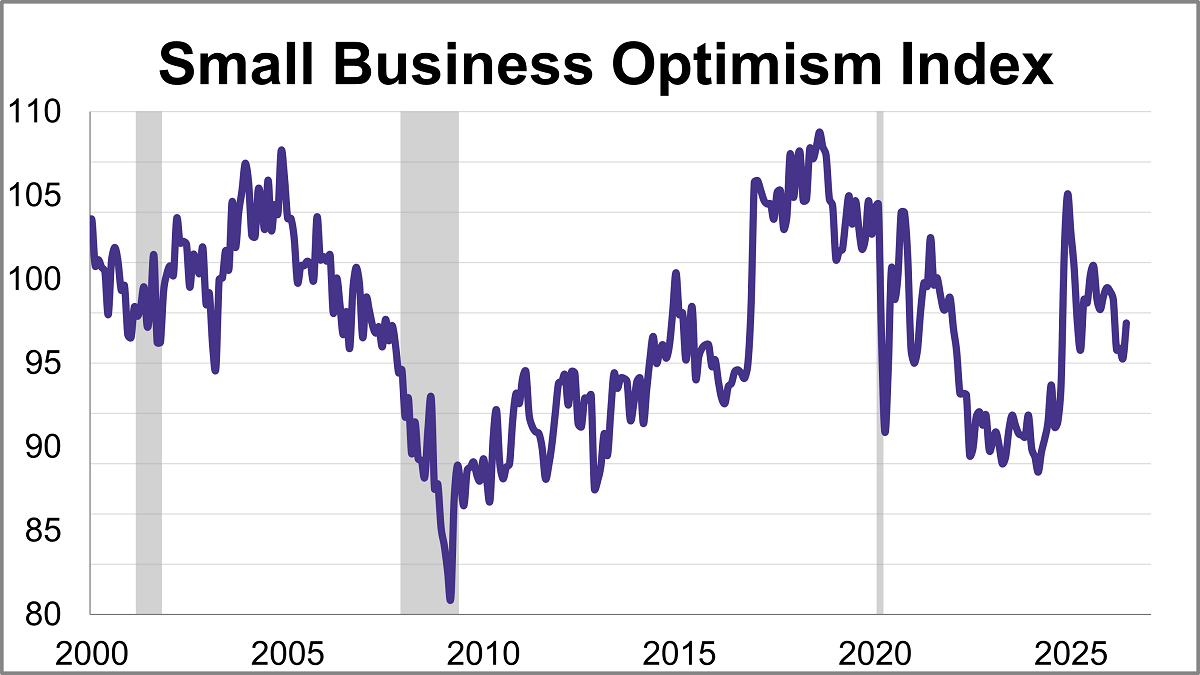
The NFIB Small Business Optimism Index rose 2.1 points to 97.4, reaching its highest level since February. However, the index remains below its historical average for a fourth straight month.
Goldman Sachs Group Inc. trounced its own Wall Street stock-trading records, posting $7.42 billion for a quarter that saw indexes rip higher and ongoing market volatility around artificial intelligence and war in the Middle East.
Shares of software and IT services companies plunged Tuesday after International Business Machines Corp. reported preliminary results that missed analyst expectations, reigniting questions about the sector.
Fixed income investors continue to grapple with an uncertain macro environment, dominated by higher-for-longer interest rates and a new-look U.S. Federal Reserve, in which rate hikes may be forthcoming. Rather than make a directional bet on interest rates to combat duration risk, consider floating-rate ETFs, a compelling option.
Every year in early July, we update our interactive Periodic Table of Commodities Returns to reflect the performance of raw materials in the first six months of the year. Maybe I’m biased, but I believe it’s one of the clearest snapshots of the commodities landscape you’ll find anywhere.
If you knew you were standing inside a stock market bubble, you wouldn’t be standing in it for long. You’d sell. So would I, and so would everyone reading this. And if spotting market bubbles was something everyone could do in real time, the bubble couldn’t form in the first place.
Given how crucial the fixed income sleeve can be to one’s portfolio, the recent concerns over inflation have caused many advisors and investors to rethink how they go about their exposure. This includes debating over active and passive funds, and reevaluating the type of bond duration that is most attractive at this moment.
Morningstar data shows most active strategies lag passive indexes, but selective active fixed income ETFs can generate alpha.
The continued growth of active ETFs reflects a broader shift in portfolio construction across the advisory industry. Advisors increasingly seek investment vehicles that combine flexibility, transparency, scalability, and tax-aware implementation. Dividend growth strategies may align particularly well with the ETF structure because both emphasize long-term investor outcomes and efficient portfolio implementation.
The Federal Reserve’s plans for interest rates in the second half of 2026 appear very much up in the air. That said, advisors and fixed income investors may want to renew their focus on short duration bonds and related ETFs.
In his zeal to avoid signaling where interest rates are headed, Federal Reserve Chairman Kevin Warsh has obscured something else that’s crucial to investors, analysts and other policymakers: How he would react when challenged by the economy.
South Korea’s AI-fueled stock rally came under renewed pressure Monday as SK Hynix Inc. tumbled by a record 15%, underscoring growing investor concerns that the boom has become overstretched.
The official data will be released tomorrow, but if past trends continue, the US inflation rate will come in higher than most Americans are used to, but still relatively low.
Investors who piled into SK Hynix’s $28 billion blockbuster Nasdaq debut on Friday should be aware: The business model on which the world’s leading memory chip makers are thriving is set to shift to one that requires a bit more strategic and financial gambling.
For investors using direct-indexed equity strategies, tax-loss harvesting becomes a major focus, as it may help improve after-tax returns—but we think the calendar for tax-loss selling can make a big difference. Weekly tax-loss harvesting, in our view, offers the potential for more efficient tax-loss harvesting and more effective index tracking in turbulent markets.
Despite geopolitical headwinds, the broader macro backdrop remained constructive in the first half of the year. Economic growth proved resilient, consumers kept spending and the S&P 500 gained 10%. That favorable mix drove strong earnings growth, with S&P 500 earnings rising 27% year over year in 1Q26, led by the tech sector.
Markets enter the second half of 2026 facing a familiar wall of worry—geopolitical conflict, oil prices, inflation, Federal Reserve policy, and questions around the durability of an AI-led equity rally. Yet the economic backdrop still looks resilient: growth remains solid, inflation has moderated, unemployment is reasonable, and market leadership appears to be broadening.
Traditionally speaking, folks that have looked to tap into innovation in the AI space have done so through tech exposure, particularly with mega-cap names. This is not a surprise, considering the interplay between these companies and AI innovation. However, healthcare also has many opportunities for innovation.
Russell Investments is getting new owners. An investor consortium led by B Capital, a global multi-stage investment firm, has agreed to acquire the asset manager from TA Associates and Reverence Capital Partners. The group also includes the California Public Employees’ Retirement System (CalPERS), according to a Thursday press release.
If there's one thing you should take away from it, it's this: these six measures rarely move together. When they have, twice in 250 years, the country entered a period of real upheaval. Right now, they're moving together again.
For investors who have been tracking this space, the signing is a continuation of a policy architecture that has been assembling with surprising speed.
Unpack the latest ICI flow data as long-term mutual funds bleed billions directly into low-cost, model-ready ETFs.
Money flowing into President Donald Trump’s newly created accounts for children will initially be invested in a State Street Corp. exchange-traded fund, as the US Treasury Department prepares to roll out the program.
The US equity market, with the S&P 500 hovering near all-time highs, is expensive. This isn’t controversial. Depending on which measure you use, US stocks have arguably been overpriced for several years.
Finance Minister Satsuki Katayama pulled a genuine surprise on Friday when she announced toward the end of a regularly scheduled press conference that the government would pursue policies to encourage its massive pension funds to invest more at home. Details were sparse, and the yen wasn’t mentioned directly.
Silicon Valley has long considered itself an egalitarian utopia — a place where rebelling against hierarchy is encouraged and good ideas are supposed to bubble to the top, regardless of who has them. The reality has always been more complicated.