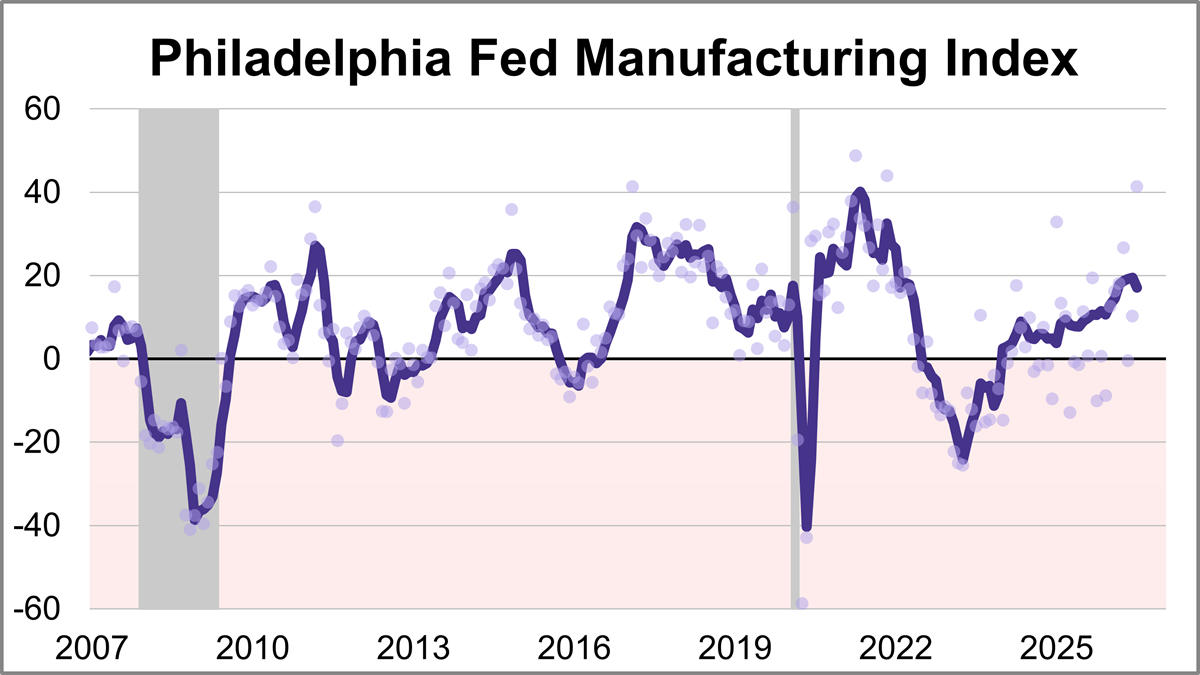
The Philadelphia Fed manufacturing index showed activity expanded significantly in July, with the index jumping 31.1 points to 41.4. This marks the highest level for the index since November 2021 and was more than triple the forecast of 12.7.
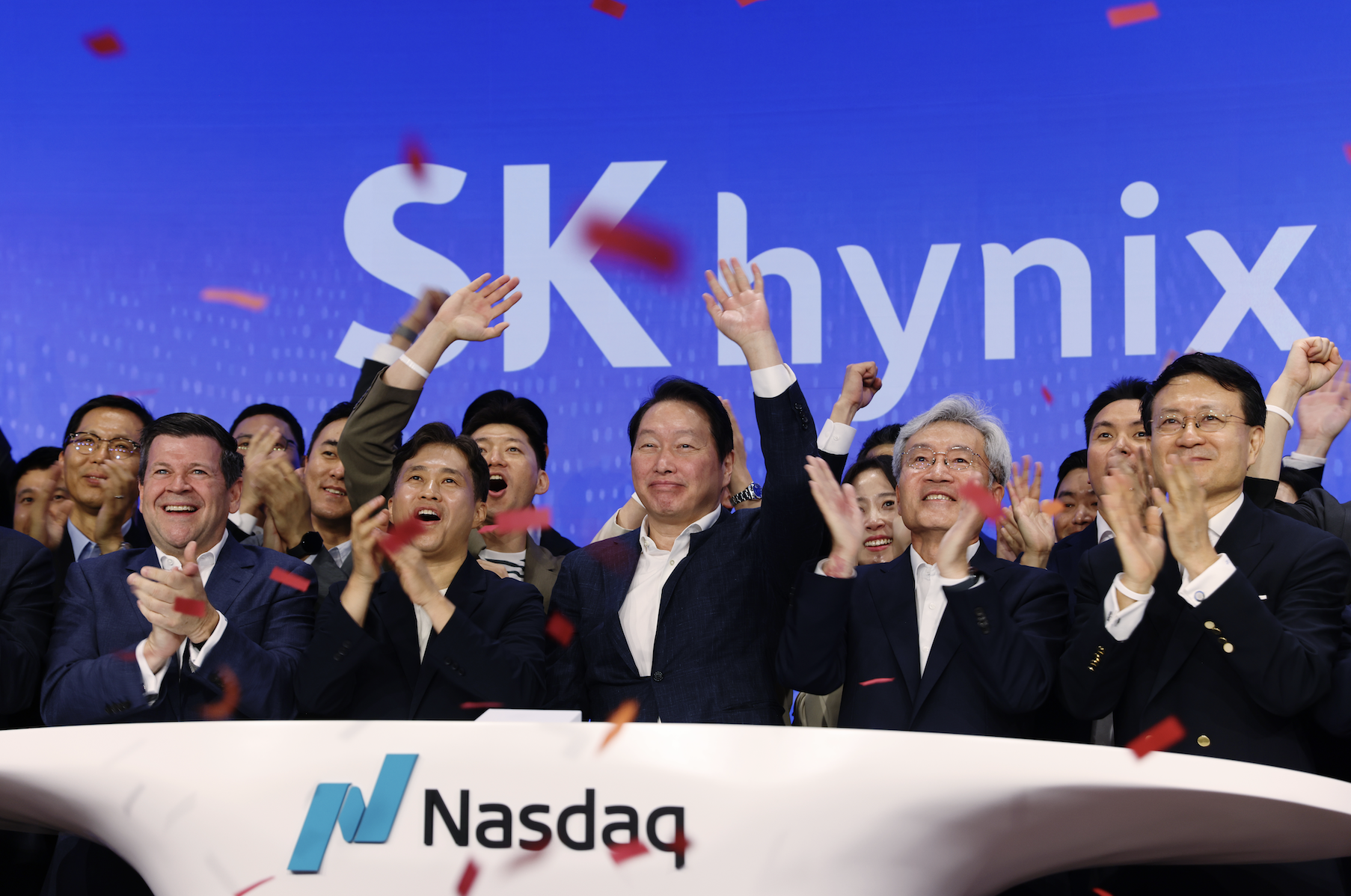
Friday, July 10, may have been ordinary for those outside the investment community, but for folks engaged with the market, it marked an opportunity to gain exposure to the second most valuable company in South Korea. On Friday, SK Hynix (SKHY) became available to U.S. investors via the Nasdaq.
For decades, traditional index-based ETFs have served as the low-cost foundational anchor for core allocations, consistently demonstrating that outperforming a broad market index is an uphill battle.
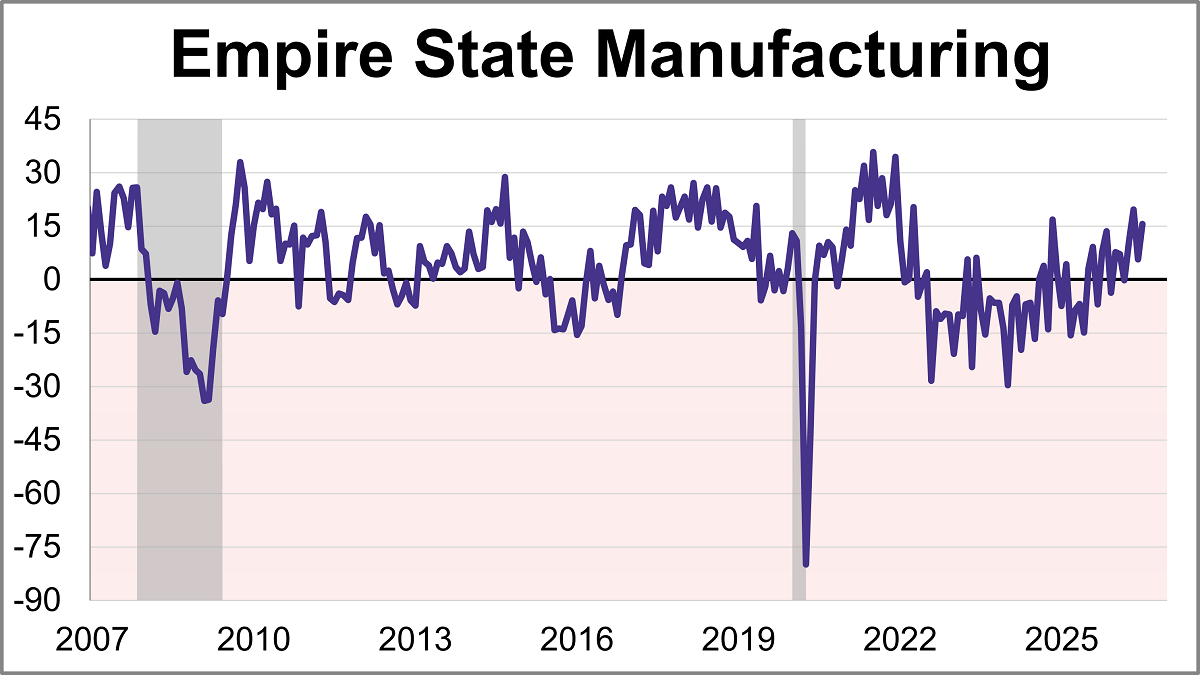
Manufacturing activity grew significantly in New York State, according to the Empire State Manufacturing July survey. The diffusion index for General Business Conditions remained in positive territory for a fourth straight month, jumping 9.9 points to 15.6 and coming in above the 9.3 forecast.
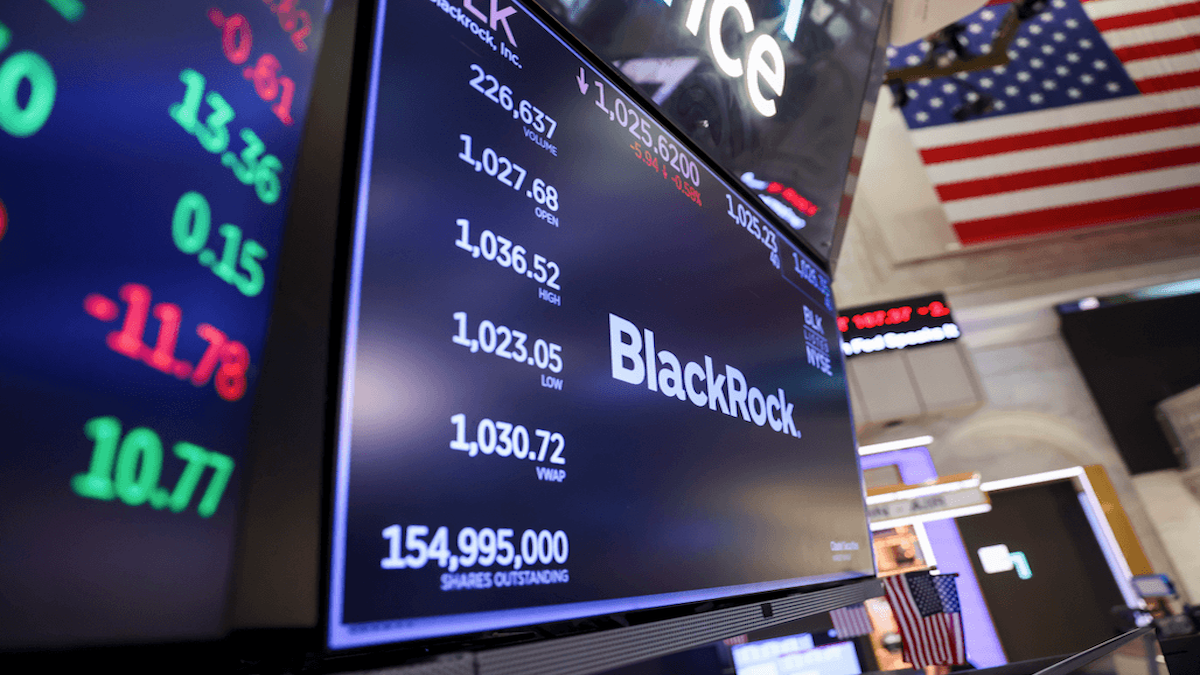
BlackRock Inc. pulled in $192 billion of net client cash in the second quarter, with investors pouring money into exchange-traded funds and pushing total assets above $15 trillion for the first time.
When it comes to space stocks, Elon Musk’s SpaceX (SPCX) is clearly the big kahuna. After all, the company just completed the largest initial public offering (IPO) in history, rapidly joining the $1 trillion-plus market capitalization club in the process. However, the broader space economy extends beyond a single company.
After a wild last 12 months in a technology stock boom – and more recent volatility – the question du jour, in our view, is not whether AI is transformative.
Every major geopolitical crisis has two types of effects: those that occur during the crisis itself and those that remain on a long-term basis, perhaps even permanently. The US-Iran conflict is no exception.
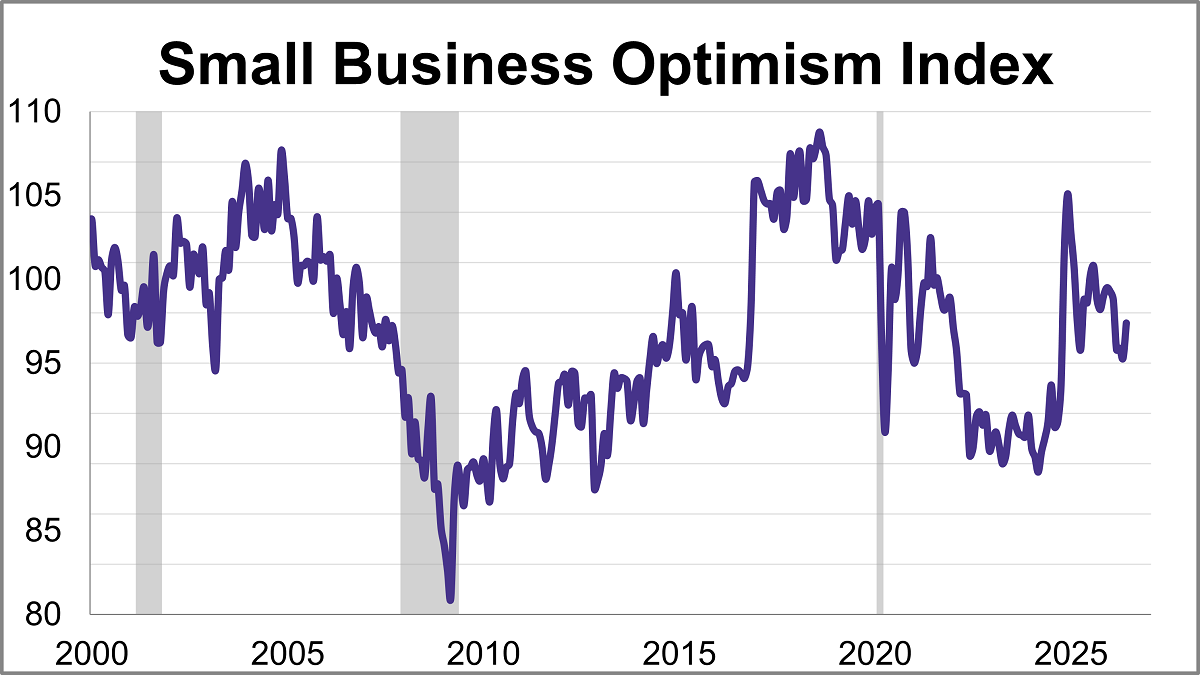
The NFIB Small Business Optimism Index rose 2.1 points to 97.4, reaching its highest level since February. However, the index remains below its historical average for a fourth straight month.
Shares of software and IT services companies plunged Tuesday after International Business Machines Corp. reported preliminary results that missed analyst expectations, reigniting questions about the sector.
Fixed income investors continue to grapple with an uncertain macro environment, dominated by higher-for-longer interest rates and a new-look U.S. Federal Reserve, in which rate hikes may be forthcoming. Rather than make a directional bet on interest rates to combat duration risk, consider floating-rate ETFs, a compelling option.
Every year in early July, we update our interactive Periodic Table of Commodities Returns to reflect the performance of raw materials in the first six months of the year. Maybe I’m biased, but I believe it’s one of the clearest snapshots of the commodities landscape you’ll find anywhere.
If you knew you were standing inside a stock market bubble, you wouldn’t be standing in it for long. You’d sell. So would I, and so would everyone reading this. And if spotting market bubbles was something everyone could do in real time, the bubble couldn’t form in the first place.
Given how crucial the fixed income sleeve can be to one’s portfolio, the recent concerns over inflation have caused many advisors and investors to rethink how they go about their exposure. This includes debating over active and passive funds, and reevaluating the type of bond duration that is most attractive at this moment.
Morningstar data shows most active strategies lag passive indexes, but selective active fixed income ETFs can generate alpha.
The continued growth of active ETFs reflects a broader shift in portfolio construction across the advisory industry. Advisors increasingly seek investment vehicles that combine flexibility, transparency, scalability, and tax-aware implementation. Dividend growth strategies may align particularly well with the ETF structure because both emphasize long-term investor outcomes and efficient portfolio implementation.
The Federal Reserve’s plans for interest rates in the second half of 2026 appear very much up in the air. That said, advisors and fixed income investors may want to renew their focus on short duration bonds and related ETFs.
South Korea’s AI-fueled stock rally came under renewed pressure Monday as SK Hynix Inc. tumbled by a record 15%, underscoring growing investor concerns that the boom has become overstretched.
The official data will be released tomorrow, but if past trends continue, the US inflation rate will come in higher than most Americans are used to, but still relatively low.
For investors using direct-indexed equity strategies, tax-loss harvesting becomes a major focus, as it may help improve after-tax returns—but we think the calendar for tax-loss selling can make a big difference. Weekly tax-loss harvesting, in our view, offers the potential for more efficient tax-loss harvesting and more effective index tracking in turbulent markets.
Despite geopolitical headwinds, the broader macro backdrop remained constructive in the first half of the year. Economic growth proved resilient, consumers kept spending and the S&P 500 gained 10%. That favorable mix drove strong earnings growth, with S&P 500 earnings rising 27% year over year in 1Q26, led by the tech sector.
Markets enter the second half of 2026 facing a familiar wall of worry—geopolitical conflict, oil prices, inflation, Federal Reserve policy, and questions around the durability of an AI-led equity rally. Yet the economic backdrop still looks resilient: growth remains solid, inflation has moderated, unemployment is reasonable, and market leadership appears to be broadening.
Traditionally speaking, folks that have looked to tap into innovation in the AI space have done so through tech exposure, particularly with mega-cap names. This is not a surprise, considering the interplay between these companies and AI innovation. However, healthcare also has many opportunities for innovation.
Discover the top 10 most-read charts from the first half of 2026, covering historic market valuations, record margin debt, recession indicators, and global index performance.
Russell Investments is getting new owners. An investor consortium led by B Capital, a global multi-stage investment firm, has agreed to acquire the asset manager from TA Associates and Reverence Capital Partners. The group also includes the California Public Employees’ Retirement System (CalPERS), according to a Thursday press release.
For investors who have been tracking this space, the signing is a continuation of a policy architecture that has been assembling with surprising speed.
Unpack the latest ICI flow data as long-term mutual funds bleed billions directly into low-cost, model-ready ETFs.
Money flowing into President Donald Trump’s newly created accounts for children will initially be invested in a State Street Corp. exchange-traded fund, as the US Treasury Department prepares to roll out the program.
The US equity market, with the S&P 500 hovering near all-time highs, is expensive. This isn’t controversial. Depending on which measure you use, US stocks have arguably been overpriced for several years.
Silicon Valley has long considered itself an egalitarian utopia — a place where rebelling against hierarchy is encouraged and good ideas are supposed to bubble to the top, regardless of who has them. The reality has always been more complicated.
The Great Moderation has given way to a more volatile era, where inflation shocks and market dispersion favor flexibility and diversification.
As we move through 2026, the political and geopolitical landscapes remain key drivers of policy uncertainty. For the midterm elections, our base case is a Democratic House and Republican Senate, a historically favorable outcome for equities.
The action in Emerging Markets ETFs this year has been really interesting to watch. From record-breaking asset flows to impressive results, albeit massively dispersed, this category of funds has had quite a ride so far in 2026. What comes next could be equally interesting.
One of the bigger questions facing advisors and investors right now revolves around credit. Inflation, volatility, and Fed rate hikes all loom, potentially heightening credit risk for portfolios. Navigating that risk may be a crucial task in the second half of this year.
Chief Investment Officer Sean Taylor reviews a strong second quarter for emerging markets, where AI and reindustrialization were key drivers of investor returns.
Assessing the year so far, much of the portfolios’ declines have been a compression of valuations, not a deterioration of earnings. For many of our holdings, the two have moved in opposite directions. Revenues, profitability, and cash flow have continued to build, even as the multiples placed against them have fallen.
Join the experts at GraniteShares to hear all about their autocallable ETF suite and find out how it could improve your income conversations with clients.
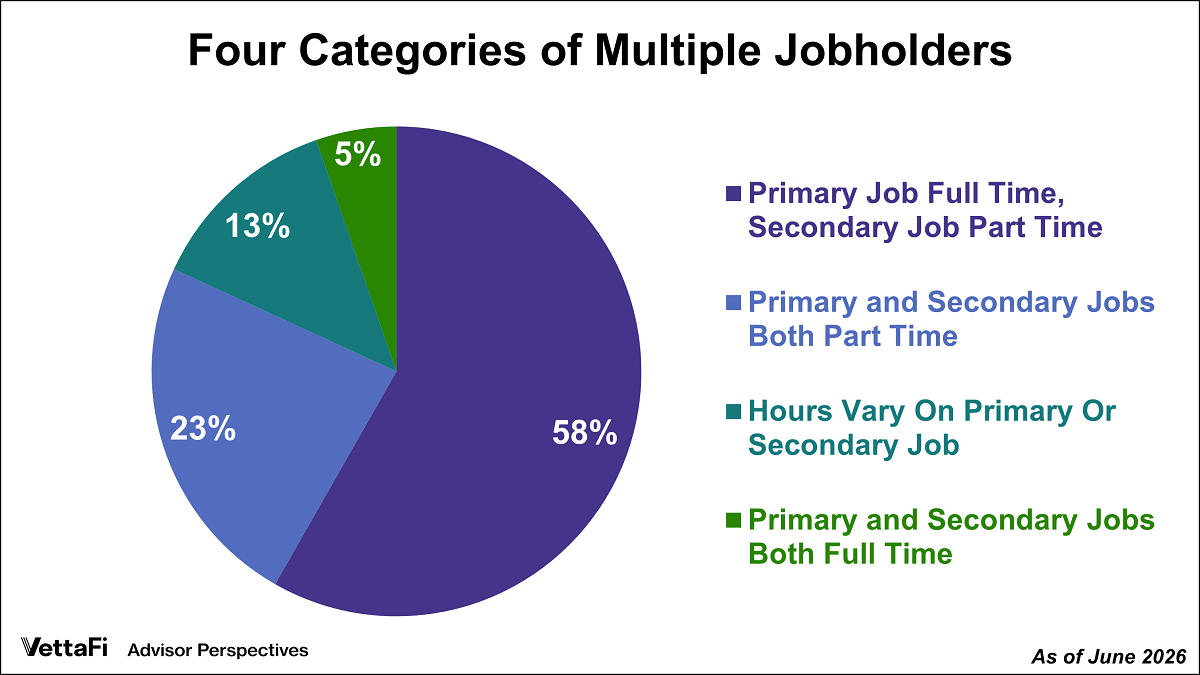
Multiple jobholders accounted for 5.2% of civilian employment in June.
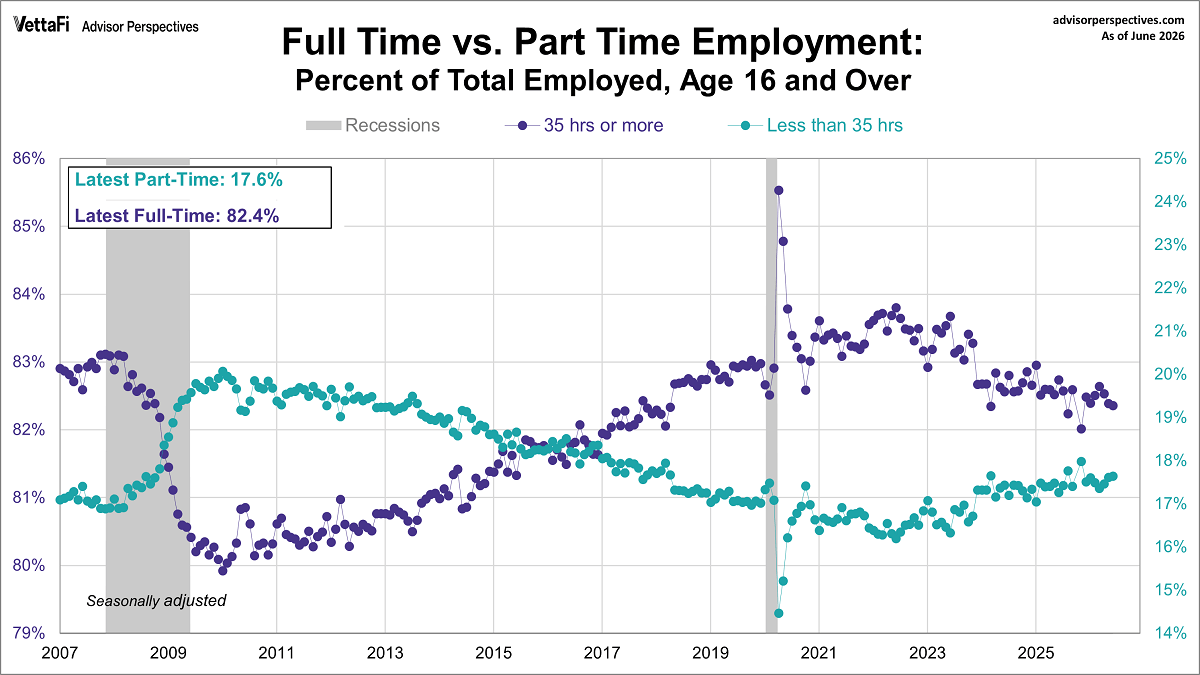
June's employment report showed that 17.6% of total employed workers were part time and 82.4% of total employed workers were full-time.
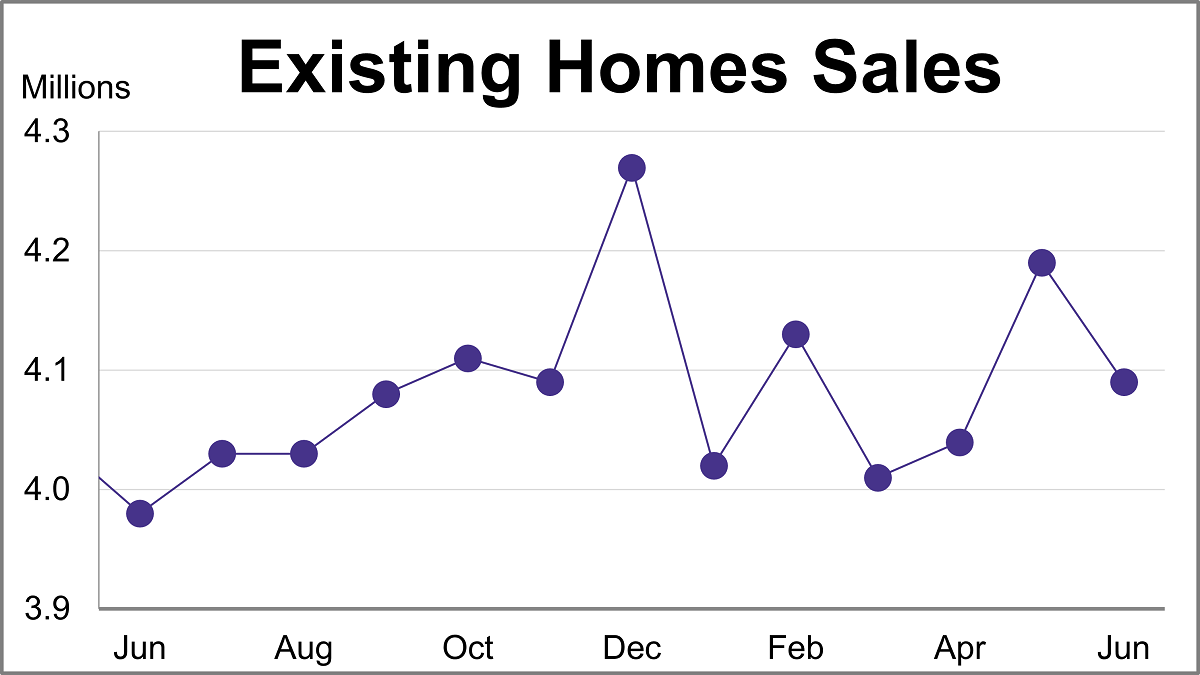
Existing home sales unexpectedly fell 2.4% in June as the median home price surged to a record high of $440,600.
Almost two decades ago, when trillions of dollars in private housing debt proved unsustainable, governments had to step in to prevent the worst financial crisis since the Great Depression from eclipsing it.
The small-cap stock rally we highlighted back in April has continued over the past few months, driven by factors such as robust U.S. economic growth disproportionately benefiting smaller, domestically focused businesses and the AI capital spending boom spreading to smaller tech and energy companies.
Markets move on data, earnings, interest rates, and economic conditions. But they can also be heavily influenced by human behavior. Even experienced investors can fall into emotional or psychological patterns that affect decision-making, particularly during periods of uncertainty or market volatility.
For much of the last decade, investing felt relatively one dimensional. Falling inflation, near zero interest rates and abundant liquidity rewarded long duration growth assets, compressed dispersion and made passive exposure difficult to challenge.
The June jobs report underscored our thesis that while the labor market remains in the 'economic plus column,' some of the prior months' increases in new hiring seemed a bit too high.
Congress is in recess from June 30 through July 13 for the annual July 4 break, so it's relatively quiet in the nation's capital. But there is still plenty worth paying attention to.
On June 30, Defiance debuted the new Defiance KSM TipRanks Analyst ETF (RANK). With an expense ratio of 60 basis points, this fund aims to leverage Wall Street’s highest-rated analyst consensus data to capitalize on U.S. market momentum.
The capital markets have become an increasingly complex space for investors, complexities that are heightened by the sheer number of ways one can invest.
Model portfolios are seeing billions in inflows, and part of that success may be from how these strategies implement ETFs and private assets.
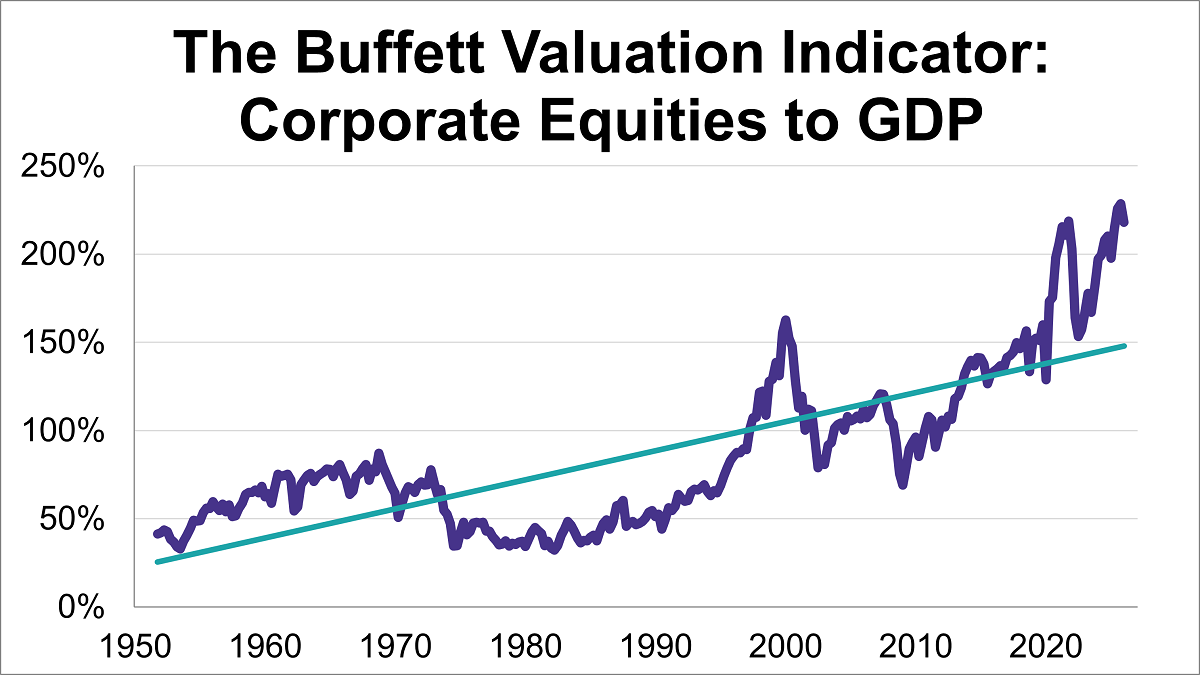
Following the Q1 GDP third estimate, the 'Buffett Indicator'—the ratio of corporate equities to GDP—now stands at 218.1%. This marks the fourth-highest reading in history.