ETF Prime Host Nate Geraci is joined by VettaFi's Lara Crigger and Dave Nadig, along with Bloomberg's Eric Balchunas, to recap the ETF event of the year.
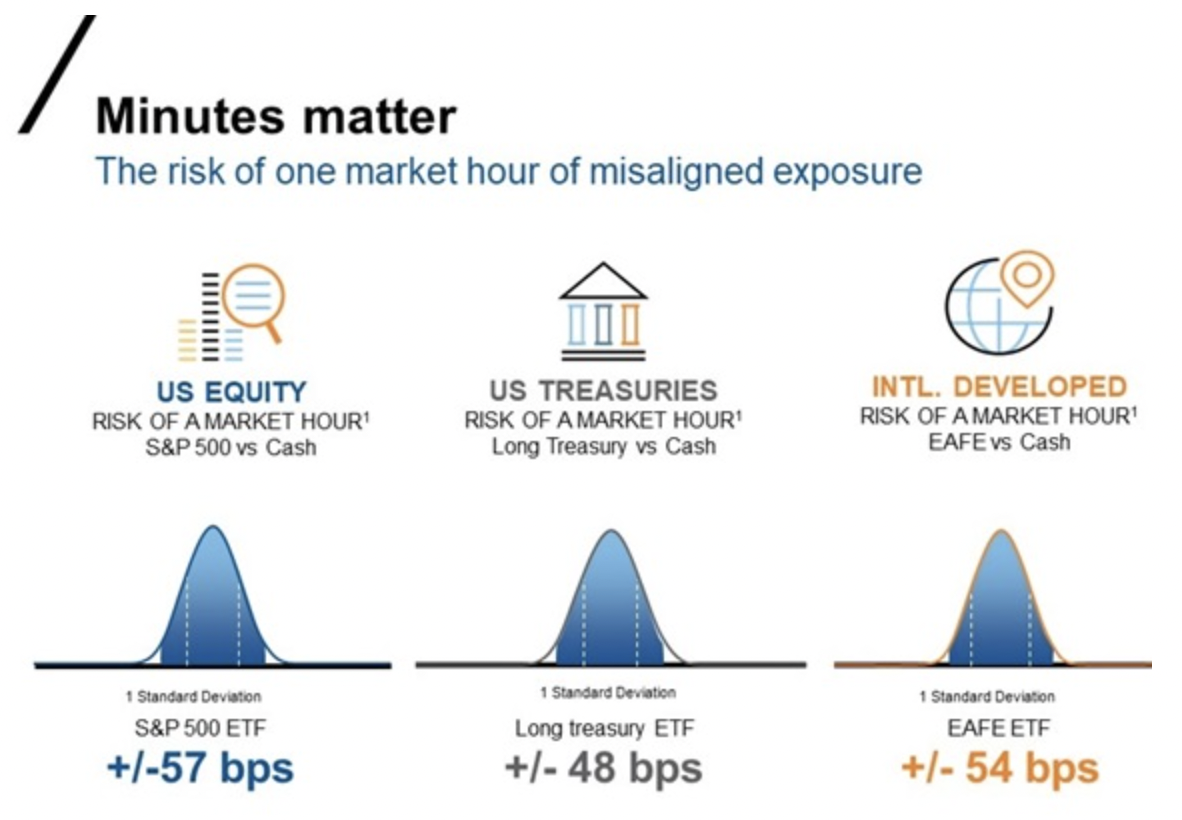
Investors should be aware of potential real-time market exposure risks when implementing large changes to their portfolios.
The world should end this season with its first sugar surplus in four years, but you wouldn’t know it from how prices have surged.
The world’s largest publicly-traded hedge fund is bracing for a selloff in emerging markets, a view that pits it against bulls at some of Wall Street’s biggest investment banks.
Music-loving investors may soon be able to bet on their favorite melodies as a new entertainment-focused exchange-traded fund edges closer to reality.
How do you visualize the organizational structure that best leverages the strengths of your staff and puts you on a path for fast, profitable growth?
Northern Trust Asset Management (NTAM) is a leading global investment manager with $1 trillion in assets under management. It released “The Risk Report” late last year, which is an aggregated analysis of 280 institutional equity portfolios across the globe. The report revealed six common drivers of unintended investment results. As an investment manager that employs a quantitative risk-aware approach, NTAM regularly partners with investors and their consultants to provide them with a distinct analysis of underlying risk components impacting their portfolios’ ability to achieve intended outcomes. Of utmost importance to our Advisor Perspectives listeners and readers, the findings of the research are as applicable to portfolios managed by advisors for individual investors as they are to institutional investors. NTAM does indeed serve individual advisors through a number of offerings, including Northern Mutual Funds, FlexShares ETFs, and Diversified Strategist model portfolios. NTAM’s purpose in conducting the research behind the Risk Report was to help investors make needed adjustments consistent with NTAM’s core philosophy, which is that investors should get paid for the risks they take – in all market environments and in any investment strategy.
Ignoring the Federal Reserve’s determination to keep raising rates and hold them there is a wildly profitable trade on Wall Street right now. It’s trying to swim against the rising market that carries risks.
Three straight days of gains are giving hope to embattled dollar bulls who are looking to a slew of Federal Reserve speakers and rising US-China tensions to extend a nascent rebound.
The US is preparing to slap a 200% tariff on Russian-made aluminum as soon as this week to keep pressure on Moscow as the one-year anniversary of the invasion of Ukraine nears, according to people familiar with the situation.
Cash flows into US sustainable funds plummeted last year as the broader market took a beating and anti-ESG crusaders targeted money managers including BlackRock Inc. for “woke capitalism.”
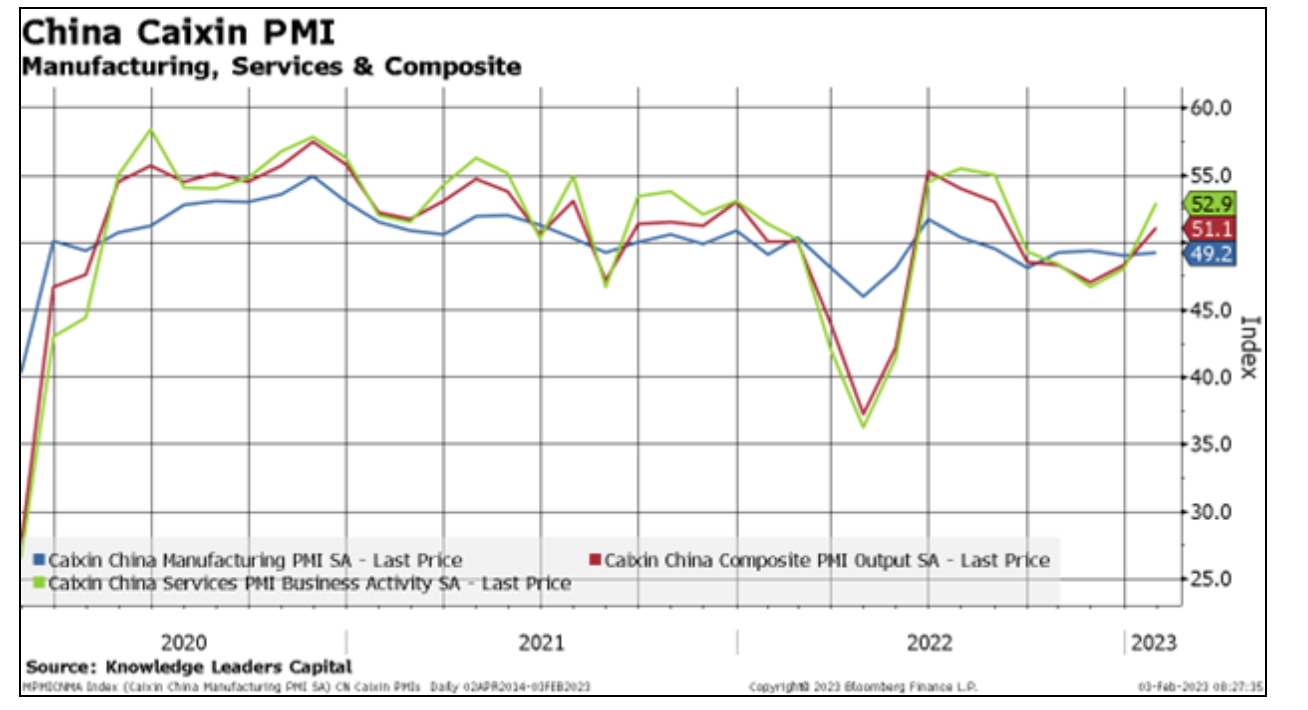
With Caixin China PMI numbers today broadly confirming Monday’s official CCP data, the outlook for China and its neighbors remains bright.
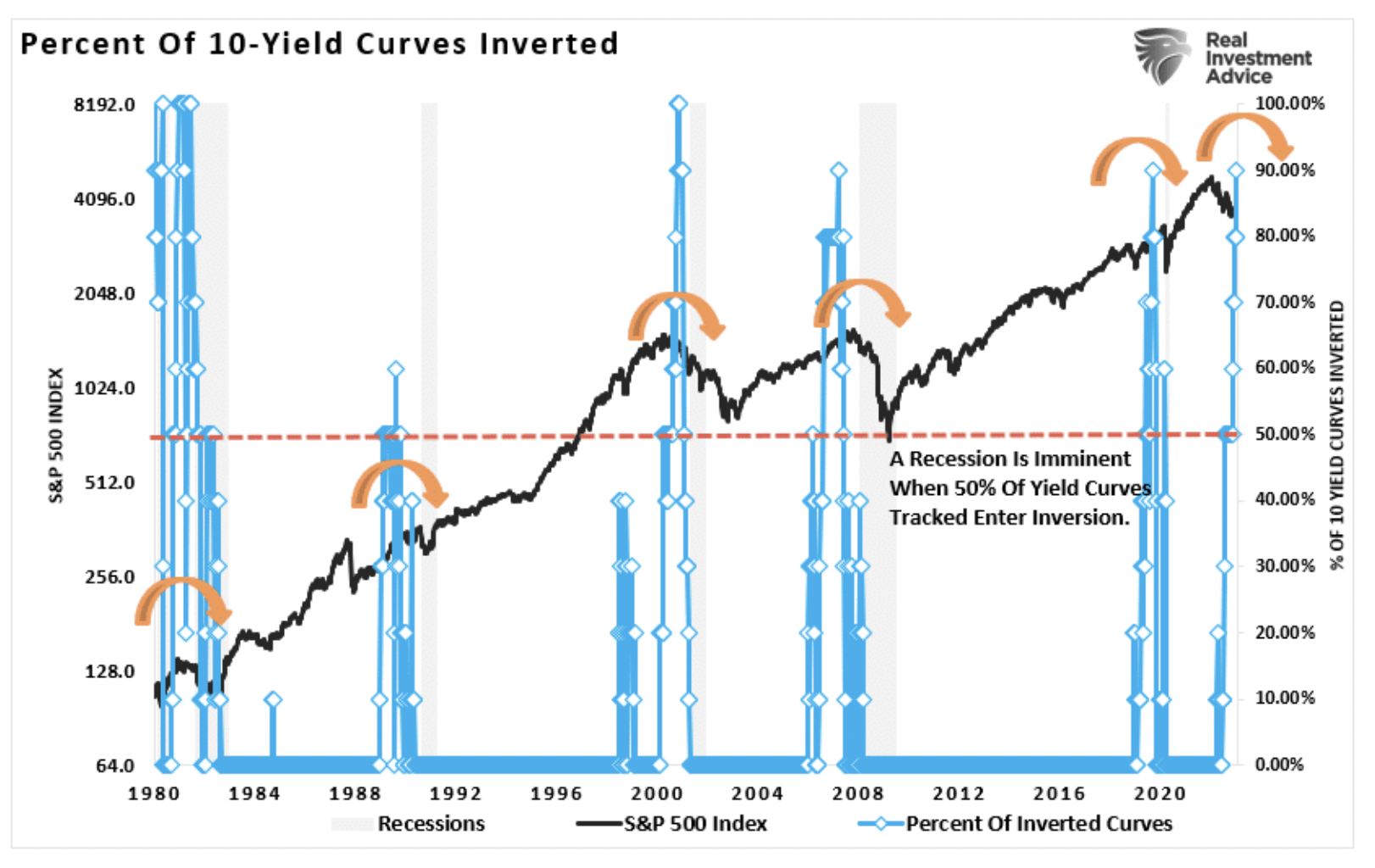
The most recent NFIB (National Federation Of Independent Business) is sending a strong signal of an economic recession.
People say that the best defense is a good offense. They are wrong, at least when it comes to protecting wealth.
We are now seeing clear signs of a broad-based decline in inflation.
ESG proponents sell the idea to investors that they can achieve both altruism and high returns. In the end, they fail at both.
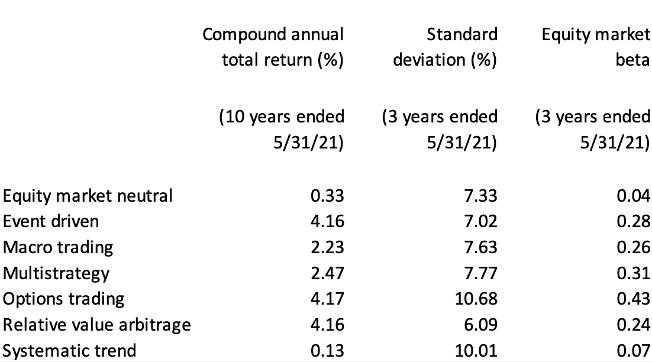
The recent embrace of so-called liquid alternatives by ordinary Americans seeking to fund their retirement is deeply troubling.
For RIAs, self-knowledge – which includes an understanding of the firm’s ideal client persona – is the first and most necessary step on the road to success and scalability.
Bullish markets are increasingly pricing in a second-half reversal of the global monetary tightening wave, making it tougher for central bankers to vanquish inflation once and for all.
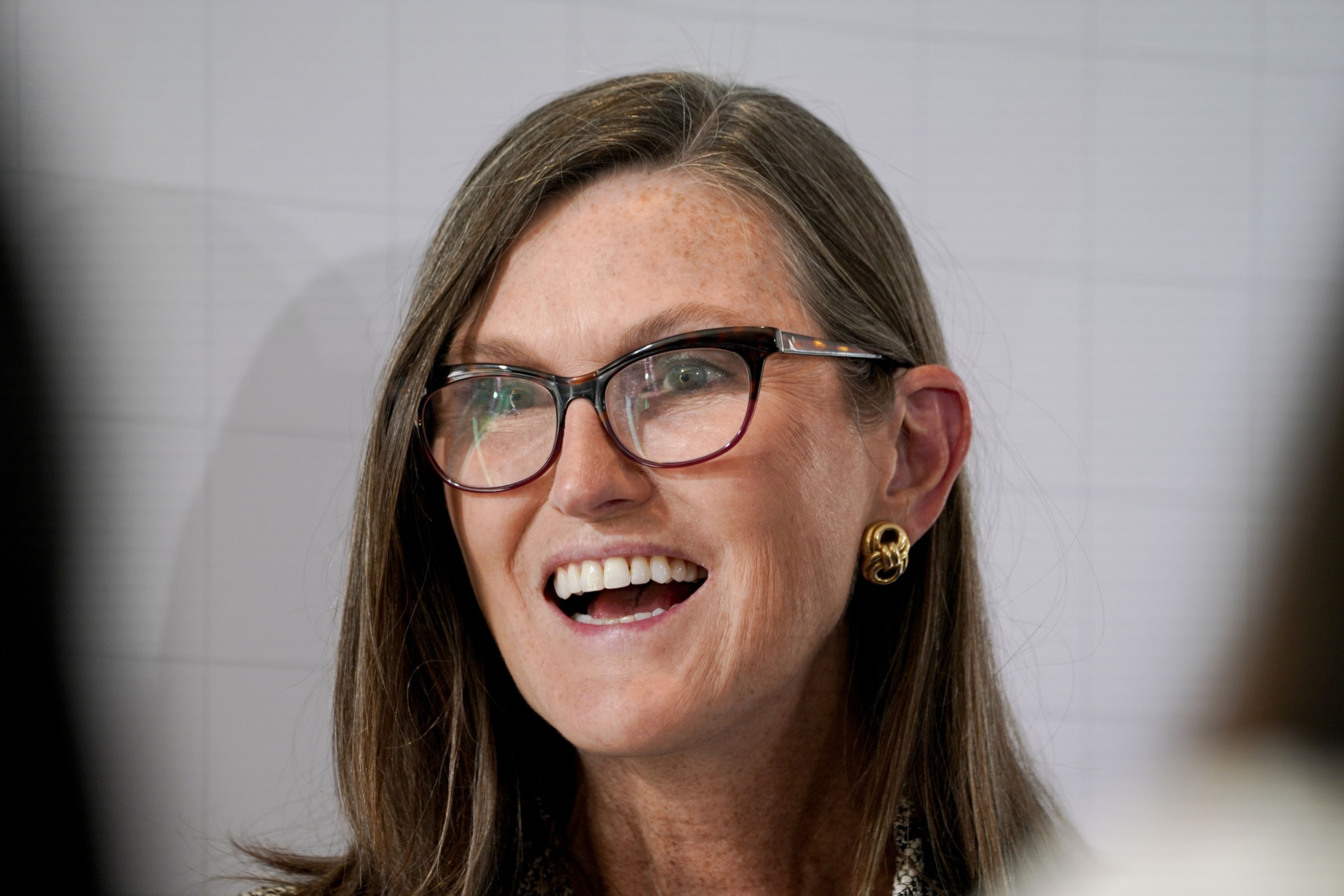
Cathie Wood’s funds had a scorching start to the year and she wants investors to know it.
Technology bellwethers Apple Inc., Amazon.com Inc. and Alphabet Inc. posted results Thursday that show an economic slowdown is throttling demand for everything from electronics and e-commerce to cloud computing and digital advertising.
These weekly letters, of which I’ve now written well over 1,000 (plus 7 books and multiple papers and articles), are generally about two broad topics: the economy and the financial markets. While related, these aren’t the same. Good news for one can be (and often is) bad news for the other.
Retail demand for bars and coins in the U.S. and Europe hit a new annual record last year in response to stubbornly high inflation and the war in Ukraine. Western investors gobbled up 427 tons (approximately 15 million ounces), the most since 2011.
At the conclusion of its inaugural policy meeting of 2023 today, the U.S. Federal Reserve (Fed) delivered a smaller, quarter-point rate hike, as widely expected by markets.
Traders piling back into tech stocks just got a sobering signal that they might have gotten ahead of themselves.
Brookfield Infrastructure Partners LP’s $15 billion commitment last year to help finance Intel Corp.’s giant new semiconductor complex in Arizona, the first deal of its kind, sent investors and bankers racing to find similar opportunities.
Some of the biggest names in copper have found high-ranking political allies to support their efforts to get the wiring metal added to a list of minerals deemed critical to the US.
Investors need body cameras. The horrifying images of five police officers beating Tyre Nichols were possible only because of the transparency of police body cameras. Words cannot do justice to what happened to Nichols, but they offer a lesson for the need for transparency in the regulation of advice.
As expected and discussed in the January Macro Tides the December Consumer Price Index (CPI) dropped below 7.0% falling to 6.5% from 7.1% in November.
Meta Platforms Inc.’s shares soared more than 20%, on track for their biggest gain in 10 years, after Chief Executive Officer Mark Zuckerberg announced plans to make the social media giant leaner, more efficient and more decisive.
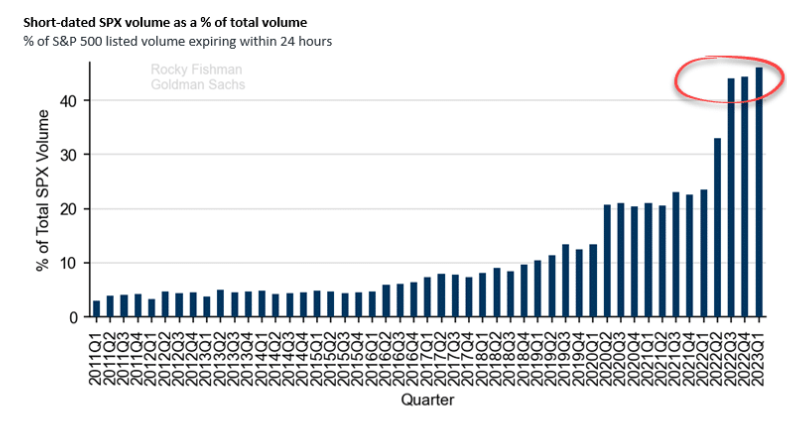
US market structure was back in the news recently with several stocks experiencing irregular price movements on the morning of January 24.
A $480 billion chipmaker whose processors are used for complex computing tasks. A digital-media company seeking to mine nascent technologies for content.
Three decades after helping give birth to the ETF industry, Morgan Stanley is officially back in the game in what could be a milestone moment for the investing world.
The US Treasury held steady its quarterly sales of longer-term debt, matching widespread expectations among bond dealers, given the standoff in Washington over expanding the government’s borrowing authority.
Wall Street had widely expected that the Federal Reserve would ease up on its pace of rate hikes to battle inflation on Wednesday.
The Federal Reserve slowed its drive to rein in inflation and said further interest-rate hikes are in store as officials debate when to end their most aggressive tightening of credit in four decades.
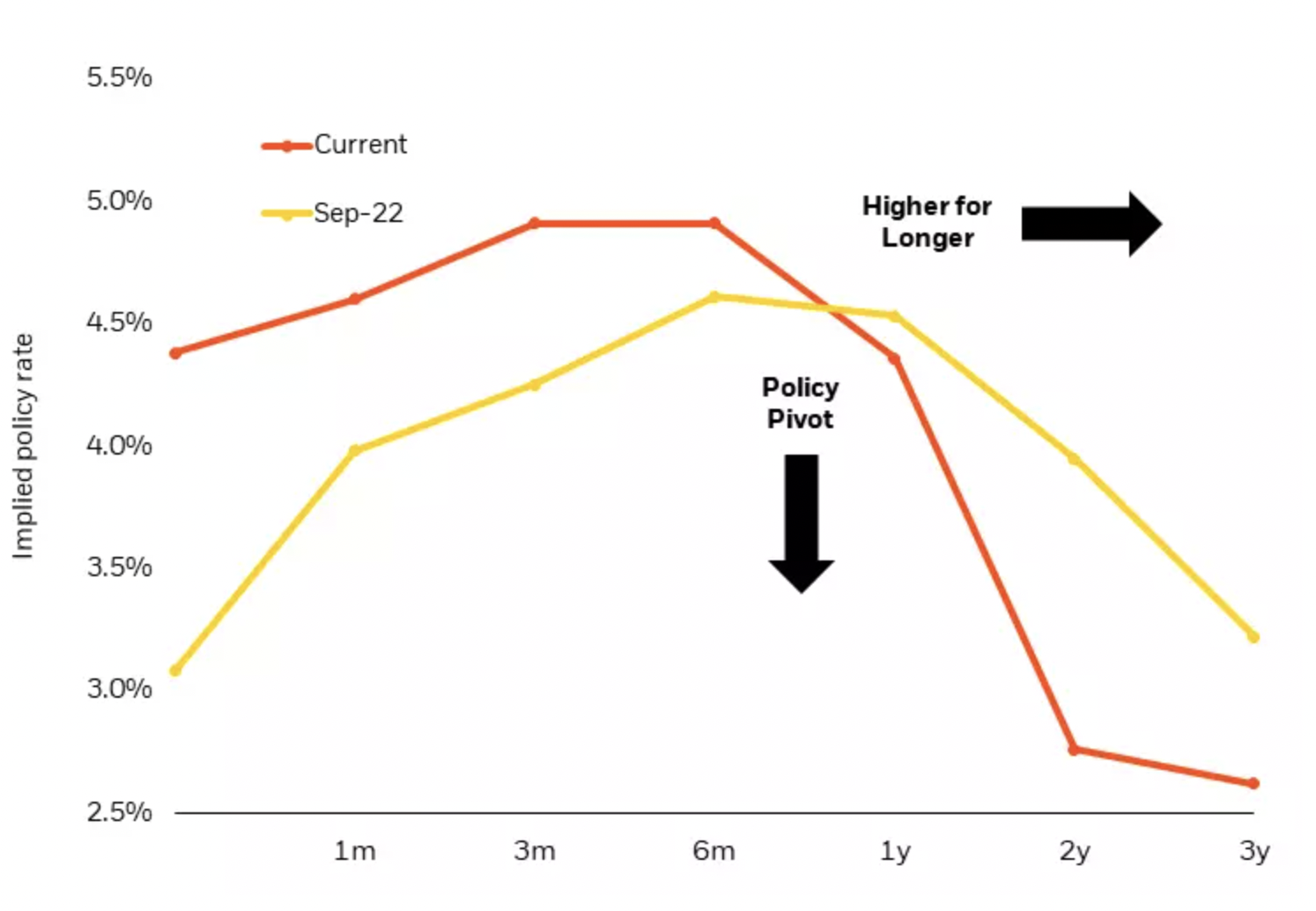
The market has high hopes for the Fed, however, comparing this to the Fed’s own expectations, we see a very different narrative.
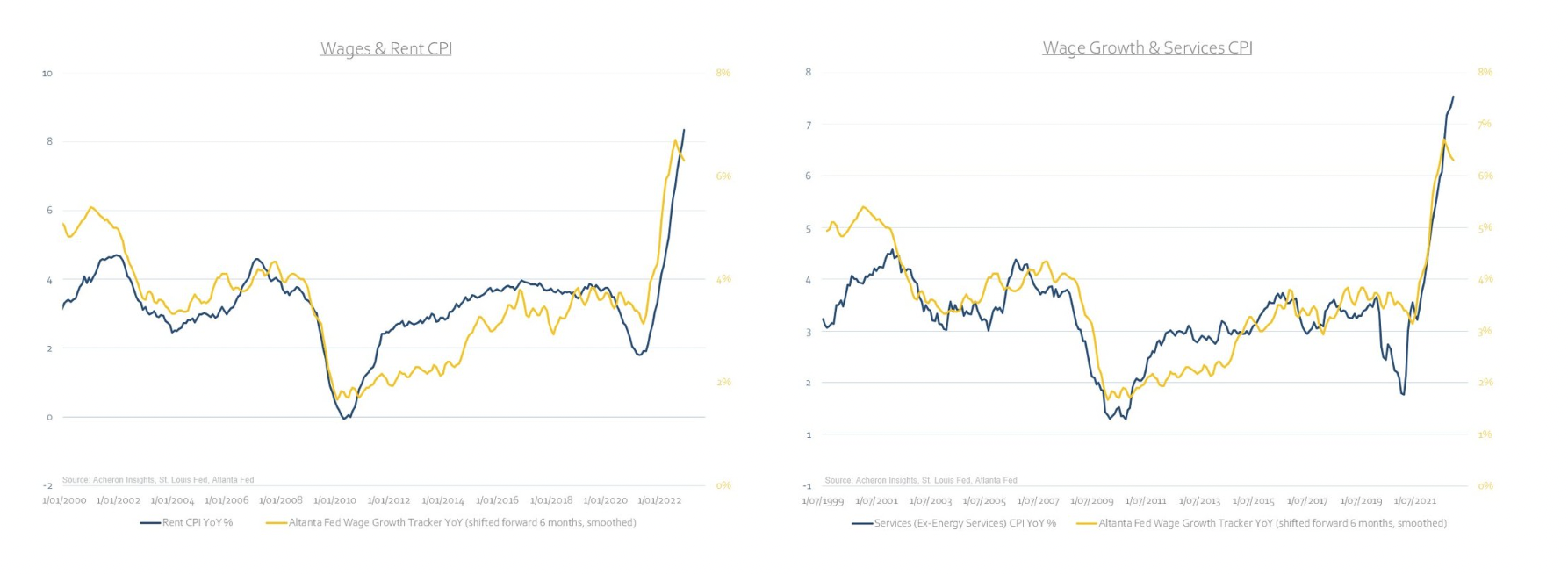
Inflation appears to have peaked, led by improvements in core goods prices and rate-sensitive sectors like housing.
A trading tool like portfolio insurance is poised to trigger a stunning display of market instability.
I chose the topic for this month’s Absolute Return Letter during the Christmas break.
Traders are betting artificial intelligence and machine learning will have the biggest impact on financial markets in the coming years.
Once-hated world stocks, bonds laced with interest-rate risk and even deadbeat crypto coins have just closed out a big new-year rally.
How many times have your clients or employees stalled and failed to take action? And then their stall had you managing the fallout?
A plunge in pricing power was one of the most notable developments we found in our latest quarterly survey of our credit analysts, who follow more than two dozen industries.
VettaFi’s Tom Lydon offers perspective on the strong start to 2023 for several ETF categories. FactSet’s Elisabeth Kashner highlights the latest ETF flow and fee trends.
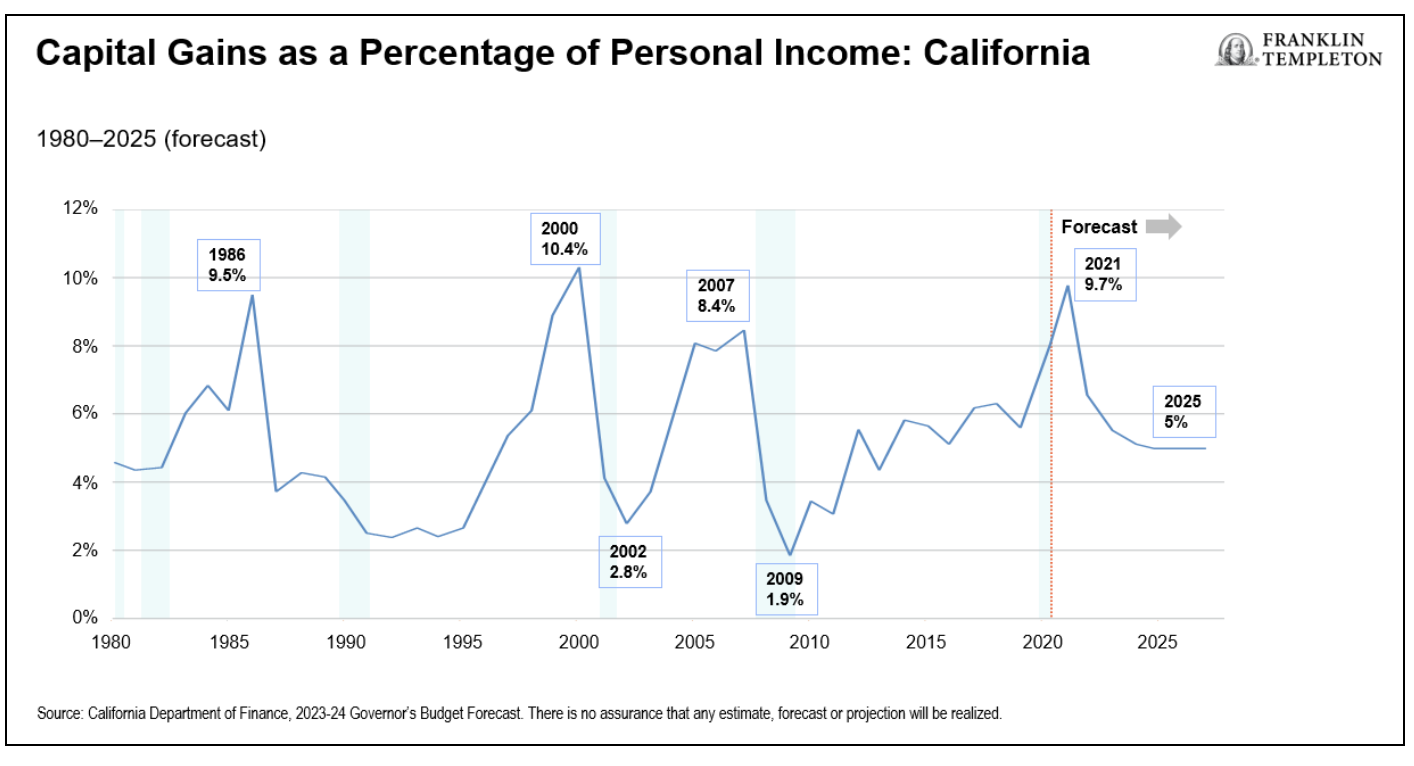
A slowdown in US economic activity this year is likely to impact most states, which could face budget deficits, according to Jennifer Johnston, Franklin Templeton Fixed Income’s Director of Municipal Bonds.
Waiting for your phone to ring for a referral is no longer the safe zone it once was, unless you are happy depending on an unpredictable and passive model to grow your business.
2022 was a painful year in financial markets with almost all traditional assets delivering significant losses.
US Treasury Secretary Janet Yellen said persistently weak inflation is likely to return as a long-term challenge for the economy and policymakers once pandemic-era distortions behind the recent surge subside and prices cool.
After successful bets against the world’s major bond markets paid off in 2022, a BlueBay Asset Management fund is positioned for another debt selloff this year.