Corporate bonds typically appeal to those seeking higher yield potential relative to safer government debt, but current market uncertainty may keep fixed income investors from making the move. However, strong fundamentals are also underpinning corporate bonds, which only add to their appeal despite ongoing risks.
As global labor arbitrage becomes less viable and access to cheap labor in emerging markets continues to narrow, businesses are increasingly turning to AI as a domestic solution for cost control and productivity gains.
As the final quarter of 2025 begins, it's a critical moment to look back at the preceding three quarters. Each year carries its own narrative, and 2025 was no exception. Markets trended downward early in the year owing to trade-talk-driven uncertainty, reaching a crescendo in volatility following the unexpected announcement of significant tariffs in April.
Though we are getting limited amounts of economic data during the federal government shutdown, the official and private sector data we are receiving generally paints a positive picture for U.S. economic activity.
Many may look at a headline performance figure like “the bond market is up 7%” and understandably feel encouraged. On paper, that appears to be a solid result. But nominal returns alone rarely tell the full story.
When evaluating the integration of gold and bitcoin into their investment strategy, investors should carefully examine both their similar properties and fundamental differences. These assets are frequently positioned as alternative value repositories, particularly valuable during periods of macroeconomic volatility and uncertainty.
Bitcoin fell below $95,000 for the first time in about six months as a bout of risk aversion sweeping across markets saw investors pull nearly $900 million from funds investing in the token.
To be sure, it’s not a point for investors to get carried away with. But it is noteworthy in the current environment. RSPF has exposure to the booming prediction markets space. That’s likely an underappreciated factor. And that’s because of the ETF’s status as a home to a slew of old-guard bank st
Imagine I get extremely rich like Michael Burry on a contrarian short position. I’d immediately cash in my chips (but I wouldn’t tell anyone I was “semi-retiring” from the game).
We discuss Figure’s $1 billion fundraise, XPENG’s (XPEV) humanoid launch, the humanoid market, and how Elon’s $1 trillion pay package fits into this.
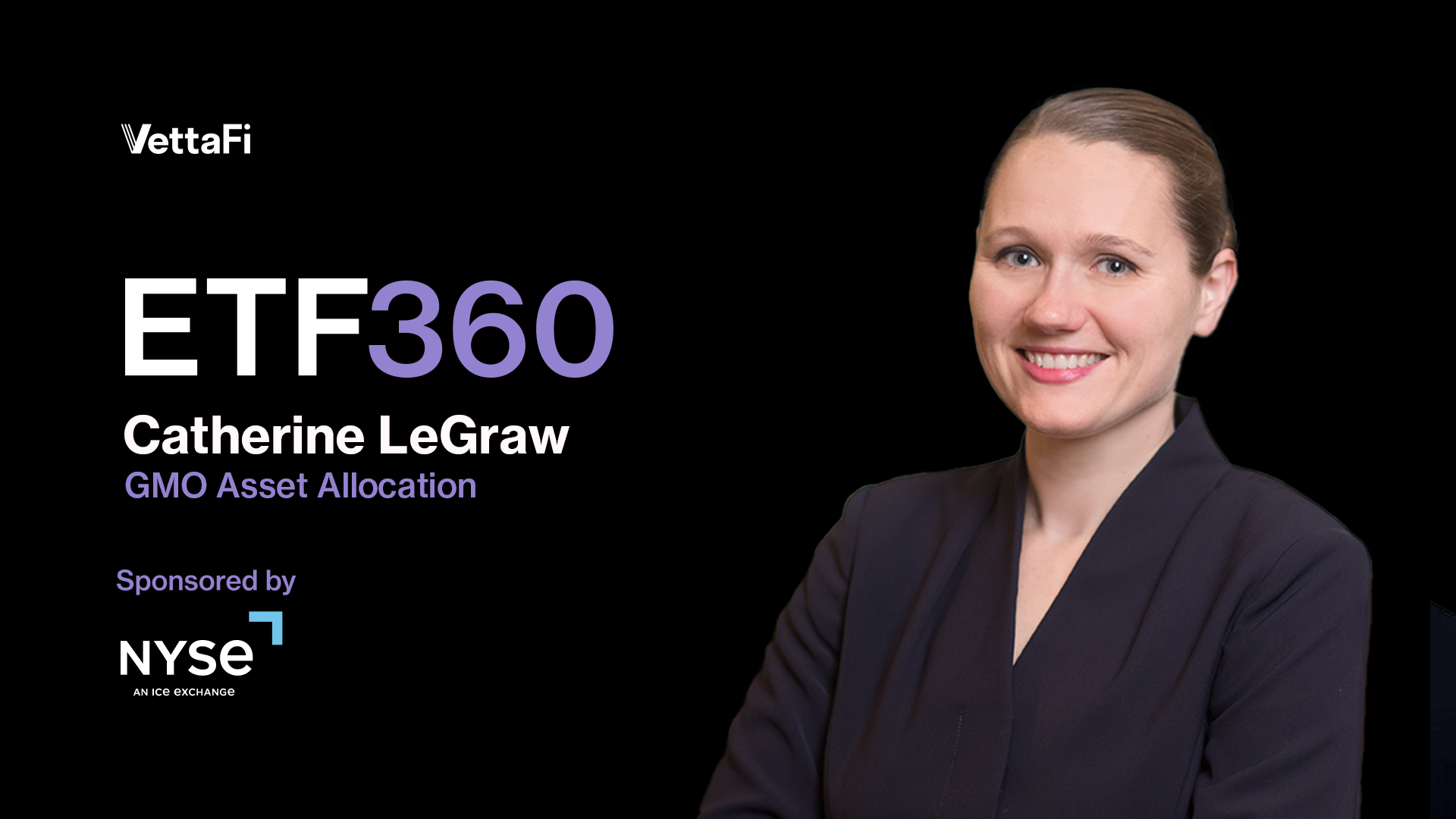
On the latest ETF 360, VettaFi’s Cinthia Murphy interviewed GMO Asset Allocation’s Asset Allocation Strategist Catherine LeGraw. The two discussed quality, the speculative market, and value dislocation.
While AI applications dominate the conversation, a less-visible hardware trend is already delivering results. Key photonics companies are posting strong earnings, validating the theme for investors in AI and robotics and automation ETFs.
Investors are pouring money into active ETFs, but a closer look reveals a migration of assets into the wrapper instead of a resurgence in alpha-chasing bets.
On the Money Metals podcast, host Mike Maharrey sits down with Philip Newman, founding partner and managing director at Metals Focus in London. Newman explains that Metals Focus, launched in 2013, is a pure precious-metals research house; it does not trade.
US equities dropped at the open, poised to snap a four-session winning streak, as investors continue to grapple with a lack of US economic data despite the end of the government shutdown.
Hints of reforms to ease foreign-ownership limits in Saudi Arabia set off the sharpest rally for its equity market in years this autumn, reigniting investor curiosity.
When we look at broader multi-asset portfolios that tap into real assets, including digital assets, as well as inflation fighters like income securities and real return strategies, we find that they have delivered strong results to the debasement-trade crowd.
This technology is moving quickly, with most businesses only in the early stages of understanding its capabilities. Whether and how fast AI can unlock new, transformative, lucrative idea generation or unleash a force in the U.S. economy similar to the “China shock” – the period in the early 2000s when outsourcing shrunk the U.S. manufacturing base and structurally changed the U.S. labor market – is yet to be seen.
According to a survey conducted by BlackRock and YouGov, ETF adoption continues to expand while also seeing a shift demographically.
The nuclear energy sector is experiencing a powerful revival, driven by macroeconomic shifts and technological innovation. For financial advisors and investors, understanding these trends is key to identifying investment opportunities as the nuclear energy landscape evolves.
Last week’s economic data sent mixed signals. Consumer sentiment plummeted to a near-record low on economic anxiety, and the manufacturing sector continued its long contraction.
The Federal Reserve cut its Fed Funds rate by 25 bps, the 10-year Treasury yield went up 10 bps, and the S&P 500 ended the month of October up over 2%. Let’s unpack those results.
Following a 9-month hiatus in its rate-cutting cycle, the Federal Reserve (Fed) recently resumed monetary easing, with cuts in September and October 2025 in response to signs of a softening labor market.
The equity arena is certainly booming with cheers following the Fed’s second rate cut. But the reaction from the fixed income crowd might be more mixed.
The real issue comes when these investments are held in tax-advantaged accounts like a 401(k) or traditional IRA. Since the income is generated by a partnership, it will be considered Unrelated Business Taxable Income (UBTI) in these types of accounts.
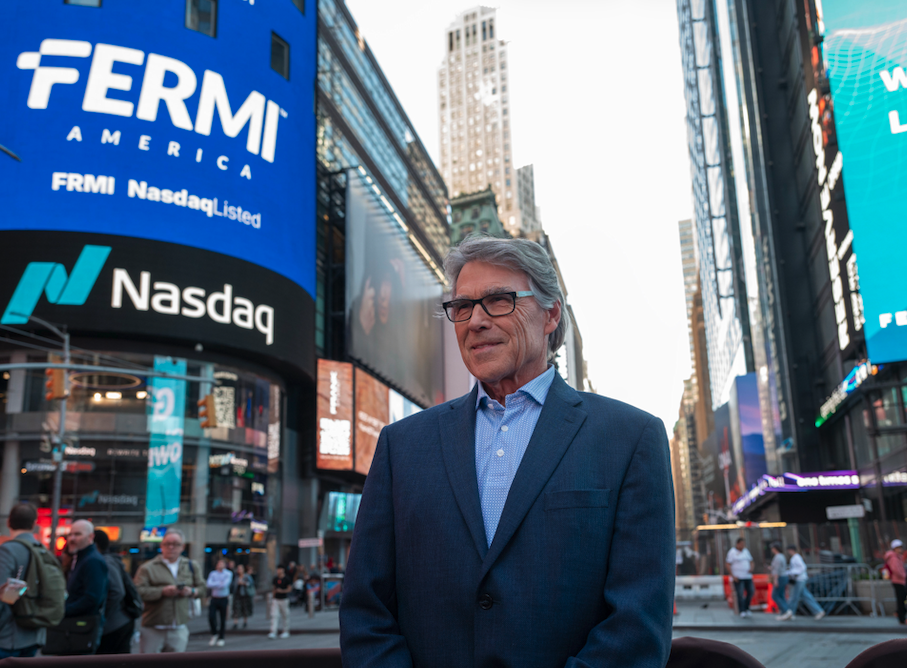
US efforts to develop artificial intelligence systems and the nuclear-energy infrastructure needed to power them are comparable to the World War II initiative to build the first atomic bomb, according to Fermi Inc., a power-plant developer planning a massive data-center campus in Texas.
It’s been one year since President Trump secured his second term, and we’re taking stock of how the economy and financial markets have performed during that time, highlighting both the wins and the challenges.
Investors are increasingly viewing bonds from large corporations like Microsoft and Siemens as safer than the sovereign debt of their home governments, a conclusion driven by a sharp contrast in fiscal management.
The prime-age labor force participation rate of 84.6% in January 1999 is still a record high. But the pace of hiring distinguishes the two eras. In the 1990s, anyone with marginal tech skills could readily find work. Information sector employment grew over 27% from 1995 to 2000, while total nonfarm employment gained 12%.
Looking back to the 1990s need not be just a matter of nostalgia. Those too young to have lived it envy the fortunes made as technology firms grew. Seasoned investors who worked through the cycle can warn us of the pain of a correction. Along the way, the cycle taught useful lessons.
Costing tens of thousands of dollars each, Nvidia Corp.’s pioneering AI chips make up a hefty chunk of the $400 billion that Big Tech plans to invest this year — a bill expected to hit $3 trillion by 2029.
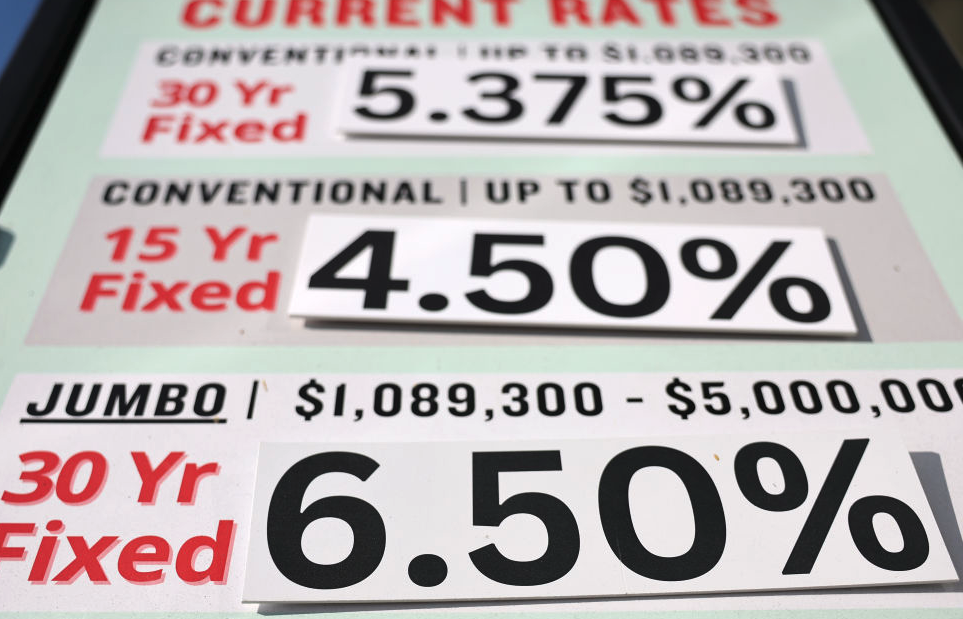
First, it would mean lower monthly payments, unless interest rates rise a lot. Yes, buyers who stay in their home for 50 years and pay off their mortgage over that time will pay much more in interest than they would have with a 30-year mortgage.
Although the stability of the consumer depends on its ability to generate labor income, i.e., wages and salaries, households’ financial conditions are very important in supporting the stability of consumption.
he dollar is regaining its crown as one of the world’s most appealing assets, defying talk of a “Sell America” trade that had raised troubling questions about the outlook for the global reserve currency.
VettaFi recaps key takeaways from energy infrastructure MLPs and corporations third-quarter 2025 earnings calls.
Solana and Ethereum are challenging Bitcoin's dominance among institutional investors. CoinShares' latest survey reveals fund managers are increasingly choosing these alternatives for their growth potential.
On this special episode of the “ETF of the Week” podcast, VettaFi’s Head of Research, Todd Rosenbluth, discussed record ETF inflows with Chuck Jaffe of Money Life. The pair discussed why this might be happening, highlighted some standout funds, and more.
Todd Rosenbluth, Head of Research at VettaFi, discusses recent ETF milestones and the top stories from ETFTrends.com. Paul Baiocchi, Head of Fund Sales and Strategy at SS&C ALPS Advisors, shares his key ETF takeaways from 2025 and offers a look ahead to 2026.
In anticipation, Nasdaq is looking to add not only in the exchange-traded product group in the coming weeks, but also in the legal and compliance side, according to Giang Bui, head of US equities and exchange-traded products. The exchange hired Kristian D’Agostino as senior director of ETFs last week.
The thesis is simple. Apple will benefit as it taps other companies’ models to deliver AI features to its millions of customers while avoiding much of the heavy spending required to develop its own capabilities, which is what many of its megacap peers are doing.
SoftBank Group Corp. sold its entire stake in Nvidia Corp. for $5.83 billion to help bankroll AI investments, even as investors question the amount of capital pouring into a technology with uncertain returns.
First and perhaps most importantly, model portfolios aren’t chasing clients away. In fact, a slew of studies and surveys confirm clients are more than fine with model portfolios. That’s because above investment performance, they prize advisors’ communication skills, trustworthiness, and other “soft skills.”
Sports wagering has come a long way since then. Global revenue derived from this activity now exceeds $100 billion, and is expected to grow exponentially in the years ahead.
Credit cycles happen. Defaults happen. But negotiated loan structures, lender protections and long-term capital make private credit uniquely resilient
For more than a century, New York City has stood as the beating heart of global capitalism. That’s why this month’s election of Zohran Mamdani, a self-described Democratic Socialist, as the city’s next mayor has sent shockwaves through America’s business and investing community.
A recent poll of financial advisors confirms that interest in the “nuclear renaissance” investment case is driven by several distinct tailwinds. When asked what they find most interesting about the sector, the responses revealed enthusiasm for new technology, built upon an appreciation for the fundamental benefits of nuclear power.
Join Matt Kaufman, Head of ETFs at Calamos, to explore how autocallable income strategies seeks high, stable monthly income with tax-deferred distributions, no K-1s, and no investment minimums.
Ignoring individual stocks may reduce risk, but it may also reduce engagement, which could lead to reckless decisions. A wise investor can own both index funds and individual stocks, just in the right proportions and for adequate holding periods.
This session examines what's actually deployable versus what remains years away, and how America's looming labor shortage is accelerating adoption.
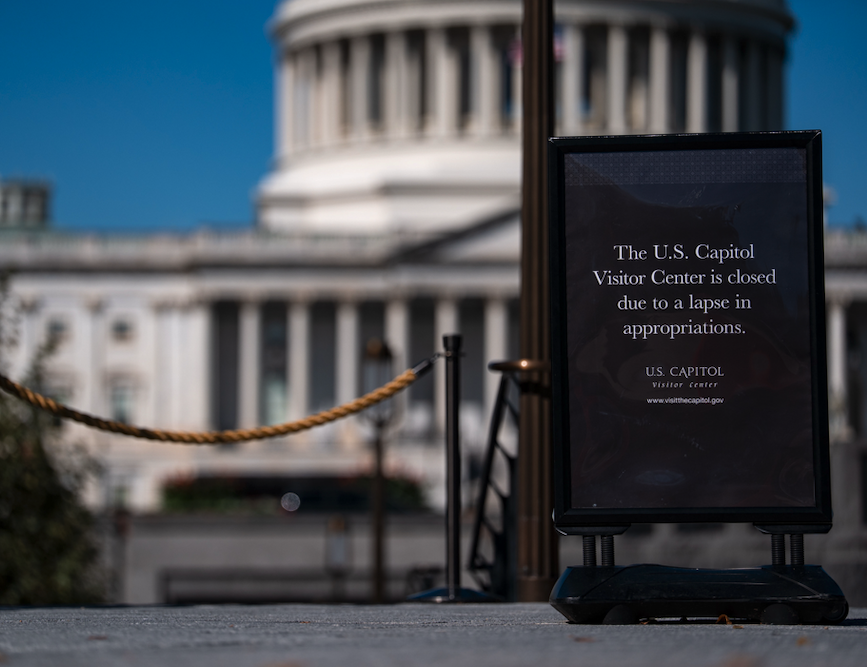
The US government is still days away from reopening as the Senate winds its way through potentially time-consuming procedures and House members travel back to Washington to vote for the first time since Sept. 19.