Tariffs have long been part of U.S. economic policy, but big changes can disrupt markets and trade. Here's a quick overview of some questions investors may have.
Your financial requirements are multifaceted, necessitating strategies tailored to your specific needs. Tailored lending can be a valuable addition to a high-net-worth individual’s financial plan, helping you optimize cash flow, maximize tax efficiency and realize important estate planning goals.
For many of us, ETFs have been synonymous with passive management.
Long-term interest rates have become much less predictable, and that means volatile prices for long bonds.
You wouldn’t exactly call it understated. In a video, Sam Altman, co-founder and chief executive officer of OpenAI, jostles through a busy San Francisco sidewalk.
Investors have breathed multiple sighs of relief in recent weeks as the Trump administration has dialed back its extreme tariff rates on China and other countries. In addition, first-quarter earnings were better, overall, than many expected given the quarter’s uncertainty.
Having raised $445 million from investors including Microsoft Corp. and SoftBank Group Corp., the British firm entered insolvency proceedings this week after a major creditor seized $37 million from its accounts, leaving $5 million in the company’s coffers.
Amid the relentless chaos in Washington — tariffs, trade war, terminally rising deficits — at least one sensible idea has recently emerged: The federal government wants to free up more land to build homes. It’s a great ambition. The devil, as ever, will be in the details.
Even though Bitcoin has retreated from record territory, options show that traders remain extremely bullish with open interest reaching an all-time high.
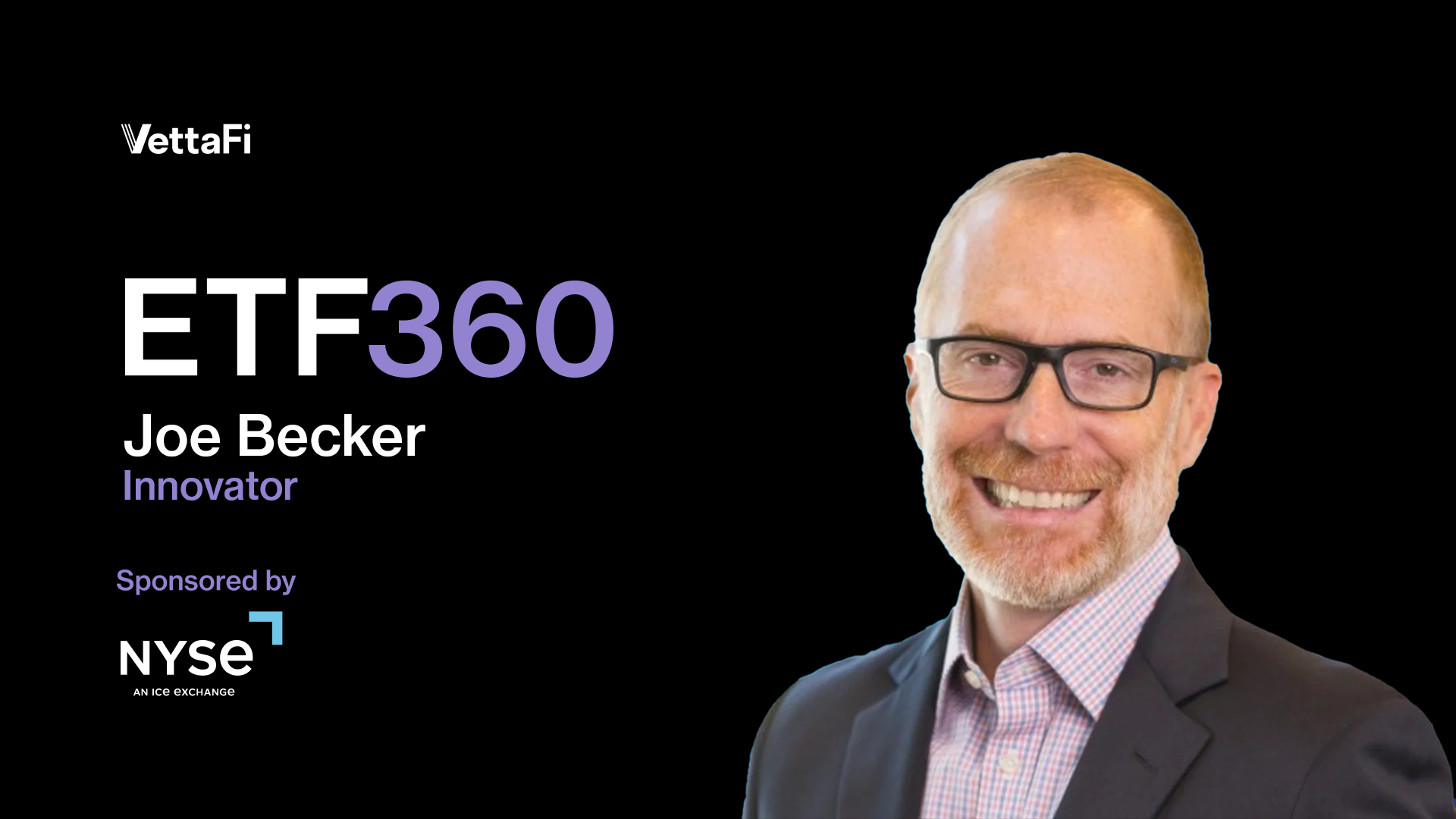
On the latest episode of ETF 360, VettaFi’s Kirsten Chang interviewed Innovator’s Director of Product Management Joe Becker to discuss one of their newest product launches, the Innovator Equity Premium Income – Daily PutWrite ETF (SPUT). This new product uses the put instead of the covered call.
House Republicans narrowly passed President Donald Trump’s economic package after a series of all-night negotiations and 11th-hour compromises.
Someday, the dollar will cease to be the world’s reserve currency. But don’t hold your breath waiting; there is nothing even close to being able to take its role.
Investors should always be attuned to inflation risk, but it seems pronounced in this moment. How should your clients adjust behavior and investments?
As AI capabilities continue to advance, we can expect even more sophisticated financial planning tools to become accessible to the average person, potentially improving retirement outcomes for many.
Bond investors are demanding more and more compensation to hold long-dated US debt as global markets grow anxious about the widening fiscal deficit in the world’s biggest economy.
Halfway through President Donald Trump’s 90-day freeze on his so-called reciprocal tariffs, a persistent gripe from businesses, consumers and governments facing them is severe uncertainty.
OpenAI will acquire the AI device startup co-founded by Apple Inc. veteran Jony Ive in a nearly $6.5 billion all-stock deal, joining forces with the legendary designer to make a push into hardware.
America’s fiscal woes are nothing to sneeze at, but they’re also nothing new. Which is why we expect markets to largely shrug off the latest credit-rating cut.
Direct indexing has been in the news a lot more in recent years. Larger industry players have strategically acquired a number of providers—including Parametric. And many new entrants have entered the space, looking to build on its success.
Shopping for bonds? The bonds you choose should align with your risk tolerance and goals. Discover what to consider before buying any bond.
Investors active today can be forgiven if the events of the past few months have been a bewildering experience.
What investors thought was going to be a nice start to a weekend in May got turned around with a late Friday announcement that Moody’s had just downgraded the U.S. long-term credit rating.
The market narrative appears to change on a dime these days. Stocks may have staged a comeback to recoup almost all their post-“Liberation Day” losses. But the bottom line on the fixed income market hasn’t changed all that much.
Cathie Wood’s funds made their biggest purchase of Taiwan Semiconductor Manufacturing Co. shares in nearly a year, underscoring a change in stance from being mostly sellers of the chipmaker since the third quarter of last year.
In this article, Russ Koesterich discusses the potential impact of seasonal weakness, momentum and the effect these factors could have on earnings in 2H2025.
Trade pacts with America will not mean a return to the old normal.
Discounted municipal bonds could expose you to unexpected taxes. Here's what to know before you buy.
One of the biggest stories in the ETF market in 2025 has been the nonstop impressive asset-gathering pace of the Vanguard S&P 500 ETF (VOO).
Join the team at American Century Investments for a product spotlight on their suite of active ETFs.
The wise minds at Moody’s Investors Service finally acknowledged last week what the other two main credit rating agencies did years ago.
The world’s largest asset manager is adding to bets on the artificial intelligence within its US model portfolios while trimming its overall equity risk because of tariff uncertainty.
Investors dumped US stocks Wednesday afternoon following a disappointing Treasury auction that sent bond yields surging past levels seen during April’s market rout.
As one of the world’s largest sovereign wealth funds warned this week that private equity is “very troubled” right now, a spate of recent buyout deals in Europe and the US points to a possible route out of the mire.
Applications for US unemployment benefits fell to a four-week low, adding to evidence that the job market remains healthy in the face of growing uncertainty tied to trade policy.
Tariffs, inflation, geopolitical tensions, and other factors continue to feed into market uncertainty for even safe haven assets like Treasuries. As such, investors could be giving riskier emerging market (EM) bonds a second look.
Best-in-class OCIO providers understand the importance of a deep relationship and will invest considerable time cultivating one.
529 plans offer tax-free savings for a variety of education expenses, including K-12 tuition, vocational training and apprenticeships. Our Bill Cass discusses the trends in 529 savings plans.
In a year dominated by multimodal marvels and reasoning breakthroughs, perhaps the most economically significant shift in AI went largely underplayed: cost collapse.
The materiality of ESG factors differs across sectors and markets. Investors need to understand how.
In the aftermath of the 2018 trade skirmishes with China and the pandemic, nearshoring and friendshoring quickly became buzzwords. But like many other catch phrases, these two may soon fade from usage and memory.
Common sense and economic theory often collide. Take the stubborn belief that government stimulus spending and debt issuance reliably boost economic growth. It is a simple and seductive idea—when the economy falters, the government can step in, inject capital, and jumpstart growth.
The April Consumer Price Index (‘CPI’) report was released last Wednesday and gave the Federal Reserve another positive data point in its inflation fight, as did Thursday’s negative Producer Price Index (‘PPI’).
This year’s turbulent market environment underscores the value proposition of actively managed strategies. Active ETFs may offer diversification benefits, a responsiveness to changing market environments, and a depth of fundamental research above and beyond that of their passive peers.
During last month's tariff war, a big driver of stock-market declines was foreigners selling.
The shifting change in market leadership to international outperformance may call for a portfolio review to assess overexposure risks.
Innovative ETFs are making waves as investors look for fresh ways to navigate a market marked by rapid growth and ongoing volatility.
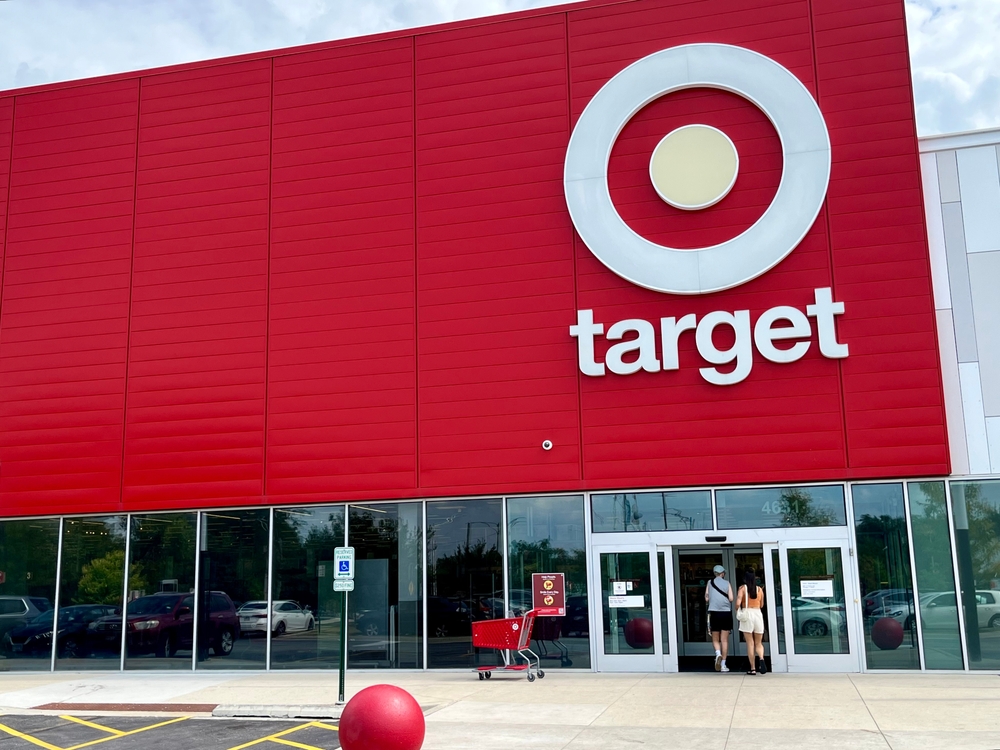
With the latest Target earnings report coming in weaker than expected, advisors might want to reassess how they gain exposure to the company.
Exchange is a financial services conference for advisors to strengthen their skills and develop across core dimensions of their professional portfolio.
Bitcoin options traders are setting their sights on much higher prices while the largest cryptocurrency flirts with its fairly recent all-time high.
Nvidia Corp. chief Jensen Huang blasted the “failure” of US restrictions intended to help contain China’s technological ascent, calling on the White House to lower barriers to AI chip sales before American firms cede that market to up-and-coming rivals such as Huawei Technologies Co.