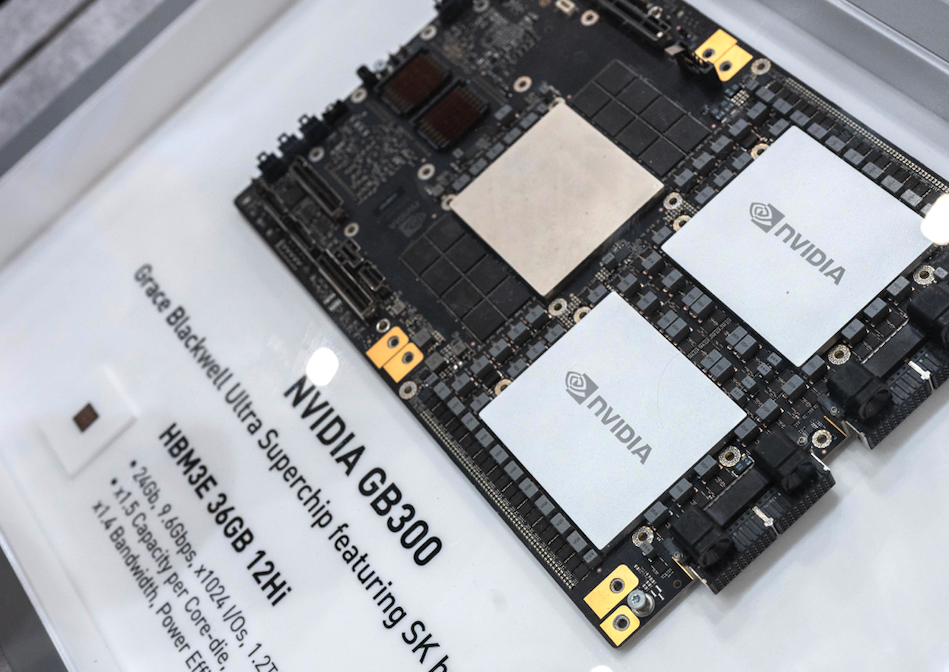
Markets have treated AI as a gold rush of LLMs, chips and cloud applications, but as the industry shifts from chatbots to agentic systems — AI that autonomously runs workflows and makes decisions — hyperscalers are now facing a brutal physical bottleneck.
Several articles enjoyed strong performance during the month of May, though there does not seem to have been a unifying theme, unless it is pointing out mistaken beliefs or unexamined conventions.
Join the experts at SS&C ALPS Advisors and GSI Capital Advisors for a product due diligence session exploring their active REIT strategy.
In his new book, “Risk & Reward: How to handle market volatility and build long-term wealth,” Ben Carlson relies on history to defend investing in U.S. stocks. Carlson calls the U.S. stock market “the greatest wealth-building machine ever created,” and nudges his readers into thinking its success will continue.
Crypto has clearly matured considerably as an asset class, and it's exciting to hear more advisors speak about the opportunity it presents — without being scared away by its volatility. The real question today is how much of a portfolio allocation is appropriate given their specific objectives and constraints.
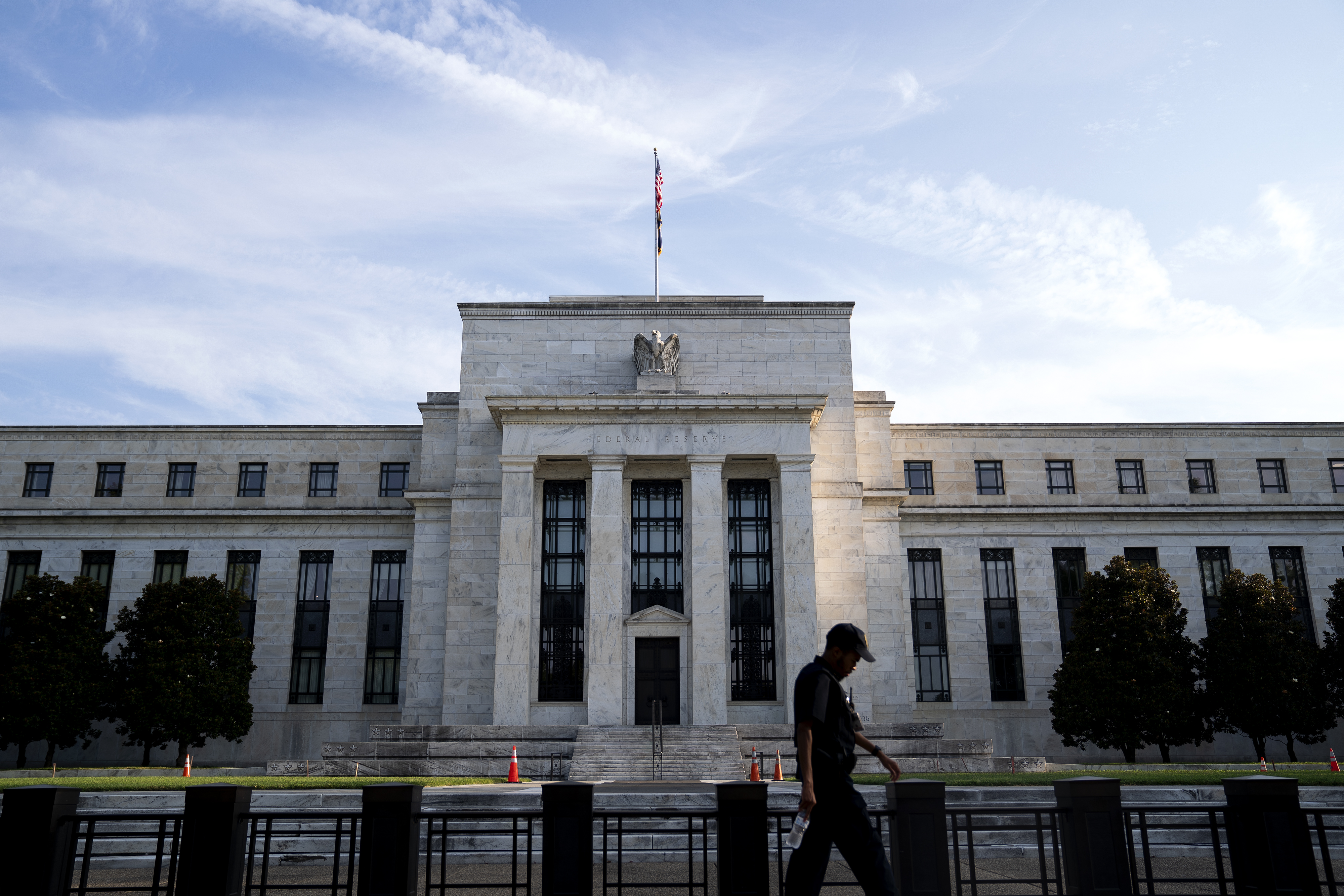
Interest rates remain one of the primary concerns for investors as Kevin Warsh has officially assumed leadership at the U.S. Federal Reserve (Fed). While we believe the possibility of a rate cut has diminished considerably, we are not yet expecting additional rate hikes.
Probably the most popular insight to make its way from finance theory into everyday usage is that "diversification is the only free lunch" in investing. The idea dates back to Harry Markowitz in 1952. He, and those building on his work, demonstrated that in an efficient market, investors shouldn't earn extra return for bearing company-specific risks that can be diversified away.
The rise in US yields has extended across the entire Treasury curve, creating a charged backdrop for Fed policymakers and their new chairman, Kevin Warsh, who helms his first meeting and press conference next week.
US stocks have further to run as corporate earnings growth underpins sentiment despite some signals suggesting equities may have risen too far, JPMorgan Asset Management’s Jack Caffrey said.
The US trade deficit narrowed in April as a surge in oil exports helped offset ongoing increases in imports of equipment powering the data center buildout.
Interactive Brokers Group Inc. is offering exchange-traded funds from BlackRock Inc. in savings plans in Europe, the latest platform to provide the booming product that’s become increasingly popular with mom-and-pop investors on the continent.
The history of megacap initial public offerings shows that the stocks usually slump in the first year of trading. But upcoming listings from SpaceX, Anthropic and OpenAI are big enough and systemically important enough to the market that those analogies may not apply.
There is an old adage that the stock market climbs a wall of worry, which describes its ability to keep rising even amid negative economic news or events. This defies logic, yet I have watched it prove true time after time.
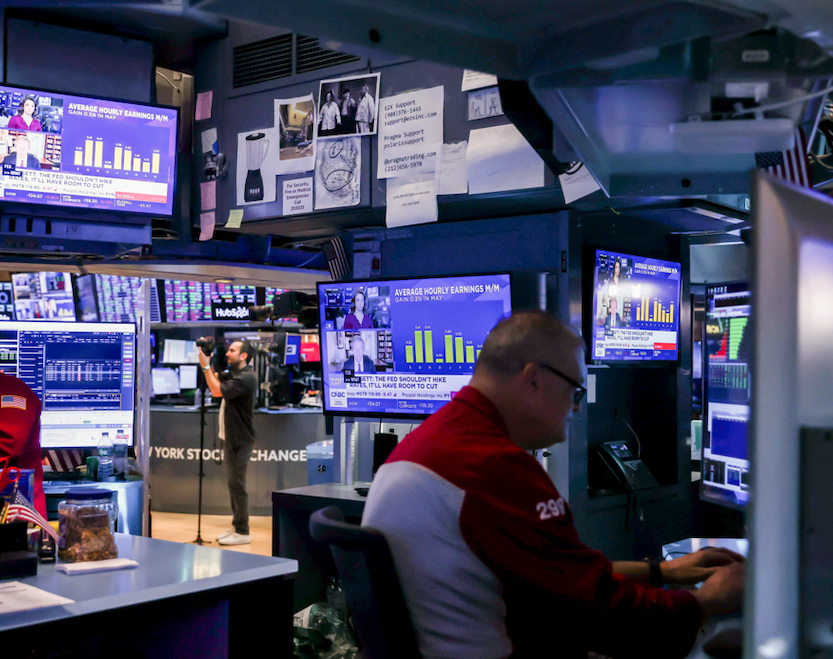
The job market was surprisingly strong in May with non-farm payrolls growing 172,000, beating even the strongest forecasts for the month. As a result, the futures market is now pricing in a quarter-point rate hike later this year and more likely than not another quarter point rate hike sometime in 2027.
It’s no secret that investors are on the lookout for opportunities in their fixed income portfolios. This is especially true in today’s shifting landscape. Equities are hot, perhaps too hot, and many investors want strong performances out of their bonds in order to keep up.
Fertilizers sit at the center of this transmission mechanism. As much as a third of the global supply of these commodities passes through the Strait of Hormuz, which has largely been closed for three months. This has triggered shortages and a price spike.
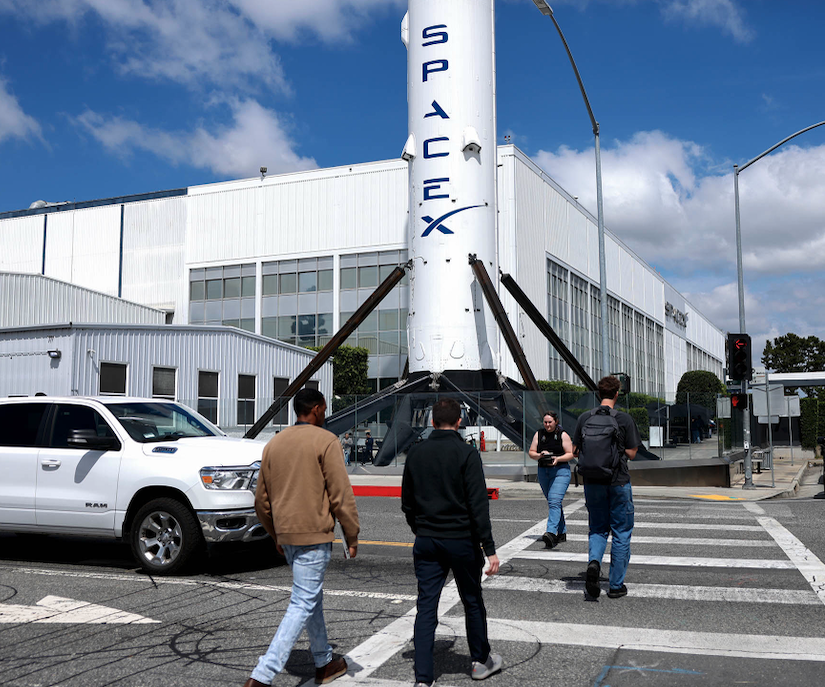
In case you’ve been living under a rock for the past few months, three of the world’s largest and most consequential private companies—SpaceX, Anthropic and OpenAI—are preparing to go public in the same year. Together, they could add nearly $4 trillion in market cap to public markets.
Labor market fundamentals have improved meaningfully from last year’s near standstill while inflation has moved higher, driven in part by the Iran conflict and the resulting increase in petroleum and gasoline prices. As a result, Federal Reserve (Fed) officials are likely becoming more concerned about the risk of broader inflation pressures, a theme highlighted in this week’s ISM Manufacturing and Services PMI releases.
As we go to press, fighting in the Mideast has escalated, sending crude higher, but stocks, in early Monday trade, have shown remarkable stability following Friday’s deep selloff.
Metals Focus has released its Gold Focus 2026 report. It includes comprehensive historical supply and demand data for 2017-25 and its 2026 forecast.
Chris Galipeau and Taylor Topoussis discuss high-conviction insights that go beyond media headlines.
We are halfway through 2026, and the planning priorities that have defined our client work this year are in focus. Some of what we are doing is recurring: fixing compliance errors, correcting quarterly estimate miscalculations, and keeping tax positions aligned with economic reality.
Quantum computing is being hailed as the next technology to revolutionize computing, following in AI's footsteps. But promising headlines loaded with industry jargon have a long history of appearing well ahead of reality. Accordingly, it’s important to better understand what quantum computing is, why it matters, and whether the hype is justified and worth investing in.
In this episode of ETF of the Week, host Chuck Jaffe sits down with Todd Rosenbluth, Head of Research at VettaFi, to discuss the NEOS Enhanced Income 1-3 Month T-Bill ETF (CSHI).
2026 is heading toward a four-peat of double-digit returns on U.S. stocks, but it will require P/Es to remain high — investors need to remain optimistic. In the past, when P/Es were high, investor fear kicked in and P/Es declined, causing stock market losses. Time will tell, but diversification is a reasonable strategy no matter the outcome.
If the market has correctly named the companies that will dominate the AI era, cap weighting will look brilliant, because it owns them in size and will ride them up for free. The real question is: How much do you want to bet the market chose the correct companies?
My industry soundings are far more upbeat: When it happens, it would start as a trickle, but very quickly — in just a handful of weeks, if not days — transform into an oil flood. I’m on the side of the bears, as you may have guessed.
Credit heavyweights like DoubleLine Capital LP and Oaktree Capital Management are buying debt now that can perform well if the artificial intelligence boom turns into a credit bust.
US stocks bounced back on Monday from the worst rout this year, as a selloff in technology stocks eased and traders assessed flaring tensions in the Middle East, which supported oil prices and energy shares.
The bar for a Federal Reserve rate hike is falling as the job market remains robust in the face of stubborn price pressures, according to Collin Martin at the Schwab Center for Financial Research.
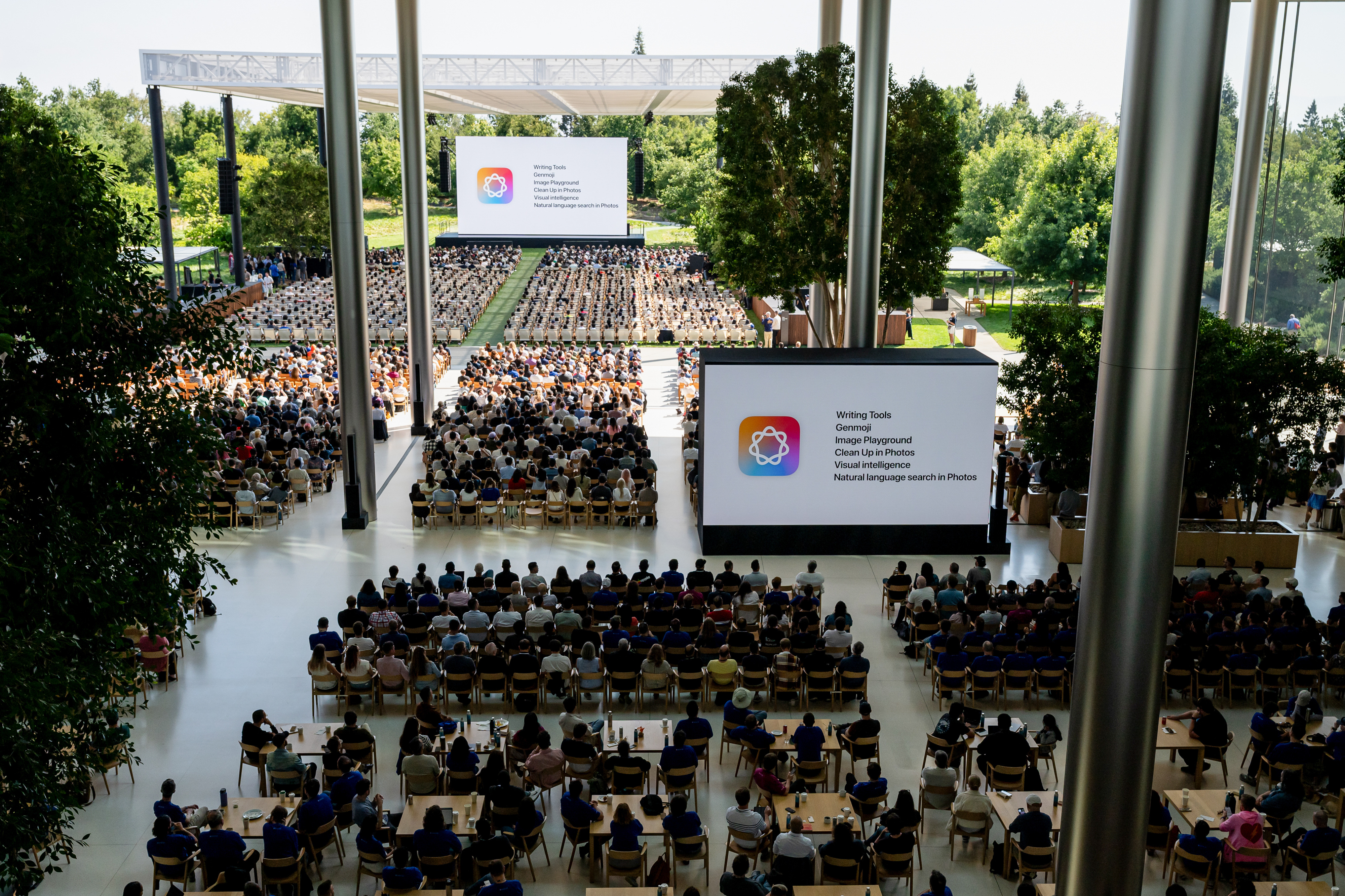
Apple Inc. investors have spent nearly two years clamoring for the iPhone maker to make a big splash with artificial intelligence. Their wait may finally be coming to an end this week at the company’s annual Worldwide Developers Conference.
Google parent Alphabet Inc.’s municipal-bond market debut was met by a surge of investor interest.
The world is not ending. It is restructuring. But restructuring, as I noted at the outset, comes with an asterisk. What is really happening is a replacement, of assumptions, of guarantees, of the architecture that held everything together for eighty years.
In light of all this, our own view is that markets remain well positioned to continue to rally over the medium term, though given their stratospheric rise of late, a bit of a pullback might be in order in the short term.
Chuck argues that valuation should be based primarily on current earnings, which are known and measurable, rather than future earnings estimates, which are inherently uncertain. A P/E ratio of 15 equates to an earnings yield of approximately 6.67%, a return level that has historically aligned with the long-term returns investors have earned from stocks.
Our broad message for the second half of 2026 is this: Income still matters, but investors should be selective. Despite the recent rise in Treasury yields, we suggest investors favor a below-benchmark average duration with their bond holdings, favoring short- and intermediate-term maturities.
An increasing number of our neighbors are now retired. As they have made that transition, their sensitivity to the costs of living has increased, as has their skepticism over the way that inflation is measured. A common refrain: “I don’t care what the numbers say…things are REALLY expensive these days!”
With tech stocks pushing to new highs on enthusiasm around transformational technologies, the real question isn’t just momentum. It’s whether markets are becoming frothy, even bubble‑like, reminiscent of the dot‑com era. We don’t think so.
Trade policy returned to the spotlight this week as the United States announced new tariffs on 60 countries, with rates of either 10% or 12.5% depending on the trading partner.
Confirming that the bar is high for artificial intelligence (AI) semiconductor makers’ earnings reports, shares of Broadcom (AVGO) plunged 12.59% on June 4, a day after the chip giant delivered quarterly results. The results weren’t the problem. It was a lack of a positive update regarding AI semiconductor demand.
In my more than two decades covering index funds, I have never seen anything quite like the frenzy surrounding the SpaceX IPO. The sheer scale and market anticipation of this pending debut this week have done something rare. It has encouraged index providers to re-evaluate how they build and maintain benchmarks that are tracked by trillions of dollars.
The U.S. labor market took center stage last week as three major labor market indicators outperformed forecasts. Robust payroll additions in both the public and private sectors, paired with a massive surge in job openings, point to a workforce on solid footing.
For years, the retirement industry has framed the challenge the same way: Participants aren’t engaged enough. Employers need better communication. Advisors need to educate more.
In this episode of the Money Metals Midweek Memo, host Mike Maharrey argues that reports of inflation's demise have been greatly exaggerated. Drawing on both recent economic data and historical parallels, he contends that the United States may be entering a second wave of a broader long-term inflationary cycle reminiscent of the inflationary era of the 1960s and 1970s.
The $1.8 trillion private credit industry is finding out that trying to shake investor angst about the market is more of a marathon than a sprint. Such is the nature of long-term lending — there are few quick answers to the concerns that the market became too concentrated on software assets, a sector that’s ripe for disruption by artificial intelligence.
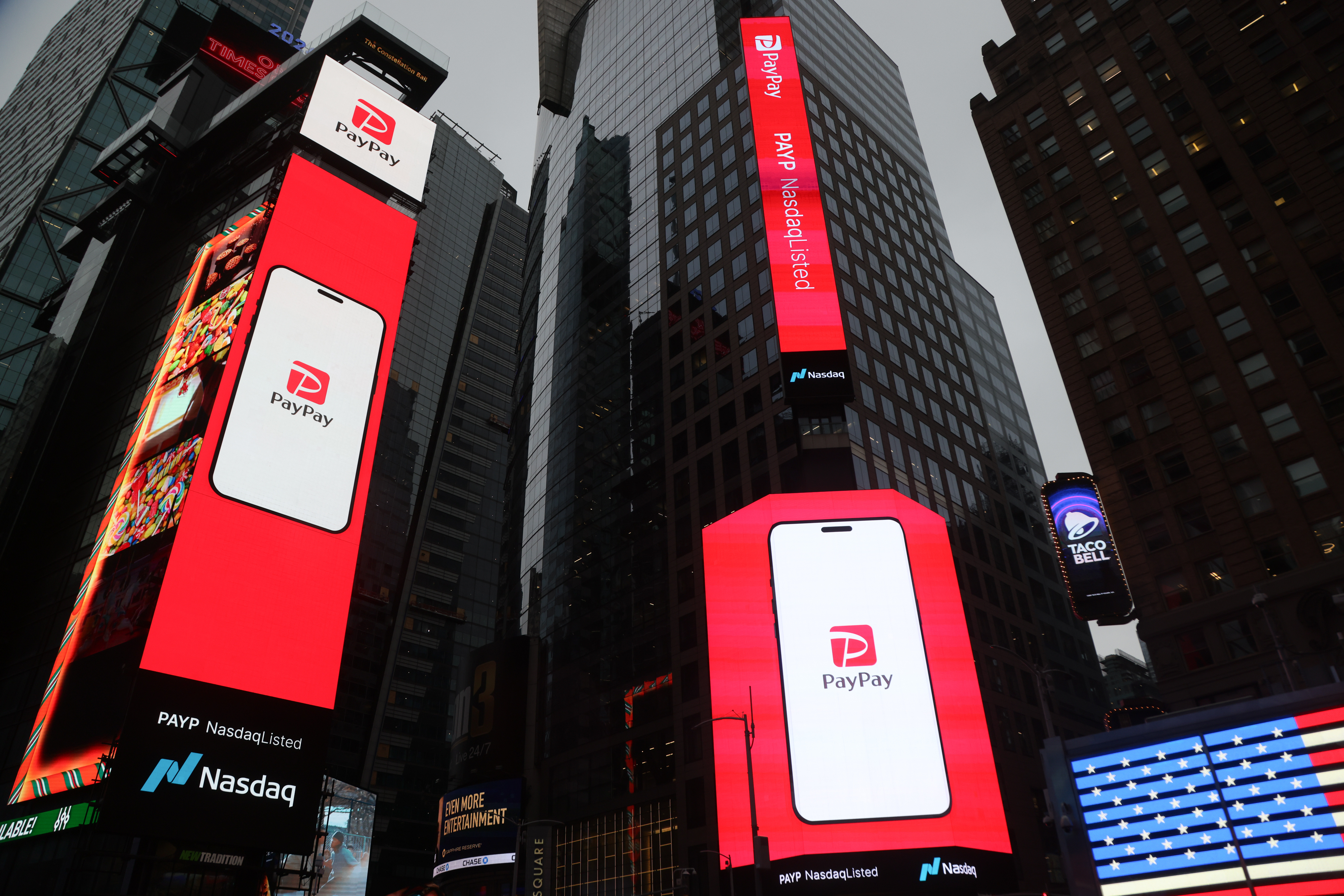
SoftBank Group Corp.’s payments unit is buying the life insurance unit of T&D Holdings Inc. for ¥134.3 billion ($840 million) to broaden its offerings and better compete in Japan’s ballooning fintech market.
In the first phase of the generative AI boom, the winning strategy was straightforward: own the physical bottleneck. Alphabet’s plan announced this week to raise $80 billion suggests that the next phase may hinge on something else—the ability to finance AI capacity at scale without undermining returns.
The latest Emerging Markets Insights discusses companies across various sectors that have expressed cautious optimism for the second half of 2026 despite ongoing geopolitical pressures and higher input costs. Templeton Global Investments highlight what they observed at a recently attended summit.
Some of that tension is also being felt by their clients, advisers say. Along with the anticipation of a life-changing windfall, the initial public offering is eliciting more complicated emotions, as well, ranging from apprehension to confusion.
Currencies in the developing world sank after a blowout US jobs report provided the clearest sign yet that the labor market is breaking out of a prolonged period of lackluster hiring, undercutting the case for rate cuts from the Federal Reserve.