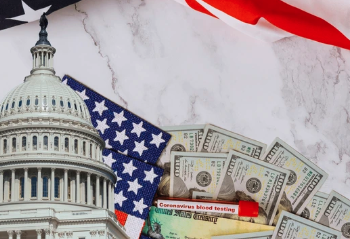
For years, Americans have lamented that rising housing prices and elevated mortgage rates have made homeownership unaffordable for too many first-time homebuyers, while prompting many homeowners to stay put rather than sell.
Thematic ETFs are making a comeback, and one theme in particular dominates conversation. Artificial Intelligence remains top of mind for investors. TMX VettaFi’s Zeno Mercer and Todd Rosenbluth discussed the disruptive technology.
Despite concerns regarding the electrical power grid, there are solutions to meet the surge in AI-driven energy demand. For example, nuclear energy is making a comeback.
One of the enduring challenges of portfolio management is the inability to follow all news flow relevant to portfolio positions. AI and cloud-based workflows are helping us overcome this problem.One of the enduring challenges of portfolio management is the inability to follow all news flow relevant to portfolio positions. AI and cloud-based workflows are helping us overcome this problem.%MCEPASTEBIN%
It’s a widely held belief among economists that President Donald Trump’s tariffs will boost inflation notably over the next few months. But muted price increases so far have called that assumption into question, emboldening the White House and opening up divisions at the Federal Reserve.
VettaFi’s Head of Research Todd Rosenbluth discussed the JLens 500 Jewish Advocacy U.S. ETF (TOV) on this week’s “ETF of the Week” podcast with Chuck Jaffe of “Money Life.”
Are we experiencing an energy transition? According to geologist and fund manager Jane Woodward, we are — and it’s proceeding more quickly than almost anyone expected.
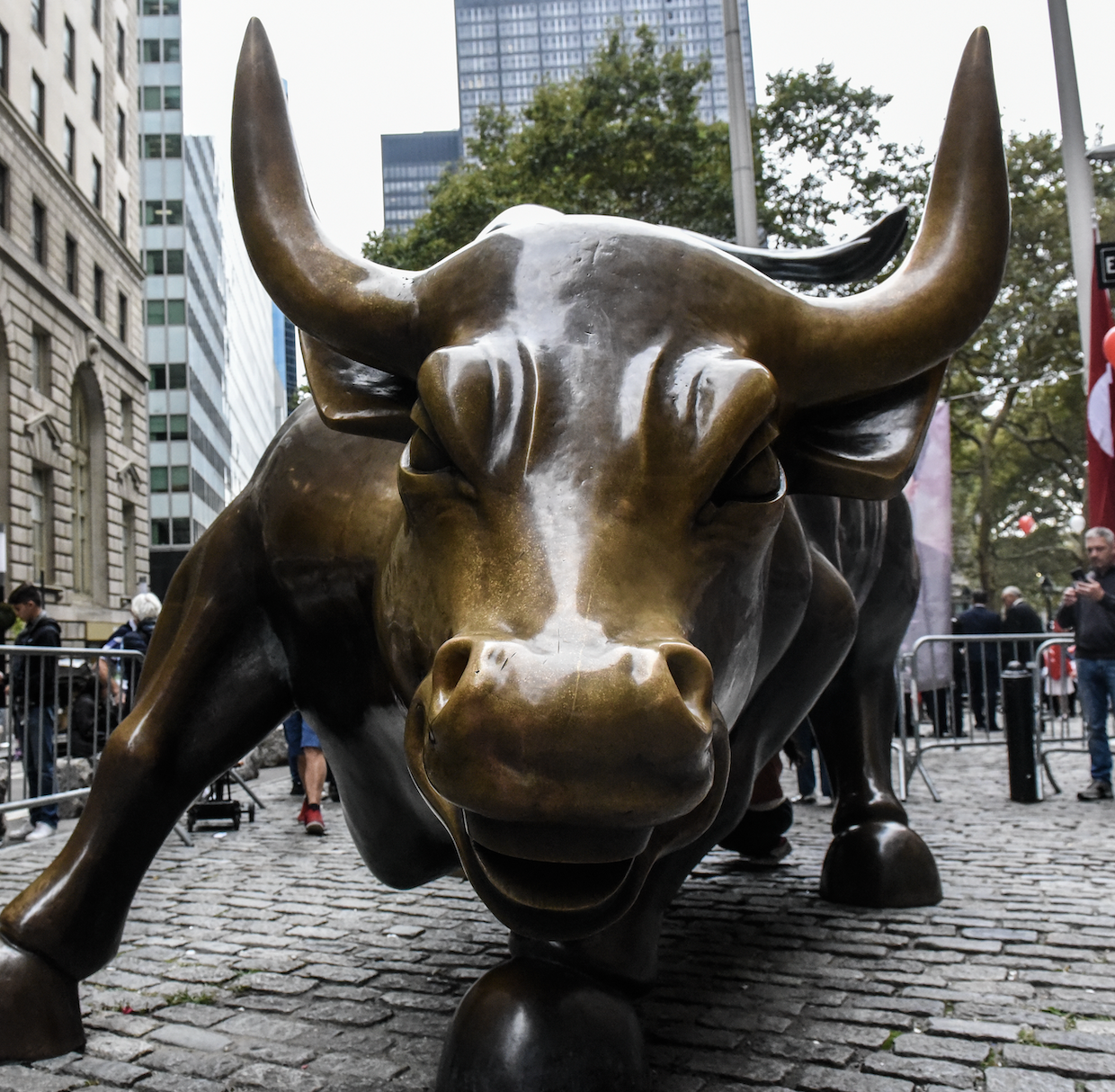
The S&P 500 Index just rallied back to all-time highs, brushing off the April tariff shock, the conflict with Iran and the insidious and persistent increase in US continuing jobless claims.
British oil and gas giant Shell Plc has quashed a rumor: It’s not buying BP Plc. But last week’s forceful denial doesn’t address why the M&A chatter gained so much traction, which has less to do with the parlous state of BP than with Shell itself.
The digital assets platform Republic is touting plans to give retail investors access to the world’s hottest private companies starting with Elon Musk’s SpaceX via mirror tokens.
Alphabet Inc.’s Google has agreed to purchase 200 megawatts of power from Commonwealth Fusion Systems’ planned first commercial plant, which is expected to begin delivering electricity to the grid in the early 2030s.
The Fed’s credibility rests not on never being wrong, but on being adaptive and forward-looking. Inflation has cooled, wage growth has moderated, and economic momentum is slowing. Now is the time for the Fed to focus not on headline fears, but on real-time data.
Until recently, commercial real estate appeared poised for a long-awaited rebound. However, 2025 has revealed a new reality: Uncertainty has become structural.
As the advisory landscape continues to evolve, one theme is increasingly clear: advisors need more flexibility to meet the diverse and growing expectations of their clients.
NATO's new spending pledge eases security concerns but adds to fiscal pressures.
Until that US government debt-crisis moment arrives, which we will get through, things will muddle along.
Last week's economic data presented a mixed picture, emerging against the backdrop of a record market rally and rising inflation.
Index futures inched upward premarket as the headline May PCE data landed in line with expectations, though the core data and annual figures were up slightly.
US consumer sentiment rose sharply in June to a four-month high and inflation expectations improved notably as concerns eased about the economic outlook and personal finances.
It’s a story that has played out many times in the history of China’s tech sector. Notoriously fierce competition means that whenever a new craze comes along, scores of rivals emerge ready to pounce.
Short selling ought to have gotten easier in Europe since Wirecard AG filed for insolvency five years ago this week.
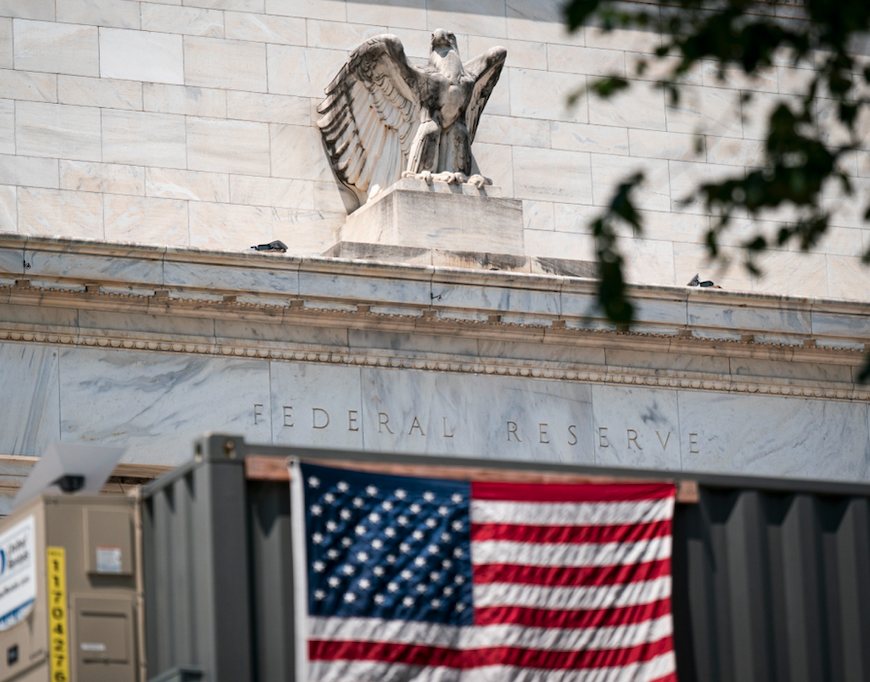
The Federal Reserve is aiming to lessen the costly fluctuations in bank capital demands created by its annual stress tests. But big lenders are pushing for more relief while the central bank is politically weakened and some board members seem keen to please the White House.
Unlike us mere mortals, time is usually on Tesla Inc.’s side. The launch of its robotaxi service this week has inverted that, and at a moment of particular weakness for the company.
There’s plenty of talk about how India’s 600-million-strong workforce gives it a unique edge in the US-China spat over trade and technology.
Join Innovator ETFs and VettaFi for an insightful discussion on how these strategies are reshaping portfolios and preparing investors for a range of outcomes in the second half of 2025.
US stocks climbed Thursday, ending the day on the cusp of a record as optimism around potential rate cuts stoked risk-on sentiment across financial markets.
Today’s investment landscape, shaped by persistently above-target inflation, structurally higher debt and deficits, and reduced global dollar recycling into US financial markets, has contributed to elevated market volatility alongside historically high policy uncertainty.
Two years after Nvidia Corp. made history by becoming the first chipmaker to achieve a $1 trillion market capitalization, an even more remarkable milestone is within its grasp: becoming the first company to reach $4 trillion.
First, they came for the currency market. Then, the money market. Now, crypto’s big disruptors are targeting the multi-trillion-dollar heart of global capitalism: the stock market.
Masayoshi Son acknowledged the outlines of a succession plan at SoftBank Group Corp., addressing what may be investors’ single biggest concern regarding the long-term future of the Japanese company.
As tax policy discussions continue on Capitol Hill, the Senate Finance Committee recently released its version of the tax bill that would avoid the expiration of the Tax Cuts and Jobs Act (TCJA).
ETFs have surged in popularity thanks to their transparency, low costs and tax efficiency. But behind the scenes, a unique dual-market system powers their liquidity and accessibility.
Former Federal Reserve Vice Chair Richard Clarida explains where yields may be headed, as well as positioning considerations for the long-run by charting the relationship between r* and term premium.
Jeff Chang, CFA, President of Vest, a pioneer of Target Outcome Investments with some $50 billion under management, examines how geopolitical events like U.S. airstrikes can create ripple effects across global markets, and why the actual impact often depends more on context than headlines suggest.
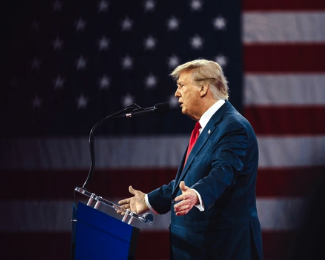
The dollar fell and US Treasuries rallied after a report that President Donald Trump is considering naming Federal Reserve Chair Jerome Powell’s successor well before the incumbent’s term is scheduled to end next May.
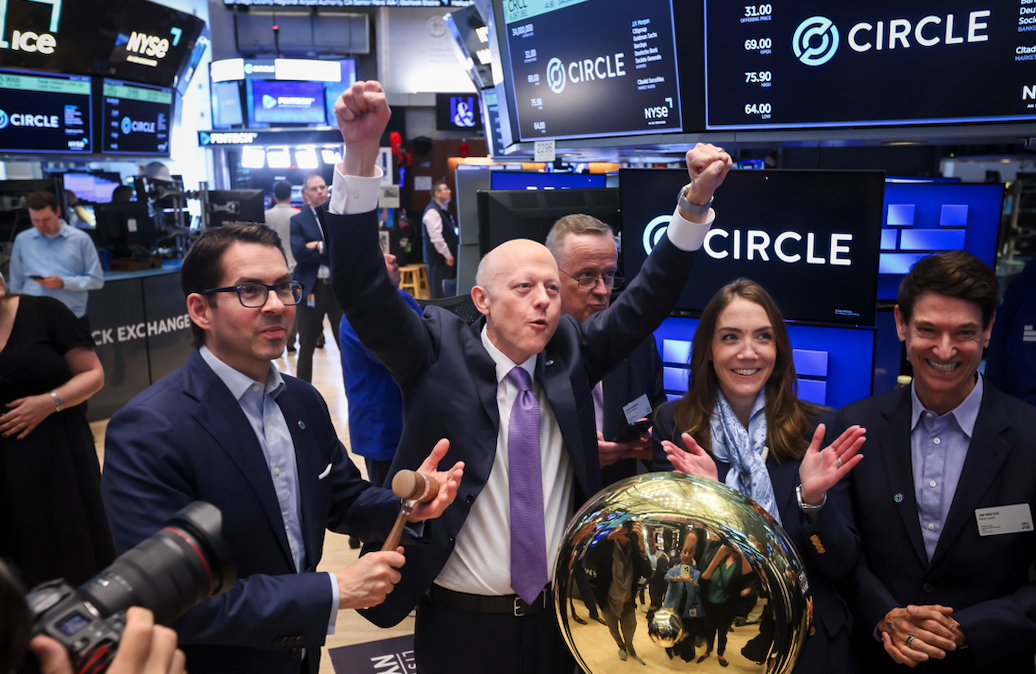
Roaring returns for US IPOs are driving fresh optimism that activity will pick up steam later this year and into 2026, even as worries over geopolitics and President Donald Trump’s tariffs hang over the market.
The Senate is getting close to the finish line on its version of the "One Big Beautiful" tax-and-spending bill.
It's not often that UK stocks are singled out as a "favorite geopolitical hedge," as Citigroup Inc. strategists boldly stated last week. So perhaps the elegant stance would be to simply take the rare praise when it's so kindly offered.
Ken Moelis, the veteran Wall Street dealmaker, predicted a golden era of prosperity across the globe, shrugging off tariff uncertainty and wars in the Middle East.
OBBBA sets a path for more borrowing ahead.
The US Census Bureau’s May retail sales report came in weaker than expected, with the headline measure — total nominal sales — down 0.9% on the month. It’s the largest drop in nearly two years and reflects broad-based softness across categories like autos, gas stations, and restaurants.
The old Wall Street quip about economists having “predicted nine of the last five recessions” has never felt more painfully relevant.
Following a surge in new listings by special purpose acquisition companies, one can’t help but worry about how astonishingly short Wall Street’s memory is. T
The Federal Funds Rate (FFR) is the interest rate banks charge each other to borrow money overnight. It's set by the FOMC and is one of the Federal Reserve's primary tools to implement monetary policy and is a key driver of economic activity. This video examines the Federal Funds Rate and reviews the Fed's latest interest rate meeting.
TMX VettaFi has gathered industry experts and thought leaders for the Midyear Market Outlook Symposium happening June 26 at 11 a.m. ET.
Wealth management firms that embrace AI chatbots and continuously refine their data strategies can stay ahead of the curve and deliver superior value to their clients.
Why are we still making high-stakes economic policy based on lagging surveys and statistical approximations? The answer lies in a system that hasn't kept pace with modern realities.
While both valuation and technical factors suggest to us that the dollar may continue to weaken in the near-term, we would caution investors against reading too much concerning the US’ long-term economic stability into further dollar weakness.
During our June 5th ROBO Global Webcast, we covered three key themes driving the robotics and AI investment landscape.
If you are considering merging or acquiring another practice, consider having each party answer some of the following questions to see where you both stand.