On the trade front, investor uncertainty eased for a short time as President Donald Trump’s “Liberation Day” tariffs seemed to lose traction. Several key developments contributed, including a 90-day tariff pause with China, the signing of a US-UK trade agreement and progress on negotiations with other partners, including Europe.
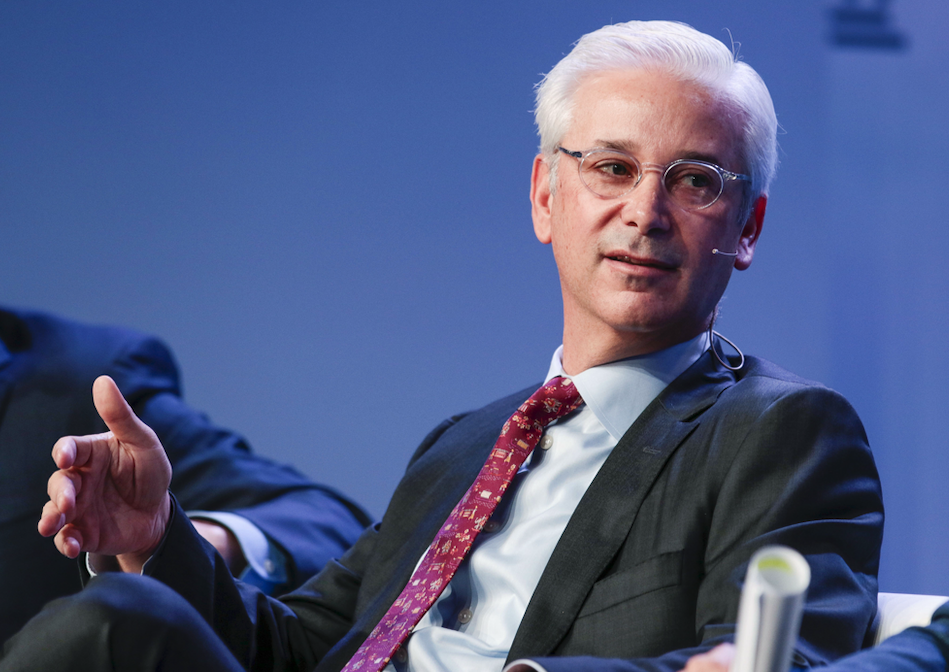
After more than a half-decade cleaning up Wells Fargo & Co.’s scandals, the chief executive officer has cleared away the firm’s biggest impediment to growth: the Federal Reserve’s seven-year-old cap on assets.
Global equities hit a record high for the first time since February, as signs of a resilient US economy overshadowed uncertainty around trade negotiations.
Market leadership is shifting and the once-dominant Magnificent 7 may no longer be so magnificent. Our latest report reveals why broader opportunities are emerging across sectors and regions, with quality, value, and growth converging in unexpected places.
The economic narrative took a decisive turn last week. A stunning collapse in the trade deficit suggests we could be looking at near 4% GDP growth in the second quarter—a massive upward revision from the consensus of 2%.
The muted IPO market which has become commonplace in the last few years continued in that fashion through the first five months of 2025. However, the last few weeks has brought a renewed focus to dealmaking after a couple of highly anticipated IPOs began trading, and a cryptocurrency unicorn filed to IPO.
The “sell and stay” approach in wealth management mergers and acquisitions (M&A) is a transformative trend reshaping how advisors approach their succession planning and business transitions.
Treasuries have been the default go-to safe haven bonds during times of heavy market volatility. But with Moody’s recent downgrade, an opportunity for mortgage-backed securities (MBS) exists.
Mortgage rates last week climbed to their highest levels since the beginning of the year on elevated economic risks. With markets still hopeful of at least one interest rate cut in the second half, the real estate sector stands poised to bounce back in a lower rate environment.
On this week’s episode of ETF Prime, VettaFi’s Head of Research Todd Rosenbluth discusses the rise of active ETFs and anticipated ETF share class structure. Later, Fidelity’s Eric Granat and Christine Thorpe spotlight the Fidelity Hedged Equity ETF (FHEQ) and the Fidelity Total Bond ETF (FBND).
Buying stocks is always hard. Particularly during corrections. Or, near market peaks. Or, when stocks are falling. And when they are rising. Oh, buying stocks is also tricky when valuations are high. And when they are low. You get the point.
Constellation Energy Corp. agreed to sell power from an Illinois nuclear plant to Meta Platforms Inc. as artificial intelligence sends power demand soaring.
Signs are emerging that the Trump administration may be less willing to give up control of mortgage giants Fannie Mae and Freddie Mac than investors have bargained for, as policymakers scrounge for ways to close US budget gaps.
Our role isn’t just to manage assets; it’s to help clients stay grounded. We remind clients that investing is a long-term journey, and short-term volatility doesn’t have to knock them off course.
Most of us are facing longer working lives, but that also means we need to remain healthier for longer. While linking the pensionable threshold to improving longevity is fair, up to a point...
f you are wondering why the S&P 500 Index has held up so well in the past two months, look no further than the technology and communications sectors, which collectively account for nearly half of the index by weighting.
New research connects intensifying natural perils to their future implications for asset classes.
As investors grapple with nagging macro uncertainty, market volatility’s likely to continue. But we also see reasons for optimism — and new opportunities.
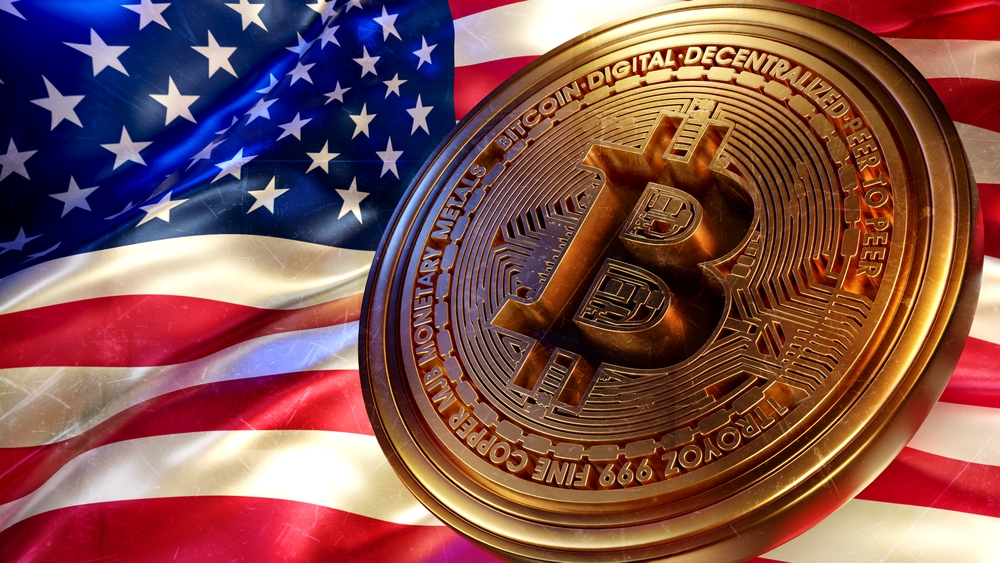
Last summer, if you recall, then-candidate Donald Trump made headlines as the first former U.S. president to speak at a Bitcoin conference. He pledged to lower the regulatory hurdles of the Biden administration, to kill Operation Choke Point 2.0, and to position the U.S. as the global leader in Bitcoin.
Treasury floating rate notes and ETFs like the WisdomTree Floating Rate Treasury Fund (USFR) are often seen as beneficial tools to fixed income investors when yields on U.S. government debt are rising.
Q1 company earnings painted a picture of corporate health as markets entered a period of trade tumult. Fundamental Equities CIO Carrie King discusses the importance of staying invested amid volatility, and outlines where there may be opportunities for long-term, fundamental investors to take advantage of market nerves to add to positions within enduring investment themes.
This past week, news flow around policy came in hot and heavy, with President Trump’s ‘Big, Beautiful’ tax cut bill passing the House of Representatives, and Trump threatening 50% tariffs on the European Union (EU).
With the private equity market plagued by uncertainty and volatility, it's more important ever to locate compelling long-term opportunities.
VettaFi’s Head of Research Todd Rosenbluth discussed the iShares US Thematic Rotation Active ETF (THRO) on this week’s “ETF of the Week” podcast with Chuck Jaffe of “Money Life.”
This article presents a different perspective on the question of why bond yields are rising. I focus on the difference between narratives and fundamentals.
Last week's economic data presented a mixed but generally more positive outlook. Inflation continued its downward trend in April.
Similar to the equity market’s response to the recently announced tariffs, the bond market responded with a widening of credit spreads. These spreads represent the difference in yield between a U.S. Treasury bond and other bonds of the same maturity but different credit quality.
As discussions about reshoring continue to dominate economic policy debates, VettaFi hosted a timely webcast with Dr. Daniela Rus, director of MIT’s Computer Science and AI Lab (CSAIL).
A potentially watershed effort to launch US crypto exchange-traded funds that offer staking rewards is throwing up regulatory doubts, even after the funds said they received initial SEC registration approval.
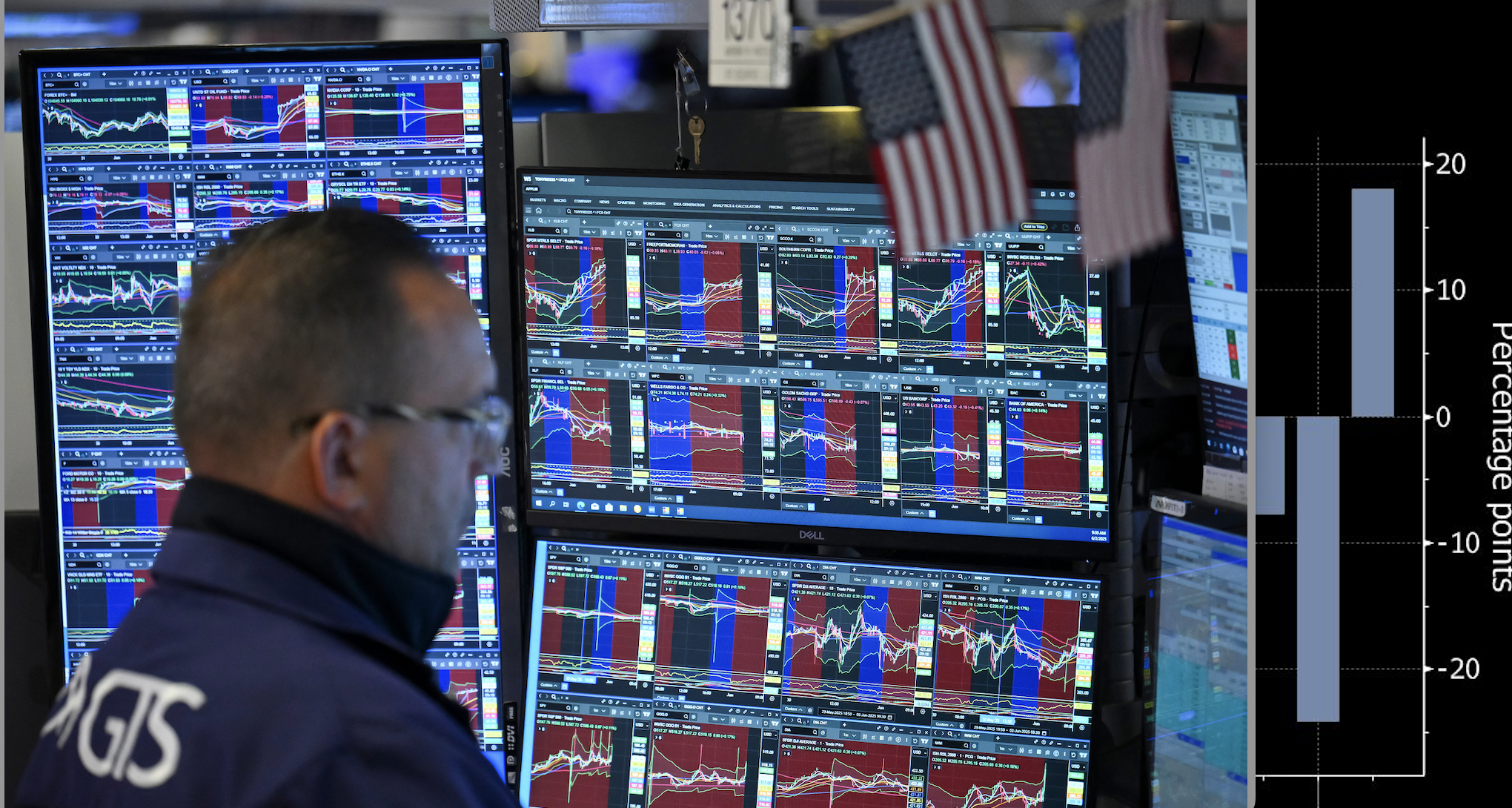
For anyone on Wall Street still clinging to a time-honored macro-investing playbook, Trump 2.0 has been a source of endless punishment.
Goldman Sachs Group Inc. is embarking on its most ambitious effort yet to offer an exit ramp for investors trapped in buyout funds.
Wall Street banks are reinforcing their calls that the dollar will weaken further, hit by interest-rate cuts, slowing economic growth and President Donald Trump’s trade and tax policies.
It doesn’t take much to understand that Ray Dalio, a hedge fund titan, is like every other human being and is prone to error. I will not dismiss Dalio entirely, as his track record of managing money at Bridgewater is nothing to be scoffed at.
Today I’m going to highlight some speakers who added an equity market perspective to their big-picture views. Getting both right would be much easier if more investors behaved rationally. Alas, they don’t, which is why stock prices do incomprehensible things. Fortunately, you can succeed without catching every twist and turn.
While headlines scream about the latest deal or tariff suspension, Maharrey argues that investors are dangerously distracted from the real threat: America’s exploding national debt and the systemic consequences that follow.
Gold reached a fresh all-time high in April, continuing its strong upward trajectory over the past six months.
Assessment and selection of covered call funds is based on criteria like total return, distribution rate (sometimes referred to as yield), and fees.
Every year, a large number of ETFs launch in December, aiming to get the benefit of a fresh calendar year of performance.
For starters, Anduril Industries Inc. is a defense tech company co-founded by Palmer Luckey, the man who created the Oculus VR headset that was acquired by Meta Platforms Inc. for $2 billion in 2014, only for Luckey to be pushed out when it emerged he had financially backed a pro-Trump campaign group.
JPMorgan Chase & Co. is hiring Citigroup Inc. dealmaker Theodoros Giatrakos as it seeks to bolster its business advising private equity firms, people with knowledge of the matter said.
From equities to fixed income to options-based ETFs, we look at the areas of the market finding the most traction in 2025.
Many investors have underweighted high yield bond ETF strategies in recent years, satisfied with the opportunities found in other segments of the fixed income market.
There could be a silver lining in the volatile clouds hovering above the bond markets. Investors may want to give municipal bonds a closer look given their sound fundamentals.
Nvidia, the biggest AI chip firm, reports Wednesday. Blackwell chip demand, tariffs, and guidance all could help determine how shares respond after a volatile two months.
Summer is here. And for a select cohort of college students, that means swapping lecture halls for trading floors and seminar rooms for Wall Street office suites.
Join the experts at SS&C ALPS Advisors as they discuss their approach to international dividend companies, the ALPS International Sector Dividend Dogs ETF (IDOG).
The long-term bearish case for the dollar remained intact after a court ruled that the vast majority of President Donald Trump’s global trade tariffs are illegal, amplifying uncertainty over the US economic outlook.
Index ETFs have evolved beyond merely providing passive exposure to the market, with a new generation of factor ETFs utilizing complex rules-based methodologies to beat benchmarks.
Markets have recovered from their post-Liberation Day sell-off. Investors are feeling better about the outlook. But there are still clouds on the horizon.
A monumental week of announcements from Google, Microsoft, and Anthropic signals a strategic shift from standalone AI models to integrated “AI agents” that can act on a user’s behalf.