The Great Moderation has given way to a more volatile era, where inflation shocks and market dispersion favor flexibility and diversification.
As we move through 2026, the political and geopolitical landscapes remain key drivers of policy uncertainty. For the midterm elections, our base case is a Democratic House and Republican Senate, a historically favorable outcome for equities.
The action in Emerging Markets ETFs this year has been really interesting to watch. From record-breaking asset flows to impressive results, albeit massively dispersed, this category of funds has had quite a ride so far in 2026. What comes next could be equally interesting.
One of the bigger questions facing advisors and investors right now revolves around credit. Inflation, volatility, and Fed rate hikes all loom, potentially heightening credit risk for portfolios. Navigating that risk may be a crucial task in the second half of this year.
Chief Investment Officer Sean Taylor reviews a strong second quarter for emerging markets, where AI and reindustrialization were key drivers of investor returns.
Assessing the year so far, much of the portfolios’ declines have been a compression of valuations, not a deterioration of earnings. For many of our holdings, the two have moved in opposite directions. Revenues, profitability, and cash flow have continued to build, even as the multiples placed against them have fallen.
Investors are often drawn to healthcare for its innovation and long-term growth potential. Yet in practice, allocations are often concentrated in a few large pharmaceutical companies, whether through direct stock picking or index weightings.
Join the experts at GraniteShares to hear all about their autocallable ETF suite and find out how it could improve your income conversations with clients.
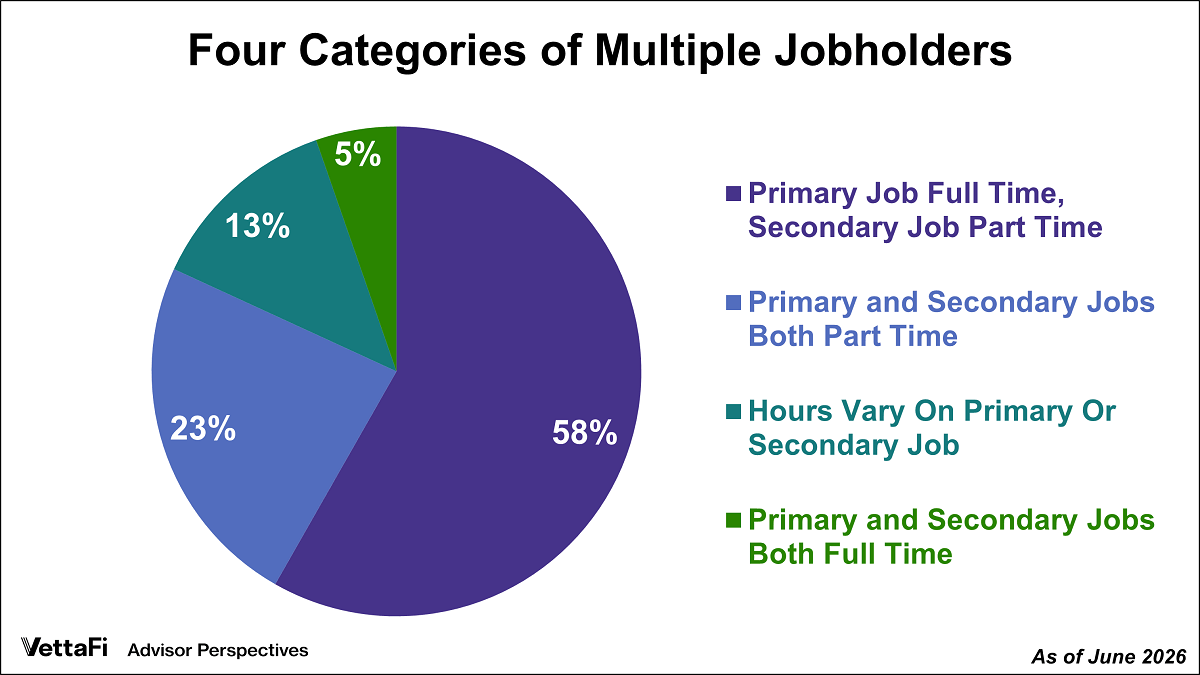
Multiple jobholders accounted for 5.2% of civilian employment in June.
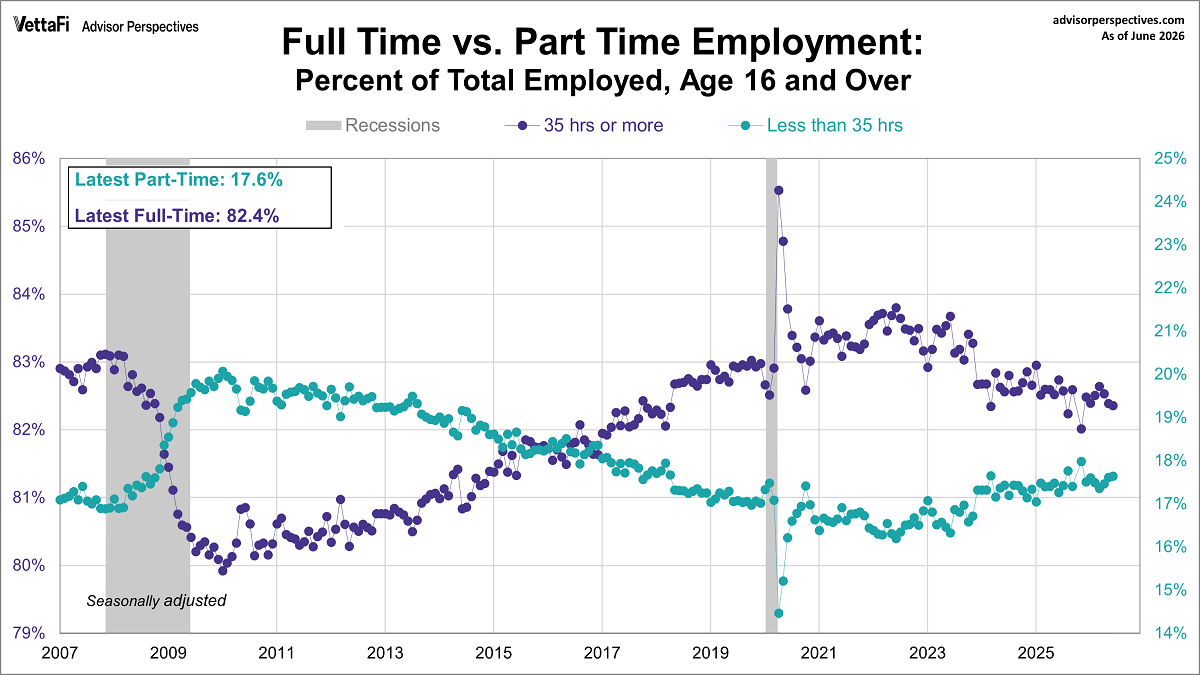
June's employment report showed that 17.6% of total employed workers were part time and 82.4% of total employed workers were full-time.
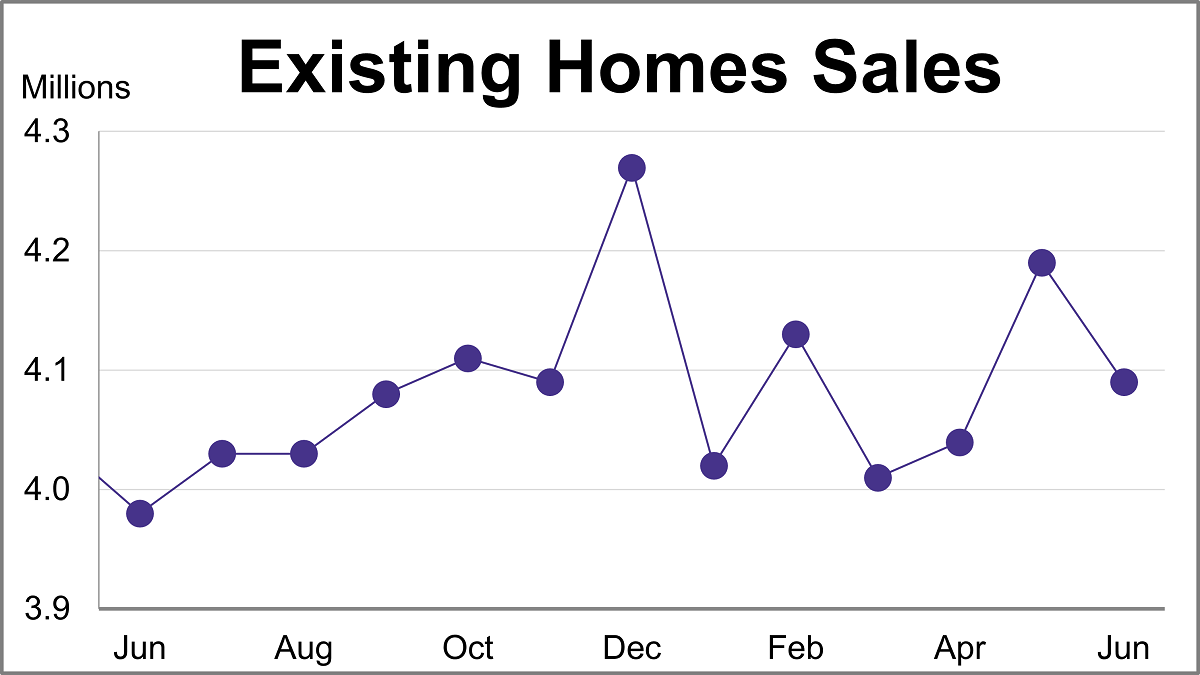
Existing home sales unexpectedly fell 2.4% in June as the median home price surged to a record high of $440,600.
Americans like their electric vehicles to come with a side of gasoline. Sales of conventional hybrid vehicles, which combine internal combustion and electric drivetrains but don’t plug in to recharge, jumped by almost a fifth in the first half of 2026, year over year, while pure battery EVs slumped by a quarter.
Almost two decades ago, when trillions of dollars in private housing debt proved unsustainable, governments had to step in to prevent the worst financial crisis since the Great Depression from eclipsing it.
The small-cap stock rally we highlighted back in April has continued over the past few months, driven by factors such as robust U.S. economic growth disproportionately benefiting smaller, domestically focused businesses and the AI capital spending boom spreading to smaller tech and energy companies.
Markets move on data, earnings, interest rates, and economic conditions. But they can also be heavily influenced by human behavior. Even experienced investors can fall into emotional or psychological patterns that affect decision-making, particularly during periods of uncertainty or market volatility.
For much of the last decade, investing felt relatively one dimensional. Falling inflation, near zero interest rates and abundant liquidity rewarded long duration growth assets, compressed dispersion and made passive exposure difficult to challenge.
The June jobs report underscored our thesis that while the labor market remains in the 'economic plus column,' some of the prior months' increases in new hiring seemed a bit too high.
Congress is in recess from June 30 through July 13 for the annual July 4 break, so it's relatively quiet in the nation's capital. But there is still plenty worth paying attention to.
On June 30, Defiance debuted the new Defiance KSM TipRanks Analyst ETF (RANK). With an expense ratio of 60 basis points, this fund aims to leverage Wall Street’s highest-rated analyst consensus data to capitalize on U.S. market momentum.
The capital markets have become an increasingly complex space for investors, complexities that are heightened by the sheer number of ways one can invest.
Model portfolios are seeing billions in inflows, and part of that success may be from how these strategies implement ETFs and private assets.
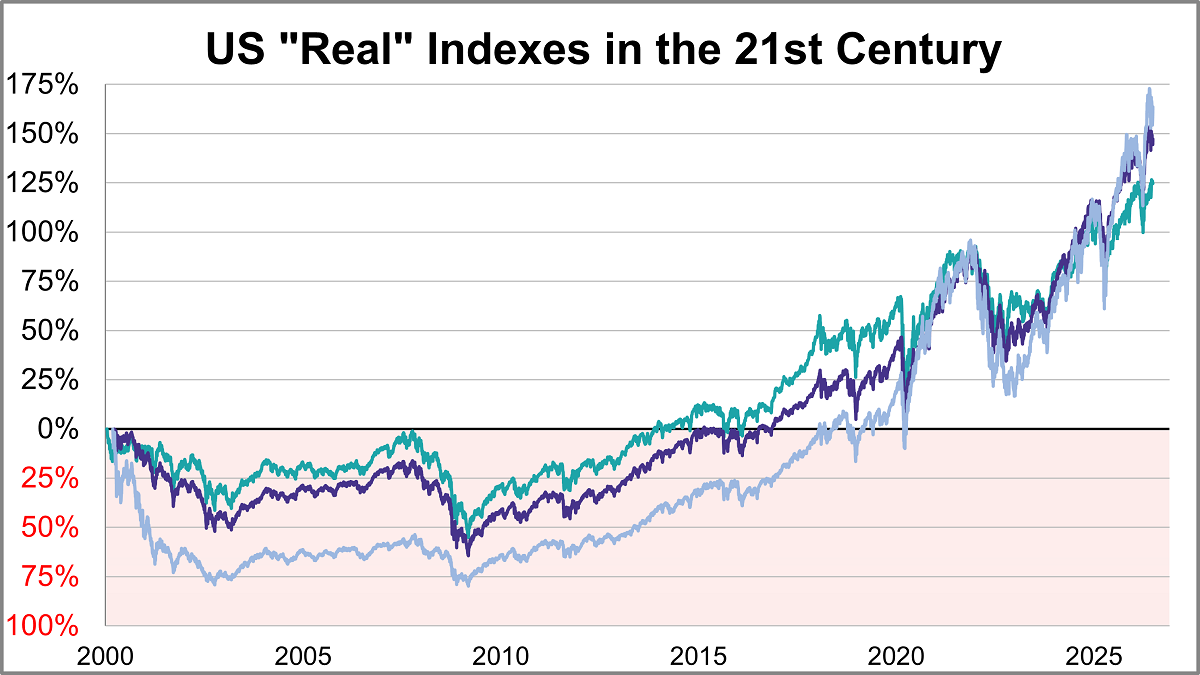
Here is a look at real (inflation-adjusted) charts of the S&P 500, Dow 30, and Nasdaq composite since their 2000 highs. We've updated this through the June 2026 close.
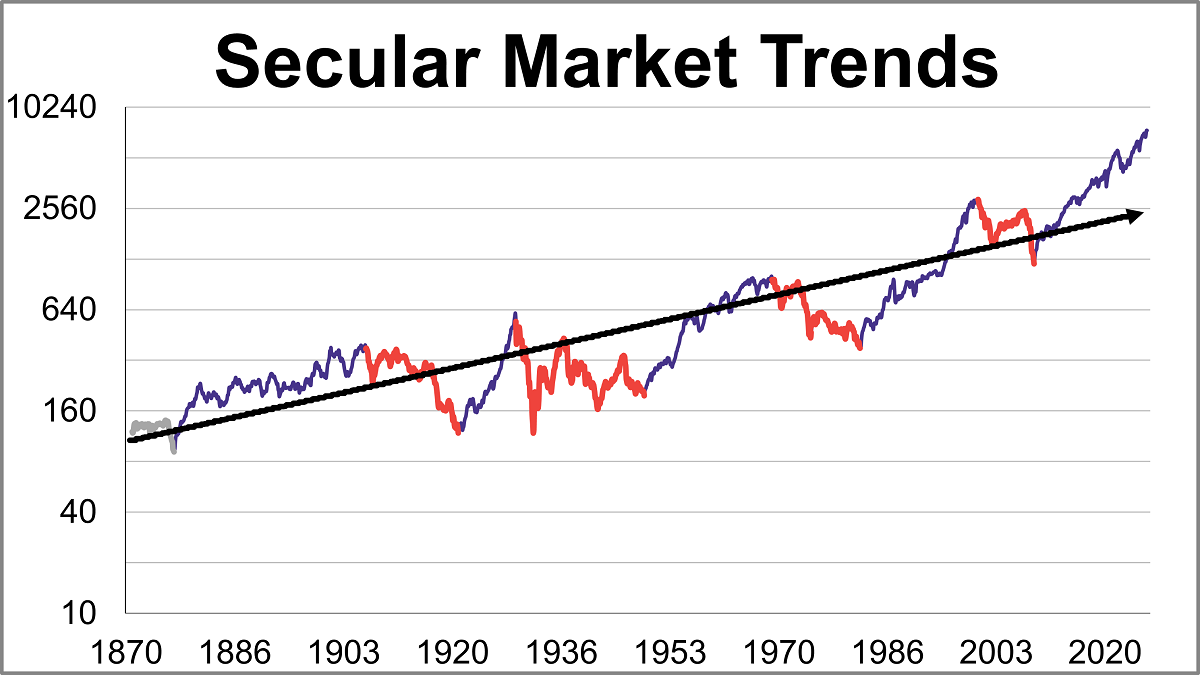
The S&P 500 real monthly averages of daily closes reached a its all-time high in May 2026. Let's examine the past to broaden our understanding of the range of historical bull and bear market trends in market performance.
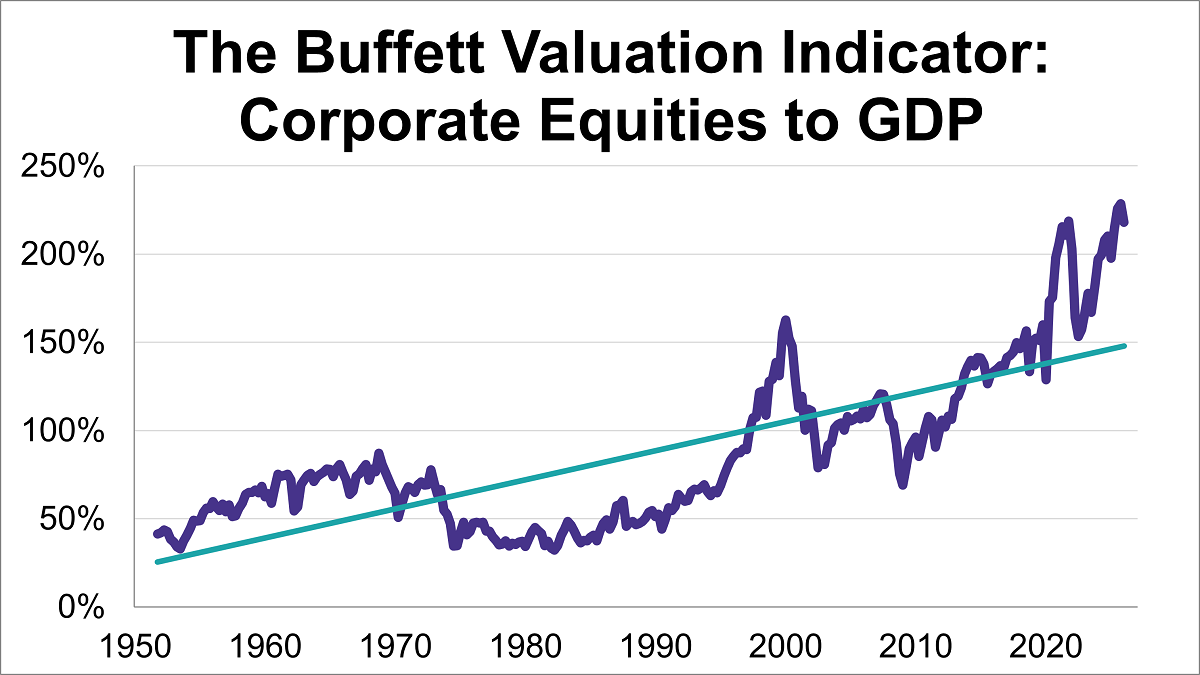
Following the Q1 GDP third estimate, the 'Buffett Indicator'—the ratio of corporate equities to GDP—now stands at 218.1%. This marks the fourth-highest reading in history.
Join the experts at SS&C ALPS Advisors and CIBC Private Wealth for a product due diligence session covering the ALPS Clean Energy ETF (ACES).
After years of working with advisors and studying client behavior, the reasons clients leave come down to three core patterns. They are predictable. They are preventable. And they almost always trace back to a conversation that never happened in the first meeting.
I have spent the better part of my career watching how organizations manage access to sensitive data — who has it, who should have it, and how long it takes anyone to notice when those two things stop matching. In financial services, that gap tends to be measured in months.
A wave of profit taking in the gold market has brought a three-year bull run to an end, but there’s little evidence yet that investors are putting on large-scale short positions in anticipation of further declines.
In 2003, the Pentagon’s Defense Advanced Research Projects Agency made a visionary attempt to use prediction markets for geopolitical forecasting. However, it created a huge controversy in Congress and was quickly killed.
During the June 30, 2026, World Cup round of 32 match between France and Sweden at the 82,500-capacity MetLife Stadium, the logistical scale of a global mega-event was on full display. Moving 80,663 fans safely through a sprawling transit corridor and securing a massive open-air venue demands complex engineering. Underpinning the operation is a capital-intensive ecosystem of physical AI, advanced sensors, and automation software.
Rising prices increase the value of collateral in every margin account, which automatically increases how much each investor can borrow under Reg T. Debt rises BECAUSE the market rose, not the reverse. That single fact is what breaks the ratios we’re about to examine, and it lies at the core of why margin debt risk is so often misjudged.
Fixed income transition costs are increasingly driven by what happens in credit markets. As credit trading becomes more efficient, the cost of transitioning fixed income portfolios is coming down, and how those transitions are executed is changing too.
It feels like gold has tanked this year, but the yellow metal was only down about 7 percent through the first six months of 2026. The sharp price rally to kick off the year exacerbated the scope of the ensuing correction. Gold is down about 28 percent from its record highs.
AI may reshape the labor market in ways that are difficult to predict, and it won’t be the first time this has happened. In the short term, the labor market appears to have stabilized and there are some early signs of acceleration.
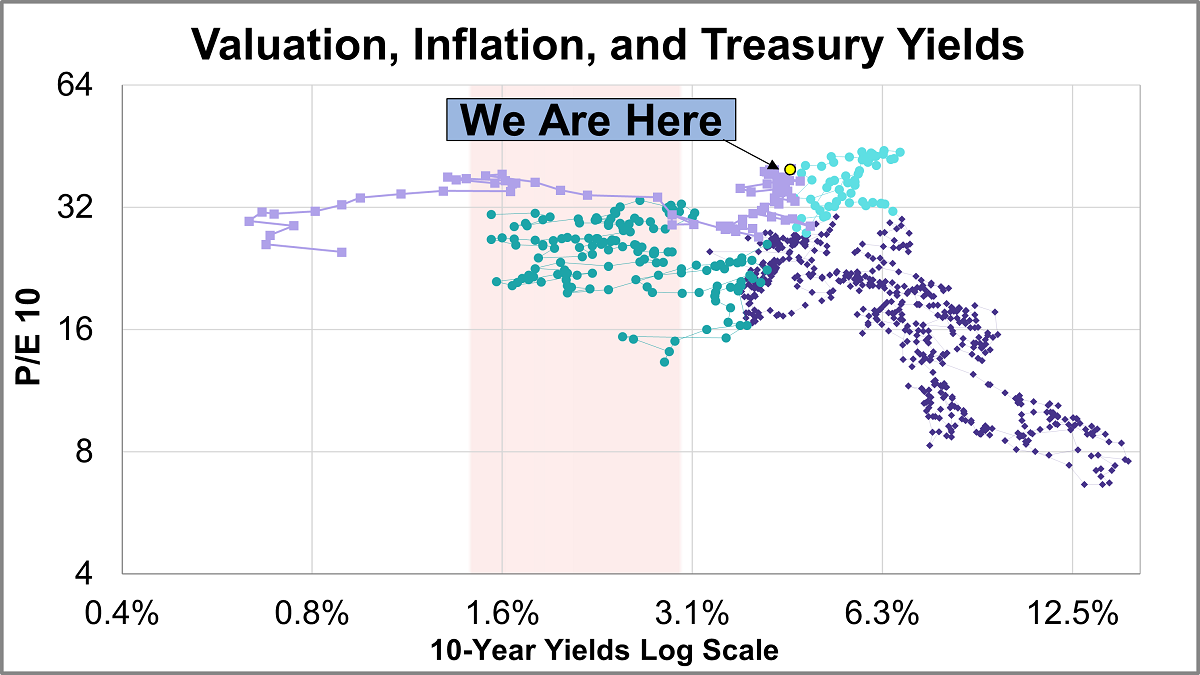
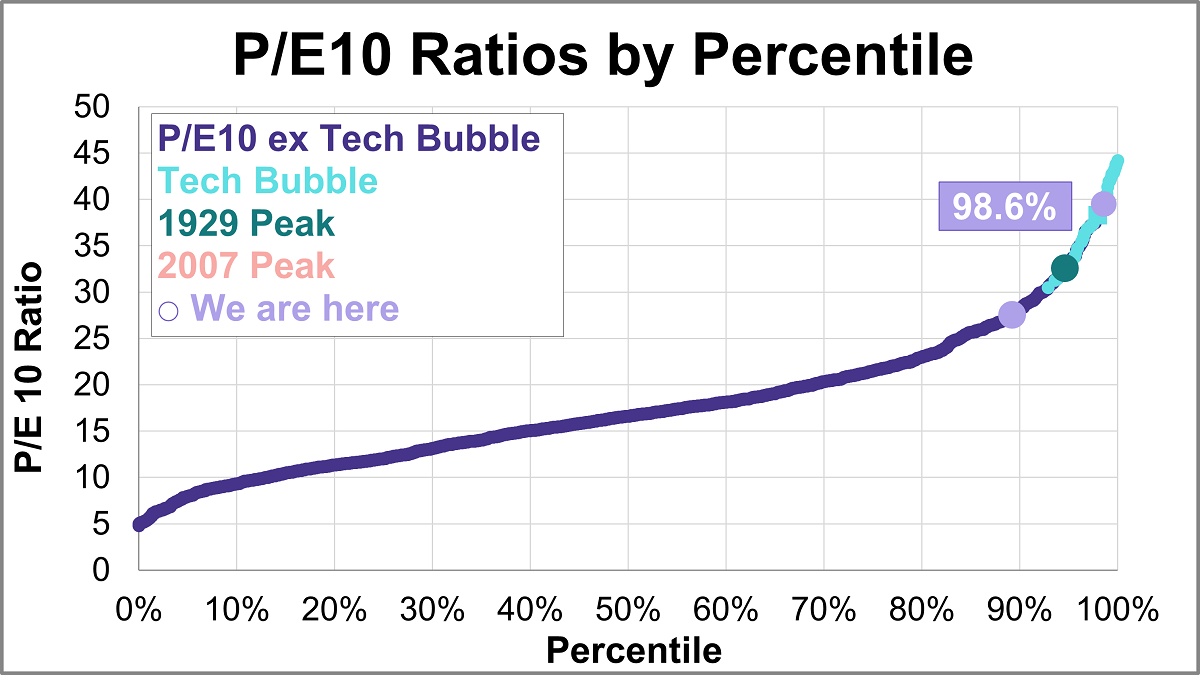
Our monthly market valuation updates have long had the same conclusion: US stock indexes are significantly overvalued, which suggests cautious expectations for investment returns. This analysis focuses on the P/E10 ratio, key indicator of market valuation, and its correlation with inflation and the 10-year Treasury yield.
Here is the latest update of a popular market valuation method, Price-to-Earnings (P/E) ratio, using the most recent Standard & Poor's "as reported" earnings and earnings estimates, and the index monthly average of daily closes for the past month. The latest trailing twelve months (TTM) P/E ratio is 25.3 and the latest P/E10 ratio is 39.5.
“Productization” has quickly become one of the most widely used terms in wealth management. It appears in strategy decks, conference discussions, and vendor messaging. Yet, despite its popularity, the concept remains poorly understood in practice.
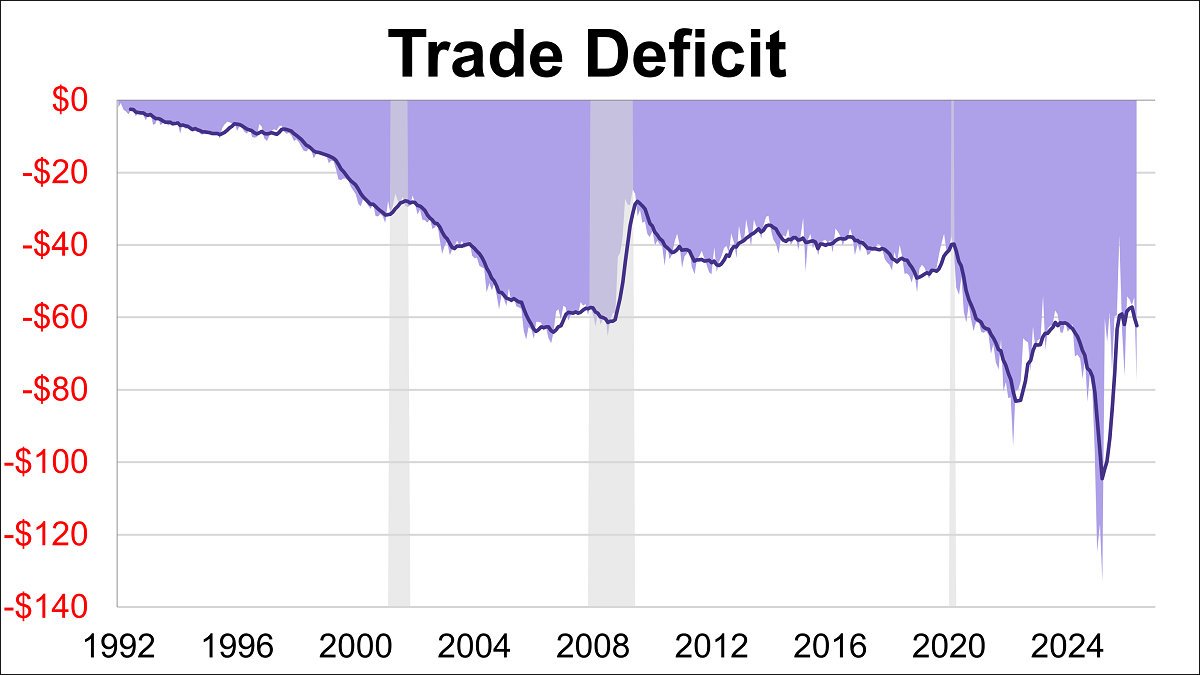
The U.S. trade deficit expanded over 40% in May to $77.59B, its widest gap since March 2025. The latest reading missed the forecast of -$78.30B.
For years, the Magnificent Seven tech giants commanded investors’ attention, dominating the S&P 500 Index and determining which way the overall stock market was headed. Those days are over.
The higher the rally in technology high-flyers, the louder the anxiety around a new wave of turbulence in the group.
When Mark Zuckerberg gets a bold new business idea, he likes to throw money at it. Last summer, he dropped $14.3 billion for a 49% stake in Scale AI, allowing him to poach its wunderkind founder Alexandr Wang to lead a new project to build artificial-intelligence systems that surpass human intelligence.
ETF Database saw a massive surge in readers this past June. The most popular pieces focused on everything from breaking SpaceX IPO news to the technical mechanics behind top-performing ETFs.
Global equities rebounded in the second quarter as confidence in the AI investment cycle strengthened. As the third quarter begins, we believe markets have become priced for a smooth and profitable AI build-out, leaving little margin for error. June’s sharp sell-off in the Magnificent Seven stocks underscored how quickly sentiment can shift when crowded AI trades are priced for near-flawless execution.
Chris Galipeau discusses high-conviction insights that go beyond media headlines.
Higher rates, weaker underwriting, and software concentration are exposing vulnerabilities in direct lending and leveraged loans, while high yield bonds appear better positioned.
Right now, advisors are facing a massive generation of clients trying to navigate retirement. That’s challenging enough, but with inflation and the cost of living rising, assuaging those clients’ concerns and delivering for them has become much trickier. Income ETFs can help meet those clients’ goals, with new, daily covered call ETFs an appealing option.
Close to 40 years ago, I moved from Canada to the U.S. after acquiring a controlling interest in U.S. Global Investors. I’ve built my entire life and career here, and in all that time, I’ve never stopped marveling at my adopted country.
Bypass the headaches of individual closed-end funds. Discover how Invesco's PCEF bundles over 100 CEFs to capture June's debt rallies.
The U.S. Treasury launched the Trump Accounts for childhood wealth building. Discover the five low-cost index ETFs anchoring the program.
Every sector chart tells you where the crowd is. Almost none tell you the thing a stock picker actually needs to know: Inside a given sector, how much room is there to beat the average name?