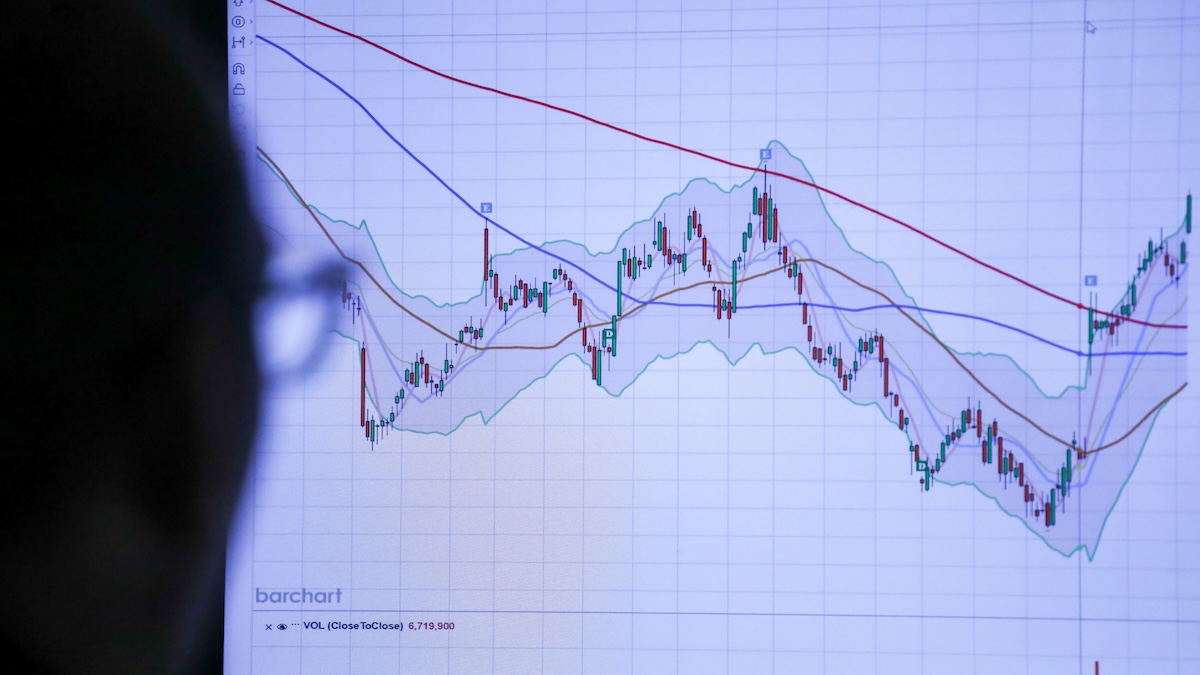
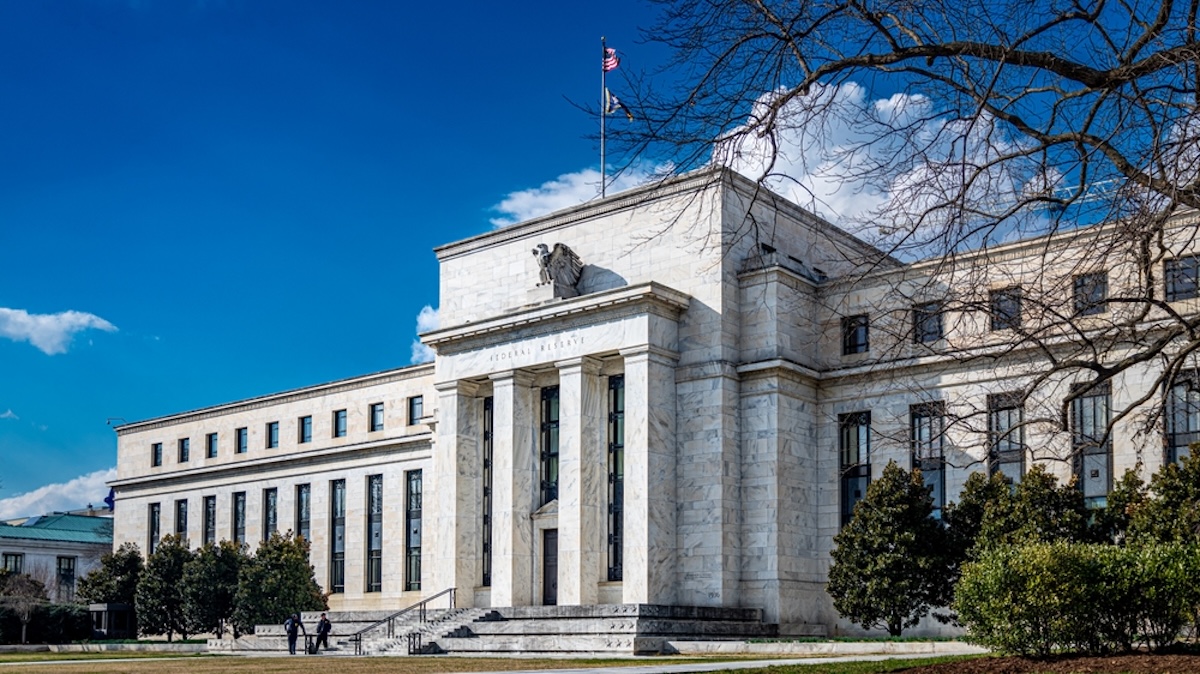
Markets have dealt with serious whiplash from the Federal Reserve’s dramatic policy pivot this year. In just six months, the Fed funds futures market went from pricing in two rate cuts totaling 50 basis points to now pricing in two rate hikes in 2026.
AI can do the prep. It writes the file notes, assembles the meeting brief, and produces a credible first version of the plan. The time saved is real, and no one should hand it back. The bill arrives later. A skill you stop practicing gets weaker, and professional judgment is a skill.
Many times, a team member raises an issue that isn’t really the main issue. I call this “the presenting problem.” Stay open. Listen and learn.
Relational marketing asks whether people are paying attention, whether trust is growing, and whether the advisor is becoming familiar enough to be worth listening to. Sales is what happens after enough of those seeds have taken root.
Facts are facts, so let’s just state it plainly: Howard Buffett is a nepo baby. And this is one of the rare cases where I think we should be OK with it.
The US deficit has reached $1.97 trillion and is on track to pass 6% of gross domestic product this fiscal year, the latest milestone in a remarkable deterioration of the federal budget.
The two largest municipal bond exchange-traded funds just recorded their largest weekly inflows ever, shortly after a bond rout fueled outflows in other muni funds.
In late January, the week before Commerce Secretary Howard Lutnick announced a $1.6 billion government commitment to fund a US magnet maker, bankers at his former financial services company, now run by his sons, were busy earning fees raising $1.5 billion more for the company from private investors.
Xi Jinping and Donald Trump will sit down this week to hash out a plethora of thorny issues from trade to Taiwan. One thing both sides agree on: neither can afford to tap the brakes on AI.
Creating an estate plan is an important step, but it is only one piece of your financial life. If your estate documents, investment strategy, retirement plan, tax strategy, and beneficiary designations are not working together, even a well-crafted estate plan may not achieve the outcome you intended. Coordinating these elements may help support your wealth is transferred efficiently, your wishes are honored, and unnecessary complications are reduced.
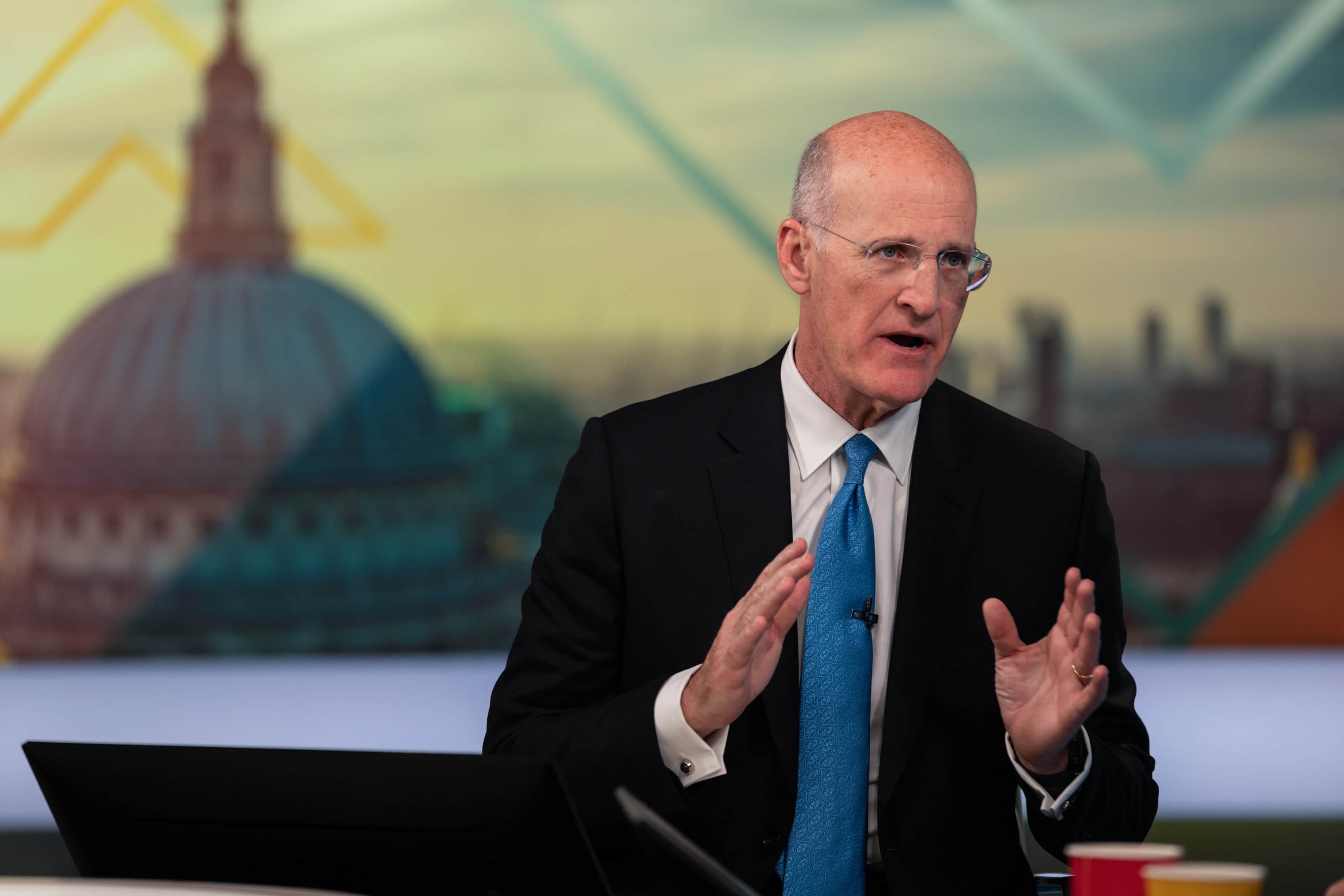
Federal Reserve (Fed) chair Kevin Warsh has established his hawkish credentials. Franklin Templeton CIO, Sonal Desai sees scope for further yield curve steepening and a range of selective opportunities, based on capturing income and focusing on quality rather than counting on lower rates or tighter spreads.
It wasn’t that long ago that Kevin Warsh’s leading critics were saying his biggest problem was that he wasn’t “independent” from President Trump, that if Trump told him to “jump” he’d ask “how high?” Or, in this particular situation, “how low should interest rates go?”
The Federal Reserve delivered the 25-basis-point increase the markets had largely anticipated, but the overall message was somewhat more hawkish than expected. The decision was unanimous, and the new dot plot points to another rate increase this year. Four participants apparently see the possibility of raising rates at each remaining meeting, so there is clearly a meaningful hawkish contingent on the FOMC.
The week began with calls for a potential slowdown in AI spending amid growing safety concerns and included a midweek Fed rate hike for the first time since 2023. The S&P 500 finished slightly lower for the second week in a row despite continuing signs that economic growth is strong. Shorter-term bond yields pushed higher as investors priced in the potential for additional rate hikes, both in the U.S. and abroad.
Every runner has a natural pace: the speed that we maintain under optimal conditions like flat terrain, cool temperatures and a good night of sleep. Runners can train to speed up to meet a target time, or slow down for endurance.
Some economists and market participants view inflation as one of the most important economic indicators. Market participants spend a lot of time worrying about a lot of things, but inflation is pretty close to the top of the list most of the time.
Dividend growth is back, and it’s fair to say that outperformance among dividend growth stocks may simply be overdue amid a shift in U.S. equity market leadership beyond a small group of mega-cap technology companies.
Share buybacks are when a company purchases its own shares, reducing the total number of shares on the market. Oftentimes, these buybacks occur on the open market, but companies may also look to buy shares from existing shareholders as well.
Longevity optimists believe advances in geroscience, biotechnology, artificial intelligence, and other fields could significantly extend both health span and lifespan. Living healthy into our late 90s, and perhaps beyond 100 for many, should be taken seriously when thinking about our personal and financial futures.
Cryptocurrency can complicate divorce even when no one is hiding it. Early identification and collaboration can prevent a misunderstood transaction or unilateral decision from becoming a costly dispute. This preparation also gives both spouses a reliable basis for evaluating settlement terms and trade-offs.
A full-ride academic or athletic scholarship is the gold standard for college funding, an unrealistic dream for many families and an achievement to celebrate for a few. A recent conversation with one of those scholarship recipients gave me a new perspective on that dream.
Advisors equipped with outcome-based allocation frameworks and cash-flow-focused strategies like dividend-growth investing can help business owners translate a singular liquidity event into a wealth plan aligned with their lifestyle, generational, and aspirational goals.
A popular trade in US Treasuries has shrunk to its smallest size in over two years, in what Wall Street strategists say reflects fewer dislocations in the bond market for hedge funds to exploit.
When billionaire Mat Ishbia’s mortgage company was facing significant losses on soured hedges earlier this year, he called old friends at Oaktree for help.
Goldman Sachs Asset Management launched two new ETFs Monday, expanding exposure to emerging and international equities. The ETF duo includes the Goldman Sachs Data Enhanced Emerging Markets Equity ETF (GEMQ) and the Goldman Sachs Data Enhanced International Equity ETF (GIEQ). That pair joins an ETF landscape in which those segments are seeing growing interest.
For most of this year, investors have flocked into small caps to diversify away from the concentrated AI trade. Rising interest rates are threatening to put a damper on that.
Novo Nordisk A/S is eyeing the hair-loss market as the maker of Ozempic seeks to expand its direct-to-consumer pharmaceuticals business.
Family offices now see inflation as their No. 1 worry, underscoring how rising costs of goods and services are vexing even the richest investors.
This has been an incredible year in that Wall Street has spent all of it raising its earnings estimates, and the second-quarter season only accelerated the trend. Analysts began the year expecting S&P 500 earnings to grow about 15%.
Early this week, I was in Los Angeles at the All-In Summit along with about 4,000 others, including tech investors, money managers and entrepreneurs. The ticket wasn’t cheap, but it was well worth it.
Chris Galipeau and Taylor Topousis discuss high-conviction insights that go beyond media headlines.
In August, a flurry of ETF-related deals were announced and expected to close by early 2027. Goldman Sachs is buying NEOS Investments. T. Rowe Price plans to add F/M Investments. Victory Capital is acquiring First Eagle.
A popular narrative for the rise in bond yields over the past few months is that the debt-funded AI capital expenditure cycle is crowding out the Treasury market. The crowding-out argument can appear compelling: AI companies are expected to continue to issue unprecedented amounts of debt at a time when Treasury supply remains elevated. Because both ultimately draw from the same pool of investor capital, yields must rise to clear the market.
As summer officially gives way to fall on September 22, it's not just the weather that's changing. The global monetary policy landscape is shifting as well. After spending much of the past two years focused on supporting growth, central banks have increasingly turned their attention back to inflation, especially with oil prices climbing back above $100 per barrel.
I typically avoid business books when I am on vacation. But I made an exception during our sojourn last month for Andrew Ross Sorkin’s 1929. Nearly a century after the Great Crash, that era is still being studied for lessons that might be relevant in the current day. The potential for financial instability is ever-present.
GMO has posted a new 7-Year asset class forecast for August 31, 2026.
This week's Federal Open Market Committee (FOMC) decision was largely in line with expectations. While many market participants and Federal Reserve (Fed) members anticipated another rate increase later this year, we remained in the camp that viewed the move as likely the last increase before the Fed adopted a wait-and-see approach, allowing geopolitical developments to stabilize and recent inflationary base effects related to the US-Iran war to fade.
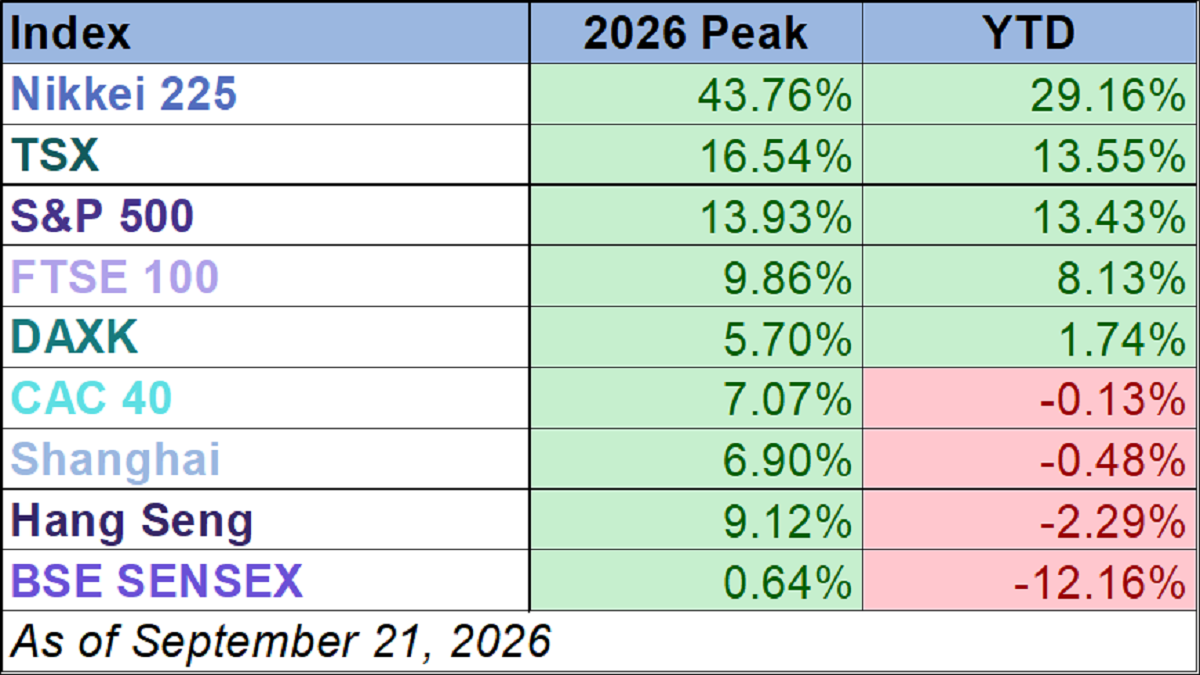
Six of the nine indexes on our world markets watch list posted year-to-date gains through September 21, 2026.
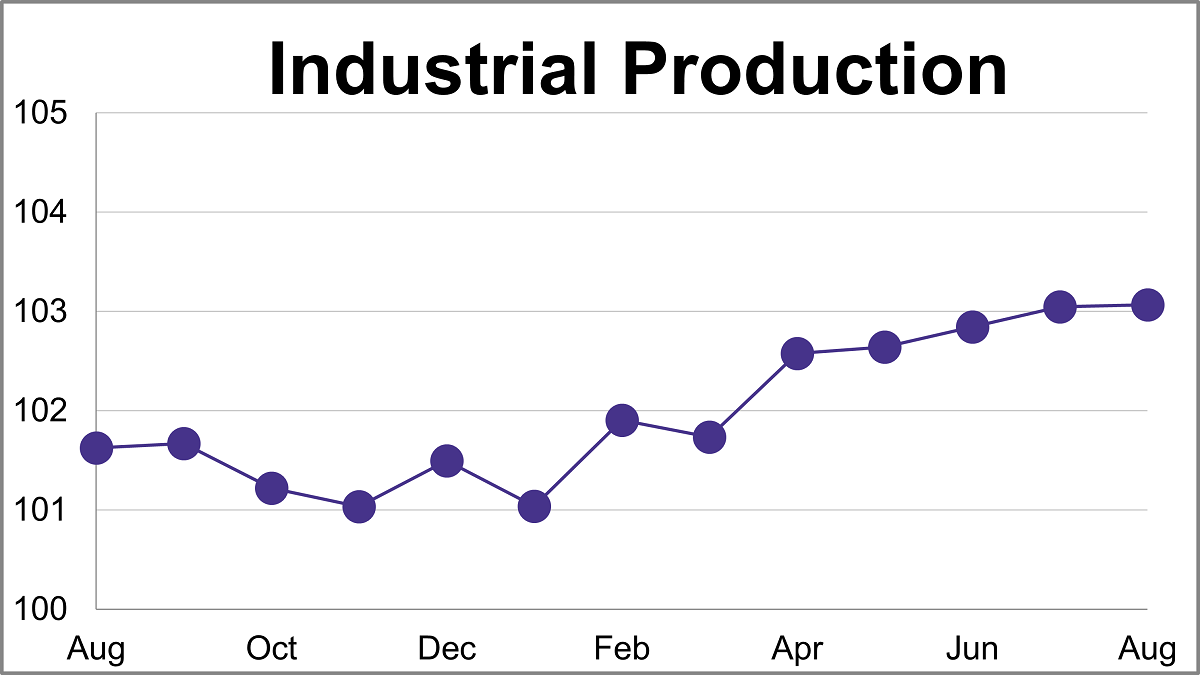
Industrial production grew 0.02% in August after July's 0.2% growth. This was lower than the expected 0.3% growth and marks a 1.4% increase compared to one year ago.
Confused by the Singularity and the impending AI apocalypse? Theoretical physicist turned science writer Adam Becker is here to help with “More Everything Forever: AI Overlords, Space Empires, and Silicon Valley’s Crusade to Control the Fate of Humanity,” a jaundiced tour d’horizon of the peculiar end-times stories that IT visionaries — particularly the richest and most powerful ones — tell themselves.
The Federal Reserve increased rates by 25 basis points this week, a remarkable turnaround with major implications for portfolios of all kinds; one underexamined impacted area may be annuities.
The combination of prior Fed inaction followed by relatively significant market tightening raises a question: If long-maturity yields were already weighing on economic activity, did the bond market already do the Fed’s job?
The K-shaped economy is real, and it is old. What changed isn’t the shape of the economy; it’s just that the media found a narrative that gets lots of clicks and views, and we let headlines do our thinking for us.
Throughout this Indexing Redefined series, we explored how traditional market-capitalization indexing ties portfolio weights directly to stock prices, creating hidden concentration risks. Furthermore, we discussed how fundamental indexing offers a disciplined alternative by weighting companies according to their real-world economic footprint. In this final installment, we address the dilemma investors face in highly concentrated equity markets.
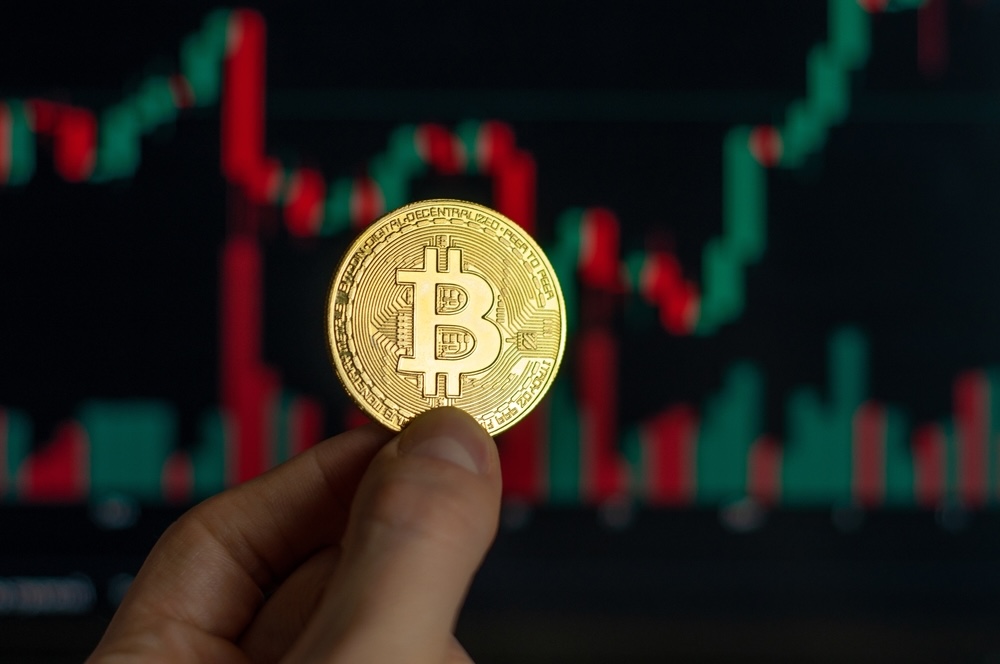
Bitcoin surged near $85,000 to its highest since late-January, extending a sharp rebound as falling oil prices and a broader return of risk appetite helped cryptocurrencies move past setbacks on US crypto legislation and monetary policy.
Investors in the US Treasury market are shifting their focus to owning shorter-dated government bonds, a bet that the Federal Reserve will eventually emerge victorious in its fight against inflation.
Like it or not, we are all betting on AI taking over the economy. In the last 40 years, the US has become a nation of stock investors. On the whole, it has made Americans rich. Now the stock market is soaring on the hopes that AI will make everyone more productive — and if that doesn’t work out, we all may learn the definition of a bad tail risk.
US and Chinese officials offered upbeat assessments of their talks on artificial intelligence, trade and investment, signaling a mutual desire to steady ties ahead of this week’s summit between leaders Donald Trump and Xi Jinping.
Better clarity about the Federal Reserve’s resolve to fight inflation is giving investors reason to be bullish, and yet risks associated with oil prices and artificial intelligence keep them from fully committing.
Traditional performance attribution shows which active exposures added value to a portfolio and which detracted value. But for ESG mandates, it can lead to a misleading interpretation because it doesn’t explain why certain exposures exist.