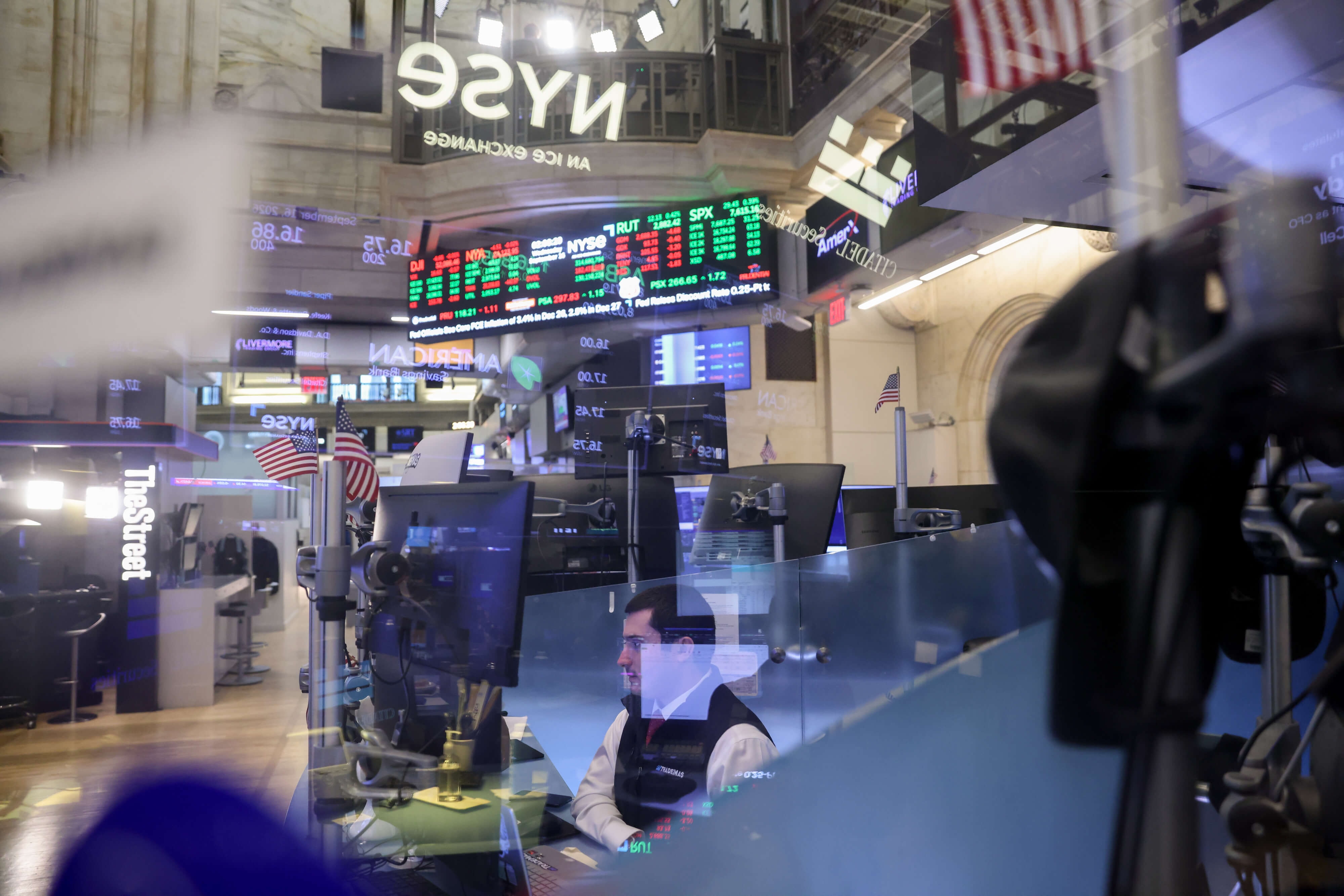
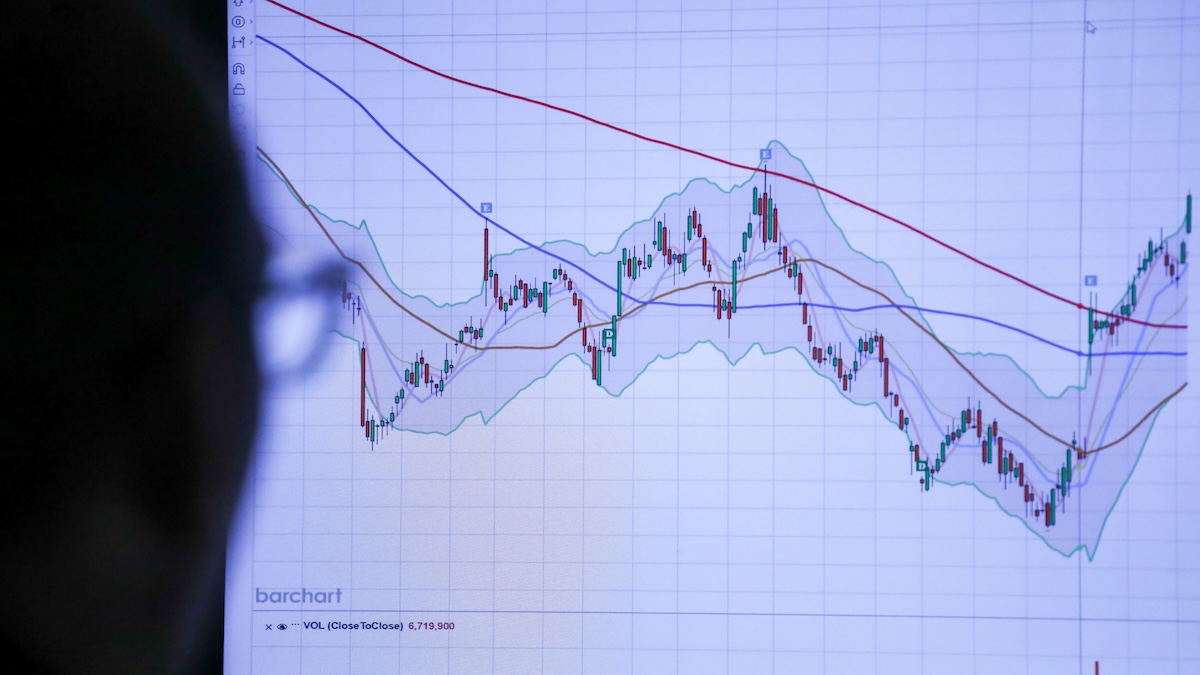
Has the stock market bubble quietly burst already? Even though the S&P 500 Index has mostly treaded water for the past four months, Wall Street analysts have continued to boost their earnings estimates.
Abdul El-Sayed, the Democratic candidate for Senate in Michigan, has a simple pitch to voters. Imagine, he says, a health-insurance plan with “no premium, no copay, no deductible — just healthcare when you need it.” El-Sayed and other proponents call the idea Medicare for All.
For three years, clients have been asking me when the economy will get back to normal. I have started answering that this current flat economy may be the newest redefinition of normal, one of many I’ve seen in 40-plus years of writing about money.
When during the calendar year should retirees take their required minimum distributions (RMDs)? Take the RMDs early and eliminate the chore? Wait until December to maximize tax-deferred compounding? Or spread the distributions throughout the year? Advisors often start with too narrow a view of what clients are trying to optimize.
Only 30% of Americans believe they’ll be able to retire comfortably — an amount retirement plan participants now estimate is $1.2 million, a recent survey by Schroders found. 33% of plan participants said that their credit card debt was higher than their retirement savings.
The confusion surrounding a proposed civil nuclear deal with Saudi Arabia hasn’t exactly disappeared: The White House is still claiming it depends on the country normalizing relations with Israel, even if that’s not part of the written agreement.
Morgan Stanley has set up a Digital Asset Lab to test technologies including stablecoins, tokenization and decentralized finance applications as the Wall Street bank explores how blockchain-based systems could be used across its business.
Starting Tuesday, OpenAI will convene its annual developer conference. The timing isn’t ideal.
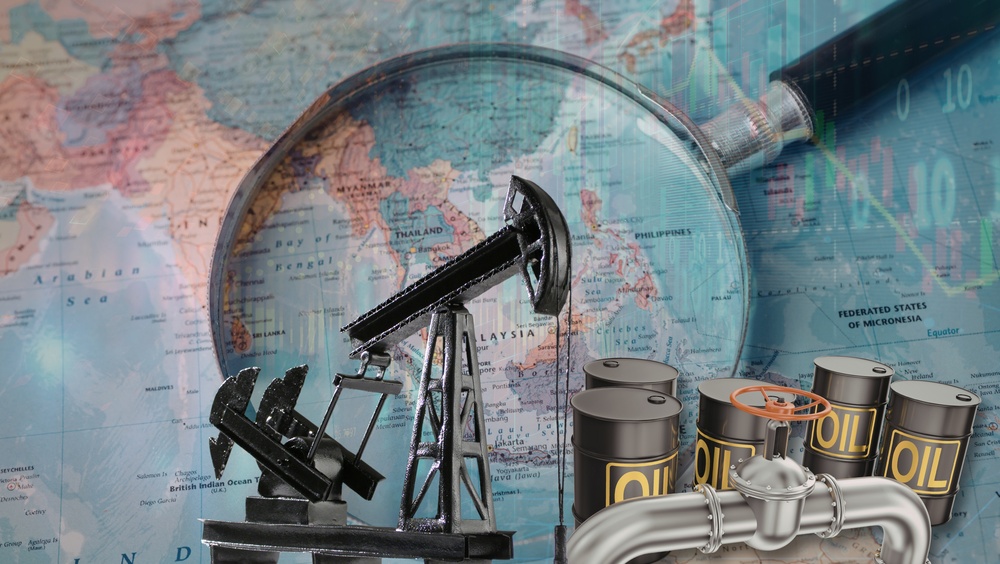
Oil fell as top exporter Saudi Arabia boosted flows through a key pipeline, overshadowing concerns over a US-Iran stalemate.
Brendan Greeley’s “The Almighty Dollar” is unlike any other book on the U.S. dollar ever written. If you want to take a really deep dive into financial history and — more specifically — the history of currency, this is the book for you.
I propose that the question of whether now is an especially auspicious time to buy in general — or more incisively, whether properly allocated investors should have more, less, or the same TIPS exposure when rates are relatively high — is more nuanced.
Japan can thank its high debt loads and aging demographics for the inflation restraint. But the cost paid in stagnant growth and diminished prosperity for its citizens has been dear. We do not fear an inflationary spike in the U.S.; instead, we are concerned that the economic doldrum that has infected Japan for over 25 years will slowly work its way here.
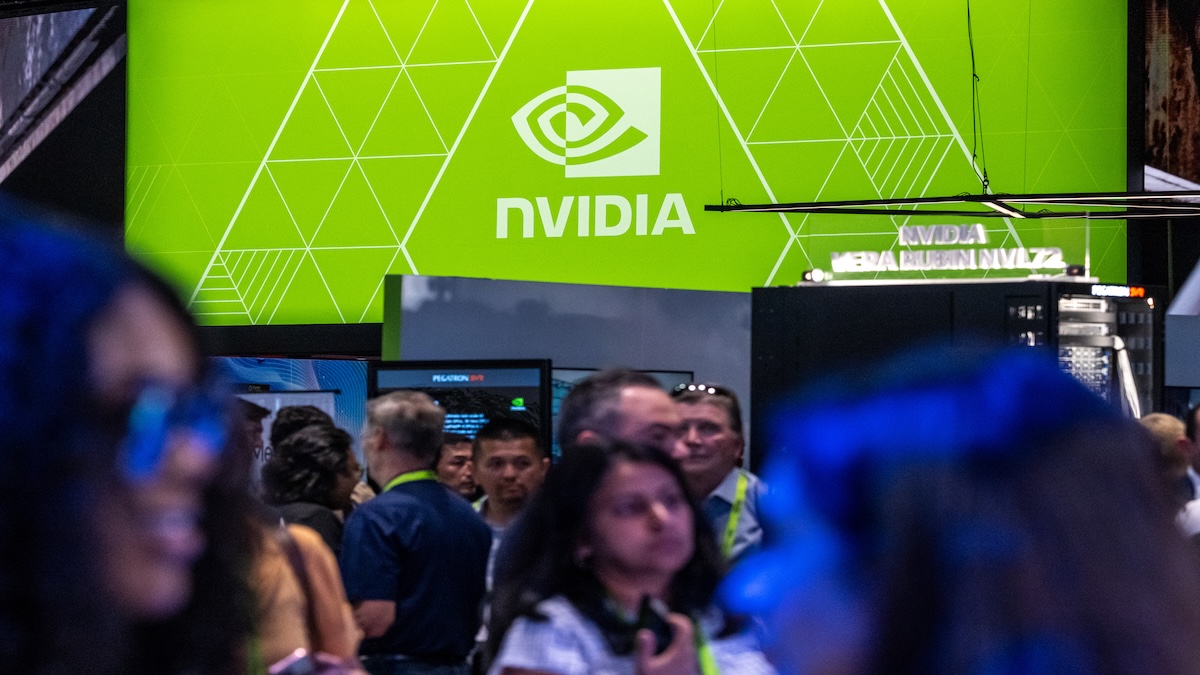
Nvidia Corp., the chip developer at the heart of the artificial intelligence boom, increased the size of its share buyback plan by a record $150 billion, reflecting Chief Executive Officer Jensen Huang’s confidence in its continued growth.
Among the world’s top fuel-consuming nations, Japan is the most energy insecure. Its import-dependency ratios are scary: It buys overseas 99.9% of the oil it needs; 99.7% of the coal; and 97.8% of the natural gas.
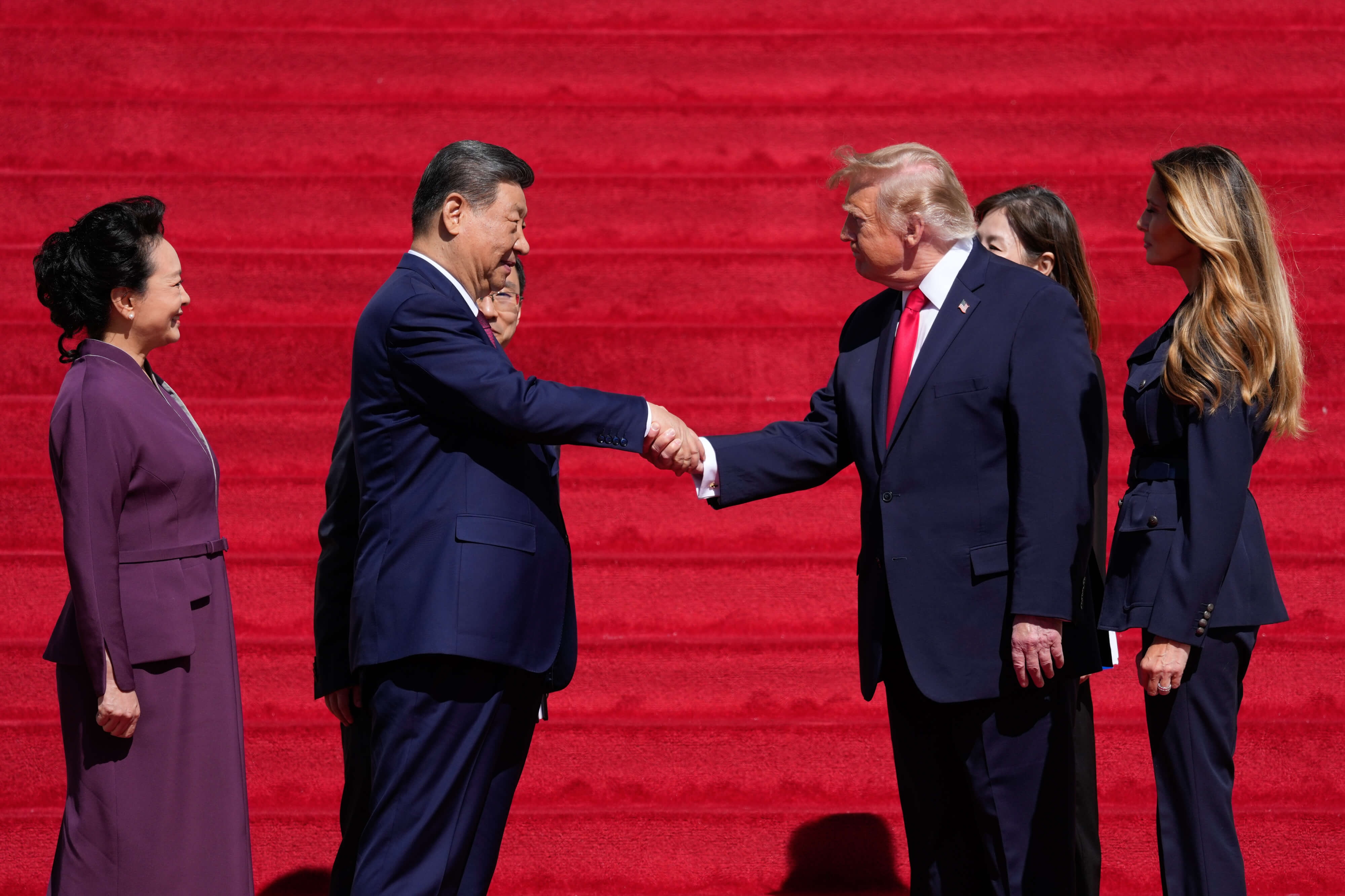
The US and China detailed a plan to cut tariffs on about $30 billion of imports from each country, taking a step toward fulfilling a key outcome of last week’s summit between Donald Trump and Xi Jinping.
US stocks climbed as oil and Treasury yields pulled back from the recent surges ahead of data on inflation expectations.
The Facebook parent’s shares had jumped 36% in September through Thursday’s close following the release of its Muse personal AI assistant, which has risen quickly to the top of app charts and muffled concerns that heavy spending on AI won’t pay off. The stock is on pace for its best month since July 2013 and within striking distance of joining an elite group of companies worth at least $2 trillion.
Now the US is in a higher-interest-rate environment, and once again there is a lot of redefining going on. One change is that it’s finally good to be a saver again. The catch is that saving isn’t quite as safe as it used to be.
The AI and cryptocurrency sectors are bankrolling hundreds of millions of dollars in advertising to shape public opinion and elect allies to Congress and key state offices in the midterm elections.
The tectonic plates of the global economy have shifted. Across the world, yields on long government bonds — keystone of the entire financial system — have climbed to their highest in decades. A trend that had been clear ever since the brief post-pandemic boom turned into resurgent inflation and higher rates has suddenly accelerated.
The US housing market has been stuck in neutral for nearly four years, with sales of new and existing homes plodding along at a historically slow pace. One explanation is that the average rate on a 30-year fixed-rate mortgage in the US passed 6% four years ago and has stayed above that ever since, creeping past 7% this week.
AI has changed coding, mathematics, and weather forecasting. They all have a vast pool of available training data, rapid feedback, and clear right and wrong answers. These keep models moored to reality, not spiraling off to disaster as the result of compounding small errors.
Yields on the US’s longest-dated bonds climbed to the highest level in more than two decades, the latest milestone in a global selloff driven by inflation fears and concern about government debt burdens.
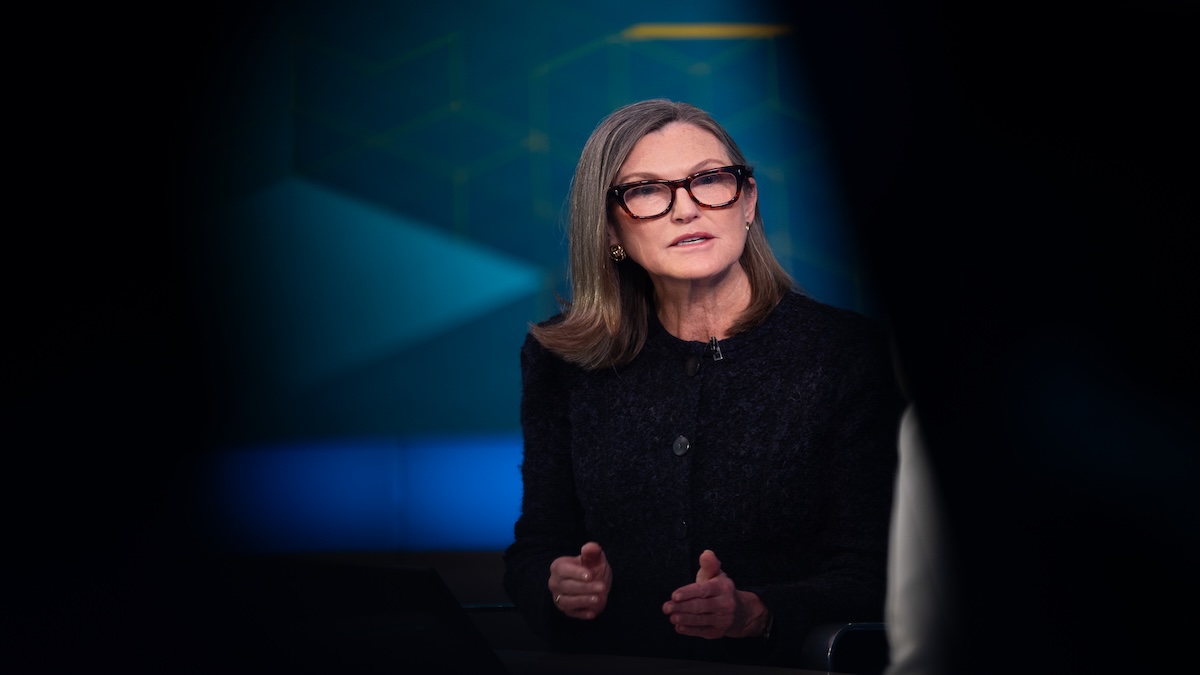
Cathie Wood is putting one of her investment funds on the blockchain for the first time, deepening her ties to the growing world of tokenized assets as Wall Street experiments with a new financial infrastructure.
The US midterm elections are turning into a key source of concern for a stock market that is riding high on the artificial intelligence trade.
For at least eight years, Congress has been trying and (mostly) failing to create a special set of rules for digital assets and the markets they trade on. It’s worth asking how much, if any, of that was advisable.
The rush for the exits by wealthy investors in private credit funds is far from done. But even as the rich run away from direct lending, they aren’t abandoning alternative assets. Instead, they look to be chasing the next hot thing: infrastructure finance.
AI can do the prep. It writes the file notes, assembles the meeting brief, and produces a credible first version of the plan. The time saved is real, and no one should hand it back. The bill arrives later. A skill you stop practicing gets weaker, and professional judgment is a skill.
Many times, a team member raises an issue that isn’t really the main issue. I call this “the presenting problem.” Stay open. Listen and learn.
Relational marketing asks whether people are paying attention, whether trust is growing, and whether the advisor is becoming familiar enough to be worth listening to. Sales is what happens after enough of those seeds have taken root.
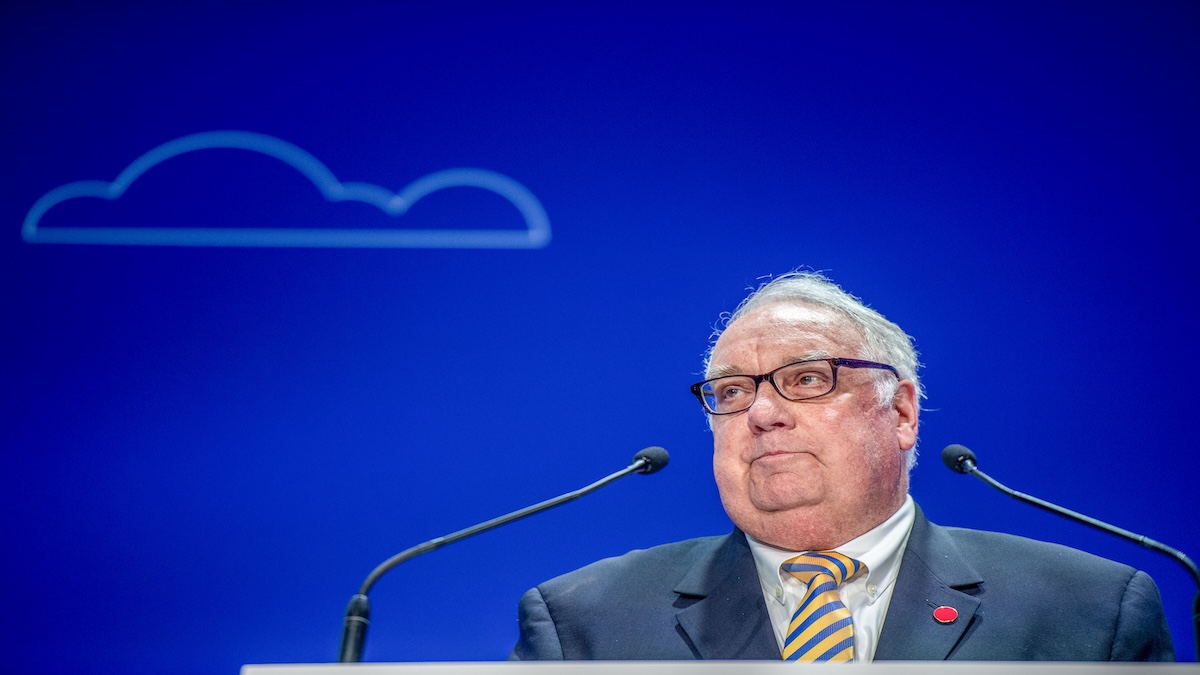
Facts are facts, so let’s just state it plainly: Howard Buffett is a nepo baby. And this is one of the rare cases where I think we should be OK with it.
The US deficit has reached $1.97 trillion and is on track to pass 6% of gross domestic product this fiscal year, the latest milestone in a remarkable deterioration of the federal budget.
The two largest municipal bond exchange-traded funds just recorded their largest weekly inflows ever, shortly after a bond rout fueled outflows in other muni funds.
In late January, the week before Commerce Secretary Howard Lutnick announced a $1.6 billion government commitment to fund a US magnet maker, bankers at his former financial services company, now run by his sons, were busy earning fees raising $1.5 billion more for the company from private investors.
Xi Jinping and Donald Trump will sit down this week to hash out a plethora of thorny issues from trade to Taiwan. One thing both sides agree on: neither can afford to tap the brakes on AI.
Longevity optimists believe advances in geroscience, biotechnology, artificial intelligence, and other fields could significantly extend both health span and lifespan. Living healthy into our late 90s, and perhaps beyond 100 for many, should be taken seriously when thinking about our personal and financial futures.
Cryptocurrency can complicate divorce even when no one is hiding it. Early identification and collaboration can prevent a misunderstood transaction or unilateral decision from becoming a costly dispute. This preparation also gives both spouses a reliable basis for evaluating settlement terms and trade-offs.
A full-ride academic or athletic scholarship is the gold standard for college funding, an unrealistic dream for many families and an achievement to celebrate for a few. A recent conversation with one of those scholarship recipients gave me a new perspective on that dream.
Advisors equipped with outcome-based allocation frameworks and cash-flow-focused strategies like dividend-growth investing can help business owners translate a singular liquidity event into a wealth plan aligned with their lifestyle, generational, and aspirational goals.
A popular trade in US Treasuries has shrunk to its smallest size in over two years, in what Wall Street strategists say reflects fewer dislocations in the bond market for hedge funds to exploit.
When billionaire Mat Ishbia’s mortgage company was facing significant losses on soured hedges earlier this year, he called old friends at Oaktree for help.
For most of this year, investors have flocked into small caps to diversify away from the concentrated AI trade. Rising interest rates are threatening to put a damper on that.
Novo Nordisk A/S is eyeing the hair-loss market as the maker of Ozempic seeks to expand its direct-to-consumer pharmaceuticals business.
Family offices now see inflation as their No. 1 worry, underscoring how rising costs of goods and services are vexing even the richest investors.
Confused by the Singularity and the impending AI apocalypse? Theoretical physicist turned science writer Adam Becker is here to help with “More Everything Forever: AI Overlords, Space Empires, and Silicon Valley’s Crusade to Control the Fate of Humanity,” a jaundiced tour d’horizon of the peculiar end-times stories that IT visionaries — particularly the richest and most powerful ones — tell themselves.
The combination of prior Fed inaction followed by relatively significant market tightening raises a question: If long-maturity yields were already weighing on economic activity, did the bond market already do the Fed’s job?
Bitcoin surged near $85,000 to its highest since late-January, extending a sharp rebound as falling oil prices and a broader return of risk appetite helped cryptocurrencies move past setbacks on US crypto legislation and monetary policy.
Investors in the US Treasury market are shifting their focus to owning shorter-dated government bonds, a bet that the Federal Reserve will eventually emerge victorious in its fight against inflation.
Like it or not, we are all betting on AI taking over the economy. In the last 40 years, the US has become a nation of stock investors. On the whole, it has made Americans rich. Now the stock market is soaring on the hopes that AI will make everyone more productive — and if that doesn’t work out, we all may learn the definition of a bad tail risk.
US and Chinese officials offered upbeat assessments of their talks on artificial intelligence, trade and investment, signaling a mutual desire to steady ties ahead of this week’s summit between leaders Donald Trump and Xi Jinping.