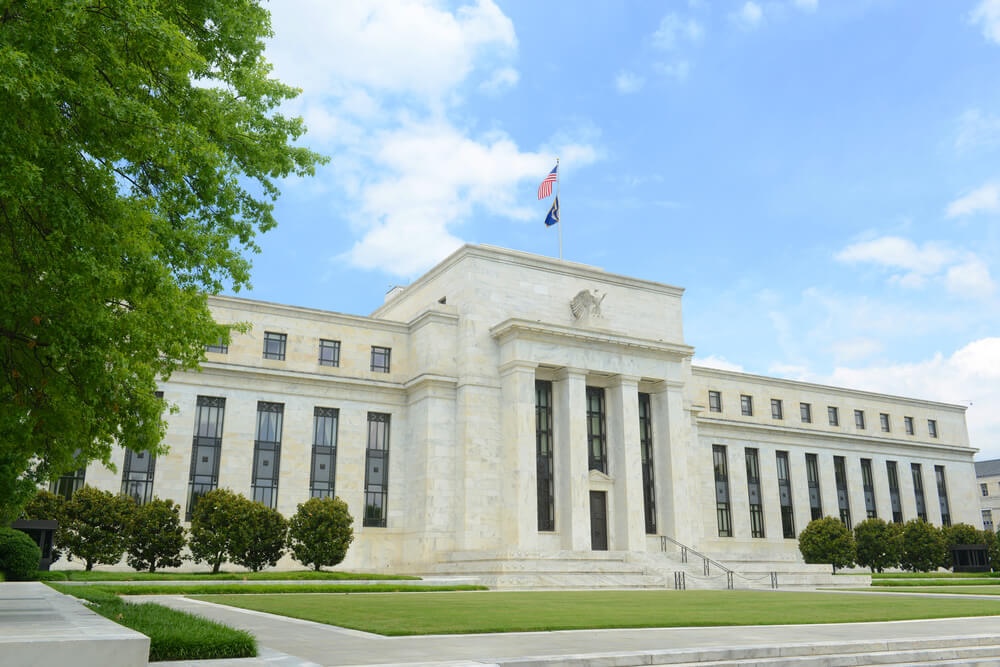
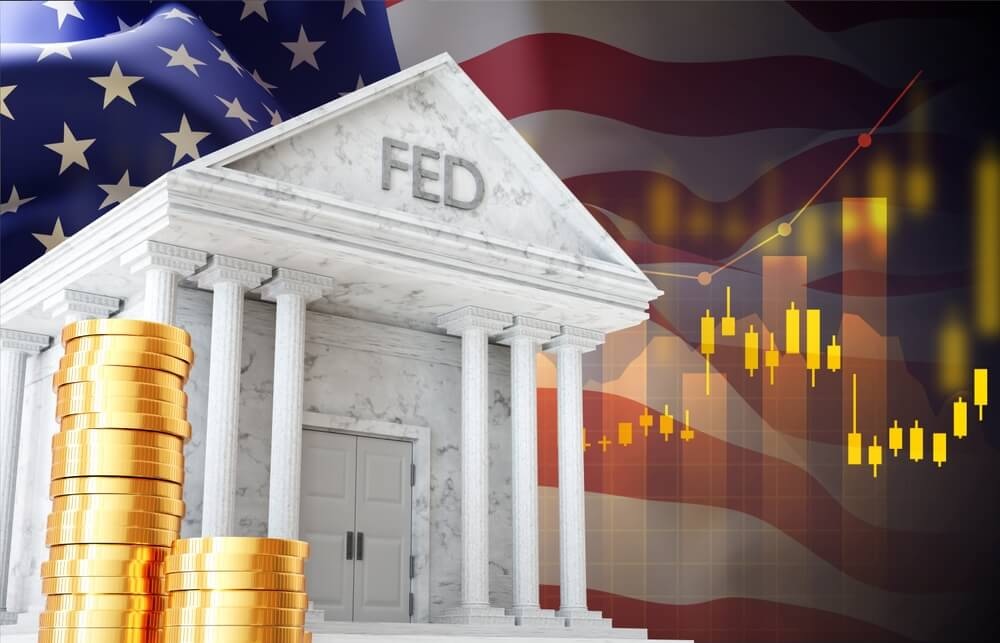
The U.S. Federal Reserve delivered on consensus expectations by raising its policy rate by 25 basis points (bps) at its September meeting.
Municipal bonds might still offer attractive tax-advantaged income and relatively stable credit quality for investors who understand the risks.
The 2026 U.S. midterms are rapidly approaching, with major implications. Muni bonds, in particular, may be impacted.
Huawei Technologies Co. is accelerating the debut of its next-generation AI chip in 2027 by several months as it aims to replace Nvidia Corp. in China and compete on the global stage.
ETFs are increasingly breaking down the wall between public and private markets. Asset managers are finding ways to “ETF-ize” private equity and pre-IPO holdings — giving retail investors liquid, fractional access to growth opportunities historically restricted to institutional and accredited buyers. As companies stay private longer, the most explosive growth phases of high-profile startups often occur off public exchanges.
The shortened Labor Day trading week brought little cheer for stock and bond investors. Coming off a long weekend that saw increased hostilities between the US and Iran, oil prices pushed higher, topping $100/barrel. Gas and diesel prices also spiked: diesel hit an all-time high of $6/gallon, while regular gas jumped to a Labor Day record of $4.15/gallon.
Advancements in technology, combined with significant stock market gains in recent years, have created a new set of opportunities—and challenges—for investors. For example, investors holding a concentrated position in a highly appreciated stock may face a difficult trade-off between the risk of a market downturn and the potentially significant tax cost of diversifying the position.
When it comes to personal finance, conventional wisdom says the best way to live is debt-free. There are many important reasons why this is tried and true, but for high-net-worth individuals, lending can be an optimal way to access cash in the near term without sacrificing long-term gains on your assets.
Fed policymakers unanimously voted to raise rates 25 basis points, the first hike since 2023, and vowed to fight inflation. Another hike is seen this year, but 2027 is in question.
Most people have had that moment when they’re walking along outside, enjoying a sunny day, and suddenly something long and twisty on the ground catches their eye. Before they even know what’s happening, their whole body jumps and their brain shouts, “Snake!”
The Federal Open Market Committee (FOMC) decided to raise rates by a quarter-point, bringing the new fed funds trading range to 3.75%–4.00%. The money and bond markets had been pricing in a potential rate hike at this gathering, and Warsh & Co. ultimately determined that such a move was warranted. That said, the ‘rate hike’ story does not end here.
Janus Henderson launched a new international equity ETF on Wednesday, according to a Janus Henderson press release. The Janus Henderson International Core Alpha ETF (JINT) seeks long-term growth of capital across developed markets outside the U.S.
Clients value advisors who are knowledgeable about philanthropy as well as those who collaborate with philanthropic specialists when deeper expertise is needed. Advisors who coordinate deliberately with specialists, rather than working around them, are best positioned to meet those expectations.
With mass AI adoption across nearly every industry, a new challenge is emerging: When everyone has access to the same technology, everything starts to look and sound the same. Once you stop standing out and creating genuine connections with prospects, you face a big marketing problem.
In my years working with advisors, teams, and firms, I’ve had to confront the topic of compensation many times. It’s hard to grow when you don’t have the right incentives in place to encourage people to focus on actually doing it and hard to team effectively when people may think they are being treated unfairly.
US retail sales rose by the most in five months in a broad advance, showing consumers continued to spend despite rising gasoline prices.
One fear over the past few days is that an artificial-intelligence slowdown, whatever that looks like, might harm the stocks of chipmakers. If AI development takes a breather, the insatiable appetite that has propelled component makers to unprecedented heights would dissipate. Will AI companies still need all those data centers?
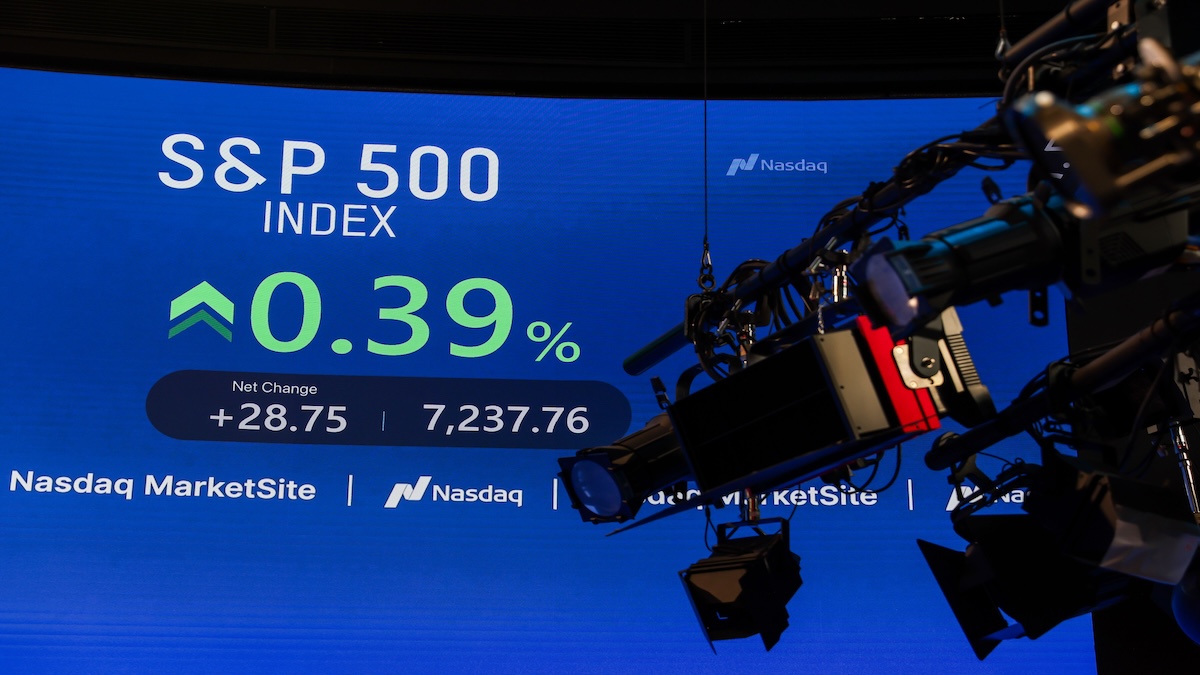
Every single sector in the S&P 500 is expected to deliver earnings growth for the third quarter, the first time since 2021, when corporate America emerged from the pandemic slump, Bloomberg Intelligence data shows.
Ed Yardeni, one of the biggest stock bulls on Wall Street, is slashing his year-end forecast for the S&P 500 Index a month after raising it, citing increasing risks of a downturn in the next three to six months.
Morgan Stanley’s investment manager secured $1.3 billion in capital commitments for a growth equity fund that’s already invested in startups including Databricks, Anduril Industries Inc. and Ramp.
Last December we published Riding the Wave: The Anatomy of Booms & Bubbles. In it, we argued that the AI spending boom would continue through 2026 without tipping into ‘bubble’ mania, and that the right posture was to stay overweight stocks while favoring US assets. Nine months on, we think that call has aged well.
Single-stock leveraged ETFs were unusual when they first arrived in the U.S. market just four years ago. Today, it might be hard to find a stock without one. Issuers are aggressively pushing beyond megacap tech into niche equities, pre-IPO registrations, and even experimenting with leverage levels and frequency.
With so much attention focused on what the Fed might do at its policy meeting this week, it’s a good time to look back at history to get a sense of how stocks might respond should policymakers hike rates as the market now expects. LPL Research had been characterizing the rate decision as a coin flip until Fed Chair Kevin Warsh’s hawkish comments at the Jackson Hole meeting and the strong August jobs report.
The August employment report was much stronger than expected and reinforces my view that the U.S. economy remains remarkably resilient. Payrolls increased by 162,000, above every estimate, while revisions added another 55,000 jobs to the previous two months.
AI-driven healthcare innovation is creating strong investment opportunities by improving efficiency, expanding access, and delivering better patient outcomes.
Discover how autocallables provide steady income and downside risk protection in volatile markets, and how autocallable ETFs can help.
In what is a good sign, many discussions around automation generally and AI specifically are increasingly moving to questions about compliance and liability. Basically, people are asking whether the agentic coworker they just hired is smart enough to trust.
I’ve written before about why the federal debt may be less dire than the headlines suggest, and I still think much of that argument holds. You cannot know whether a national crisis is coming. You can, however, assess the risk of a crisis for your own budget and take action to reduce that risk.
Anthropic PBC is pitching financial advisers on a version of Claude that blends the chatbot with financial analytics and risk management technology run by BlackRock Inc., Vanguard Group Inc. and other firms.
Kevin Warsh has rightly called into question the effectiveness of the Federal Reserve’s communications — but his arrival as chairman only seems to have made the problem worse. To put this right after the next Fed meeting this week, he’ll need to rethink his approach to explaining where things stand.
The latest inflation report points to a hard truth: The US is not going back to a 2% inflation rate anytime soon. At least not easily.
On September 2, TMX VettaFi Head of Research Todd Rosenbluth appeared on the Schwab Network to discuss ETF inflows nearing record highs in 2026 and the 50th anniversary of the first-ever index fund, the Vanguard 500 Index Fund. The fund’s ETF share class, which trades under the ticker VOO, is a bit newer, having launched in 2010.
Chris Galipeau discusses high-conviction insights that go beyond media headlines.
Most coverage of Trump Accounts treats them as a parenting question, or a discussion comparing them to 529s. For founders and business owners the analysis of them is slightly more nuanced.
Demand for fixed income ETFs hit a historic high-water mark in September. Investors and advisors turned to fixed income ETFs at a record-breaking pace, driving 2026 net inflows of $446 billion past all-time levels with months to spare. The massive tide of capital arrives at a critical juncture.
Is the AI infrastructure buildout one big trade in credit? So far, the market seems to think so. Spread dispersion – differences in borrowing costs among issuers – across the financing chain remains limited despite sharp differences in underlying risk. This contrasts with equities, where performance has become increasingly differentiated.
Last week, the refining margin on European gasoil, the benchmark that sets the price of diesel and heating oil across much of the world, closed at roughly $94 a barrel over Brent crude, according to Bloomberg data. That figure is normally somewhere between $12 and $18.
In Part III, the focus will center on practical applications of this discipline. In particular, how advisors can integrate the methodology into modern asset allocation, and why it offers an evolutionary leap for passive investing that’s available through exchange-traded funds (ETFs).
As I go through the strengths and weaknesses of each model, my goals are to point out where the models are strong and to point out potential weaknesses such as conflicts of interest, which are important to be aware of in working with clients. Although we are all fiduciaries, financial incentives matter because we are all human. I know great advisors across all fee models.
ETF share classes represent a structural innovation that combines the benefits of mutual funds and exchange-traded funds (ETFs) within a single pooled portfolio. This evolution expands investor choice, offering both ETF and mutual fund shares under a unified investment strategy.
Many market participants have highlighted how value investing is back as the equity market rally broadened out beyond high-flying growth names. However, taking an index-based approach to the value style requires looking under the hood. Not all value ETFs are created equally.
The list of challenges confronting Wall Street piled up this week. Oil firmly above $100. Inflation refusing to disappear. A defiant bond market that all but dared Scott Bessent to bring more policy firepower.
The bond selloff has driven a key Treasury yield to the verge of 5%, worsening angst from Wall Street to Washington about higher borrowing costs hitting the US economy.
Investors can’t get enough of ultrashort bonds. Driven by concerns over high equity valuations and rate volatility as the U.S. Federal Reserve mulls over the direction of interest rates, capital preservation strategies appear to be the elixir to help ease uncertainty. As such, ultrashort bonds have been seeing greater demand as traditional safe havens fall short on yield or carry unwanted duration risk.
One or a few high-performing stocks can provide a big boost to portfolio values. But they’re hard to come by and often struggle to maintain their momentum over time. Because these stocks increase portfolio concentration, investors must balance the risk of overexposure against the tax cost of diversifying. A thoughtful, tax-aware plan may help bring portfolios back in line.
With a handful of stocks attracting most of the recent headlines, it’s easy to forget that investors continue to find opportunities across a broad range of sectors.
US stocks fell for a fourth straight day, their longest slide since June, as the relentless climb in oil prices and fresh evidence of sticky inflation boosted Treasury yields and bets the Federal Reserve will lift interest rates.
As wealth management firms scale, sustained organic growth increasingly depends on strong business leadership. Firms that build scalable client acquisition strategies, develop talent and create operational infrastructure can position themselves to grow beyond founder-led models and capitalize on the industry’s long-term opportunities.
In this article, Russ Koesterich argues that momentum remains supported by strong earnings growth, making the factor attractive despite market risks.
2026 began with 10-year Treasuries right around 4%, which many viewed as a comfortable place. The comfort came from some simple math—2 plus 2 equals 4. The long-term real yield on the 10-year Treasury was around 2% and the Fed’s inflation target is 2%.